Existentialism

21 episodes · 33 books

Existentialism confronts the fundamental questions of human existence: freedom, meaning, anxiety, and authenticity. From Kierkegaard's leap of faith to Camus's rebellion against the absurd, these thinkers grapple with what it means to live in a world without given purpose.

Episodes

The Darkest Philosopher Who Ever Lived | Philipp Mainländer
Existentialism2:08:14

The Darkest Philosopher Who Ever Lived | Philipp Mainländer

Before the world began, he argued, God chose not to exist, and shattered into the universe in order to die. In a rented room by a German river, a mild and dutiful bank clerk finished the strangest book of his century, and then quietly ended his own life. This episode follows Philipp Mainländer, the poet and philosopher who took Schopenhauer's darkness further than anyone had dared. We trace his single great work, The Philosophy of Redemption, the strange drive he found beneath all life, the calm he took from a running-down cosmos, and the rescue he promised, which is simply rest and nothing more. Along the way we meet his gentle serenity, his quarrel across time with Nietzsche, and the uncanny way modern science has come to echo his cooling universe. It is a patient walk to the far edge of pessimism, and gently back. The full episode is on YouTube and Spotify. Please listen only in safe, restful contexts.
Man Is Not a Piano Key | Dostoevsky's Notes from Underground
Existentialism2:18:24

Man Is Not a Piano Key | Dostoevsky's Notes from Underground

Literature's first anti-hero opens by telling us that he is sick, that he is spiteful, and that he will see no doctor out of pure defiance. In the winter of a year that would take almost everyone he loved, a broke and grieving writer set loose the strangest voice in Russian literature. This episode stays inside that single short book, Notes from Underground, and follows its narrator all the way down. We begin at the desk where it was written, then enter his war on reason, on the science of happiness, and on the gleaming palace of the perfect future. We follow him out of his head and into the world, to a humiliating dinner, a snowbound street, and an encounter with a young woman that becomes the truest and cruelest scene he ever lived. Along the way we uncover the chapter a censor quietly cut, and the buried answer it removed. What remains is the first modern confession, and a mind we still recognize as our own. The full episode is on YouTube and Spotify. Please listen only in safe, restful contexts.
No Man Can Save Himself Alone | Beauvoir's Ethics of Ambiguity
Existentialism1:07:35

No Man Can Save Himself Alone | Beauvoir's Ethics of Ambiguity

Simone de Beauvoir asks what freedom can mean after alibis, idols, and innocence have fallen. This episode walks slowly through The Ethics of Ambiguity as Beauvoir builds an existentialist ethics out of finitude, failure, and action. It begins in postwar Paris, where the language of responsibility had become historically urgent, then follows the book's own structure from ambiguity and freedom into the moral attitudes that flee freedom, including seriousness, nihilism, adventure, and passion. The reading then turns with Beauvoir toward art, political detachment, oppression, liberation, violence, and the dangerous appeal to the future. It closes with the book's most difficult wisdom, that moral life does not escape ambiguity but assumes it through concrete decisions among other freedoms. The full episode is on YouTube and Spotify. Please listen only in safe, restful contexts.
Is Life Worth Living? | Nietzsche vs Schopenhauer | Philosophy for Sleep
Existentialism2:17:36

Is Life Worth Living? | Nietzsche vs Schopenhauer | Philosophy for Sleep

One of them concluded that the only wise response to life is to want less of it. The other spent his life arguing for wanting all of it back, forever, exactly as it was. As a lonely student, Friedrich Nietzsche found a dead philosopher's book on a bookshop table and fell under a spell that would shape everything he became. This episode follows the long, strange bond between Nietzsche and his first master, Arthur Schopenhauer, from devotion to open war. We meet the bitter, solitary Schopenhauer and his vision of a blind striving world where life is suffering. We watch the young Nietzsche pour that vision into his first book, then slowly turn against it, until he answers the darkest case ever made against existence with the wildest possible affirmation of it. Along the way we trace the will, pity, the death of the hidden true world, and the thought that measures whether a life could be loved enough to live again. The full episode is on YouTube and Spotify. Please listen only in safe, restful contexts.
When Life Suddenly Feels Meaningless | The Existential Crisis
Existentialism3:26:48

When Life Suddenly Feels Meaningless | The Existential Crisis

Why do people who have everything still wake at three in the morning certain that none of it means anything? This is a long, unhurried history of the moment the floor of ordinary life gives way. It begins with a celebrated novelist who, at the height of his fame and fortune, quietly hid a rope from himself, and from that single human crisis it opens outward across the centuries. We follow the confrontation with meaninglessness through the oldest scriptures and the calm arguments of antiquity, through a believer terrified by an infinite and silent cosmos, through the philosopher of endless striving, and into the thinkers who made this dread the very center of their work. We sit with the death of God, with radical freedom, with the absurd, with a survivor who found a reason to endure the unendurable, and with a tradition that meets the void by loosening its grip on the self. The episode closes not with a tidy answer but with the quiet question of how a person comes back to life. The full episode is on YouTube and Spotify. Please listen only in safe, restful contexts.
The Knight of Faith | A Slow Reading of Kierkegaard's Fear and Trembling
Existentialism1:05:46

The Knight of Faith | A Slow Reading of Kierkegaard's Fear and Trembling

A father is commanded to kill the son he loves, and is told by no one why. Fear and Trembling is Soren Kierkegaard's strange and beautiful meditation on the binding of Isaac, written under the borrowed name Johannes de Silentio against an age that believed it had outgrown faith. This reading walks through the whole of it, the preface that quarrels with its own century, the four imagined retellings of the journey to Moriah, the eulogy that praises a man it cannot understand, the knight of faith who is impossible to tell apart from an ordinary shopkeeper, and the three problems that ask whether a single individual can ever stand higher than the moral law. It follows the argument to its quiet and unsettling close, where faith turns out to be not a stage one passes through but the task of an entire life. A complete, calm reading of one of philosophy's most demanding small books. The full episode is on YouTube and Spotify. Please listen only in safe, restful contexts.
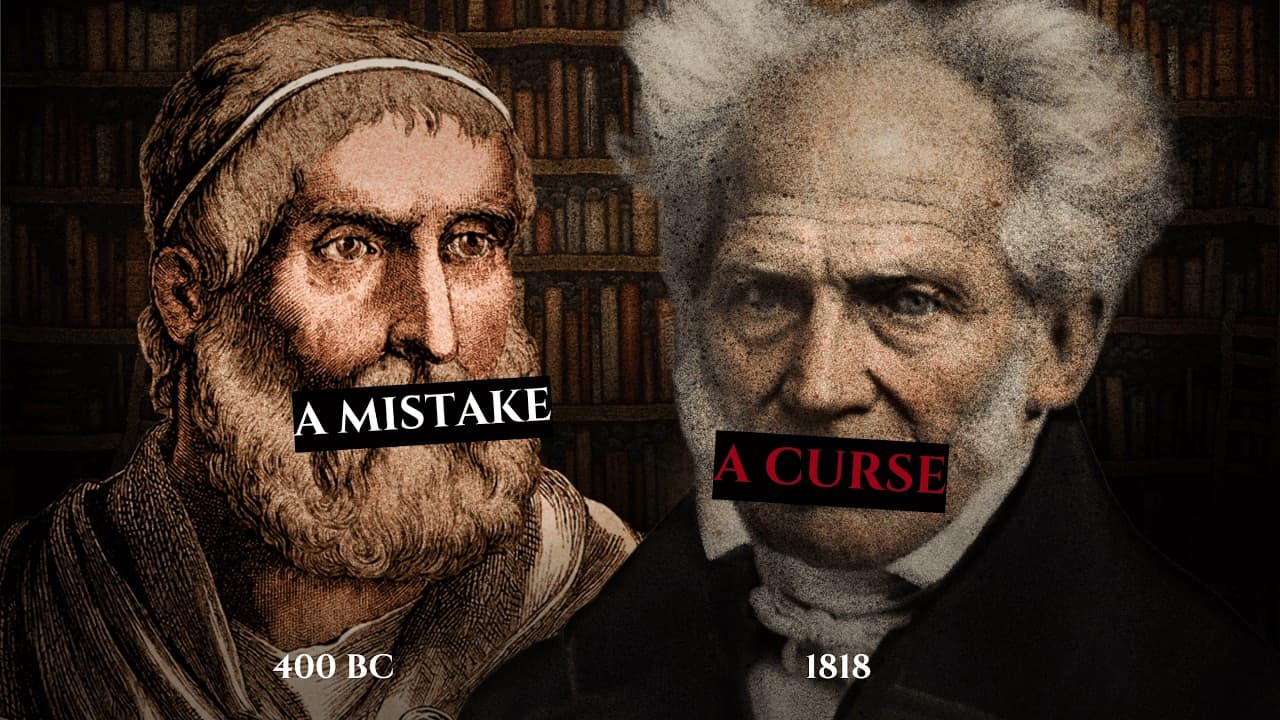
Best of All Is Never to Be Born | Antinatalism for Sleep
Existentialism3:09:19

Best of All Is Never to Be Born | Antinatalism for Sleep

The oldest, strangest verdict in philosophy, that it might be better never to have been born. Long before the word existed, the wisest voices of the ancient world kept arriving at the same strange verdict, that it might be better never to have been born at all. This episode follows that thought across the centuries, from a captured satyr and the chorus of a Greek tragedy to the systematic pessimism of Schopenhauer, who made suffering the ground note of existence. From there it moves through the strangest corners of the tradition, a philosopher who imagined a God who chose to die, a Norwegian who called consciousness an evolutionary mistake, and a sleepless Romanian who turned despair into aphorism. At its center stands the modern argument that made the idea respectable again, David Benatar's claim that coming into existence is always a harm, with the questions of consent, suffering, and the harm we do woven around it. Along the way it gives the other side a full hearing, including its greatest adversary, the thinker who answered the ancient verdict by daring to love his fate. The full episode is on YouTube and Spotify. Please listen only in safe, restful contexts.
Told He Would Die by Thirty, He Outlived the Reich | Karl Jaspers Complete Philosophy for Sleep
Existentialism2:39:53

Told He Would Die by Thirty, He Outlived the Reich | Karl Jaspers Complete Philosophy for Sleep

A boy told he would die by thirty built a philosophy of openness that outlived two death sentences. Karl Jaspers trained as a doctor under the shadow of an early death, reinvented the study of the troubled mind, and then crossed quietly into philosophy to ask the largest questions a person can face. This episode follows his whole arc, from the cold northern coast where he was born, through the Heidelberg years and the marriage that shaped everything, to the ideas that made him one of the deepest thinkers of his century. We trace the situations no one escapes, the self that is never finished, the truth that lives only between two people, and the signs of something beyond all knowing. We walk through his shattered friendship with another great philosopher, the years he and his wife lived under threat, and his emergence after the war as a moral conscience who asked a ruined nation to think clearly about its guilt. It is the story of a mind that refused, against everything, to close. The full episode is on YouTube and Spotify. Please listen only in safe, restful contexts.
One Moment of Happiness | Dostoevsky's White Nights
Existentialism0:55:24

One Moment of Happiness | Dostoevsky's White Nights

Four summer nights in a city where the sun never sets, and a lonely dreamer who meets a young woman waiting for someone else. This episode walks through Fyodor Dostoevsky's early story White Nights, told over four luminous Petersburg nights and a single morning. We meet the dreamer, a man so sealed inside his own head that he has befriended the houses of the city because he cannot speak to its people, and we follow what happens when he meets Nastenka weeping at a canal railing and is asked to be her friend on the single condition that he not fall in love. We trace the warmth and the self-deception of his inner life all the way down, and the quiet question the story keeps asking, what one moment of happiness is worth to a person who has been allotted almost none. No background in the book is needed to follow along. Please listen only in safe, restful contexts.

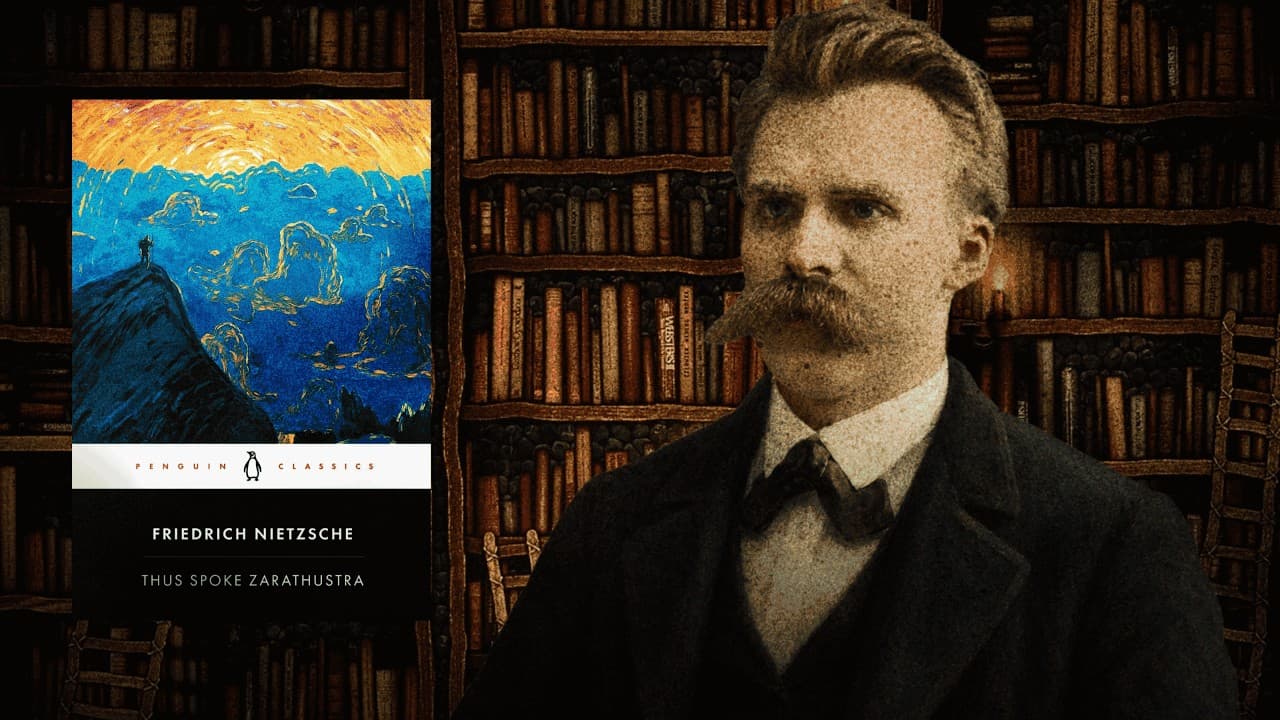
Thus Spoke Zarathustra by Nietzsche
Existentialism0:55:54

Thus Spoke Zarathustra by Nietzsche

A hermit comes down from his mountain to teach that humanity must overcome itself, and learns how hard his own teaching is to bear. This episode walks through Friedrich Nietzsche's Thus Spoke Zarathustra, the strange counter-scripture he wrote in the mountains in bursts of ten days at a time. We follow Zarathustra from his descent and the death of God, through the marketplace where the crowd laughs at the overman and cheers for the last man, into the great speeches, the three transformations of the spirit, and the teaching that meaning must be made on the earth rather than awaited beyond it. At last we reach the thought that nearly breaks him, that everything will return exactly as it was, forever, and the long struggle to say yes to it. We read the parables and songs as what they are, a book that preaches rather than argues, and we keep the ideas clear without flattening them. No background in philosophy is needed to follow along. The full episode is on YouTube and Spotify. Please listen only in safe, restful contexts.
Fyodor Dostoevsky's Crime and Punishment | Book Summary
Existentialism1:01:24

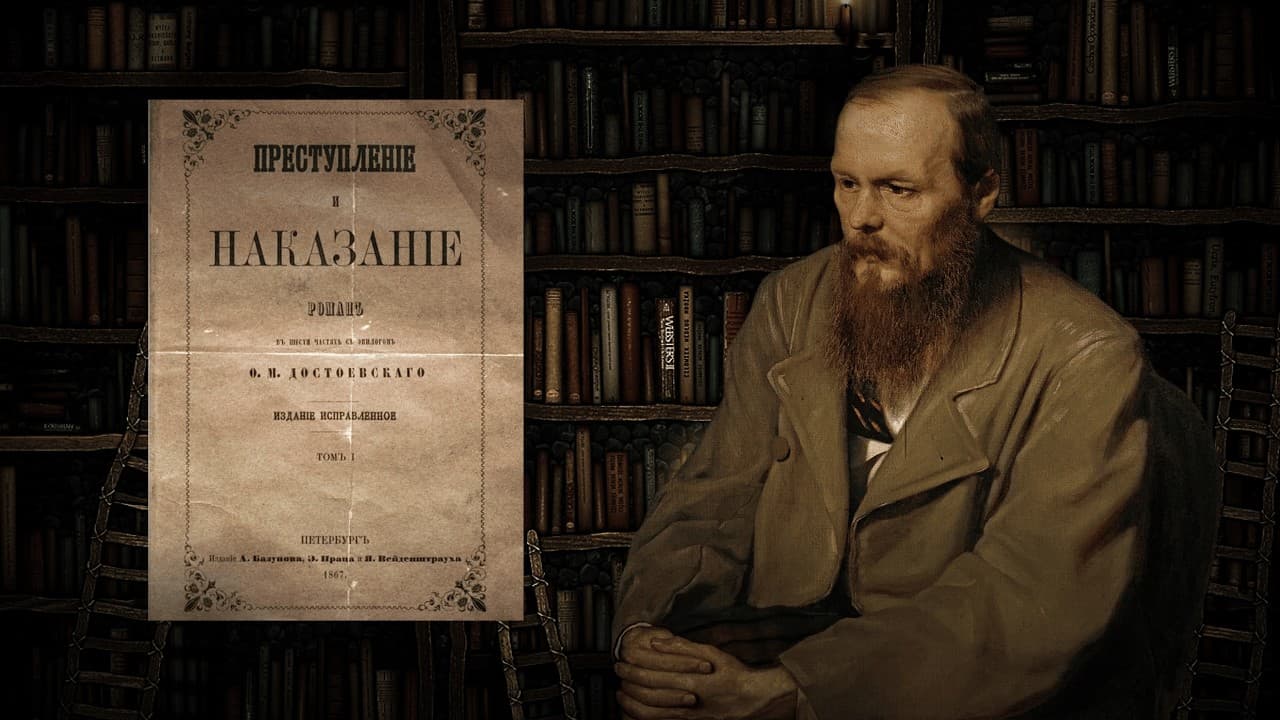
Fyodor Dostoevsky's Crime and Punishment | Book Summary

A slow walk through the novel in which a theory is put to the test with an axe. This episode traces Fyodor Dostoevsky's Crime and Punishment from the Wiesbaden hotel room where it was drafted in the summer of 1865 to the Siberian riverbank where it ends. We follow Rodion Raskolnikov from the rehearsal in the pawnbroker's apartment, through the murder and the long delirium that follows, into the cat and mouse interviews with the investigator Porfiry Petrovich, into the narrow room where Sonya reads from the Gospel of John, and finally into the Haymarket and the voluntary confession. Along the way we sit with Marmeladov in the tavern, read the mother's letter, meet Svidrigailov in his long bored afternoon, and walk with Raskolnikov through one of the longest and strangest interior arguments in the nineteenth century novel. The full episode is on YouTube and Spotify. Please listen only in safe, restful contexts.
That Life Has No Meaning Is the Only Reason to Live | Emil Cioran
Existentialism2:24:03

That Life Has No Meaning Is the Only Reason to Live | Emil Cioran

Cioran's Complete Philosophy

Emil Cioran wrote for sixty years about the pointlessness of existence, and lived to eighty-four. The gap between what he argued and how he lived is the honest center of his work. This long quiet episode follows him from a Carpathian village where a priest's son ran barefoot among graves, through the cafes of interwar Bucharest, through a dark political period he spent the rest of his life working against, through the small Paris attic he shared with Simone Boue for over fifty years, and into the final afternoons in the Luxembourg Gardens. It is a calm, unhurried portrait of the most rigorous stylist of despair in twentieth century literature, and of the quiet stubborn survival that was his truest answer to his own philosophy. The full episode is on YouTube and Spotify. Please listen only in safe, restful contexts.

The Stranger by Albert Camus | Book Summary
Existentialism0:57:00

The Stranger by Albert Camus | Book Summary

A quiet, sentence-by-sentence reading of Albert Camus's short novel of a killing, a trial, and a final night. The episode opens in a Paris hotel room in May of nineteen forty, as a young Algerian journalist named Albert Camus finishes the first draft of a very short novel while the German army crosses into France. From there the narration walks through The Stranger itself, chapter by chapter. A telegram from a nursing home. A funeral under a hard sun. A harbor, a woman, a comedy at a movie house. A neighbor with a revolver and a letter to write. A beach, a spring, four extra shots. An examining magistrate with a silver crucifix. A condemned cell. A priest who will not go away. A final page that has been argued over for more than eighty years. The reading closes on the book's long life after publication. The full episode is on YouTube and Spotify. Please listen only in safe, restful contexts.
On Sartre, Nothingness, and the Life You Pretend to Live | Philosophy for Sleep
Existentialism3:40:07

On Sartre, Nothingness, and the Life You Pretend to Live | Philosophy for Sleep

Freedom, Bad Faith & Existentialism | Philosophy for Sleep

You are condemned to be free. There is no human nature to fall back on, no God-given essence waiting to unfold, no script written in advance. You exist first, and only then do you become what you make of yourself. Sartre's thought runs from his early encounter with phenomenology in prewar Paris, through the monumental arguments of Being and Nothingness, to his later engagement with Marxism and political commitment. It examines bad faith and the strategies we use to flee our own freedom, the look of the Other and the origins of shame, Sartre's analysis of nothingness as the foundation of consciousness, and his famous declaration that existence precedes essence. The episode also follows his relationship with Simone de Beauvoir, his public break with Camus over the question of political violence, and the long trajectory from radical individualism to collective struggle that defined his later decades. The full episode is on YouTube and Spotify. Please listen only in safe, restful contexts.
The Philosophy of Existential Nihilism
Existentialism2:14:10

The Philosophy of Existential Nihilism

From Nietzsche to Camus

Nothing matters. These two words have haunted Western philosophy since the nineteenth century, when the foundations of meaning began to crack and the greatest minds were forced to confront a terrifying possibility: that the universe has no purpose and human life has no cosmic significance. This episode traces the complete history of existential nihilism, from Schopenhauer's suffocating pessimism through Dostoevsky's feverish challenges in the Grand Inquisitor, to Nietzsche's shattering diagnosis of the death of God. It then explores the existentialist responses: Heidegger's confrontation with the nothing, Sartre's radical freedom, and Camus's philosophy of the absurd. The journey concludes with Viktor Frankl's will to meaning forged in Auschwitz, Thomas Nagel's analytical treatment of absurdity, and the question as it remains for us today. The full episode is on YouTube and Spotify. Please listen only in safe, restful contexts.
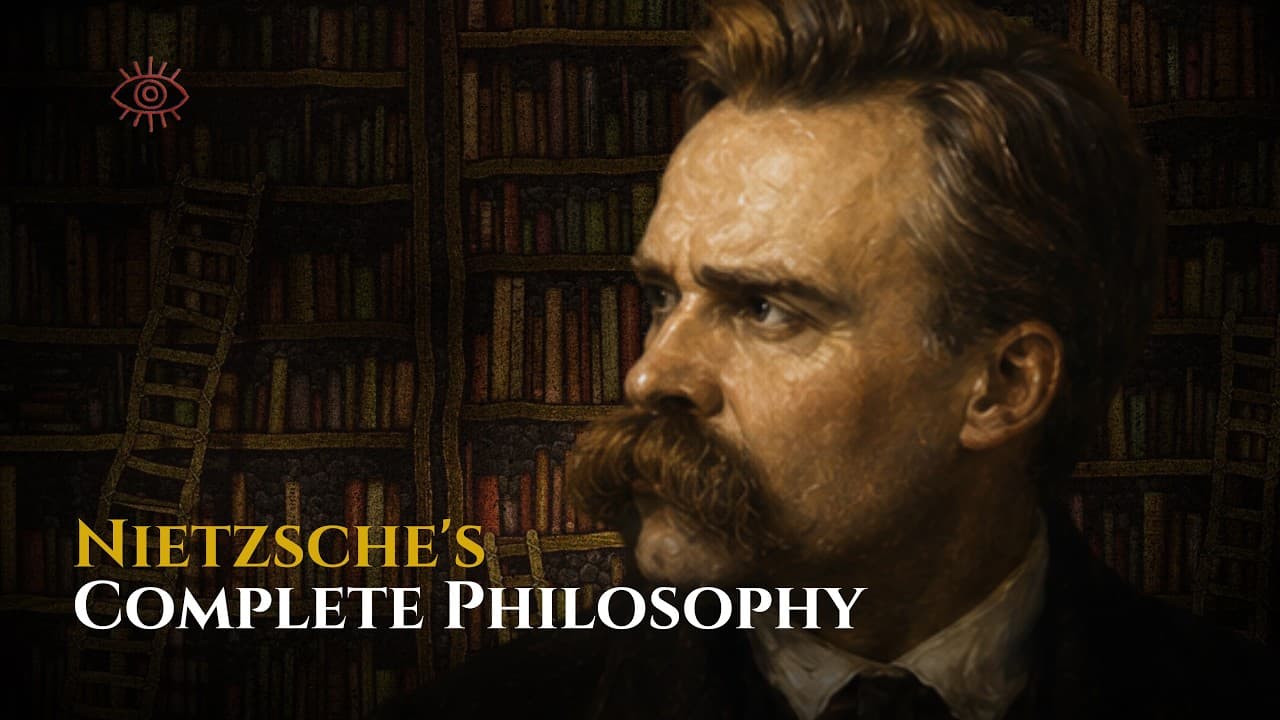
Nietzsche: God is Dead and We Have Killed Him
Existentialism3:43:18

Nietzsche: God is Dead and We Have Killed Him

Nietzsche's Complete Philosophy

Friedrich Nietzsche diagnosed the death of God not as triumph but as catastrophe, recognizing that the foundation Western civilization had rested on for two thousand years had collapsed. This three-hour exploration traces his journey from pastor's son in Rocken to solitary philosopher, through his masterworks including The Birth of Tragedy, Thus Spoke Zarathustra, Beyond Good and Evil, and On the Genealogy of Morals. It examines his core concepts in depth: the death of God, will to power, eternal recurrence, the Ubermensch, amor fati, and the distinction between master and slave morality. The episode follows his friendship and break with Wagner, his decade of solitary wandering, his collapse in Turin, and the posthumous distortion of his work by his sister Elisabeth and the Nazi appropriation that followed. His influence on Freud, Heidegger, existentialism, Foucault, and Deleuze confirms that the questions Nietzsche raised about nihilism, values, and human flourishing remain urgently alive today. The full episode is on YouTube and Spotify. Please listen only in safe, restful contexts.
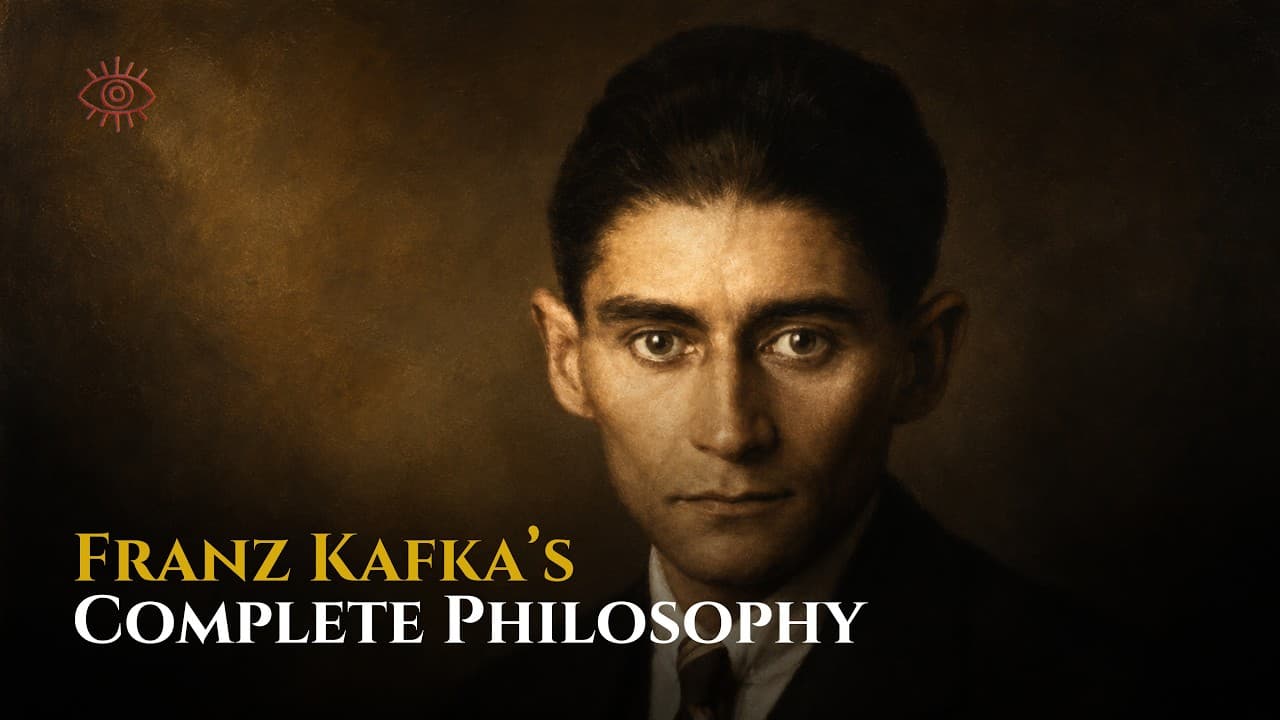
"What If I Slept A Little More?" | Kafka's Complete Philosophy For Sleep
Existentialism3:19:51

"What If I Slept A Little More?" | Kafka's Complete Philosophy For Sleep

Kafka's Complete Philosophy for Sleep

Franz Kafka was born in Prague in 1883 into three overlapping circles of exclusion: Czech majority, German minority, and Jewish community within that minority. This episode traces his life under the overwhelming shadow of his father Hermann, his night writing alongside exhausting insurance work, and the tuberculosis that killed him at forty. It explores his major works in detail, including The Metamorphosis, The Trial, and The Castle, alongside the letters to Felice and Milena and the devastating Letter to His Father that was never sent. The episode examines Kafka's central themes of waking into strangeness, guilt without crime, authority that cannot be reached, and the body that fails and hungers. It closes with Max Brod's refusal to burn the manuscripts and the emergence of the word Kafkaesque as a name for our modern condition. The full episode is on YouTube and Spotify. Please listen only in safe, restful contexts.
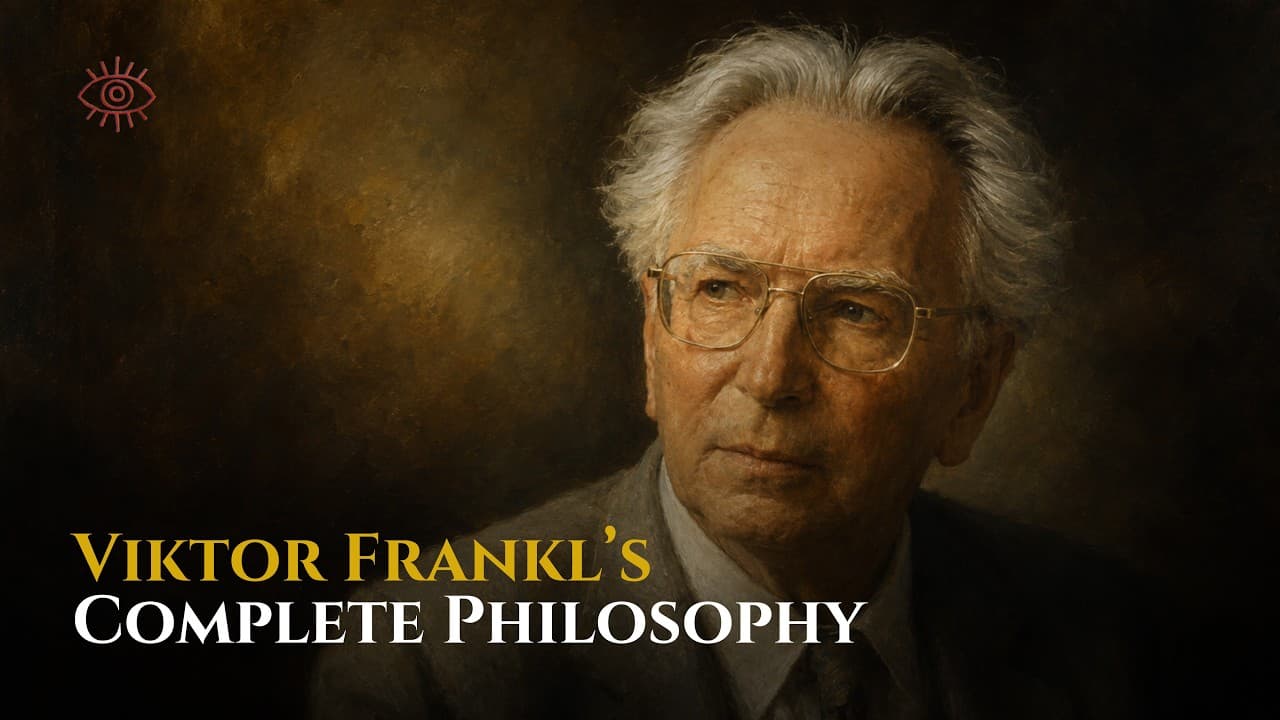
Man's Search for Meaning | Viktor Frankl's Complete Philosophy
Existentialism2:40:49

Man's Search for Meaning | Viktor Frankl's Complete Philosophy

Viktor Frankl's Complete Philosophy

In the autumn of 1942, Viktor Frankl witnessed prisoners in Auschwitz giving away their last pieces of bread to help others. In that moment, he understood that everything can be taken from a person except the freedom to choose one's attitude toward any circumstance. This episode traces his entire life and philosophy, from his training under Freud and Adler in Vienna, through the loss of his family and his own survival in four concentration camps, to the nine intense days when he dictated Man's Search for Meaning. We explore logotherapy and its three pathways to meaning: through creative work, through the experience of love and beauty, and through the attitude one takes toward unavoidable suffering. Frankl diagnosed the modern age as suffering from an existential vacuum, a sense of emptiness left by the collapse of tradition and instinct, and offered a psychology built not on the will to pleasure or the will to power but on the will to meaning. The full episode is on YouTube and Spotify. Please listen only in safe, restful contexts.
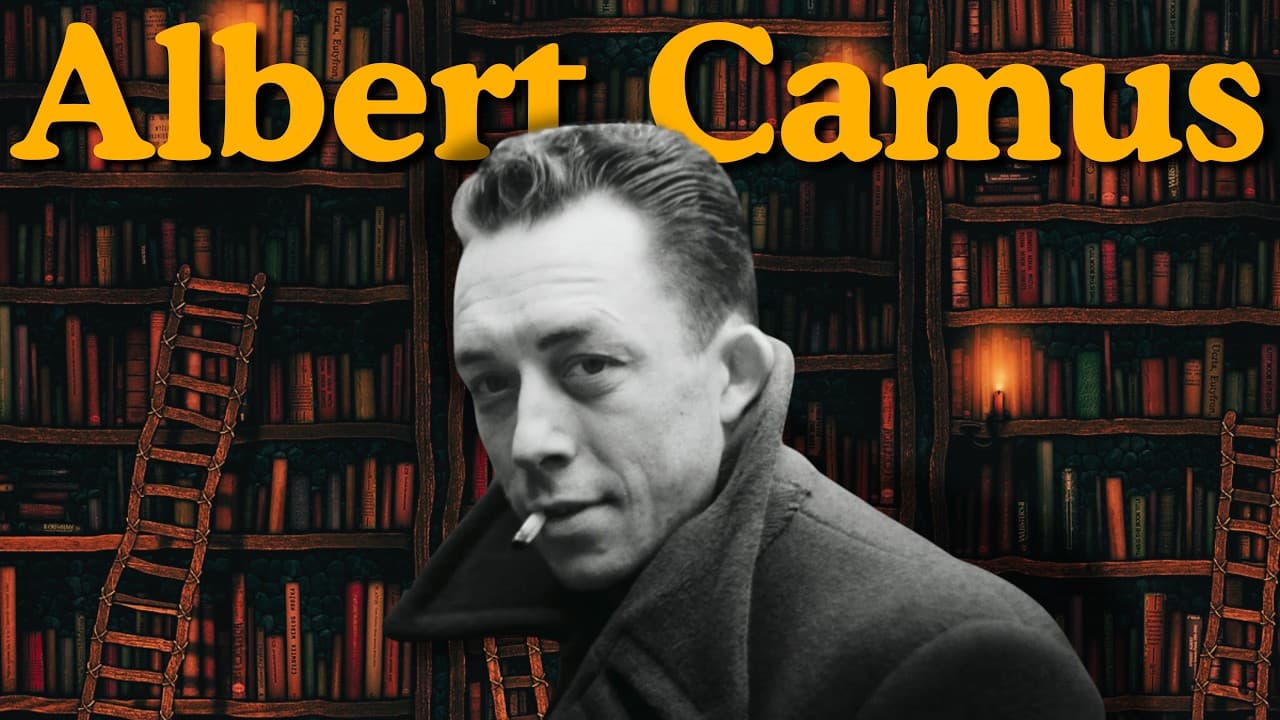
The Myth of Sisyphus | Albert Camus's Complete Philosophy for Sleep
Existentialism4:26:33

The Myth of Sisyphus | Albert Camus's Complete Philosophy for Sleep

Albert Camus's Complete Philosophy

What if a man condemned to push a boulder up a mountain for eternity is actually happy? This question opens Albert Camus's philosophy of the Absurd, the confrontation between our need for meaning and the universe's profound silence. Over four hours, we follow Camus from sun-drenched Algeria through wartime France, through The Stranger and The Plague, through his philosophical essays and his break with Sartre. We distinguish absurdism from both nihilism and existentialism, and discover why accepting meaninglessness might liberate us to live more fully than we ever imagined. The full episode is on YouTube and Spotify. Please listen only in safe, restful contexts.
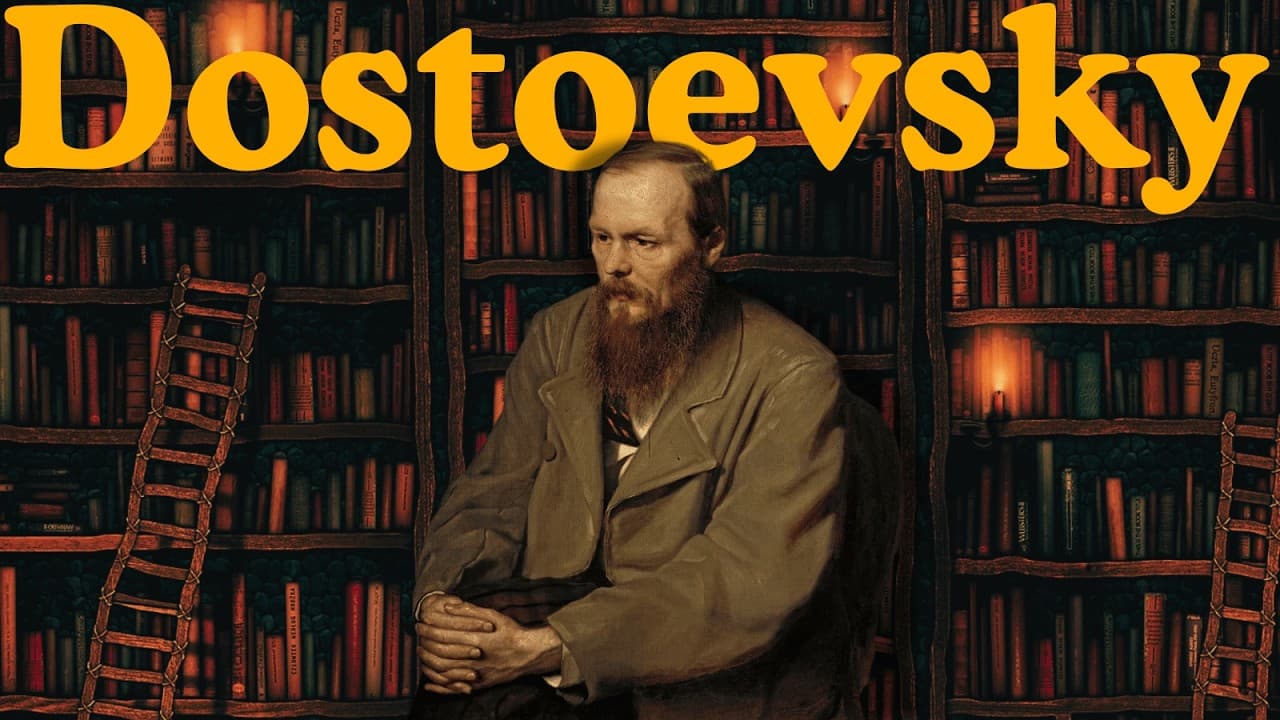
Beauty Will Save The World | Dostoevsky's Philosophy For Sleep
Existentialism3:18:30

Beauty Will Save The World | Dostoevsky's Philosophy For Sleep

Dostoevsky's Philosophy for Sleep

Fyodor Dostoevsky spent four years in a Siberian labor camp and emerged convinced that human beings are not rational creatures who occasionally act irrationally, but irrational creatures who occasionally manage reason. This three-hour episode traces his life and philosophy through Crime and Punishment, Notes from Underground, The Idiot, Demons, and The Brothers Karamazov. We examine the underground man's revolt against the crystal palace of rationalism, Raskolnikov's theory of the extraordinary individual and its collapse, the problem of suffering in a world that might have no God, Ivan Karamazov's rebellion and the Grand Inquisitor, and Dostoevsky's insistence that freedom, even the freedom to suffer, is what makes us human. His novels do not argue positions. They stage collisions between ideas and watch what survives. The full episode is on YouTube and Spotify. Please listen only in safe, restful contexts.
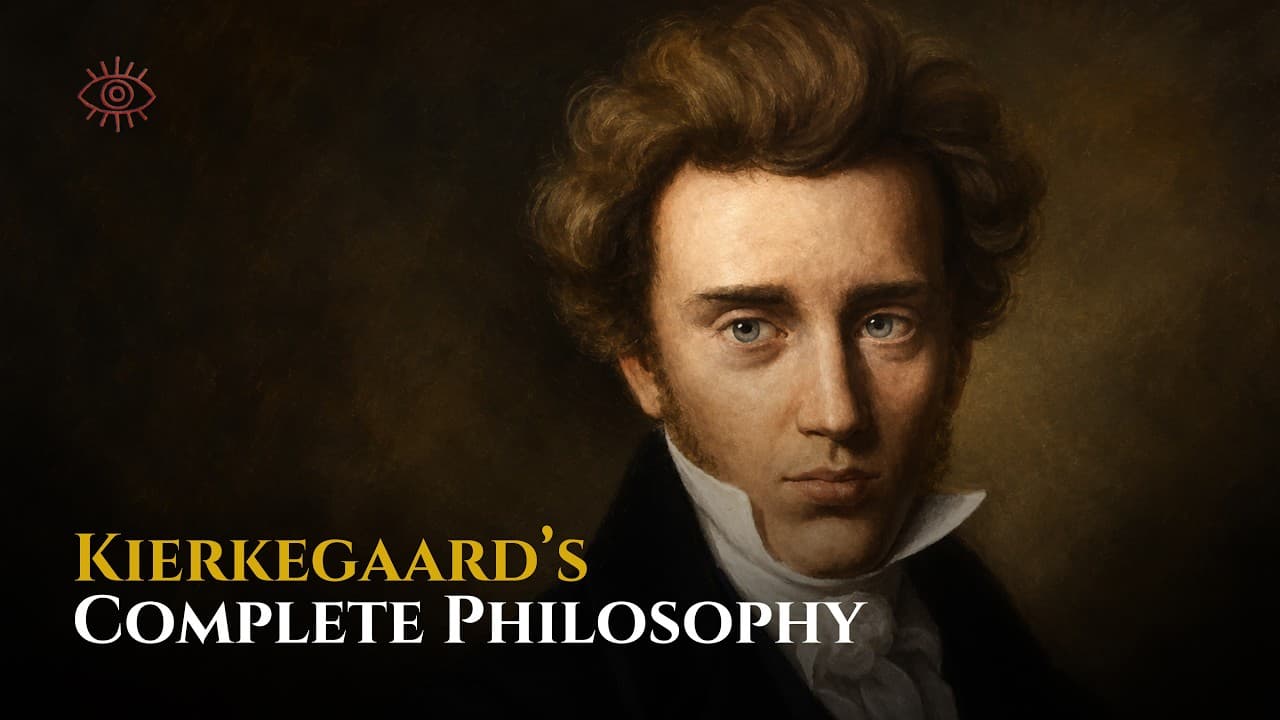
Life Is Not A Problem To Be Solved | Kierkegaard's Philosophy To Sleep To
Existentialism3:09:51

Life Is Not A Problem To Be Solved | Kierkegaard's Philosophy To Sleep To

Kierkegaard's Philosophy to Sleep To

This episode is a long, gentle walk through the thought of Soren Kierkegaard, the Danish philosopher who believed existence is not a puzzle to be solved but something lived inwardly, one anxious choice at a time. Writing under a constellation of pseudonyms, each embodying a different mode of life, Kierkegaard staged philosophical dramas rather than building systems. We explore his three stages of existence, the concept of anxiety as the dizziness of freedom, despair as the sickness unto death, and the radical leap of faith. From his broken engagement to Regine Olsen to his fierce attack on institutional Christianity, and from the indirect communication of Either/Or to the raw devotion of Works of Love, Kierkegaard's ideas resonate with striking force for anyone lying awake wondering what it all means. The full episode is on YouTube and Spotify. Please listen only in safe, restful contexts.
Philosophers

Recommended Reading

The Rebel by Albert Camus

The Rebel

Albert Camus

advanced

Camus's philosophical essay tracing the history of rebellion and revolution, arguing for measured revolt against injustice without falling into nihilism.

Get this book
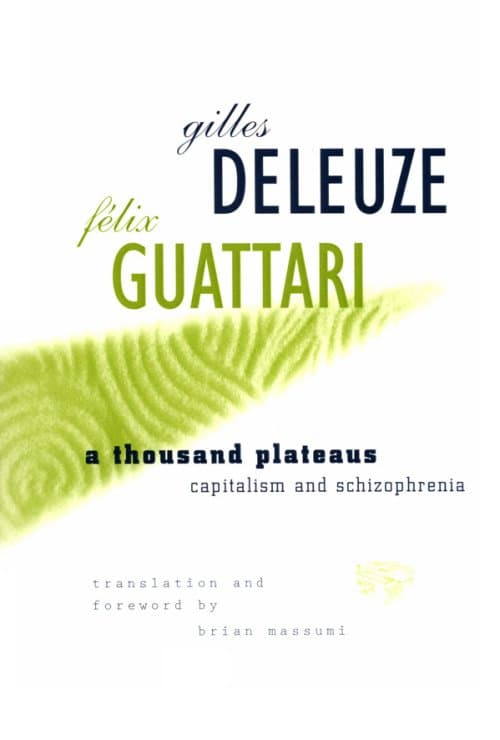
A Thousand Plateaus by Gilles Deleuze & Felix Guattari

A Thousand Plateaus

Gilles Deleuze & Felix Guattari

advanced

A wildly inventive philosophical work introducing concepts like the rhizome and deterritorialization, rethinking how power, desire, and knowledge operate.

Get this book
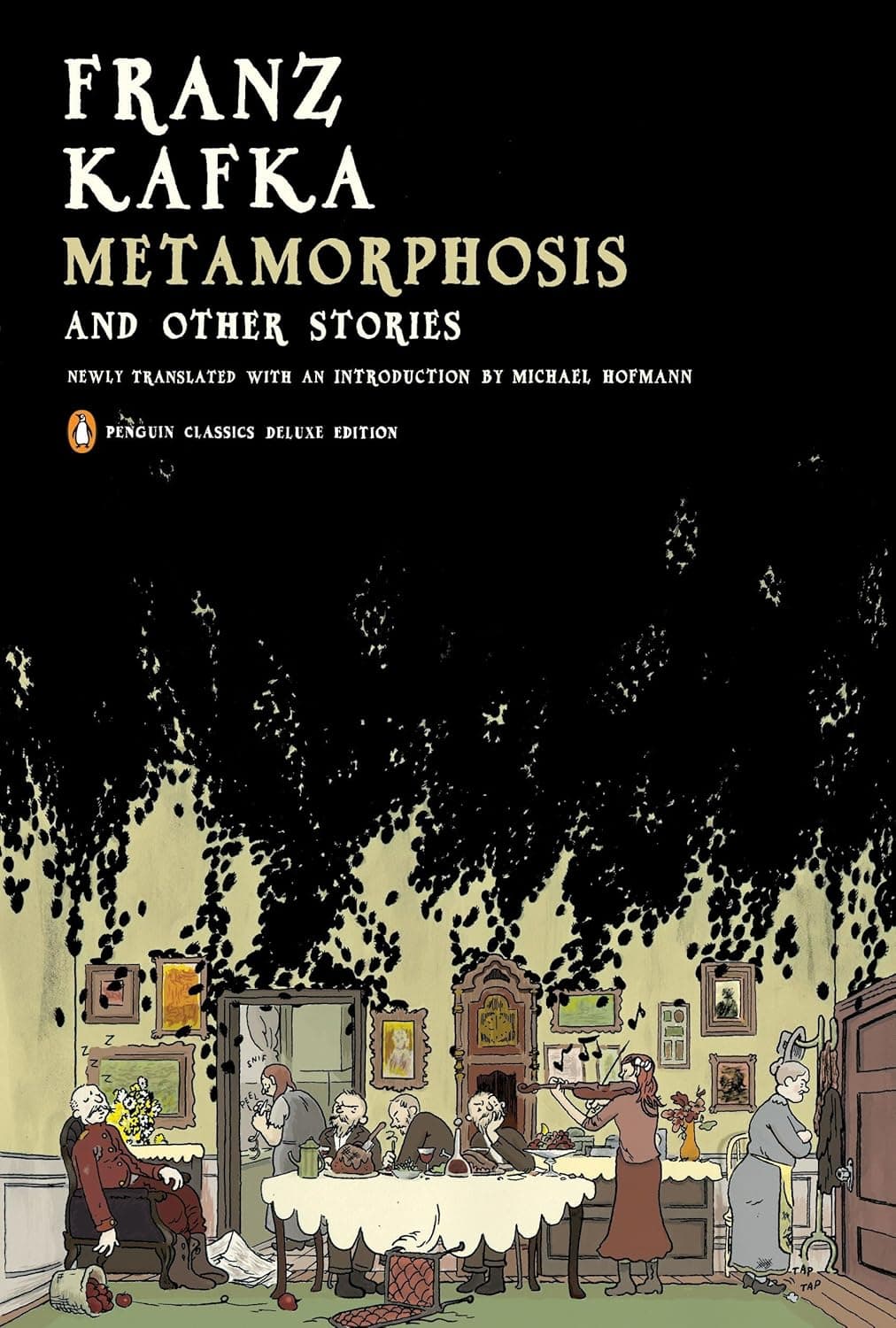
Metamorphosis and Other Stories by Franz Kafka

Metamorphosis and Other Stories

Franz Kafka

beginner

Kafka's most famous stories, including the tale of Gregor Samsa waking as an insect, exploring alienation, absurdity, and the crushing weight of modern existence.

Get this book
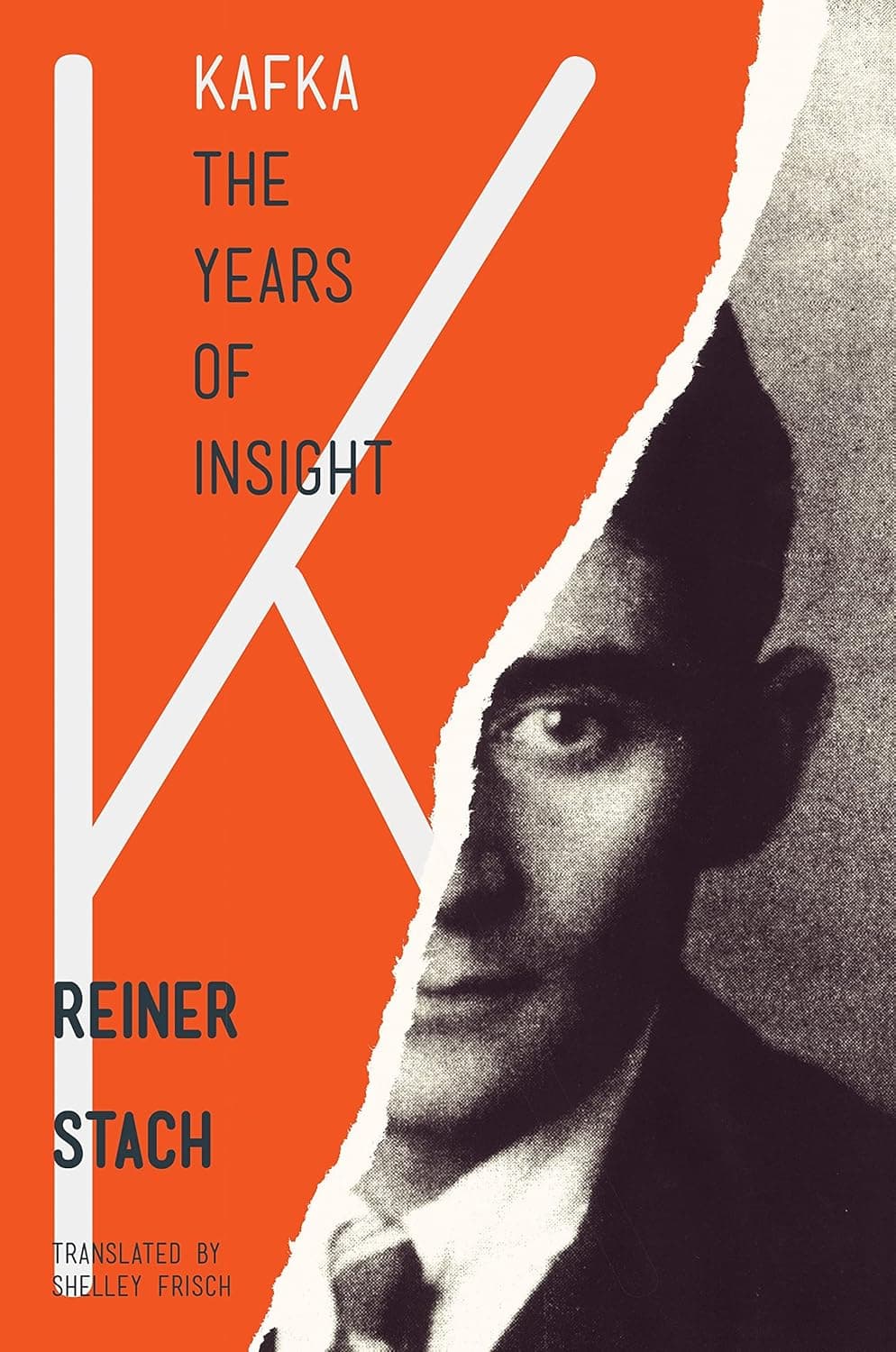
Kafka: The Years of Insight by Reiner Stach

Kafka: The Years of Insight

Reiner Stach

advanced

The concluding volume of Stach's definitive biography, covering Kafka's final years and the extraordinary creative output that marked them.

Get this book
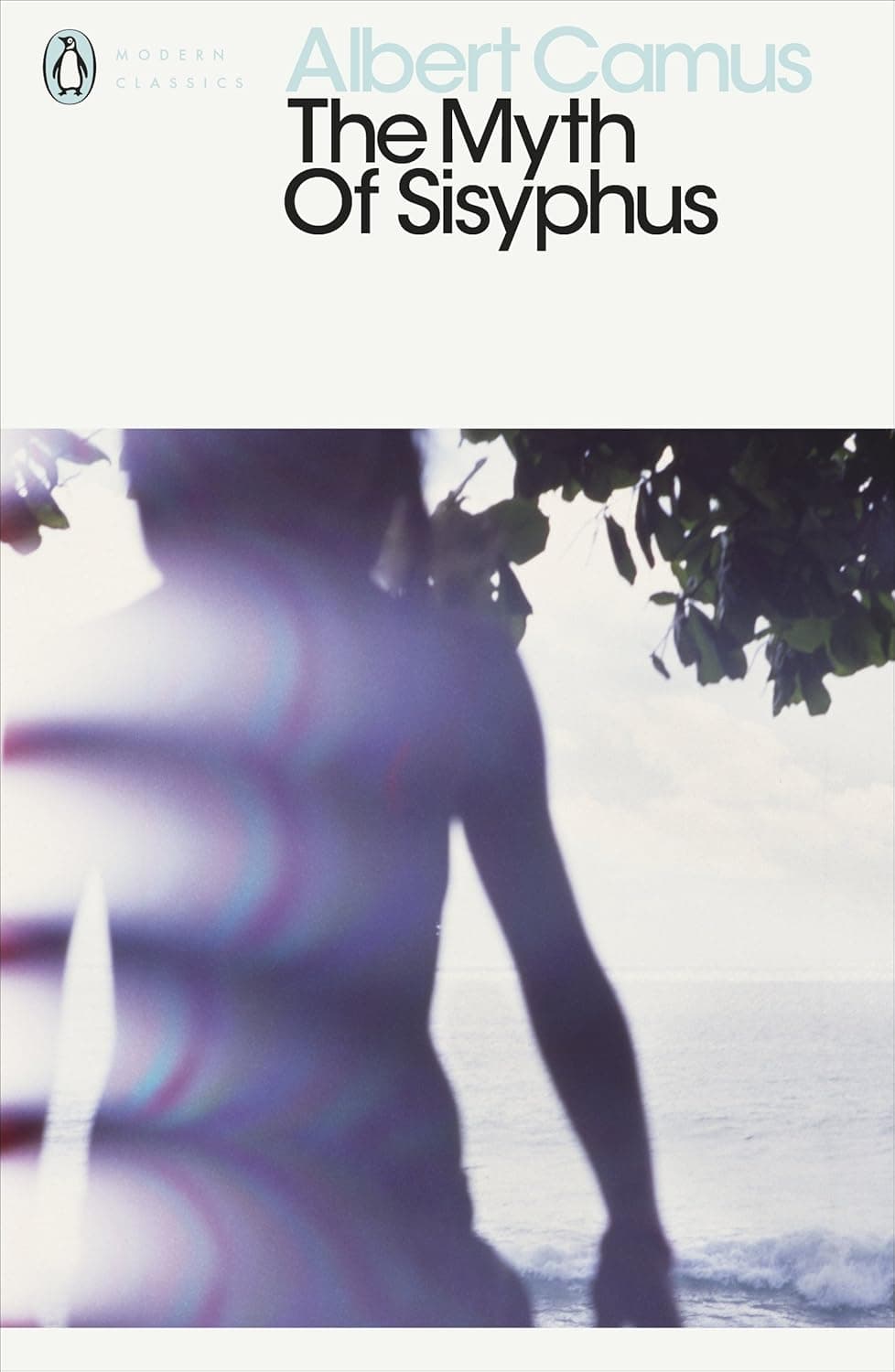
The Myth of Sisyphus by Albert Camus

The Myth of Sisyphus

Albert Camus

intermediate

Camus' foundational essay on the absurd. Dense but rewarding, it grapples with the most fundamental question in philosophy: is life worth living?

Get this book
Beyond Good and Evil by Friedrich Nietzsche

Beyond Good and Evil

Friedrich Nietzsche

advanced

Nietzsche's critique of past philosophers and their assumptions. A challenging but exhilarating read that questions the very foundations of morality.
Get this book
Dostoevsky: A Writer in His Time by Joseph Frank

Dostoevsky: A Writer in His Time

Joseph Frank

advanced

The definitive single-volume biography of Dostoevsky, placing his literary genius within the turbulent political and intellectual currents of 19th-century Russia.

Get this book
Notes from Underground by Fyodor Dostoevsky

Notes from Underground

Fyodor Dostoevsky

intermediate

A biting novella narrated by a bitter, isolated man, widely considered one of the first existentialist works in literature.

Get this book
Nietzsche: Philosopher, Psychologist, Antichrist by Walter Kaufmann

Nietzsche: Philosopher, Psychologist, Antichrist

Walter Kaufmann

intermediate

Kaufmann's landmark study that rescued Nietzsche from Nazi misappropriation, offering a careful and sympathetic reading of his entire philosophical project.

Get this book
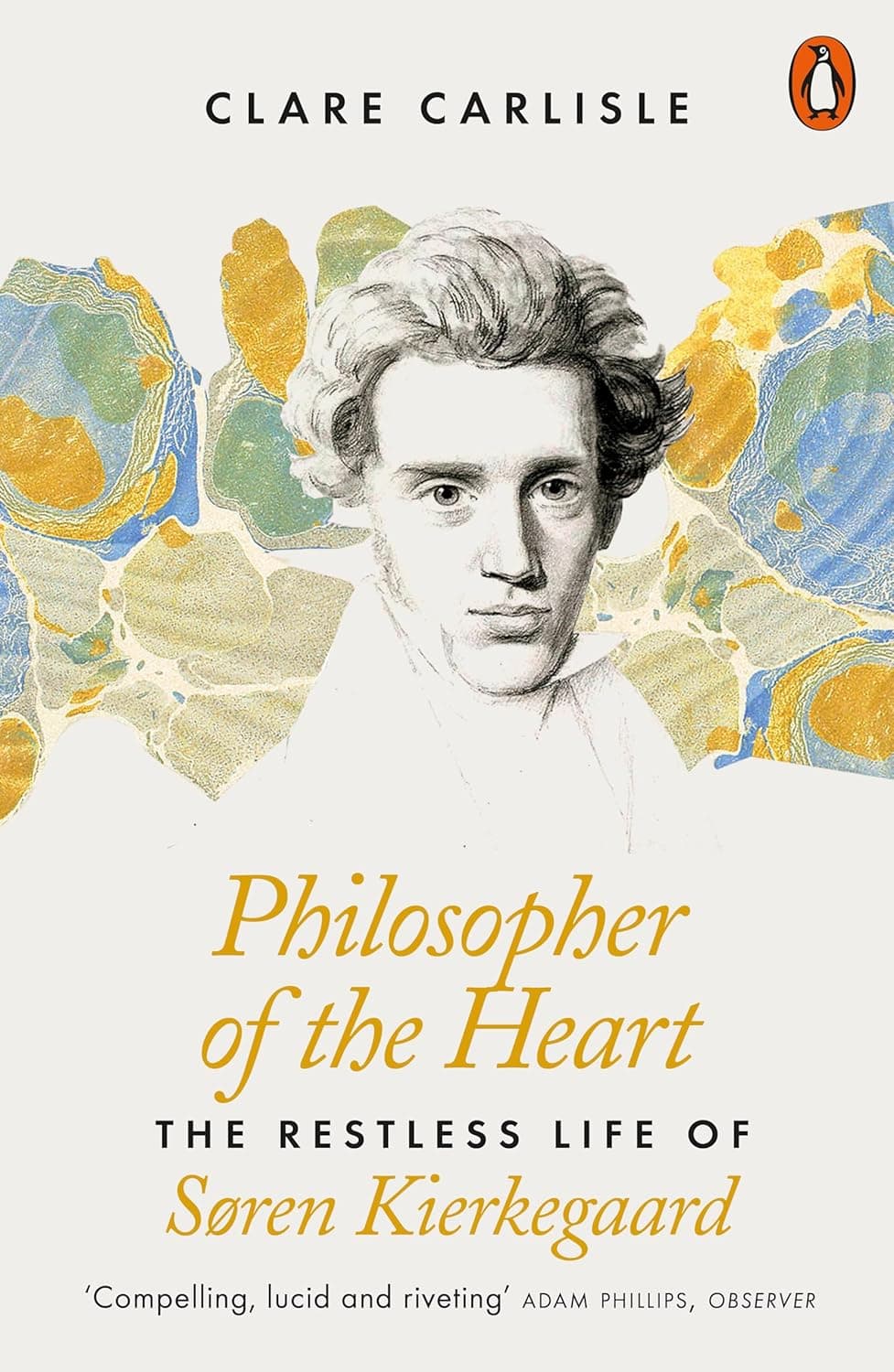
Philosopher of the Heart by Clare Carlisle

Philosopher of the Heart

Clare Carlisle

beginner

A beautifully written biography of Kierkegaard that weaves together his life, loves, and philosophical ideas in an accessible narrative.

Get this book
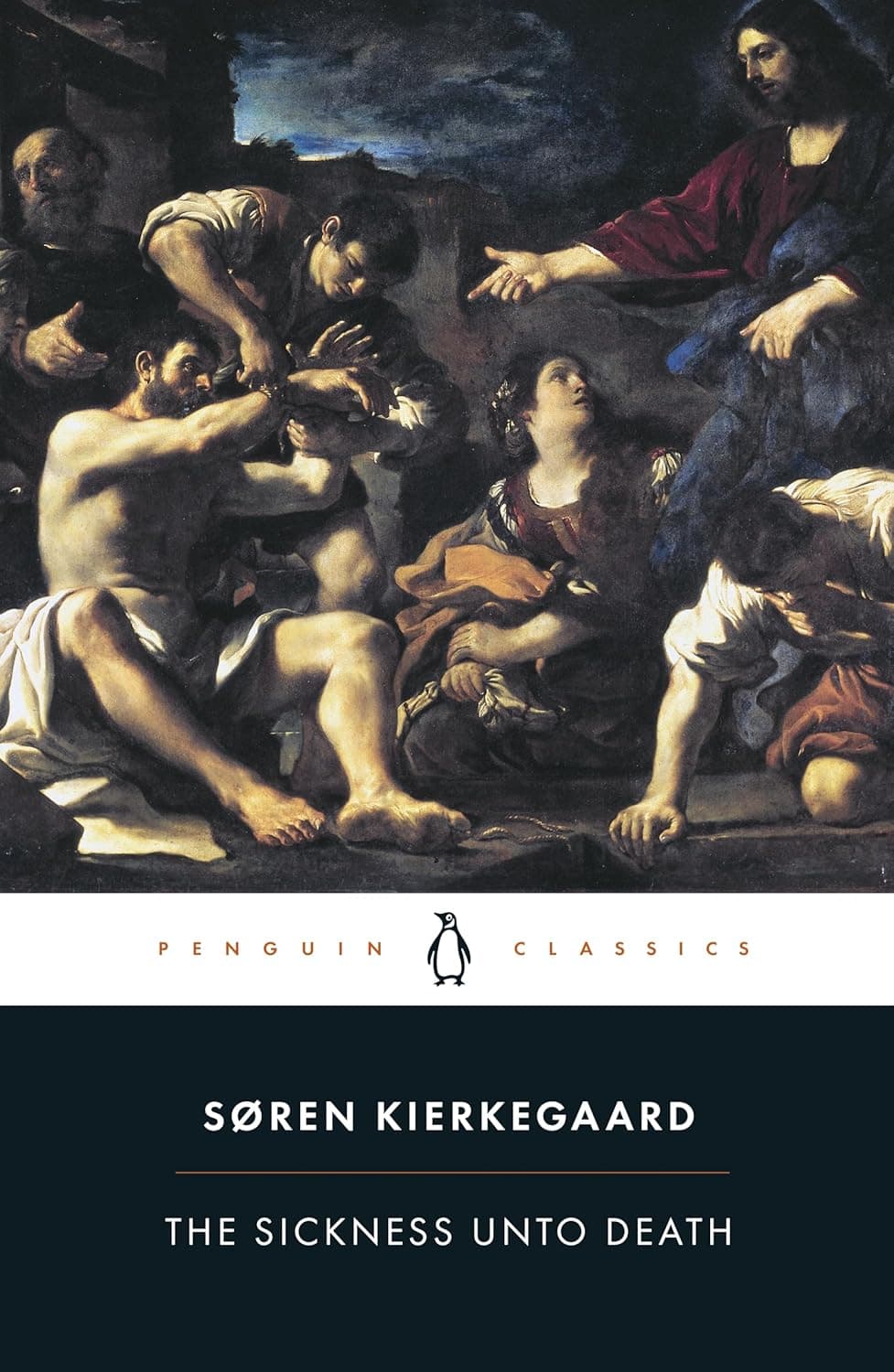
The Sickness Unto Death by Soren Kierkegaard

The Sickness Unto Death

Soren Kierkegaard

advanced

Kierkegaard's penetrating analysis of despair as a fundamental condition of the self, exploring how individuals fail to become who they truly are.

Get this book
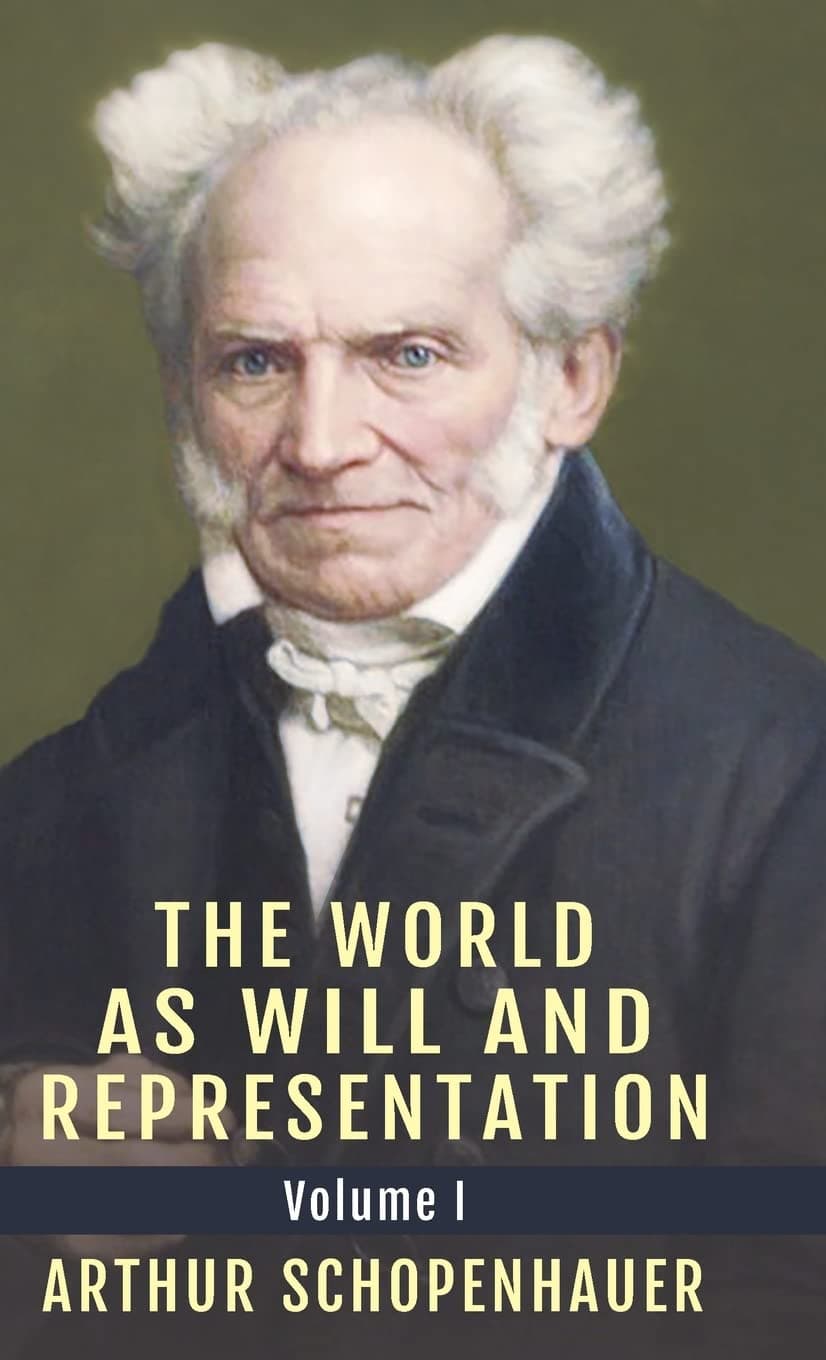
The World as Will and Representation Vol. 1 by Arthur Schopenhauer

The World as Will and Representation Vol. 1

Arthur Schopenhauer

advanced

Schopenhauer's central philosophical work, arguing that the world is driven by a blind, irrational will and that suffering is the fundamental condition of existence.

Get this book
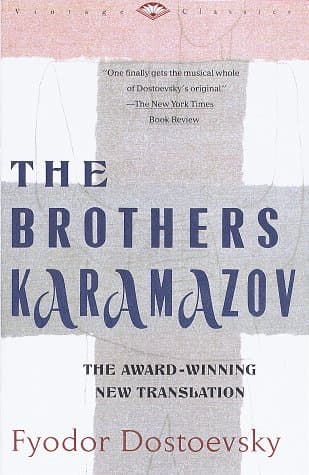
The Brothers Karamazov by Fyodor Dostoevsky

The Brothers Karamazov

Fyodor Dostoevsky

intermediate

Dostoevsky's final masterpiece, a sweeping family saga that grapples with faith, doubt, free will, and the existence of God.

Get this book
The Gay Science by Friedrich Nietzsche

The Gay Science

Friedrich Nietzsche

intermediate

The work in which Nietzsche first declares "God is dead," blending aphorisms, poetry, and philosophical reflection in a joyful, experimental style.

Get this book
Difference and Repetition by Gilles Deleuze

Difference and Repetition

Gilles Deleuze

advanced

Deleuze's most important work, challenging Western philosophy's privileging of identity over difference and proposing a radical new ontology.

Get this book
The Concept of Anxiety by Soren Kierkegaard

The Concept of Anxiety

Soren Kierkegaard

advanced

Kierkegaard's groundbreaking study of anxiety as the dizziness of freedom, linking psychological experience to the possibility of human choice.

Get this book
The Castle by Franz Kafka

The Castle

Franz Kafka

intermediate

Kafka's unfinished novel about a land surveyor struggling to gain access to a mysterious castle, a profound meditation on authority, belonging, and futility.

Get this book
Man's Search for Ultimate Meaning by Viktor E. Frankl

Man's Search for Ultimate Meaning

Viktor E. Frankl

intermediate

Frankl's deeper philosophical exploration of logotherapy, examining the unconscious search for God and the will to meaning beyond everyday purpose.

Get this book
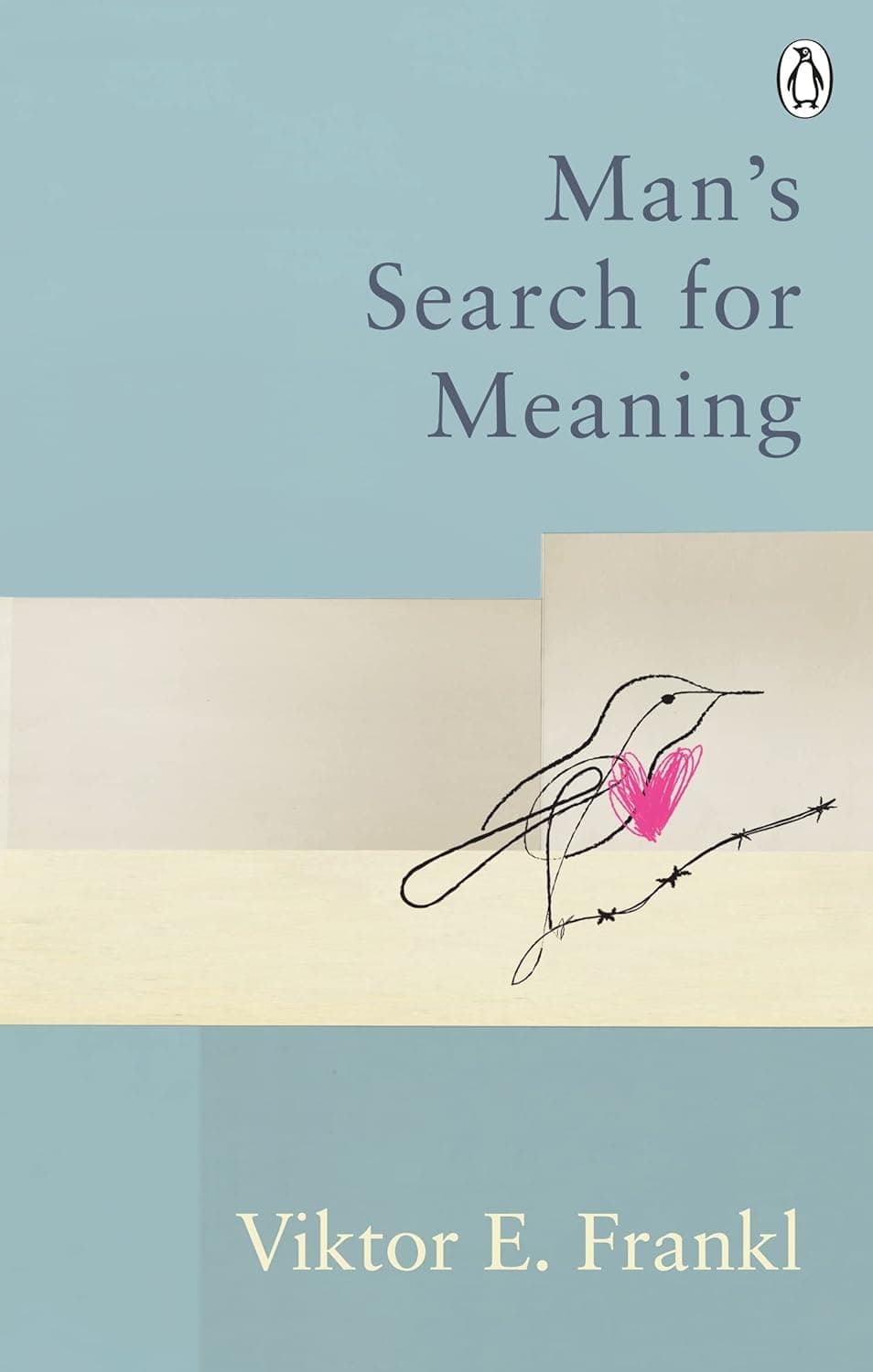
Man's Search for Meaning by Viktor E. Frankl

Man's Search for Meaning

Viktor E. Frankl

beginner

Frankl's account of surviving the Holocaust and discovering that finding purpose is the key to enduring even the worst suffering.

Get this book
What Is Philosophy? by Gilles Deleuze & Felix Guattari

What Is Philosophy?

Gilles Deleuze & Felix Guattari

advanced

Deleuze and Guattari's final collaboration, defining philosophy as the creation of concepts and distinguishing it from science and art.

Get this book
Schopenhauer and the Wild Years of Philosophy by Rudiger Safranski

Schopenhauer and the Wild Years of Philosophy

Rudiger Safranski

intermediate

A lively intellectual biography of Schopenhauer that captures his combative personality and places his pessimistic philosophy in its historical context.

Get this book
Essays and Aphorisms by Arthur Schopenhauer

Essays and Aphorisms

Arthur Schopenhauer

beginner

A selection of Schopenhauer's most readable and provocative writings on suffering, art, religion, and the human condition, ideal for newcomers to his thought.

Get this book
The Plague by Albert Camus

The Plague

Albert Camus

intermediate

A novel about a plague devastating the Algerian city of Oran, serving as an allegory for resistance, solidarity, and the human response to suffering.

Get this book
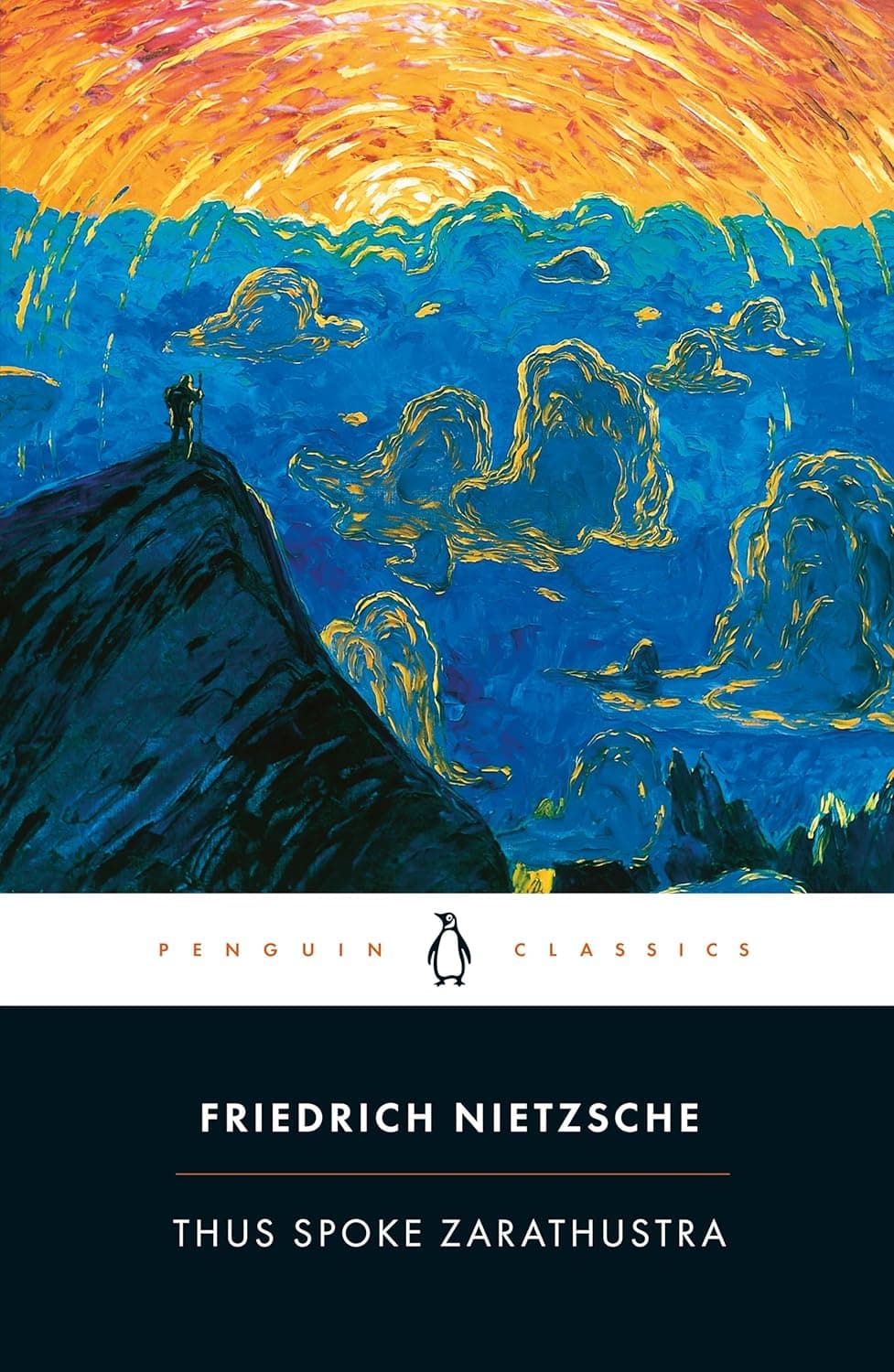
Thus Spoke Zarathustra by Friedrich Nietzsche

Thus Spoke Zarathustra

Friedrich Nietzsche

intermediate

Nietzsche's literary-philosophical masterpiece, following the prophet Zarathustra as he proclaims the death of God and the coming of the Overman.

Get this book
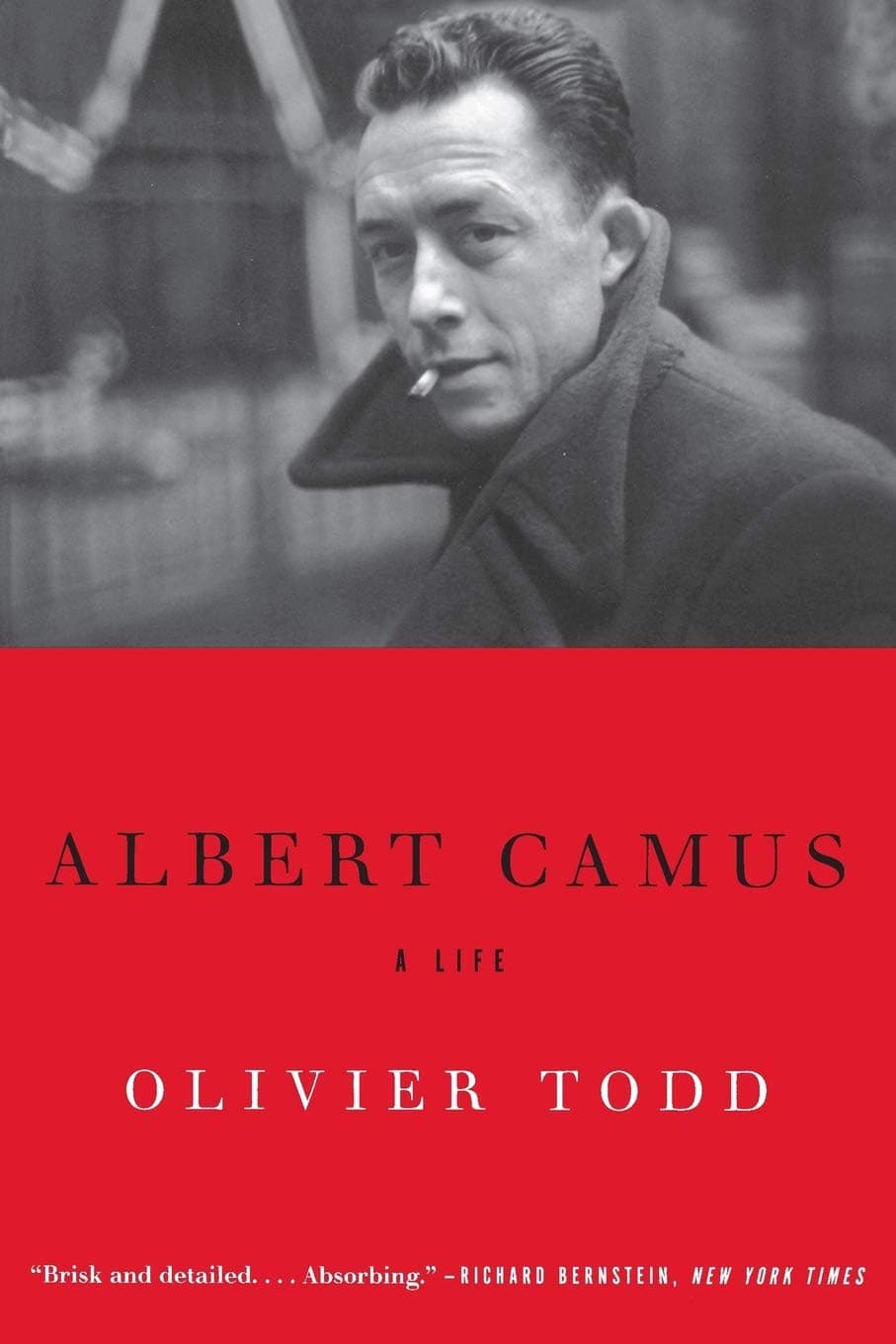
Albert Camus: A Life by Olivier Todd

Albert Camus: A Life

Olivier Todd

intermediate

A thorough biography of Camus covering his Algerian childhood, wartime resistance, literary fame, and philosophical disputes with Sartre.

Get this book
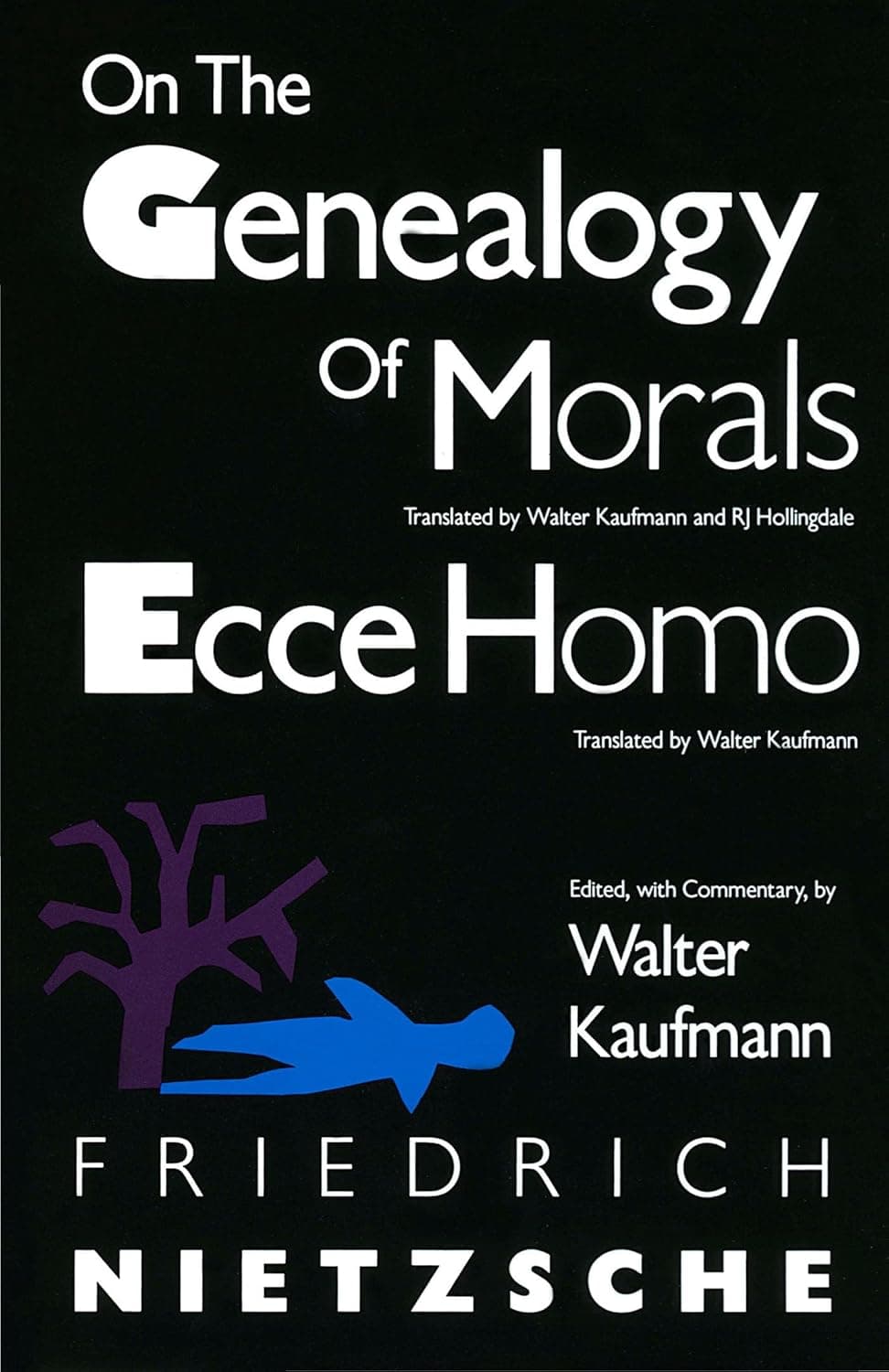
On the Genealogy of Morals / Ecce Homo by Friedrich Nietzsche

On the Genealogy of Morals / Ecce Homo

Friedrich Nietzsche

advanced

Two essential Nietzsche works: a fierce investigation into the origins of moral values, paired with his flamboyant intellectual autobiography.

Get this book
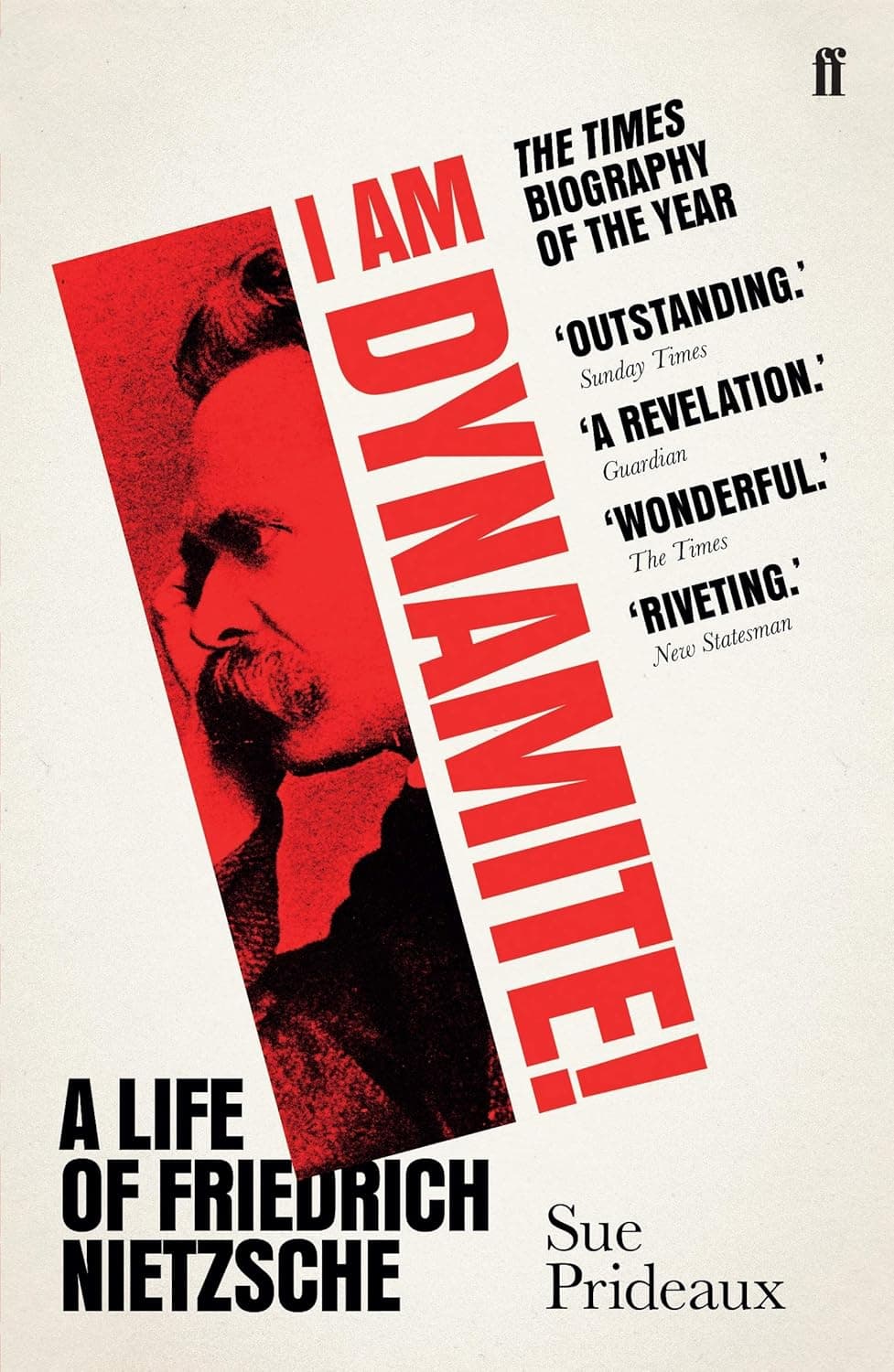
I Am Dynamite! by Sue Prideaux

I Am Dynamite!

Sue Prideaux

beginner

A vivid and highly readable biography of Nietzsche that brings the philosopher to life, covering his friendships, breakdowns, and revolutionary ideas.

Get this book
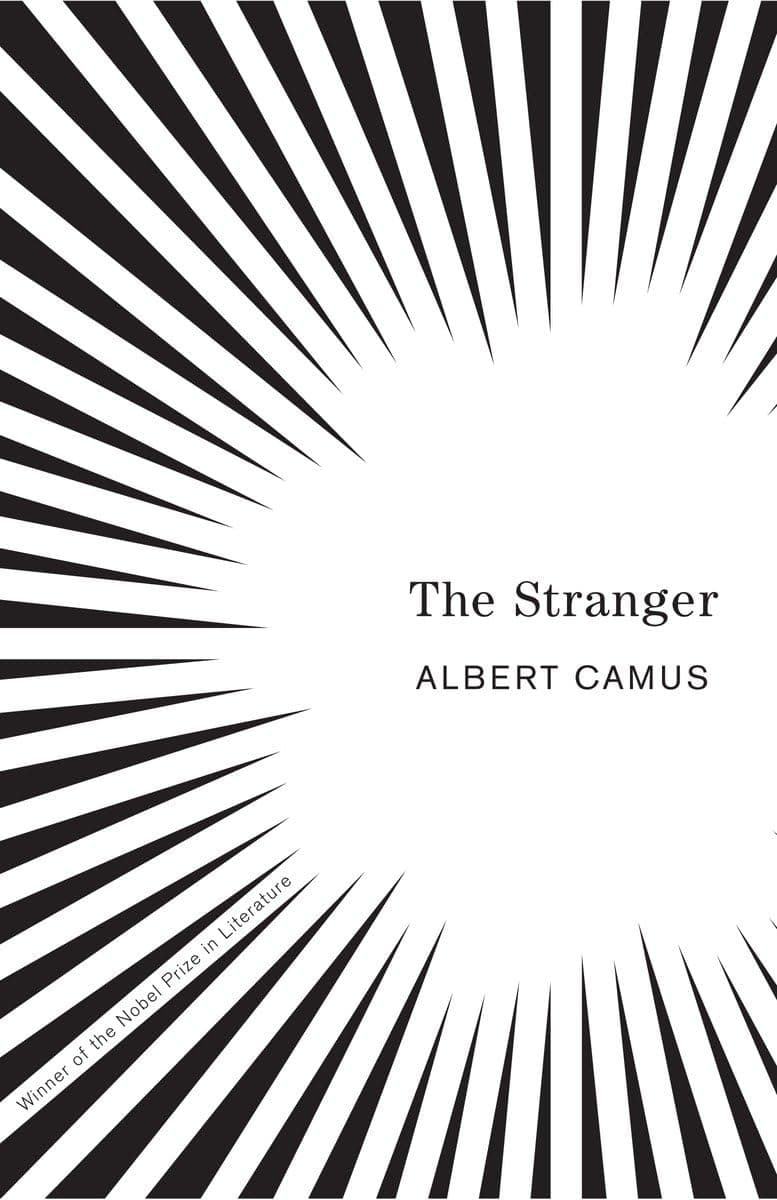
The Stranger by Albert Camus

The Stranger

Albert Camus

beginner

Camus's iconic novel about Meursault, a man indifferent to the world around him, which crystallizes the philosophy of the absurd in narrative form.

Get this book
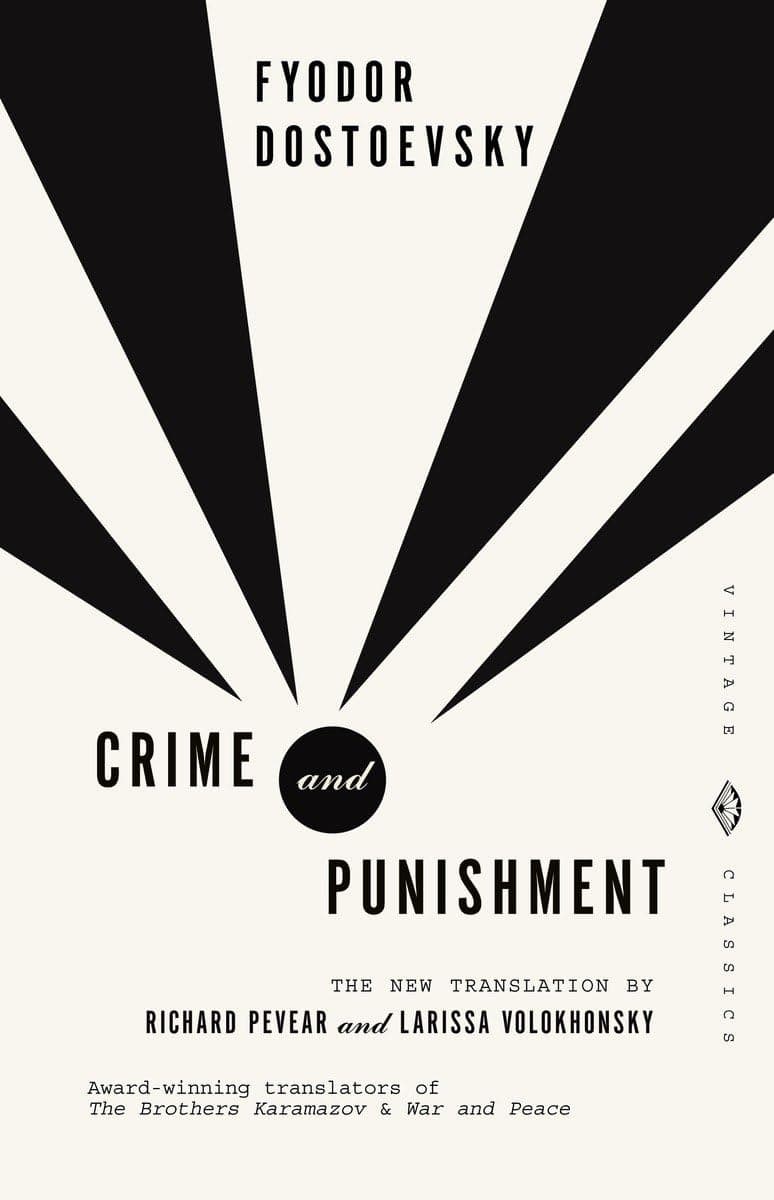
Crime and Punishment by Fyodor Dostoevsky

Crime and Punishment

Fyodor Dostoevsky

intermediate

A psychological novel about a young intellectual who commits murder and struggles with guilt, exploring questions of morality, redemption, and human nature.

Get this book
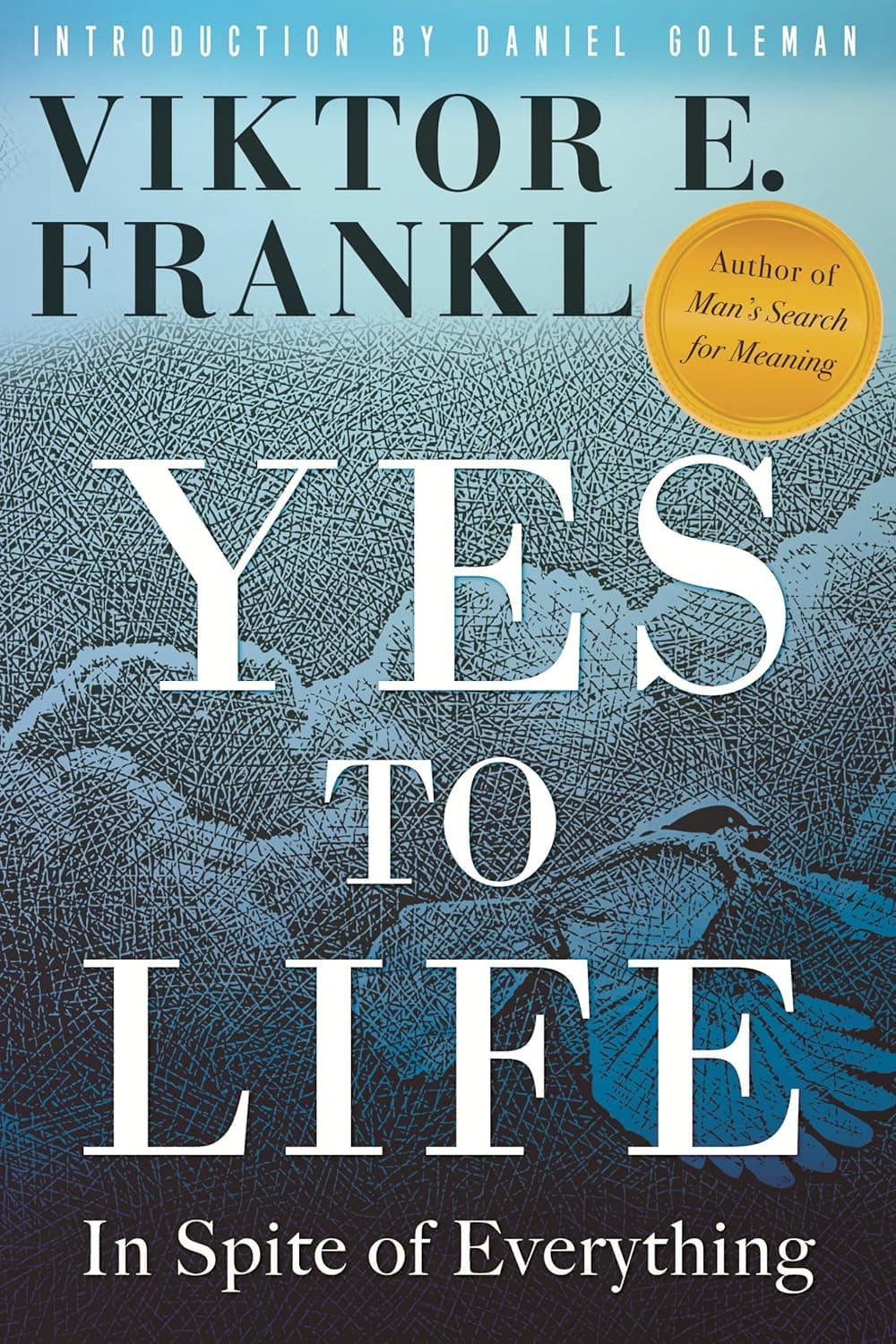
Yes to Life by Viktor E. Frankl

Yes to Life

Viktor E. Frankl

beginner

A collection of lectures Frankl gave shortly after liberation from the concentration camps, offering raw and hopeful reflections on meaning and resilience.

Get this book
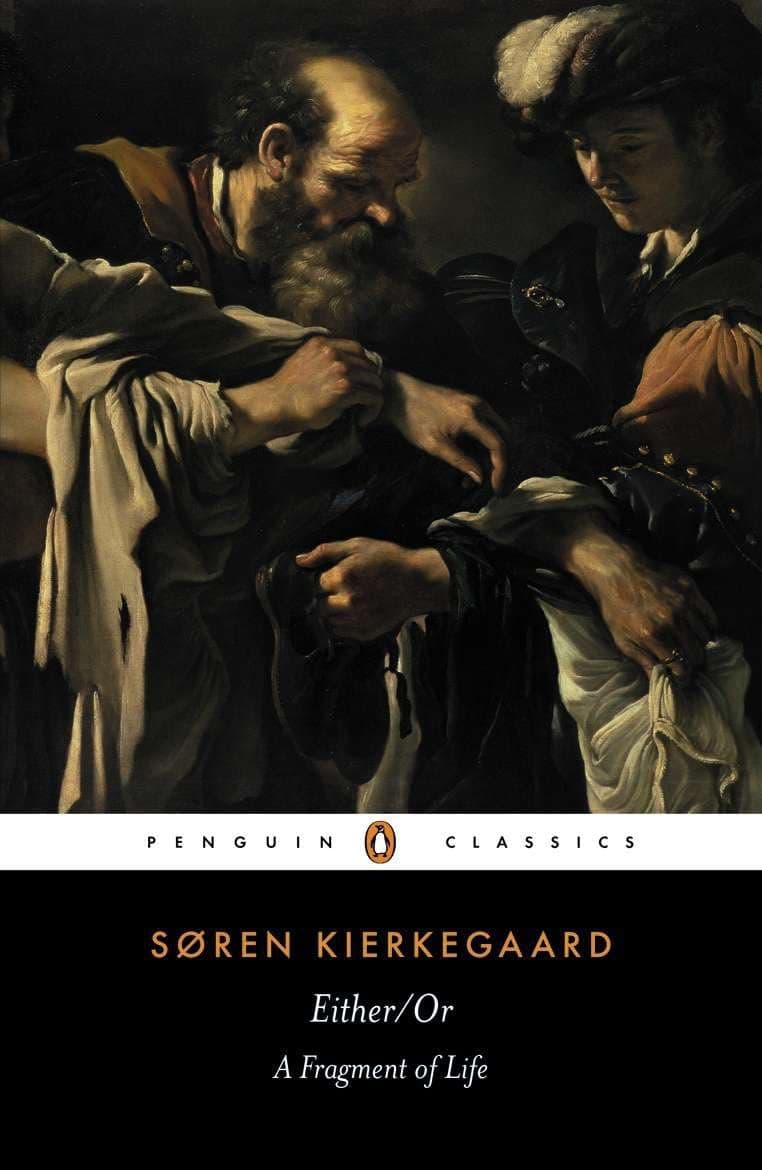
Either/Or by Soren Kierkegaard

Either/Or

Soren Kierkegaard

advanced

Kierkegaard's sprawling masterpiece contrasting the aesthetic and ethical ways of living, presented through fictional characters and pseudonymous authors.

Get this book
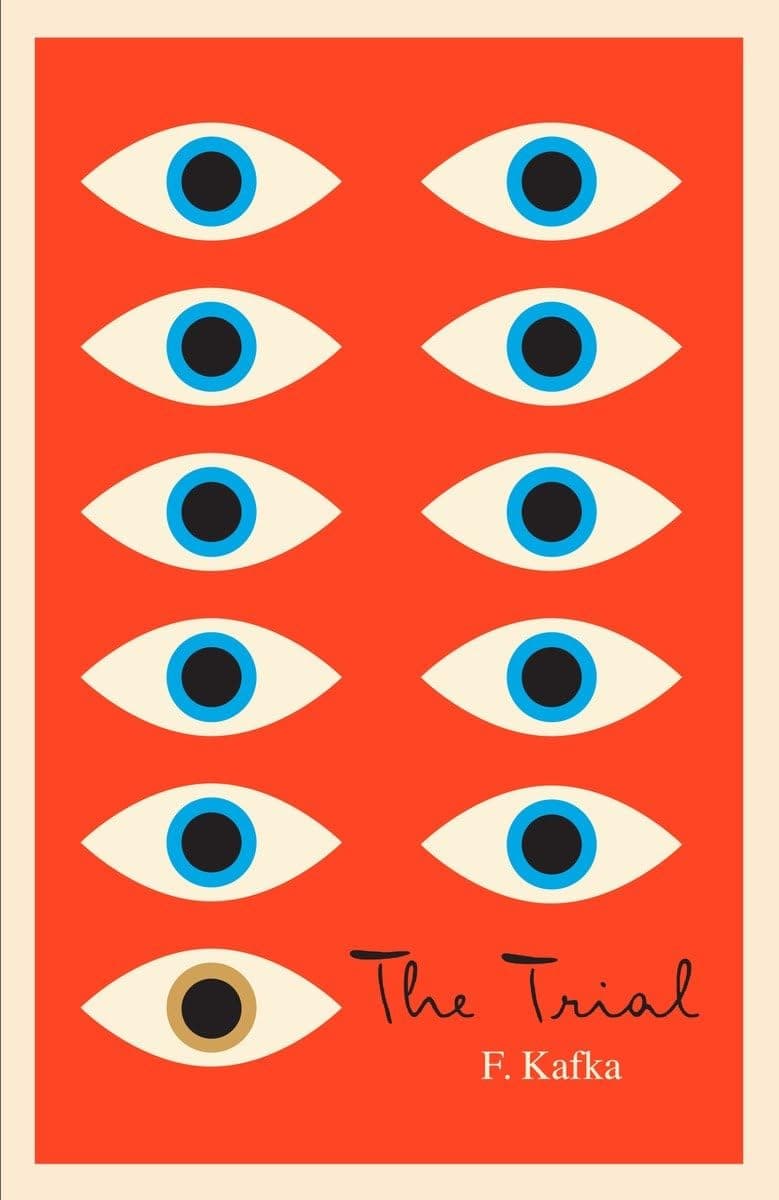
The Trial by Franz Kafka

The Trial

Franz Kafka

intermediate

Kafka's nightmarish novel about a man arrested and prosecuted by an opaque authority for a crime never specified, a parable of modern bureaucratic absurdity.

Get this book
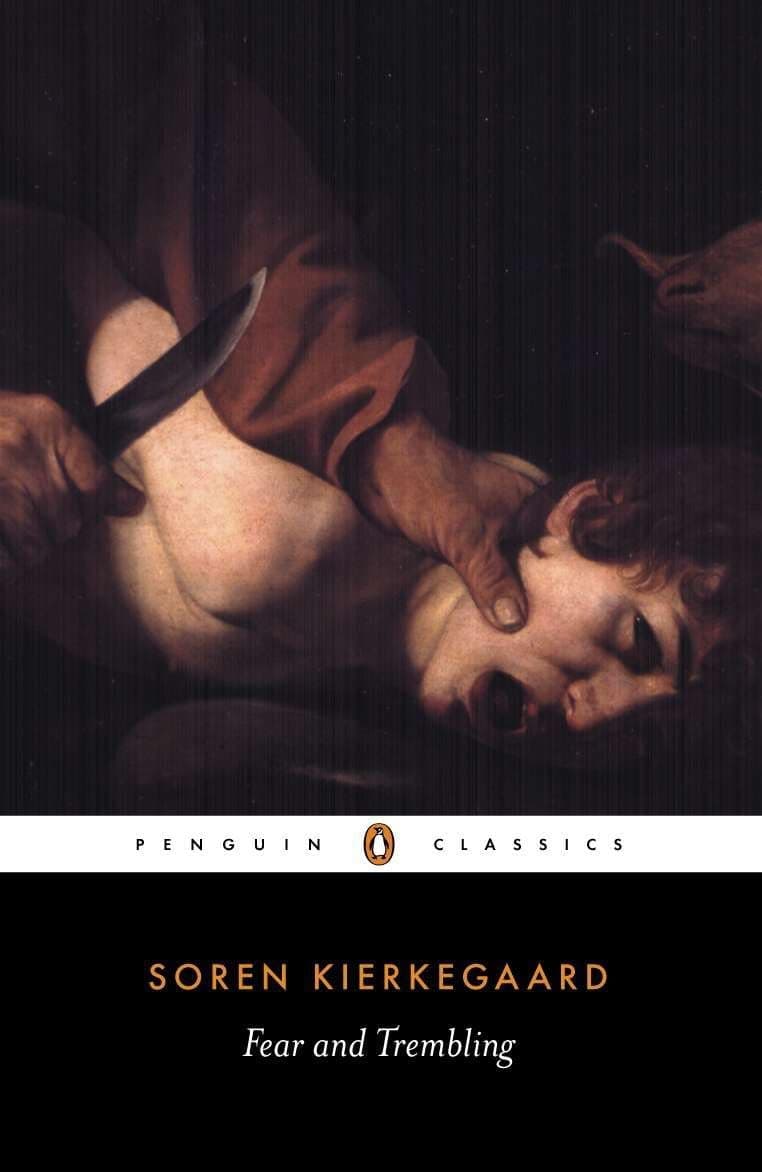
Fear and Trembling by Soren Kierkegaard

Fear and Trembling

Soren Kierkegaard

advanced

Kierkegaard's meditation on the story of Abraham and Isaac. A profound exploration of faith, ethics, and the limits of reason.

Get this book

More Topics