
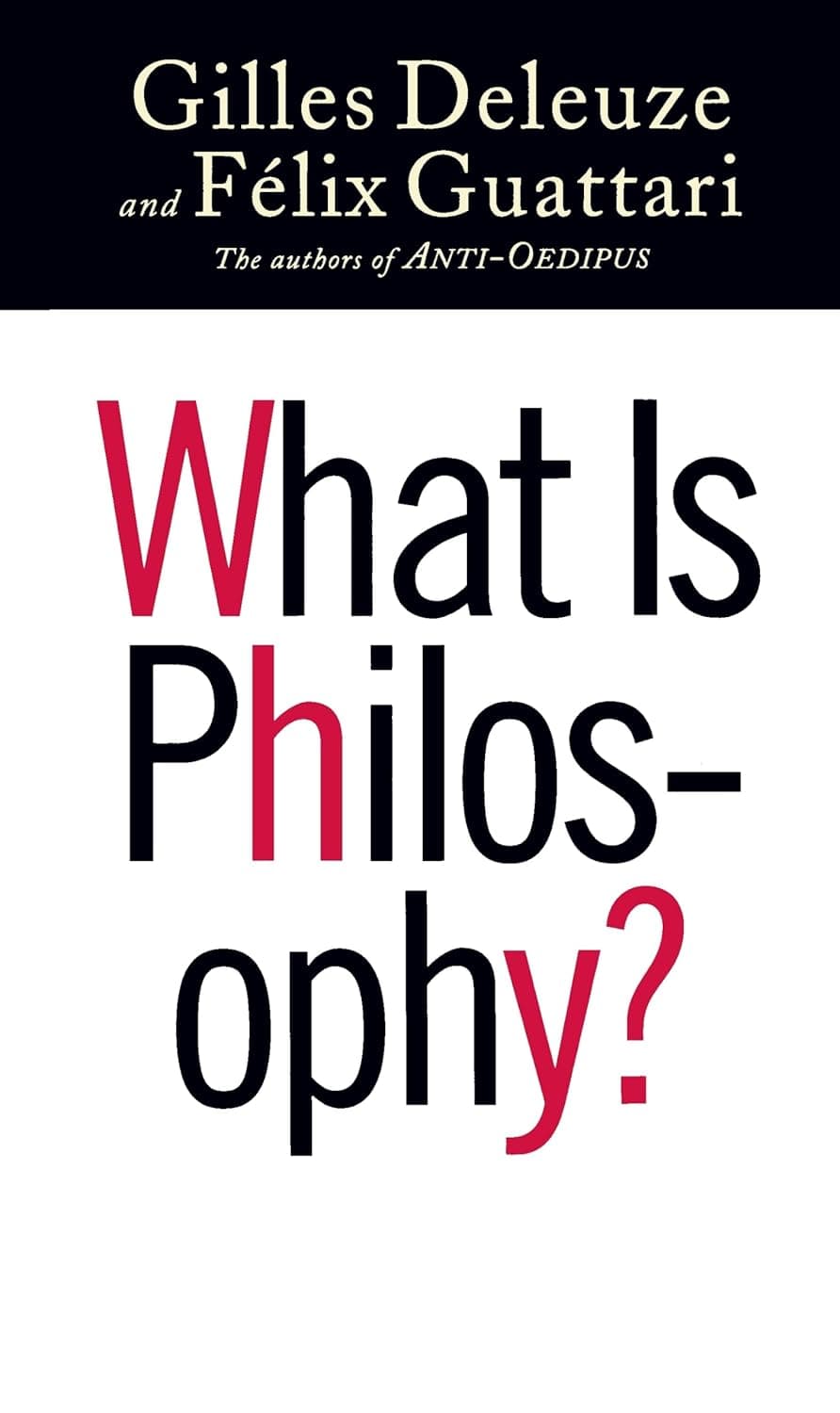
What Is Philosophy?
Deleuze and Guattari's final collaboration, defining philosophy as the creation of concepts and distinguishing it from science and art.
Some links are affiliate links. Purchases help support the channel at no extra cost to you.
- Classic
Episodes featuring this book
Why We Are Forced to Think | Deleuze's Complete Philosophy for Sleep
On Deleuze
15 chapters · 10 sources
Gilles Deleuze reimagined what philosophy could do. Where most philosophers tried to represent the world, Deleuze wanted to create something new: concepts that make thought move differently. The rhizome, the body without organs, the virtual and the actual, deterritorialization, becoming. These are not descriptions of how things are but tools for thinking in ways that escape identity, hierarchy, and transcendence.
PlayCan a Murder Ever Be Justified? | Dostoevsky's Crime and Punishment
On Dostoevsky
16 chapters · 4 sources
A student imagines that exceptional people may cross the moral boundaries binding everyone else. This essay follows Raskolnikov's extraordinary man theory through his published article, Porfiry's questions, the competing demands of poverty and pride, and the relationships his reasoning cannot fully explain. Sonya's care preserves responsibility instead of erasing it. Razumihin offers useful work, Dunya resists generosity that expects obedience, and a false accusation exposes the difference between respectable confidence and reliable evidence. Crime and Punishment, also searched as Prestuplenie i nakazanie, separates fear from repentance and private admission from public confession. Its Siberian epilogue asks what remains to change after a sentence has been imposed. Brief context from Poor Folk and The House of the Dead locates Dostoevsky's attention to dignity, dependence and penal life without replacing the novel with a biography. The ending leaves renewal as a beginning requiring further choices.
PlayIs Life Absurd, or Are We Condemned to Be Free? | Camus vs Sartre
On Camus & Sartre
14 chapters · 6 sources
Camus and Sartre began as friends and became public opponents over The Rebel. Their argument reaches deeper than the quarrel: Camus starts with the absurd and insists on revolt with limits; Sartre starts with radical freedom and asks what commitment to history requires. The reading follows their wartime friendship, the break, and the strongest version of each view. It asks how a person acts when no final authority can decide in their place.
Play