Support

Support the Channel

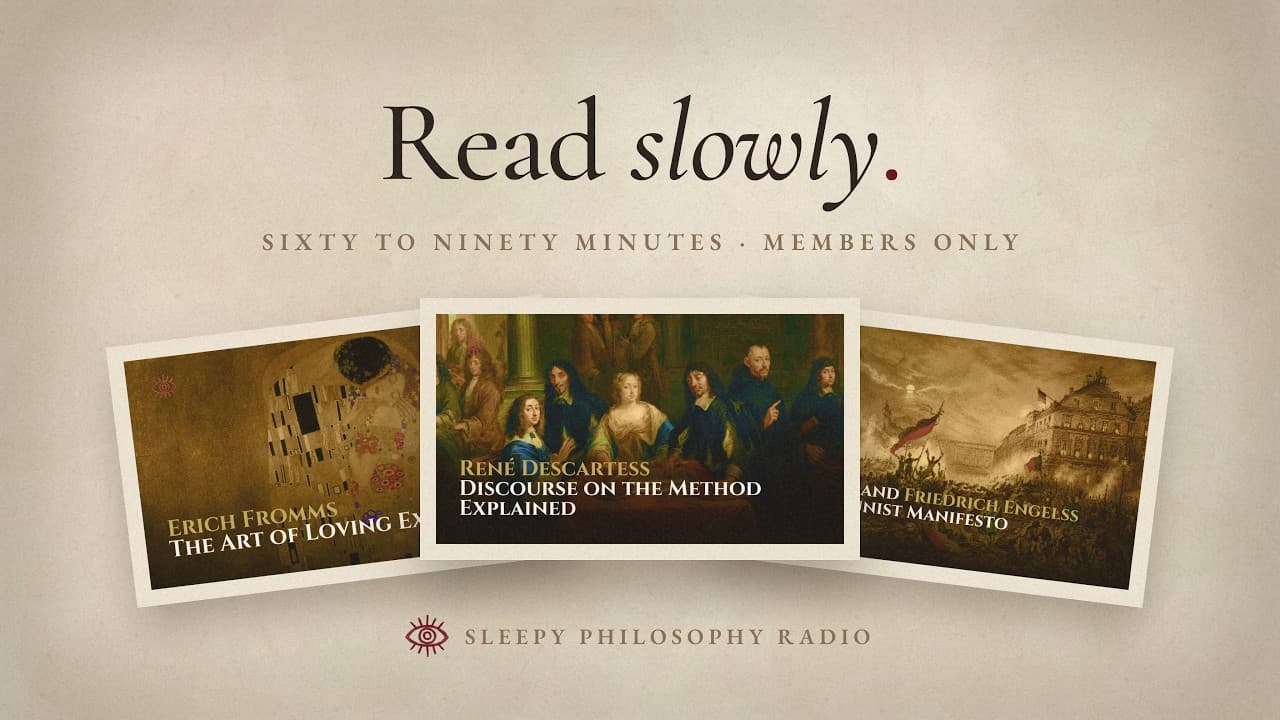
Every episode is built on research, reading, and careful writing. Everything on this site is free. If the work means something to you, here are a few ways to help keep it going.

❧

For Members

What Membership Includes

Exclusive episodes made just for supporters, on YouTube and Spotify

Members-Only Episodes

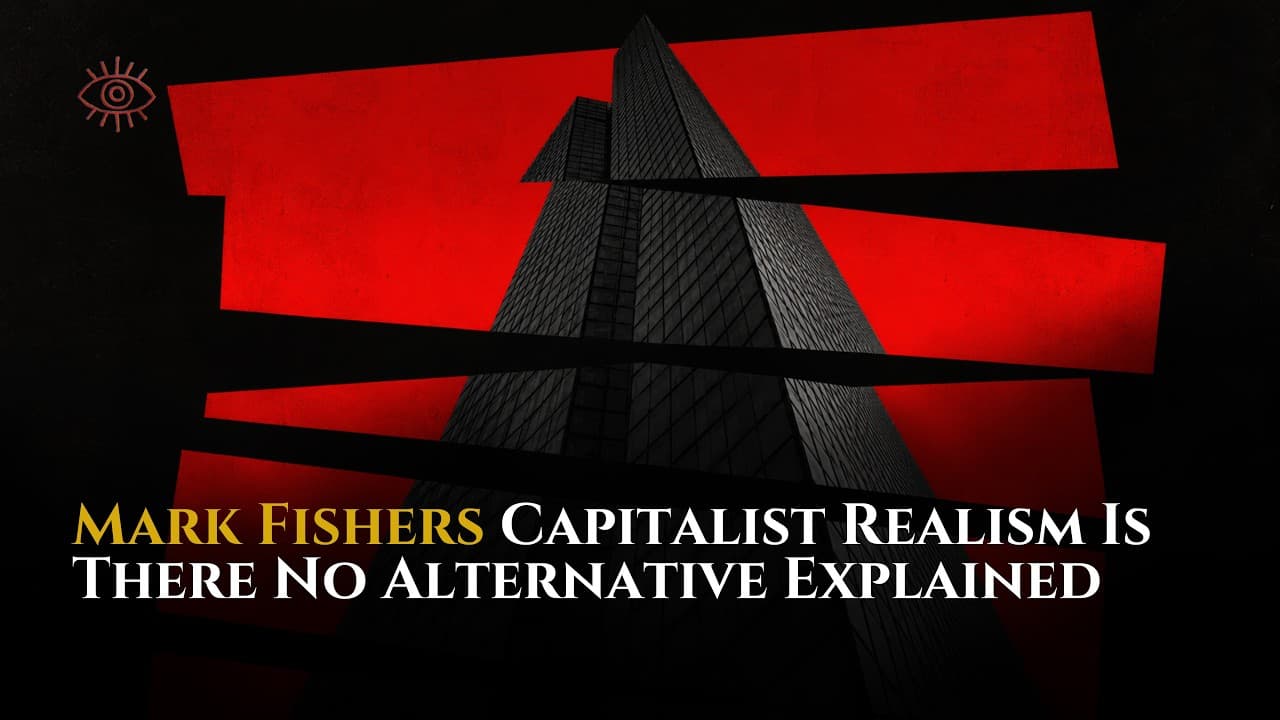
Capitalist Realism for Sleep
Political Philosophy1:22:47

Capitalist Realism for Sleep

Why does capitalism feel inevitable even when its crises reveal how fragile it is? Mark Fisher's Capitalist Realism is a short, restless book about the strange feeling that capitalism is not merely dominant, but unavoidable. This episode follows Fisher's own sequence, from the futureless world of Children of Men and the performance of anti capitalism in Wall E, through the classroom where students experience reflexive impotence, the post Fordist demand for no long term, and the office where bureaucracy becomes a form of anti production. We then enter the book's dreamwork of changing realities, its Kafkaesque encounter with a centerless system, and its final proposal for a Marxist Supernanny who might restore public culture without restoring the old father. A quiet reading of one of the most vivid political books of the early twenty first century. The full episode is on YouTube and Spotify. Please listen only in safe, restful contexts.
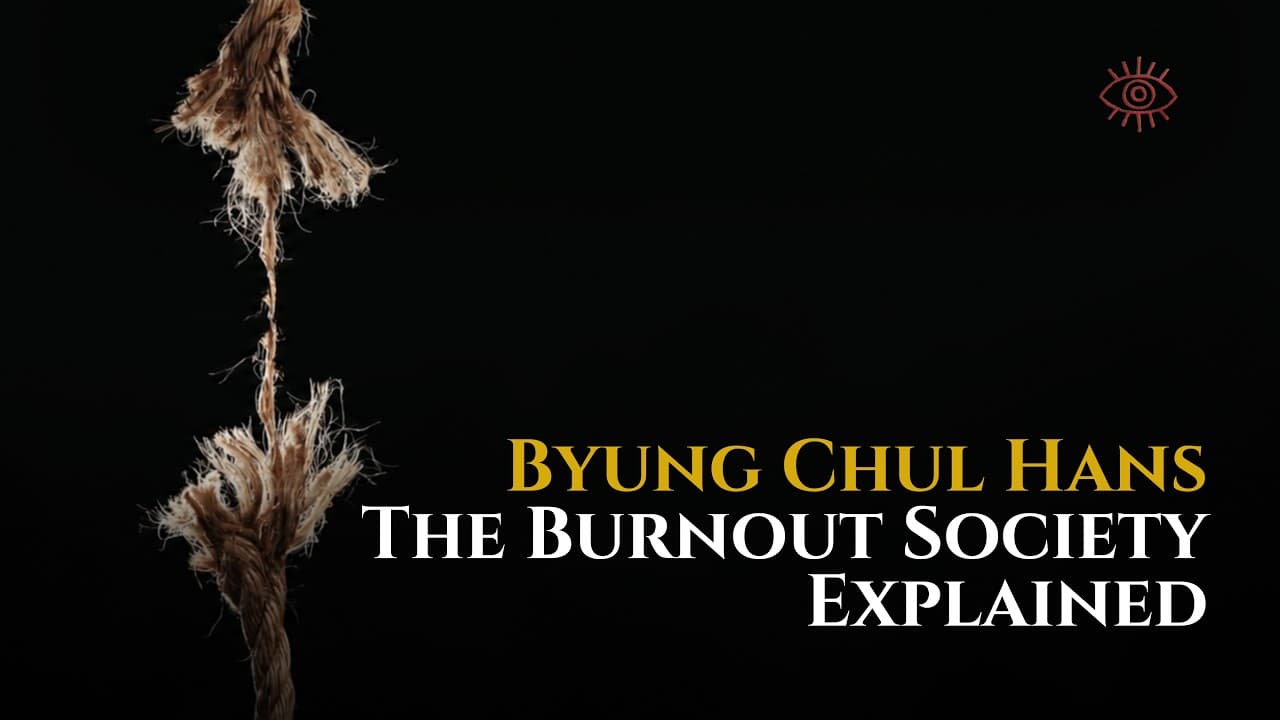
The Work Camp Within | Han on Achievement and Fatigue
Continental Philosophy1:15:21

The Work Camp Within | Han on Achievement and Fatigue

Byung-Chul Han traces how freedom, productivity, and positivity turn inward, leaving the achievement subject exhausted by its own demands. Byung-Chul Han's The Burnout Society begins with a change in the pathology of our age, from infectious threats to neuronal illnesses born of excess. It then moves from Foucault's disciplinary institutions into the achievement society, where the command has become a promise of possibility. The middle of the book follows the consequences through scattered attention, profound boredom, Hannah Arendt's account of labor and action, Nietzsche's education of the gaze, and the bleak office of Melville's Bartleby. In its final movements, Han turns to neuro-enhancement and Peter Handke's shared tiredness before returning to Kafka's Prometheus, Freud, depression, and the paradox of a freedom that consumes its subject. This is a slow reading of the book's actual sequence, with its literary figures and philosophical pressure kept in view. The full episode is on YouTube and Spotify. Please listen only in safe, restful contexts.
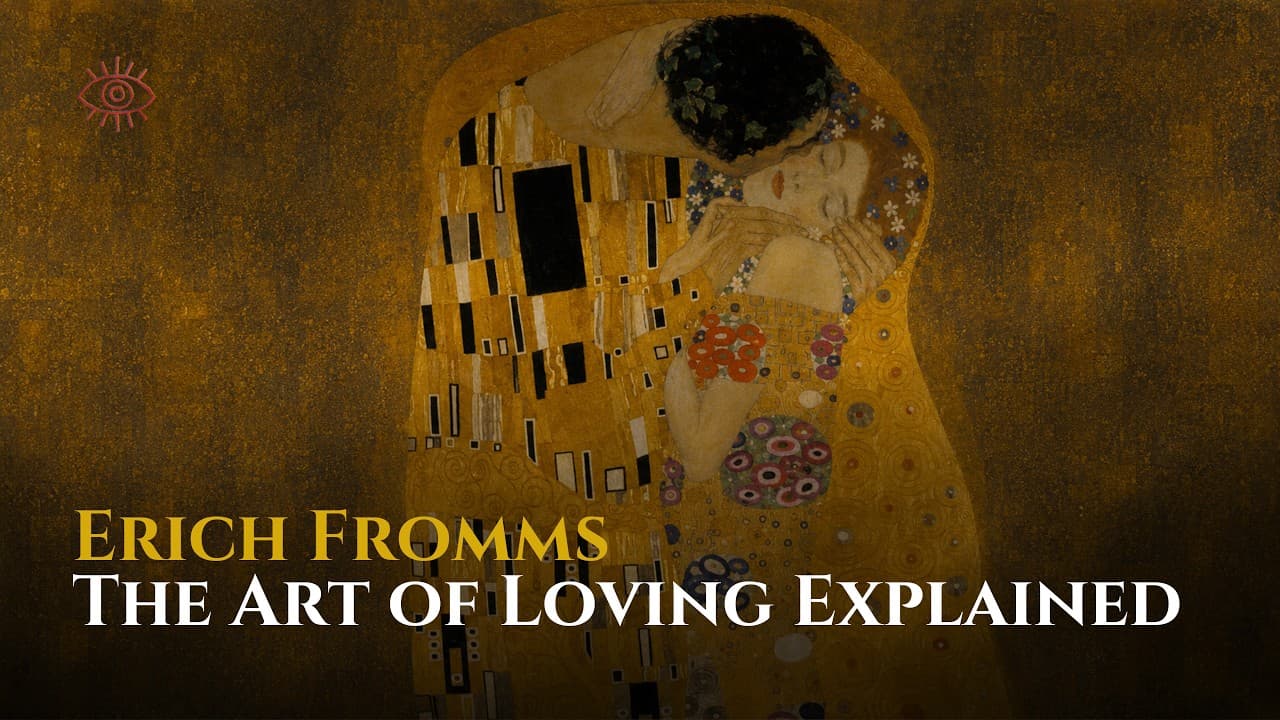
The Art of Loving by Erich Fromm
Psychology1:09:40

The Art of Loving by Erich Fromm

A quiet reading of Fromm's demanding claim that love must be learned like an art. This episode follows The Art of Loving in the order of Fromm's own argument. It begins with the book's startlingly practical question, whether love is an art that requires knowledge and effort, then enters the theory of love as the mature answer to human separateness. The reading moves through Fromm's account of parent and child, the distinct objects of love, brotherly love, motherly love, erotic love, self love, and love of God, before turning to the chapter on modern society and the ways market life distorts intimacy. It closes with the book's final demand for discipline, concentration, patience, faith, courage, and a life organized around the practice of love. The full episode is on YouTube and Spotify. Please listen only in safe, restful contexts.
How to Live Without Wasting Your Life
Stoicism1:17:57

How to Live Without Wasting Your Life

William B. Irvine turns ancient Stoic exercises into a practical philosophy for meeting loss, uncertainty, anger, and mortality. William B. Irvine begins with the fear that a life can be spent striving without ever becoming fully one's own. He then follows Stoicism from its Socratic beginnings through Zeno, Seneca, Epictetus, Musonius Rufus, and Marcus Aurelius, before entering the book's practical heart. Negative visualization, the limits of control, fatalism, voluntary discomfort, and daily self observation become ways of changing how desire meets reality. The journey continues through duty, friendship, insult, grief, anger, fame, luxury, exile, old age, and death. The final movement considers why Stoicism declined, what modern readers misunderstand about it, and how Irvine's adapted version might be tested in ordinary life. The full episode is on YouTube and Spotify. Please listen only in safe, restful contexts.
No Man Can Save Himself Alone | Beauvoir's Ethics of Ambiguity
Existentialism1:07:35

No Man Can Save Himself Alone | Beauvoir's Ethics of Ambiguity

Simone de Beauvoir asks what freedom can mean after alibis, idols, and innocence have fallen. This episode walks slowly through The Ethics of Ambiguity as Beauvoir builds an existentialist ethics out of finitude, failure, and action. It begins in postwar Paris, where the language of responsibility had become historically urgent, then follows the book's own structure from ambiguity and freedom into the moral attitudes that flee freedom, including seriousness, nihilism, adventure, and passion. The reading then turns with Beauvoir toward art, political detachment, oppression, liberation, violence, and the dangerous appeal to the future. It closes with the book's most difficult wisdom, that moral life does not escape ambiguity but assumes it through concrete decisions among other freedoms. The full episode is on YouTube and Spotify. Please listen only in safe, restful contexts.
The Vanity of Existence | A Quiet Reading of Schopenhauer's Studies in Pessimism
Metaphysics1:02:00

The Vanity of Existence | A Quiet Reading of Schopenhauer's Studies in Pessimism

The clearest pessimist in philosophy on suffering, time, death, and the strange consolation of expecting nothing. Studies in Pessimism gathers the darkest and most readable essays of Arthur Schopenhauer, selected from the late miscellany that finally made him famous and translated into English by T. Bailey Saunders. This reading moves through the whole of it in the book's own order. It opens with the great case for pessimism, that suffering is positive and happiness only the absence of pain, and descends through the emptiness of time, the question of suicide, and a strange dialogue in which a frightened man is told what he will be after death. It passes through sharp observations on human nature and three essays that turn the same cold eye on education, on women, and on noise, before closing with a famous parable of porcupines and the long afterlife of a book that refuses every comfort. The full episode is on YouTube and Spotify. Please listen only in safe, restful contexts.
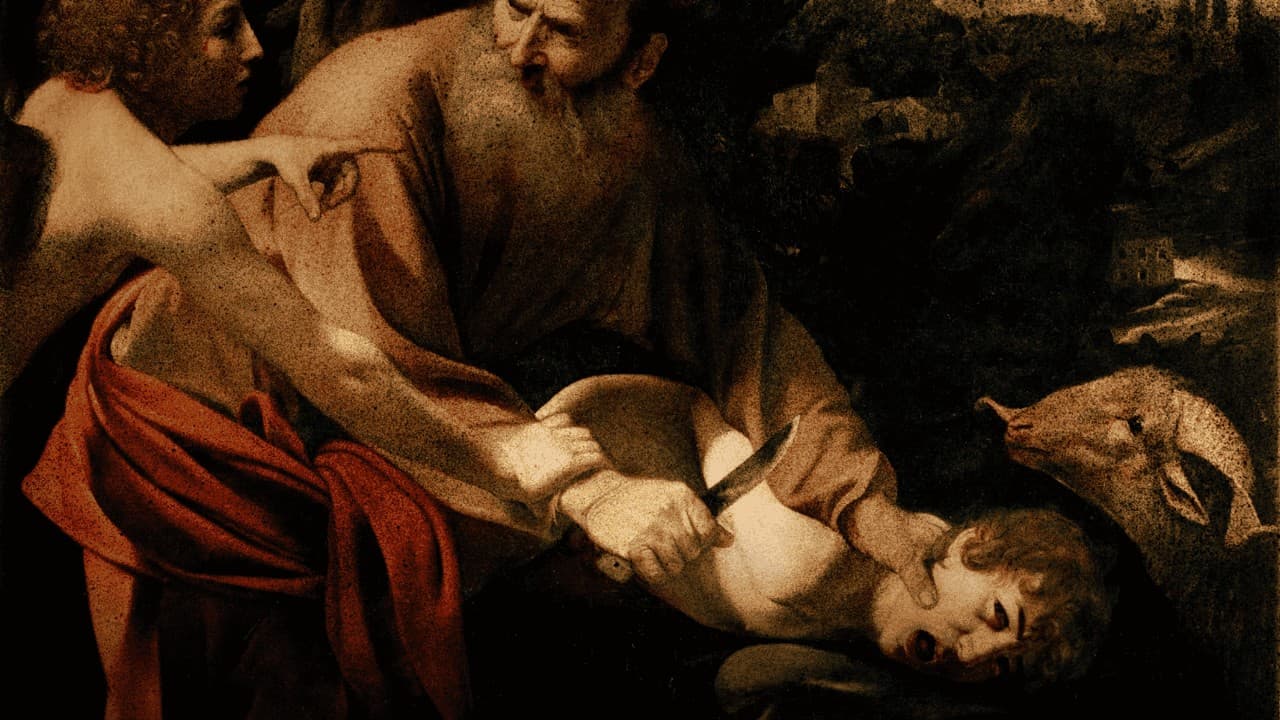
The Knight of Faith | A Slow Reading of Kierkegaard's Fear and Trembling
Existentialism1:05:46

The Knight of Faith | A Slow Reading of Kierkegaard's Fear and Trembling

A father is commanded to kill the son he loves, and is told by no one why. Fear and Trembling is Soren Kierkegaard's strange and beautiful meditation on the binding of Isaac, written under the borrowed name Johannes de Silentio against an age that believed it had outgrown faith. This reading walks through the whole of it, the preface that quarrels with its own century, the four imagined retellings of the journey to Moriah, the eulogy that praises a man it cannot understand, the knight of faith who is impossible to tell apart from an ordinary shopkeeper, and the three problems that ask whether a single individual can ever stand higher than the moral law. It follows the argument to its quiet and unsettling close, where faith turns out to be not a stage one passes through but the task of an entire life. A complete, calm reading of one of philosophy's most demanding small books. The full episode is on YouTube and Spotify. Please listen only in safe, restful contexts.

One Moment of Happiness | Dostoevsky's White Nights
Existentialism0:55:24

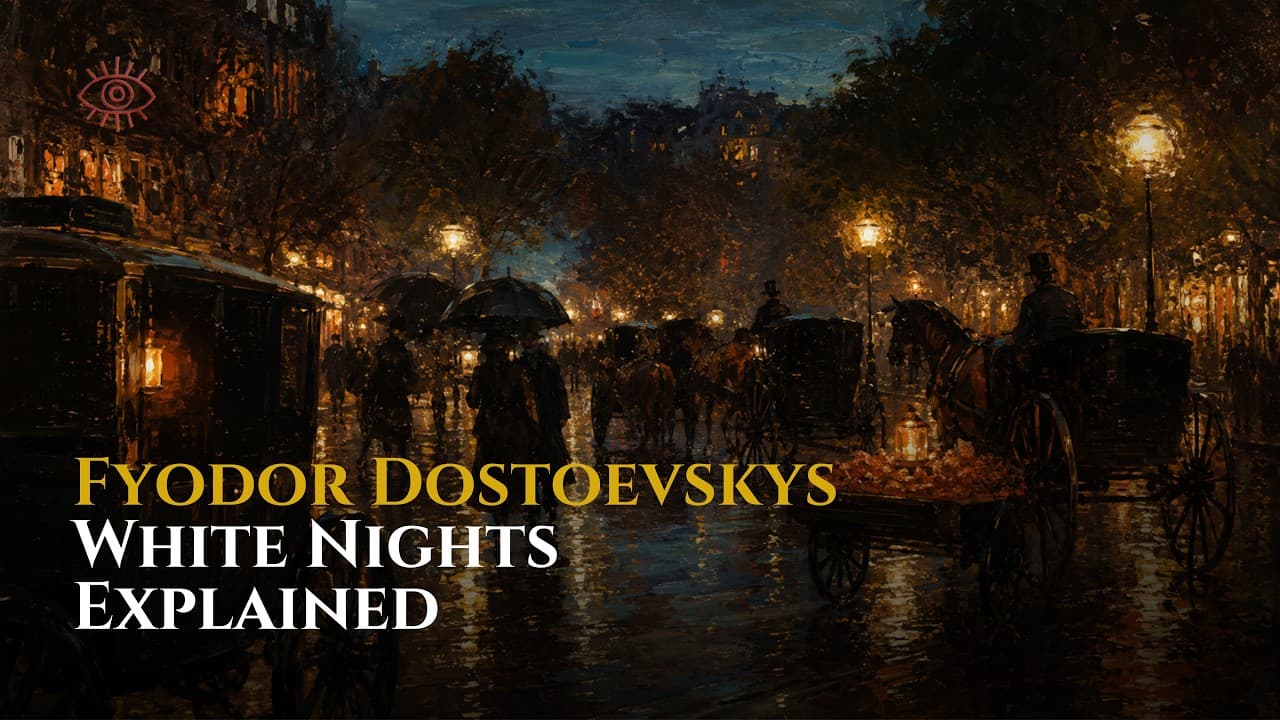
One Moment of Happiness | Dostoevsky's White Nights

Four summer nights in a city where the sun never sets, and a lonely dreamer who meets a young woman waiting for someone else. This episode walks through Fyodor Dostoevsky's early story White Nights, told over four luminous Petersburg nights and a single morning. We meet the dreamer, a man so sealed inside his own head that he has befriended the houses of the city because he cannot speak to its people, and we follow what happens when he meets Nastenka weeping at a canal railing and is asked to be her friend on the single condition that he not fall in love. We trace the warmth and the self-deception of his inner life all the way down, and the quiet question the story keeps asking, what one moment of happiness is worth to a person who has been allotted almost none. No background in the book is needed to follow along. Please listen only in safe, restful contexts.

The Inner Citadel | Meditations by Marcus Aurelius
Stoicism0:56:04

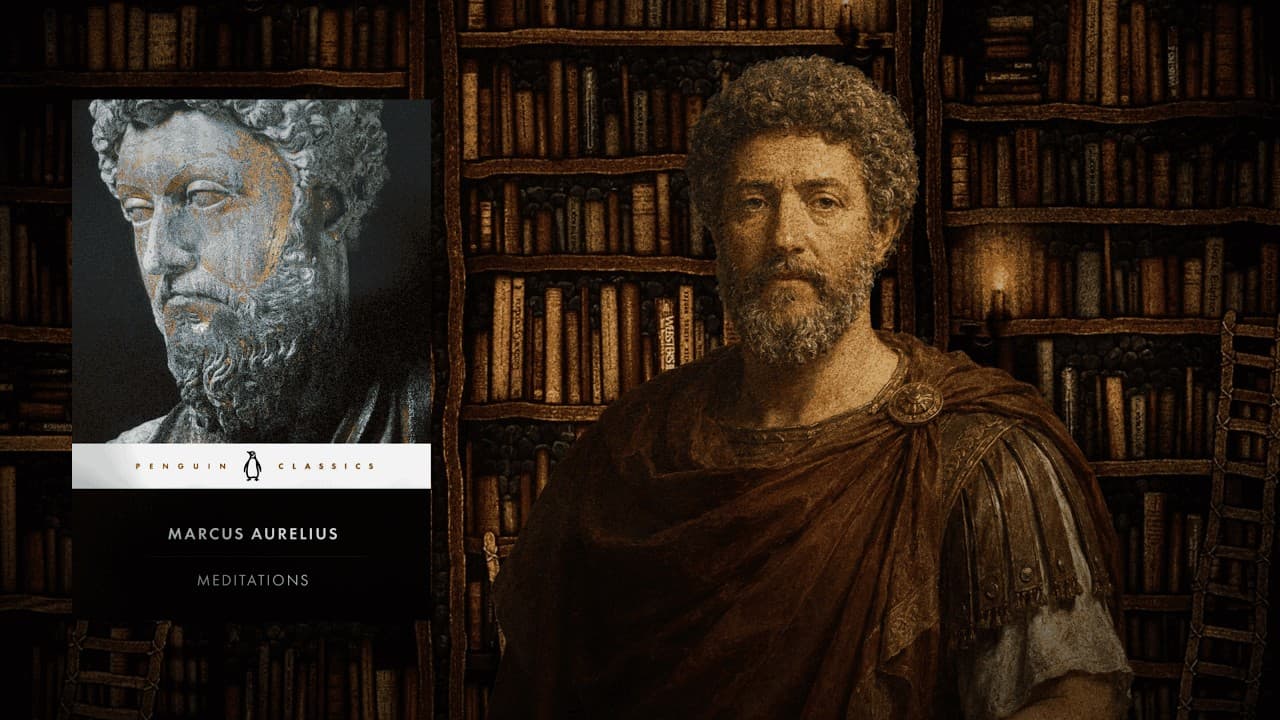
The Inner Citadel | Meditations by Marcus Aurelius

The private notebook of a Roman emperor, written by lamplight in a war camp and never meant to be read. This episode reads Marcus Aurelius's Meditations slowly and in full, the diary a tired emperor kept on the northern frontier to steady his own mind. We begin with the long opening of debts, the people who made him, then move to the heart of the book, the one part of a person no enemy can seize, the judgments we give or withhold. We sit with his returning lessons on death, on other people, on the passing moment, and on the order of the world, and we treat the constant returning not as a flaw but as the discipline it was, a man reasoning himself, night after night, into the character he feared he lacked. No background in philosophy is needed to follow along. The full episode is on YouTube and Spotify. Please listen only in safe, restful contexts.

Thus Spoke Zarathustra by Nietzsche
Existentialism0:55:54

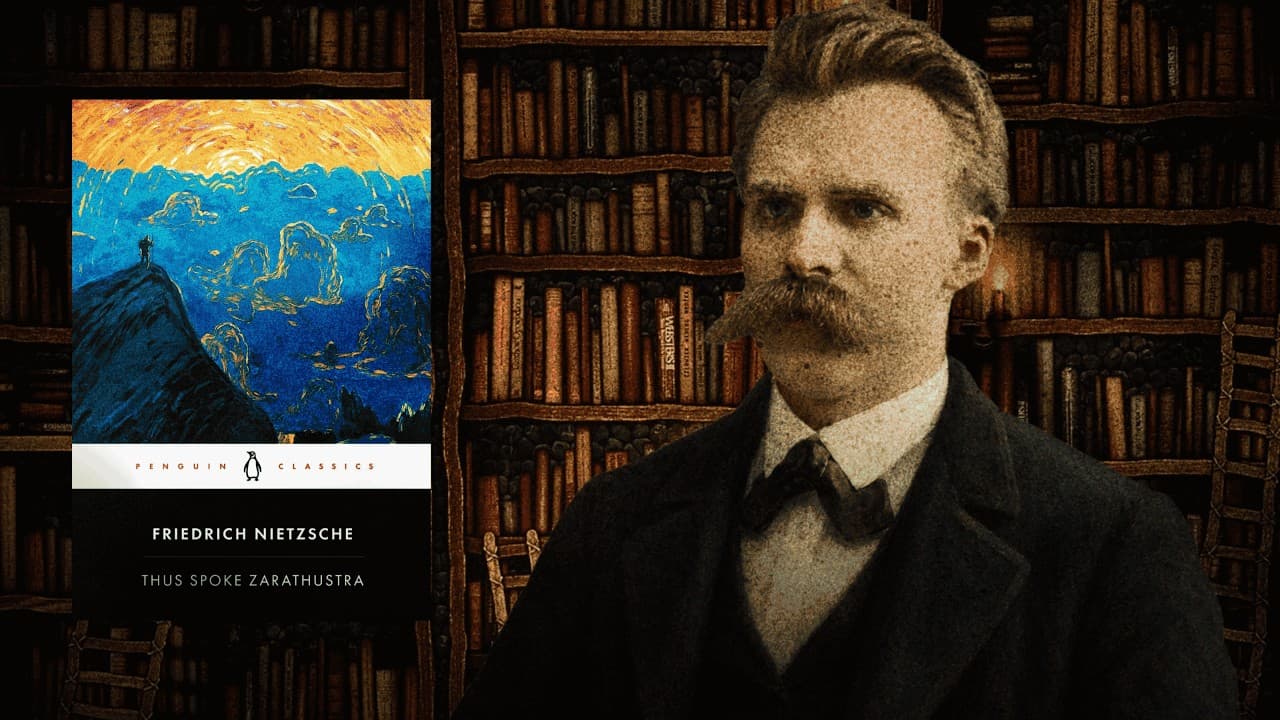
Thus Spoke Zarathustra by Nietzsche

A hermit comes down from his mountain to teach that humanity must overcome itself, and learns how hard his own teaching is to bear. This episode walks through Friedrich Nietzsche's Thus Spoke Zarathustra, the strange counter-scripture he wrote in the mountains in bursts of ten days at a time. We follow Zarathustra from his descent and the death of God, through the marketplace where the crowd laughs at the overman and cheers for the last man, into the great speeches, the three transformations of the spirit, and the teaching that meaning must be made on the earth rather than awaited beyond it. At last we reach the thought that nearly breaks him, that everything will return exactly as it was, forever, and the long struggle to say yes to it. We read the parables and songs as what they are, a book that preaches rather than argues, and we keep the ideas clear without flattening them. No background in philosophy is needed to follow along. The full episode is on YouTube and Spotify. Please listen only in safe, restful contexts.

Fyodor Dostoevsky's Crime and Punishment | Book Summary
Existentialism1:01:24

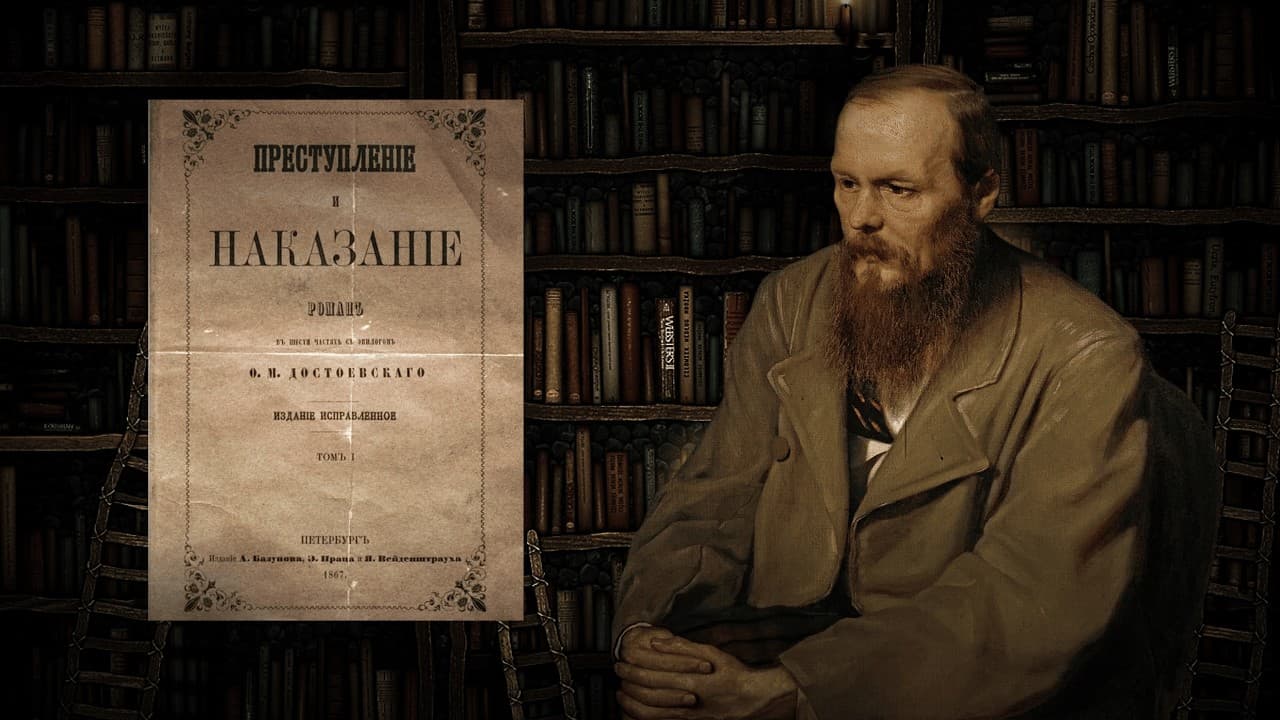
Fyodor Dostoevsky's Crime and Punishment | Book Summary

A slow walk through the novel in which a theory is put to the test with an axe. This episode traces Fyodor Dostoevsky's Crime and Punishment from the Wiesbaden hotel room where it was drafted in the summer of 1865 to the Siberian riverbank where it ends. We follow Rodion Raskolnikov from the rehearsal in the pawnbroker's apartment, through the murder and the long delirium that follows, into the cat and mouse interviews with the investigator Porfiry Petrovich, into the narrow room where Sonya reads from the Gospel of John, and finally into the Haymarket and the voluntary confession. Along the way we sit with Marmeladov in the tavern, read the mother's letter, meet Svidrigailov in his long bored afternoon, and walk with Raskolnikov through one of the longest and strangest interior arguments in the nineteenth century novel. The full episode is on YouTube and Spotify. Please listen only in safe, restful contexts.

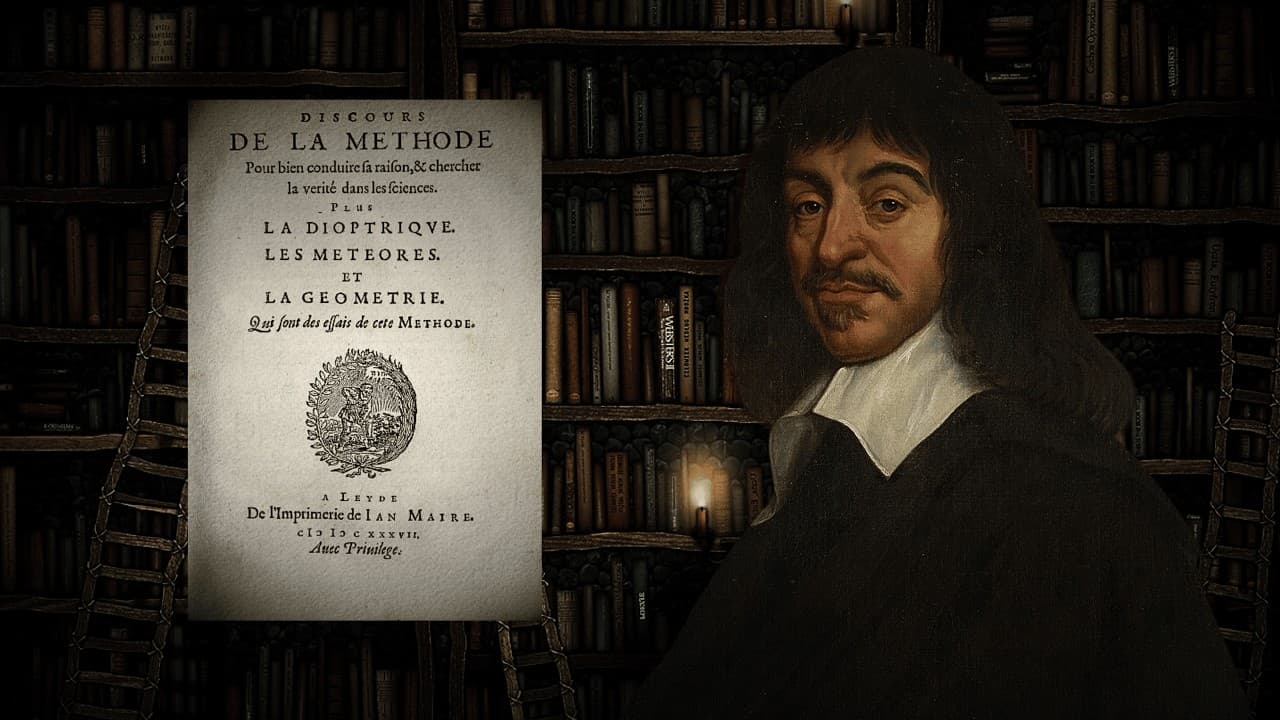
Rene Descartes's Discourse on the Method | Book Summary
Modern Philosophy0:55:39

Rene Descartes's Discourse on the Method | Book Summary

A French philosopher in the Dutch Republic once wrote, in his own language, how he rebuilt knowledge from doubt. This episode walks listeners through the six parts of René Descartes's Discourse on the Method, published in sixteen thirty-seven. It opens with the Dutch years in which the book was composed and the decision to withhold the larger physics Descartes had prepared. It then follows him through his disappointment with the learning of the schools, into the winter room where he framed his four rules of method, past the provisional morality that let him keep living while he doubted, into the short philosophical chapter that contains I think therefore I am, and out into the treatment of the body as a machine. The episode closes with his appeal to readers and his quiet hope for the long collaborative work of science. The full episode is on YouTube and Spotify. Please listen only in safe, restful contexts.

The Communist Manifesto by Marx and Engels | Book Summary
Political Philosophy1:07:01

The Communist Manifesto by Marx and Engels | Book Summary

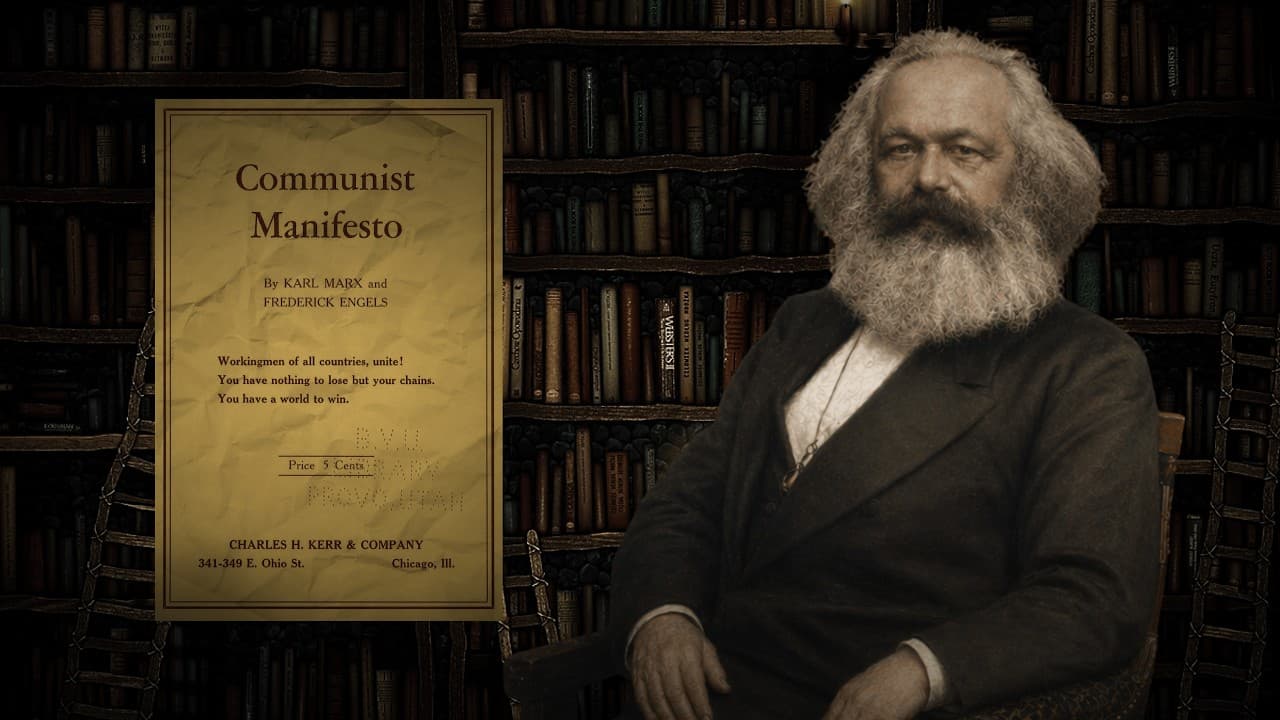
A note before we begin. This episode is from our Book Summary series, which is normally released weekly for channel members. We have unlocked this one for everyone. In the winter of eighteen forty-seven, Karl Marx and Friedrich Engels were commissioned by a small revolutionary organization to write a statement of communist principles. What they produced in a matter of weeks was something different and more ambitious: a compressed analysis of how capitalism works, why it produces the inequalities it does, and where the logic of its own development was leading. This episode moves through the Manifesto in full. We begin with Marx and Engels themselves, the world they came from and the intellectual formation that brought them together. We follow their argument through the history of class conflict, the extraordinary and self-defeating power of the bourgeoisie, the condition of the industrial working class, the communist program and the replies to its critics, and the sustained polemic against other socialisms of the era. We end with the life the Manifesto has lived since eighteen forty-eight, the movements it inspired, the states that claimed it, and the questions it posed that the world it described has not yet answered. The full episode is on YouTube and Spotify. Please listen only in safe, restful contexts.

Robert Pirsig's Zen and the Art of Motorcycle Maintenance | Book Summary
Metaphysics1:02:09

Robert Pirsig's Zen and the Art of Motorcycle Maintenance | Book Summary

A motorcycle trip across the American West becomes an inquiry into quality, care, and what the modern mind has forgotten.

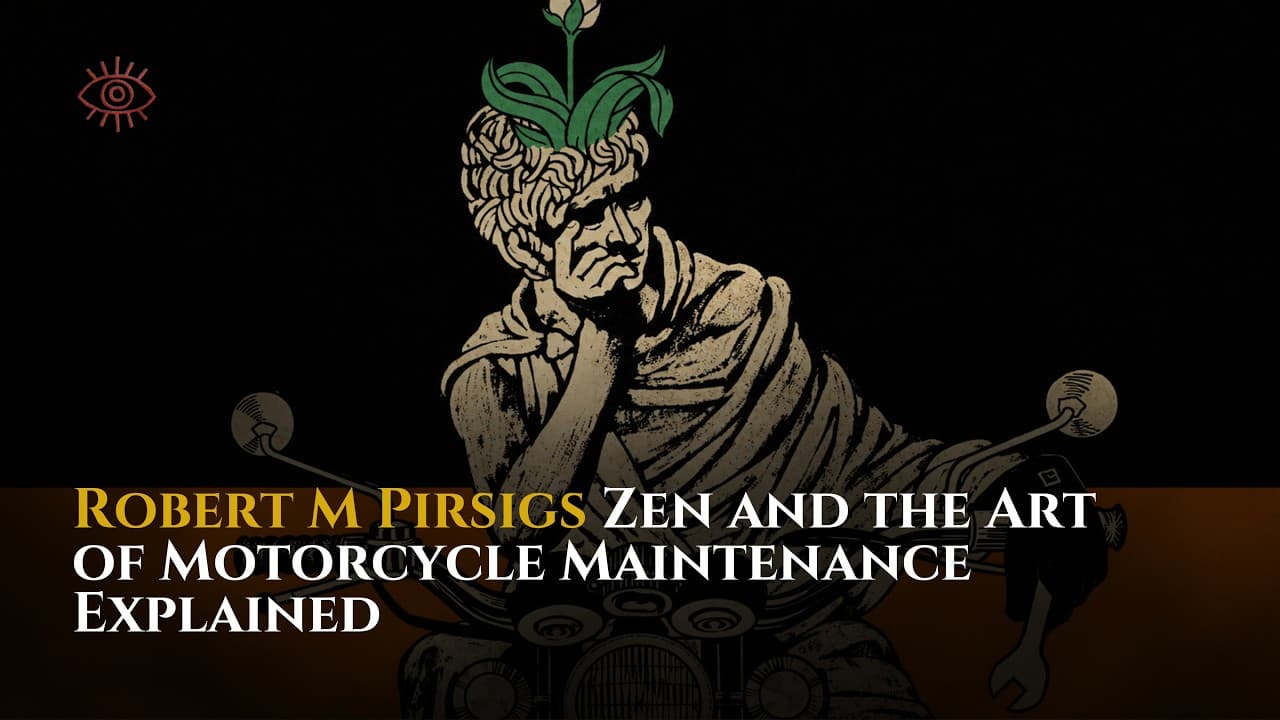
In nineteen seventy-four, the technical writer Robert Pirsig published a first-person account of a motorcycle journey west from Minneapolis, undertaken with his young son and two friends, which opened outward at intervals into a sustained philosophical Chautauqua on the meaning of quality in a mechanical age. This episode is a guided reading of that book from the inside. It follows Pirsig's road from the opening watch-glance through the distinction between classical and romantic understanding, through the ghost of the former self he calls Phaedrus, through the demolition of the subject-object split, and into the mountains where stuckness, gumption, and peace of mind become the practical heart of the argument. It is a patient, unhurried reading for listeners who want to spend an evening inside one of the most widely read works of serious American philosophy. The full episode is on YouTube and Spotify. Please listen only in safe, restful contexts.
Thomas Hobbes's Leviathan | Book Summary
Political Philosophy1:14:17

Thomas Hobbes's Leviathan | Book Summary

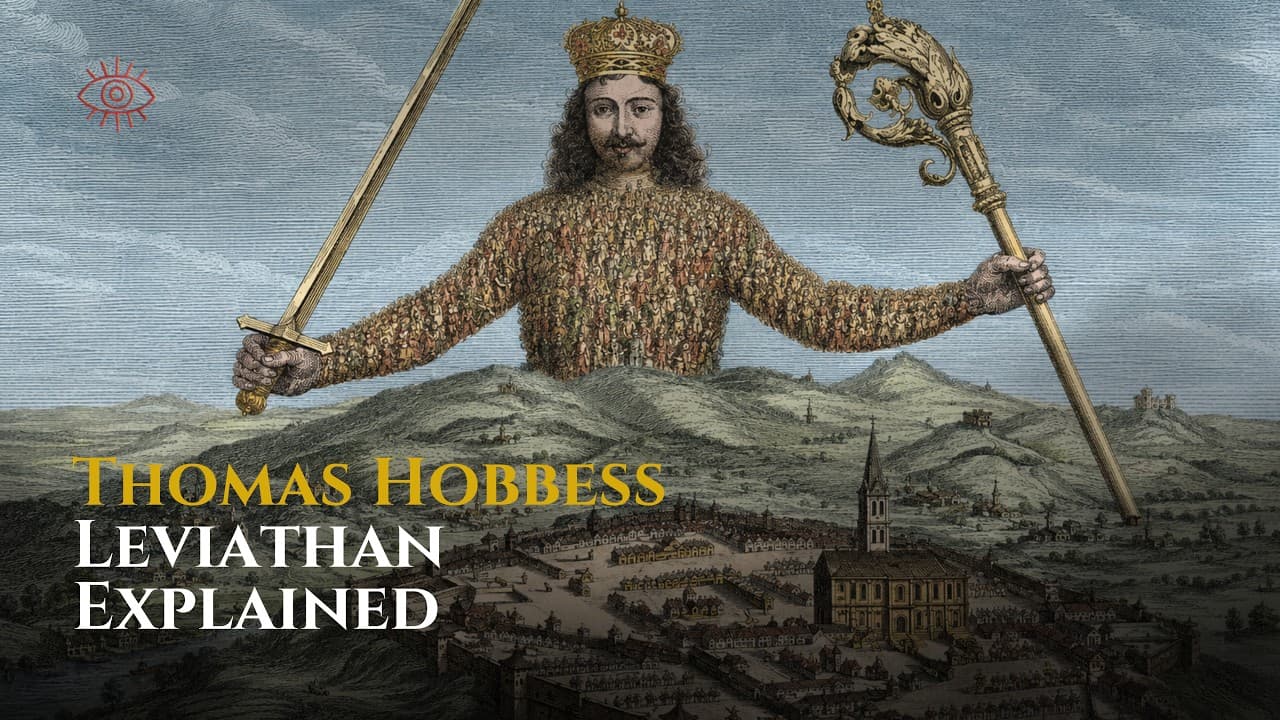
The book written in exile in sixteen fifty-one that grounded all political authority in fear and changed the way the Western world thinks about power. In sixteen fifty-one, Thomas Hobbes published the most radical work of political philosophy in the English language. Written while England was tearing itself apart in civil war, Leviathan builds its entire argument from a single disturbing premise: that human beings, left without sovereign authority, exist in a condition of perpetual war against one another. This episode moves through Leviathan in full, from the materialist psychology of Part One, where all sensation, imagination, and reason reduce to matter in motion, through the famous state of nature argument and the covenant that creates the artificial giant of the Commonwealth, through Hobbes's insistence that sovereign authority must be absolute and undivided, to his deeply unsettling argument in Parts Three and Four that no religious institution has any authority independent of civil power. We close with the long afterlife of a book that offended everyone and has continued to demand answers ever since. The full episode is on YouTube and Spotify. Please listen only in safe, restful contexts.
The Stranger by Albert Camus | Book Summary
Existentialism0:57:00

The Stranger by Albert Camus | Book Summary

A quiet, sentence-by-sentence reading of Albert Camus's short novel of a killing, a trial, and a final night. The episode opens in a Paris hotel room in May of nineteen forty, as a young Algerian journalist named Albert Camus finishes the first draft of a very short novel while the German army crosses into France. From there the narration walks through The Stranger itself, chapter by chapter. A telegram from a nursing home. A funeral under a hard sun. A harbor, a woman, a comedy at a movie house. A neighbor with a revolver and a letter to write. A beach, a spring, four extra shots. An examining magistrate with a silver crucifix. A condemned cell. A priest who will not go away. A final page that has been argued over for more than eighty years. The reading closes on the book's long life after publication. The full episode is on YouTube and Spotify. Please listen only in safe, restful contexts.
1984 by George Orwell | Book Summary
Political Philosophy1:02:04

1984 by George Orwell | Book Summary

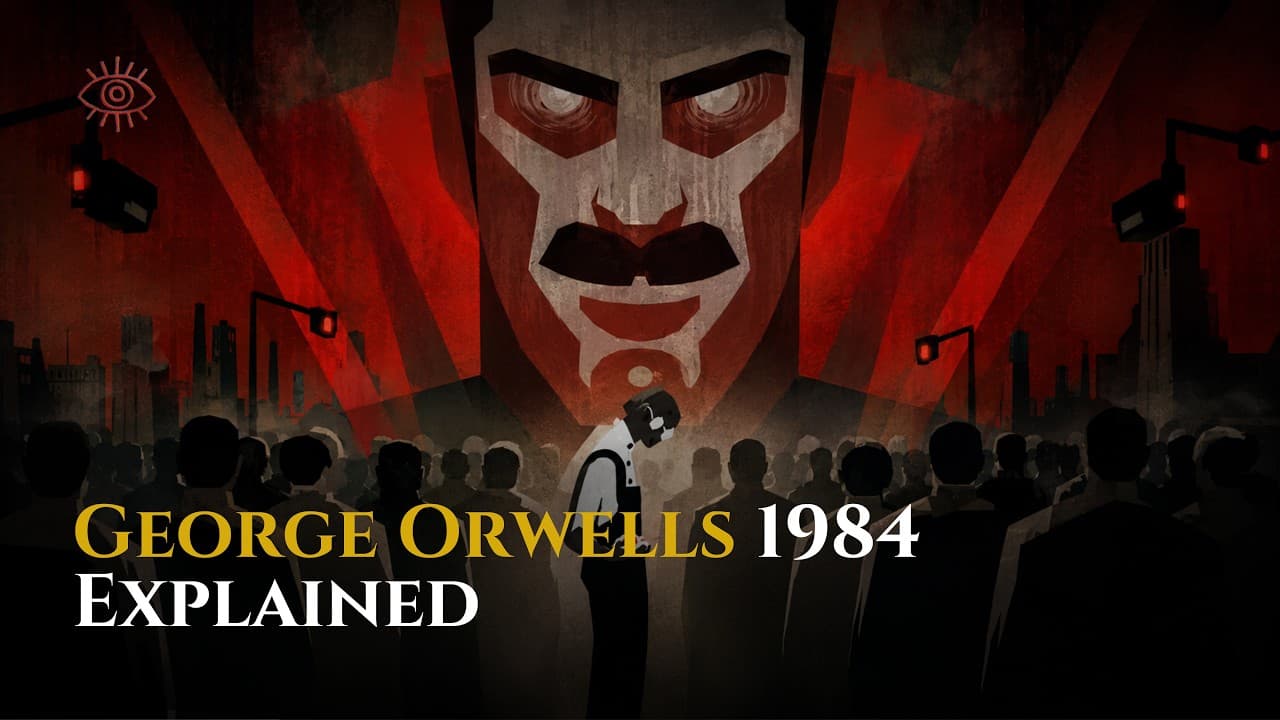
This longform episode walks patiently through Nineteen Eighty-Four, the novel George Orwell wrote from a farmhouse on a remote Scottish island in the last years of his life. We begin with the book's origins and the conditions under which it was made. We then enter the world of Oceania through the eyes of Winston Smith, the small functionary whose diary opens the book, and follow the three-part arc of the novel through his work, his private rebellion, his turn toward what he believes to be a resistance, and his passage through the building that gives its name to the longest section. A closing chapter considers the quiet reframing Orwell places at the very end and what the book still has to say about a life lived under watchful power. The full episode is on YouTube and Spotify. Please listen only in safe, restful contexts.
Our Supporters

Thank you to everyone who makes this work possible

Patrons

@rknee9776

Readers

@johnplatt7729@santiagorodriguez-mm2pm@Fafooltala@captivatingnarwhal7371@rmn3923@Rasqohcom@Fran_cesca_X@ranajaspal1@dantevelazquez1151@gh0sttruth2036@safi12221@lanavazquez1297@WilliamCarter-f4f@timsynnott2150@caleb_leander

Questions