For Sleep

Philosophy for Sleep

Drift off to the greatest thinkers in history. Long-form readings of Stoicism, Existentialism, and deep philosophical works, narrated in a calm, unhurried voice designed to quiet the mind and guide you to sleep.

❧

Why Philosophy Helps You Sleep

There is something uniquely calming about philosophical reading. Unlike news or fiction, philosophy moves slowly and deliberately. Each sentence asks you to pause, reflect, and let go of the day’s noise. The meditative rhythm of ancient Stoic texts, the deep introspection of Existentialist writing, and the systematic calm of Spinoza’s Ethics all share a quality that quiets restless thinking.

Sleepy Philosophy Radio was built for this. Every episode is a long-form reading of a great philosophical work, narrated at a pace that lets your mind wander into sleep. No ads interrupt the flow. No quick takes or debates. Just the slow unfolding of ideas that have endured for centuries.

Whether you are new to philosophy or a lifelong reader, these episodes offer a way to end your day with something meaningful. Fall asleep to Nietzsche, wake up thinking about Kierkegaard, and gradually absorb a tradition of thought that spans millennia.

Best Episodes for Sleep

Our longest, most immersive episodes. Perfect for falling asleep to.

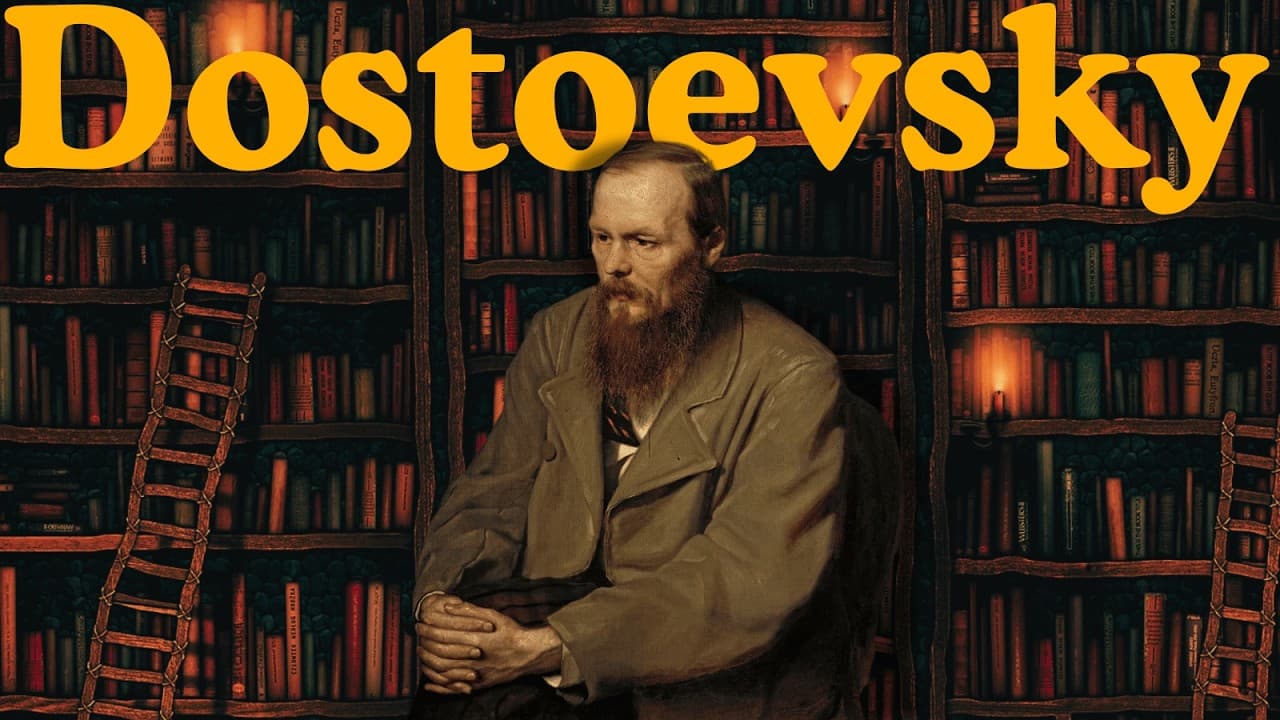
Beauty Will Save The World | Dostoevsky's Philosophy For Sleep
Existentialism3:18:30

Beauty Will Save The World | Dostoevsky's Philosophy For Sleep

Dostoevsky's Philosophy for Sleep

Fyodor Dostoevsky spent four years in a Siberian labor camp and emerged convinced that human beings are not rational creatures who occasionally act irrationally, but irrational creatures who occasionally manage reason. This three-hour episode traces his life and philosophy through Crime and Punishment, Notes from Underground, The Idiot, Demons, and The Brothers Karamazov. We examine the underground man's revolt against the crystal palace of rationalism, Raskolnikov's theory of the extraordinary individual and its collapse, the problem of suffering in a world that might have no God, Ivan Karamazov's rebellion and the Grand Inquisitor, and Dostoevsky's insistence that freedom, even the freedom to suffer, is what makes us human. His novels do not argue positions. They stage collisions between ideas and watch what survives. The full episode is on YouTube and Spotify. Please listen only in safe, restful contexts.
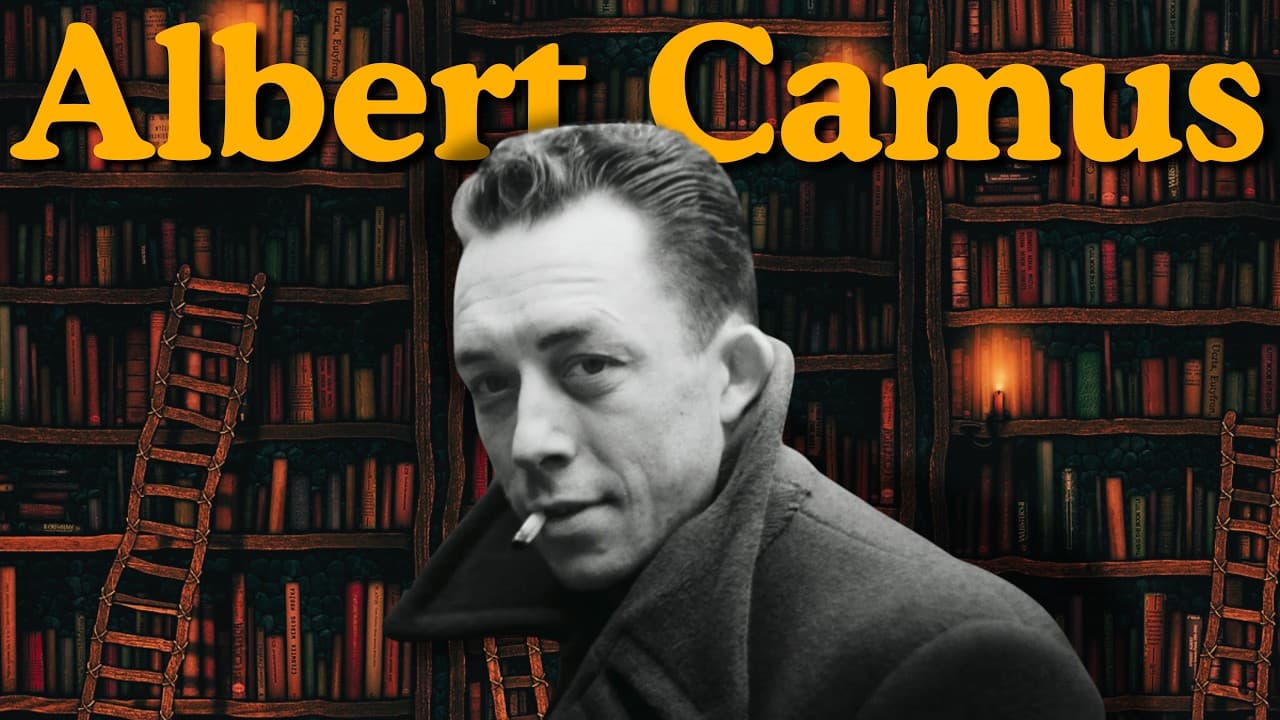
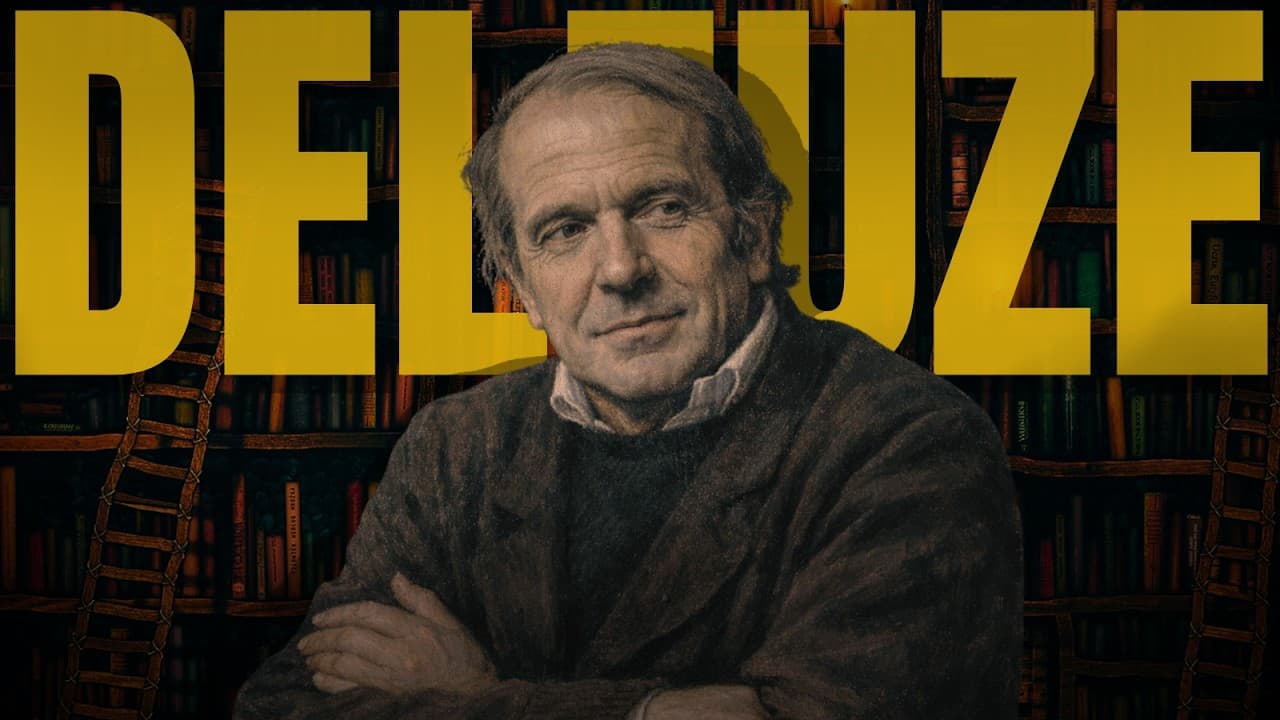
The Myth of Sisyphus | Albert Camus's Complete Philosophy for Sleep
Existentialism4:26:33

The Myth of Sisyphus | Albert Camus's Complete Philosophy for Sleep

Albert Camus's Complete Philosophy

What if a man condemned to push a boulder up a mountain for eternity is actually happy? This question opens Albert Camus's philosophy of the Absurd, the confrontation between our need for meaning and the universe's profound silence. Over four hours, we follow Camus from sun-drenched Algeria through wartime France, through The Stranger and The Plague, through his philosophical essays and his break with Sartre. We distinguish absurdism from both nihilism and existentialism, and discover why accepting meaninglessness might liberate us to live more fully than we ever imagined. The full episode is on YouTube and Spotify. Please listen only in safe, restful contexts.
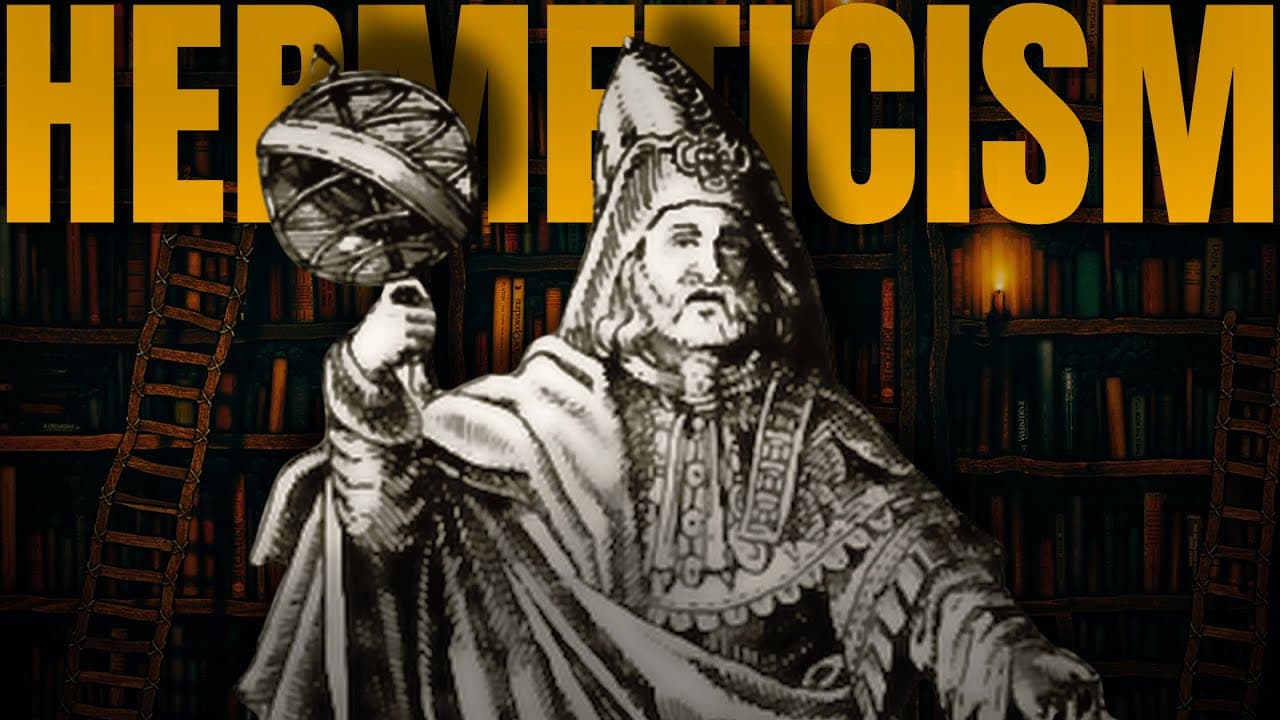
Why We Are Forced to Think | Deleuze's Complete Philosophy for Sleep
Continental Philosophy3:59:43

Why We Are Forced to Think | Deleuze's Complete Philosophy for Sleep

Deleuze's Complete Philosophy for Sleep

Gilles Deleuze reimagined what philosophy could do. Where most philosophers tried to represent the world, Deleuze wanted to create something new: concepts that make thought move differently. The rhizome, the body without organs, the virtual and the actual, deterritorialization, becoming. These are not descriptions of how things are but tools for thinking in ways that escape identity, hierarchy, and transcendence. Over three hours, this episode traces his entire philosophical project, from his radical readings of Nietzsche, Bergson, and Spinoza, through his collaboration with Felix Guattari on two of the most provocative books of the twentieth century, to his philosophy of cinema and his final reflections on what philosophy actually is. Beneath the difficulty of his writing lies one of the most consistent and ambitious philosophical visions of the last century, pointing always toward a single horizon: immanence, a world with no outside and no transcendent ground. The full episode is on YouTube and Spotify. Please listen only in safe, restful contexts.
Hermeticism: The Ancient Philosophy That Explains Everything Connects to Everything
Mysticism3:51:51

Hermeticism: The Ancient Philosophy That Explains Everything Connects to Everything

The Forgotten Wisdom of Hermes Trismegistus

In ancient Egypt, a figure known as Hermes Trismegistus, the Thrice Greatest, was said to hold the deepest secrets of the cosmos. The Greeks merged their god Hermes with the Egyptian god Thoth, and from that union a philosophy was born that would quietly shape Western thought for two thousand years. This four-hour exploration traces the complete story of Hermeticism, from its origins in Hellenistic Alexandria through the Corpus Hermeticum and the Emerald Tablet, through the Renaissance revival that captivated Ficino, Bruno, and Newton, and into its lasting legacy in Western esotericism and philosophy. We examine the principle of correspondence, the path of gnosis, the soul's descent into matter and its ascent back to the divine, and the vision of a cosmos where everything connects to everything else through hidden chains of meaning. The full episode is on YouTube and Spotify. Please listen only in safe, restful contexts.
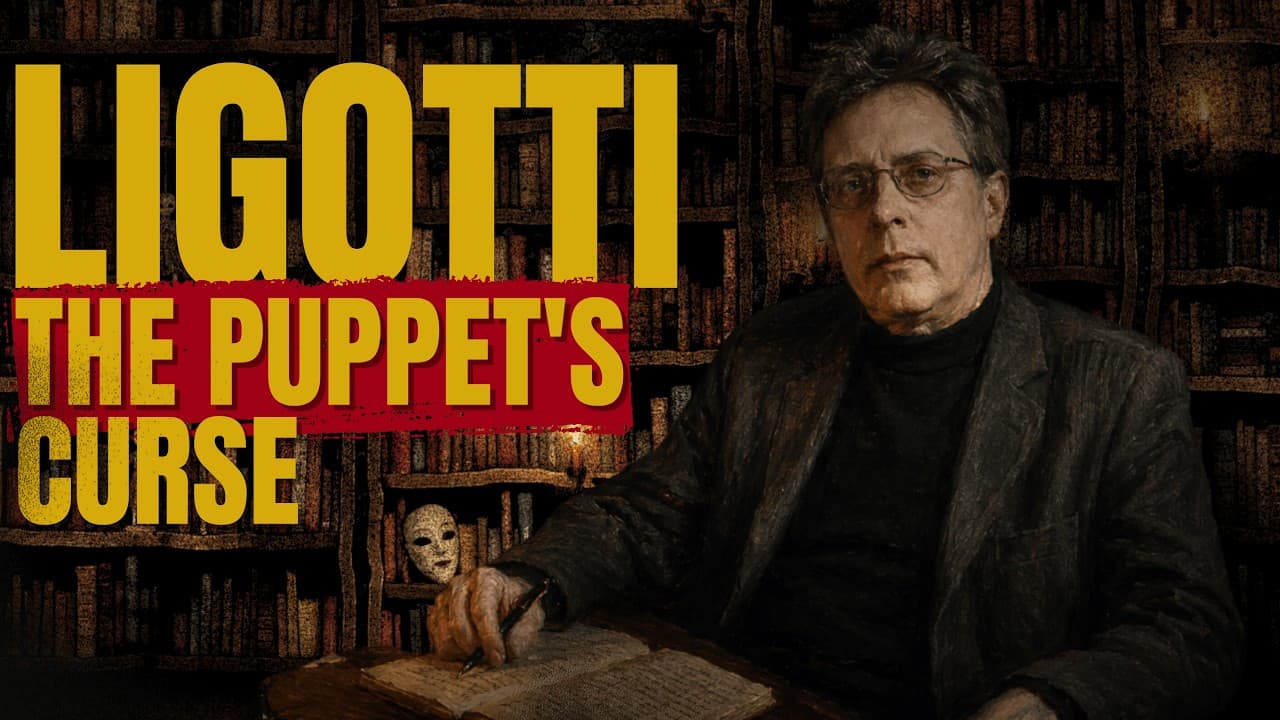
Thomas Ligotti | Conspiracy Against Life: The Pessimist Philosophy You Were Never Meant to Read
Metaphysics3:50:41

Thomas Ligotti | Conspiracy Against Life: The Pessimist Philosophy You Were Never Meant to Read

Thomas Ligotti's Complete Philosophy

Thomas Ligotti wrote horror fiction as philosophical argument, producing the most uncompromising pessimist literature of the last century. His life ran from a Catholic childhood in Detroit to the crisis at seventeen that broke his inherited sense of the world, through the decades he spent as a reference editor by day and a weird-fiction writer by night. We follow him into the small-press debut that announced a strange new voice, through the mature collections that refined it into something closer to philosophical argument, into the corporate-horror novella about a man pushed out of his job, and into the quieter late stories of decayed towns and malignantly useless factories. We examine the long, obscure tradition of philosophical pessimism that stood behind his fiction, and we turn at last to the treatise in which he finally stated his position in his own voice. A slow journey through the darkest and most carefully written American horror of our time. The full episode is on YouTube and Spotify. Please listen only in safe, restful contexts.
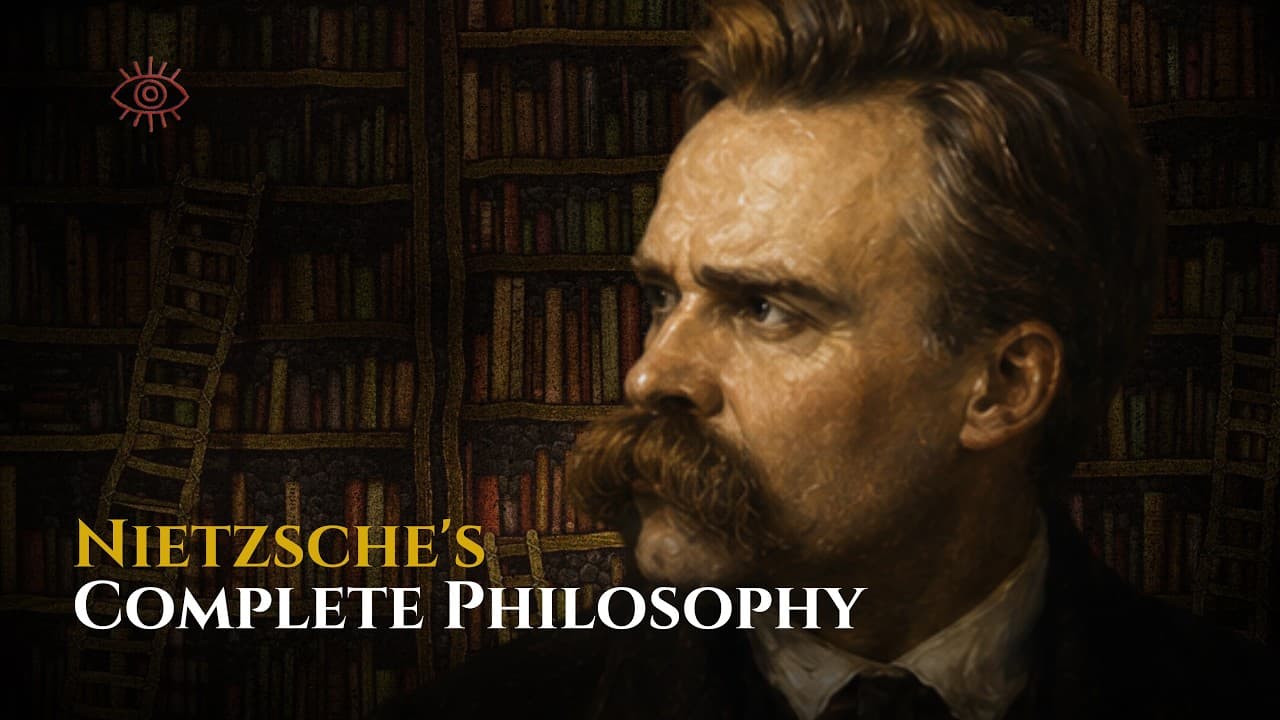
Nietzsche: God is Dead and We Have Killed Him
Existentialism3:43:18

Nietzsche: God is Dead and We Have Killed Him

Nietzsche's Complete Philosophy

Friedrich Nietzsche diagnosed the death of God not as triumph but as catastrophe, recognizing that the foundation Western civilization had rested on for two thousand years had collapsed. This three-hour exploration traces his journey from pastor's son in Rocken to solitary philosopher, through his masterworks including The Birth of Tragedy, Thus Spoke Zarathustra, Beyond Good and Evil, and On the Genealogy of Morals. It examines his core concepts in depth: the death of God, will to power, eternal recurrence, the Ubermensch, amor fati, and the distinction between master and slave morality. The episode follows his friendship and break with Wagner, his decade of solitary wandering, his collapse in Turin, and the posthumous distortion of his work by his sister Elisabeth and the Nazi appropriation that followed. His influence on Freud, Heidegger, existentialism, Foucault, and Deleuze confirms that the questions Nietzsche raised about nihilism, values, and human flourishing remain urgently alive today. The full episode is on YouTube and Spotify. Please listen only in safe, restful contexts.

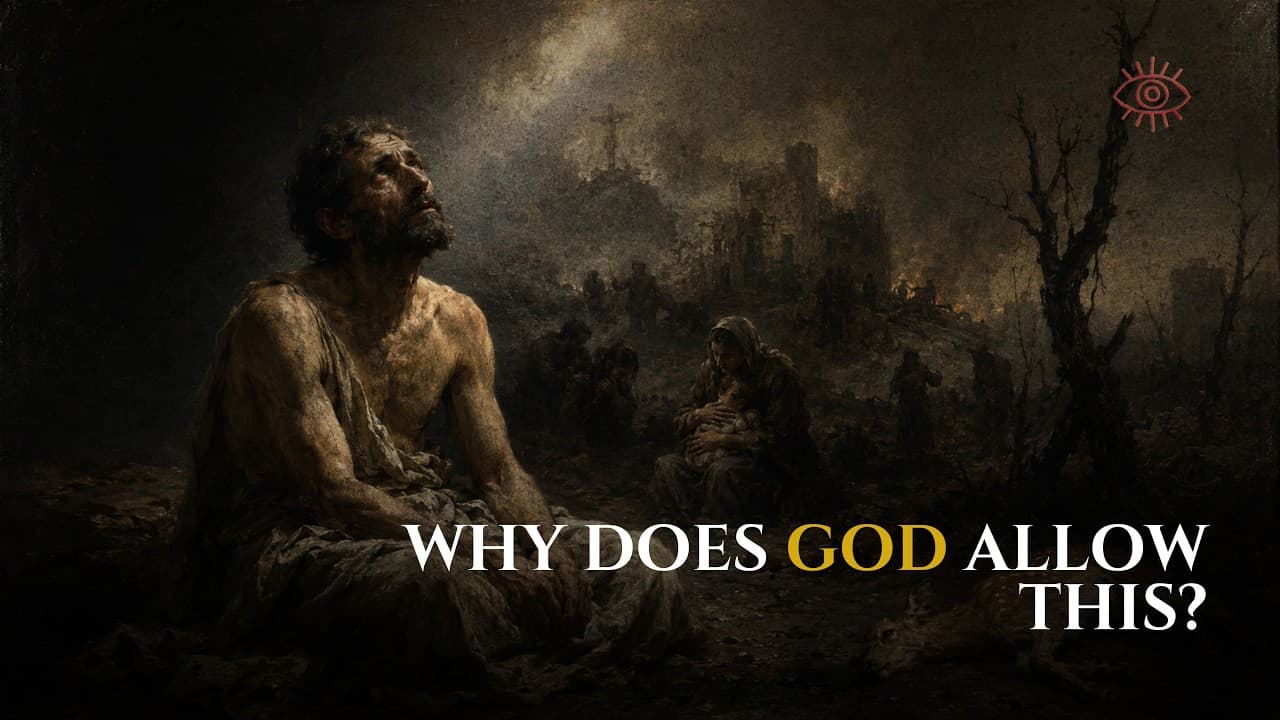
The Problem of Evil: Why Does God Allow Suffering? | Philosophy for Sleep
Philosophy of Religion3:41:16

The Problem of Evil: Why Does God Allow Suffering? | Philosophy for Sleep

An innocent man, a burned fawn, and the hardest question ever asked of God. This episode follows the problem of evil from its oldest telling to its newest defenses. It begins with a man who loses everything in a single afternoon and refuses every easy explanation, then traces the great answers, evil as absence, the best of all possible worlds, and the earthquake and the novel that broke optimism's public standing. From there the argument sharpens into the twentieth century, a charge of outright contradiction, the celebrated defense that answered it, a theodicy of growing souls, and a dying fawn that changed the question from proof to evidence. The second half belongs to skeptical theism, the claim that human minds cannot survey the reasons a God might have, and to the objections that press it, moral paralysis, spreading doubt, horrendous evils, animal pain, and divine silence. The episode ends where the argument now stands, between a rock and a rope. The full episode is on YouTube and Spotify. Please listen only in safe, restful contexts.

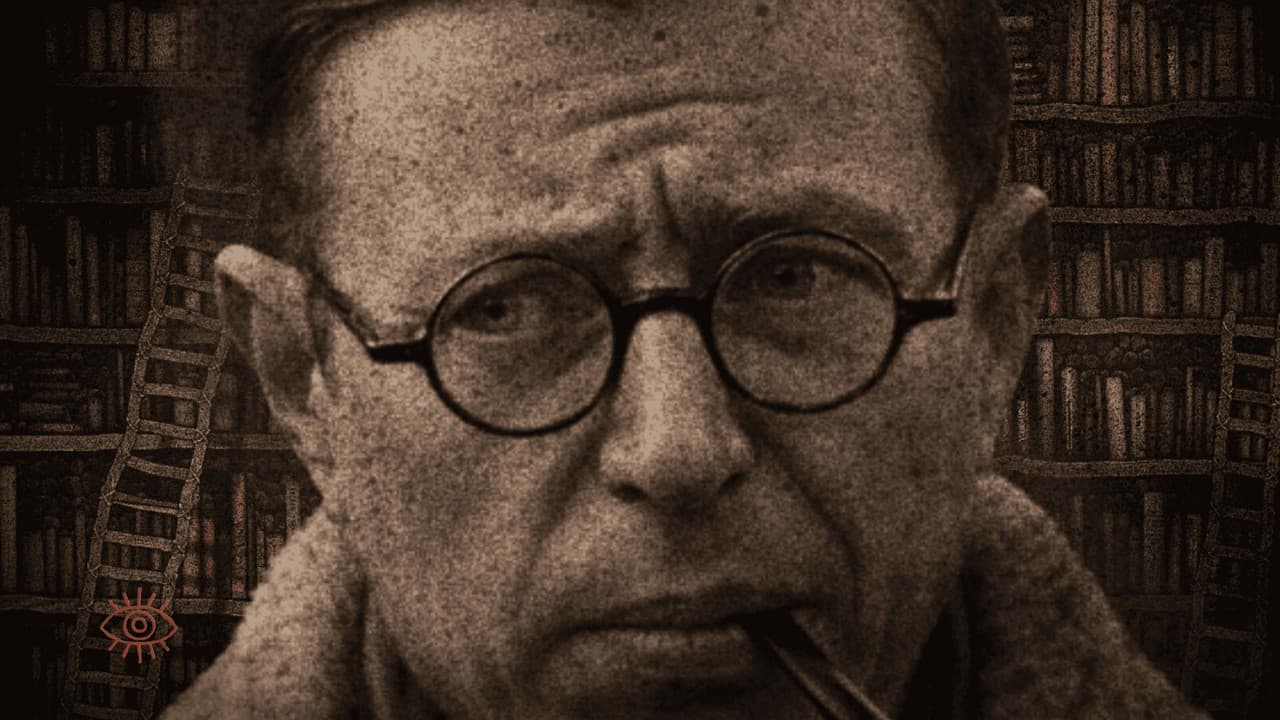
On Sartre, Nothingness, and the Life You Pretend to Live | Philosophy for Sleep
Existentialism3:40:07

On Sartre, Nothingness, and the Life You Pretend to Live | Philosophy for Sleep

Freedom, Bad Faith & Existentialism | Philosophy for Sleep

You are condemned to be free. There is no human nature to fall back on, no God-given essence waiting to unfold, no script written in advance. You exist first, and only then do you become what you make of yourself. Sartre's thought runs from his early encounter with phenomenology in prewar Paris, through the monumental arguments of Being and Nothingness, to his later engagement with Marxism and political commitment. It examines bad faith and the strategies we use to flee our own freedom, the look of the Other and the origins of shame, Sartre's analysis of nothingness as the foundation of consciousness, and his famous declaration that existence precedes essence. The episode also follows his relationship with Simone de Beauvoir, his public break with Camus over the question of political violence, and the long trajectory from radical individualism to collective struggle that defined his later decades. The full episode is on YouTube and Spotify. Please listen only in safe, restful contexts.
Emily Dickinson on Death, Immortality and the Inner World | For Sleep
Metaphysics3:34:28

Emily Dickinson on Death, Immortality and the Inner World | For Sleep

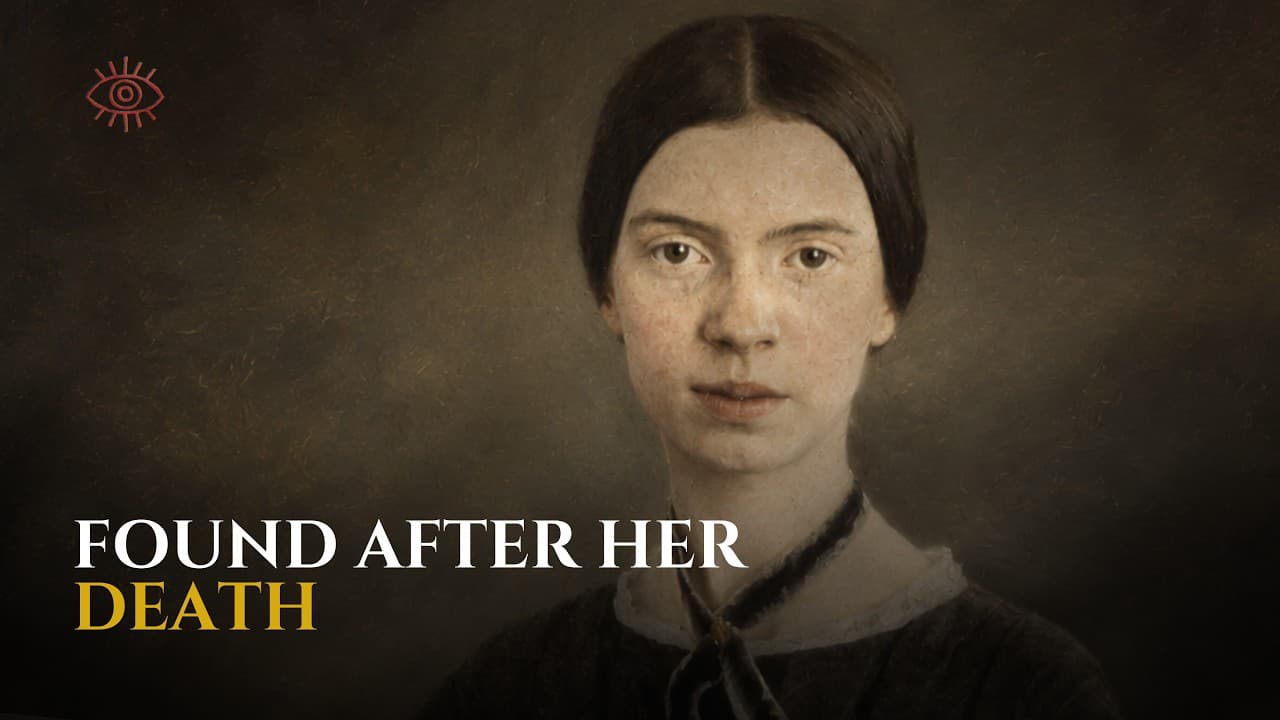
She died unknown, leaving eighteen hundred poems in a locked box. This is the mind that hid them. In May of 1886, a woman almost nobody knew died in a brick house in Amherst, Massachusetts, and her sister found a locked box holding the largest secret in American literature. This episode begins inside that discovery and follows the whole life that produced it: the girl who would not stand for Christ at Mount Holyoke, the white-dressed woman who chose a locked door as a vocation, the letters that built a world she refused to enter, and the astonishing war years when she wrote nearly a poem a day while her eyesight failed. We read the great poems slowly and completely, the carriage ride with Death, the fly at the deathbed, the loaded gun, the wild nights and the great renunciation, the slant of winter light, and we end with the editors, lovers, and rivals who fought for decades over her manuscripts, and with the question of why every age remakes her and none has finished with her. The full episode is on YouTube and Spotify. Please listen only in safe, restful contexts.
Sleep by Philosopher

Choose a thinker and let their ideas carry you to sleep.

Sleep by Topic

Pick a branch of philosophy that speaks to you.

Frequently Asked Questions

Philosophy in your inbox

Occasional letters on philosophy, reading, and the examined life. No spam, ever.

By subscribing you consent to receiving occasional emails. Unsubscribe any time via the link in every email or at /unsubscribe.