Philosophy of Religion

9 episodes · 15 books

Philosophy of Religion on Sleepy Philosophy Radio collects 9 episodes, featuring C.S. Lewis, Epicurus, Hume: long-form readings for sleep, study, and contemplation. Browse the episodes and recommended reading below.

Episodes

The Most Reluctant Convert | C.S. Lewis for Sleep
Philosophy of Religion2:22:02

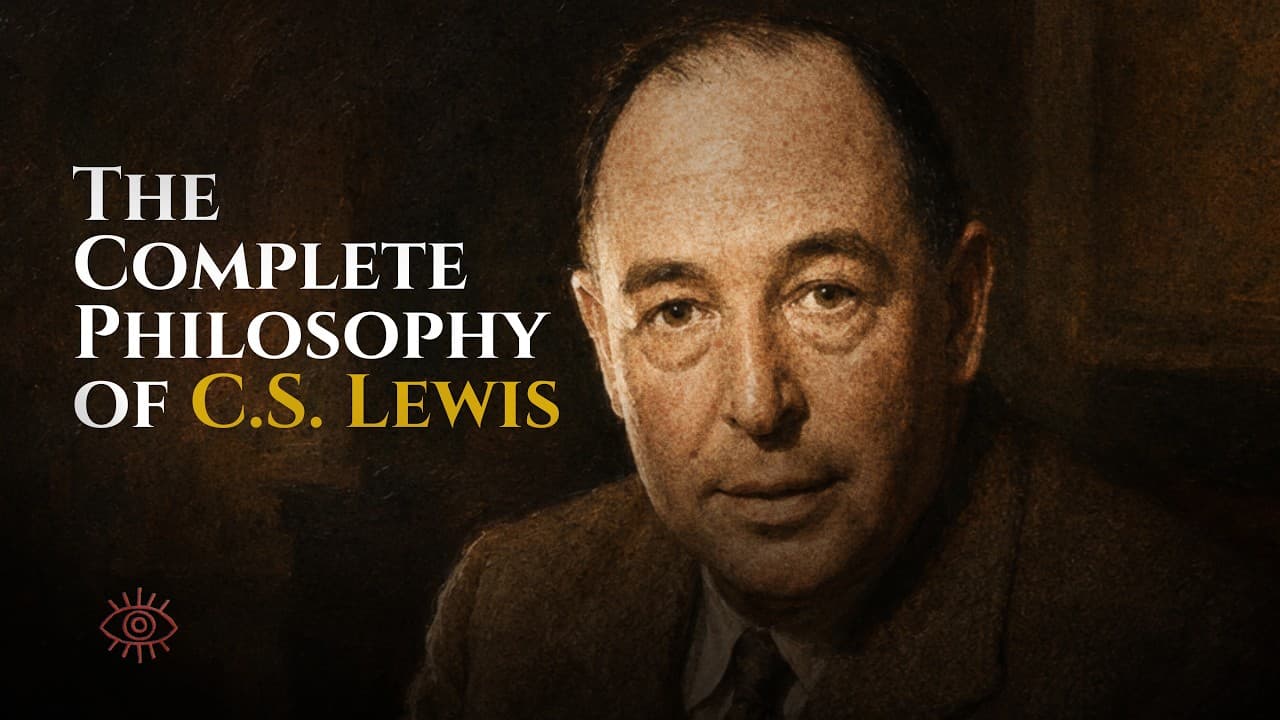
The Most Reluctant Convert | C.S. Lewis for Sleep

The most reluctant convert in England wrote children's books, letters from a devil, and one of the coldest, clearest arguments of the last century. This episode traces the whole arc of a remarkable life and mind. We begin in a cold Belfast childhood and a wartime trench, follow a brilliant young atheist through the long, reluctant argument that led him back to belief, and settle in among the Oxford friendships that shaped him. From there we move slowly through the great works: the stab of longing he called Joy, the plain wartime broadcasts that made him famous, the fierce little book on objective value that secular readers still admire, the letters of a tempting devil, the bus ride to the edge of heaven, the lion in the snowy wood, and the pagan myth he retold as his masterpiece. And we end where his own life ended, in a late and unexpected love, a shattering grief, and a quiet death. The full episode is on YouTube and Spotify. Please listen only in safe, restful contexts.
The Problem of Evil: Why Does God Allow Suffering? | Philosophy for Sleep
Philosophy of Religion3:41:16

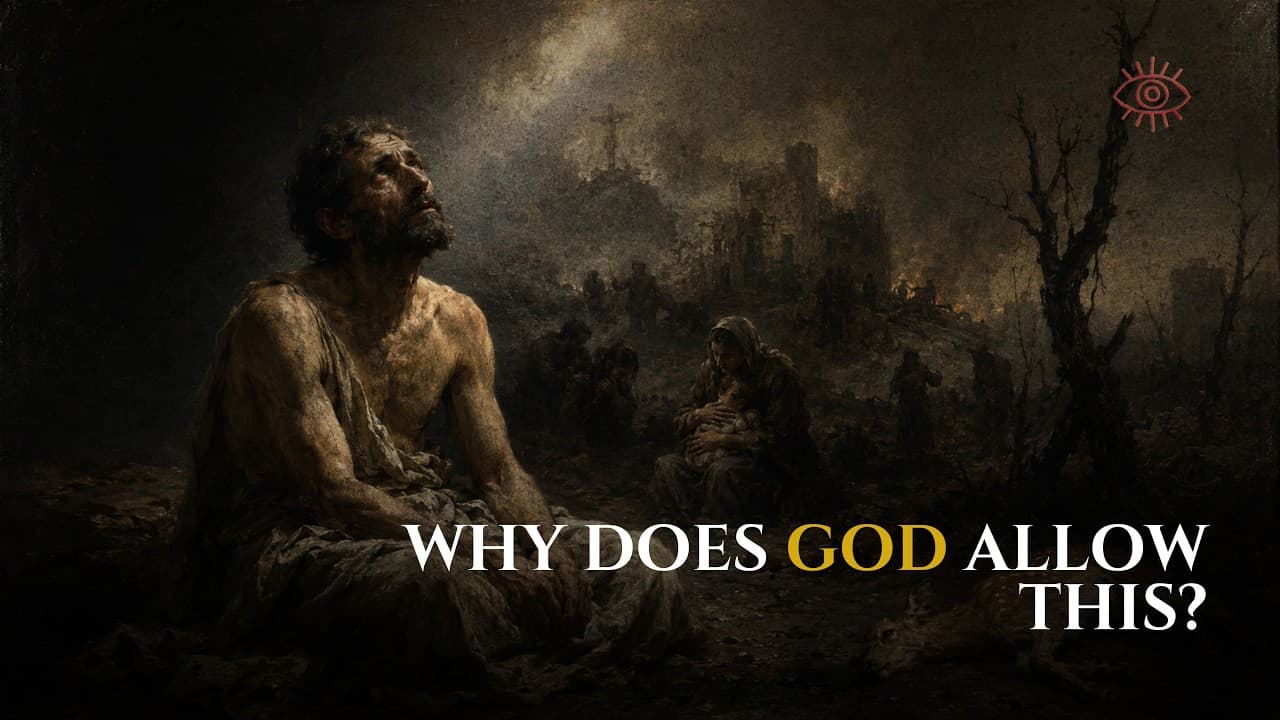
The Problem of Evil: Why Does God Allow Suffering? | Philosophy for Sleep

An innocent man, a burned fawn, and the hardest question ever asked of God. This episode follows the problem of evil from its oldest telling to its newest defenses. It begins with a man who loses everything in a single afternoon and refuses every easy explanation, then traces the great answers, evil as absence, the best of all possible worlds, and the earthquake and the novel that broke optimism's public standing. From there the argument sharpens into the twentieth century, a charge of outright contradiction, the celebrated defense that answered it, a theodicy of growing souls, and a dying fawn that changed the question from proof to evidence. The second half belongs to skeptical theism, the claim that human minds cannot survey the reasons a God might have, and to the objections that press it, moral paralysis, spreading doubt, horrendous evils, animal pain, and divine silence. The episode ends where the argument now stands, between a rock and a rope. The full episode is on YouTube and Spotify. Please listen only in safe, restful contexts.
Blaise Pascal | The Mathematician Who Found God
Philosophy of Religion2:51:08

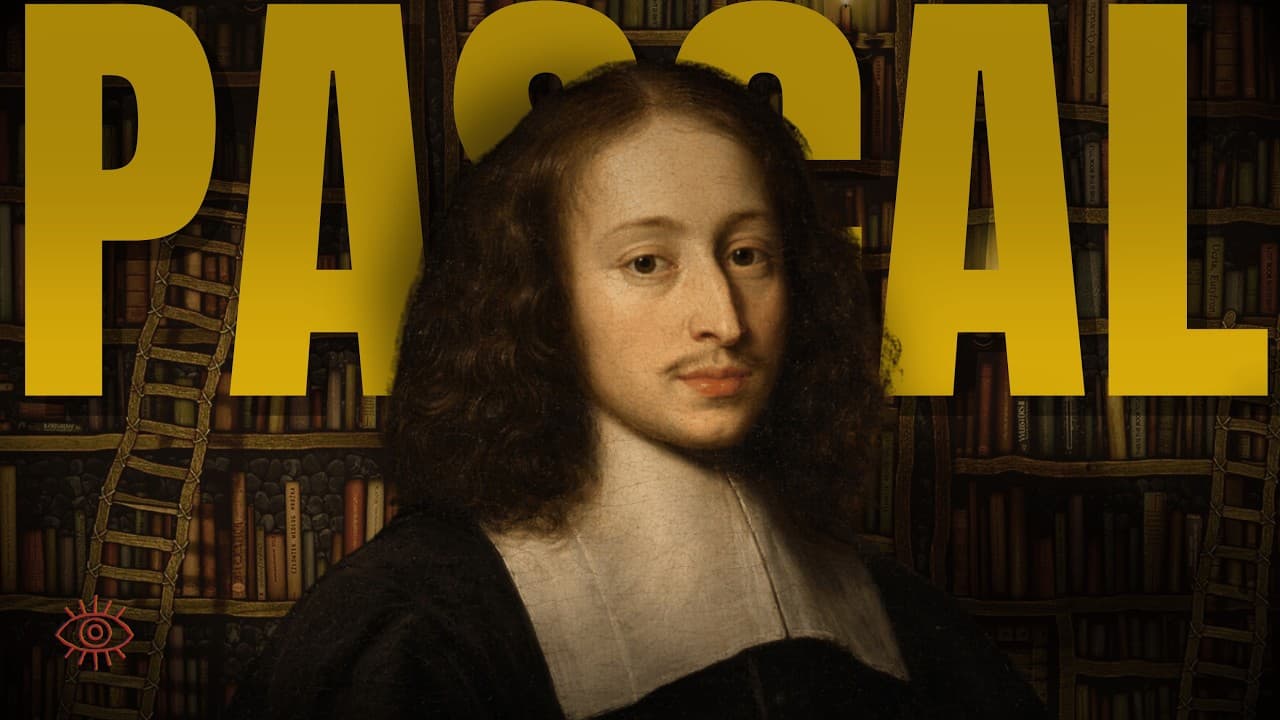
Blaise Pascal | The Mathematician Who Found God

Pascal's Complete Philosophy

The man who proved that nature does not abhor a vacuum, and then wrote the most honest account ever given of why the universe terrifies us. Blaise Pascal lived only thirty-nine years, and in those years he changed mathematics, physics, probability theory, and the history of Western prose. But at the center of his life was a night in November of 1654 that he could never describe, only remember. After that night he turned from the world of scientific triumph toward a book he would never finish, a book about what it means to be a human being suspended between two infinites, looking for a God who chooses to remain hidden. This episode follows Pascal from the Paris household where he taught himself geometry in secret as a child to the small room in which he died, with the record of his conversion sewn into the lining of his coat. The full episode is on YouTube and Spotify. Please listen only in safe, restful contexts.
The Religion That Gave Us Good and Evil | Zoroastrianism for Sleep
Philosophy of Religion3:12:15

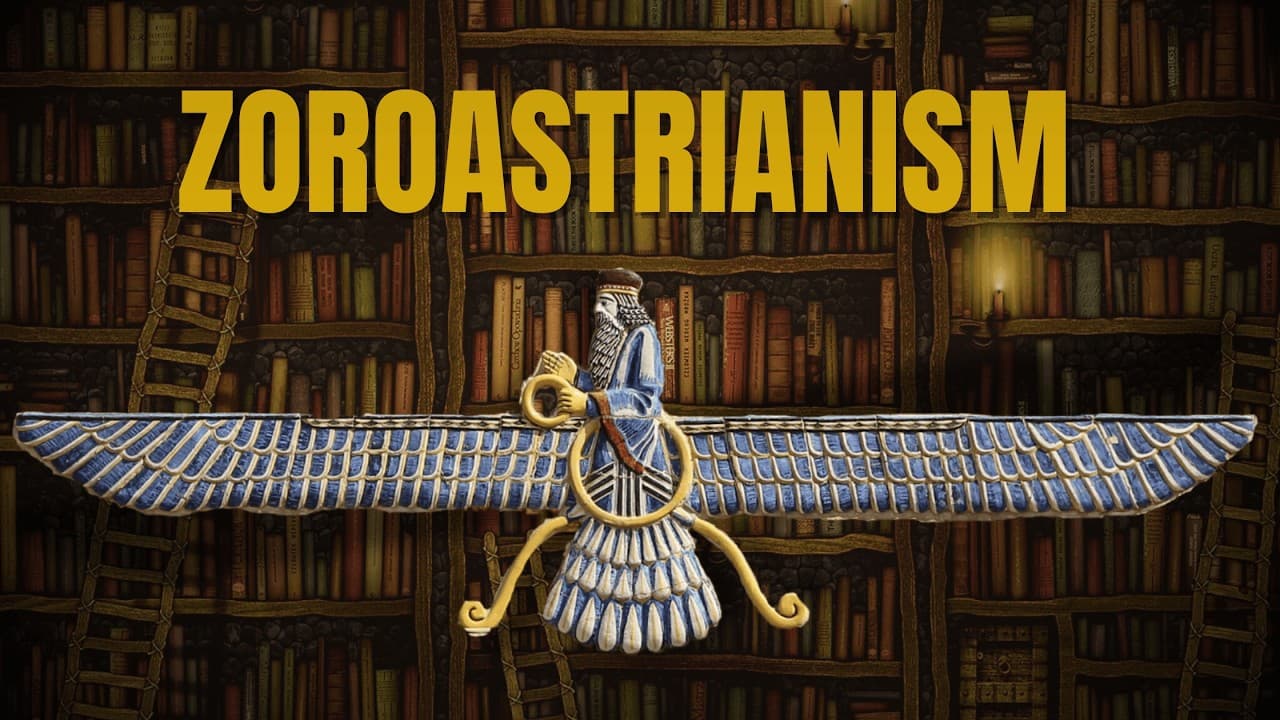
The Religion That Gave Us Good and Evil | Zoroastrianism for Sleep

Zarathustra, Ahura Mazda & the Cosmic Battle | 3 Hours

Where did the idea of good and evil actually come from? Zoroastrianism may be the most influential ancient religion most people have never heard of. The episode moves from the passionate hymns of the Gathas to the living communities that carry this ancient fire into the present. It explores the cosmic dualism of Ahura Mazda and Angra Mainyu, the revolutionary ethics of free will and the goodness of the material world, the astonishing influence this tradition exercised on Judaism, Christianity, and Islam, and the Zoroastrian communities that continue to practice the world's oldest revealed religion. The full episode is on YouTube and Spotify. Please listen only in safe, restful contexts.
If There Is No God, Everything Is Permitted | Dostoevsky's Hidden Theology For Sleep
Philosophy of Religion2:41:08

If There Is No God, Everything Is Permitted | Dostoevsky's Hidden Theology For Sleep

Orthodox Theology, the Church Fathers & the Novels

Hell is not punishment from God. It is the inability to love. This three-hour episode traces the Orthodox Christian tradition that shaped everything Dostoevsky ever wrote, from Isaac the Syrian and Maximus the Confessor to Gregory of Nyssa and the hesychast monks. What does it mean that sin is not a crime requiring penalty but a sickness requiring healing? That salvation is not a transaction but a transformation of the whole person? These are the questions buried inside The Brothers Karamazov, The Idiot, and Crime and Punishment. This episode is a companion to our earlier Dostoevsky exploration. Where that episode examined his ideas through a philosophical and psychological lens, this one traces them to their source: kenosis, theosis, apophatic theology, prelest, and sobornost. The full episode is on YouTube and Spotify. Please listen only in safe, restful contexts.
When Philosophy Failed Him, Tolstoy Found the Answer in the Gospels
Philosophy of Religion2:29:01

When Philosophy Failed Him, Tolstoy Found the Answer in the Gospels

Leo Tolstoy's Complete Philosophy for Sleep

Leo Tolstoy was born on a vast Russian estate in 1828, a place of quiet and privilege that would shape everything he became and everything he later sought to destroy. He wrote two of the greatest novels in any language: War and Peace, which dismantled the myth of great men by showing that history is made by the countless small decisions of ordinary people, and Anna Karenina, which asked whether passion alone could ever carry a life. But his novels were only the beginning. In his fifties, the foundations of meaning collapsed beneath him entirely, and he turned to the Gospels with genuine seriousness for the first time. What he found there was not a theology but a practice: nonresistance to evil, love without exception, simplicity, and labor. These teachings cost him his marriage, his comfort, and his standing in the Orthodox Church, which excommunicated him in 1901. They also inspired Gandhi and Martin Luther King Jr., who built movements on the same tradition Tolstoy began. The full episode is on YouTube and Spotify. Please listen only in safe, restful contexts.
On Divine Hiddenness and the Silence of God
Philosophy of Religion2:20:12

On Divine Hiddenness and the Silence of God

The Problem of God's Silence

When someone prays and hears nothing back, when a sincere seeker finds only silence, what does that tell us about whether God exists? Divine hiddenness is one of philosophy's most emotionally charged problems. If a loving God exists and wants relationship with us, why does he not make himself known to those who genuinely seek him? This exploration examines the problem from every angle, beginning with the raw experience of unanswered prayer and tracing it through scripture, the mystics, and contemporary analytic philosophy. John of the Cross described the dark night of the soul; Mother Teresa endured fifty years of spiritual darkness documented in her private letters. J.L. Schellenberg's argument from reasonable nonbelief gives the ancient cry rigorous philosophical form, claiming that the very existence of sincere seekers who find nothing is incompatible with a perfectly loving God. The full episode is on YouTube and Spotify. Please listen only in safe, restful contexts.
Why Does Evil Exist If God Is Good? | Augustine of Hippo | Complete Philosophy
Philosophy of Religion2:44:15

Why Does Evil Exist If God Is Good? | Augustine of Hippo | Complete Philosophy

Augustine of Hippo | Complete Philosophy

Augustine of Hippo asked why we do what we know is wrong, why nothing ever satisfies us, and where evil comes from if God is good. This episode tells the complete story of the philosopher who shaped Western thought more profoundly than almost any other figure. It follows Augustine from his African childhood to the streets of Carthage, through nine years with the Manichaeans, to the garden in Milan where everything changed. The episode explores his revolutionary ideas: evil as the absence of good, the will divided against itself, time existing only in the mind, memory as a palace larger than the world, grace that breaks chains human effort cannot loosen, and the two cities built on two loves that have been at war since the beginning of history. It also confronts the difficult dimensions of his legacy, including his teachings on predestination, original sin, and the endorsement of coercion against religious dissenters. The full episode is on YouTube and Spotify. Please listen only in safe, restful contexts.
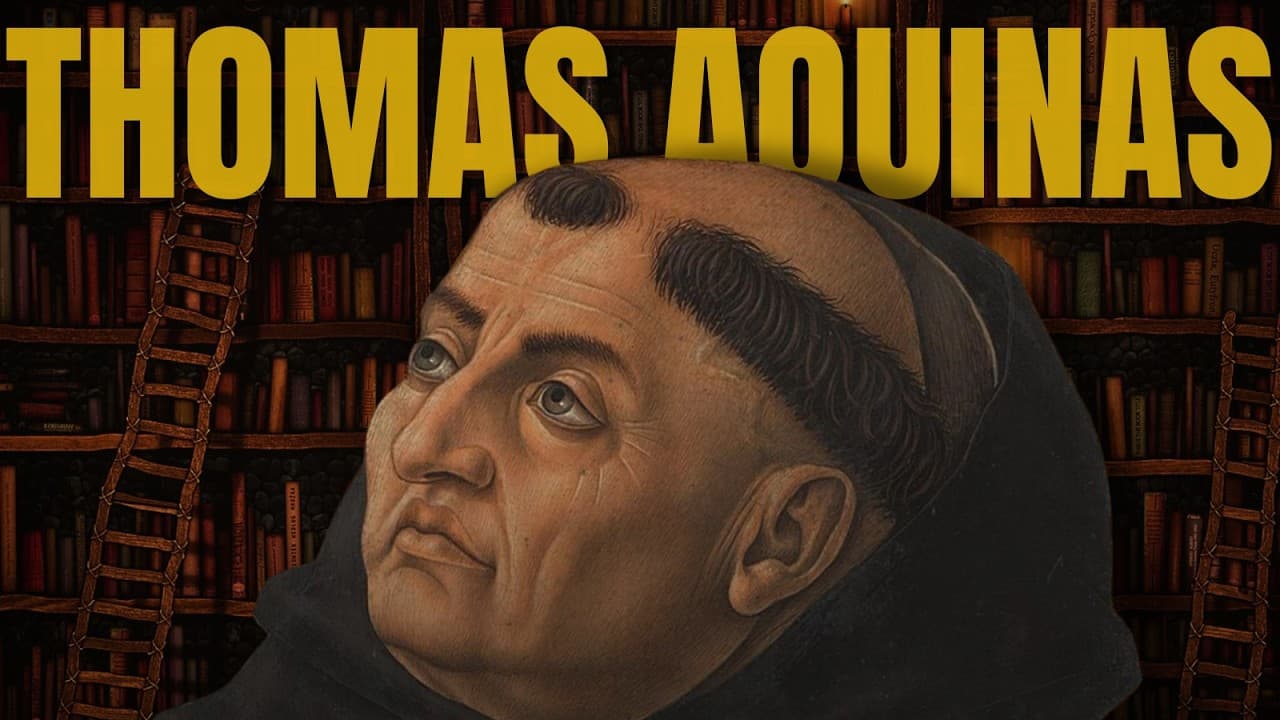
The Saint Who Made Aristotle Christian | All of Thomas Aquinas's Philosophy Explained
Philosophy of Religion2:33:25

The Saint Who Made Aristotle Christian | All of Thomas Aquinas's Philosophy Explained

All of Thomas Aquinas's Philosophy Explained

Thomas Aquinas synthesized Aristotelian philosophy with Christian theology to build one of the most comprehensive intellectual systems in Western history. This episode follows his life from his childhood at Roccasecca through his defiance of family opposition to join the Dominican order, his studies under Albertus Magnus, and his career at the University of Paris. It examines his masterwork the Summa Theologica in depth, including the Five Ways of proving God's existence, his metaphysics of being and existence, divine simplicity, natural law ethics, the theory of virtue, and his understanding of grace. The story concludes with his mystical vision of December 1273, when he declared all his writings to be straw, and the long arc of his legacy from condemnation to canonization to the modern Thomistic revival. The full episode is on YouTube and Spotify. Please listen only in safe, restful contexts.
Philosophers

Recommended Reading

Hidden Treasures in the Book of Job by Hugh Ross

Hidden Treasures in the Book of Job

Hugh Ross

intermediate

An exploration of the Book of Job from a scientific and theological perspective, addressing questions of suffering and God's apparent silence.

Get this book
City of God by Augustine

City of God

Augustine

advanced

Augustine's monumental defense of Christianity against pagan critics, contrasting the earthly city with the heavenly city across the sweep of human history.

Get this book
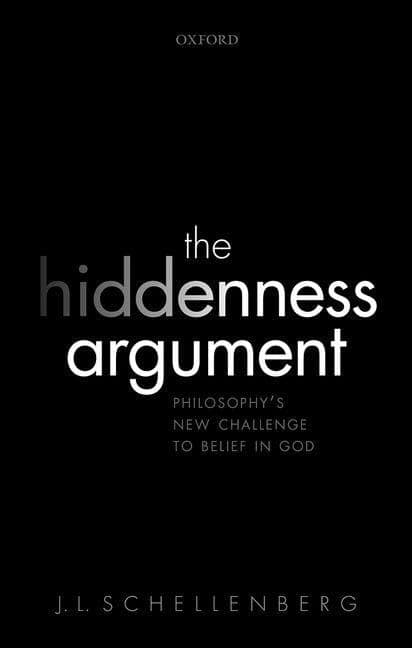
The Hiddenness Argument by J.L. Schellenberg

The Hiddenness Argument

J.L. Schellenberg

advanced

Schellenberg's refined and updated presentation of his influential argument against God's existence based on the phenomenon of nonresistant nonbelief.

Get this book
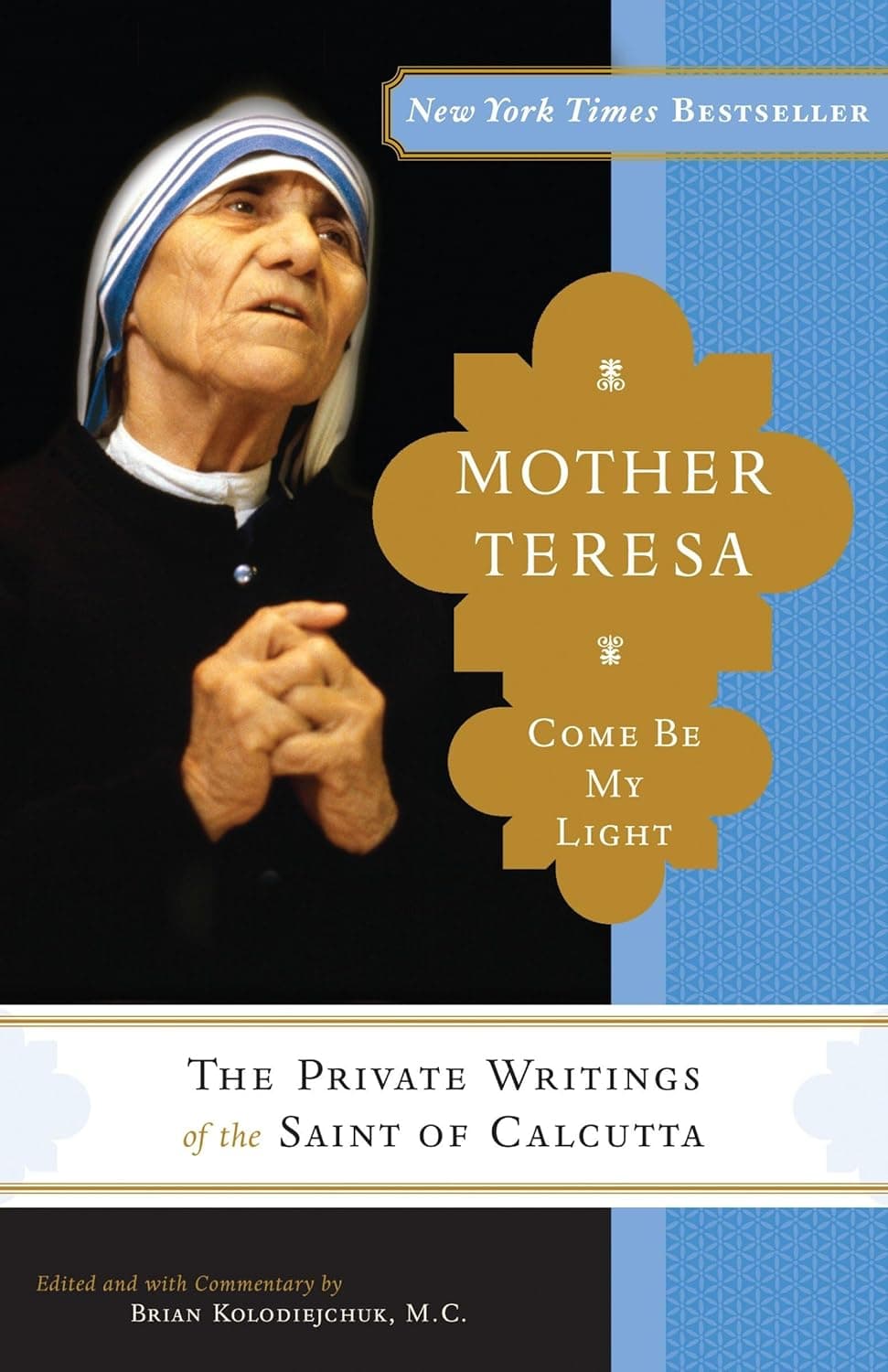
Mother Teresa: Come Be My Light by Brian Kolodiejchuk

Mother Teresa: Come Be My Light

Brian Kolodiejchuk

intermediate

A collection of Mother Teresa's private letters revealing decades of spiritual darkness and doubt, offering a startling window into the problem of divine hiddenness.

Get this book
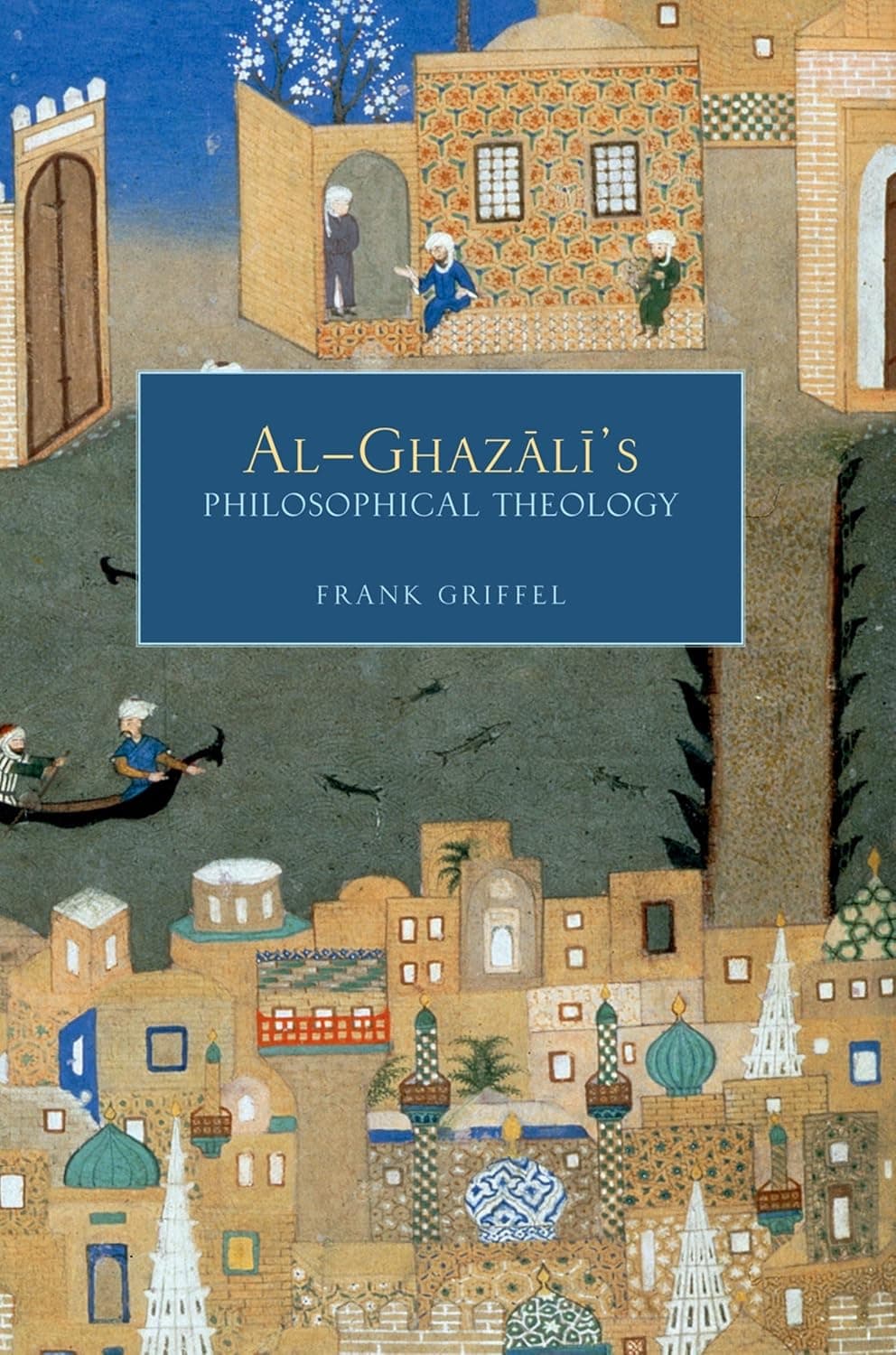
Al-Ghazali's Philosophical Theology by Frank Griffel

Al-Ghazali's Philosophical Theology

Frank Griffel

advanced

A rigorous academic study that reexamines Al-Ghazali's relationship with philosophy, challenging the common view that he rejected reason entirely.

Get this book
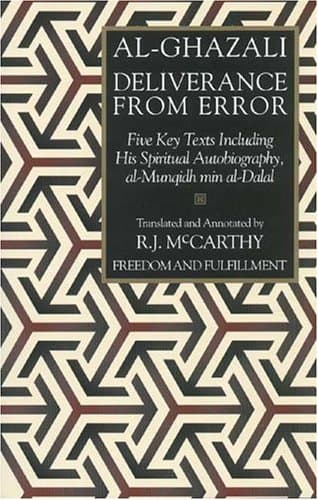
Deliverance from Error by Al-Ghazali

Deliverance from Error

Al-Ghazali

intermediate

Al-Ghazali's autobiographical account of his spiritual crisis and intellectual journey through philosophy, theology, and mysticism in search of certainty.

Get this book
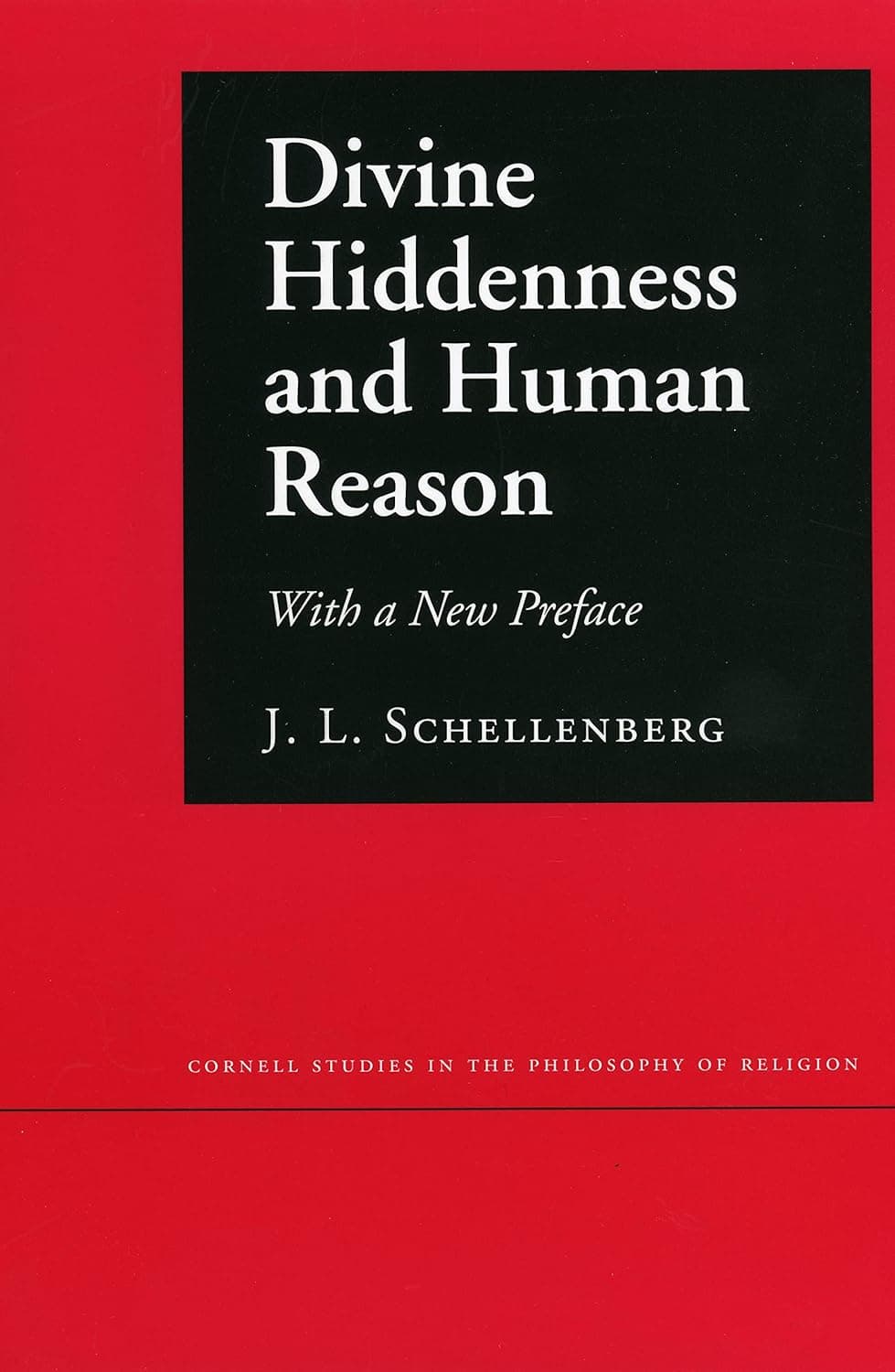
Divine Hiddenness and Human Reason by J.L. Schellenberg

Divine Hiddenness and Human Reason

J.L. Schellenberg

advanced

The book that launched the contemporary debate on divine hiddenness, arguing that a loving God would not permit reasonable nonbelief.

Get this book
The Marvels of the Heart by Al-Ghazali

The Marvels of the Heart

Al-Ghazali

intermediate

A treatise from Al-Ghazali's monumental Revival of the Religious Sciences, exploring the inner workings of the soul and the path to spiritual purification.

Get this book
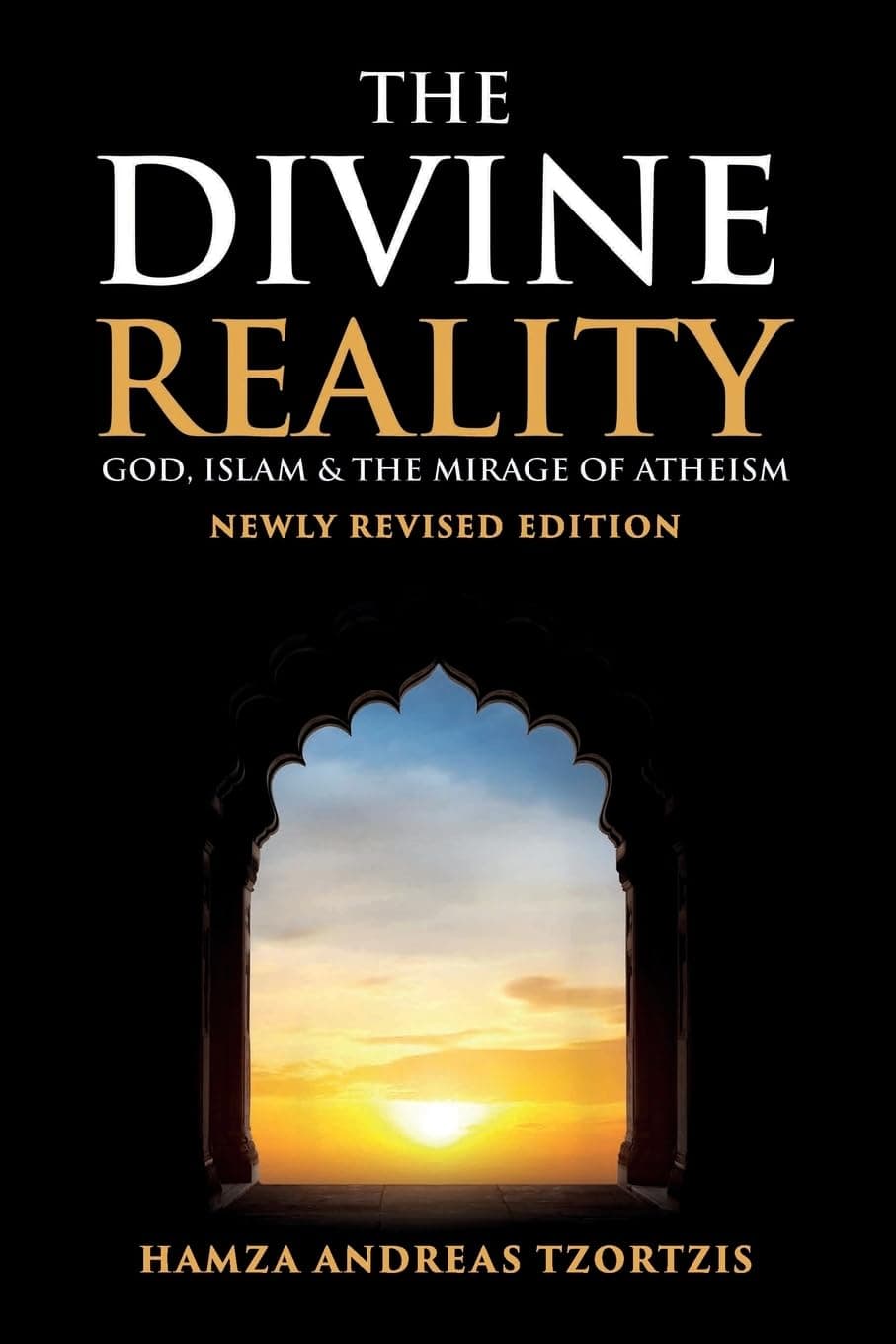
The Divine Reality: God, Islam and The Mirage of Atheism by Hamza Andreas Tzortzis

The Divine Reality: God, Islam and The Mirage of Atheism

Hamza Andreas Tzortzis

intermediate

A comprehensive exploration of the rational and philosophical arguments for God's existence from an Islamic perspective, addressing atheism, consciousness, morality, and the meaning of life.

Get this book
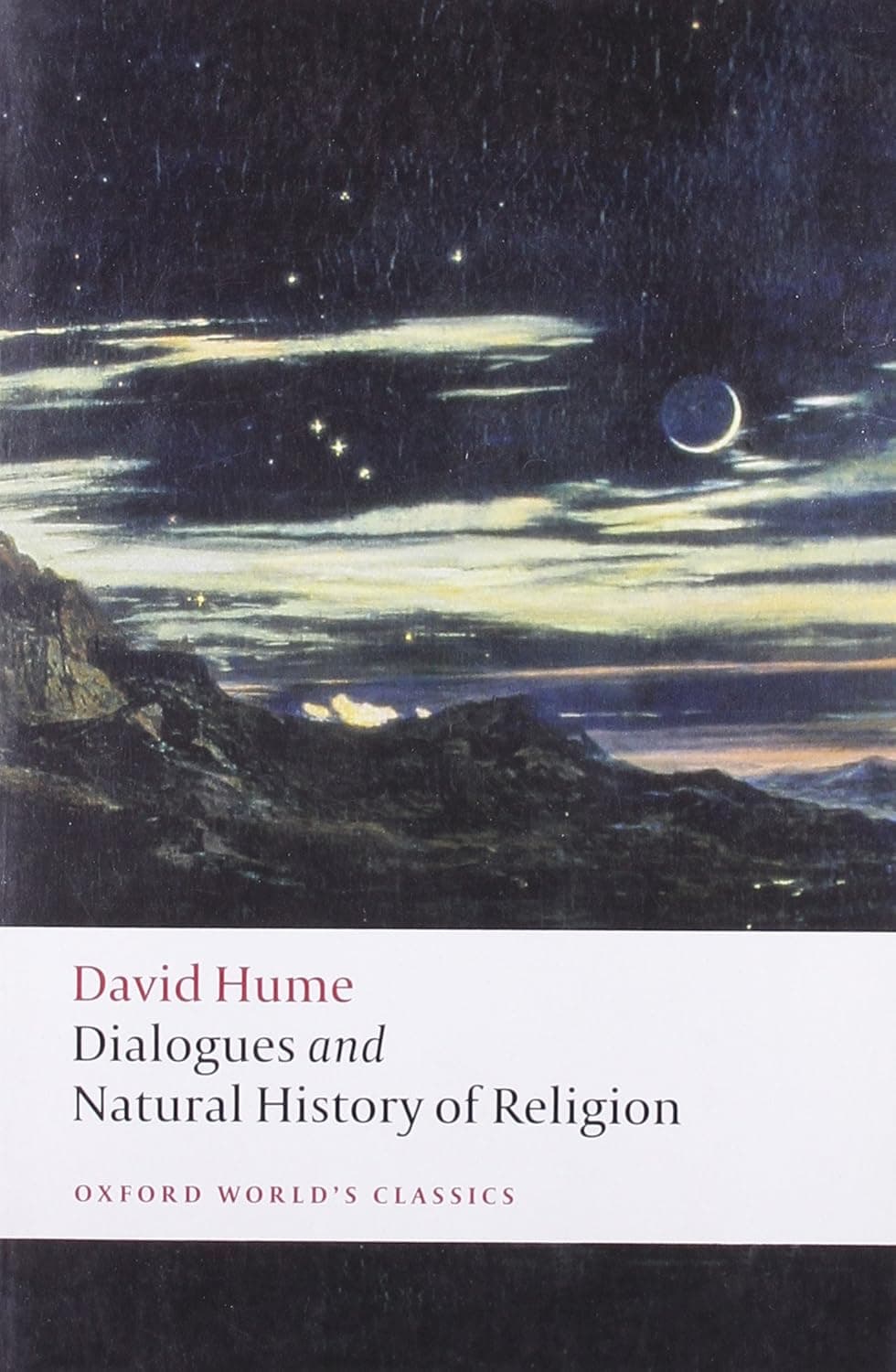
Dialogues Concerning Natural Religion by David Hume

Dialogues Concerning Natural Religion

David Hume

intermediate

Hume's devastating examination of the arguments for God's existence, published posthumously. A masterpiece of philosophical dialogue.

Get this book
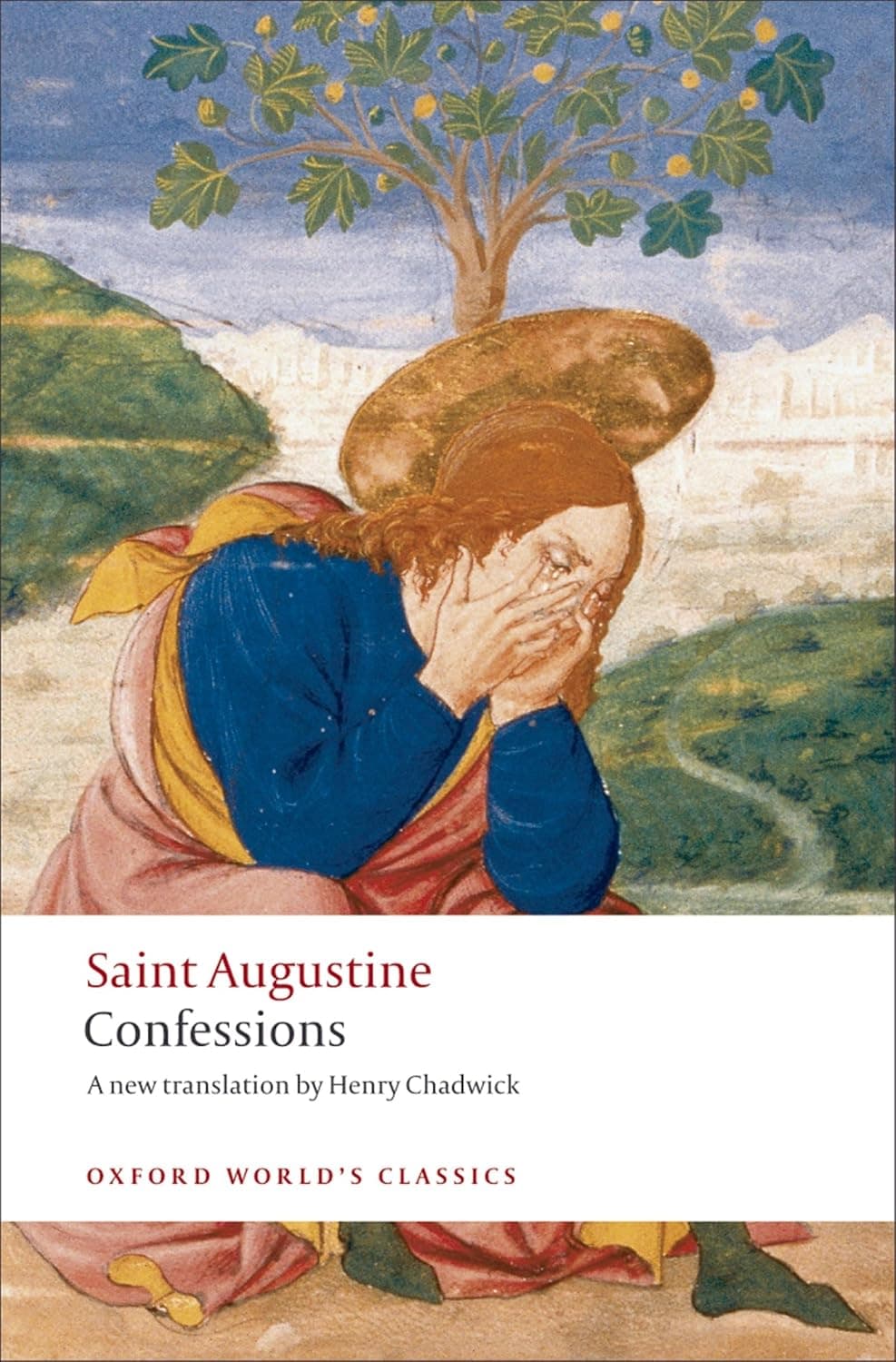
Confessions by Augustine

Confessions

Augustine

intermediate

Augustine's deeply personal account of his spiritual journey from youthful excess to Christian faith, widely regarded as the first Western autobiography.

Get this book
The Provincial Letters by Blaise Pascal

The Provincial Letters

Blaise Pascal

advanced

Polemical letters defending the Jansenists against the Jesuits. The book that effectively created modern French prose and one of the most stylistically influential polemics ever written.

Get this book
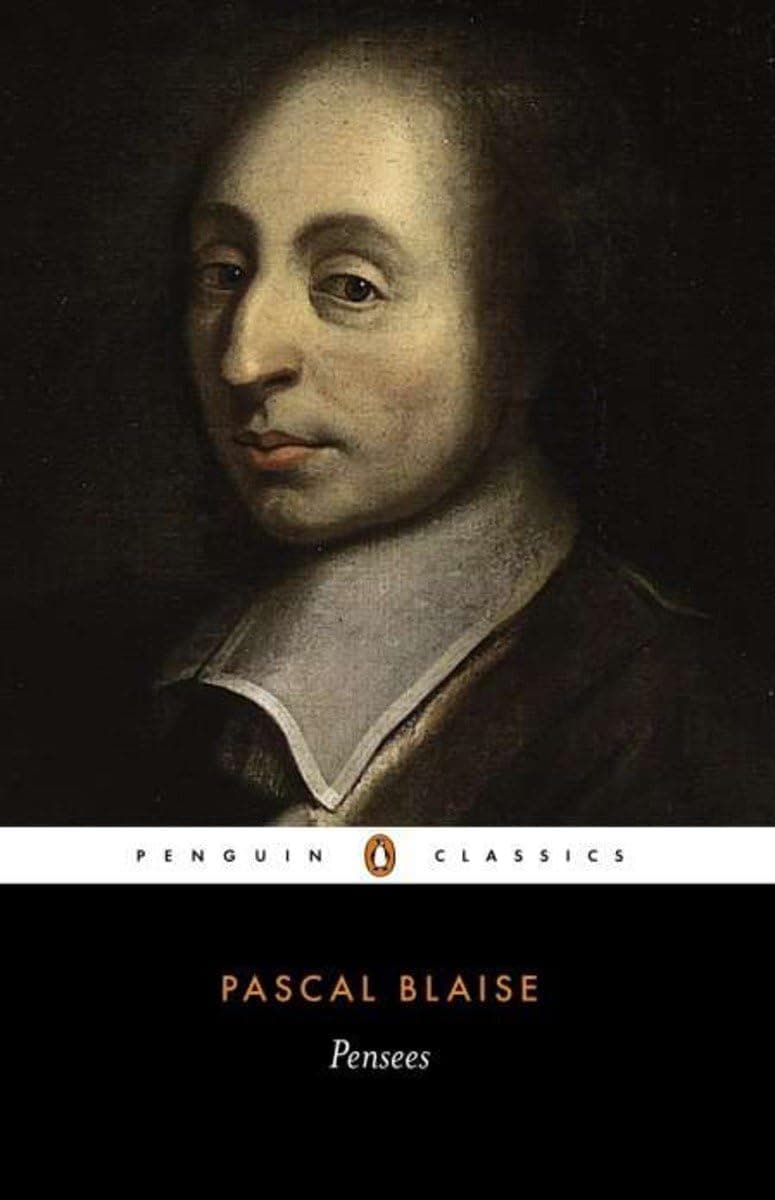
Pensees by Blaise Pascal

Pensees

Blaise Pascal

intermediate

The unfinished masterpiece. Fragments toward a defense of Christianity that became, by accident, one of the most honest accounts ever written of what it means to be a thinking reed in an indifferent universe. Krailsheimer's translation.

Get this book
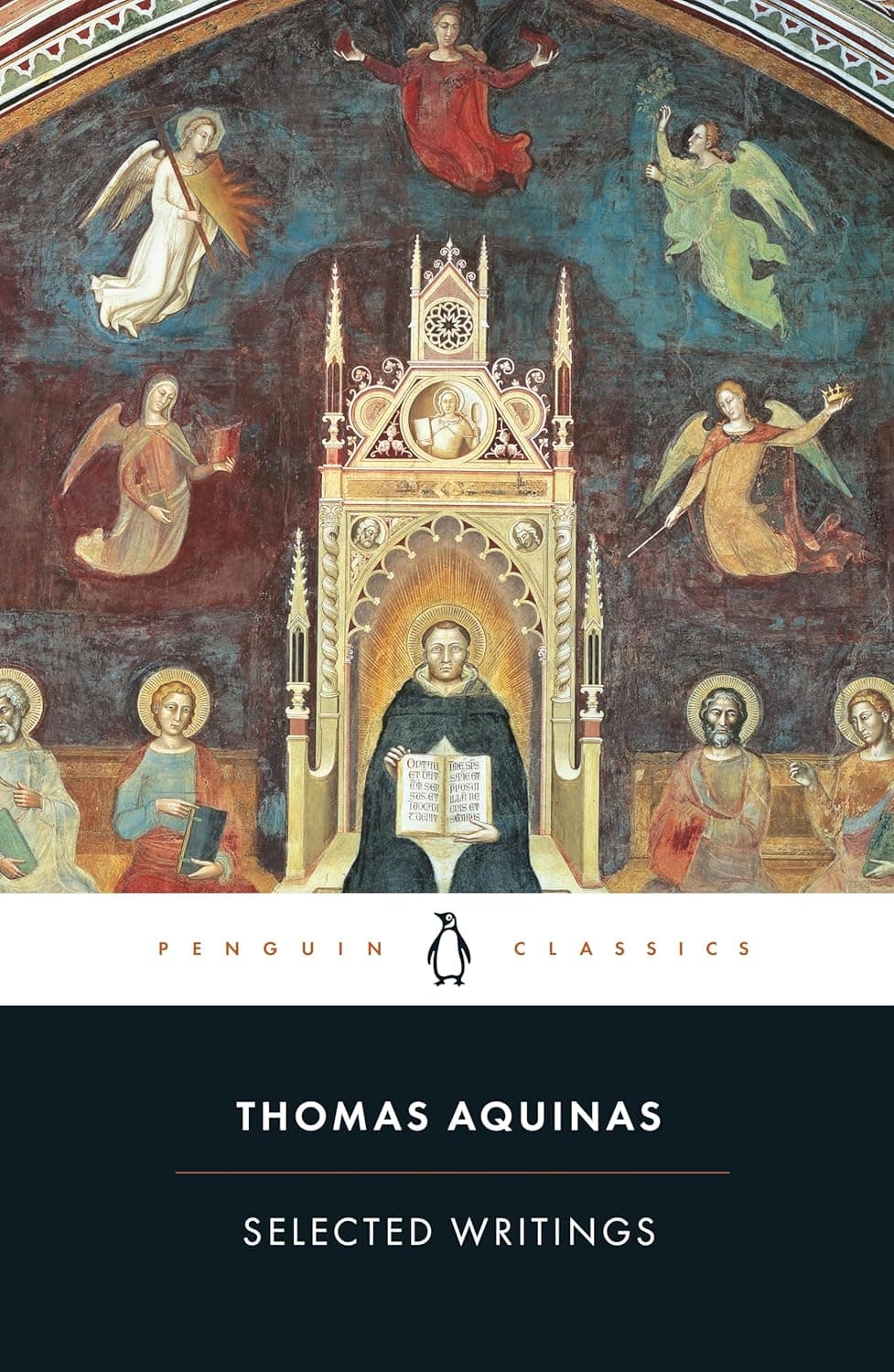
Thomas Aquinas: Selected Writings by Thomas Aquinas

Thomas Aquinas: Selected Writings

Thomas Aquinas

intermediate

A well-curated anthology of Aquinas's key texts on God, creation, ethics, and the soul, providing a solid entry point to his vast body of work.

Get this book
The Incoherence of the Philosophers by Al-Ghazali

The Incoherence of the Philosophers

Al-Ghazali

advanced

Al-Ghazali's famous critique of Aristotelian philosophy in the Islamic world, arguing that philosophers overreach when they claim to prove metaphysical truths through reason alone.

Get this book

More Topics