Philosophy of Religion
The Provincial Letters
by Blaise Pascal(1657)
Polemical letters defending the Jansenists against the Jesuits. The book that effectively created modern French prose and one of the most stylistically influential polemics ever written.
Some links are affiliate links. Purchases help support the channel at no extra cost to you.
Episodes featuring this book
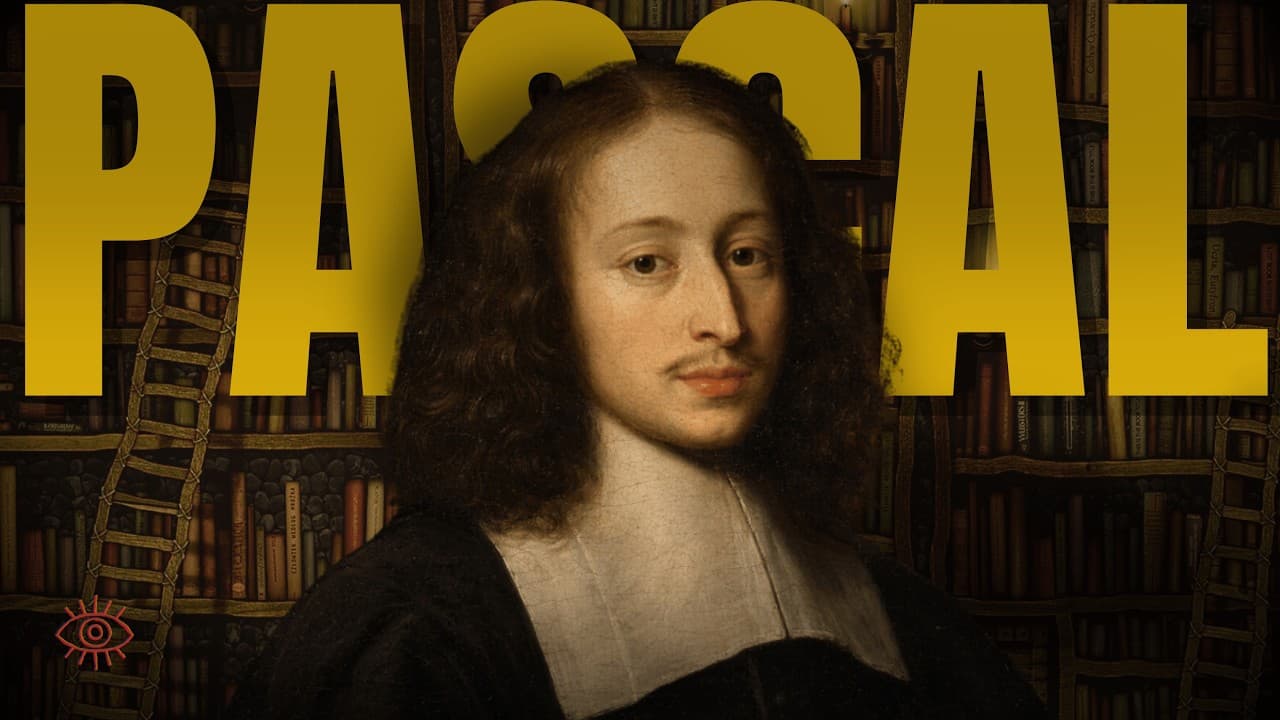
Blaise Pascal | The Mathematician Who Found God
Pascal's Complete Philosophy
The man who proved that nature does not abhor a vacuum, and then wrote the most honest account ever given of why the universe terrifies us. Blaise Pascal lived only thirty-nine years, and in those years he changed mathematics, physics, probability theory, and the history of Western prose. But at the center of his life was a night in November of 1654 that he could never describe, only remember. After that night he turned from the world of scientific triumph toward a book he would never finish, a book about what it means to be a human being suspended between two infinites, looking for a God who chooses to remain hidden. This episode follows Pascal from the Paris household where he taught himself geometry in secret as a child to the small room in which he died, with the record of his conversion sewn into the lining of his coat. The full episode is on YouTube and Spotify. Please listen only in safe, restful contexts.
10 chapters5 sources
When Life Suddenly Feels Meaningless | The Existential Crisis
Why do people who have everything still wake at three in the morning certain that none of it means anything? This is a long, unhurried history of the moment the floor of ordinary life gives way. It begins with a celebrated novelist who, at the height of his fame and fortune, quietly hid a rope from himself, and from that single human crisis it opens outward across the centuries. We follow the confrontation with meaninglessness through the oldest scriptures and the calm arguments of antiquity, through a believer terrified by an infinite and silent cosmos, through the philosopher of endless striving, and into the thinkers who made this dread the very center of their work. We sit with the death of God, with radical freedom, with the absurd, with a survivor who found a reason to endure the unendurable, and with a tradition that meets the void by loosening its grip on the self. The episode closes not with a tidy answer but with the quiet question of how a person comes back to life. The full episode is on YouTube and Spotify. Please listen only in safe, restful contexts.
22 chapters8 sources
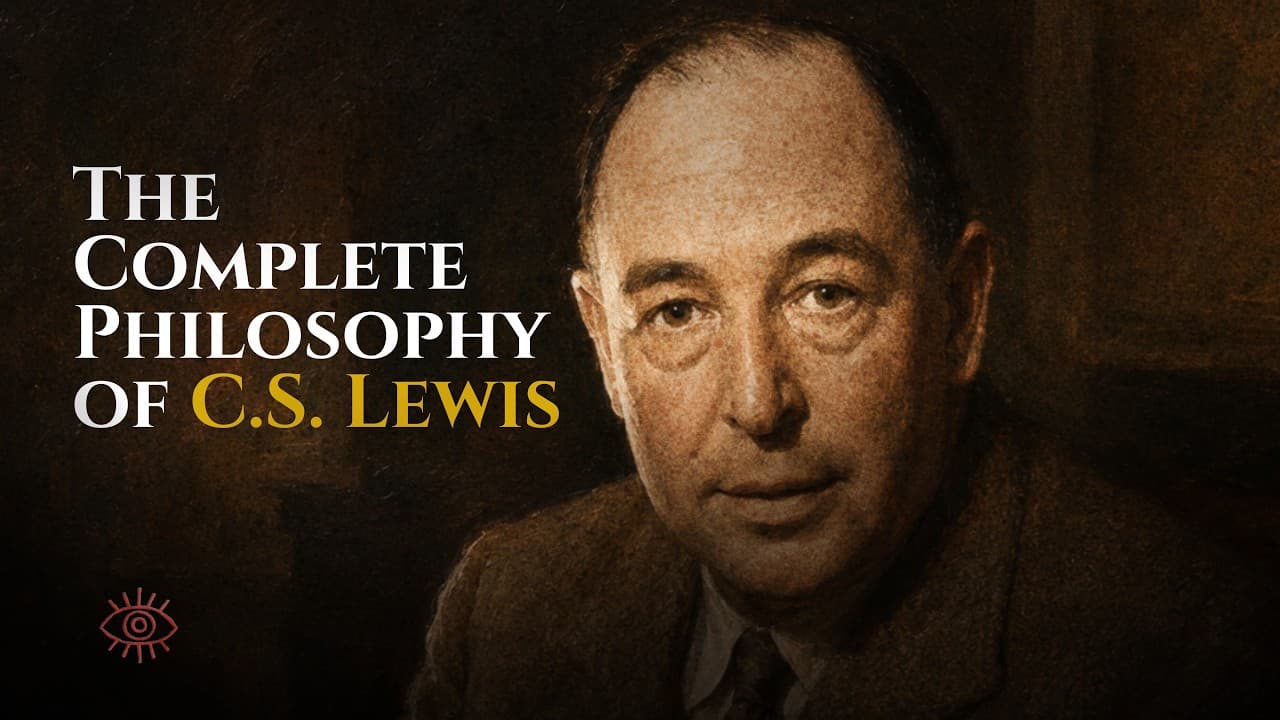
The Most Reluctant Convert | C.S. Lewis for Sleep
The most reluctant convert in England wrote children's books, letters from a devil, and one of the coldest, clearest arguments of the last century. This episode traces the whole arc of a remarkable life and mind. We begin in a cold Belfast childhood and a wartime trench, follow a brilliant young atheist through the long, reluctant argument that led him back to belief, and settle in among the Oxford friendships that shaped him. From there we move slowly through the great works: the stab of longing he called Joy, the plain wartime broadcasts that made him famous, the fierce little book on objective value that secular readers still admire, the letters of a tempting devil, the bus ride to the edge of heaven, the lion in the snowy wood, and the pagan myth he retold as his masterpiece. And we end where his own life ended, in a late and unexpected love, a shattering grief, and a quiet death. The full episode is on YouTube and Spotify. Please listen only in safe, restful contexts.
16 chapters8 sources
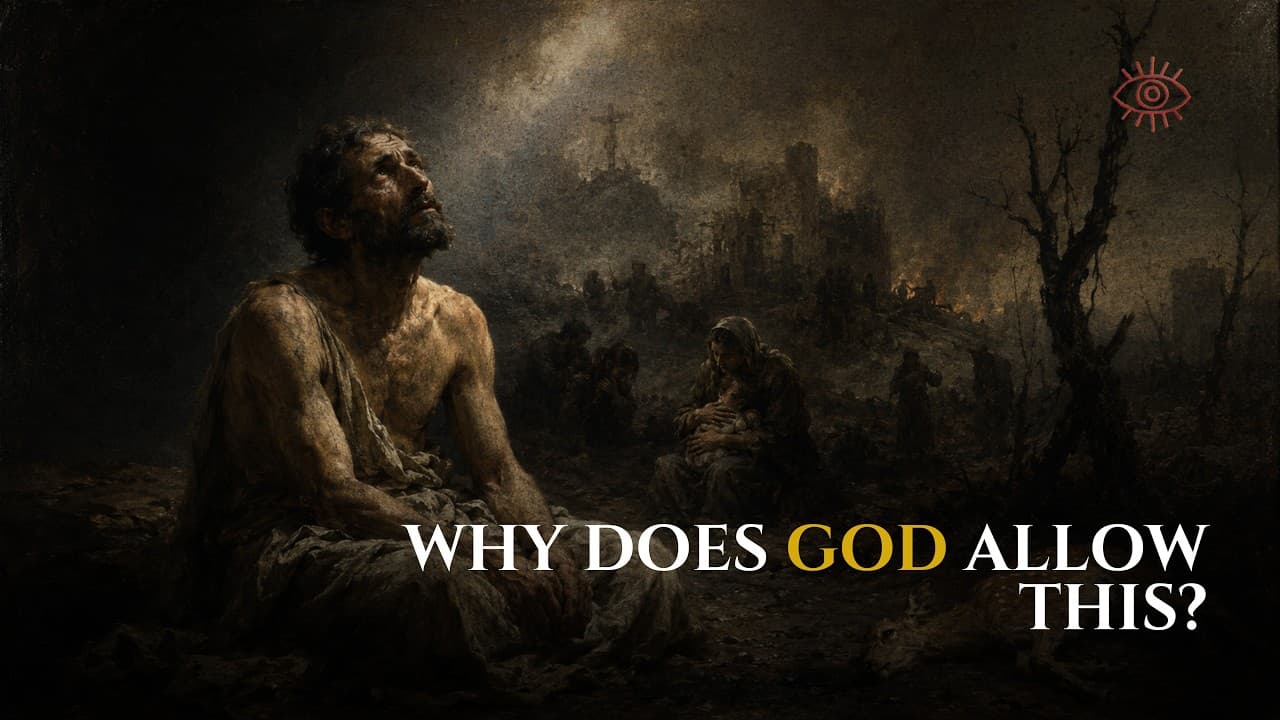
The Problem of Evil: Why Does God Allow Suffering? | Philosophy for Sleep
An innocent man, a burned fawn, and the hardest question ever asked of God. This episode follows the problem of evil from its oldest telling to its newest defenses. It begins with a man who loses everything in a single afternoon and refuses every easy explanation, then traces the great answers, evil as absence, the best of all possible worlds, and the earthquake and the novel that broke optimism's public standing. From there the argument sharpens into the twentieth century, a charge of outright contradiction, the celebrated defense that answered it, a theodicy of growing souls, and a dying fawn that changed the question from proof to evidence. The second half belongs to skeptical theism, the claim that human minds cannot survey the reasons a God might have, and to the objections that press it, moral paralysis, spreading doubt, horrendous evils, animal pain, and divine silence. The episode ends where the argument now stands, between a rock and a rope. The full episode is on YouTube and Spotify. Please listen only in safe, restful contexts.
23 chapters8 sources
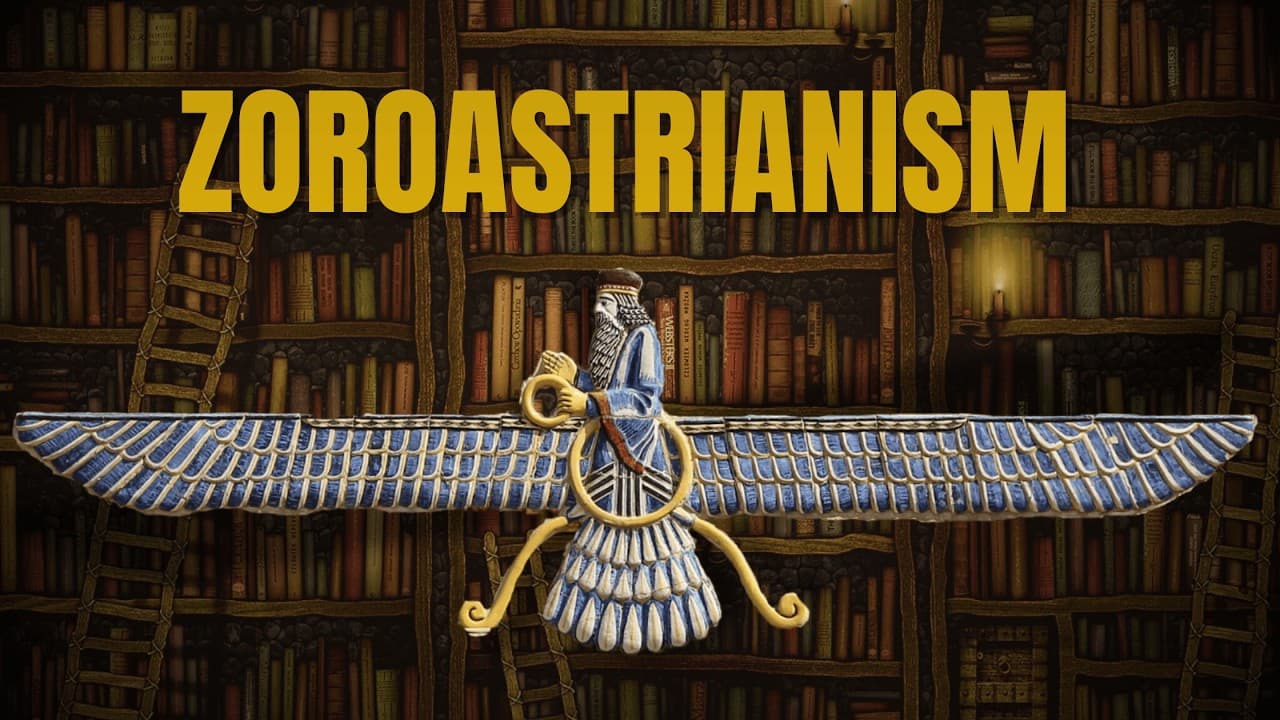
The Religion That Gave Us Good and Evil | Zoroastrianism for Sleep
Zarathustra, Ahura Mazda & the Cosmic Battle | 3 Hours
Where did the idea of good and evil actually come from? Zoroastrianism may be the most influential ancient religion most people have never heard of. The episode moves from the passionate hymns of the Gathas to the living communities that carry this ancient fire into the present. It explores the cosmic dualism of Ahura Mazda and Angra Mainyu, the revolutionary ethics of free will and the goodness of the material world, the astonishing influence this tradition exercised on Judaism, Christianity, and Islam, and the Zoroastrian communities that continue to practice the world's oldest revealed religion. The full episode is on YouTube and Spotify. Please listen only in safe, restful contexts.
5 chapters4 sources
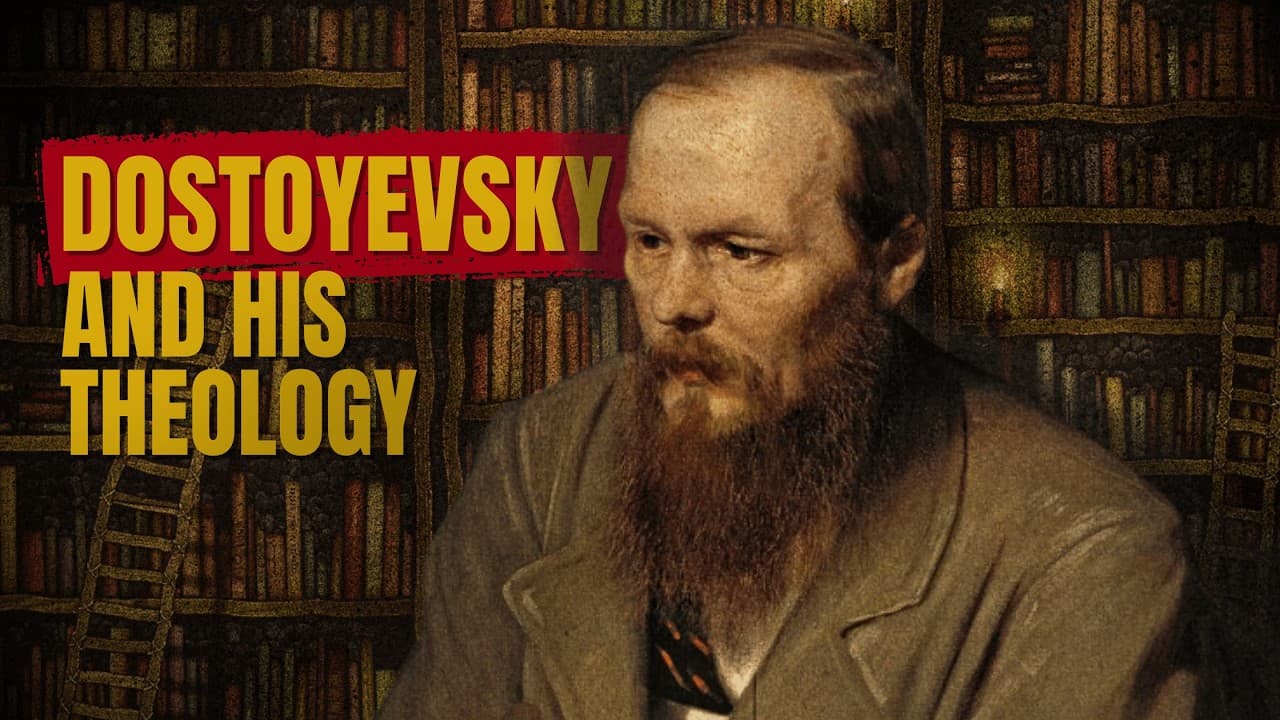
If There Is No God, Everything Is Permitted | Dostoevsky's Hidden Theology For Sleep
Orthodox Theology, the Church Fathers & the Novels
Hell is not punishment from God. It is the inability to love. This three-hour episode traces the Orthodox Christian tradition that shaped everything Dostoevsky ever wrote, from Isaac the Syrian and Maximus the Confessor to Gregory of Nyssa and the hesychast monks. What does it mean that sin is not a crime requiring penalty but a sickness requiring healing? That salvation is not a transaction but a transformation of the whole person? These are the questions buried inside The Brothers Karamazov, The Idiot, and Crime and Punishment. This episode is a companion to our earlier Dostoevsky exploration. Where that episode examined his ideas through a philosophical and psychological lens, this one traces them to their source: kenosis, theosis, apophatic theology, prelest, and sobornost. The full episode is on YouTube and Spotify. Please listen only in safe, restful contexts.
5 chapters7 sources