
Metaphysics
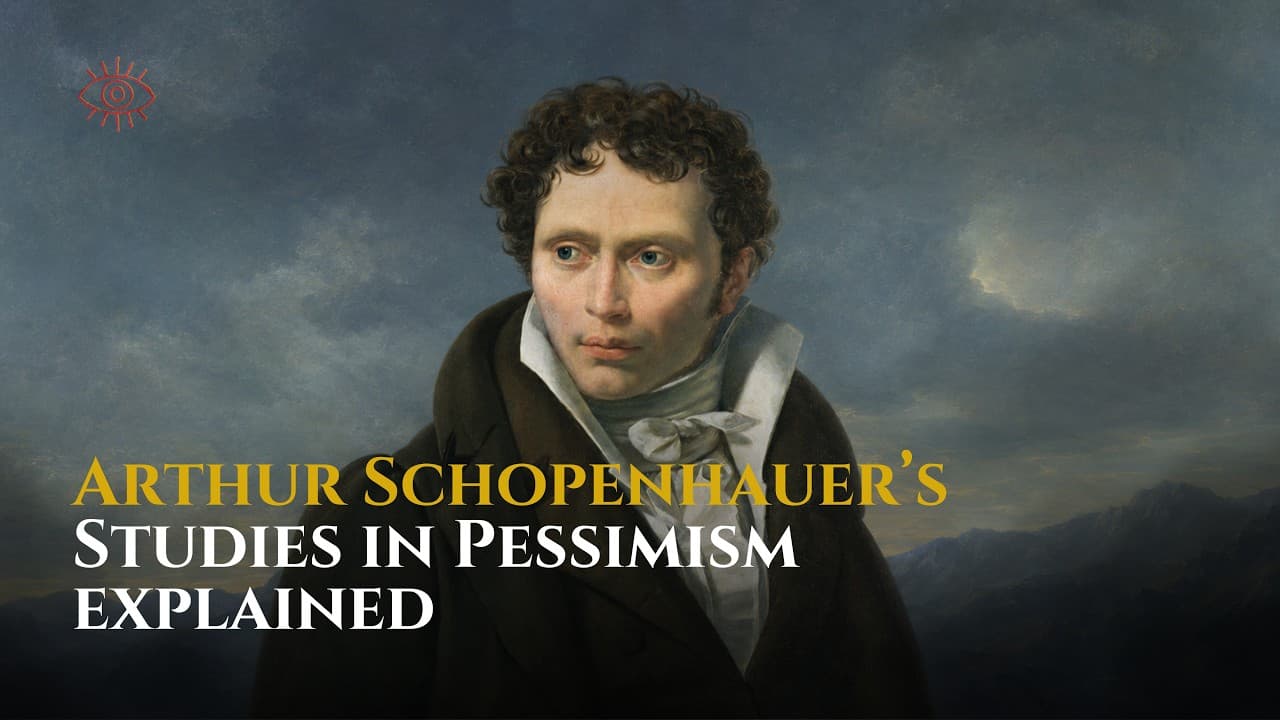
The clearest pessimist in philosophy on suffering, time, death, and the strange consolation of expecting nothing.
Topic
8 episodes11 books10 thinkers
Metaphysics asks the deepest questions: What is real? What is the nature of existence? From Spinoza's monism to Heidegger's phenomenology, these explorations take you to the very foundations of reality and being.
The clearest pessimist in philosophy on suffering, time, death, and the strange consolation of expecting nothing.
On Emily Dickinson
23 chapters · 8 sources
She died unknown, leaving eighteen hundred poems in a locked box. This is the mind that hid them.
PlayOn Robert Pirsig
7 chapters · 6 sources
In nineteen seventy-four, the technical writer Robert Pirsig published a first-person account of a motorcycle journey west from Minneapolis, undertaken with his young son and two friends, which opened outward at intervals into a sustained philosophical Chautauqua on the meaning of quality in a mechanical age. This episode is a guided reading of that book from the inside.
MembersOn Thomas Ligotti, Schopenhauer & 1 more
24 chapters · 8 sources
Thomas Ligotti wrote horror fiction as philosophical argument, producing the most uncompromising pessimist literature of the last century.
PlayOn Lovecraft & Schopenhauer
10 chapters · 5 sources
The universe is not hostile. It is indifferent. Which is worse.
PlayOn Thomas Nagel, David Chalmers & 2 more
10 chapters · 8 sources
Something is happening right now that no science can fully explain. There is an experience accompanying every moment of awareness, a felt quality to seeing color, hearing sound, and simply existing. This is the problem of consciousness, and it has haunted philosophy for centuries. This episode traces the question from its roots in Descartes and Leibniz through the landmark arguments of Thomas Nagel and David Chalmers, who gave the mystery its modern name: the hard problem of consciousness.
PlayOn Schopenhauer
15 chapters · 14 sources
Arthur Schopenhauer believed that the capacity to be alone was the truest mark of intellectual and spiritual development. For him, solitude was not merely the absence of others but the presence of oneself.
PlayOn Spinoza
13 chapters · 18 sources
Deus sive Natura. God or Nature. With these three Latin words, Baruch Spinoza announced the most dangerous idea of the seventeenth century: that God and Nature are one and the same infinite reality.
Play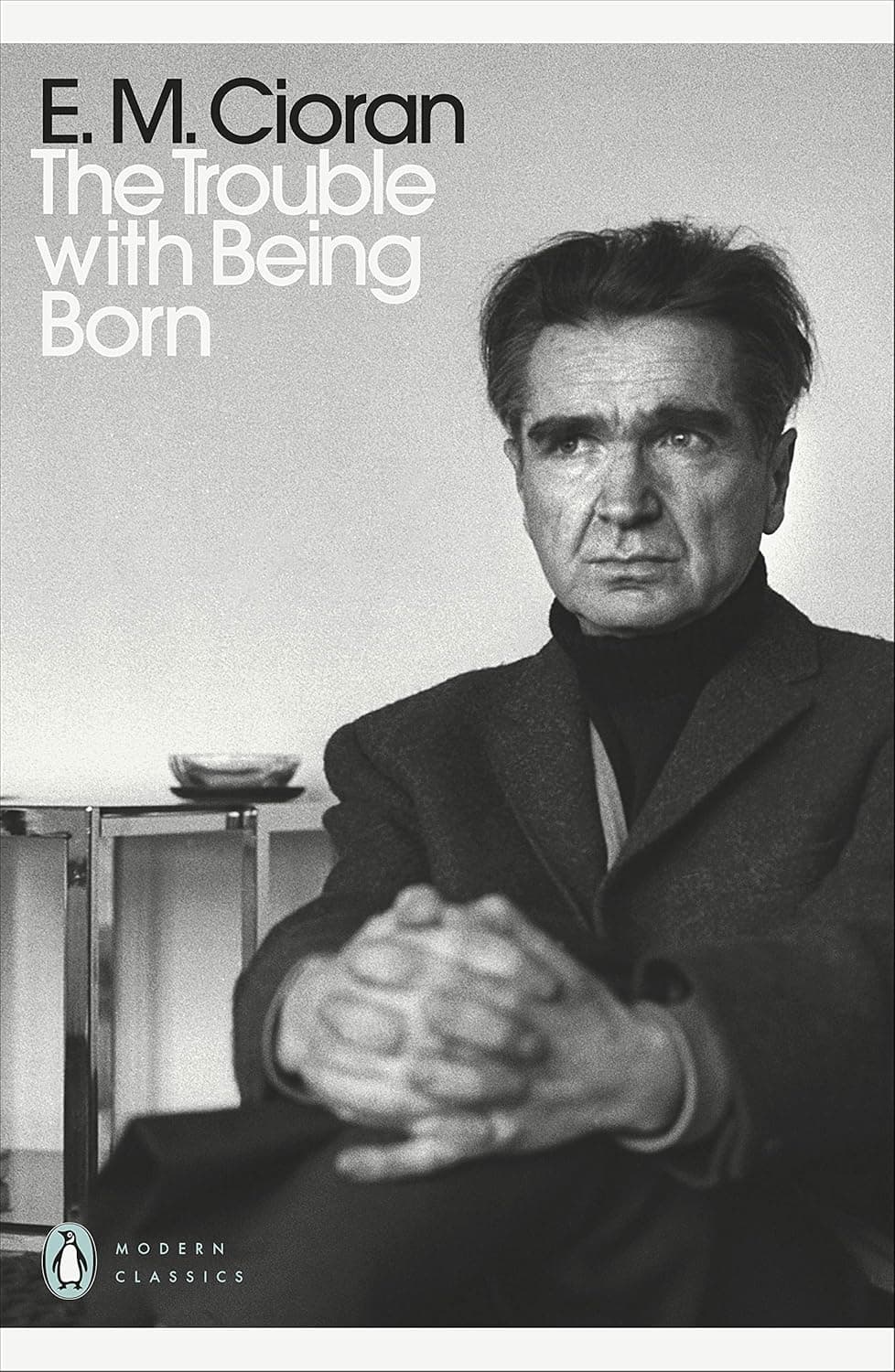
by Emil Cioran, 1973
A book of aphorisms on the catastrophe of having been born. Cioran's most cited work: a sequence of brief, polished, devastating sentences against existence.
Get this book
by Jorge Luis Borges, 1962
The classic English-language compilation. Includes The Aleph, The Circular Ruins, Death and the Compass, and Borges and I, plus selected essays.
Get this book
by Jorge Luis Borges, 1944
The collection that contains The Library of Babel, The Garden of Forking Paths, Pierre Menard's Quixote, and Tlon, Uqbar, Orbis Tertius. The single most important Borges volume.
Get this book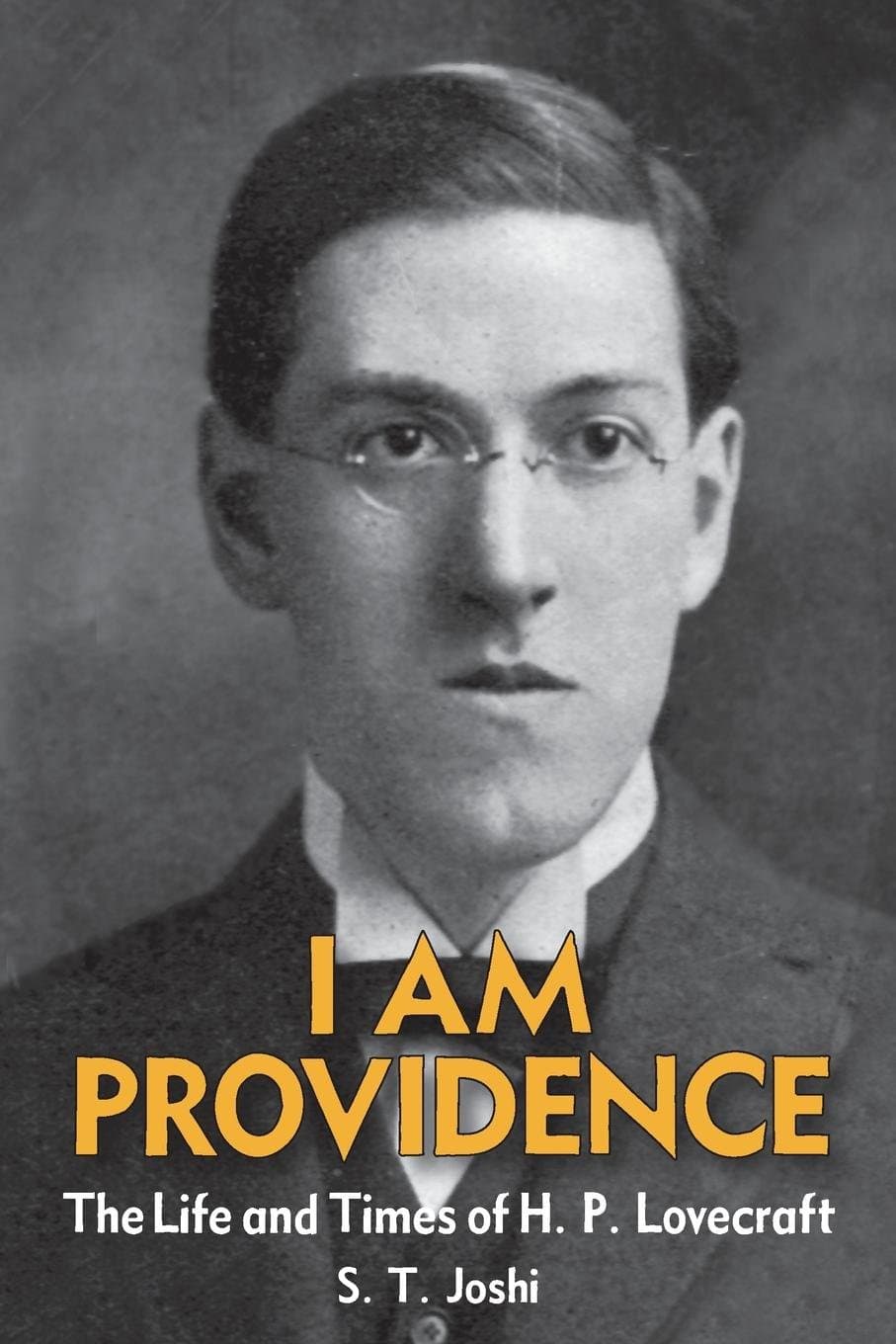
by S.T. Joshi, 2013
The definitive two-volume biography of H.P. Lovecraft, tracing every phase of his life, thought, and literary development. Essential for understanding how Lovecraft's philosophy of cosmic indifference grew from his personal experience.
Get this book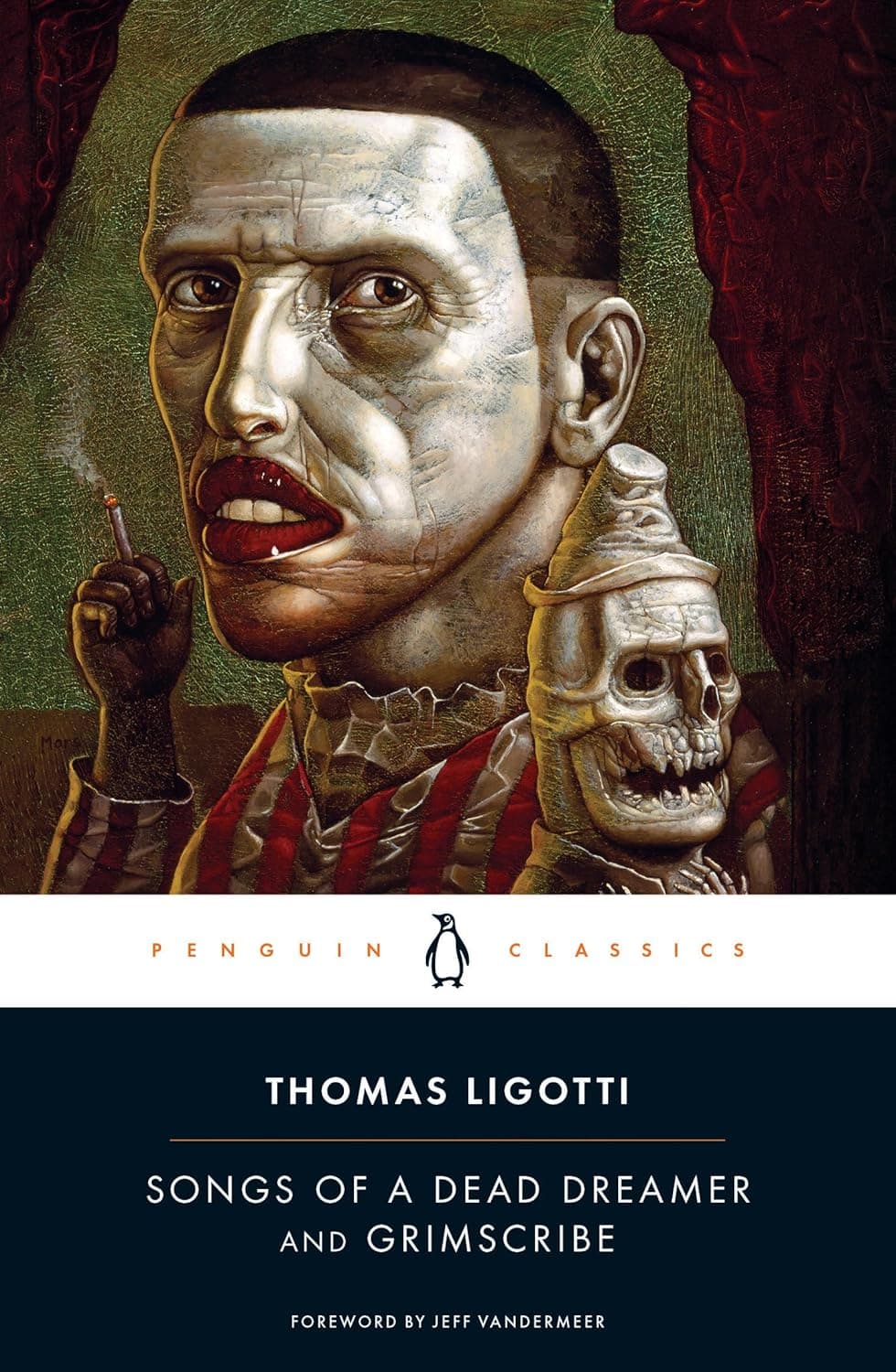
by Thomas Ligotti, 1985
Two early collections that announced Ligotti as the heir to Lovecraft and a new master of philosophical horror. The stories are quiet, careful, and uncompromising in their vision of the world as a malignant illusion.
Get this book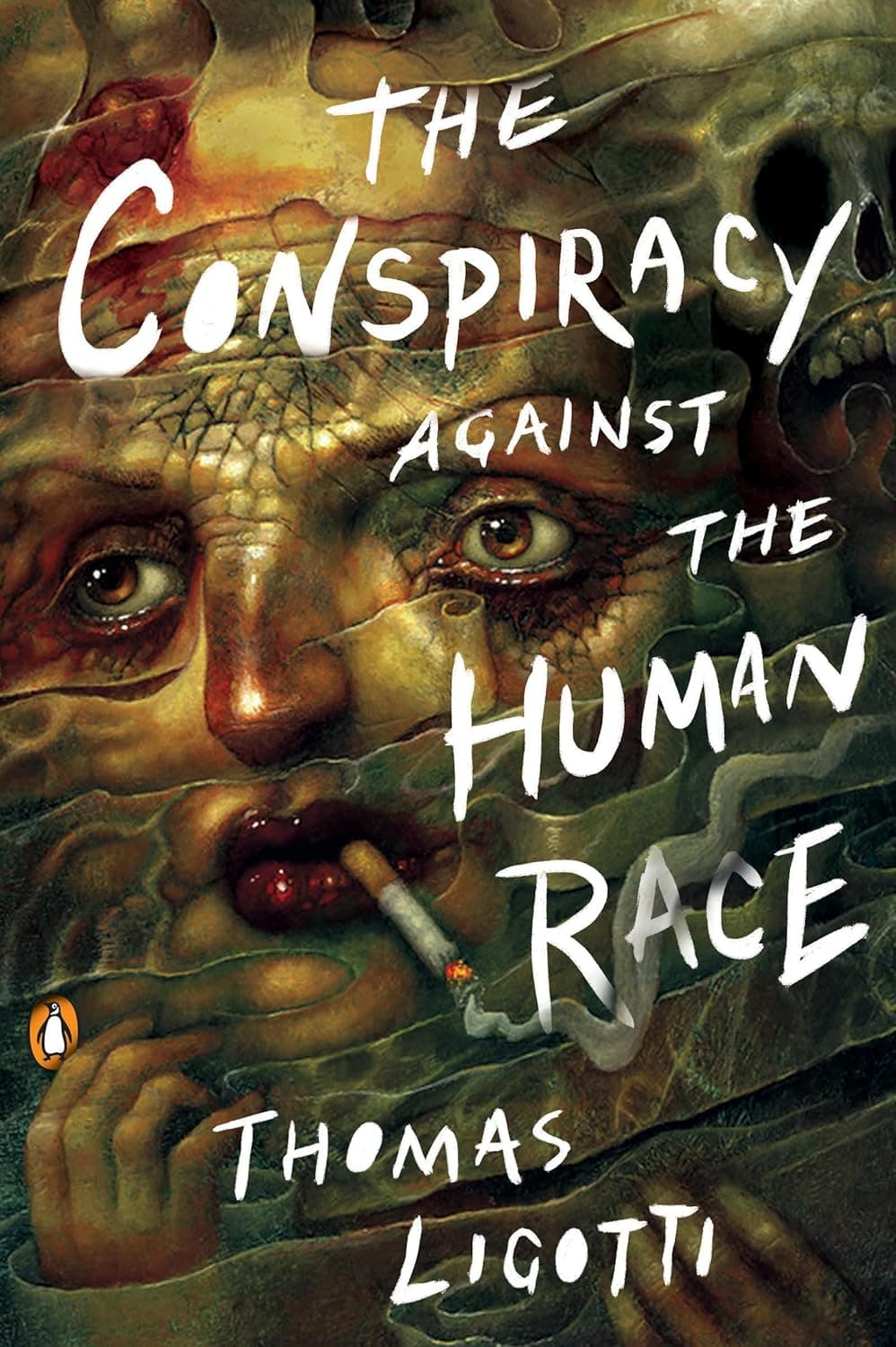
by Thomas Ligotti, 2010
Ligotti's philosophical treatise on the horror of being alive, drawing on pessimists from Schopenhauer to Zapffe. A relentless meditation on consciousness as a curse, written by the greatest living author of weird fiction.
Get this book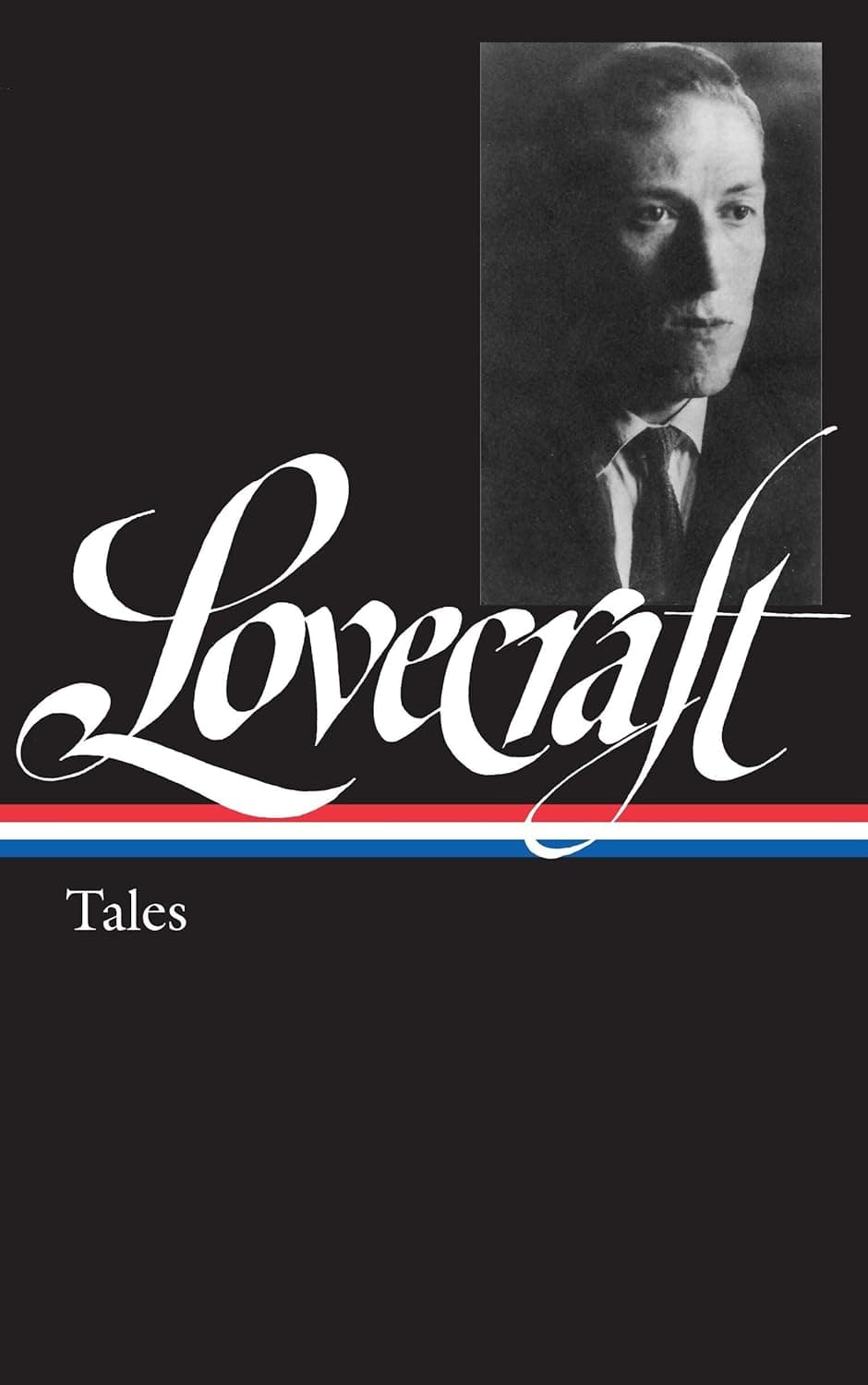
by H.P. Lovecraft, 2005
The definitive Library of America collection of Lovecraft's major fiction, including The Call of Cthulhu, At the Mountains of Madness, The Colour Out of Space, and dozens more. The essential single volume for encountering cosmic horror at its source.
Get this book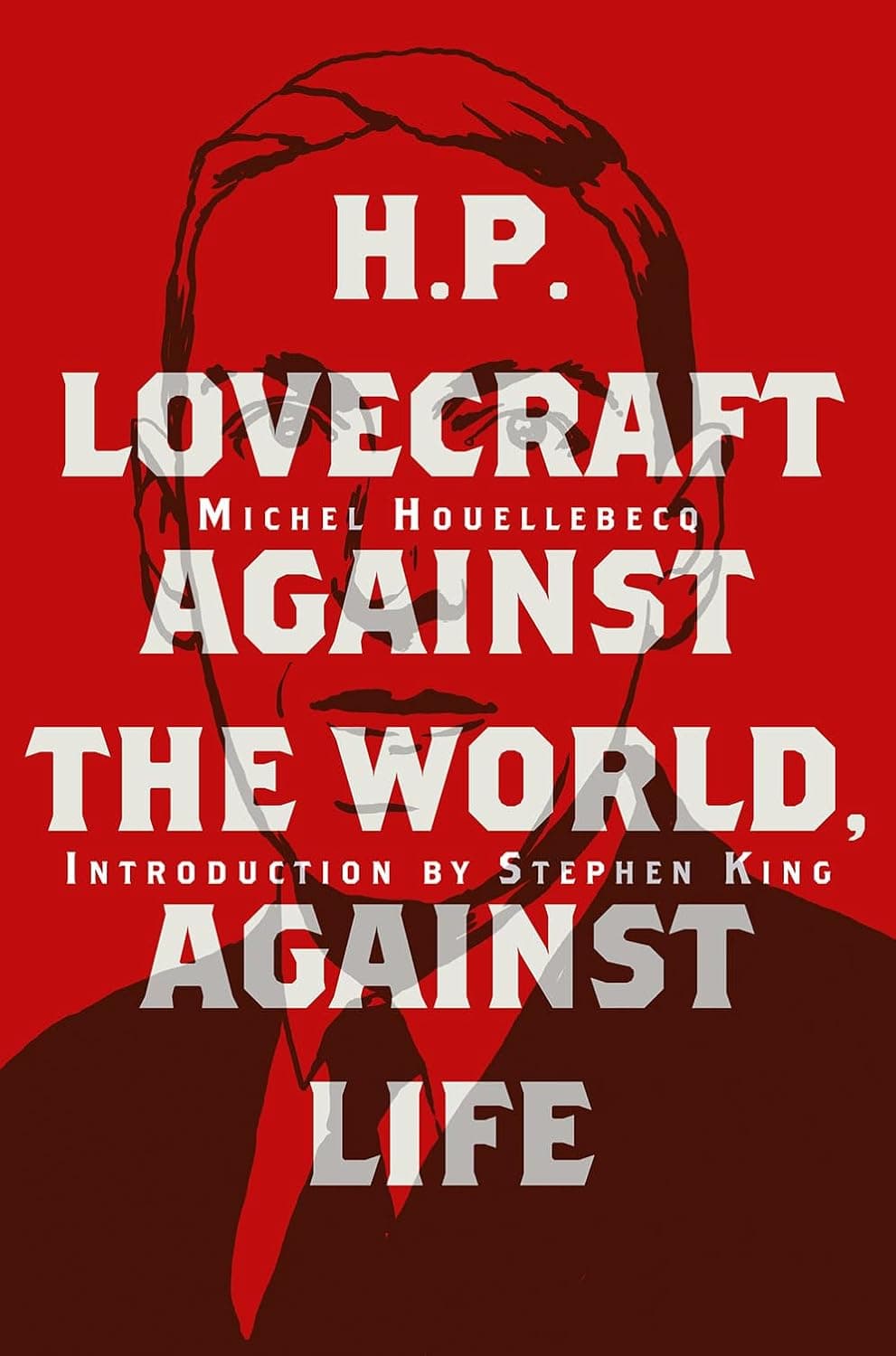
by Michel Houellebecq, 1991
Houellebecq's passionate literary essay on Lovecraft, arguing that his rejection of the world and of life itself is what gives his fiction its terrifying power. A slim, intense book that reads Lovecraft as a philosophical writer.
Get this book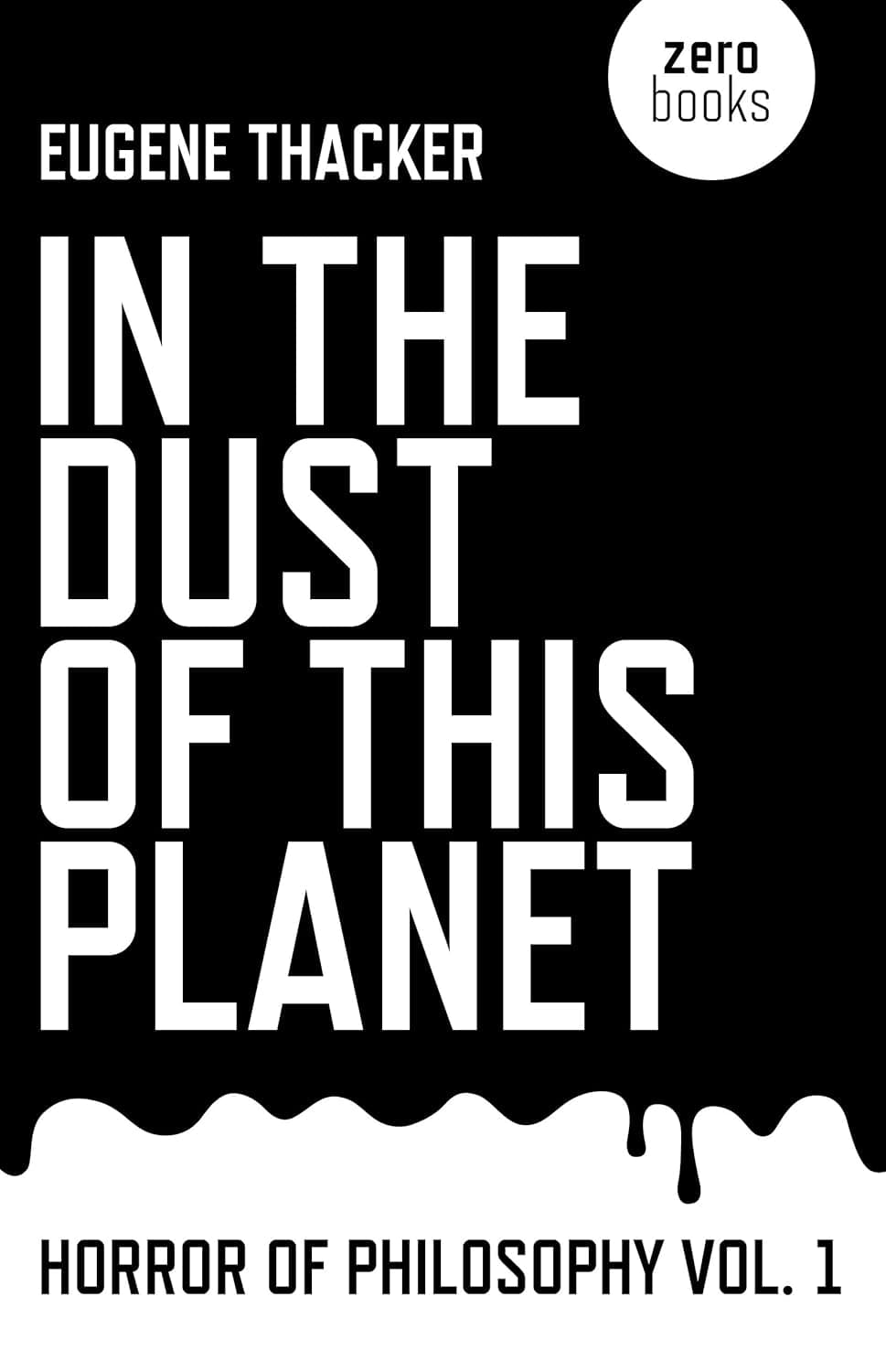
by Eugene Thacker, 2011
The first volume of Thacker's Horror of Philosophy trilogy, exploring the idea of a world without us. Draws on Lovecraft, demonology, and continental philosophy to ask what happens when thought confronts a world that is fundamentally not for us.
Get this book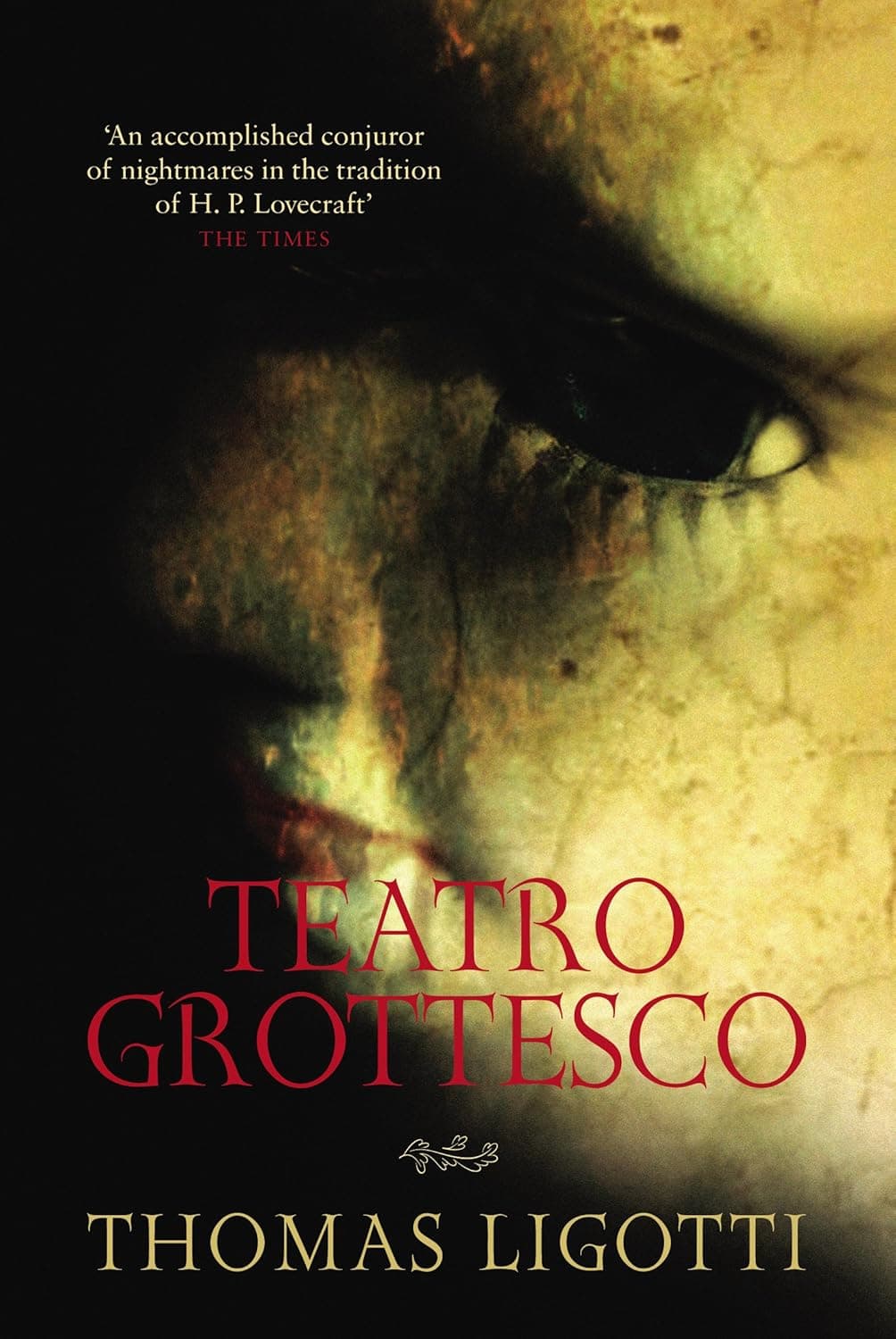
by Thomas Ligotti, 2008
Mature Ligotti at his bleakest. Tales of decayed industrial towns, malignantly useless factories, and lives whose only meaning is the recognition of their own meaninglessness.
Get this book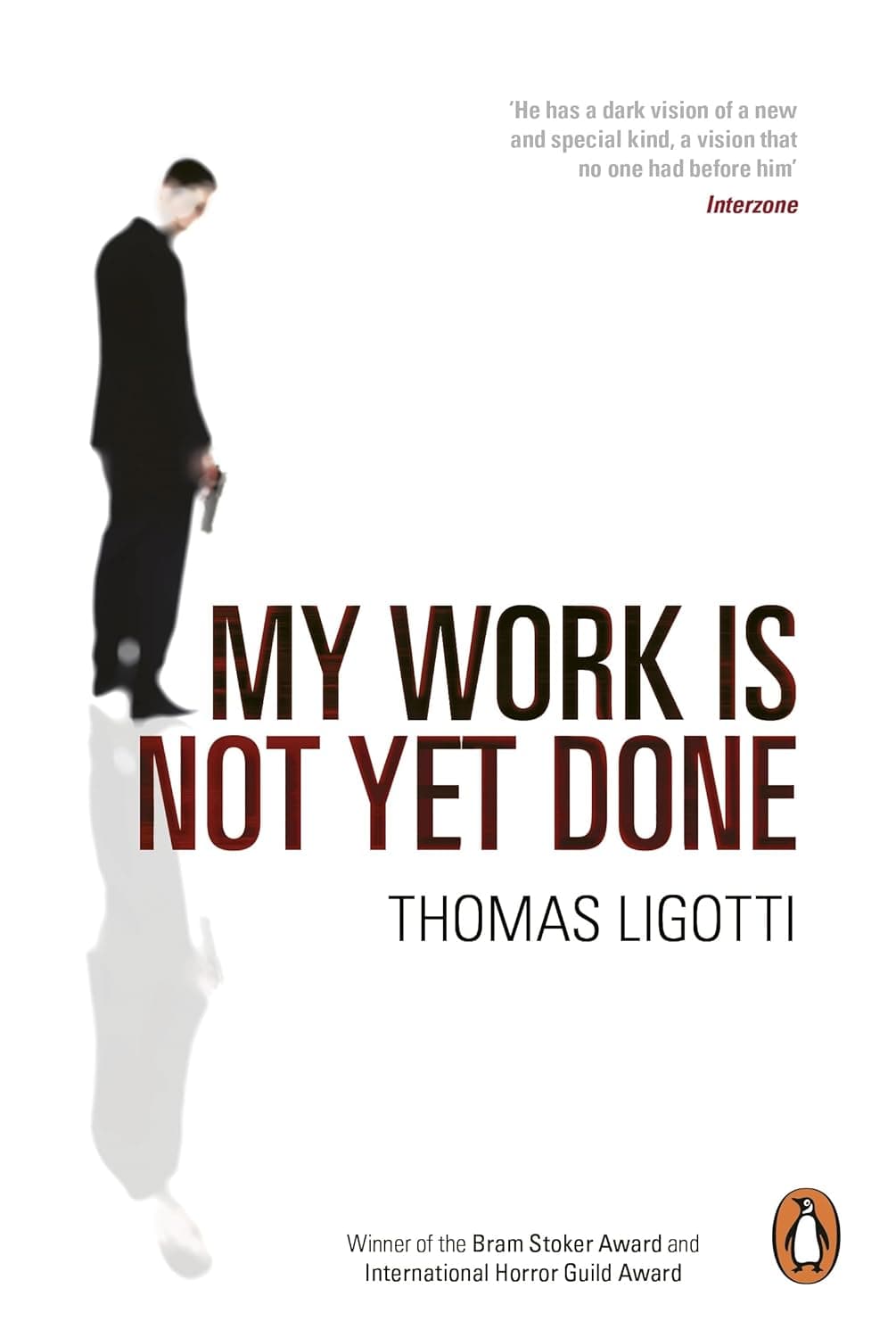
by Thomas Ligotti, 2002
Three tales of corporate horror. The title novella, about a man pushed out of his job who discovers something stranger than revenge, is Ligotti's most accessible entry point.
Get this book