Psychology

7 episodes

Psychology on Sleepy Philosophy Radio collects 7 episodes, featuring Sigmund Freud, William James, Ernest Becker: long-form readings for sleep, study, and contemplation. Browse the episodes and recommended reading below.

Episodes

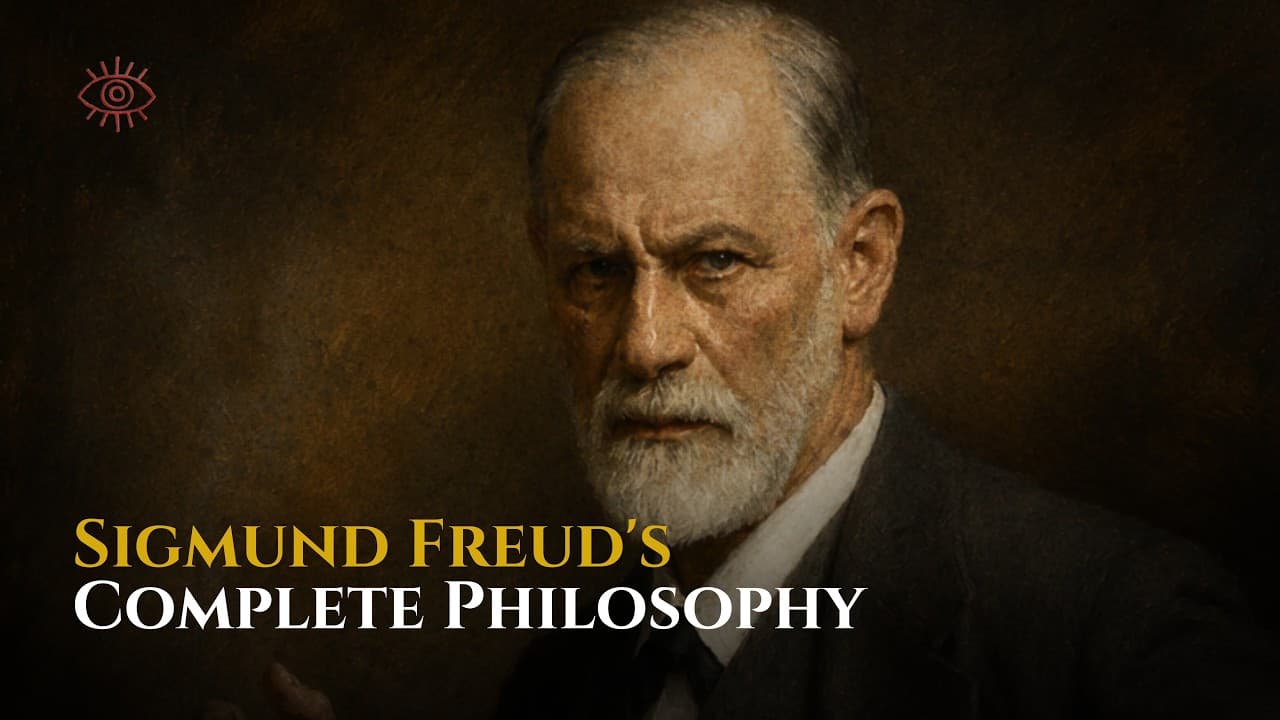
There Are No Accidents | Sigmund Freud's Complete Psychology
Psychology2:24:24

There Are No Accidents | Sigmund Freud's Complete Psychology

He set out to be the coldest of scientists, and ended by telling the strangest story modern people had ever heard about themselves. This is the life and the mind of Sigmund Freud. We begin in his consulting rooms in Vienna, among the ancient statues he could not work without, and follow him from a provincial childhood to the discovery that made his name, the claim that most of the mind is hidden, and hidden on purpose. We move through his masterwork on dreams, his scandalous account of childhood, the drama he found buried in every family, and the movement that made him famous and cost him his dearest friends. We watch his vision darken, after a war, into a theory of the wish for death and the permanent discontent of civilization. And we follow him to the end, through illness, exile, and a death met on his own terms, into the strange afterlife of ideas that science keeps rejecting and no one can quite escape. The full episode is on YouTube and Spotify. Please listen only in safe, restful contexts.
Life Is Worth Living | William James and the Sick Soul
Psychology2:22:23

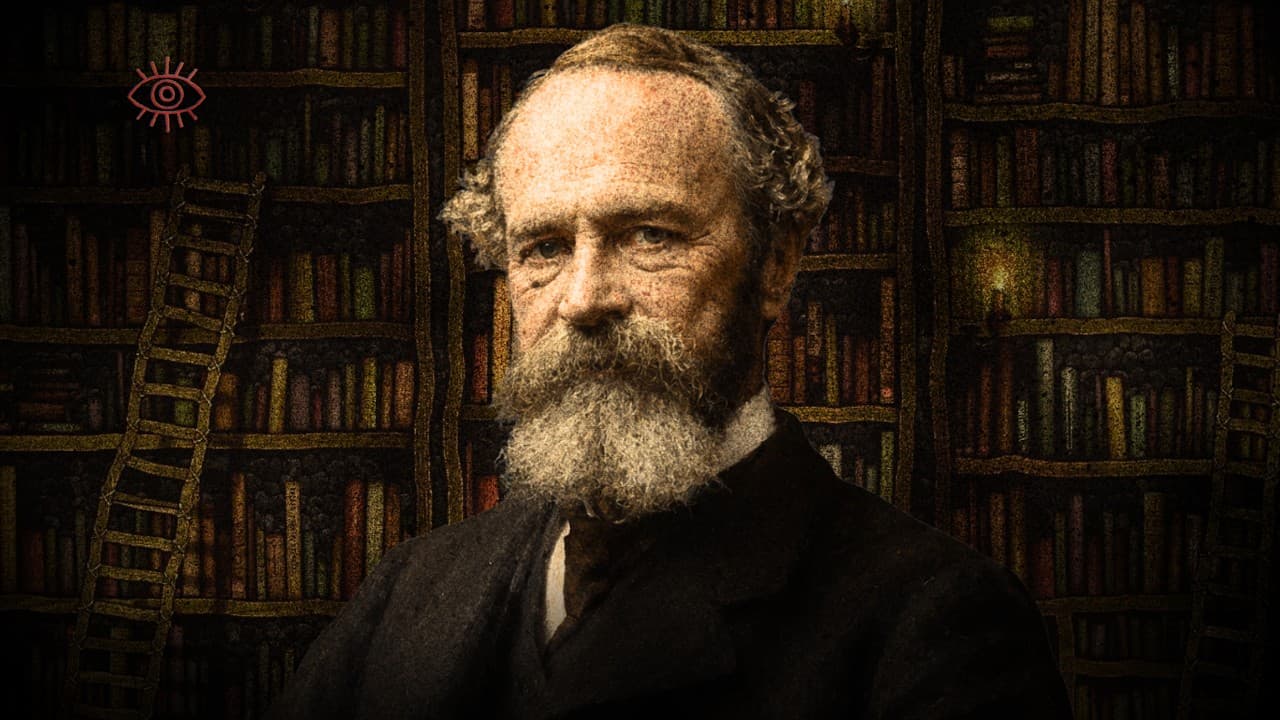
Life Is Worth Living | William James and the Sick Soul

He insisted to his last breath that the universe is unfinished, and that our own small efforts help decide how it turns out. As a young man William James was so ill in body and mind that he could barely leave his room, and one spring evening he made a private decision that would shape everything after it. This episode follows the whole arc of his life and thought, from a wandering childhood in the most gifted family in America, through the collapse that nearly ended him, to the years when he founded a new science of the mind and taught the world to picture consciousness as a flowing stream. We move with him from psychology into philosophy, through his defense of the right to believe, his tender study of the religious experience of ordinary people, and the practical theory of truth that made him famous and infamous at once. And we follow him to the end, a public conscience in a warring age. The full episode is on YouTube and Spotify. Please listen only in safe, restful contexts.
The Art of Loving by Erich Fromm
Psychology1:09:40

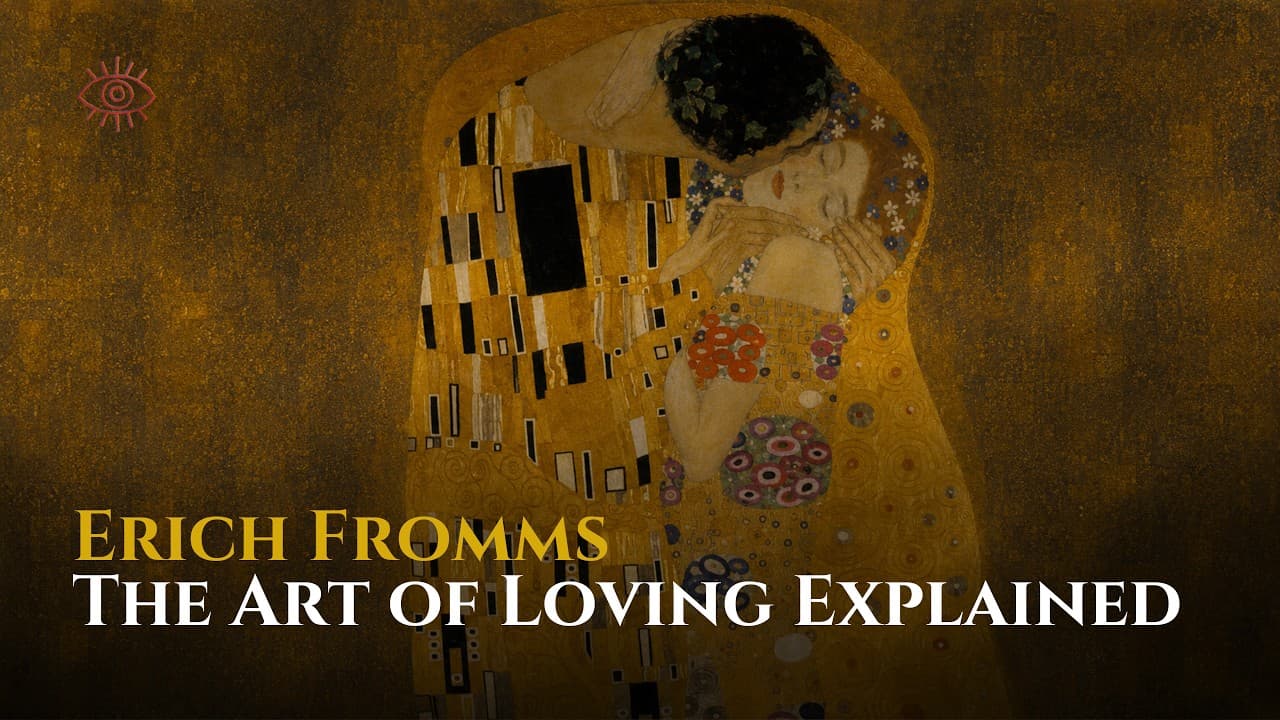
The Art of Loving by Erich Fromm

A quiet reading of Fromm's demanding claim that love must be learned like an art. This episode follows The Art of Loving in the order of Fromm's own argument. It begins with the book's startlingly practical question, whether love is an art that requires knowledge and effort, then enters the theory of love as the mature answer to human separateness. The reading moves through Fromm's account of parent and child, the distinct objects of love, brotherly love, motherly love, erotic love, self love, and love of God, before turning to the chapter on modern society and the ways market life distorts intimacy. It closes with the book's final demand for discipline, concentration, patience, faith, courage, and a life organized around the practice of love. The full episode is on YouTube and Spotify. Please listen only in safe, restful contexts.
The Fear of Death Is Controlling Your Life | Ernest Becker for Sleep
Psychology2:27:29

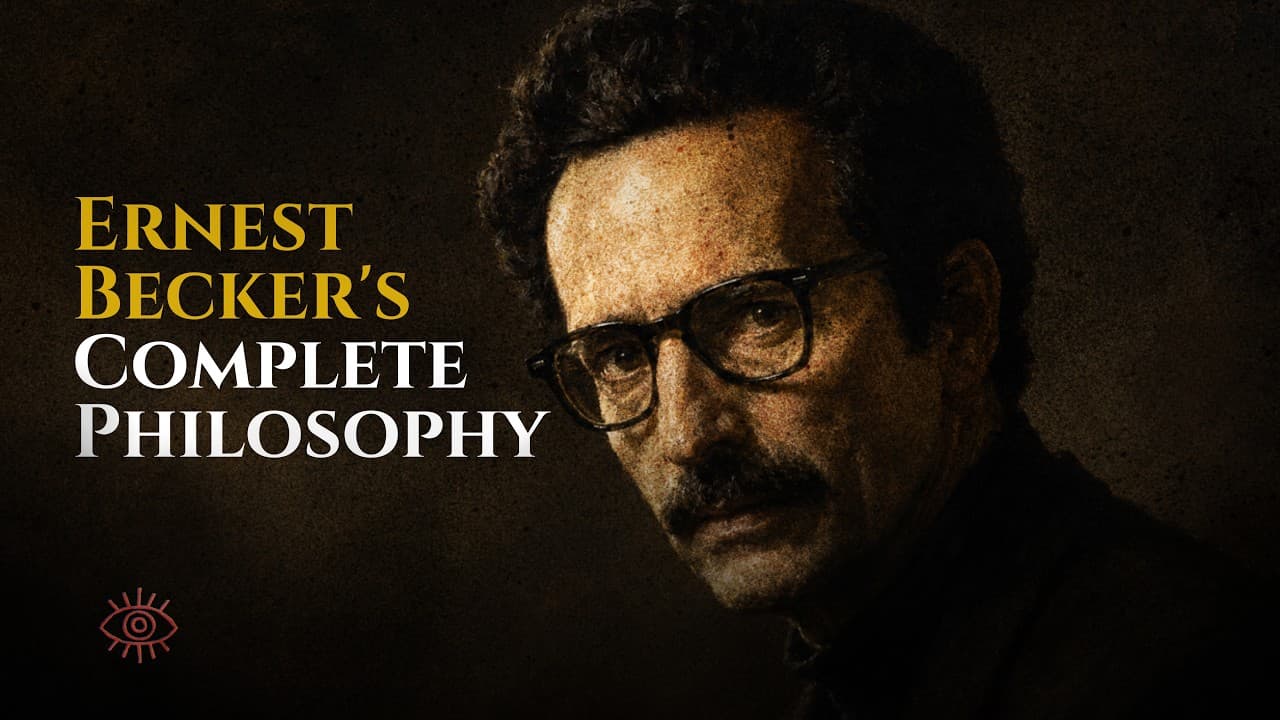
The Fear of Death Is Controlling Your Life | Ernest Becker for Sleep

Everything we build, he argued, our characters, our loves, our nations and our wars, is an elaborate refusal to admit that we die. In a hospital bed on the Canadian coast, a dying man agreed to be recorded talking about death, the subject he had spent his whole life studying. This episode follows Ernest Becker, the anthropologist and outsider who was pushed from one university to the next and died at forty-nine, only weeks before his masterwork won the Pulitzer Prize. We trace his single great argument, that human beings are the animals who know they will die, then follow him through the vital lie of personality, the immortality projects by which we reach for a symbolic eternity, the hidden roots of human evil, and the quiet, lucid way he faced his own end. The full episode is on YouTube and Spotify. Please listen only in safe, restful contexts.
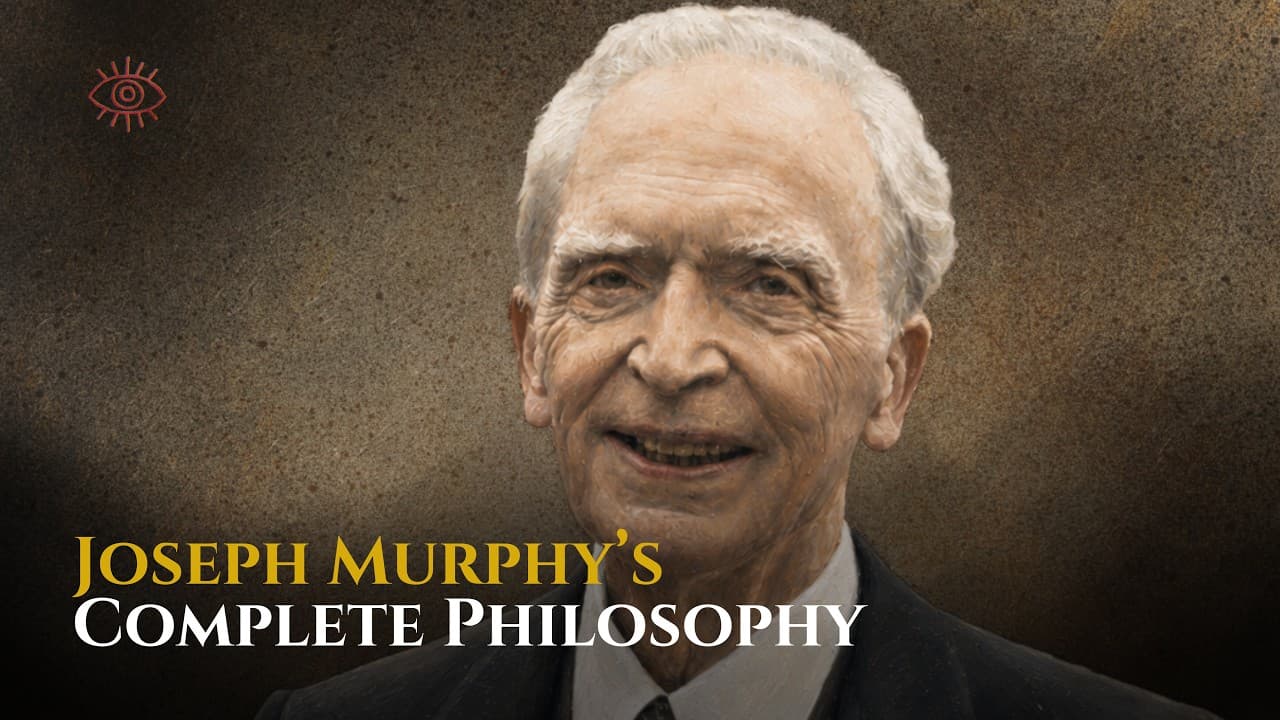
Stop Asking. Command Your Subconscious Mind Before Sleep | Joseph Murphy
Psychology2:27:14

Stop Asking. Command Your Subconscious Mind Before Sleep | Joseph Murphy

An Irish boy left the priesthood, crossed an ocean, and built a new faith out of the human mind. This is the story of Joseph Murphy, the Irish-born minister whose single book on the subconscious mind has sold in the millions and has never left print. We begin with the boy who trained for the priesthood and lost his faith, the chemist who crossed an ocean, and the quiet preacher who found in a New York congregation a new American religion of the mind. From there we trace the tradition he inherited, the British judge whose ideas he carried, and the simple, startling model of two minds at the center of his teaching. We follow his redefinition of prayer, his practice at the threshold of sleep, his promises of health and wealth, and the impersonal God he made out of the God of his childhood. And we ask the hard questions in turn, whether the teaching is kind, whether it is true, and why, decades after his death, the world still cannot stop reading him. The full episode is on YouTube and Spotify. Please listen only in safe, restful contexts.
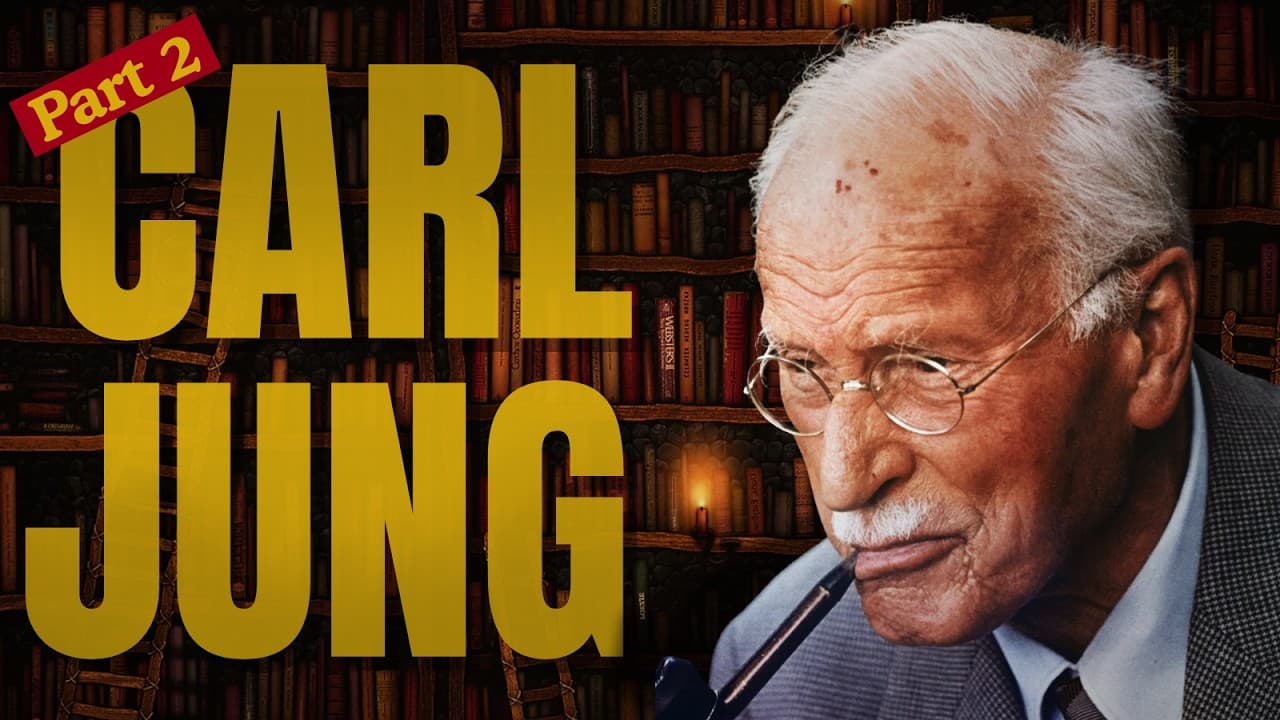
Synchronicity Explained | Carl Jung's Complete Psychology for Sleep
Psychology3:27:37

Synchronicity Explained | Carl Jung's Complete Psychology for Sleep

Carl Jung's Complete Psychology | Part 2

Carl Jung believed that the goal of human life is not happiness but wholeness, and that wholeness requires confronting everything within ourselves that we would rather not see. This second part of the Jung exploration examines his method of active imagination for engaging the unconscious, his theory of introversion and extraversion, and the four functions of consciousness. It follows the complete individuation process from shadow integration through anima and animus work to Self-realization. The episode covers synchronicity as meaningful coincidence beyond ordinary causality, Jung's psychological approach to religion, and his deep study of alchemy as a metaphor for inner transformation. It also addresses his controversial legacy, including his statements during the Nazi period, debates about his methods, and his enduring influence on therapy, spirituality, and the modern search for meaning. The full episode is on YouTube and Spotify. Please listen only in safe, restful contexts.

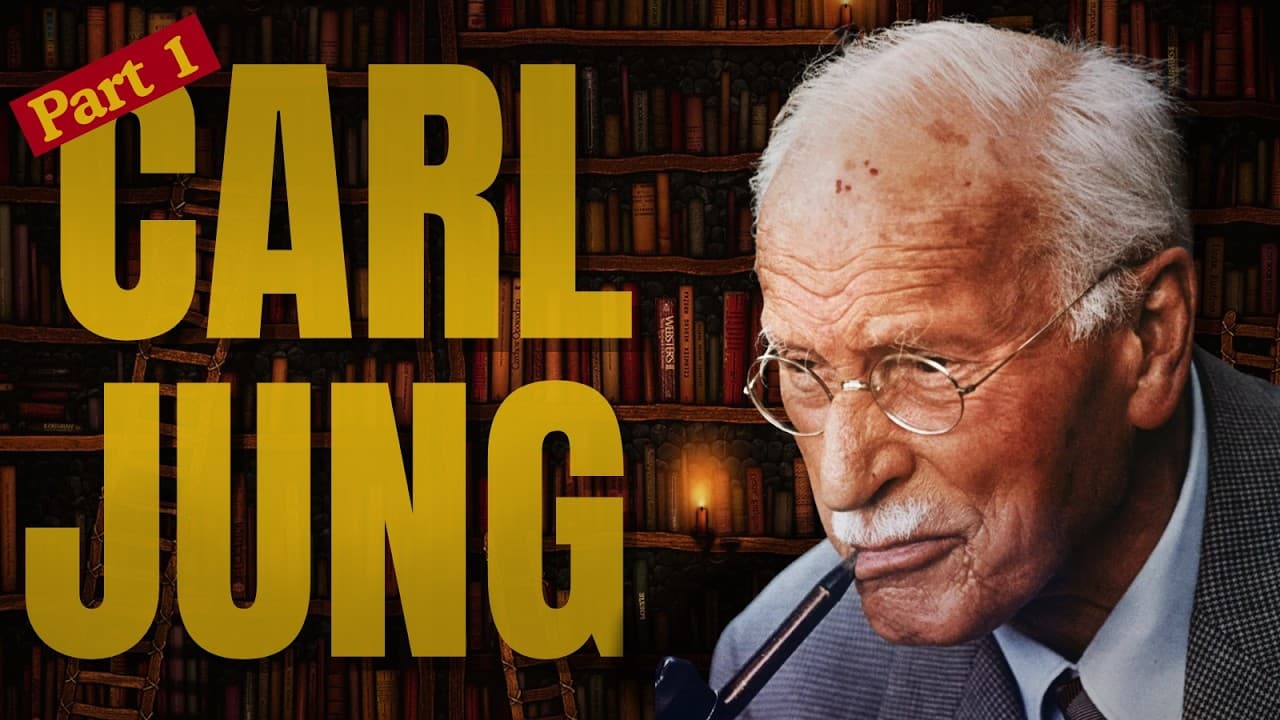
What Is Your Shadow? | Carl Jung's Shadow Work for Sleep
Psychology3:24:06

What Is Your Shadow? | Carl Jung's Shadow Work for Sleep

Carl Jung's Complete Psychology | Part 1

Carl Jung departed from Freud to forge analytical psychology, a framework that maps the hidden architecture of the psyche. This episode traces Jung's life from his early psychiatric work through his break with Freud and his descent into the unconscious that produced the Red Book. It explores the complete structure of the mind according to Jung: the ego, persona, shadow, personal unconscious, collective unconscious, archetypes, anima and animus, and the Self. Along the way, it covers shadow work techniques, dream interpretation through amplification, and the archetypal patterns that surface in mythology, religion, and everyday life. The full episode is on YouTube and Spotify. Please listen only in safe, restful contexts.

Philosophers

More Topics