
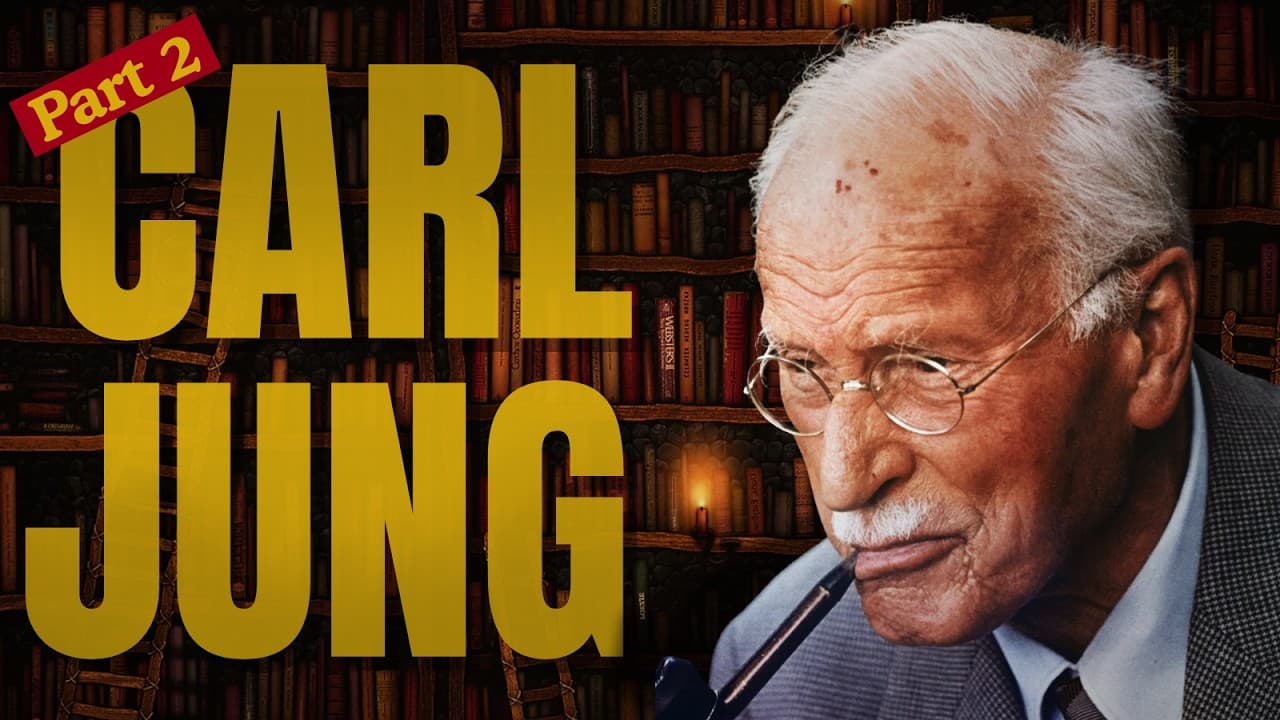
Carl Jung
Carl Jung's Complete Psychology | Part 2
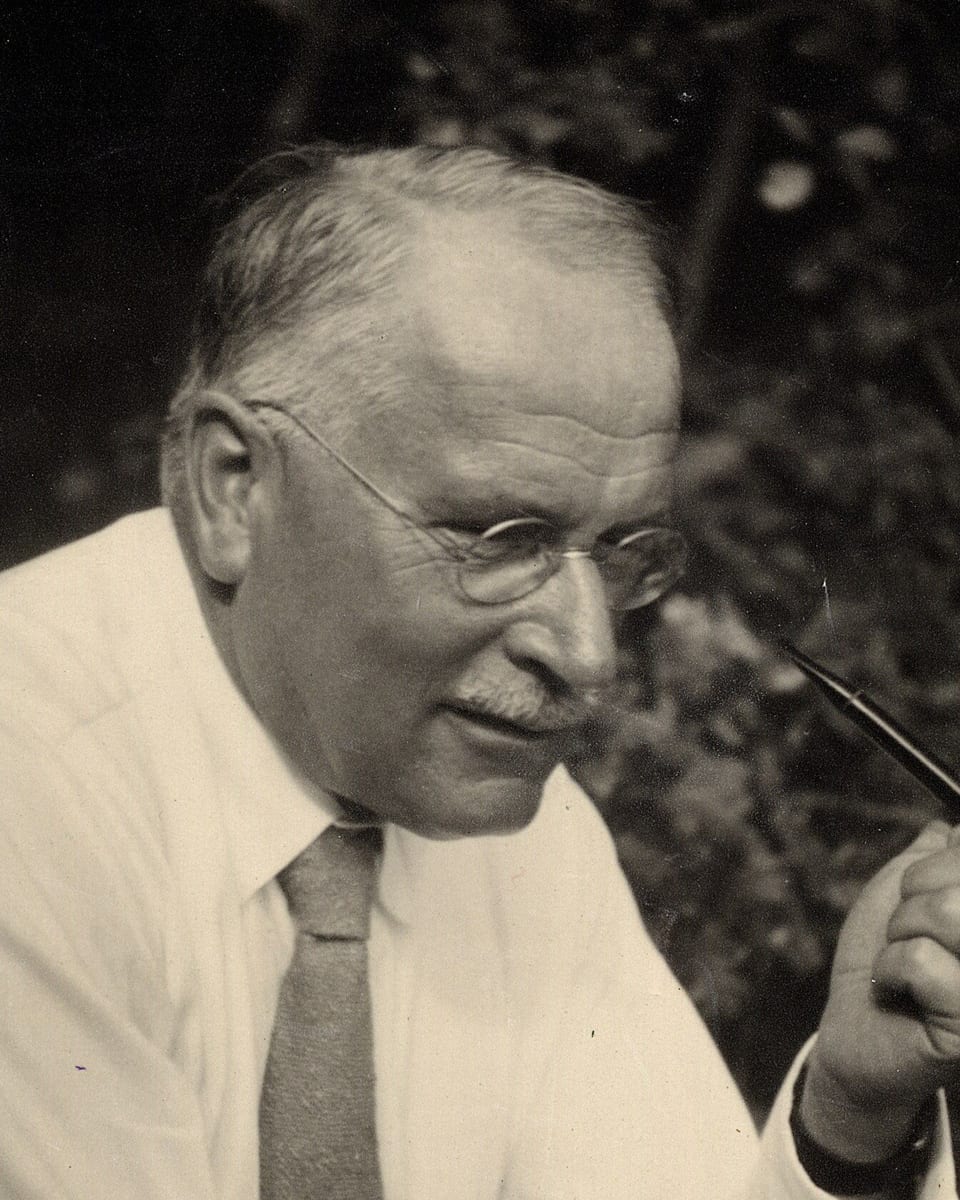
Portrait: Carl Jung, c. 1935. Unknown photographer, ETH-Bibliothek Zürich, Public domain, via Wikimedia Commons.
Carl Jung explored the unconscious mind through archetypes, dreams, and the collective unconscious. His depth psychology bridges philosophy, mythology, and the search for meaning.
2 episodes 9 books
Carl Jung's Complete Psychology | Part 2
On Carl Jung
73 chapters · 6 sources
Carl Jung departed from Freud to forge analytical psychology, a framework that maps the hidden architecture of the psyche. This episode traces Jung's life from his early psychiatric work through his break with Freud and his descent into the unconscious that produced the Red Book.
Play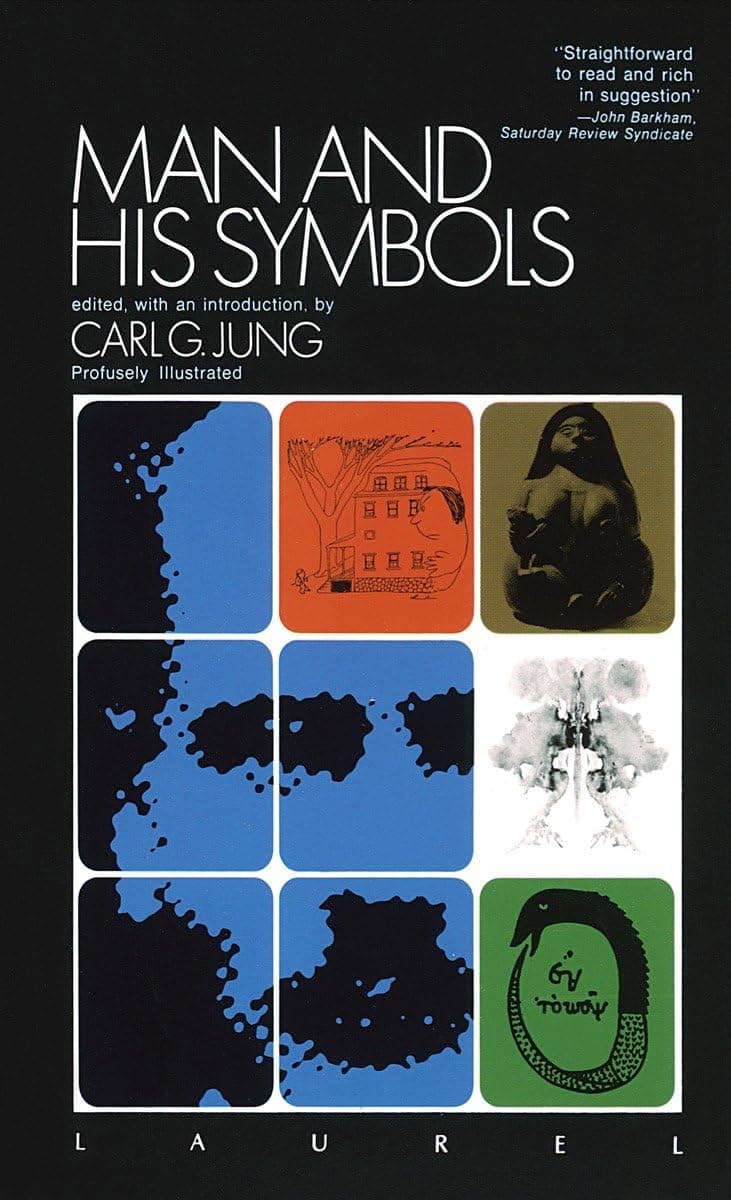
by Carl G. Jung, 1964
Jung's only work written for a general audience, exploring the role of symbols and the unconscious in everyday life through accessible language and illustrations.
Get this book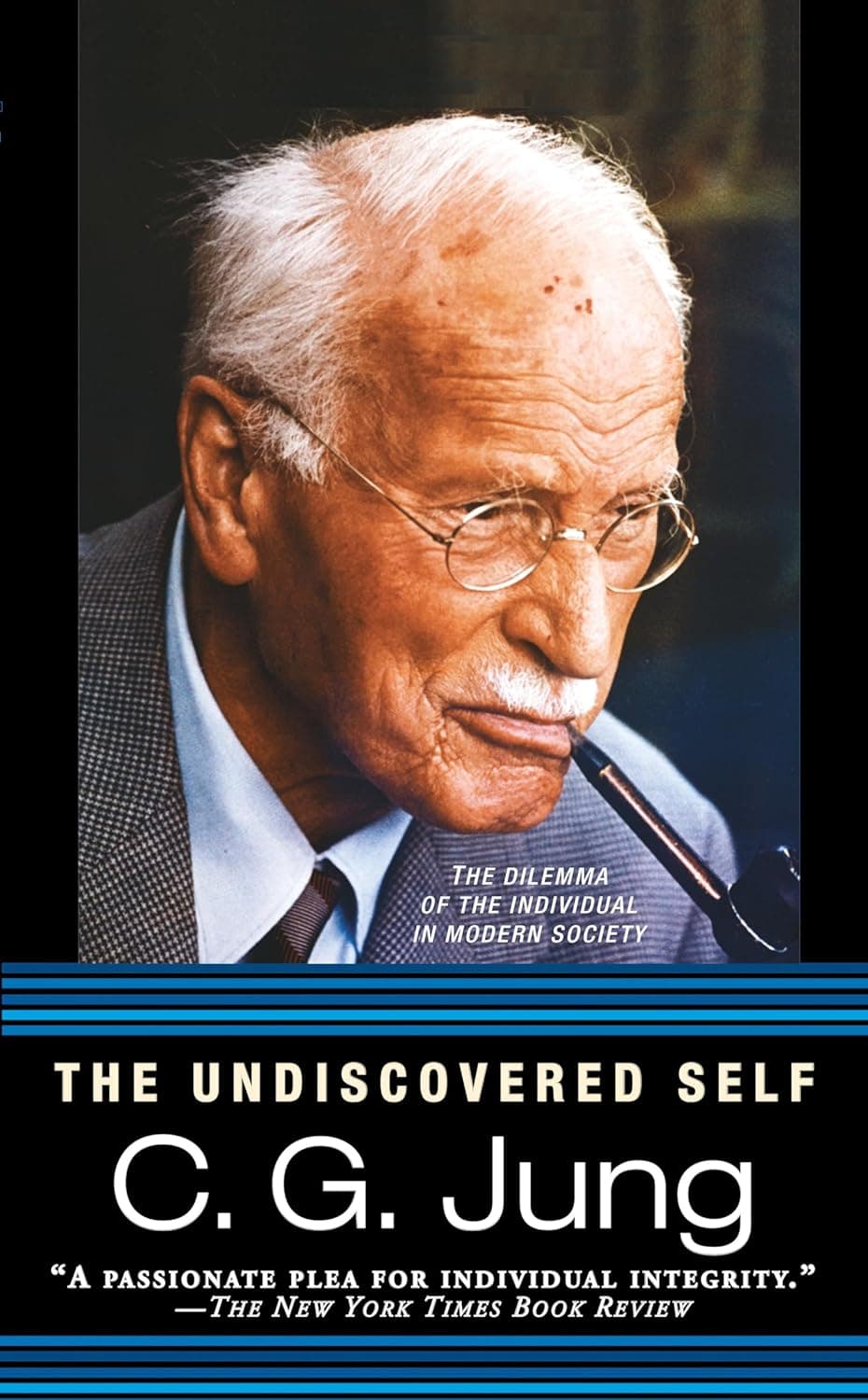
by Carl G. Jung, 1957
A short, urgent essay in which Jung warns against mass-mindedness and argues for the importance of individual self-knowledge in an age of conformity.
Get this book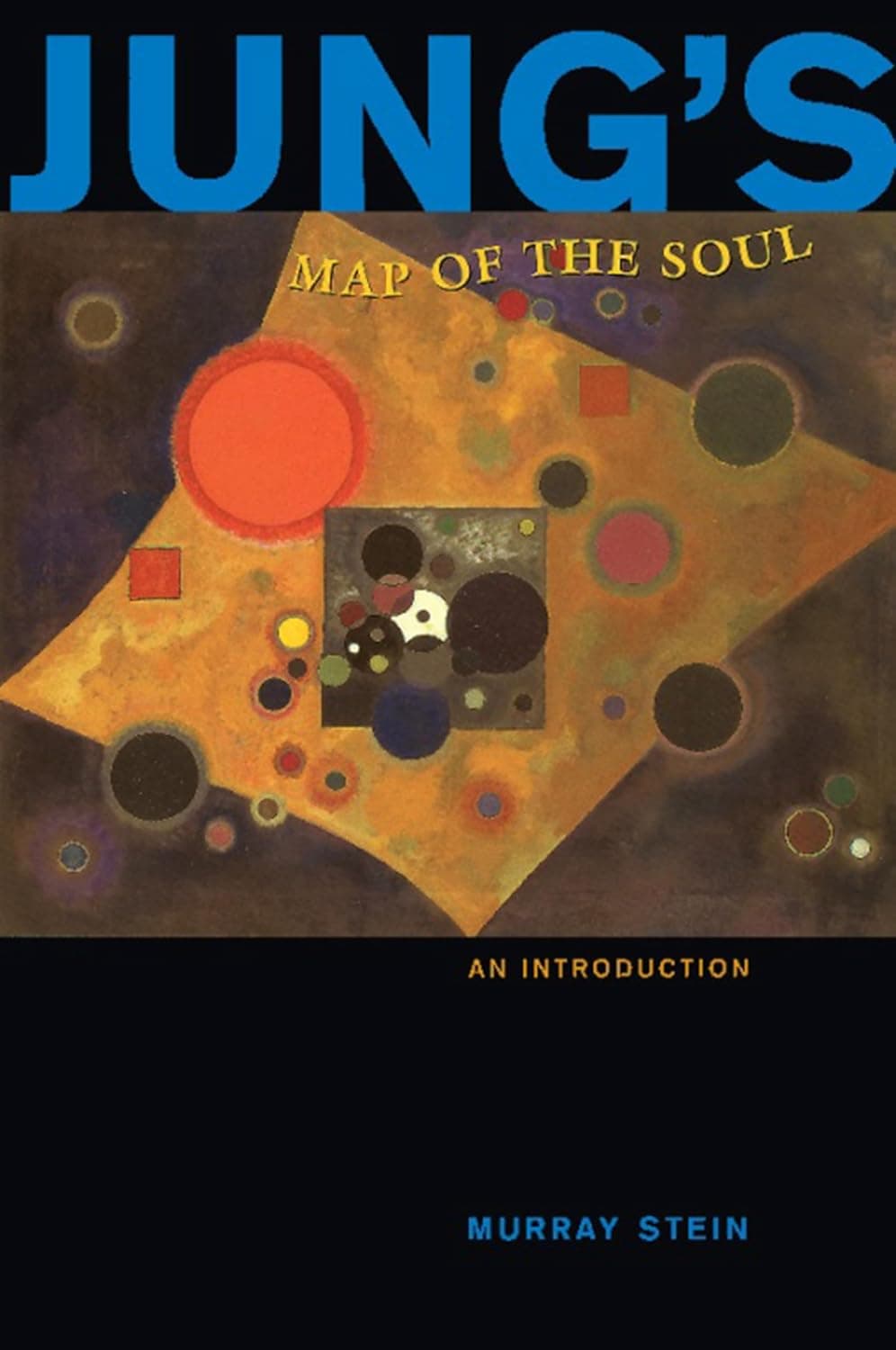
by Murray Stein, 1998
A concise and readable overview of Jung's key concepts, including the ego, shadow, anima/animus, and the process of individuation.
Get this book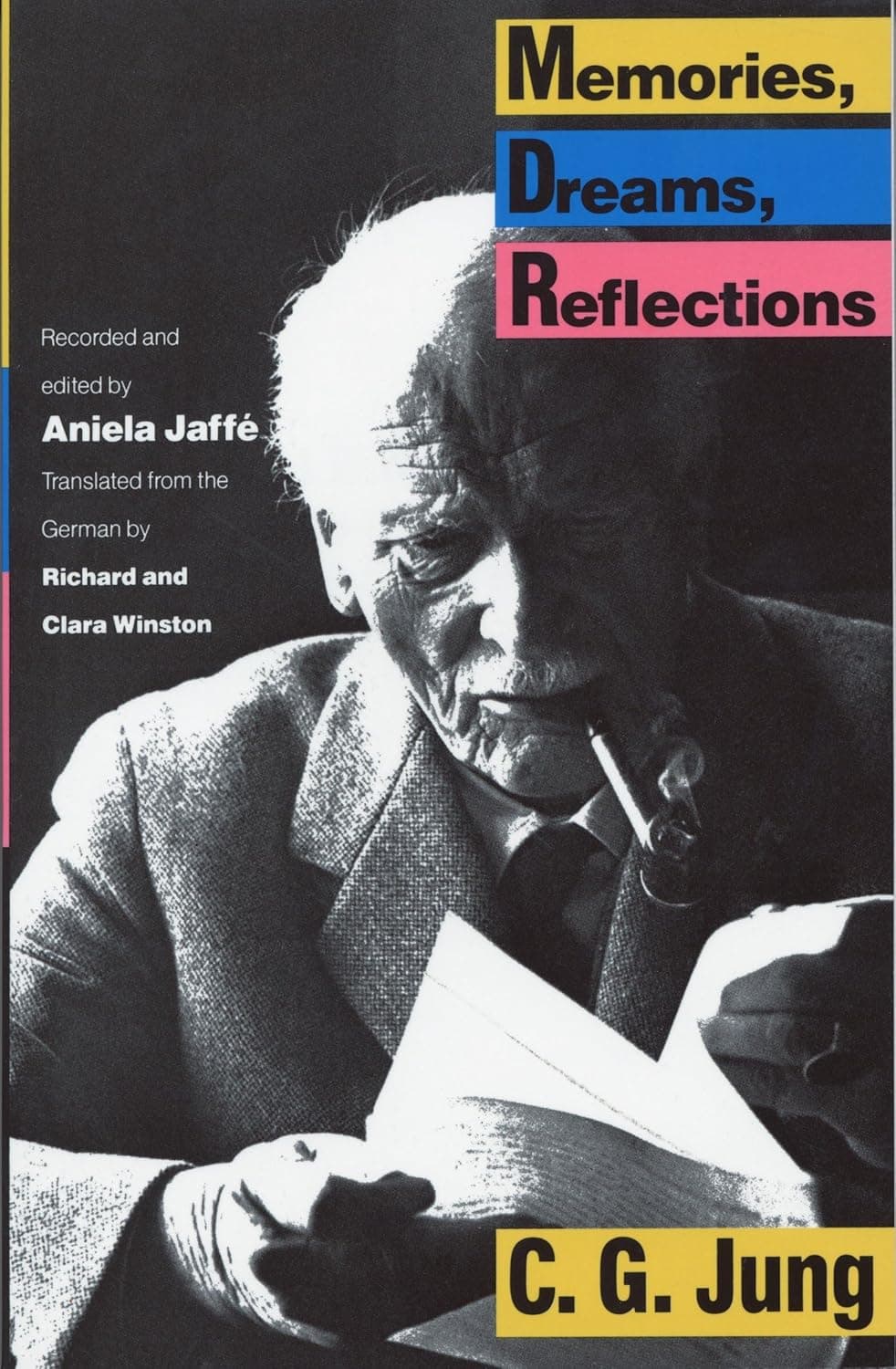
by Carl G. Jung, 1961
Jung's autobiographical account of his intellectual and spiritual journey, offering intimate insight into the man behind analytical psychology.
Get this book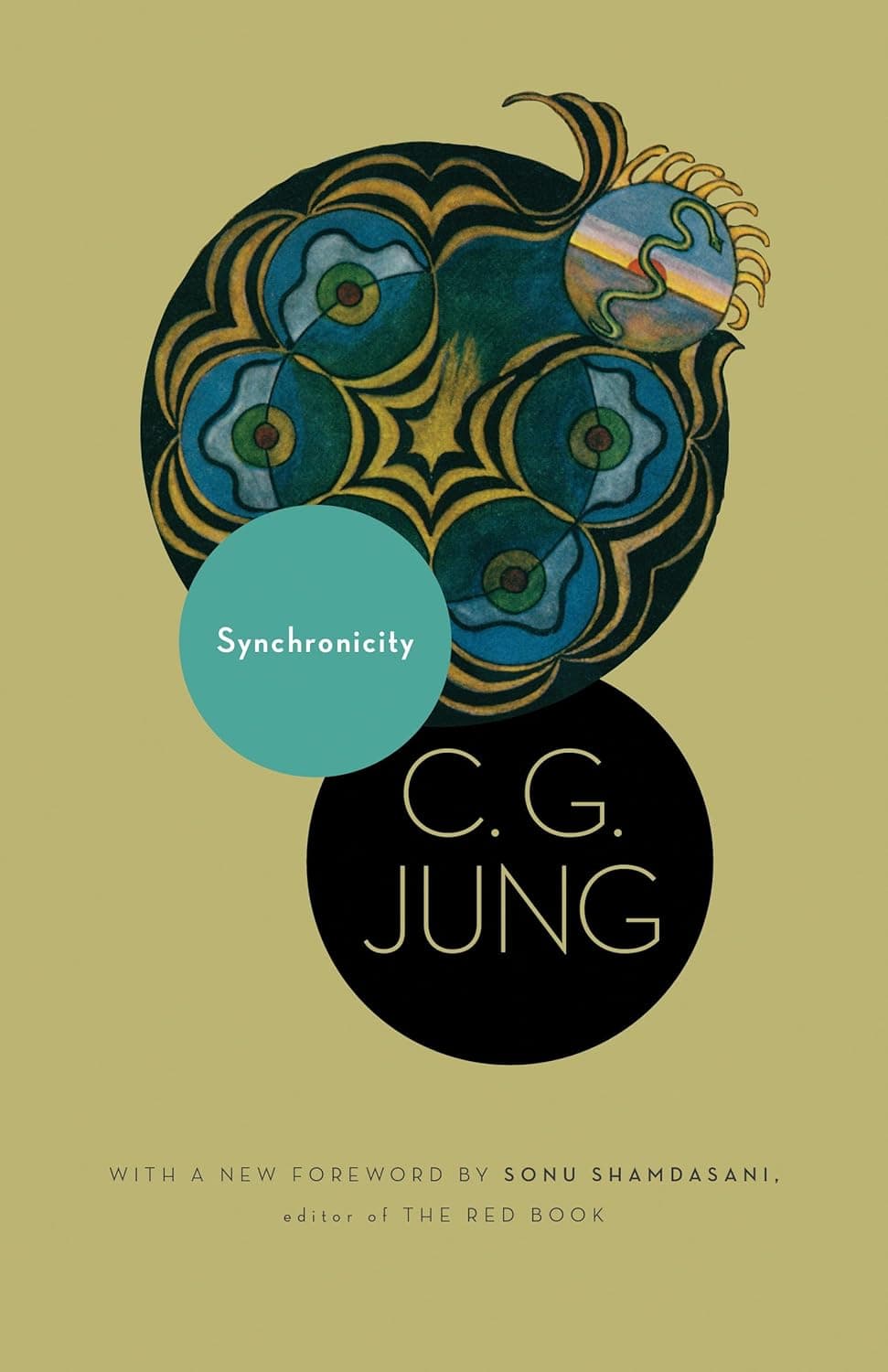
by Carl G. Jung, 1960
Jung's exploration of meaningful coincidences that cannot be explained by cause and effect, proposing an acausal connecting principle in the universe.
Get this book
by Carl G. Jung, 1921
Jung's systematic classification of personality types, introducing the concepts of introversion, extraversion, and the four psychological functions.
Get this book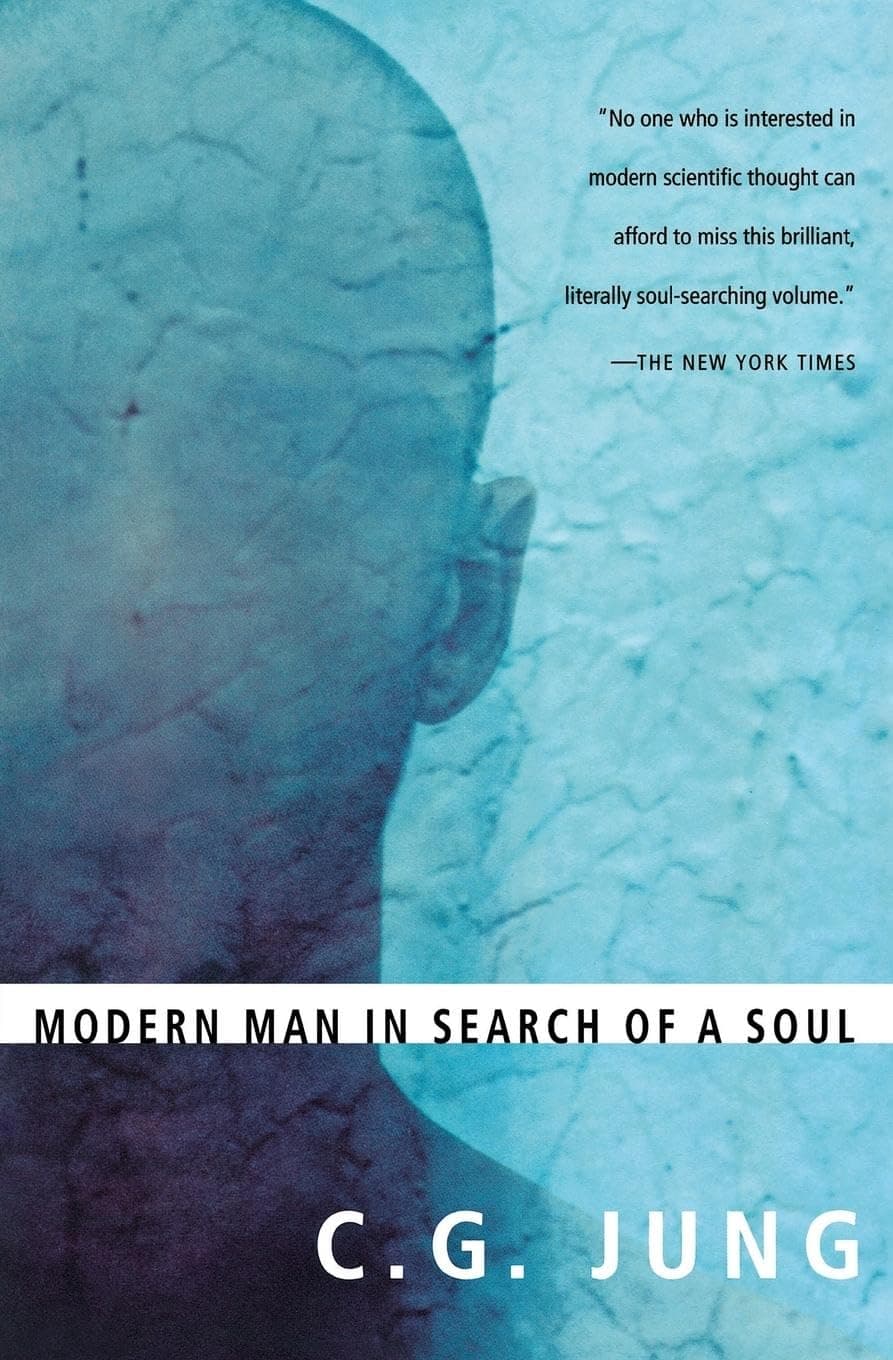
by Carl G. Jung, 1933
A collection of Jung's essays on dreams, the stages of life, and the relationship between psychology and religion in the modern world.
Get this book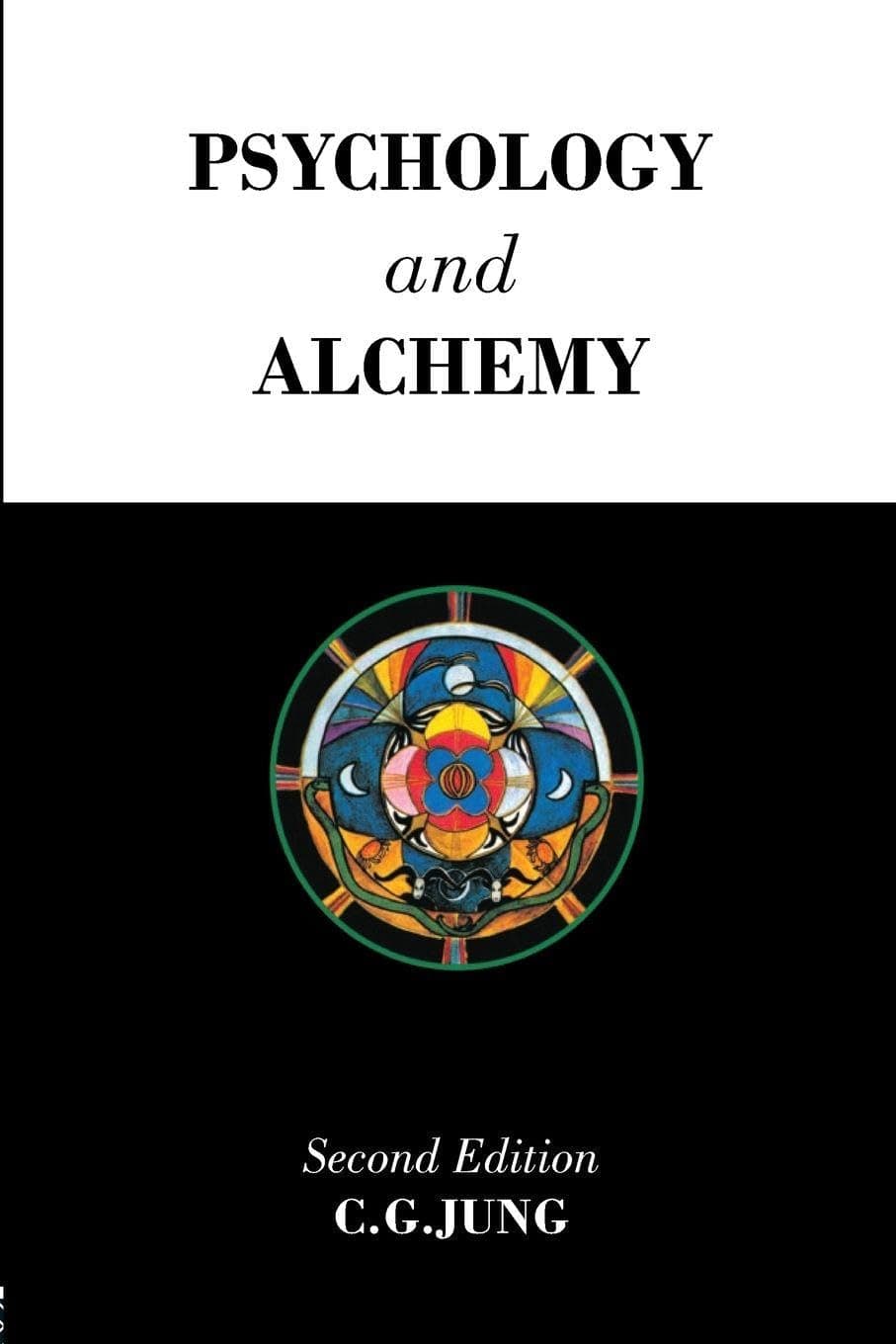
by Carl G. Jung, 1944
Jung's fascinating study connecting medieval alchemy to the process of psychological individuation, revealing how alchemical symbols mirror the transformation of the self.
Get this book
by Carl G. Jung, 1959
Jung's central theoretical work defining the archetypes and the collective unconscious, foundational to understanding his model of the psyche.
Get this book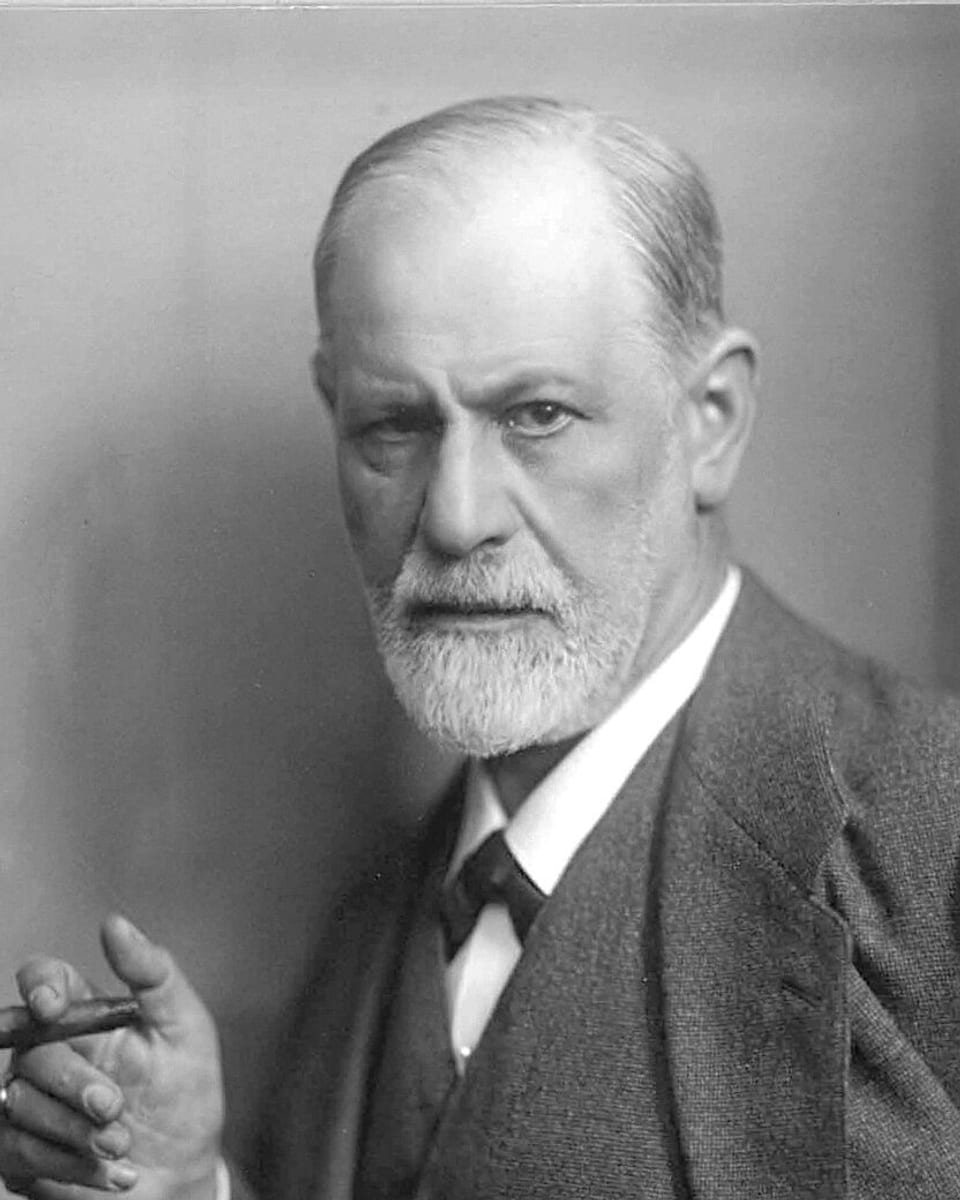
1856–1939
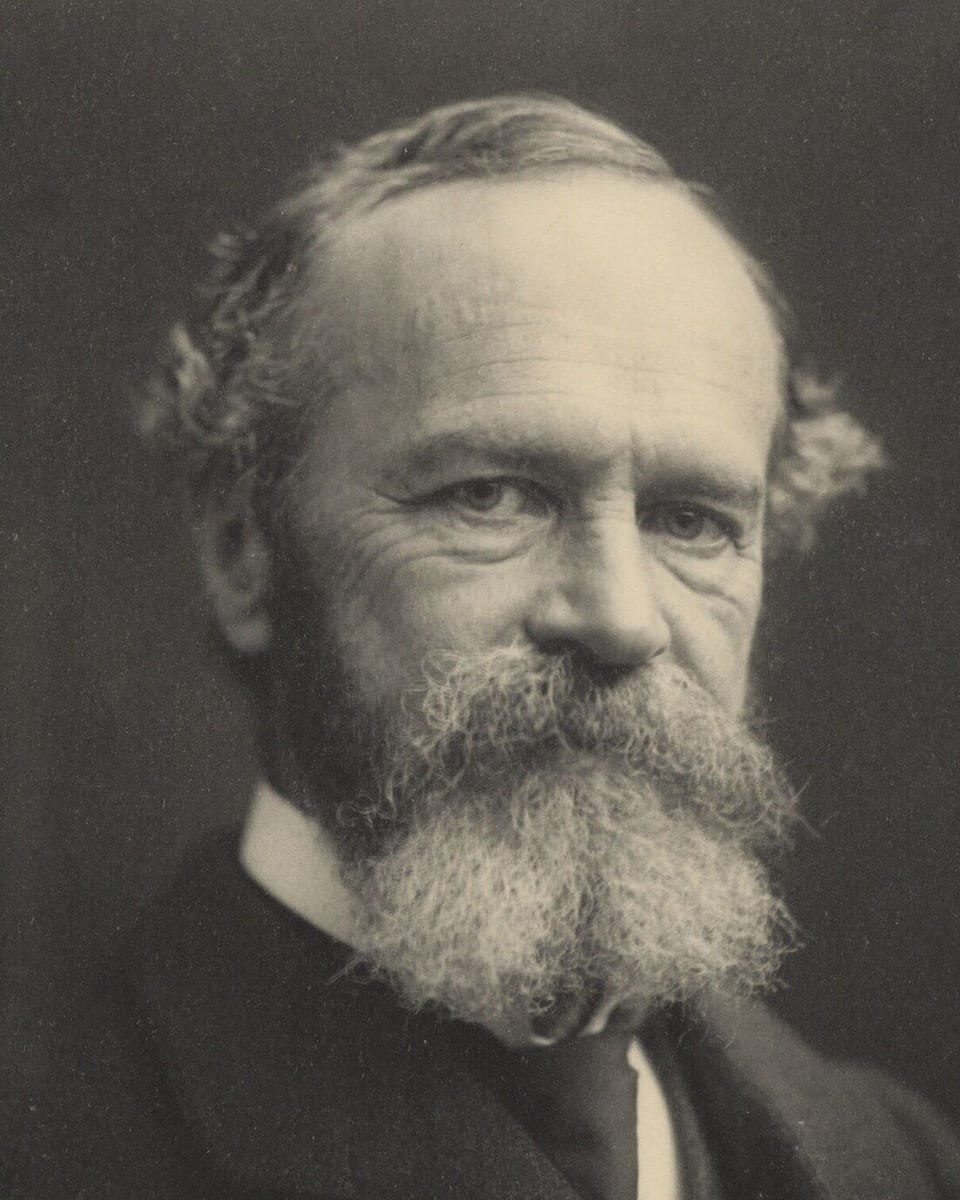
1842–1910
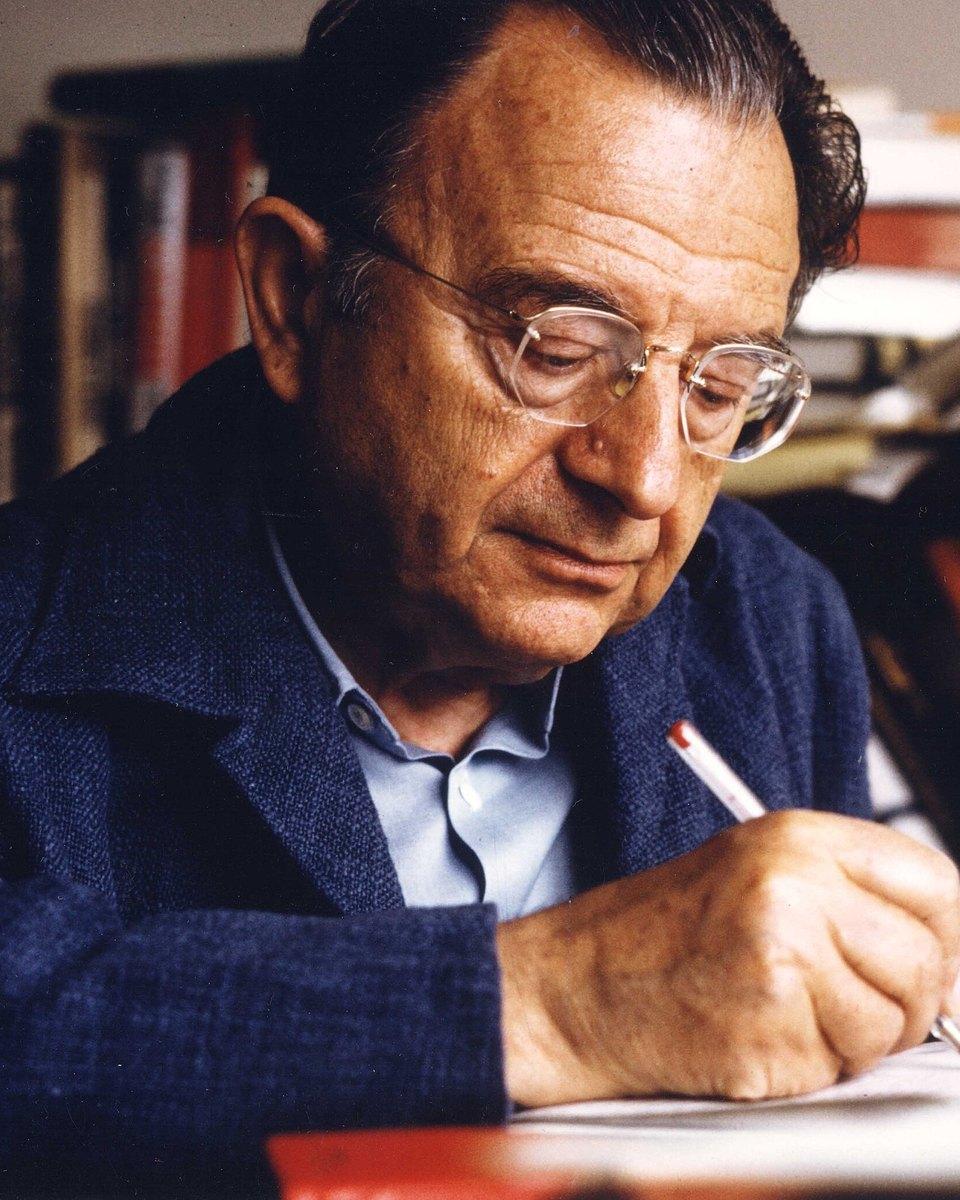
1900–1980

1924–1974
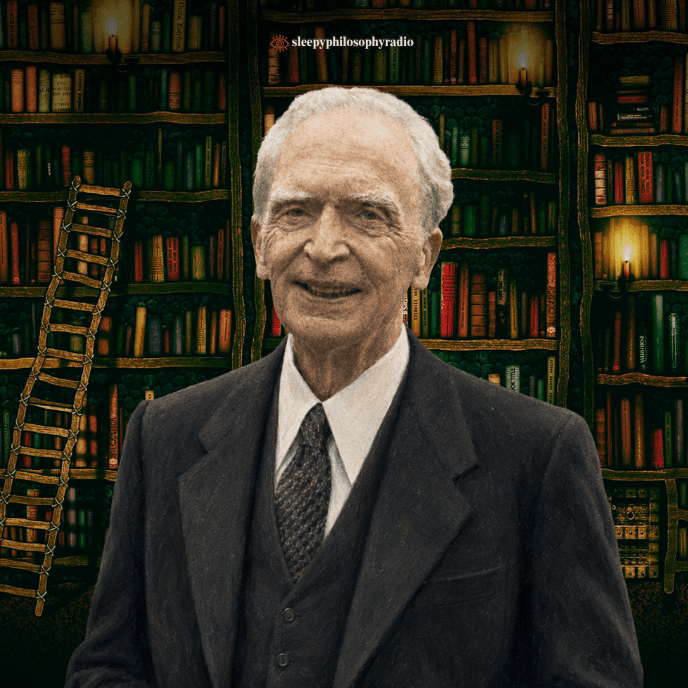
1898–1981