Islamic Philosophy

2 episodes

Islamic philosophy represents a rich tradition of inquiry spanning logic, metaphysics, ethics, and mysticism. Thinkers like al-Ghazali bridged reason and revelation, producing works that shaped both Eastern and Western intellectual history.

Episodes

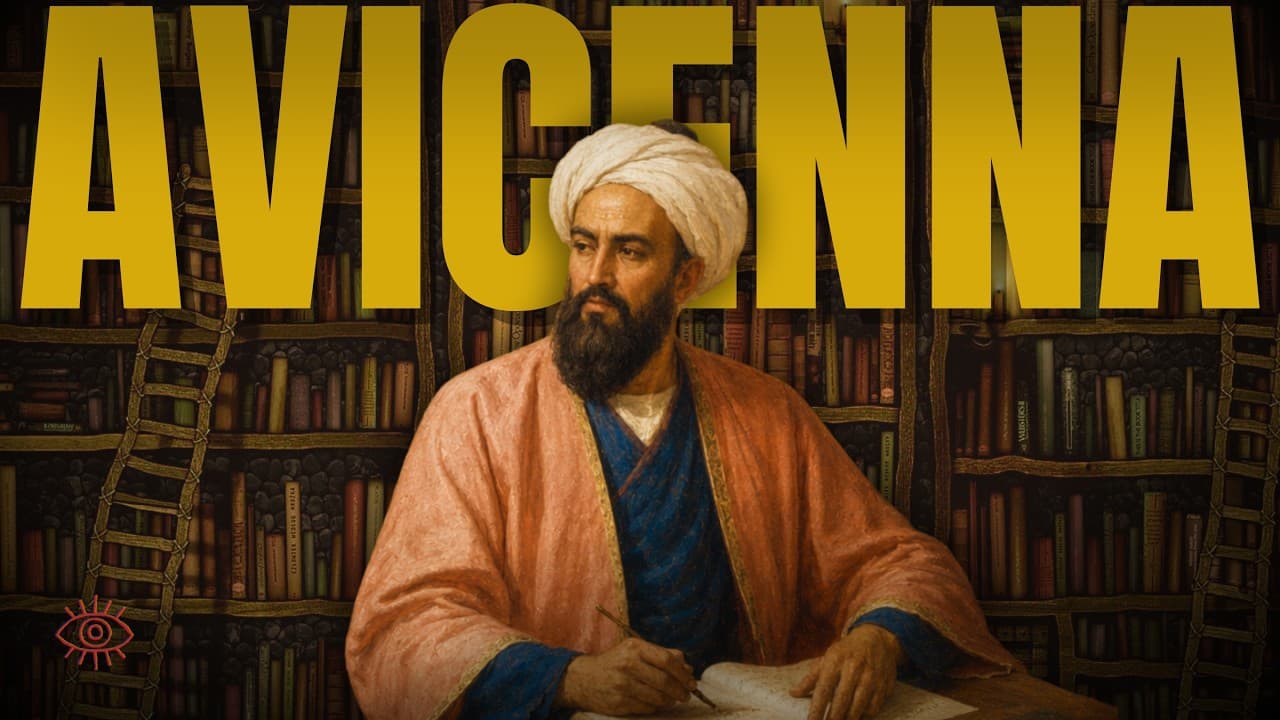
The Philosopher Who United Greek Thought and Islam | Avicenna for Sleep
Islamic Philosophy2:55:18

The Philosopher Who United Greek Thought and Islam | Avicenna for Sleep

Avicenna's Complete Philosophy

How did a physician writing by lamplight in a mountain fortress come to shape five centuries of world philosophy? The philosopher who called himself Avicenna was born in nine hundred and eighty near Bukhara, memorized the Quran at ten, read Aristotle's Metaphysics forty times, and then built a philosophical system so comprehensive that it became, in two separate civilizations, the foundation on which later thought was constructed. This episode traces his life from the Samanid libraries of his childhood through the courts and prisons of his middle years to the final synthesis he achieved in Isfahan. We work through his great philosophical encyclopedia, his proof that a necessary being must exist, his famous thought experiment about a soul floating in empty space with no sensory contact of any kind, his account of the inner faculties of the mind, his theory of how prophetic knowledge works, and the three allegorical works that say what the philosophy cannot quite say in argument. We follow his ideas into the Latin West, where Thomas Aquinas read and transformed them, and through the Islamic tradition, where Suhrawardi and Mulla Sadra built new philosophies on his foundations. One of the great minds of any civilization, examined at full length. The full episode is on YouTube and Spotify. Please listen only in safe, restful contexts.
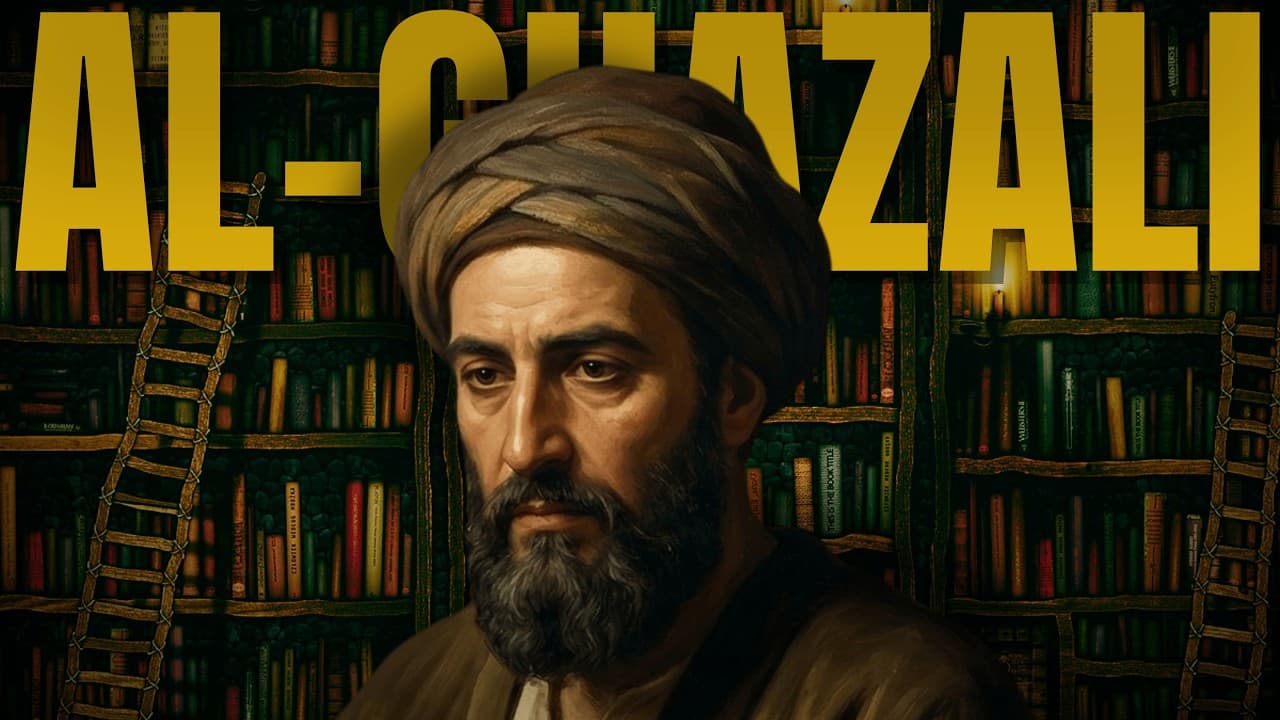
Can Reason Lead Us to God? | Al-Ghazali for Sleep
Islamic Philosophy2:37:52

Can Reason Lead Us to God? | Al-Ghazali for Sleep

Al-Ghazali's Search for Certainty

Al-Ghazali held the most prestigious teaching position in the Islamic world when, in 1095, his voice failed him and his body rejected food. Having mastered theology, law, and philosophy, he confronted a devastating question: did he actually know anything, or had he spent his life performing knowledge for the sake of fame? This three-hour exploration follows his journey from orphan in Persia to the summit of medieval Baghdad, through his systematic dismantling of the rationalist tradition in The Incoherence of the Philosophers, his complete psychological collapse, and eleven years of wandering through Damascus, Jerusalem, and Mecca as a humble seeker. His critique of causality anticipated David Hume by six centuries, and his Revival of the Religious Sciences transformed how millions practice their faith. Al-Ghazali asked whether reason alone could lead to truth, and his answer changed two civilizations. The full episode is on YouTube and Spotify. Please listen only in safe, restful contexts.

Philosophers

More Topics