
Thomas Ligotti
Best of All Is Never to Be Born | Antinatalism for Sleep
On David Benatar, Schopenhauer & 5 more
The oldest, strangest verdict in philosophy, that it might be better never to have been born.

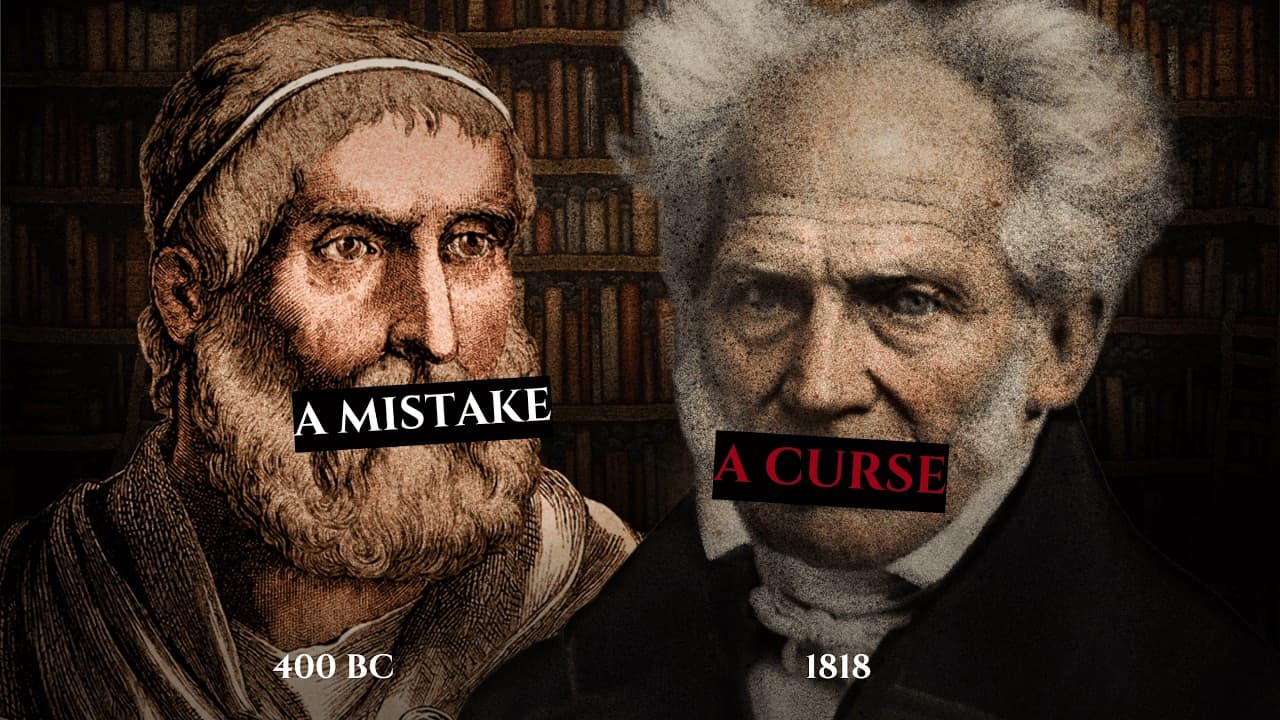
Portrait: an illustration by Sleepy Philosophy Radio.
Thomas Ligotti turned horror fiction into philosophical argument. His weird tales and his treatise The Conspiracy Against the Human Race carry forward a long pessimist tradition running from Schopenhauer through Zapffe, asking whether consciousness itself might be the worst thing that ever happened to our species.
2 episodes 5 books
On David Benatar, Schopenhauer & 5 more
The oldest, strangest verdict in philosophy, that it might be better never to have been born.
On Thomas Ligotti, Schopenhauer & 1 more
24 chapters · 8 sources
Thomas Ligotti wrote horror fiction as philosophical argument, producing the most uncompromising pessimist literature of the last century.
Play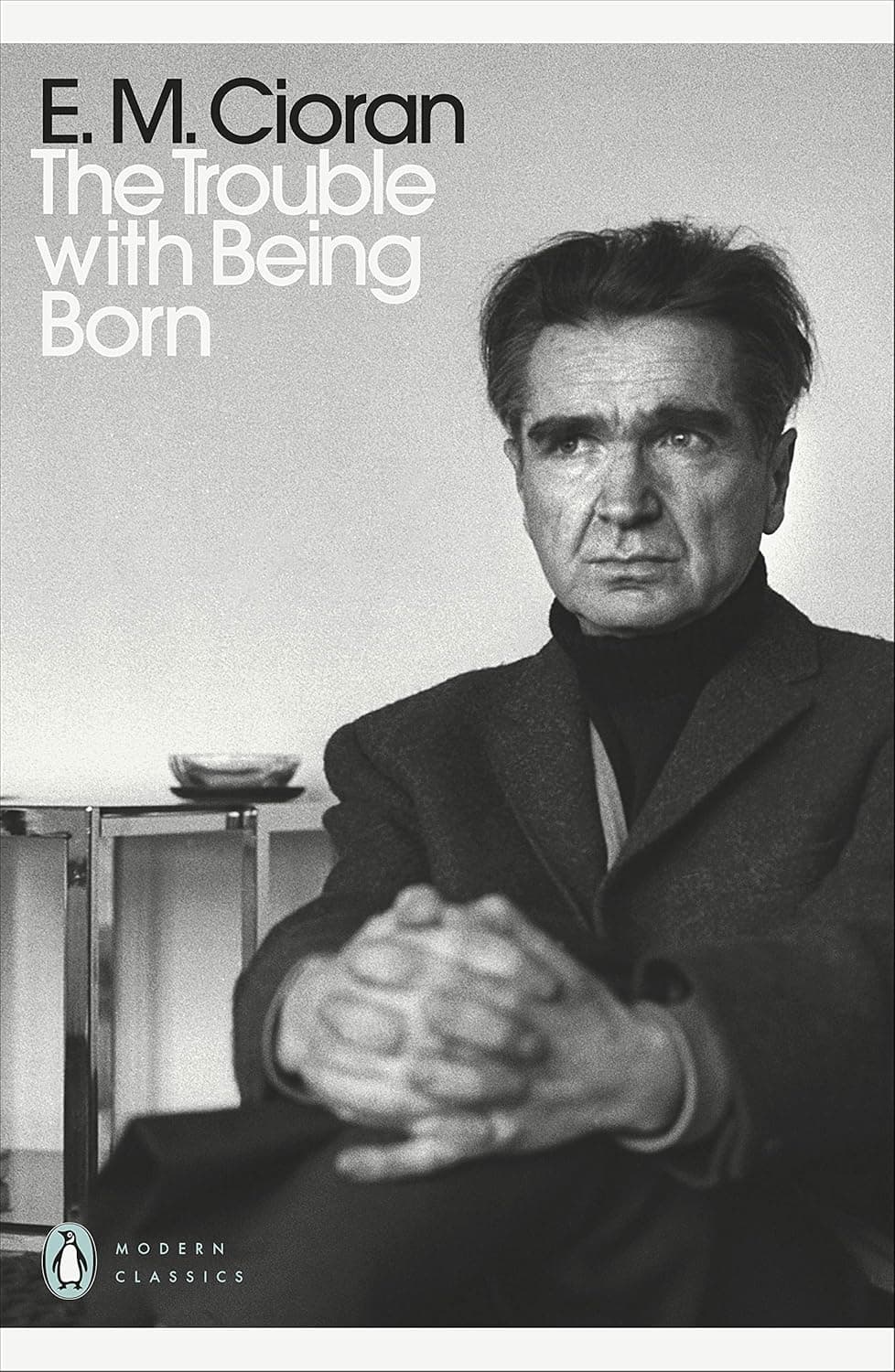
by Emil Cioran, 1973
A book of aphorisms on the catastrophe of having been born. Cioran's most cited work: a sequence of brief, polished, devastating sentences against existence.
Get this book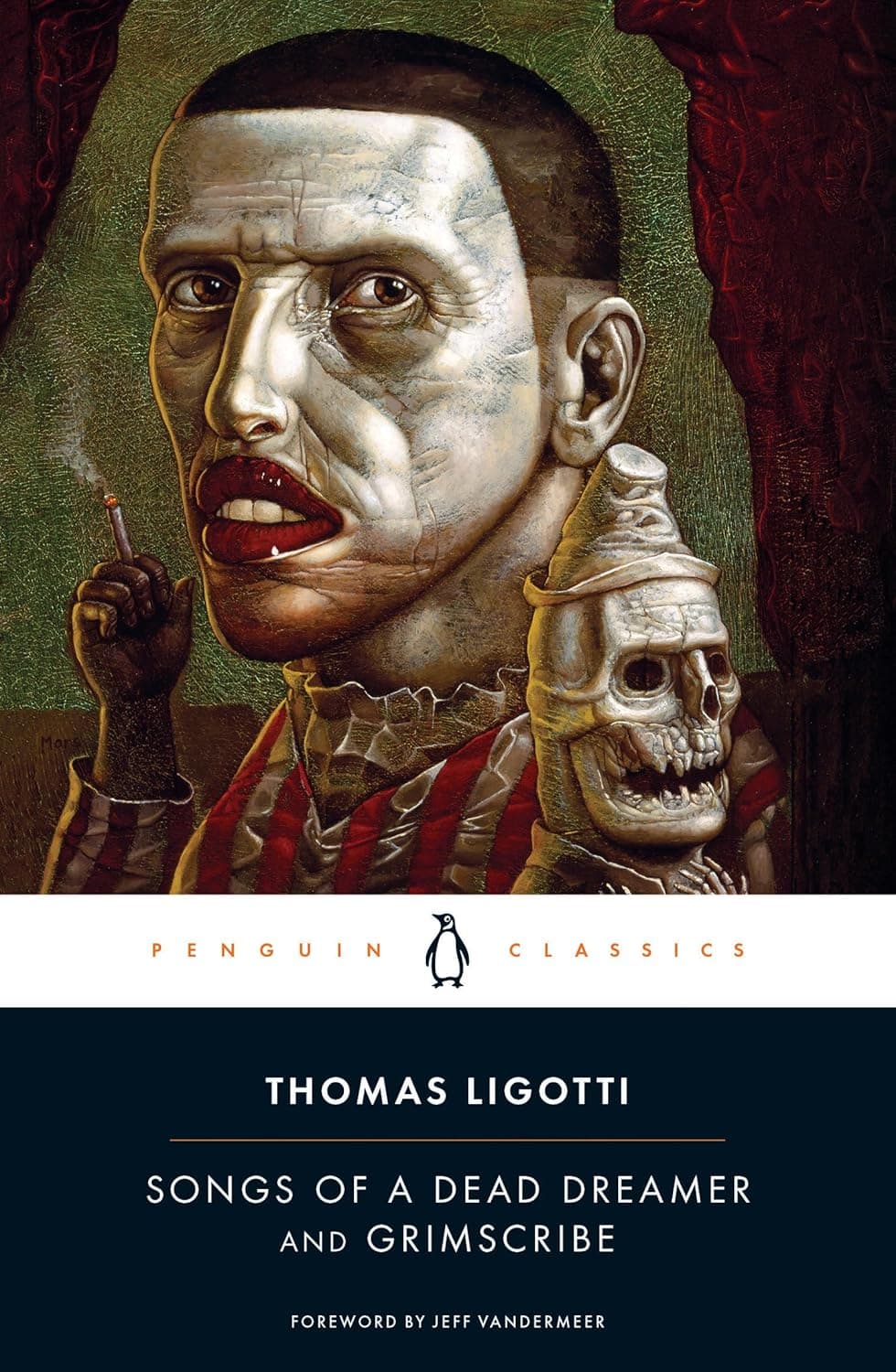
by Thomas Ligotti, 1985
Two early collections that announced Ligotti as the heir to Lovecraft and a new master of philosophical horror. The stories are quiet, careful, and uncompromising in their vision of the world as a malignant illusion.
Get this book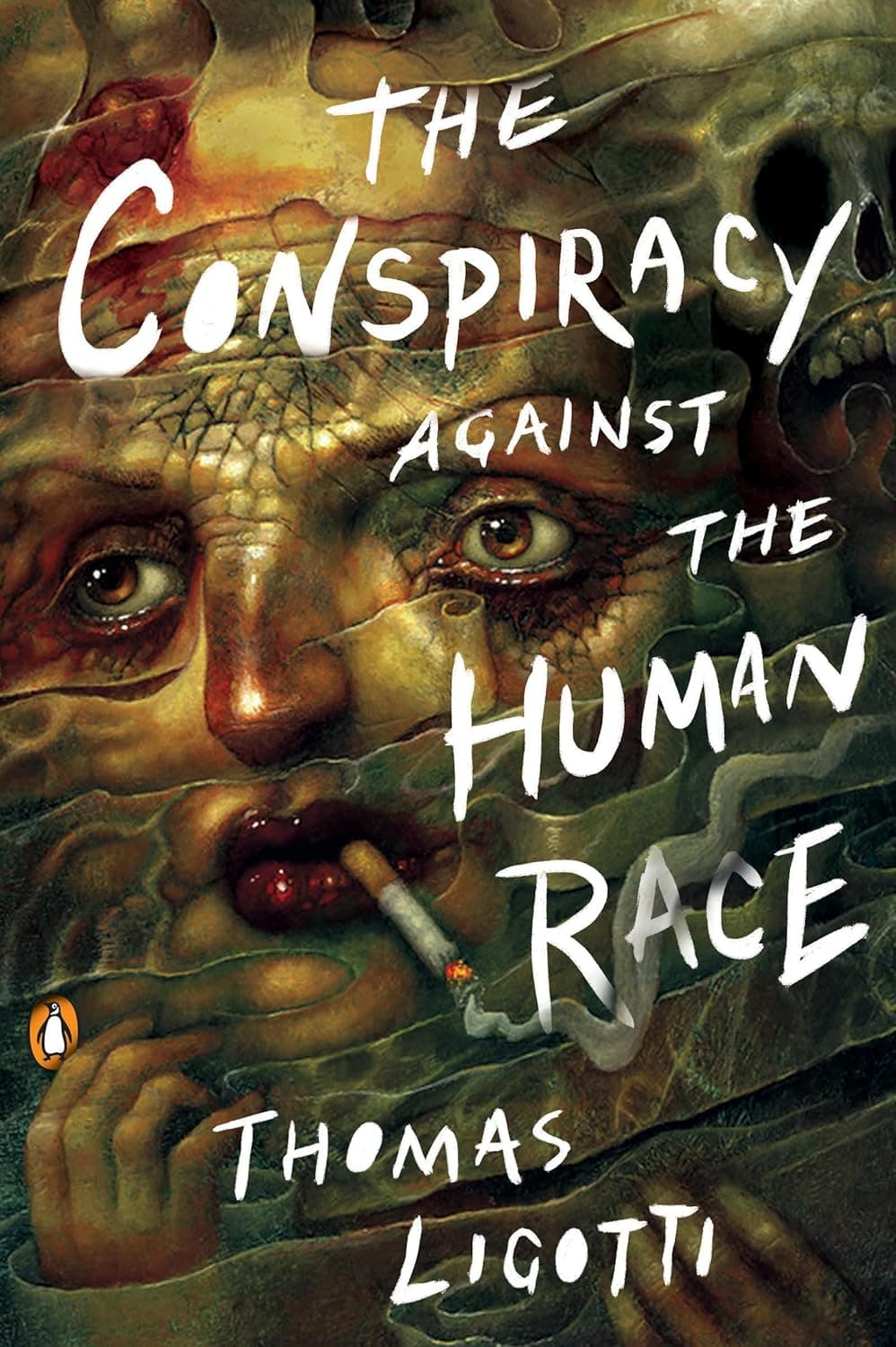
by Thomas Ligotti, 2010
Ligotti's philosophical treatise on the horror of being alive, drawing on pessimists from Schopenhauer to Zapffe. A relentless meditation on consciousness as a curse, written by the greatest living author of weird fiction.
Get this book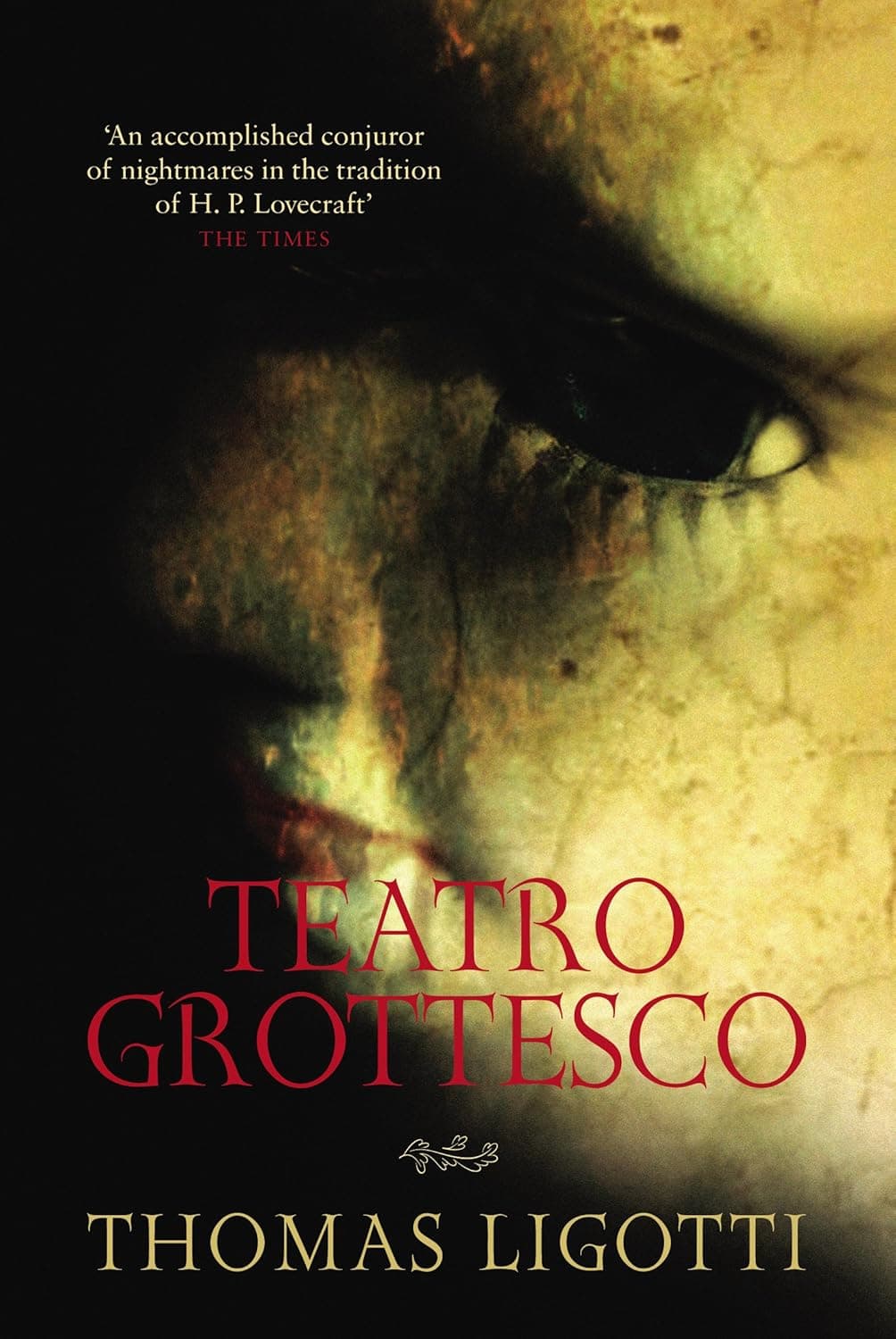
by Thomas Ligotti, 2008
Mature Ligotti at his bleakest. Tales of decayed industrial towns, malignantly useless factories, and lives whose only meaning is the recognition of their own meaninglessness.
Get this book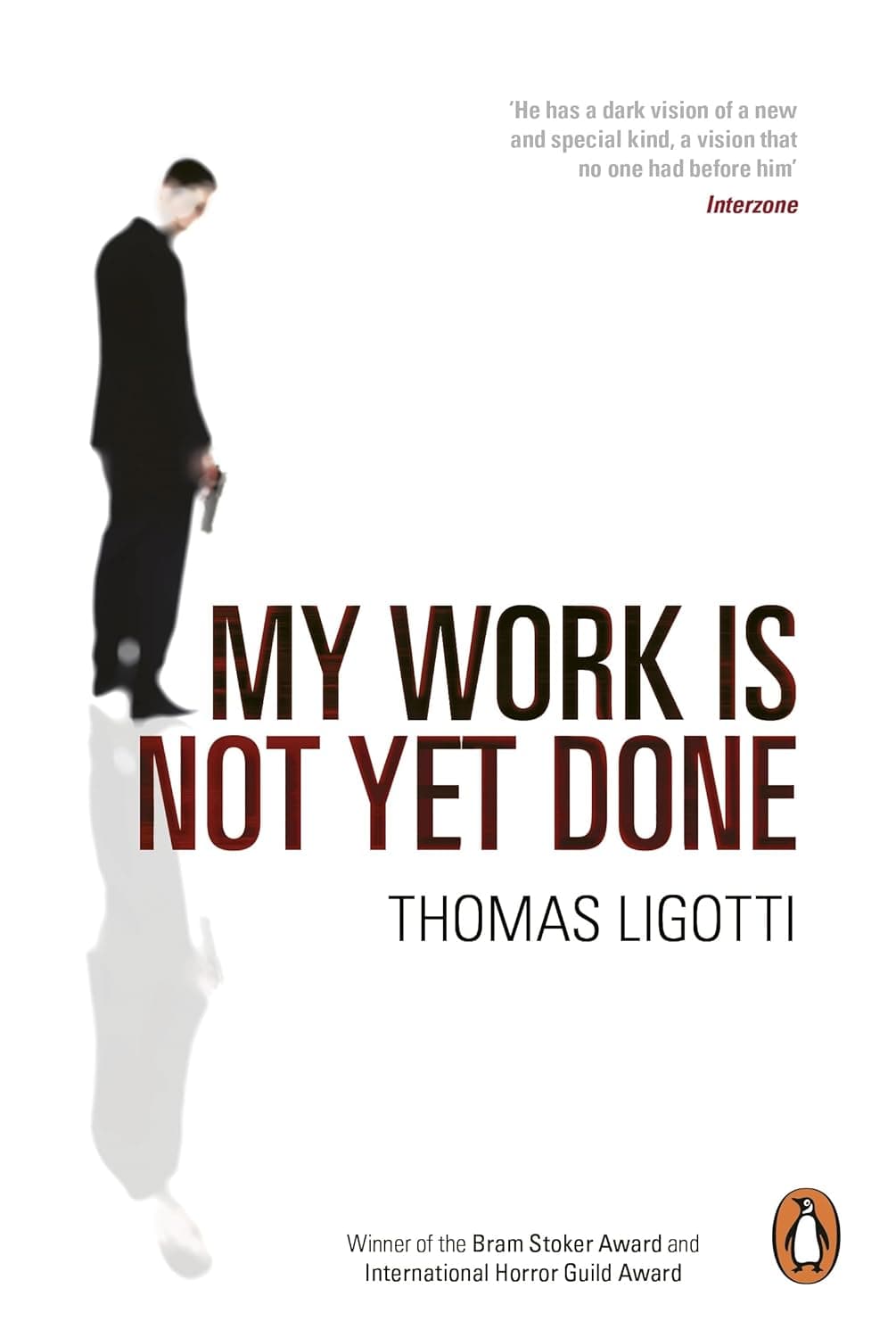
by Thomas Ligotti, 2002
Three tales of corporate horror. The title novella, about a man pushed out of his job who discovers something stranger than revenge, is Ligotti's most accessible entry point.
Get this book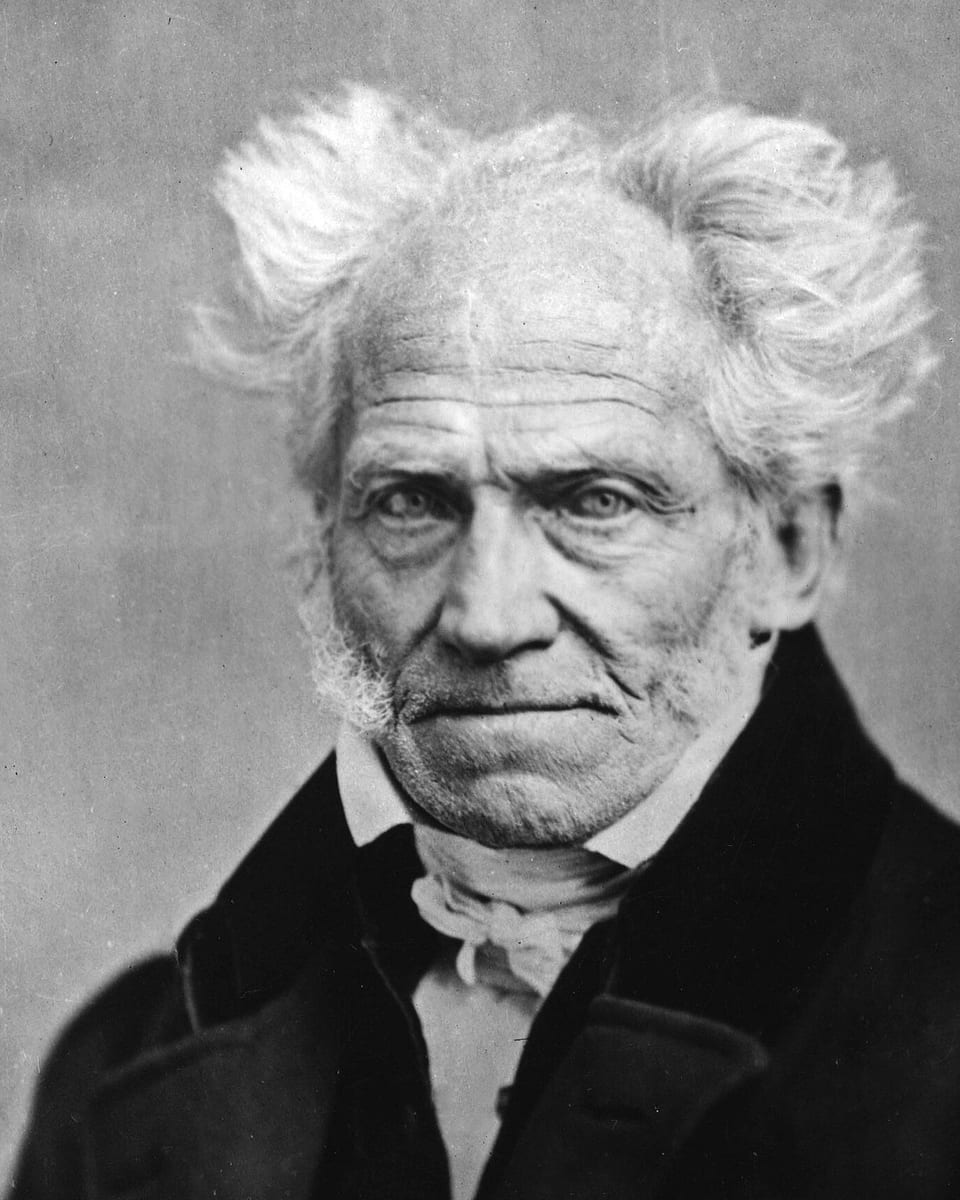
1788–1860
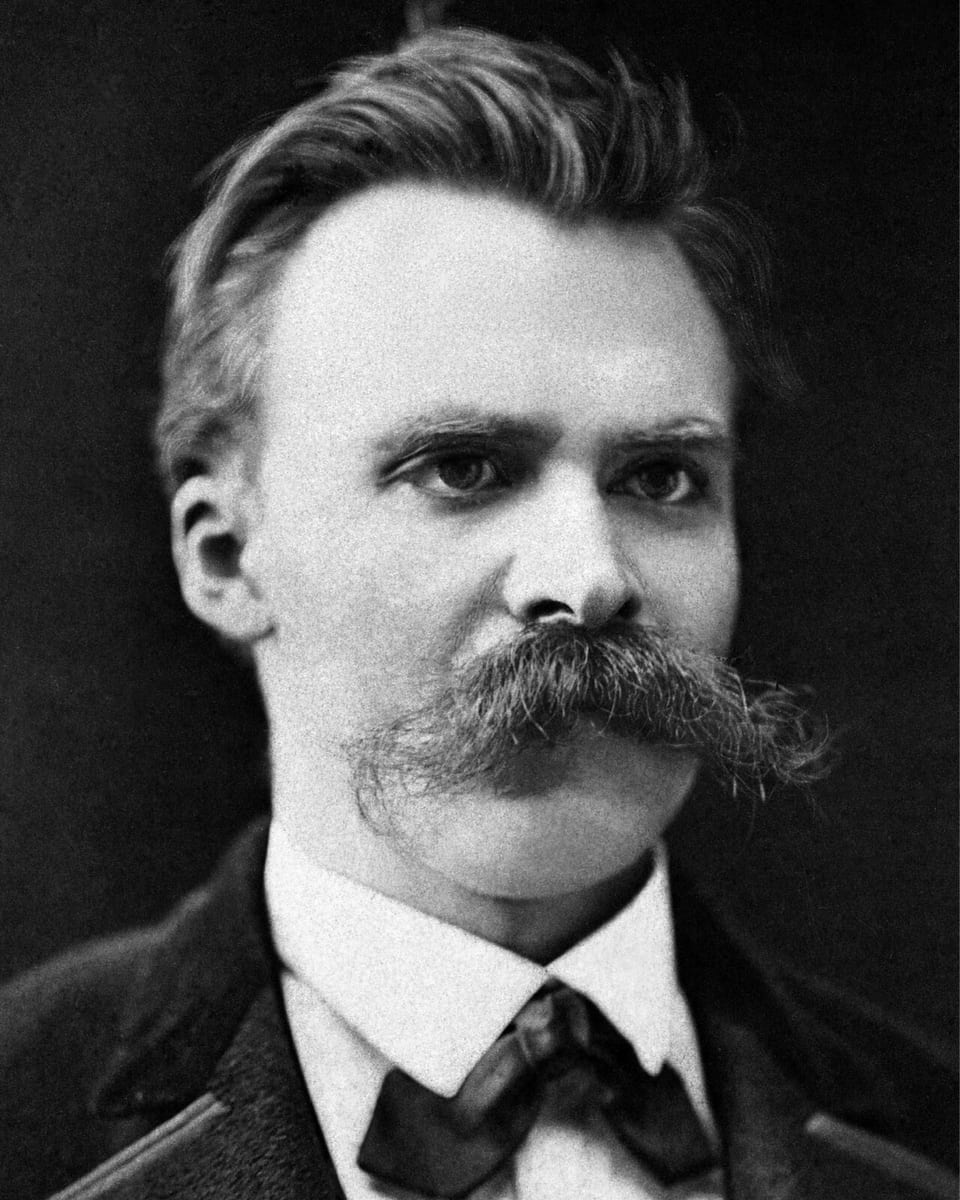
1844–1900
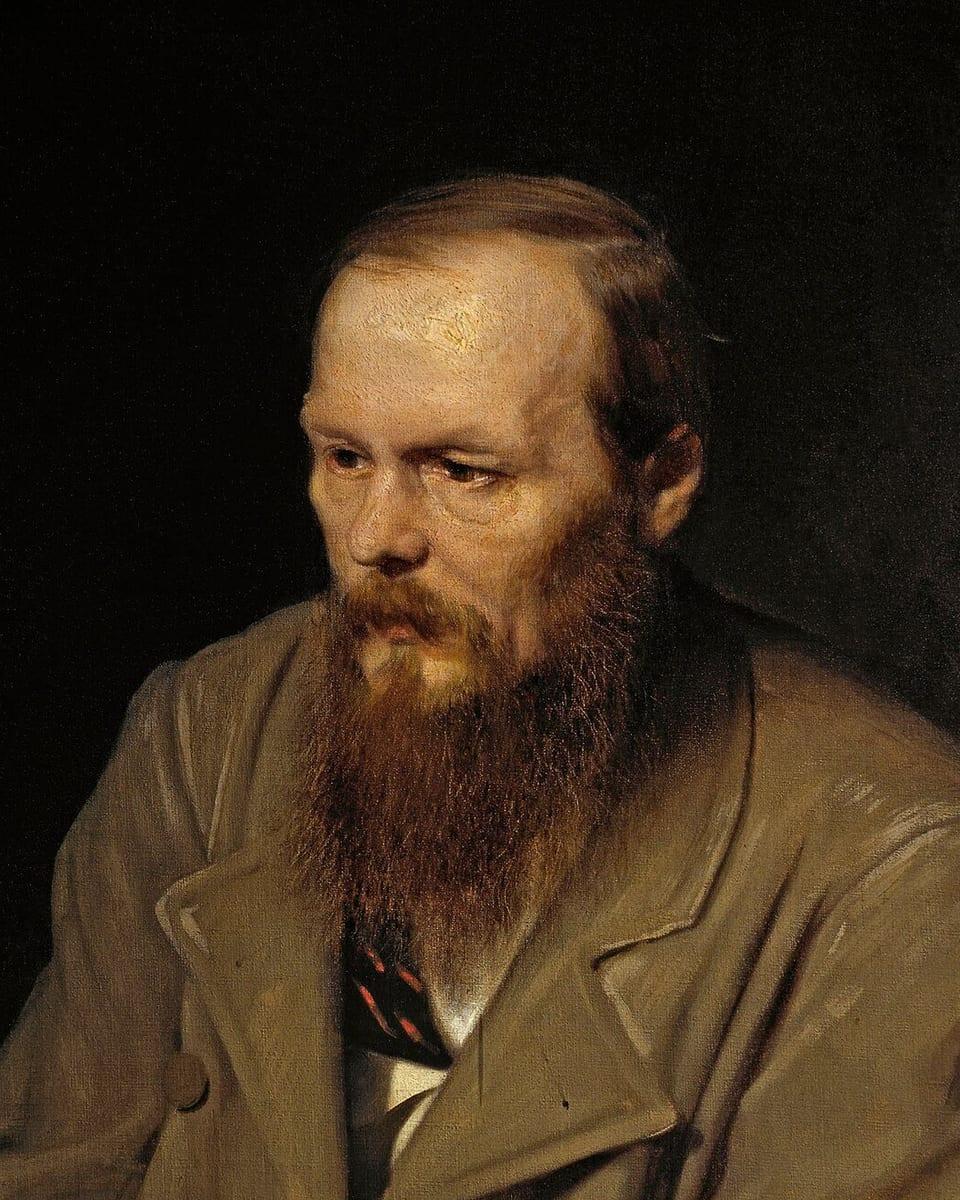
1821–1881
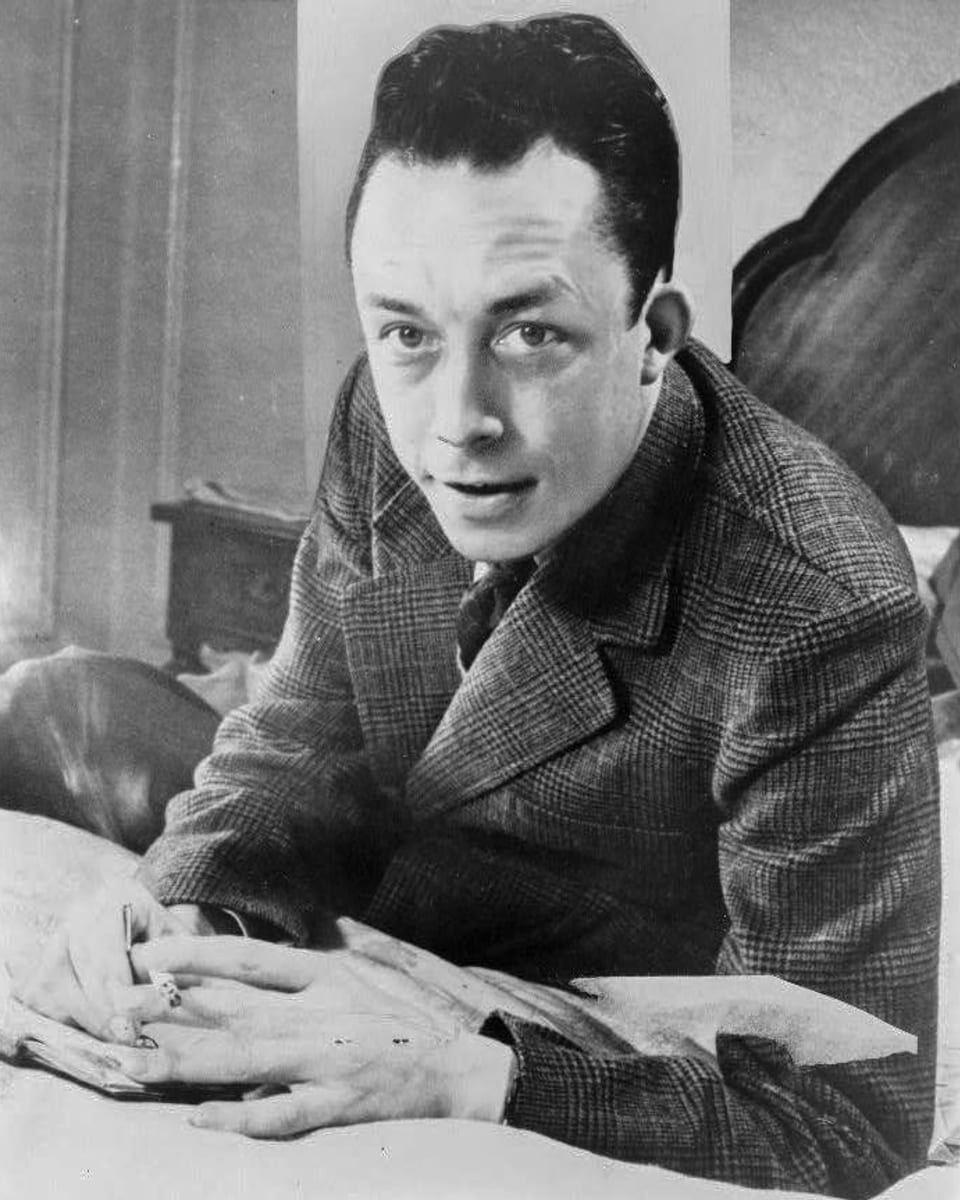
1913–1960

1905–1980

1813–1855