Schopenhauer

Arthur Schopenhauer saw the world as driven by a blind, irrational will. His pessimistic philosophy, influenced by Eastern thought, offers a profound meditation on suffering, art, and compassion.

Episodes

The Darkest Philosopher Who Ever Lived | Philipp Mainländer
Existentialism2:08:14

The Darkest Philosopher Who Ever Lived | Philipp Mainländer

Before the world began, he argued, God chose not to exist, and shattered into the universe in order to die. In a rented room by a German river, a mild and dutiful bank clerk finished the strangest book of his century, and then quietly ended his own life. This episode follows Philipp Mainländer, the poet and philosopher who took Schopenhauer's darkness further than anyone had dared. We trace his single great work, The Philosophy of Redemption, the strange drive he found beneath all life, the calm he took from a running-down cosmos, and the rescue he promised, which is simply rest and nothing more. Along the way we meet his gentle serenity, his quarrel across time with Nietzsche, and the uncanny way modern science has come to echo his cooling universe. It is a patient walk to the far edge of pessimism, and gently back. The full episode is on YouTube and Spotify. Please listen only in safe, restful contexts.
Is Life Worth Living? | Nietzsche vs Schopenhauer | Philosophy for Sleep
Existentialism2:17:36

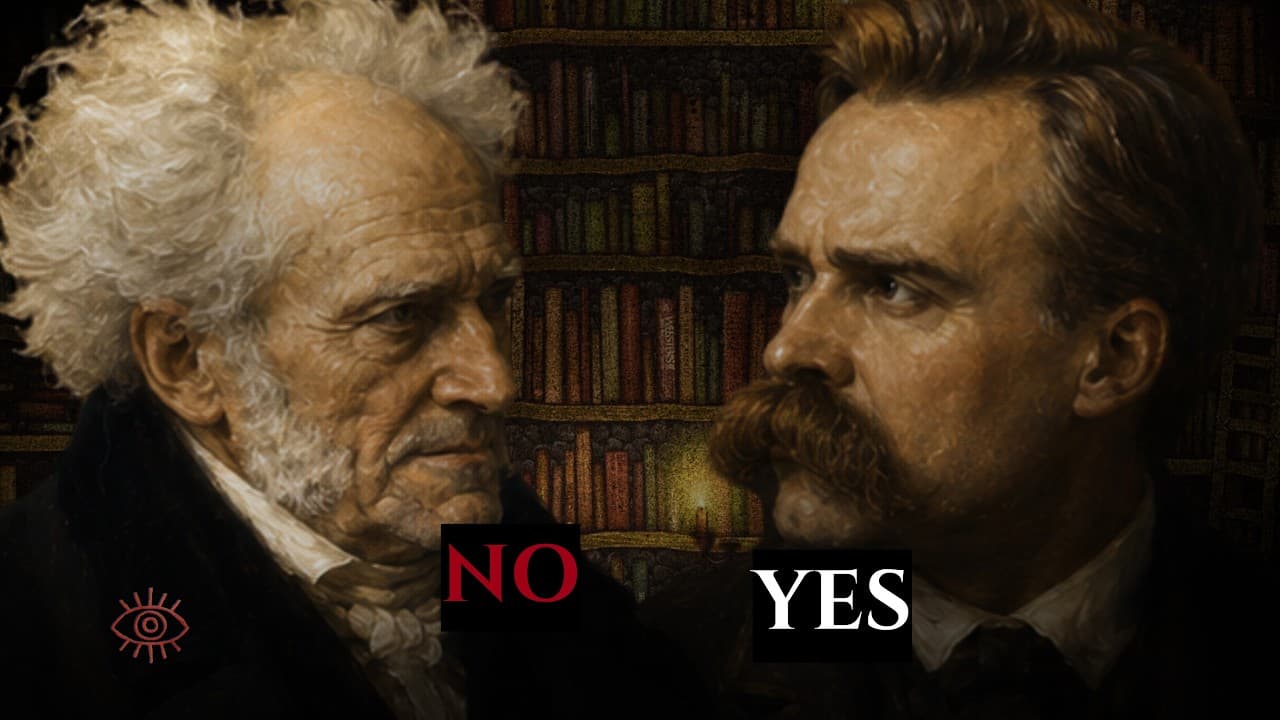
Is Life Worth Living? | Nietzsche vs Schopenhauer | Philosophy for Sleep

One of them concluded that the only wise response to life is to want less of it. The other spent his life arguing for wanting all of it back, forever, exactly as it was. As a lonely student, Friedrich Nietzsche found a dead philosopher's book on a bookshop table and fell under a spell that would shape everything he became. This episode follows the long, strange bond between Nietzsche and his first master, Arthur Schopenhauer, from devotion to open war. We meet the bitter, solitary Schopenhauer and his vision of a blind striving world where life is suffering. We watch the young Nietzsche pour that vision into his first book, then slowly turn against it, until he answers the darkest case ever made against existence with the wildest possible affirmation of it. Along the way we trace the will, pity, the death of the hidden true world, and the thought that measures whether a life could be loved enough to live again. The full episode is on YouTube and Spotify. Please listen only in safe, restful contexts.
The Vanity of Existence | A Quiet Reading of Schopenhauer's Studies in Pessimism
Metaphysics1:02:00

The Vanity of Existence | A Quiet Reading of Schopenhauer's Studies in Pessimism

The clearest pessimist in philosophy on suffering, time, death, and the strange consolation of expecting nothing. Studies in Pessimism gathers the darkest and most readable essays of Arthur Schopenhauer, selected from the late miscellany that finally made him famous and translated into English by T. Bailey Saunders. This reading moves through the whole of it in the book's own order. It opens with the great case for pessimism, that suffering is positive and happiness only the absence of pain, and descends through the emptiness of time, the question of suicide, and a strange dialogue in which a frightened man is told what he will be after death. It passes through sharp observations on human nature and three essays that turn the same cold eye on education, on women, and on noise, before closing with a famous parable of porcupines and the long afterlife of a book that refuses every comfort. The full episode is on YouTube and Spotify. Please listen only in safe, restful contexts.
When Life Suddenly Feels Meaningless | The Existential Crisis
Existentialism3:26:48

When Life Suddenly Feels Meaningless | The Existential Crisis

Why do people who have everything still wake at three in the morning certain that none of it means anything? This is a long, unhurried history of the moment the floor of ordinary life gives way. It begins with a celebrated novelist who, at the height of his fame and fortune, quietly hid a rope from himself, and from that single human crisis it opens outward across the centuries. We follow the confrontation with meaninglessness through the oldest scriptures and the calm arguments of antiquity, through a believer terrified by an infinite and silent cosmos, through the philosopher of endless striving, and into the thinkers who made this dread the very center of their work. We sit with the death of God, with radical freedom, with the absurd, with a survivor who found a reason to endure the unendurable, and with a tradition that meets the void by loosening its grip on the self. The episode closes not with a tidy answer but with the quiet question of how a person comes back to life. The full episode is on YouTube and Spotify. Please listen only in safe, restful contexts.
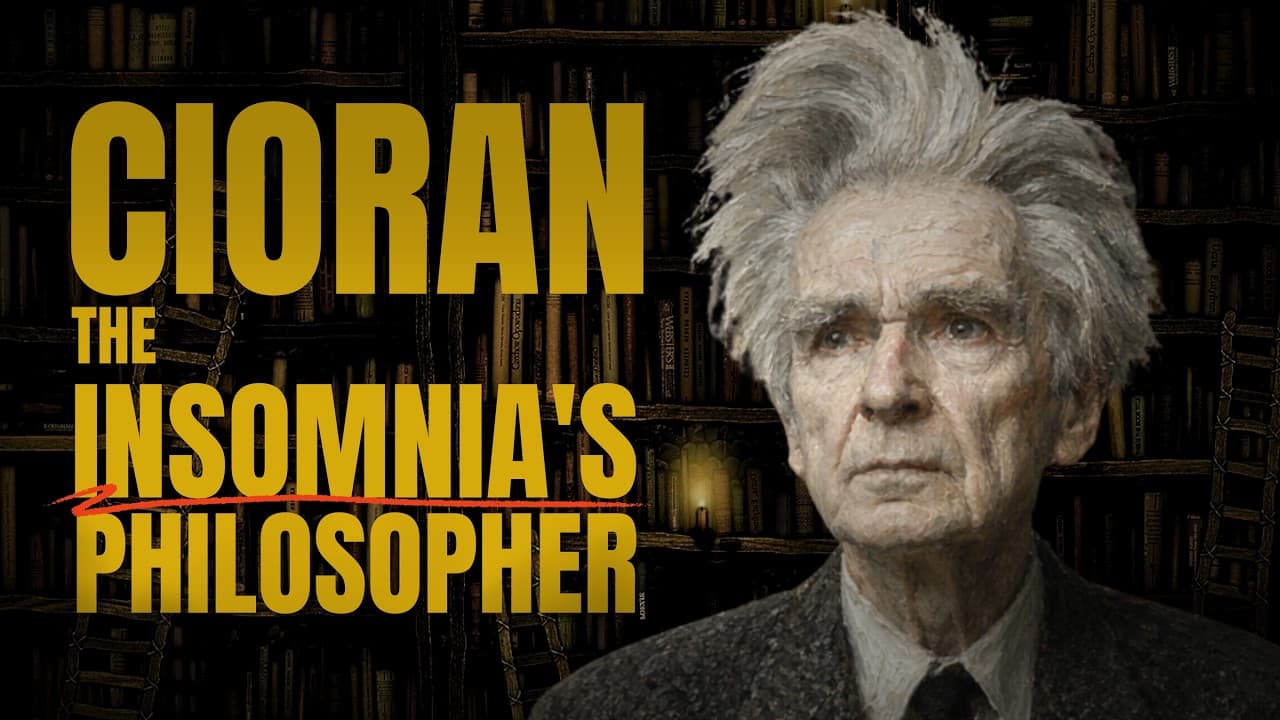
Best of All Is Never to Be Born | Antinatalism for Sleep
Existentialism3:09:19

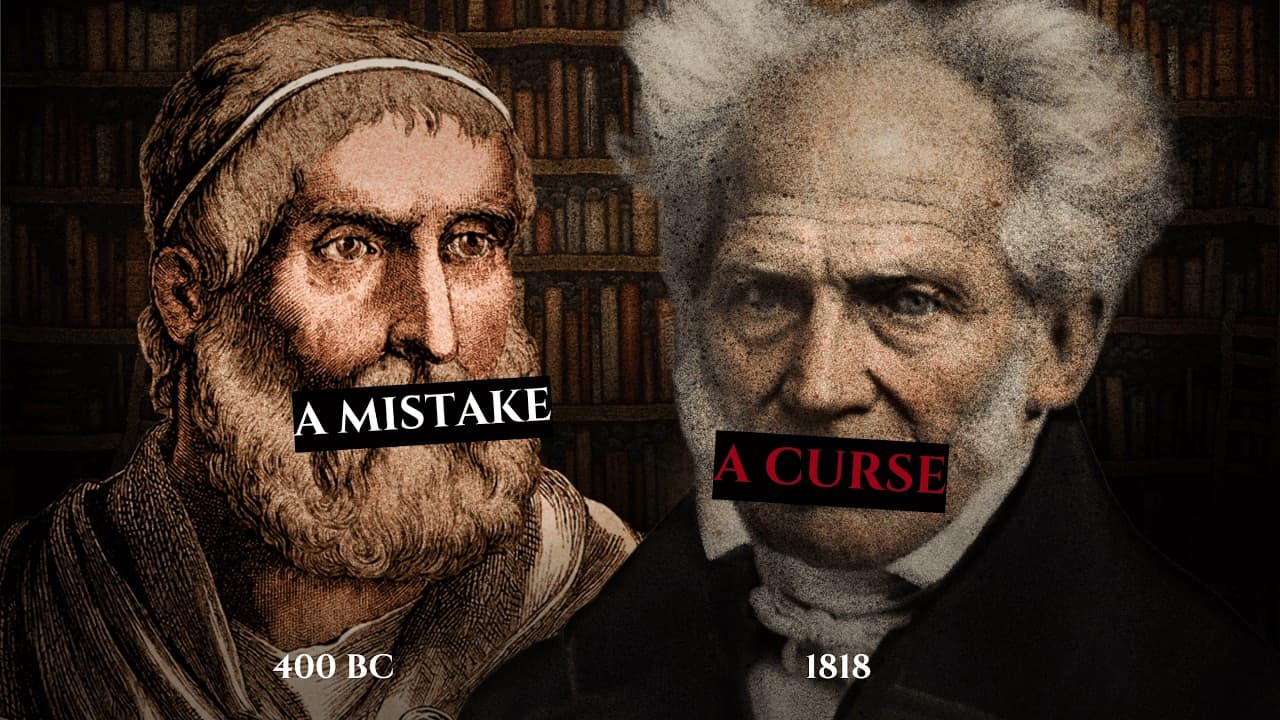
Best of All Is Never to Be Born | Antinatalism for Sleep

The oldest, strangest verdict in philosophy, that it might be better never to have been born. Long before the word existed, the wisest voices of the ancient world kept arriving at the same strange verdict, that it might be better never to have been born at all. This episode follows that thought across the centuries, from a captured satyr and the chorus of a Greek tragedy to the systematic pessimism of Schopenhauer, who made suffering the ground note of existence. From there it moves through the strangest corners of the tradition, a philosopher who imagined a God who chose to die, a Norwegian who called consciousness an evolutionary mistake, and a sleepless Romanian who turned despair into aphorism. At its center stands the modern argument that made the idea respectable again, David Benatar's claim that coming into existence is always a harm, with the questions of consent, suffering, and the harm we do woven around it. Along the way it gives the other side a full hearing, including its greatest adversary, the thinker who answered the ancient verdict by daring to love his fate. The full episode is on YouTube and Spotify. Please listen only in safe, restful contexts.
That Life Has No Meaning Is the Only Reason to Live | Emil Cioran
Existentialism2:24:03

That Life Has No Meaning Is the Only Reason to Live | Emil Cioran

Cioran's Complete Philosophy

Emil Cioran wrote for sixty years about the pointlessness of existence, and lived to eighty-four. The gap between what he argued and how he lived is the honest center of his work. This long quiet episode follows him from a Carpathian village where a priest's son ran barefoot among graves, through the cafes of interwar Bucharest, through a dark political period he spent the rest of his life working against, through the small Paris attic he shared with Simone Boue for over fifty years, and into the final afternoons in the Luxembourg Gardens. It is a calm, unhurried portrait of the most rigorous stylist of despair in twentieth century literature, and of the quiet stubborn survival that was his truest answer to his own philosophy. The full episode is on YouTube and Spotify. Please listen only in safe, restful contexts.
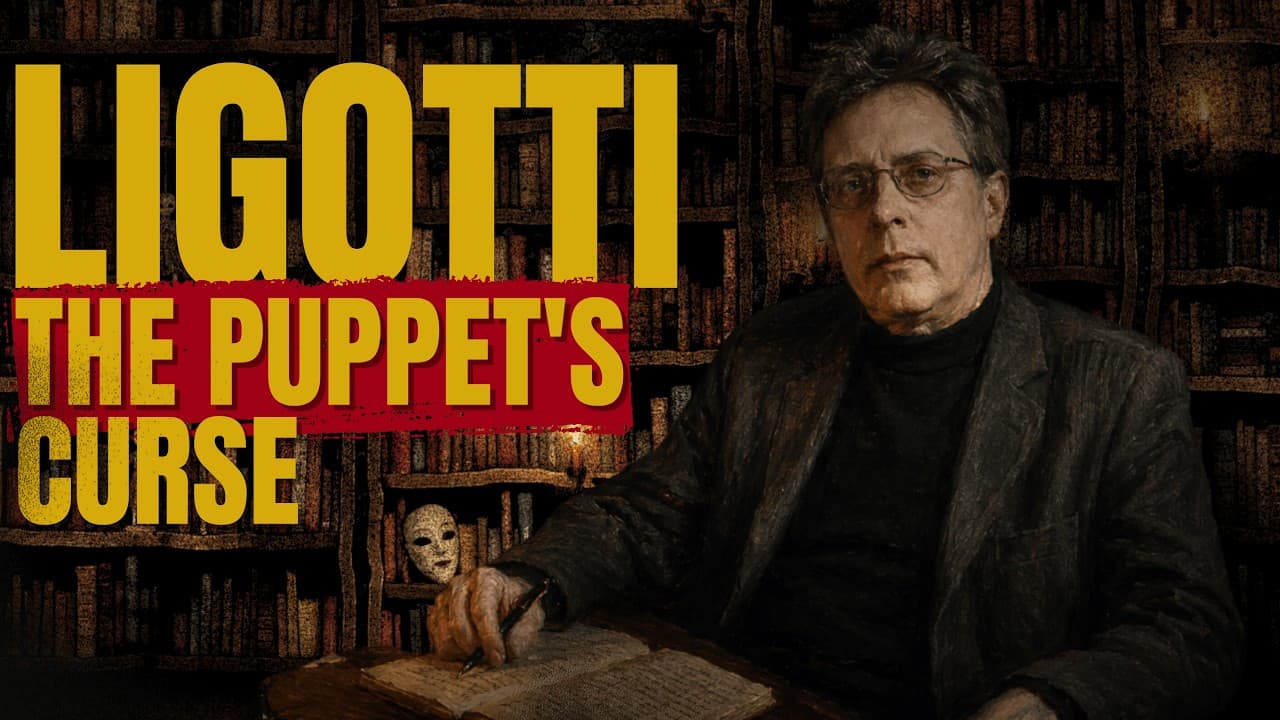
Thomas Ligotti | Conspiracy Against Life: The Pessimist Philosophy You Were Never Meant to Read
Metaphysics3:50:41

Thomas Ligotti | Conspiracy Against Life: The Pessimist Philosophy You Were Never Meant to Read

Thomas Ligotti's Complete Philosophy

Thomas Ligotti wrote horror fiction as philosophical argument, producing the most uncompromising pessimist literature of the last century. His life ran from a Catholic childhood in Detroit to the crisis at seventeen that broke his inherited sense of the world, through the decades he spent as a reference editor by day and a weird-fiction writer by night. We follow him into the small-press debut that announced a strange new voice, through the mature collections that refined it into something closer to philosophical argument, into the corporate-horror novella about a man pushed out of his job, and into the quieter late stories of decayed towns and malignantly useless factories. We examine the long, obscure tradition of philosophical pessimism that stood behind his fiction, and we turn at last to the treatise in which he finally stated his position in his own voice. A slow journey through the darkest and most carefully written American horror of our time. The full episode is on YouTube and Spotify. Please listen only in safe, restful contexts.

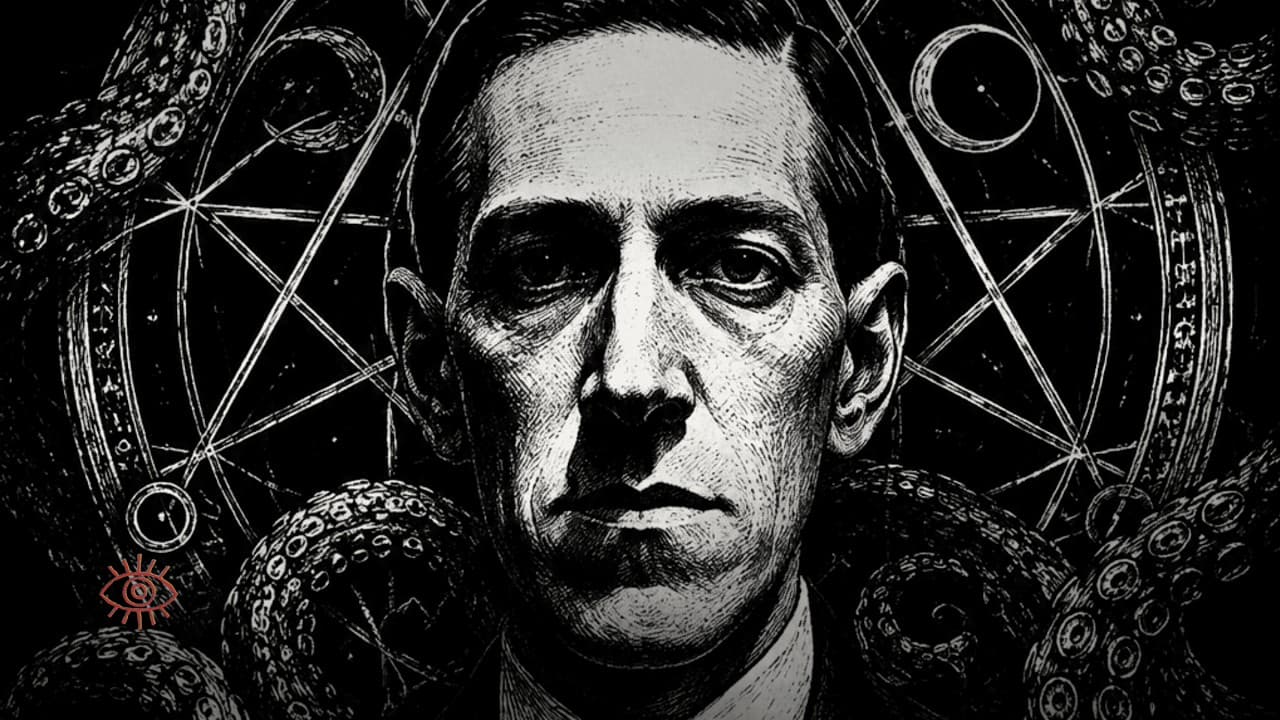
The Dark Philosophy of Cosmicism | H.P. Lovecraft
Metaphysics2:40:54

The Dark Philosophy of Cosmicism | H.P. Lovecraft

HP Lovecraft's Complete Philosophy for Sleep

The universe is not hostile. It is indifferent. Which is worse. It begins with a boy and a telescope on a hill in Providence, Rhode Island, and ends with a view of the cosmos that science keeps confirming. We explore his materialism and his intellectual formation, from the ancient atomists through Schopenhauer and Haeckel. We unpack the core claim of cosmicism, that the universe operates on scales and according to principles that are simply beyond human comprehension. We examine his major stories as philosophical texts, from "The Call of Cthulhu" to "At the Mountains of Madness" to "The Colour Out of Space." We address his racism honestly and philosophically. And we ask the question his work leaves behind: what does it mean to live with dignity in a cosmos that does not know you are here? The full episode is on YouTube and Spotify. Please listen only in safe, restful contexts.

You Don't Have Free Will | Schopenhauer's Complete Philosophy for Sleep
Metaphysics2:21:48

You Don't Have Free Will | Schopenhauer's Complete Philosophy for Sleep

Schopenhauer's Complete Philosophy

Arthur Schopenhauer believed that the capacity to be alone was the truest mark of intellectual and spiritual development. For him, solitude was not merely the absence of others but the presence of oneself. This three-hour exploration examines Schopenhauer's philosophy from the ground up, tracing his life from the merchant's son in Danzig, through his father's death, his failed academic career, and his decades as a solitary hermit in Frankfurt. We then enter his philosophy: the blind Will that drives all existence, the pendulum of pain and boredom, and why most people cannot bear to be alone with themselves. Finally, we examine his answers, including art, contemplation, the denial of the Will, and the practical wisdom he offered those who chose to remain in the world. The full episode is on YouTube and Spotify. Please listen only in safe, restful contexts.
Recommended Reading

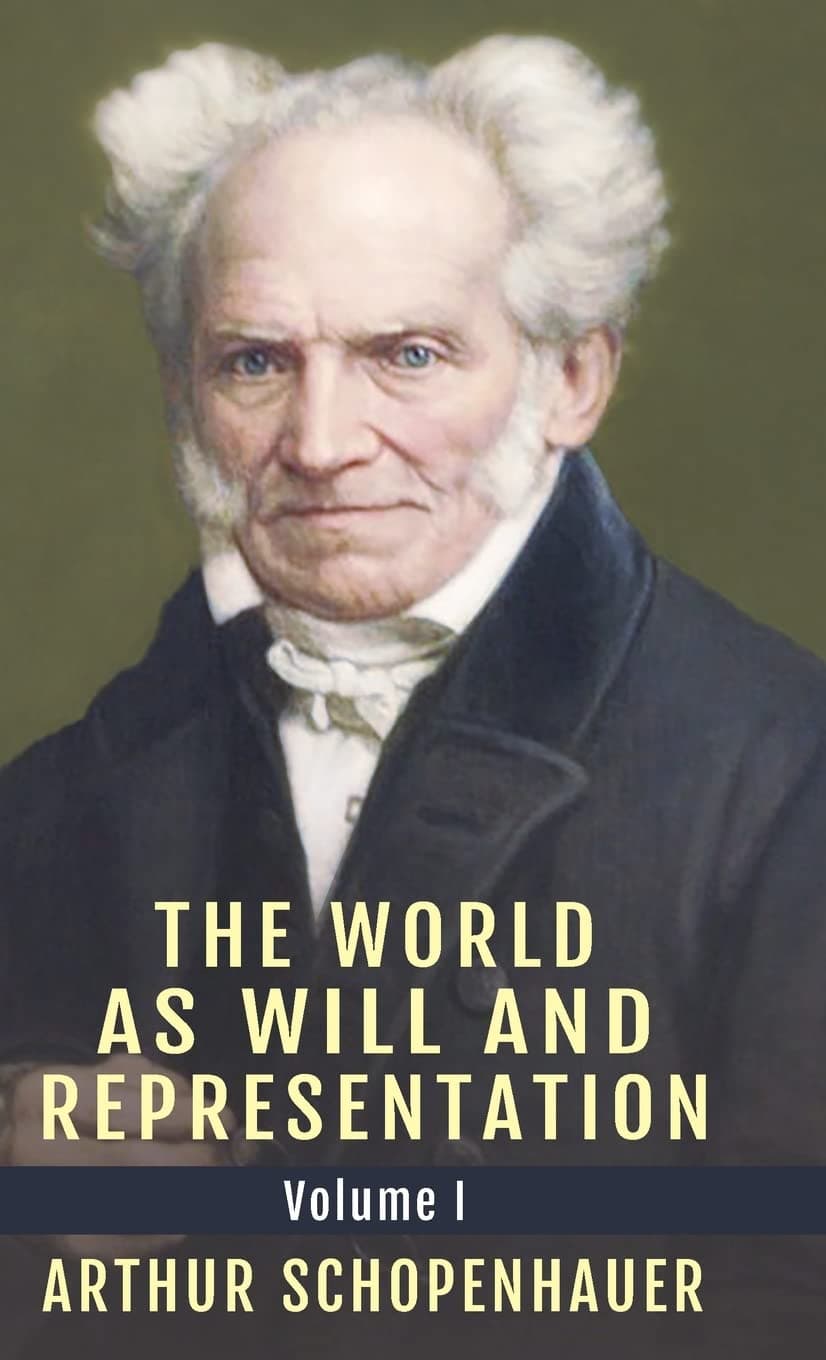
The World as Will and Representation Vol. 1 by Arthur Schopenhauer

The World as Will and Representation Vol. 1

Arthur Schopenhauer

advanced

Schopenhauer's central philosophical work, arguing that the world is driven by a blind, irrational will and that suffering is the fundamental condition of existence.

Get this book
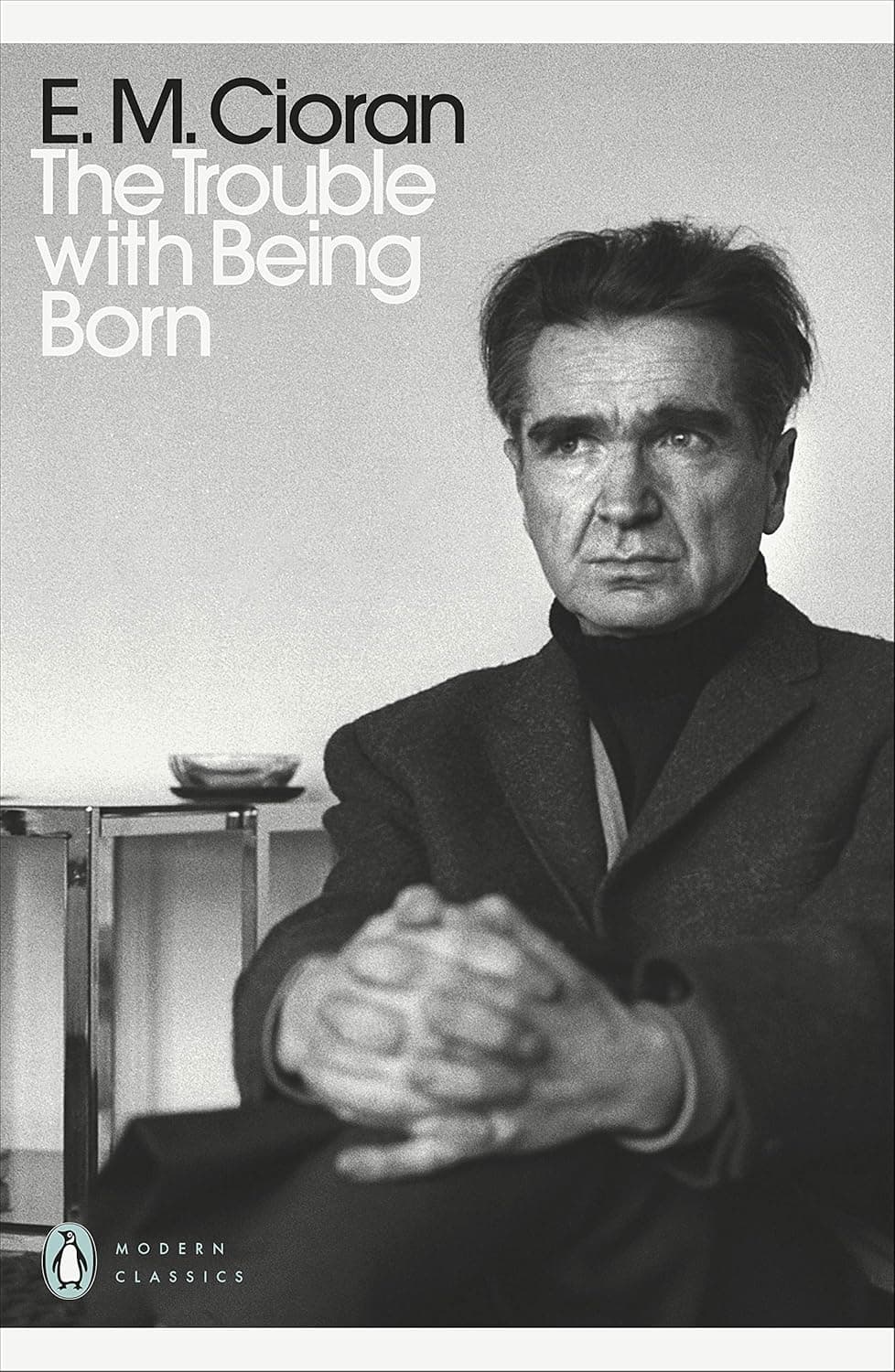
The Trouble with Being Born by Emil Cioran

The Trouble with Being Born

Emil Cioran

intermediate

A book of aphorisms on the catastrophe of having been born. Cioran's most cited work: a sequence of brief, polished, devastating sentences against existence.

Get this book
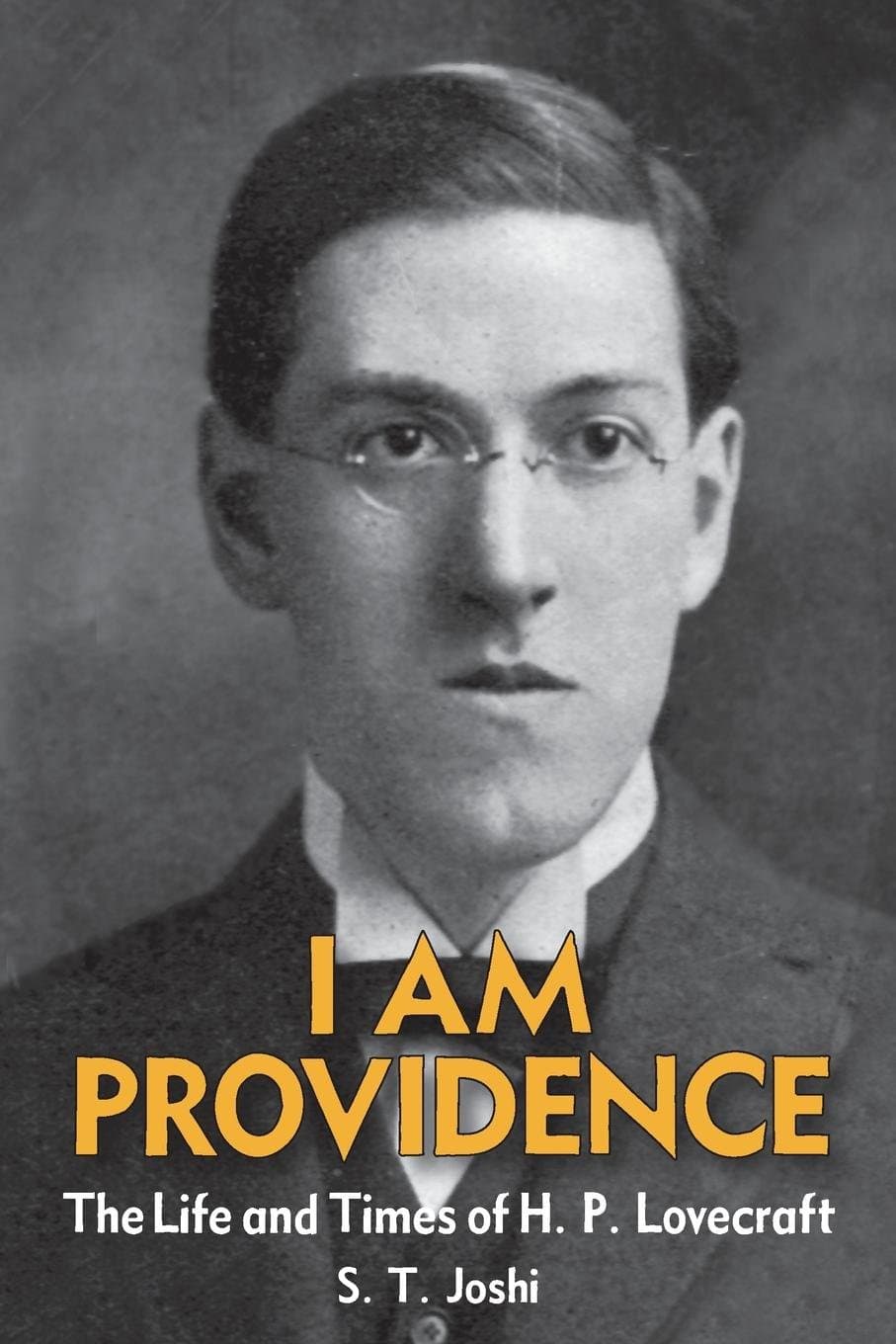
I Am Providence by S.T. Joshi

I Am Providence

S.T. Joshi

advanced

The definitive two-volume biography of H.P. Lovecraft, tracing every phase of his life, thought, and literary development. Essential for understanding how Lovecraft's philosophy of cosmic indifference grew from his personal experience.

Get this book
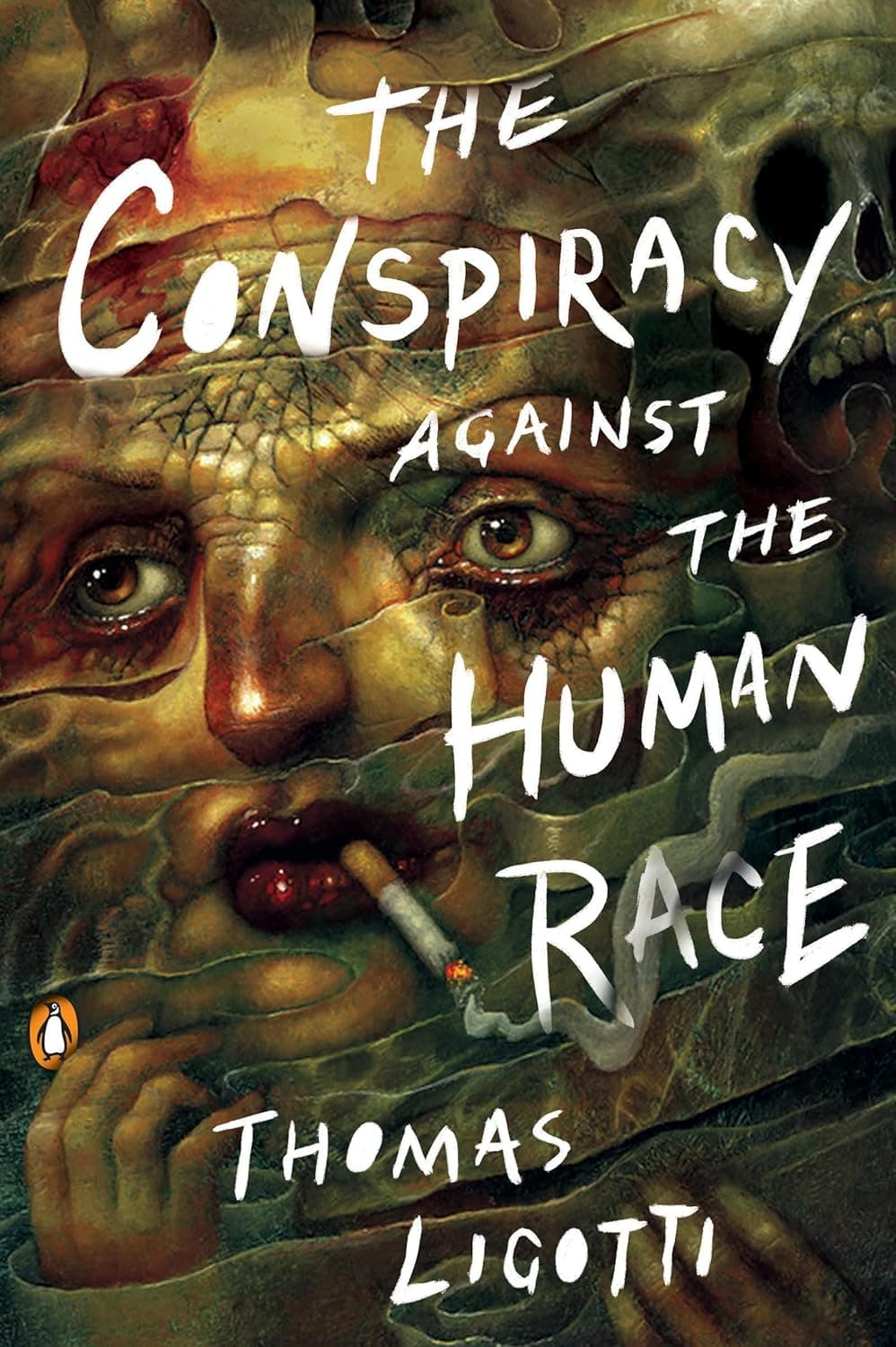
The Conspiracy Against the Human Race by Thomas Ligotti

The Conspiracy Against the Human Race

Thomas Ligotti

advanced

Ligotti's philosophical treatise on the horror of being alive, drawing on pessimists from Schopenhauer to Zapffe. A relentless meditation on consciousness as a curse, written by the greatest living author of weird fiction.

Get this book
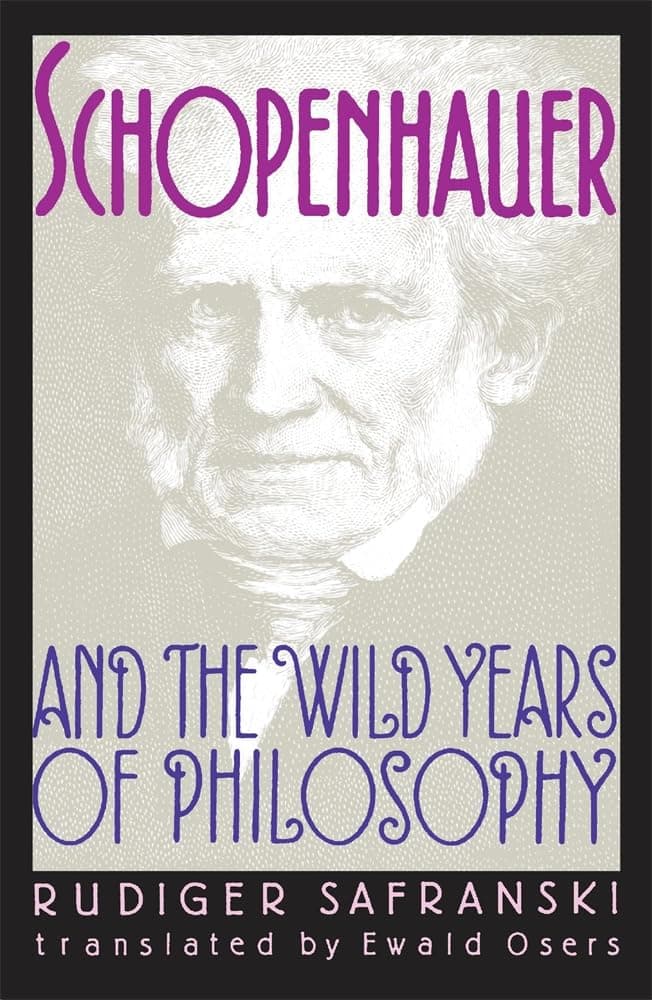
Schopenhauer and the Wild Years of Philosophy by Rudiger Safranski

Schopenhauer and the Wild Years of Philosophy

Rudiger Safranski

intermediate

A lively intellectual biography of Schopenhauer that captures his combative personality and places his pessimistic philosophy in its historical context.

Get this book
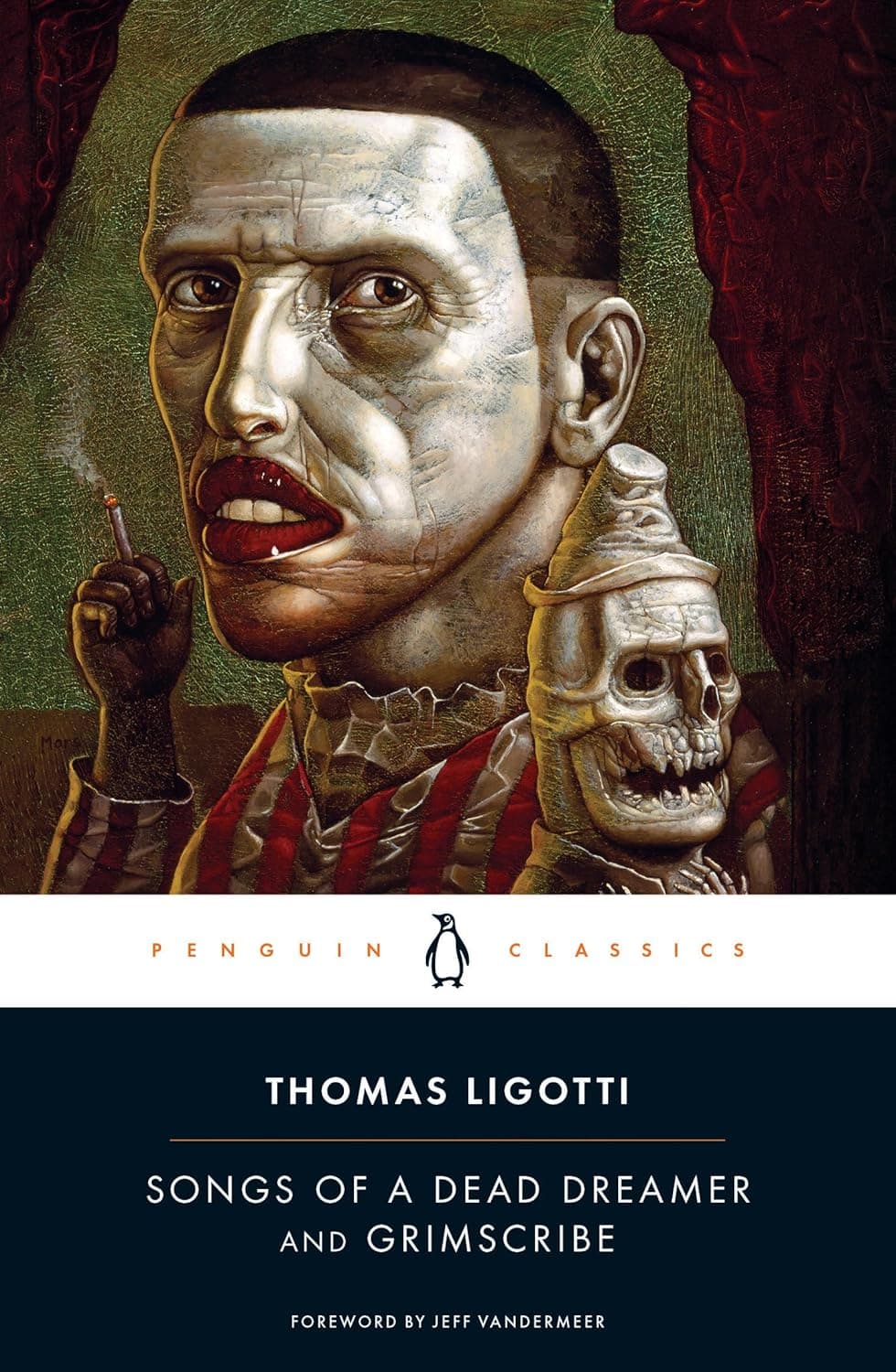
Songs of a Dead Dreamer and Grimscribe by Thomas Ligotti

Songs of a Dead Dreamer and Grimscribe

Thomas Ligotti

intermediate

Two early collections that announced Ligotti as the heir to Lovecraft and a new master of philosophical horror. The stories are quiet, careful, and uncompromising in their vision of the world as a malignant illusion.

Get this book
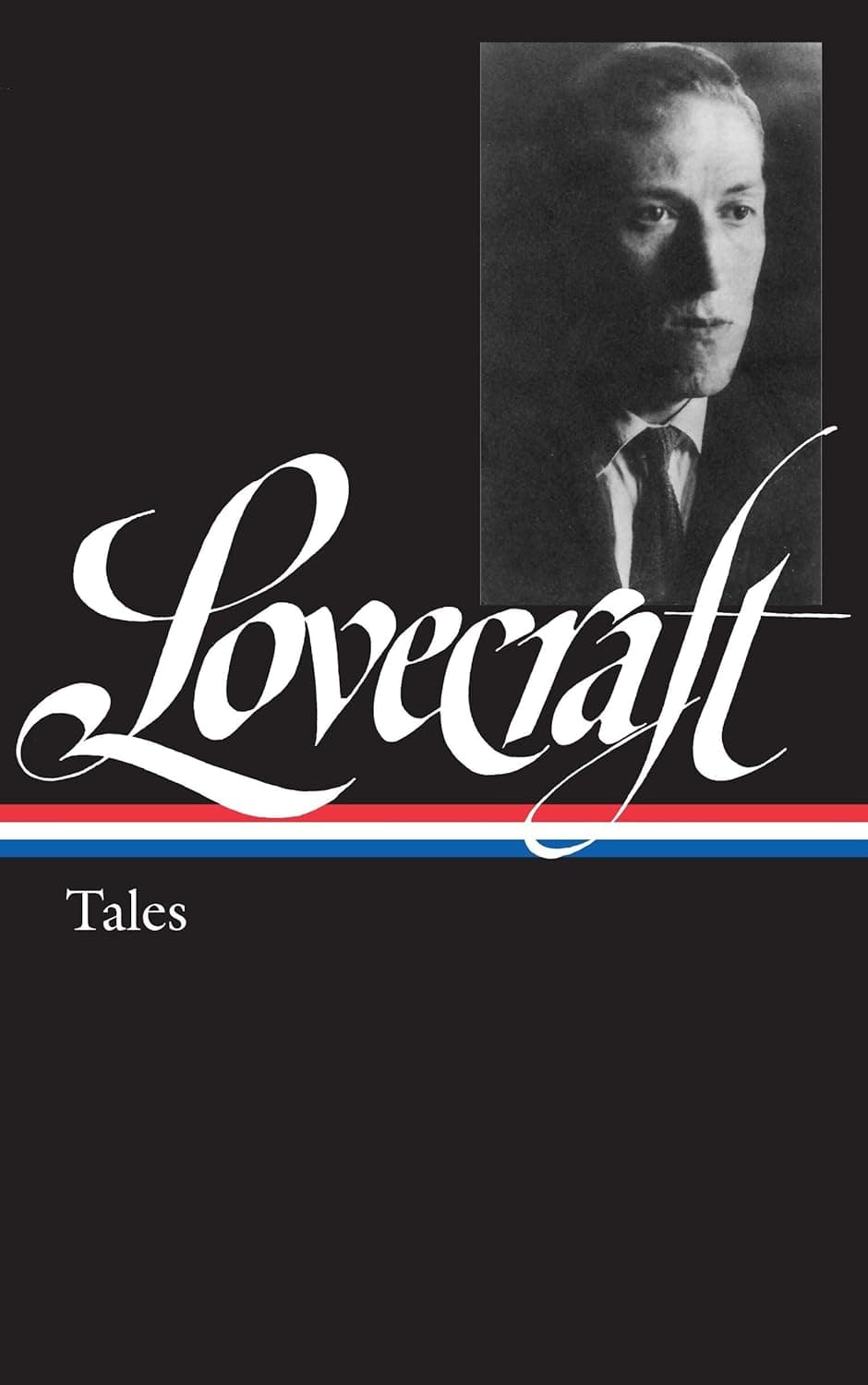
H.P. Lovecraft: Tales by H.P. Lovecraft

H.P. Lovecraft: Tales

H.P. Lovecraft

intermediate

The definitive Library of America collection of Lovecraft's major fiction, including The Call of Cthulhu, At the Mountains of Madness, The Colour Out of Space, and dozens more. The essential single volume for encountering cosmic horror at its source.

Get this book
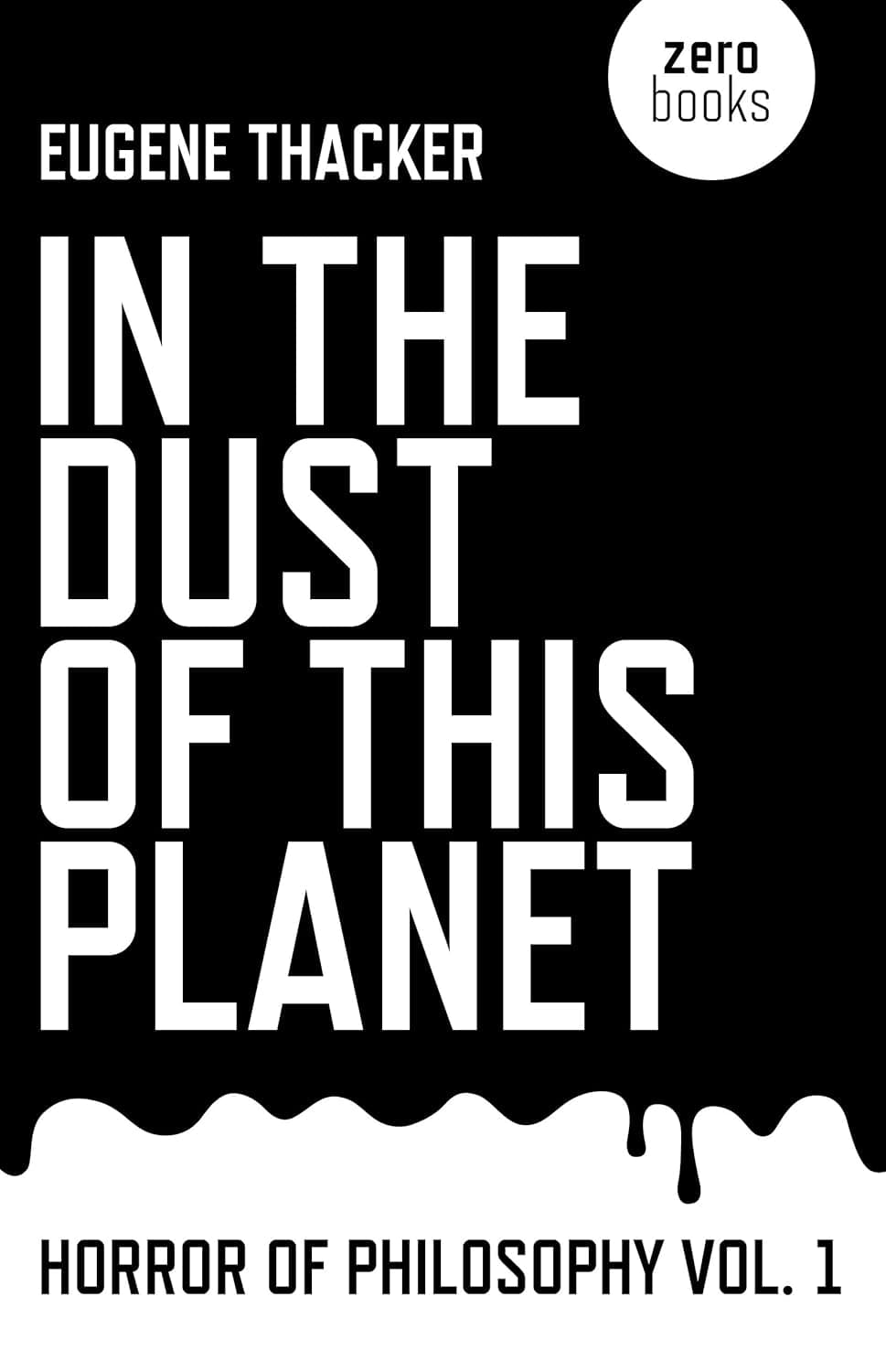
In the Dust of This Planet by Eugene Thacker

In the Dust of This Planet

Eugene Thacker

advanced

The first volume of Thacker's Horror of Philosophy trilogy, exploring the idea of a world without us. Draws on Lovecraft, demonology, and continental philosophy to ask what happens when thought confronts a world that is fundamentally not for us.

Get this book
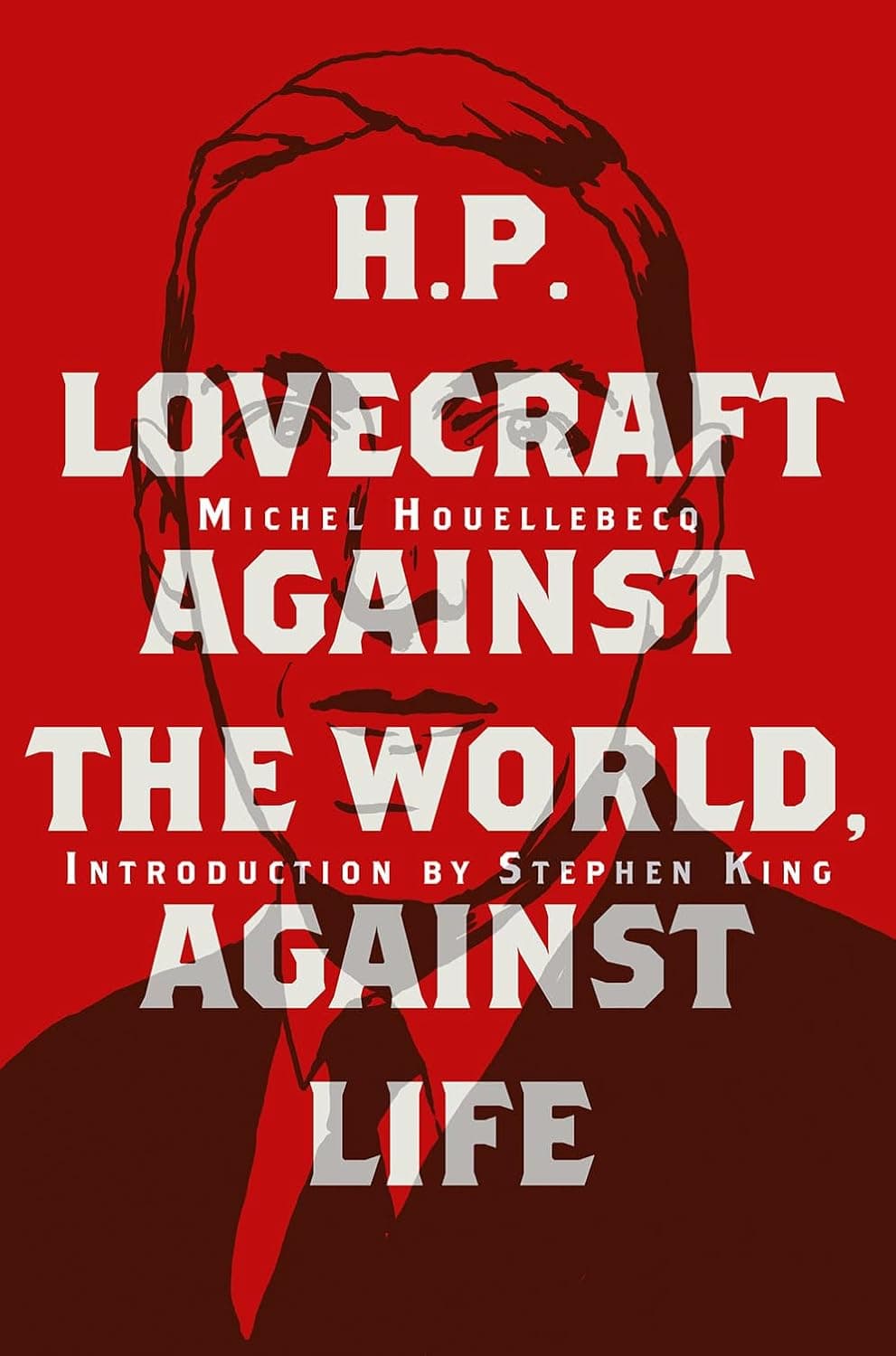
H.P. Lovecraft: Against the World, Against Life by Michel Houellebecq

H.P. Lovecraft: Against the World, Against Life

Michel Houellebecq

intermediate

Houellebecq's passionate literary essay on Lovecraft, arguing that his rejection of the world and of life itself is what gives his fiction its terrifying power. A slim, intense book that reads Lovecraft as a philosophical writer.

Get this book
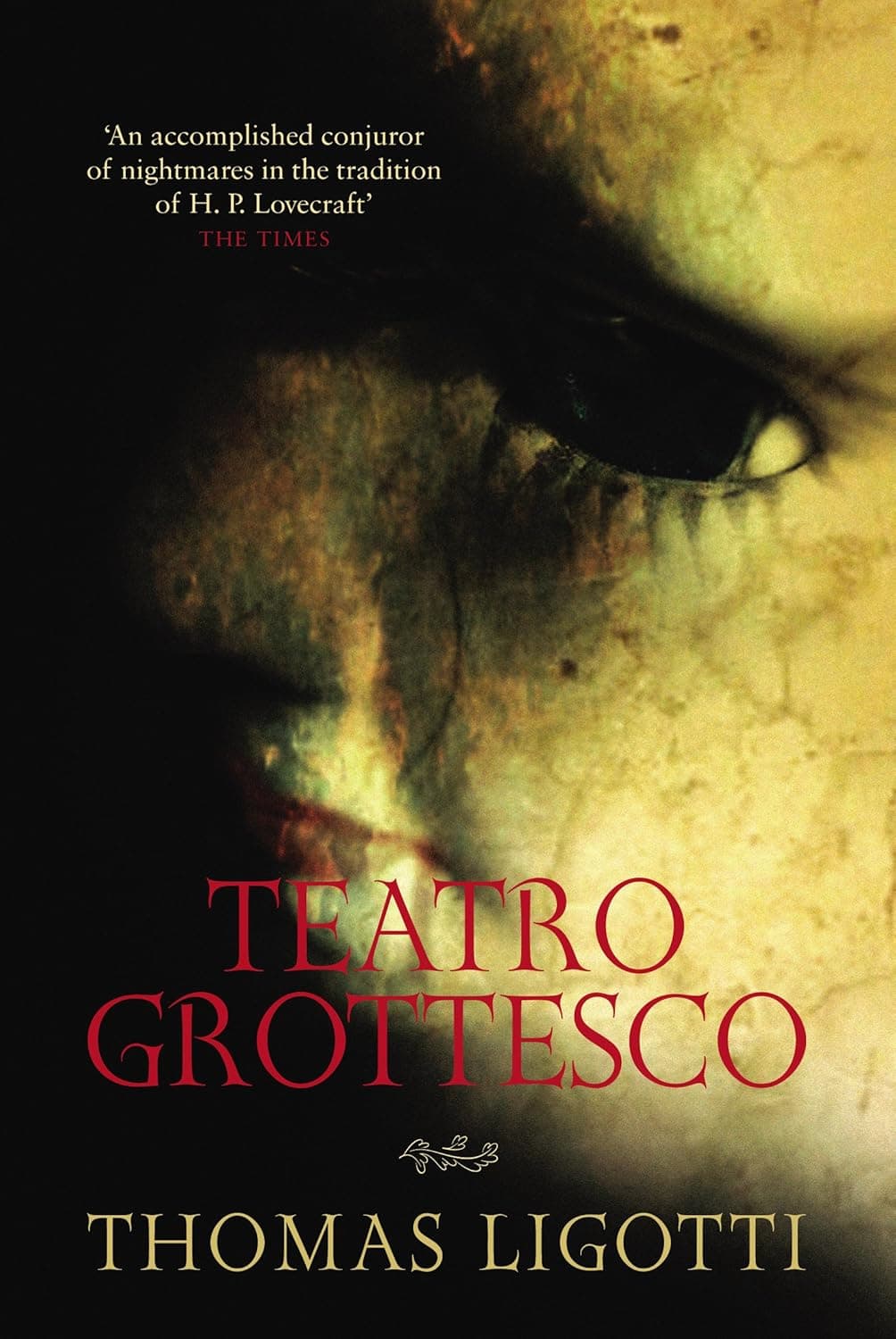
Teatro Grottesco by Thomas Ligotti

Teatro Grottesco

Thomas Ligotti

intermediate

Mature Ligotti at his bleakest. Tales of decayed industrial towns, malignantly useless factories, and lives whose only meaning is the recognition of their own meaninglessness.

Get this book
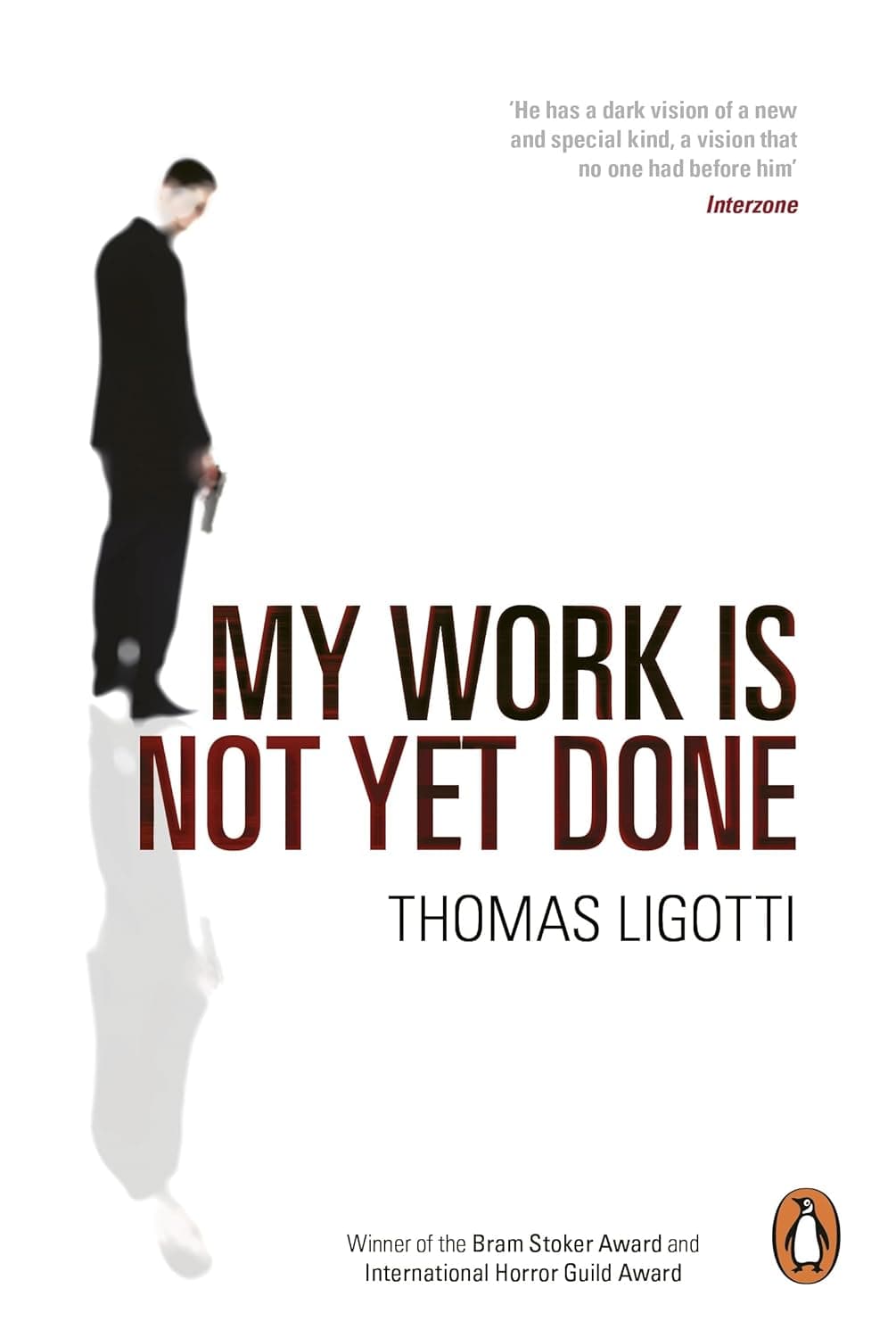
My Work Is Not Yet Done by Thomas Ligotti

My Work Is Not Yet Done

Thomas Ligotti

beginner

Three tales of corporate horror. The title novella, about a man pushed out of his job who discovers something stranger than revenge, is Ligotti's most accessible entry point.

Get this book
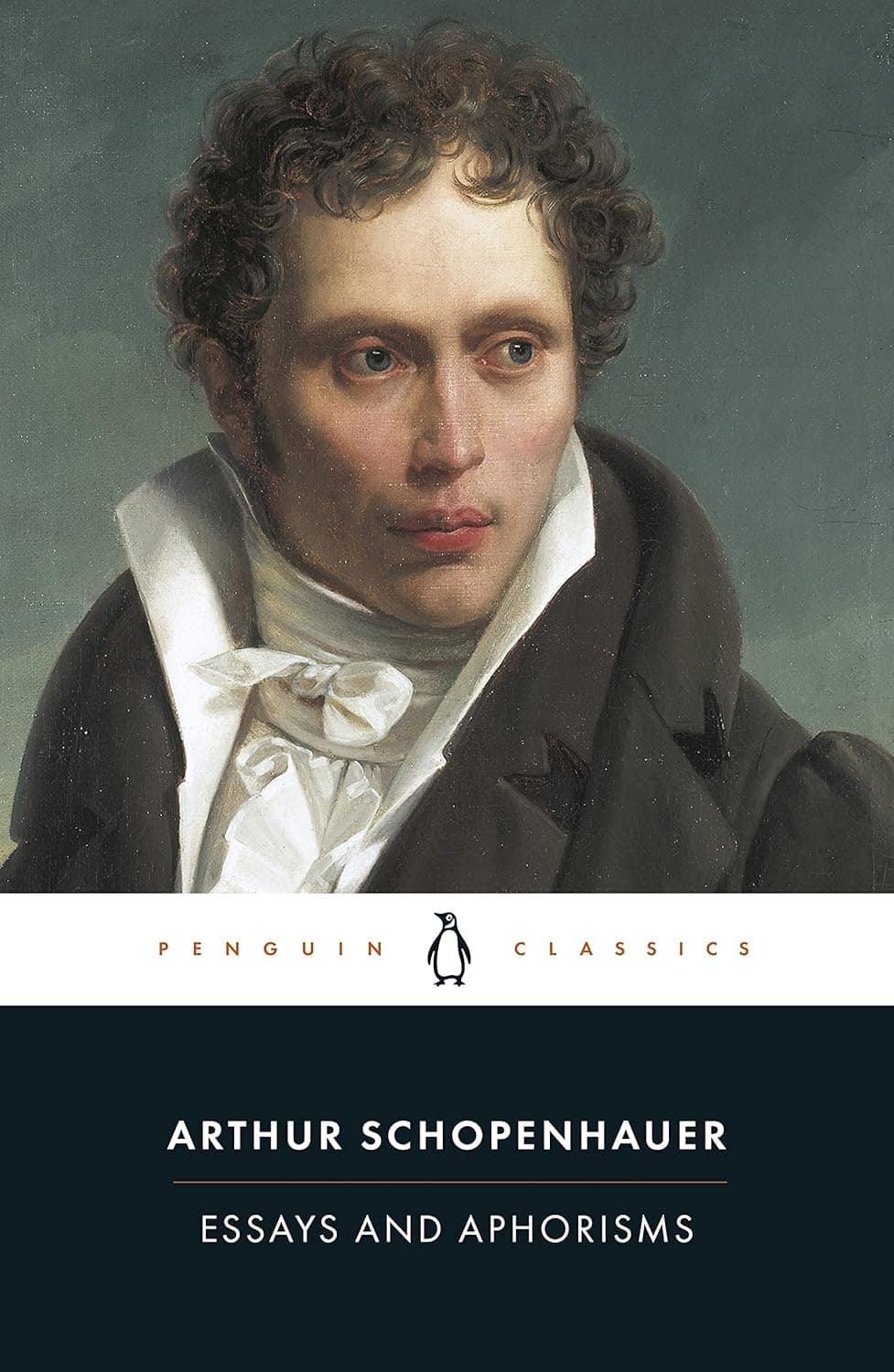
Essays and Aphorisms by Arthur Schopenhauer

Essays and Aphorisms

Arthur Schopenhauer

beginner

A selection of Schopenhauer's most readable and provocative writings on suffering, art, religion, and the human condition, ideal for newcomers to his thought.

Get this book

Related Philosophers