
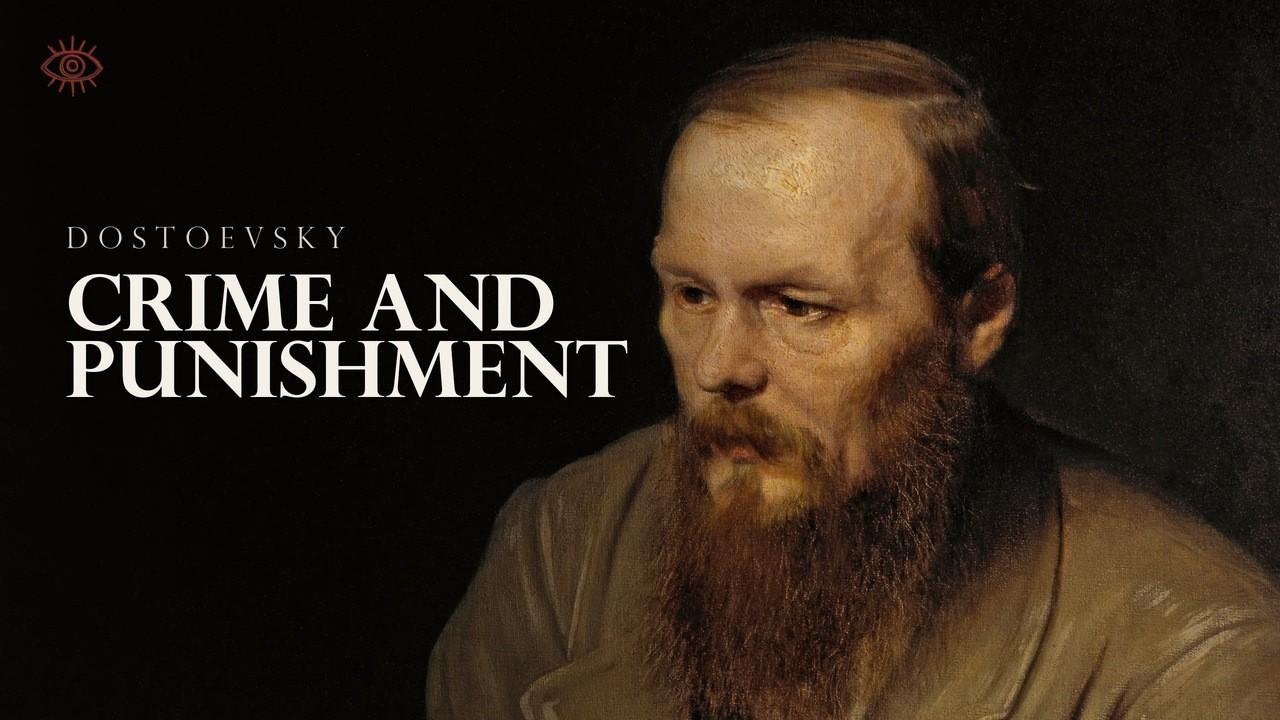
A student imagines that exceptional people may cross the moral boundaries binding everyone else. This essay follows Raskolnikov's extraordinary man theory through his published article, Porfiry's questions, the competing demands of poverty and pride, and the relationships his reasoning cannot fully explain. Sonya's care preserves responsibility instead of erasing it. Razumihin offers useful work, Dunya resists generosity that expects obedience, and a false accusation exposes the difference between respectable confidence and reliable evidence. Crime and Punishment, also searched as Prestuplenie i nakazanie, separates fear from repentance and private admission from public confession. Its Siberian epilogue asks what remains to change after a sentence has been imposed. Brief context from Poor Folk and The House of the Dead locates Dostoevsky's attention to dignity, dependence and penal life without replacing the novel with a biography. The ending leaves renewal as a beginning requiring further choices.
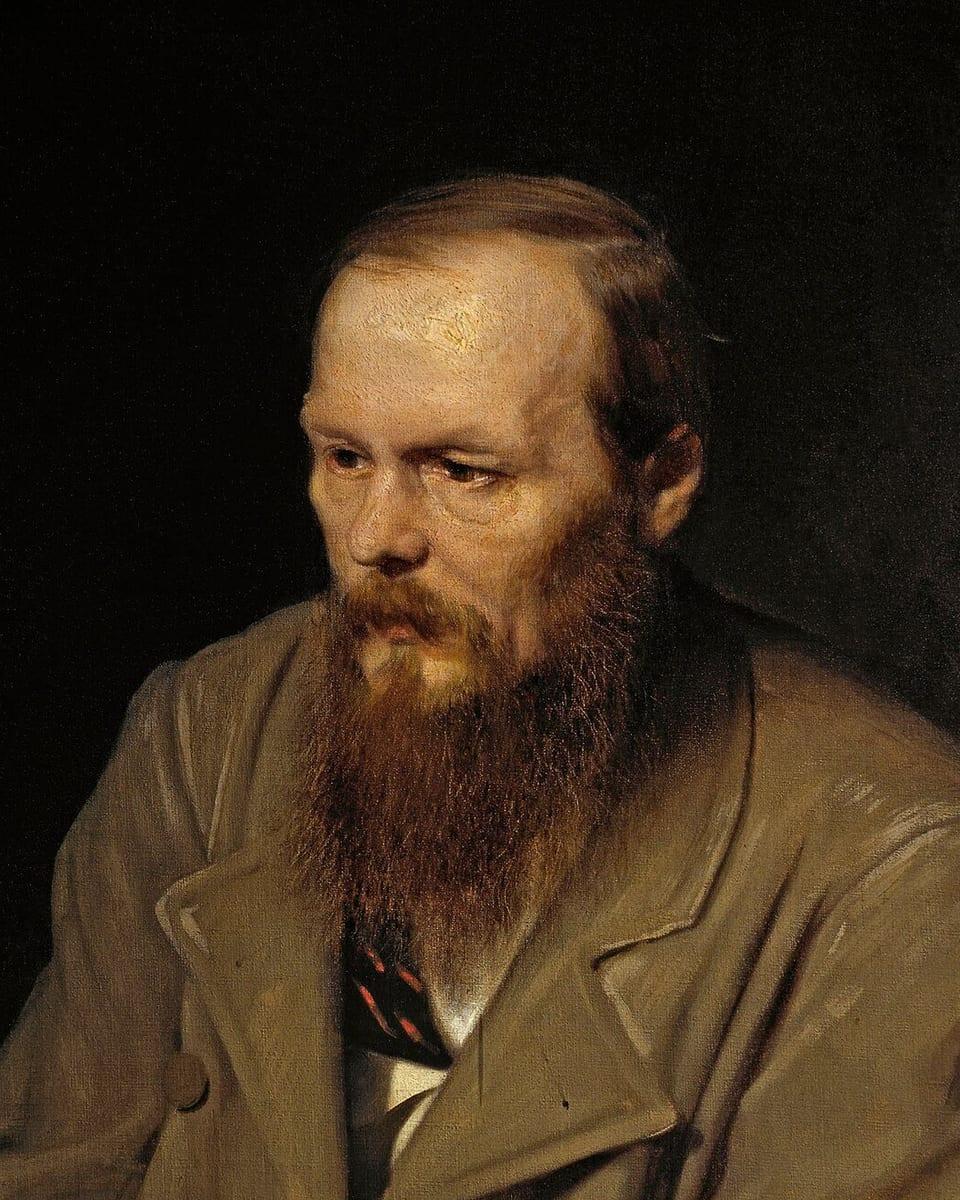
Portrait: Fyodor Dostoevsky in 1872 (detail). Vasily Perov, Public domain, via Wikimedia Commons.
Dostoevsky
Fyodor Dostoevsky probed the darkest depths of the human soul. His novels explore faith, freedom, guilt, and redemption with a psychological intensity that remains unmatched in world literature.
8 episodes 4 books
Episodes
Man Is Not a Piano Key | Dostoevsky's Notes from Underground
On Dostoevsky
15 chapters · 6 sources
Literature's first anti-hero opens by telling us that he is sick, that he is spiteful, and that he will see no doctor out of pure defiance.
PlayWhen Life Suddenly Feels Meaningless | The Existential Crisis
On Kierkegaard, Nietzsche & 9 more
22 chapters · 8 sources
Why do people who have everything still wake at three in the morning certain that none of it means anything?
PlayOne Moment of Happiness | Dostoevsky's White Nights
On Dostoevsky
9 chapters · 3 sources
Four summer nights in a city where the sun never sets, and a lonely dreamer who meets a young woman waiting for someone else.
MembersThe Problem of Evil: Why Does God Allow Suffering? | Philosophy for Sleep
On Epicurus, Hume & 4 more
23 chapters · 8 sources
An innocent man, a burned fawn, and the hardest question ever asked of God.
PlayFyodor Dostoevsky's Crime and Punishment | Book Summary
On Dostoevsky
8 chapters · 6 sources
A slow walk through the novel in which a theory is put to the test with an axe.
MembersIf There Is No God, Everything Is Permitted | Dostoevsky's Hidden Theology For Sleep
On Dostoevsky
5 chapters · 7 sources
Hell is not punishment from God. It is the inability to love. This three-hour episode traces the Orthodox Christian tradition that shaped everything Dostoevsky ever wrote, from Isaac the Syrian and Maximus the Confessor to Gregory of Nyssa and the hesychast monks. What does it mean that sin is not a crime requiring penalty but a sickness requiring healing? That salvation is not a transaction but a transformation of the whole person?
PlayBeauty Will Save The World | Dostoevsky's Philosophy For Sleep
On Dostoevsky
27 chapters · 9 sources
Fyodor Dostoevsky spent four years in a Siberian labor camp and emerged convinced that human beings are not rational creatures who occasionally act irrationally, but irrational creatures who occasionally manage reason. This three-hour episode traces his life and philosophy through Crime and Punishment, Notes from Underground, The Idiot, Demons, and The Brothers Karamazov.
PlayRecommended reading
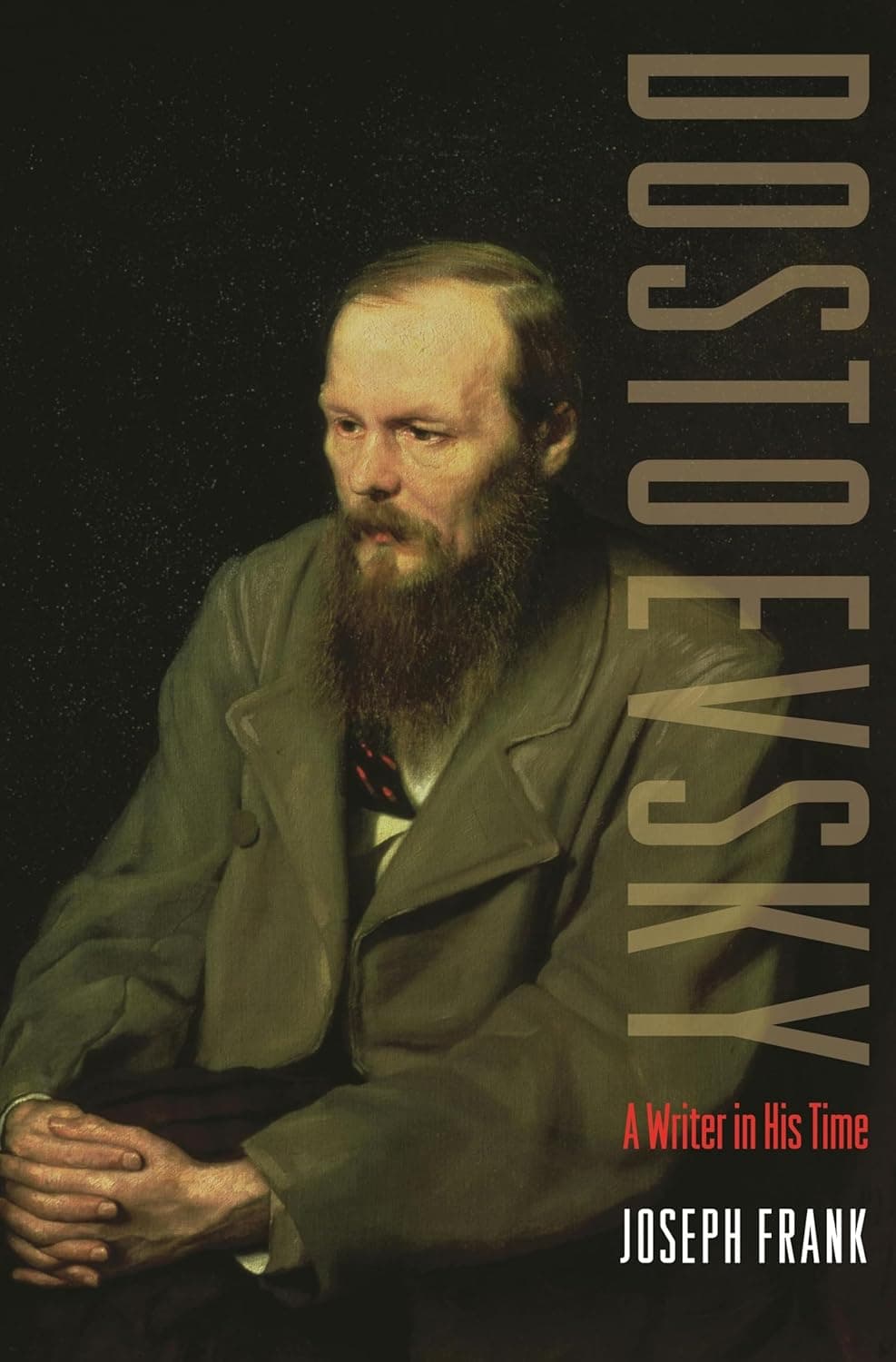
Dostoevsky: A Writer in His Time
by Joseph Frank, 2010
The definitive single-volume biography of Dostoevsky, placing his literary genius within the turbulent political and intellectual currents of 19th-century Russia.
Get this book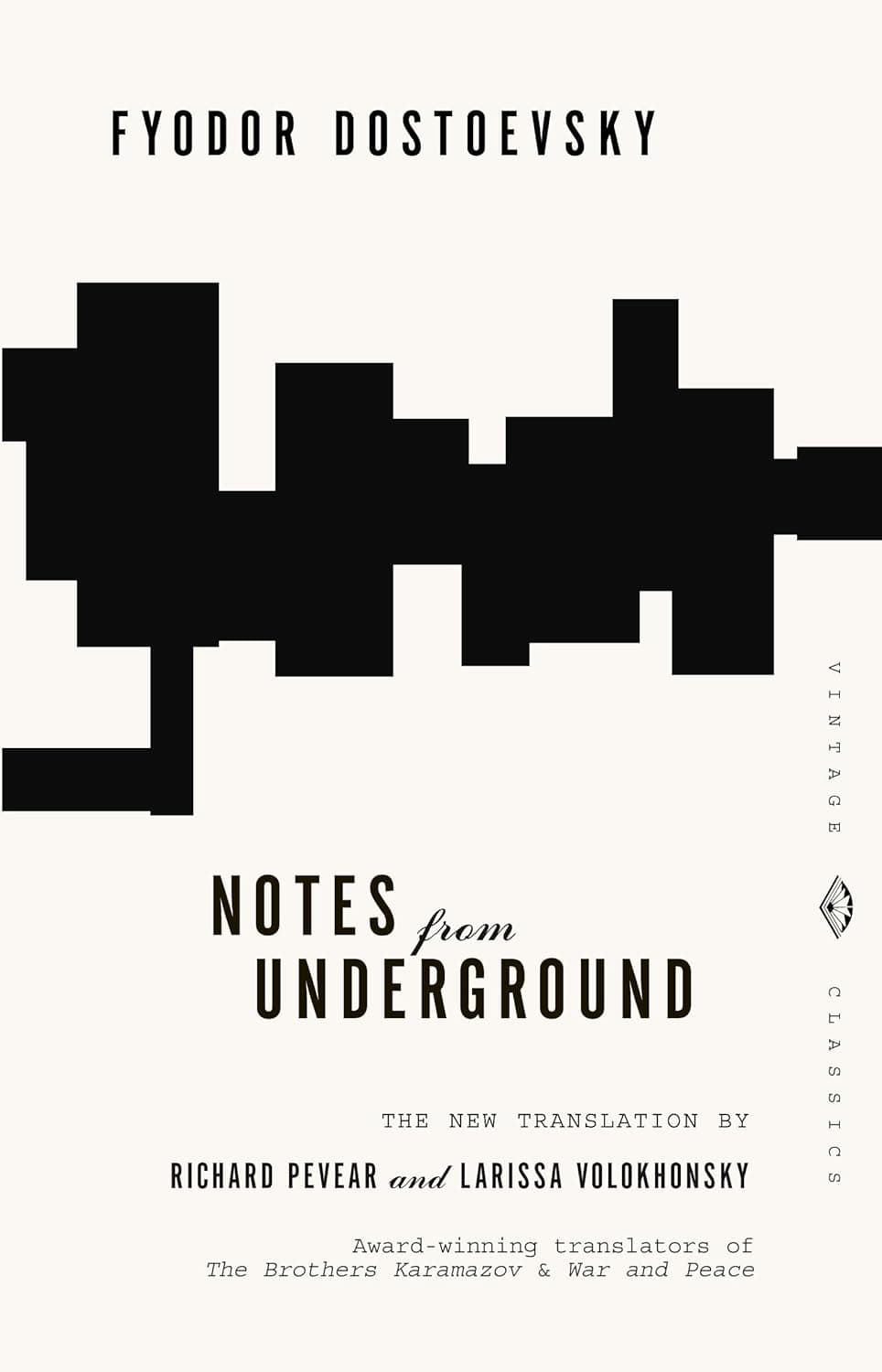
Notes from Underground
by Fyodor Dostoevsky, 1864
A biting novella narrated by a bitter, isolated man, widely considered one of the first existentialist works in literature.
Get this book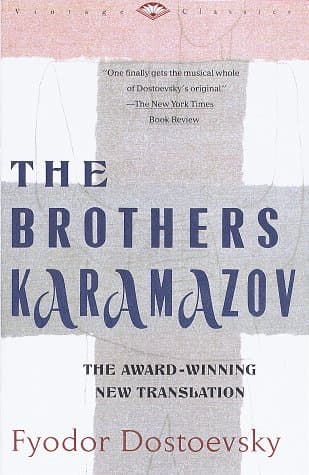
The Brothers Karamazov
by Fyodor Dostoevsky, 1880
Dostoevsky's final masterpiece, a sweeping family saga that grapples with faith, doubt, free will, and the existence of God.
Get this book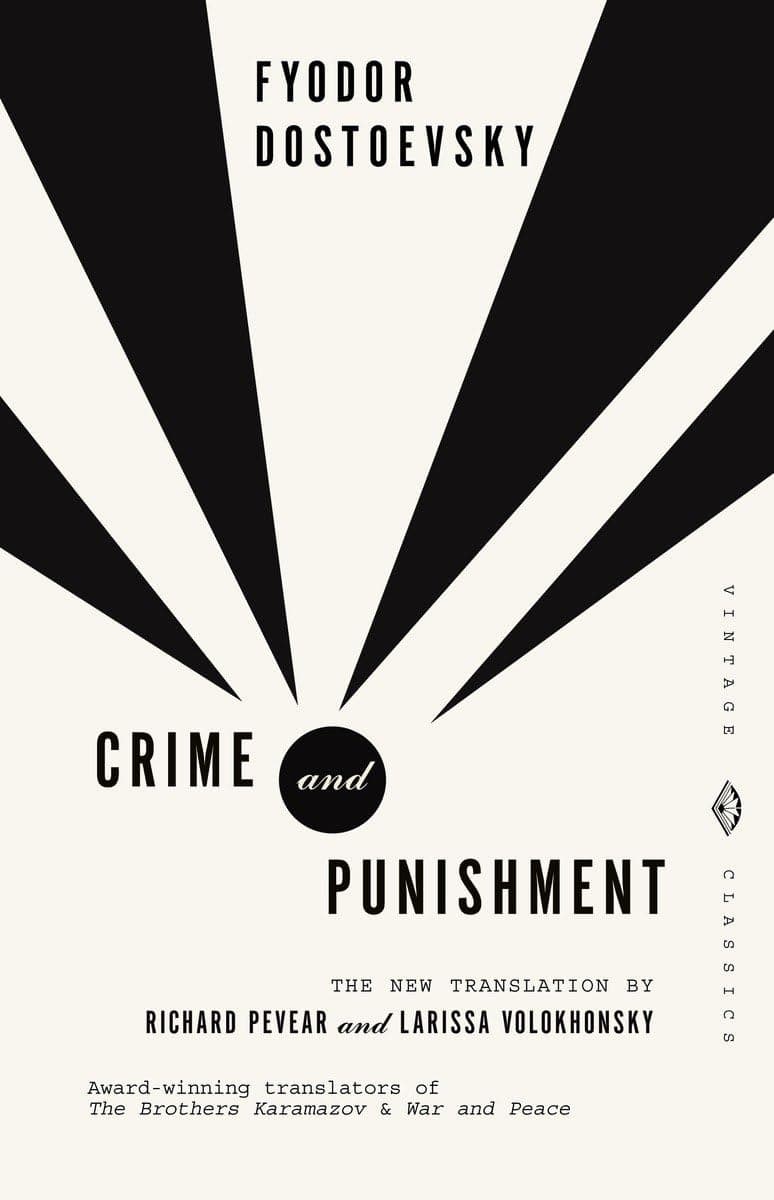
Crime and Punishment
by Fyodor Dostoevsky, 1866
A psychological novel about a young intellectual who commits murder and struggles with guilt, exploring questions of morality, redemption, and human nature.
Get this bookRelated philosophers
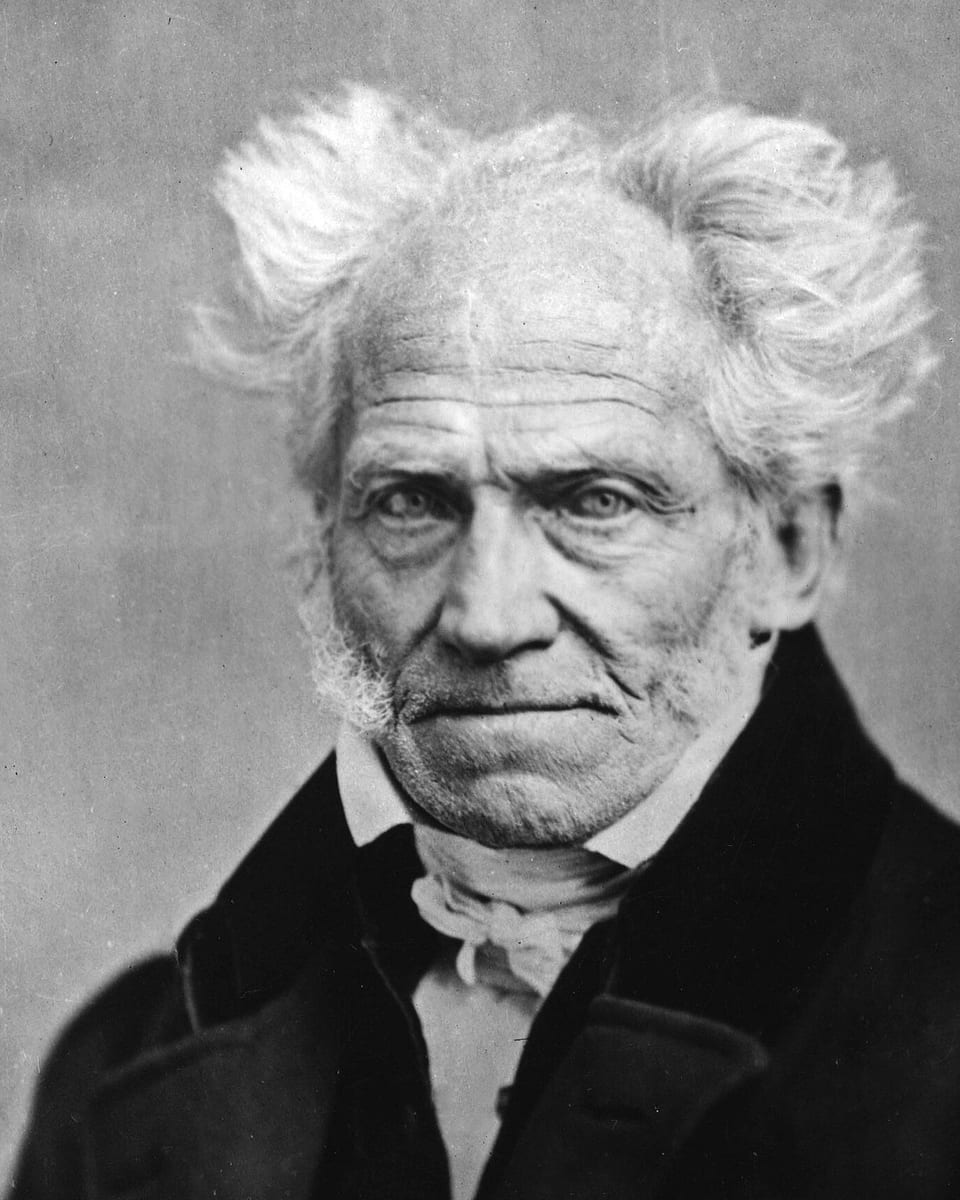
Schopenhauer
1788–1860
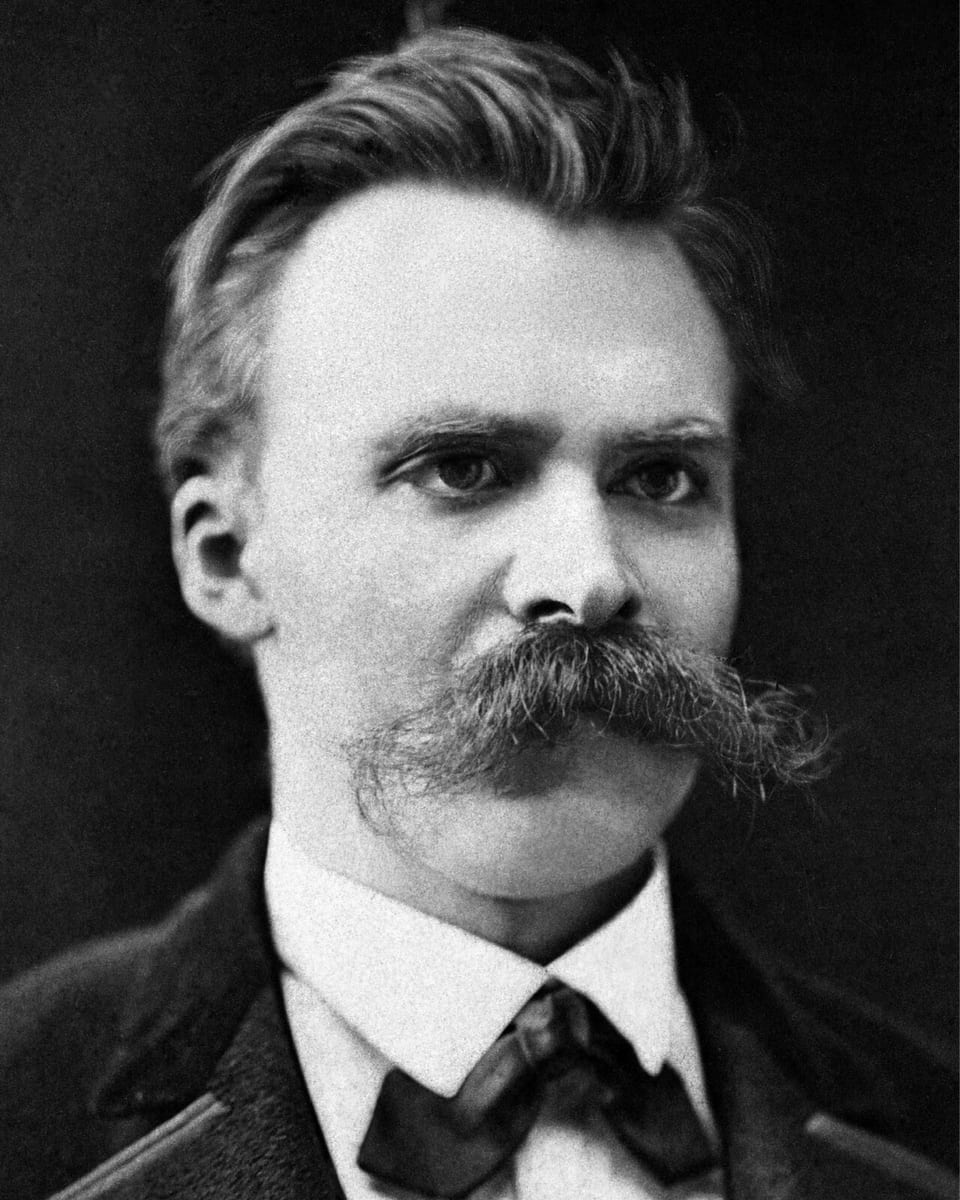
Nietzsche
1844–1900
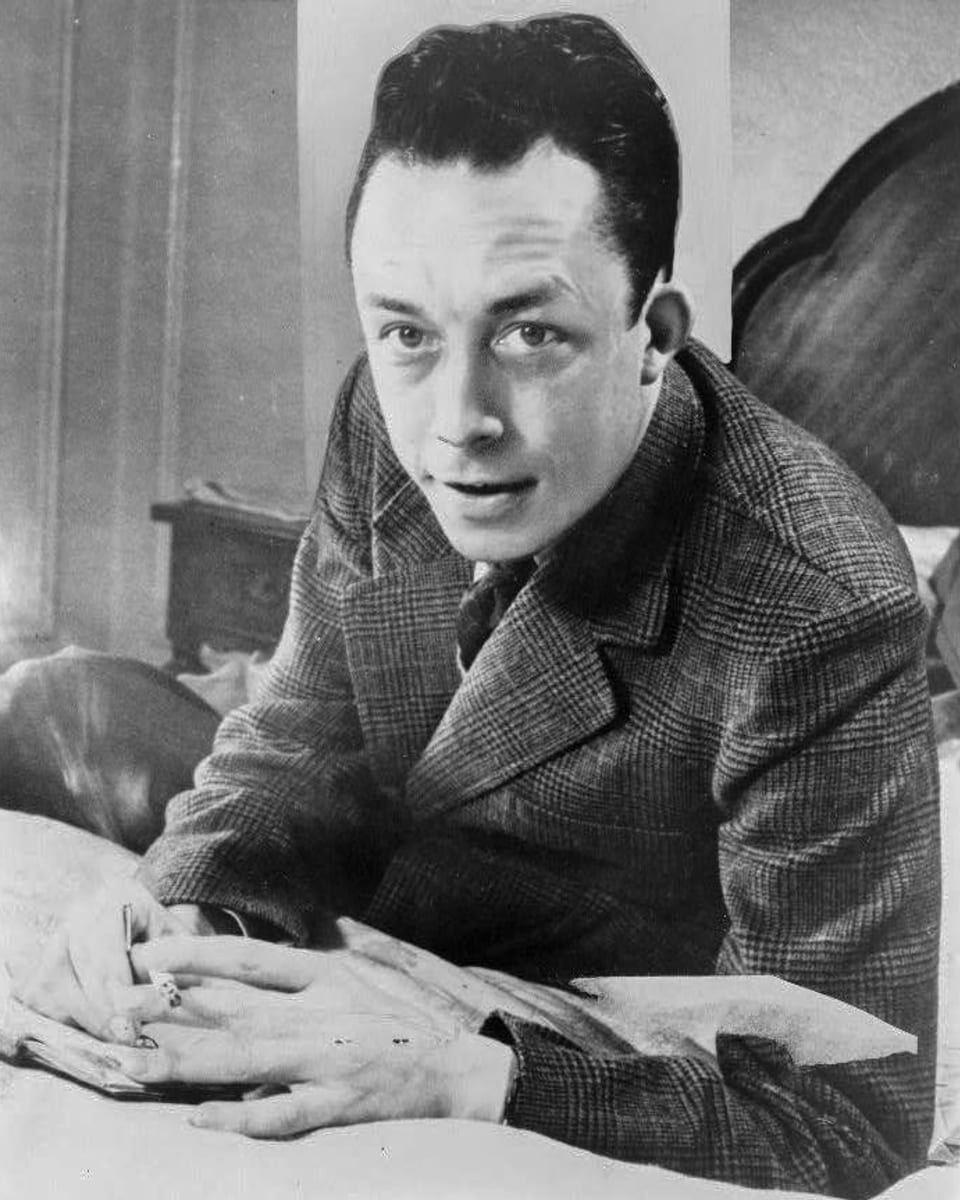
Camus
1913–1960
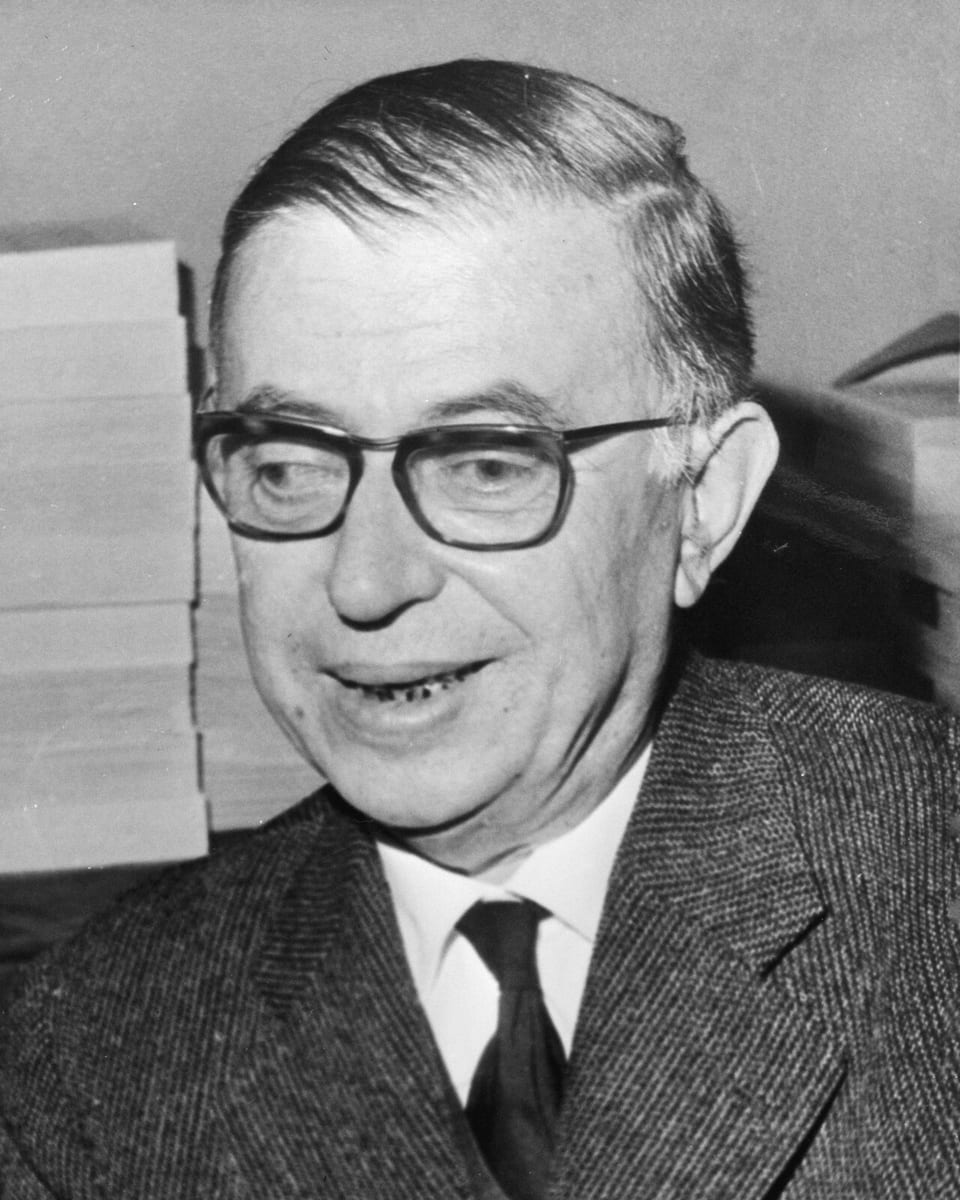
Sartre
1905–1980
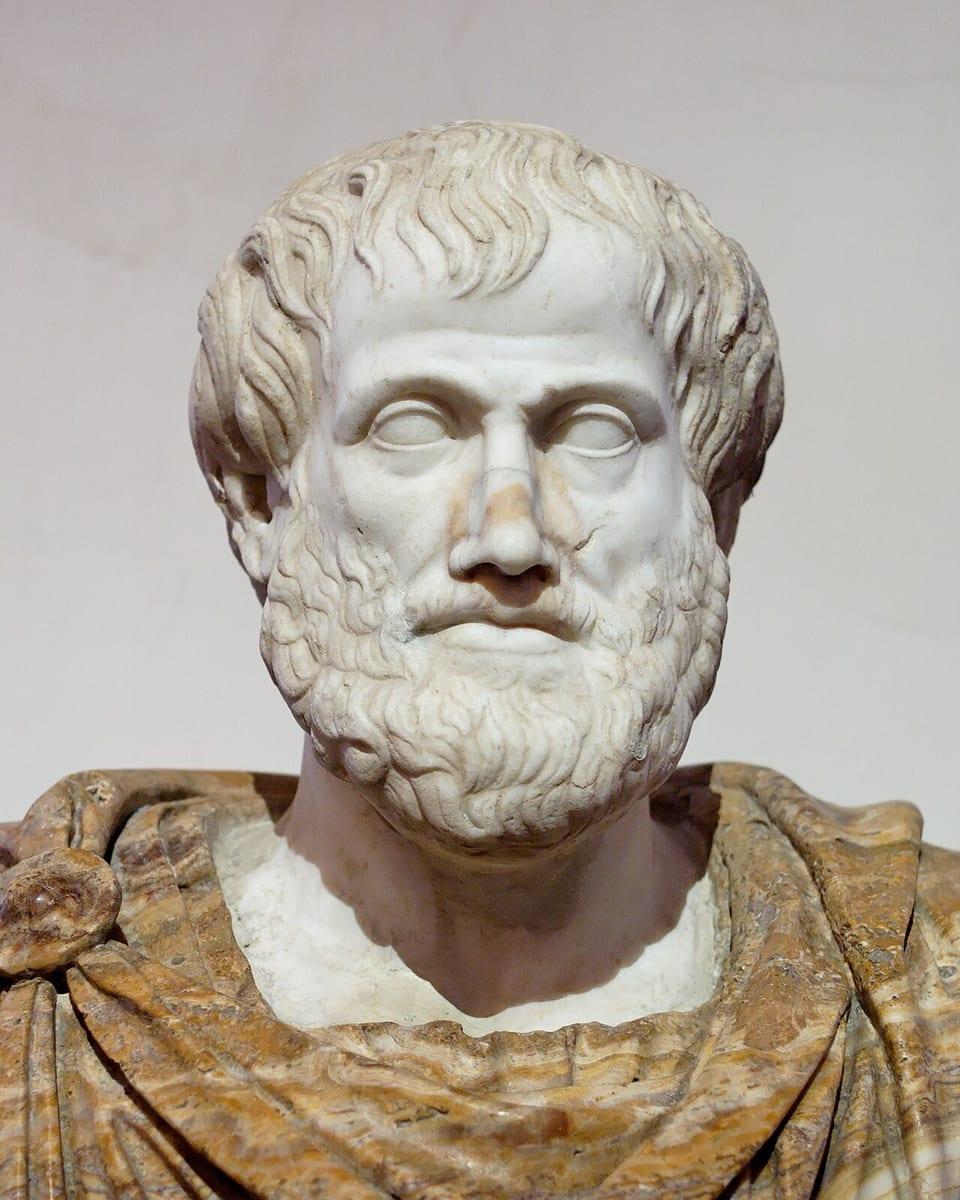
Aristotle
384–322 BC
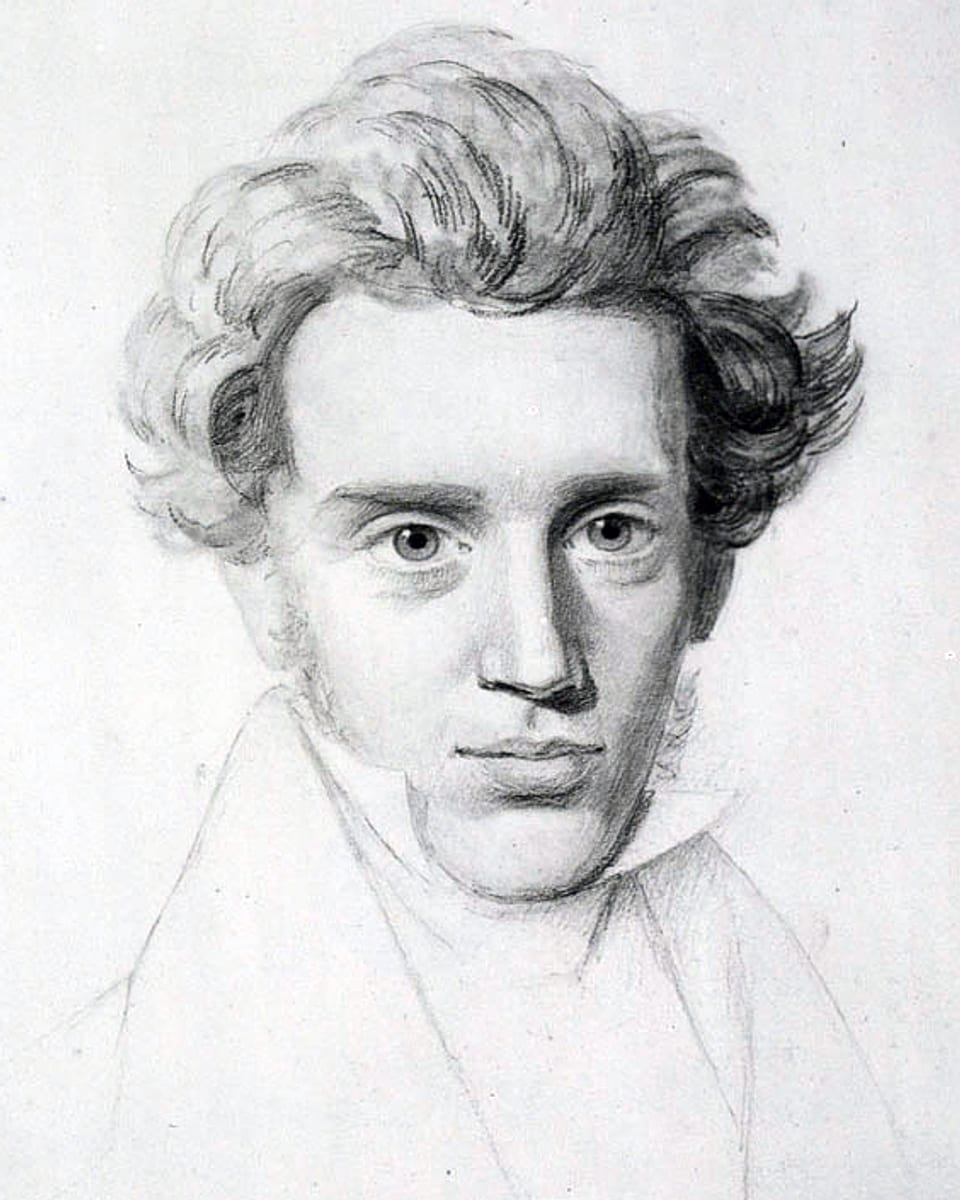
Kierkegaard
1813–1855