SleepyPhilosophyRadio
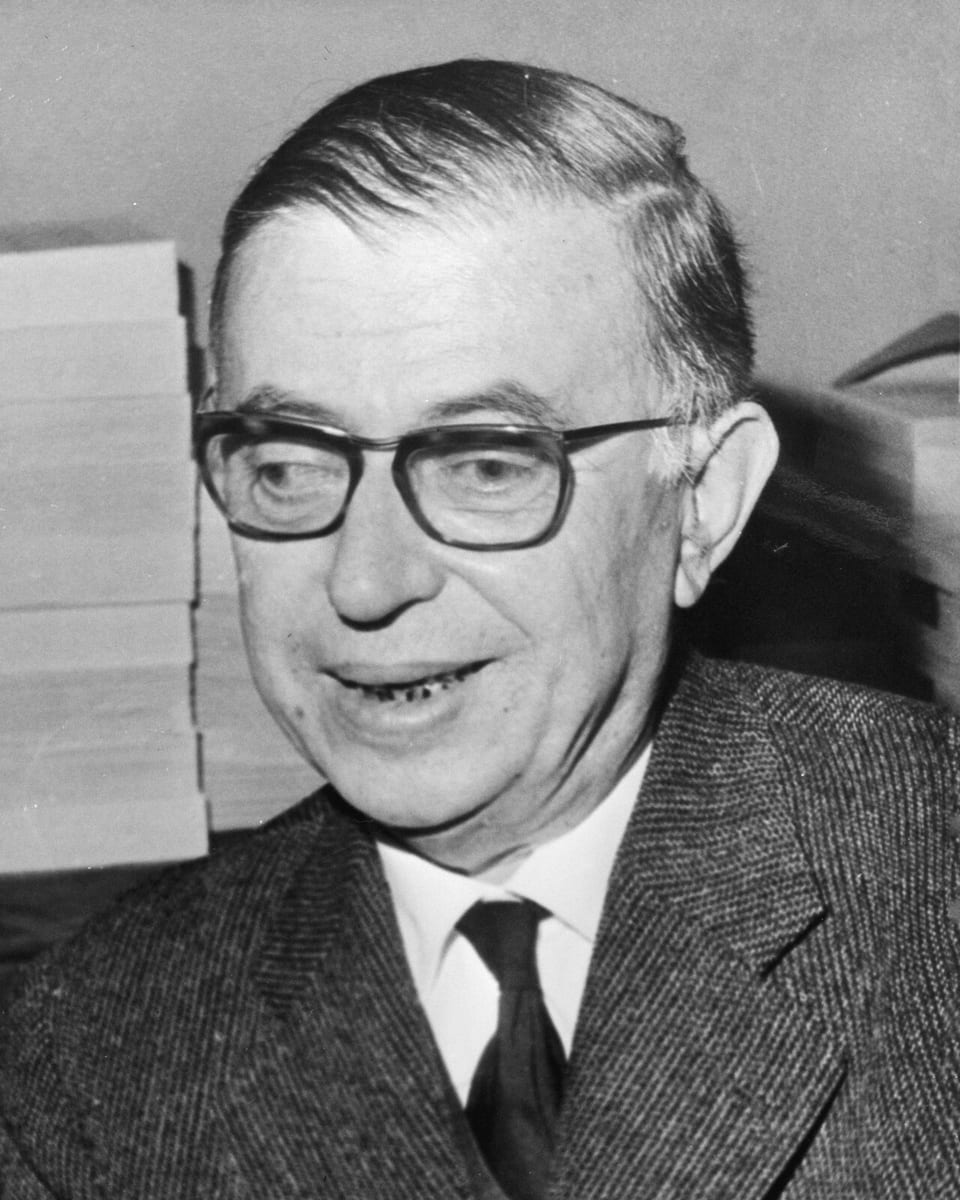
Sartre: Jean-Paul Sartre in 1965

Portrait: Jean-Paul Sartre in 1965. Unknown photographer, Anefo, CC BY-SA 3.0 NL, cropped, via Wikimedia Commons.

Philosopher1905–1980

Sartre

Jean-Paul Sartre declared that existence precedes essence. His existentialism places radical freedom and responsibility at the center of human life.

4 episodes

Episodes

Sartre

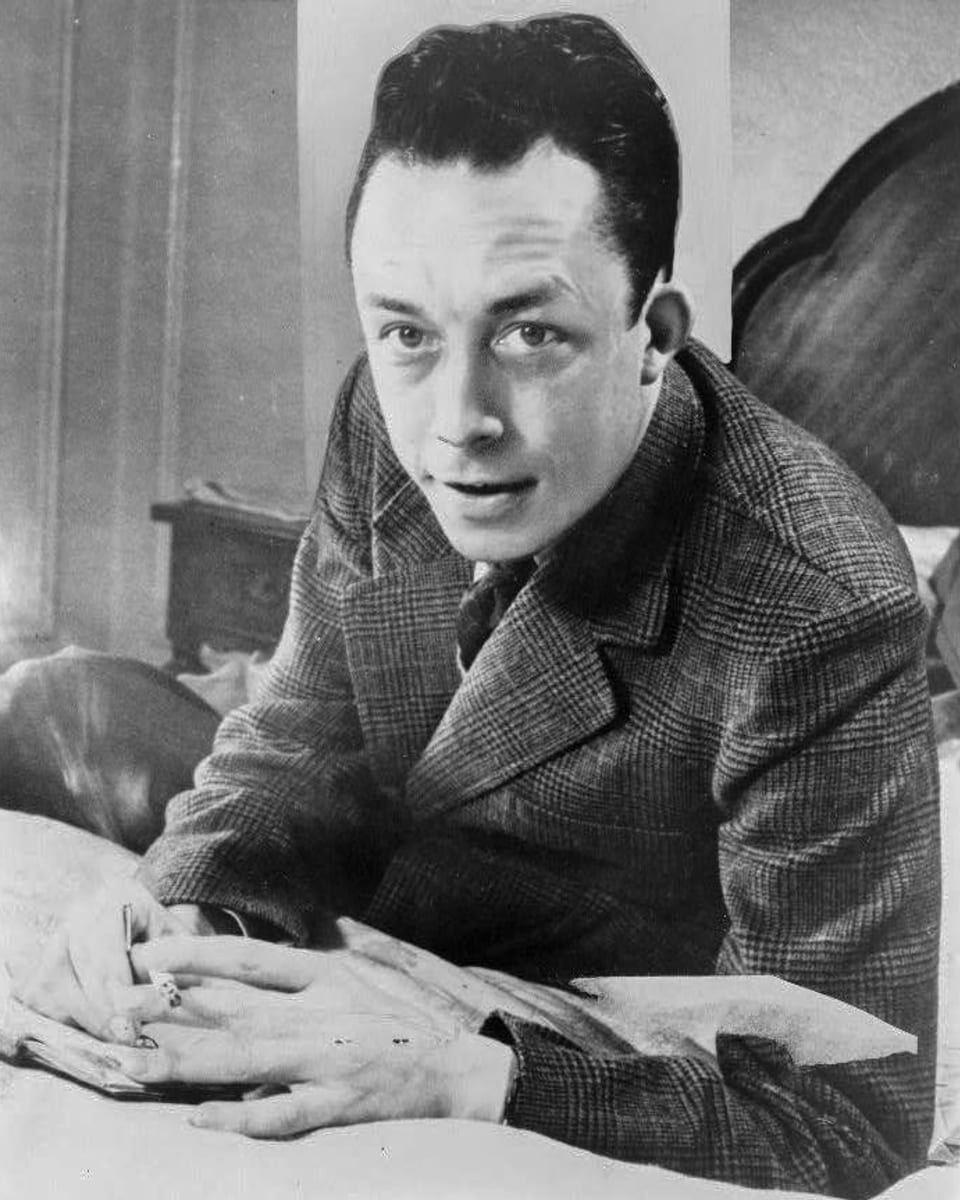
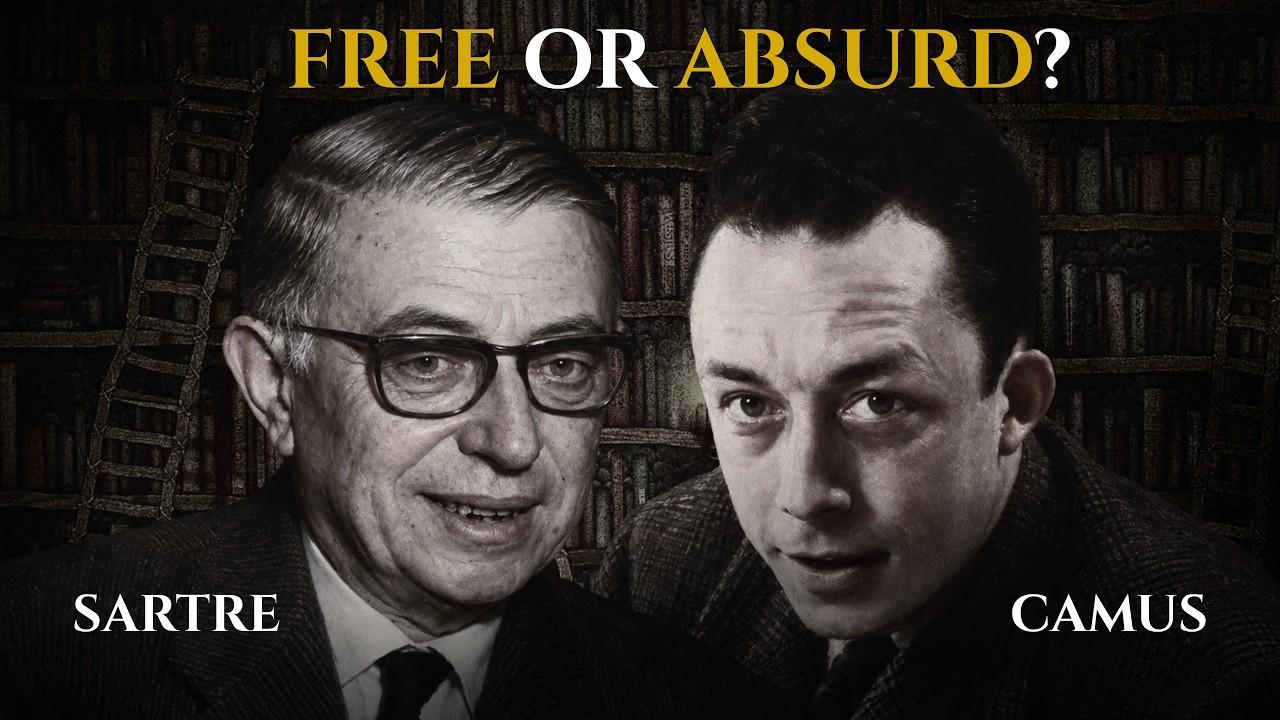
Camus and Sartre began as friends and became public opponents over The Rebel. Their argument reaches deeper than the quarrel: Camus starts with the absurd and insists on revolt with limits; Sartre starts with radical freedom and asks what commitment to history requires. The reading follows their wartime friendship, the break, and the strongest version of each view. It asks how a person acts when no final authority can decide in their place.
Abandon All Hope | The History of Hell From Hades to Dante

On Dante, Augustine & 3 more

16 chapters · 6 sources

The idea of hell did not enter history in one finished form. This reading follows Egyptian judgment, Hebrew Sheol, Greek Hades, the Zoroastrian bridge, Gehenna, and arguments in early Christianity about the reach and duration of judgment. Dante gives the tradition its most enduring imaginative architecture; Milton, Swedenborg, and modern philosophers change its terms again. The focus stays on ideas about justice and the human conscience, rather than scenes of torment.

Play

On Sartre, Nothingness, and the Life You Pretend to Live | Philosophy for Sleep

On Sartre

10 chapters · 6 sources

You are condemned to be free. There is no human nature to fall back on, no God-given essence waiting to unfold, no script written in advance. You exist first, and only then do you become what you make of yourself. Sartre's thought runs from his early encounter with phenomenology in prewar Paris, through the monumental arguments of Being and Nothingness, to his later engagement with Marxism and political commitment.

Play
All philosophers

Camus

1913–1960

5 eps.