
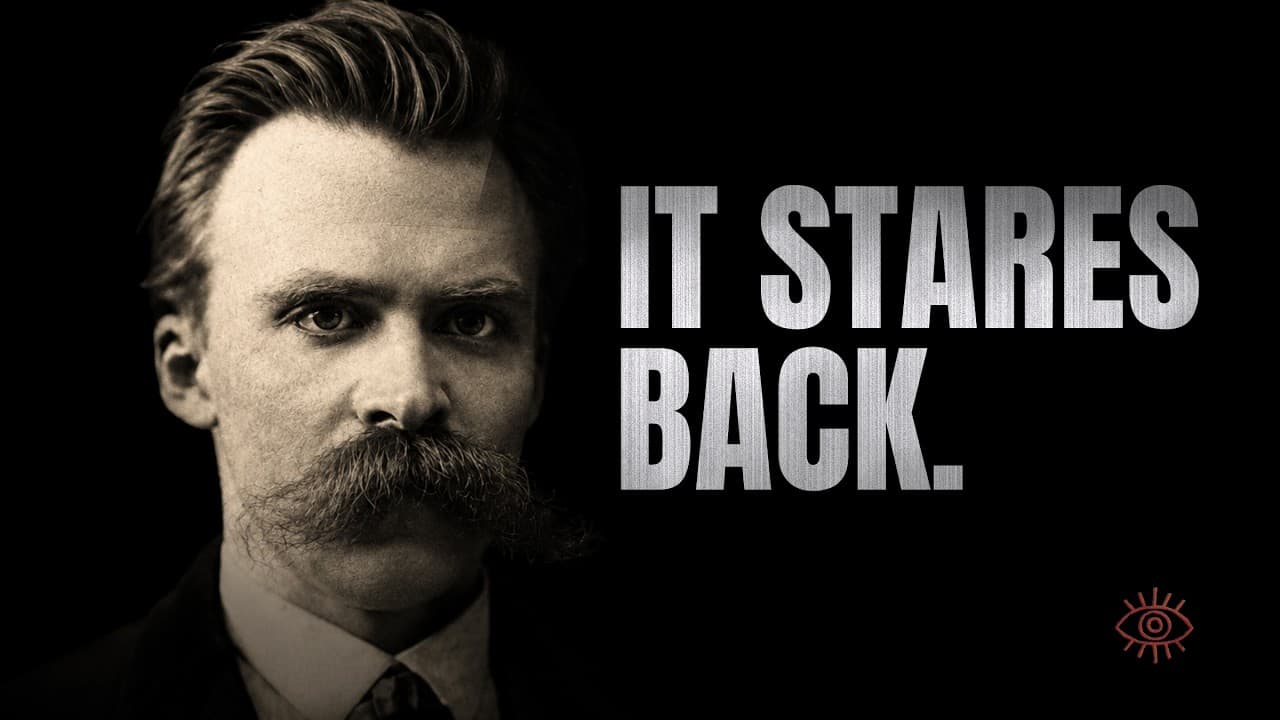
Viktor Frankl
When Life Suddenly Feels Meaningless | The Existential Crisis
On Kierkegaard, Nietzsche & 9 more
Why do people who have everything still wake at three in the morning certain that none of it means anything?
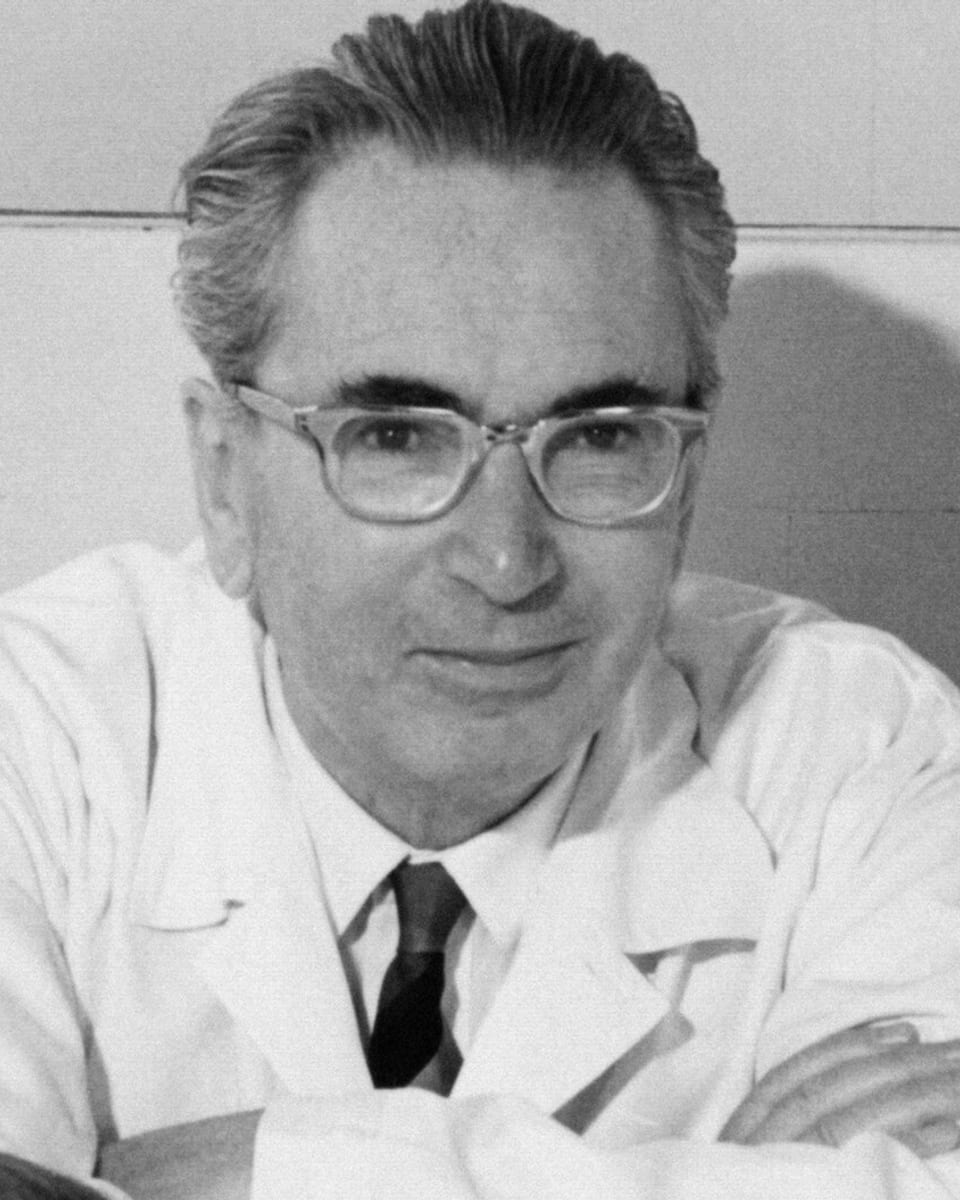
Portrait: Viktor Frankl in 1965. Prof. Dr. Franz Vesely, CC BY-SA 3.0 DE, cropped, via Wikimedia Commons.
Viktor Frankl was a Viennese psychiatrist who survived Theresienstadt, Auschwitz, and two subcamps of Dachau, and lost his wife, his parents, and his brother in the Holocaust. Man's Search for Meaning, written in nine days after the war, argues that our deepest drive is not pleasure or power but meaning, and that even in the worst conditions we keep the freedom to choose our attitude.
2 episodes 3 books
On Kierkegaard, Nietzsche & 9 more
Why do people who have everything still wake at three in the morning certain that none of it means anything?
On Viktor Frankl
18 chapters · 6 sources
In the autumn of 1942, Viktor Frankl witnessed prisoners in Auschwitz giving away their last pieces of bread to help others. In that moment, he understood that everything can be taken from a person except the freedom to choose one's attitude toward any circumstance.
Play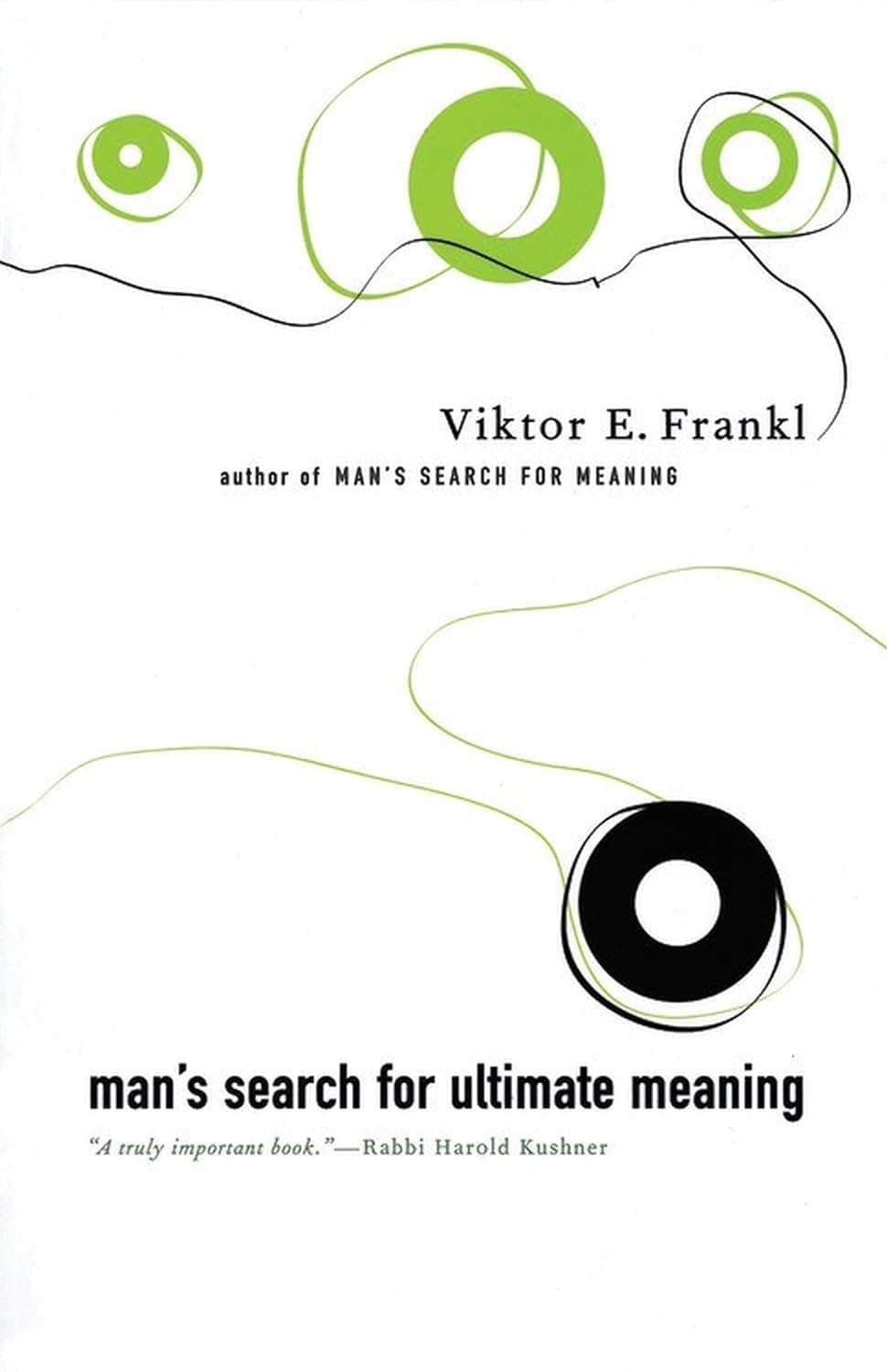
by Viktor E. Frankl, 2000
Frankl's deeper philosophical exploration of logotherapy, examining the unconscious search for God and the will to meaning beyond everyday purpose.
Get this book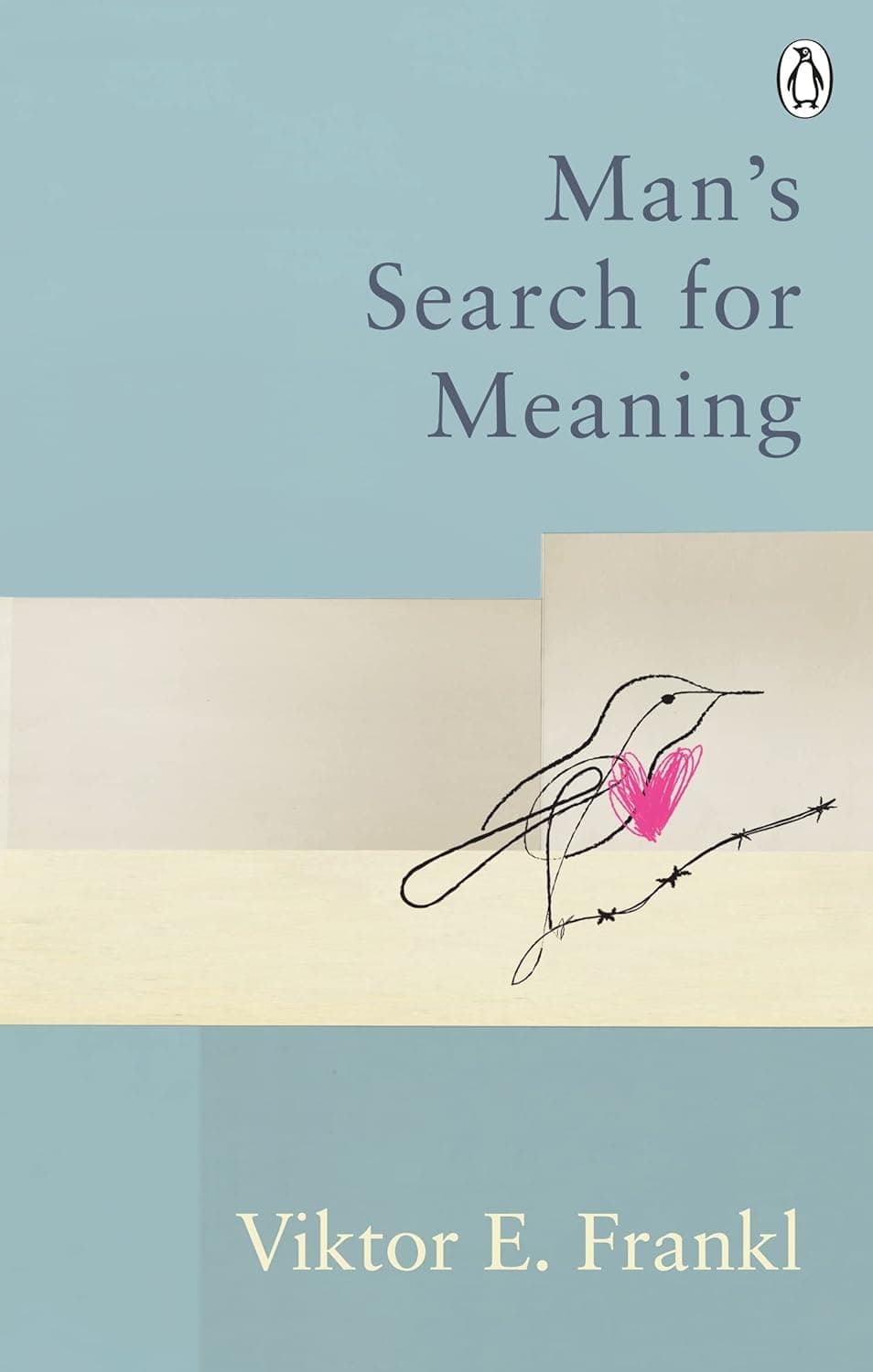
by Viktor E. Frankl, 1946
Frankl's account of surviving the Holocaust and discovering that finding purpose is the key to enduring even the worst suffering.
Get this book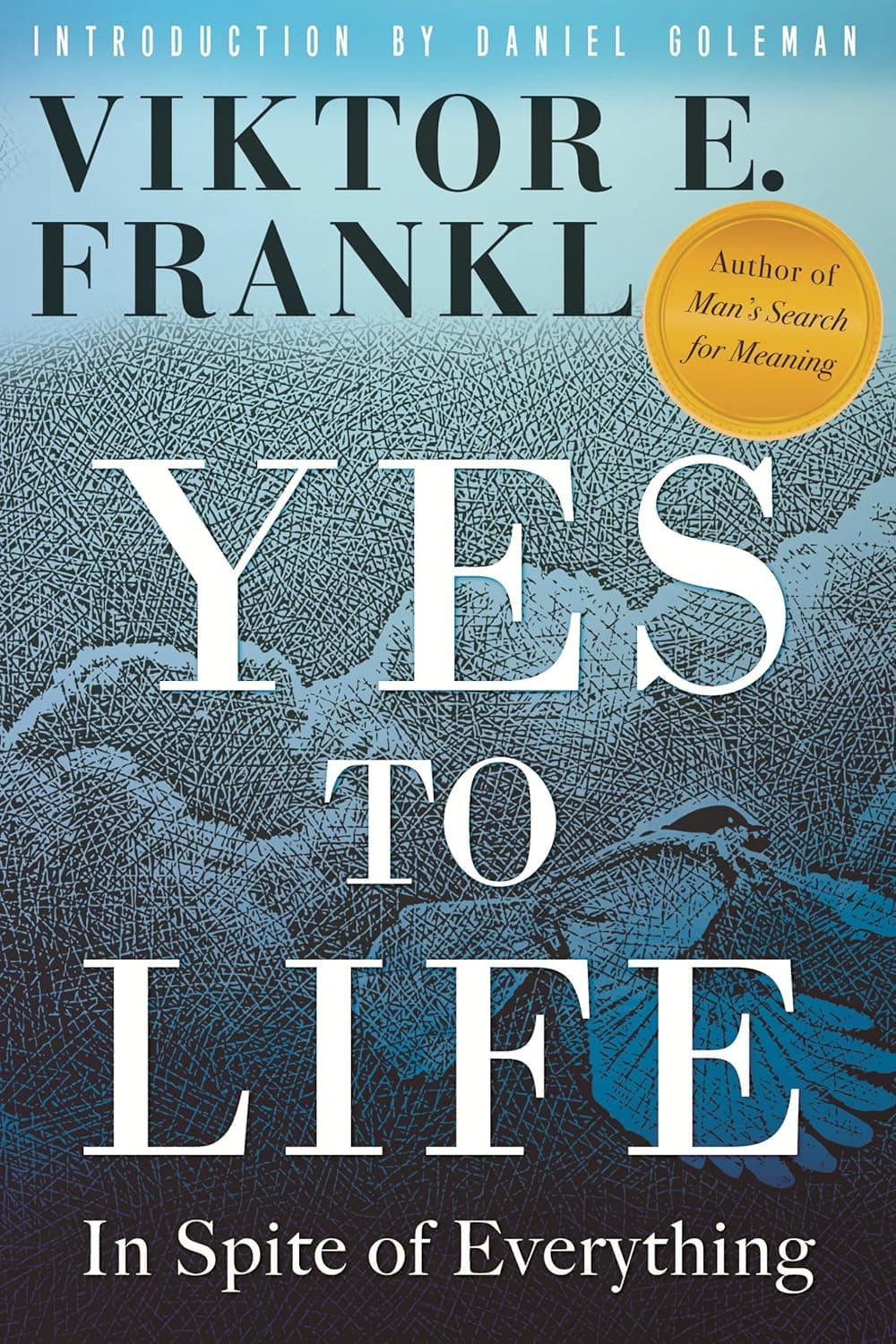
by Viktor E. Frankl, 2020
A collection of lectures Frankl gave shortly after liberation from the concentration camps, offering raw and hopeful reflections on meaning and resilience.
Get this book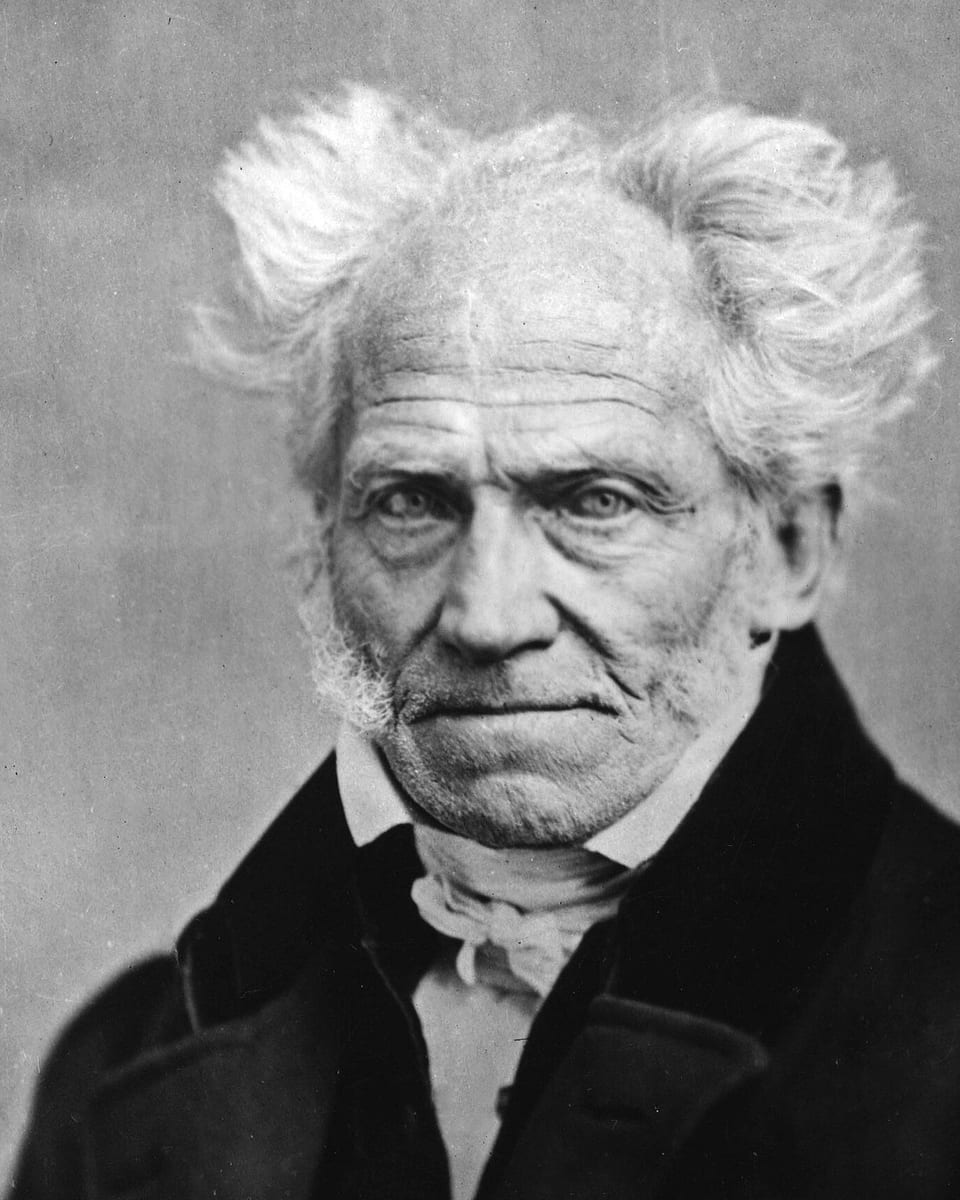
1788–1860
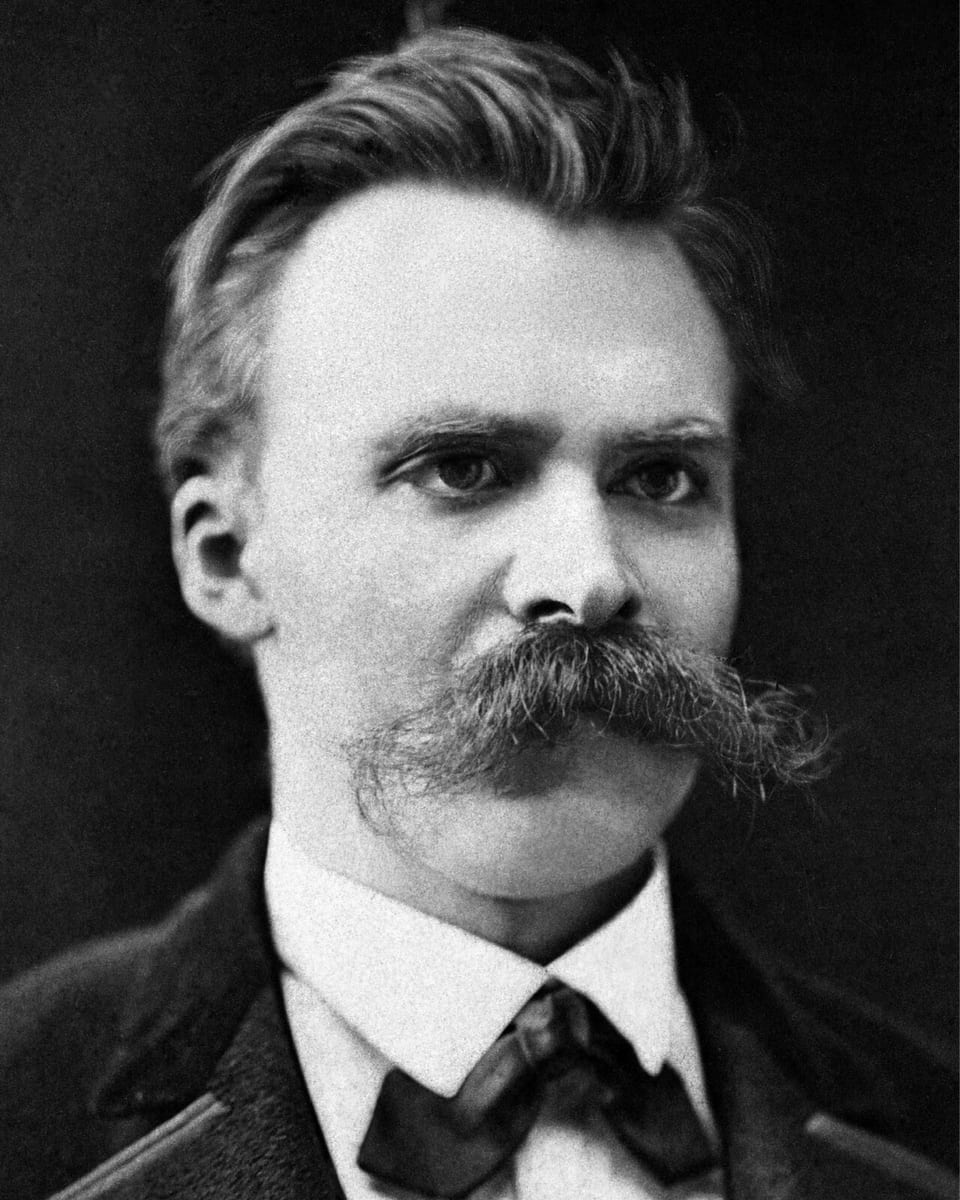
1844–1900
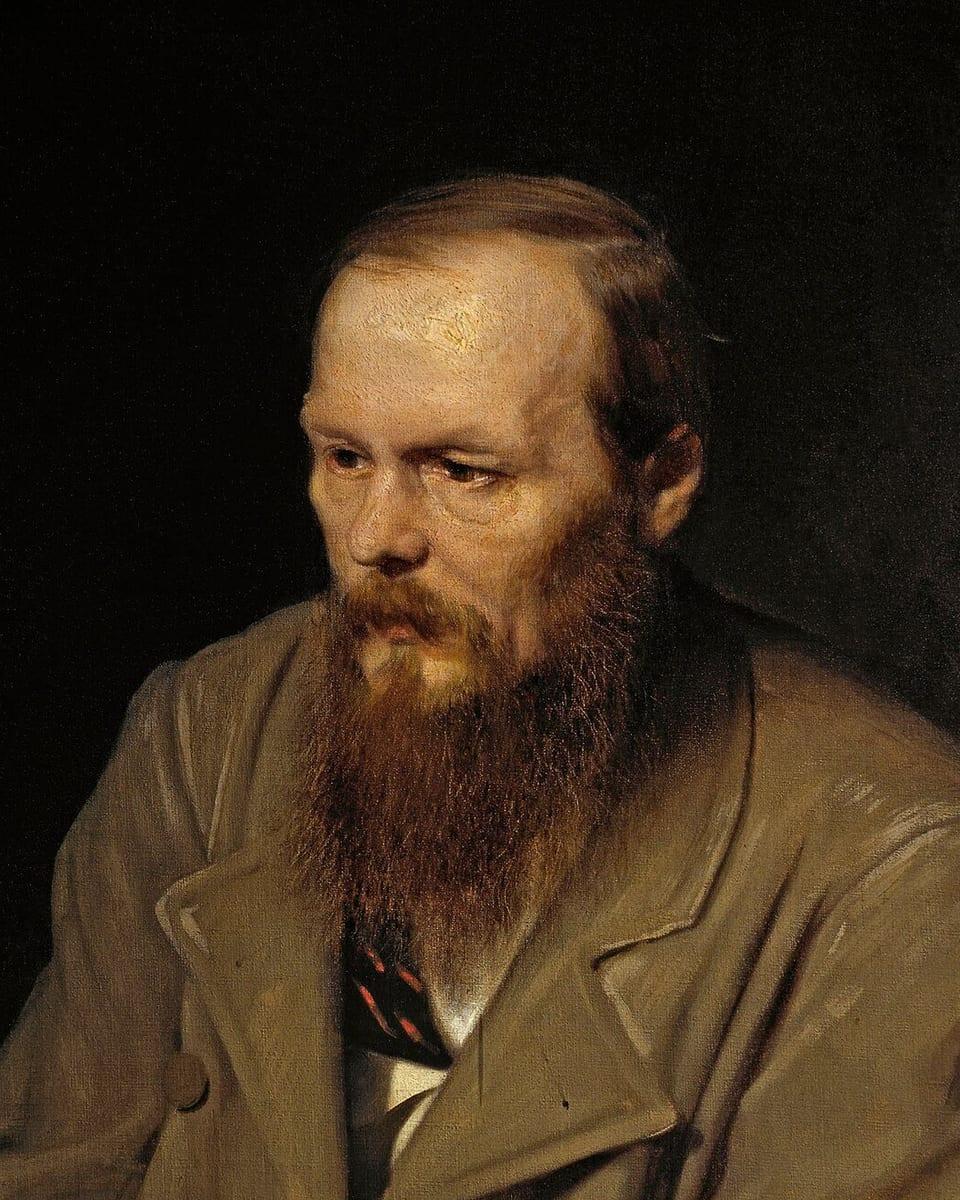
1821–1881
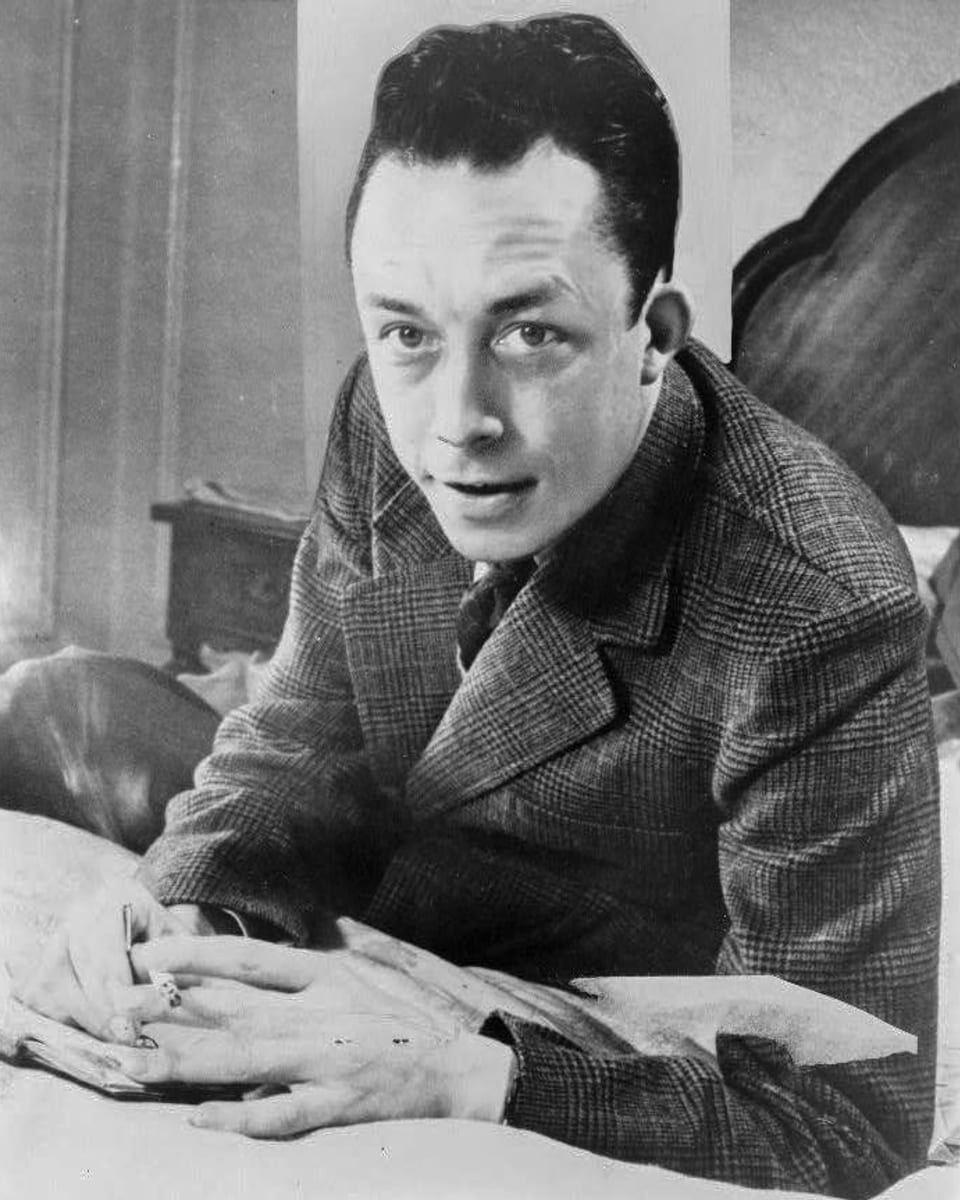
1913–1960
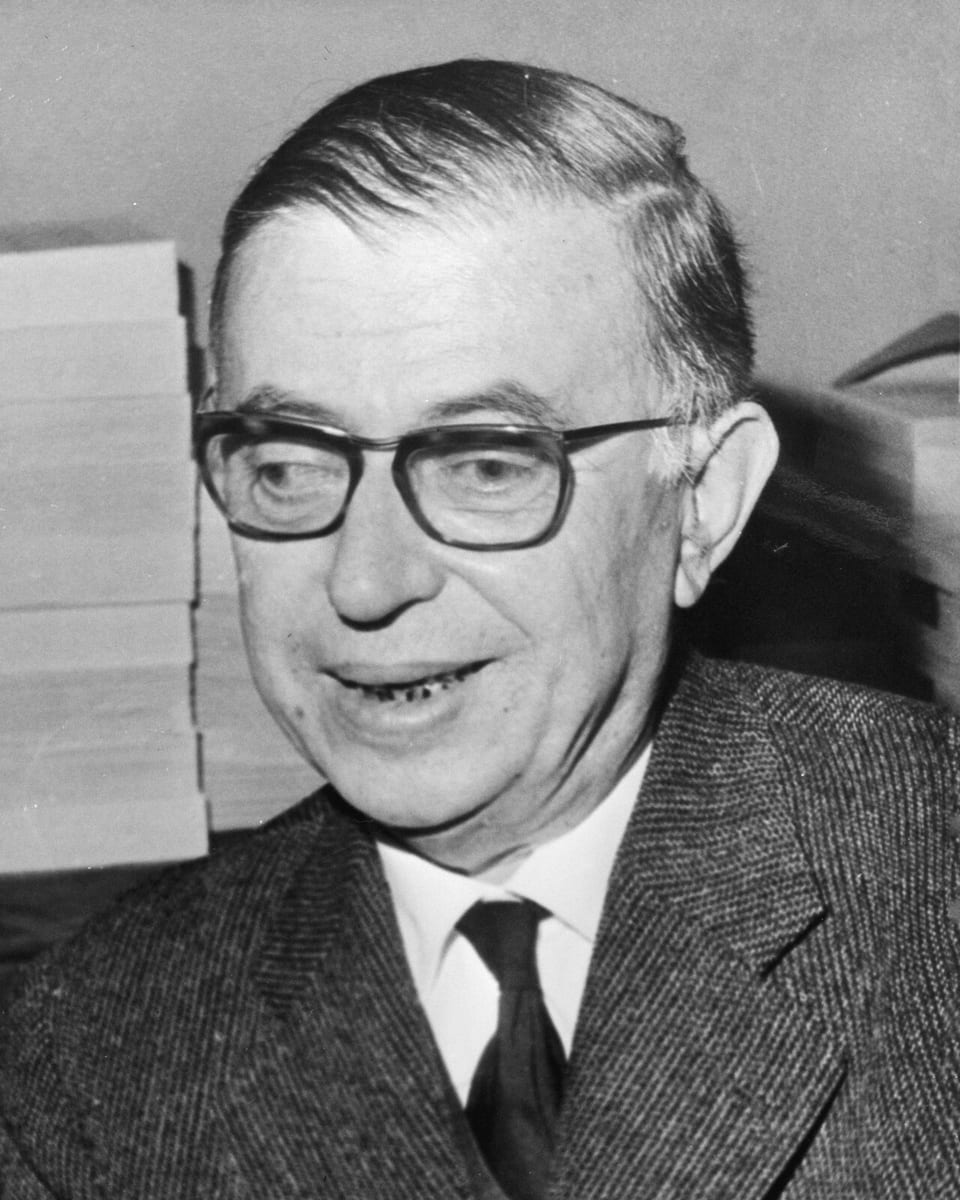
1905–1980
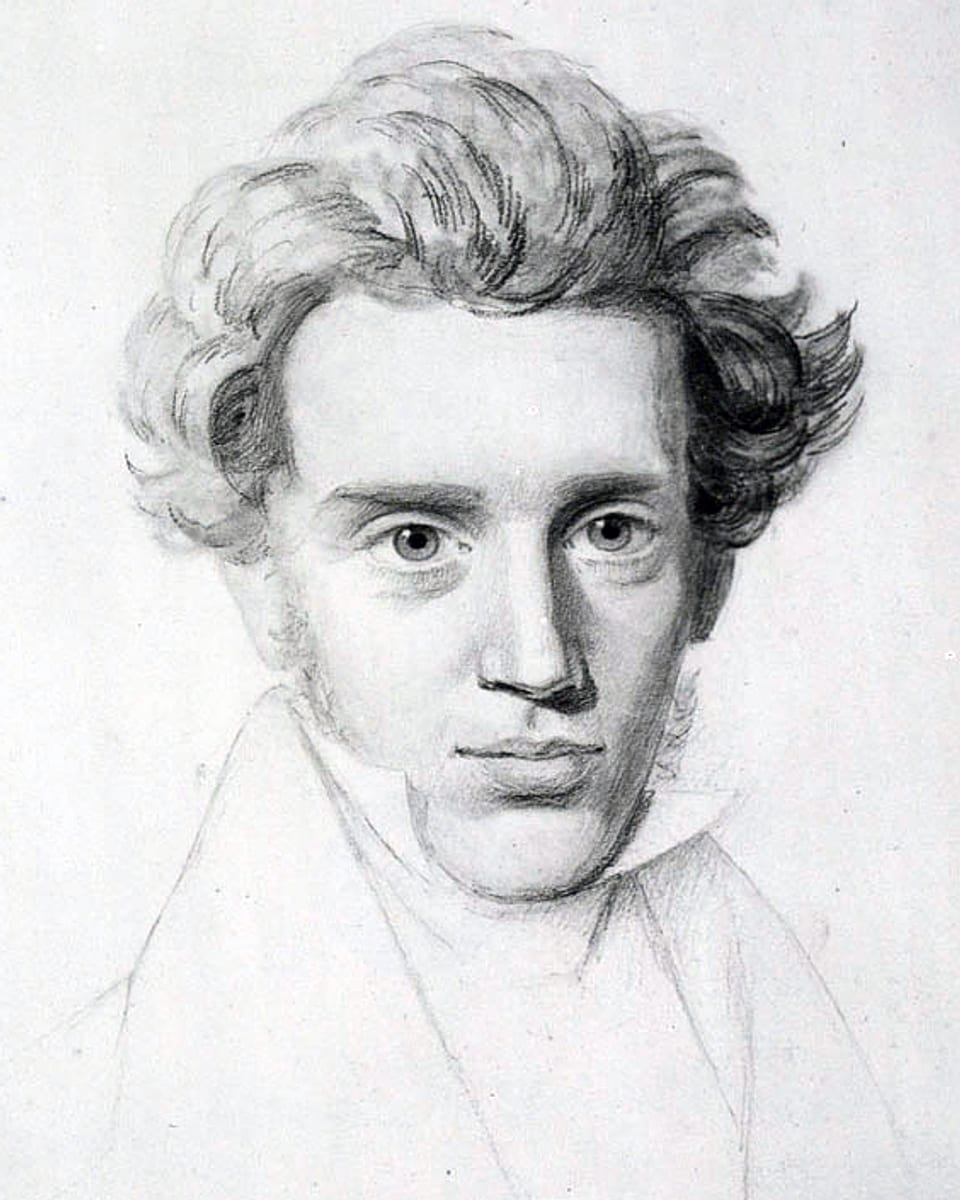
1813–1855