Metaphysics
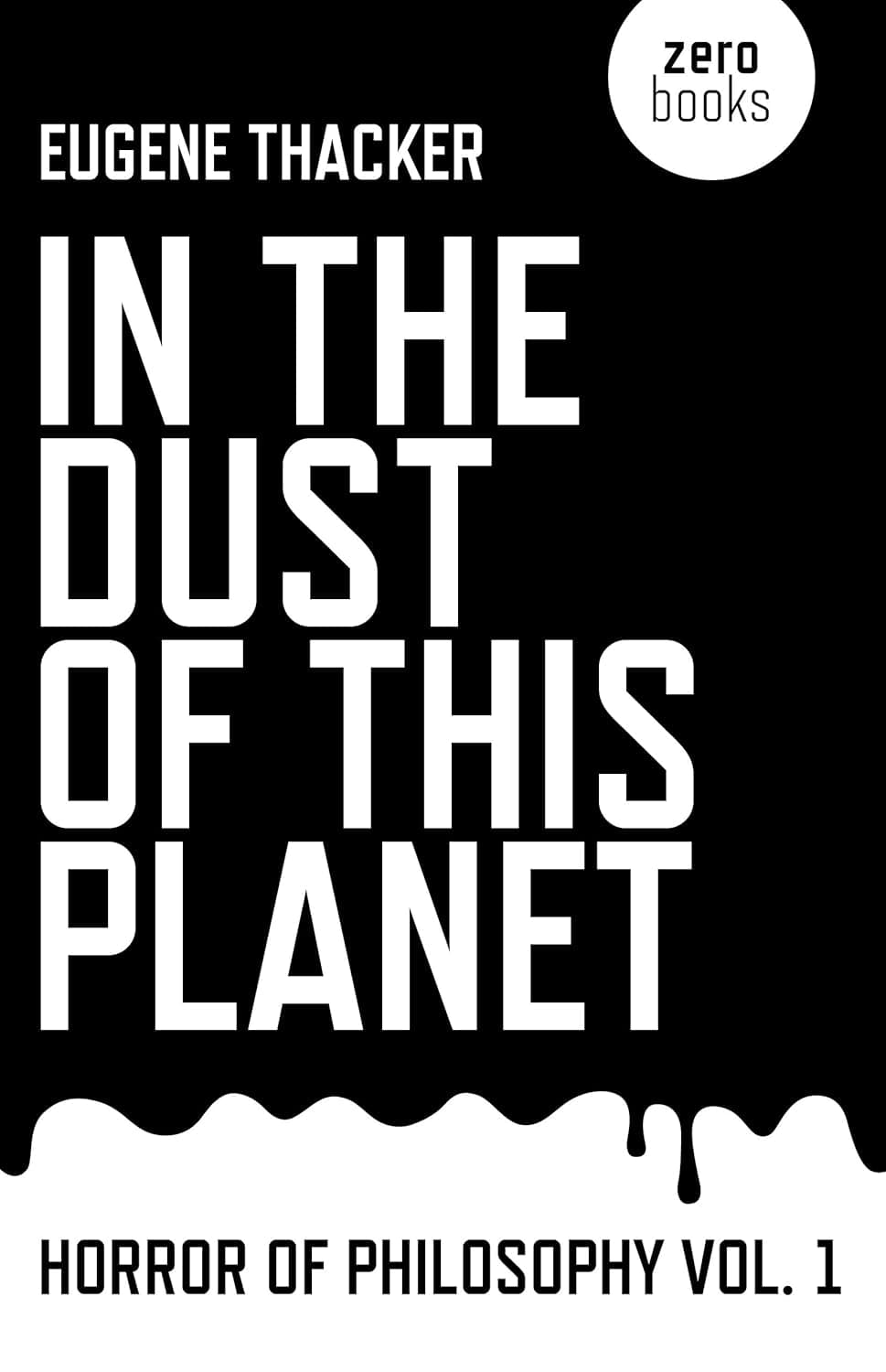
In the Dust of This Planet
by Eugene Thacker(2011)
The first volume of Thacker's Horror of Philosophy trilogy, exploring the idea of a world without us. Draws on Lovecraft, demonology, and continental philosophy to ask what happens when thought confronts a world that is fundamentally not for us.
Some links are affiliate links. Purchases help support the channel at no extra cost to you.
Episodes featuring this book
The Dark Philosophy of Cosmicism | H.P. Lovecraft
HP Lovecraft's Complete Philosophy for Sleep
The universe is not hostile. It is indifferent. Which is worse. It begins with a boy and a telescope on a hill in Providence, Rhode Island, and ends with a view of the cosmos that science keeps confirming. We explore his materialism and his intellectual formation, from the ancient atomists through Schopenhauer and Haeckel. We unpack the core claim of cosmicism, that the universe operates on scales and according to principles that are simply beyond human comprehension. We examine his major stories as philosophical texts, from "The Call of Cthulhu" to "At the Mountains of Madness" to "The Colour Out of Space." We address his racism honestly and philosophically. And we ask the question his work leaves behind: what does it mean to live with dignity in a cosmos that does not know you are here? The full episode is on YouTube and Spotify. Please listen only in safe, restful contexts.
10 chapters5 sources
Man Is Not a Piano Key | Dostoevsky's Notes from Underground
Literature's first anti-hero opens by telling us that he is sick, that he is spiteful, and that he will see no doctor out of pure defiance. In the winter of a year that would take almost everyone he loved, a broke and grieving writer set loose the strangest voice in Russian literature. This episode stays inside that single short book, Notes from Underground, and follows its narrator all the way down. We begin at the desk where it was written, then enter his war on reason, on the science of happiness, and on the gleaming palace of the perfect future. We follow him out of his head and into the world, to a humiliating dinner, a snowbound street, and an encounter with a young woman that becomes the truest and cruelest scene he ever lived. Along the way we uncover the chapter a censor quietly cut, and the buried answer it removed. What remains is the first modern confession, and a mind we still recognize as our own. The full episode is on YouTube and Spotify. Please listen only in safe, restful contexts.
15 chapters6 sources
No Man Can Save Himself Alone | Beauvoir's Ethics of Ambiguity
Simone de Beauvoir asks what freedom can mean after alibis, idols, and innocence have fallen. This episode walks slowly through The Ethics of Ambiguity as Beauvoir builds an existentialist ethics out of finitude, failure, and action. It begins in postwar Paris, where the language of responsibility had become historically urgent, then follows the book's own structure from ambiguity and freedom into the moral attitudes that flee freedom, including seriousness, nihilism, adventure, and passion. The reading then turns with Beauvoir toward art, political detachment, oppression, liberation, violence, and the dangerous appeal to the future. It closes with the book's most difficult wisdom, that moral life does not escape ambiguity but assumes it through concrete decisions among other freedoms. The full episode is on YouTube and Spotify. Please listen only in safe, restful contexts.
7 chapters6 sources
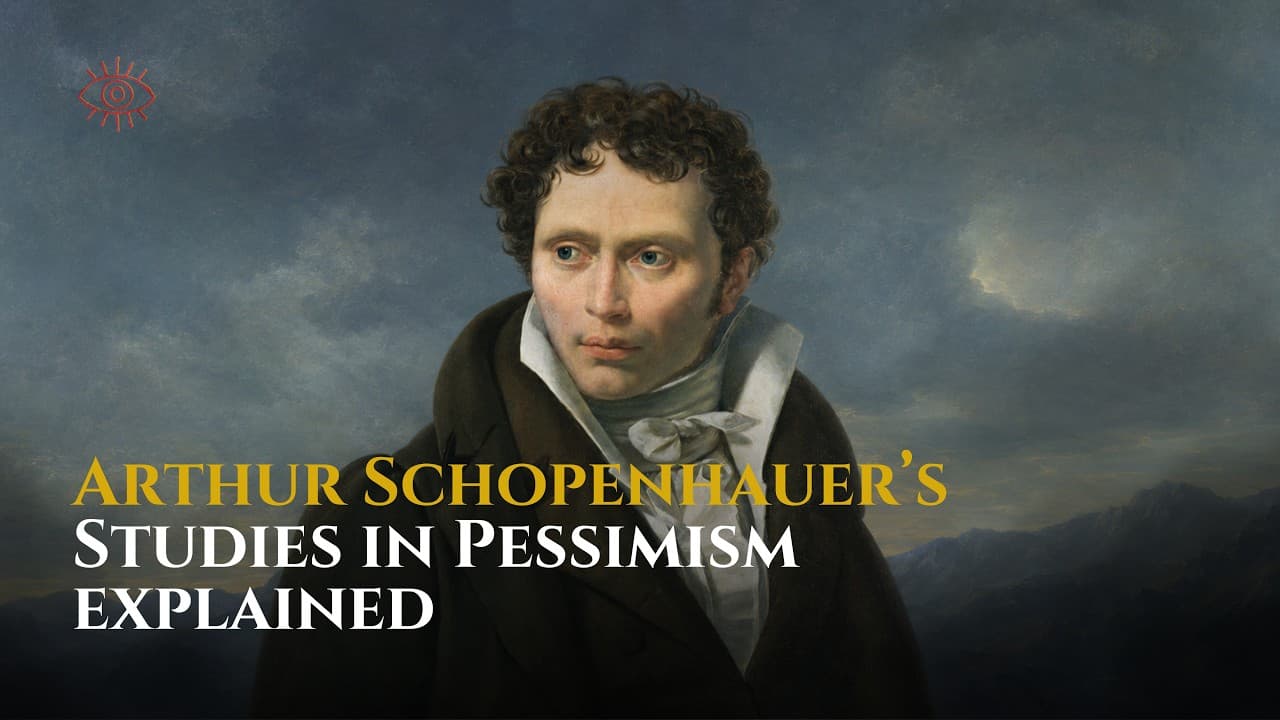
The Vanity of Existence | A Quiet Reading of Schopenhauer's Studies in Pessimism
The clearest pessimist in philosophy on suffering, time, death, and the strange consolation of expecting nothing. Studies in Pessimism gathers the darkest and most readable essays of Arthur Schopenhauer, selected from the late miscellany that finally made him famous and translated into English by T. Bailey Saunders. This reading moves through the whole of it in the book's own order. It opens with the great case for pessimism, that suffering is positive and happiness only the absence of pain, and descends through the emptiness of time, the question of suicide, and a strange dialogue in which a frightened man is told what he will be after death. It passes through sharp observations on human nature and three essays that turn the same cold eye on education, on women, and on noise, before closing with a famous parable of porcupines and the long afterlife of a book that refuses every comfort. The full episode is on YouTube and Spotify. Please listen only in safe, restful contexts.
8 chapters6 sources

When Life Suddenly Feels Meaningless | The Existential Crisis
Why do people who have everything still wake at three in the morning certain that none of it means anything? This is a long, unhurried history of the moment the floor of ordinary life gives way. It begins with a celebrated novelist who, at the height of his fame and fortune, quietly hid a rope from himself, and from that single human crisis it opens outward across the centuries. We follow the confrontation with meaninglessness through the oldest scriptures and the calm arguments of antiquity, through a believer terrified by an infinite and silent cosmos, through the philosopher of endless striving, and into the thinkers who made this dread the very center of their work. We sit with the death of God, with radical freedom, with the absurd, with a survivor who found a reason to endure the unendurable, and with a tradition that meets the void by loosening its grip on the self. The episode closes not with a tidy answer but with the quiet question of how a person comes back to life. The full episode is on YouTube and Spotify. Please listen only in safe, restful contexts.
22 chapters8 sources
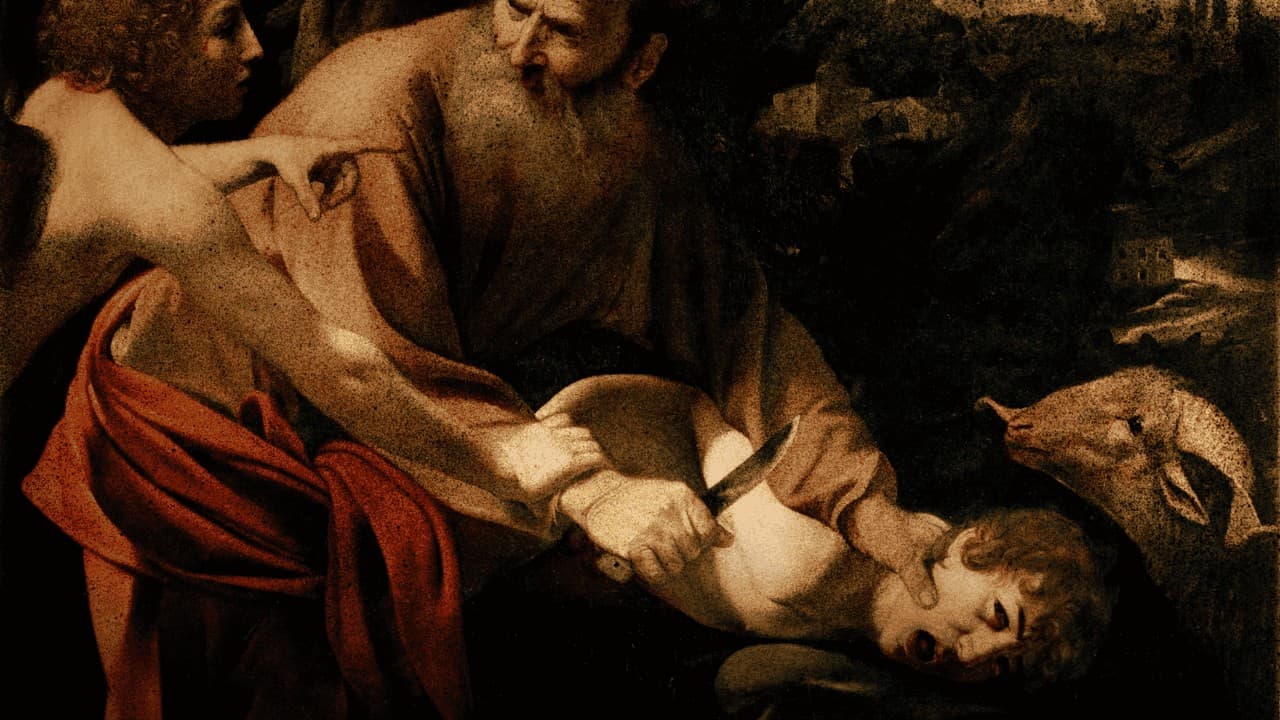
The Knight of Faith | A Slow Reading of Kierkegaard's Fear and Trembling
A father is commanded to kill the son he loves, and is told by no one why. Fear and Trembling is Soren Kierkegaard's strange and beautiful meditation on the binding of Isaac, written under the borrowed name Johannes de Silentio against an age that believed it had outgrown faith. This reading walks through the whole of it, the preface that quarrels with its own century, the four imagined retellings of the journey to Moriah, the eulogy that praises a man it cannot understand, the knight of faith who is impossible to tell apart from an ordinary shopkeeper, and the three problems that ask whether a single individual can ever stand higher than the moral law. It follows the argument to its quiet and unsettling close, where faith turns out to be not a stage one passes through but the task of an entire life. A complete, calm reading of one of philosophy's most demanding small books. The full episode is on YouTube and Spotify. Please listen only in safe, restful contexts.
6 sources