Voltaire

Voltaire was the Enlightenment's sharpest pen. Across twenty thousand letters, dozens of plays and tracts, and a small philosophical novel called Candide, he made satire into a philosophical weapon and argued, often dangerously, for tolerance, reason, and the right to think out loud.

Episodes

The Problem of Evil: Why Does God Allow Suffering? | Philosophy for Sleep
Philosophy of Religion3:41:16

The Problem of Evil: Why Does God Allow Suffering? | Philosophy for Sleep

An innocent man, a burned fawn, and the hardest question ever asked of God. This episode follows the problem of evil from its oldest telling to its newest defenses. It begins with a man who loses everything in a single afternoon and refuses every easy explanation, then traces the great answers, evil as absence, the best of all possible worlds, and the earthquake and the novel that broke optimism's public standing. From there the argument sharpens into the twentieth century, a charge of outright contradiction, the celebrated defense that answered it, a theodicy of growing souls, and a dying fawn that changed the question from proof to evidence. The second half belongs to skeptical theism, the claim that human minds cannot survey the reasons a God might have, and to the objections that press it, moral paralysis, spreading doubt, horrendous evils, animal pain, and divine silence. The episode ends where the argument now stands, between a rock and a rope. The full episode is on YouTube and Spotify. Please listen only in safe, restful contexts.
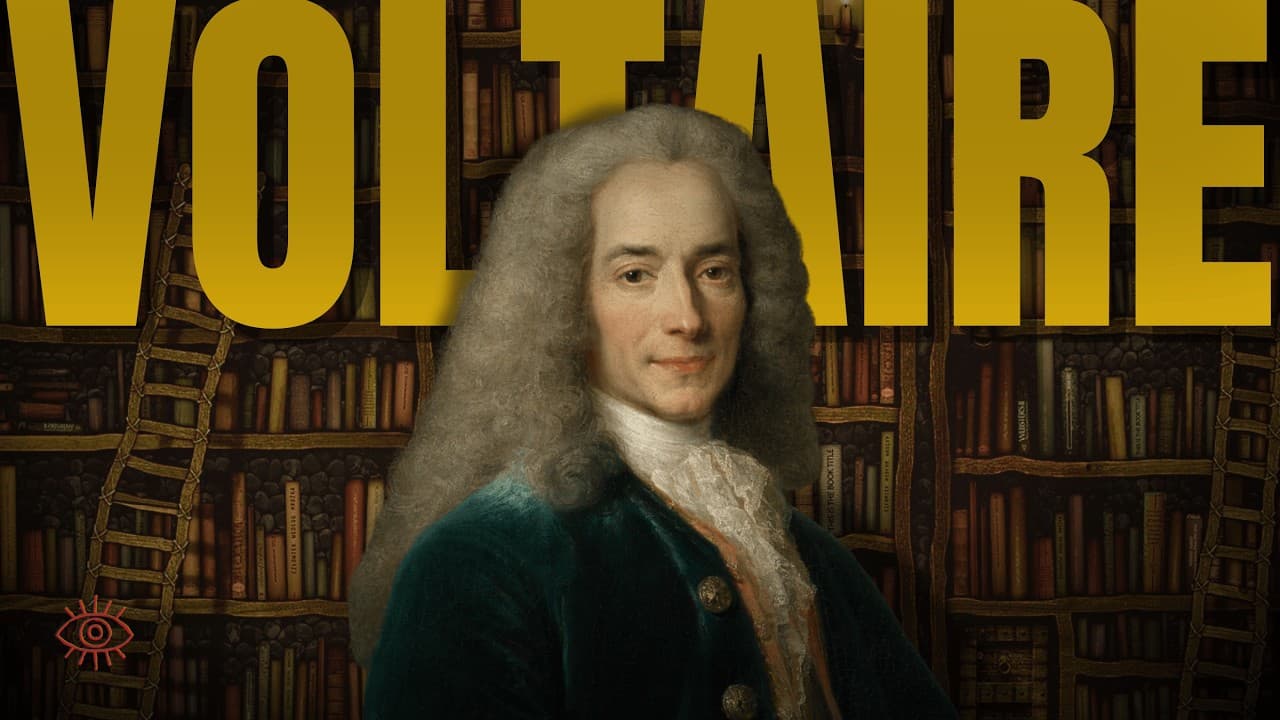
The Writer Who Helped Start a Revolution | Voltaire for Sleep
Modern Philosophy2:26:11

The Writer Who Helped Start a Revolution | Voltaire for Sleep

Enlightenment, Candide, and the War on Fanaticism for Deep Sleep

He wrote twenty thousand letters and made half of Europe afraid of him. Francois Marie Arouet, known as Voltaire, was the most famous writer in eighteenth century Europe and the most devastating enemy of fanaticism, superstition, and cruelty that the French language has ever produced. We follow him from his birth in Paris in 1694, through two imprisonments in the Bastille, through his three year exile in England and his discovery of Newton and Locke, through the Lisbon earthquake that destroyed his patience with Leibnizian optimism, through the writing of Candide, through the Calas affair, through the founding of the town of Ferney, through the Philosophical Dictionary, and finally through his triumphant return to Paris in 1778, where he died surrounded by the city that had once exiled him. The full episode is on YouTube and Spotify. Please listen only in safe, restful contexts.
Recommended Reading

Philosophical Dictionary by Voltaire (trans. Theodore Besterman)

Philosophical Dictionary

Voltaire (trans. Theodore Besterman)

intermediate

Short alphabetical entries on faith, tolerance, the soul, and fanaticism, designed to be read in any order. Each one a small charge under a comfortable orthodoxy.

Get this book
Treatise on Toleration by Voltaire (trans. Desmond M. Clarke)

Treatise on Toleration

Voltaire (trans. Desmond M. Clarke)

intermediate

Written in response to the judicial murder of Jean Calas, Voltaire's 1763 plea for religious tolerance is one of the foundational texts of modern human rights thinking.

Get this book
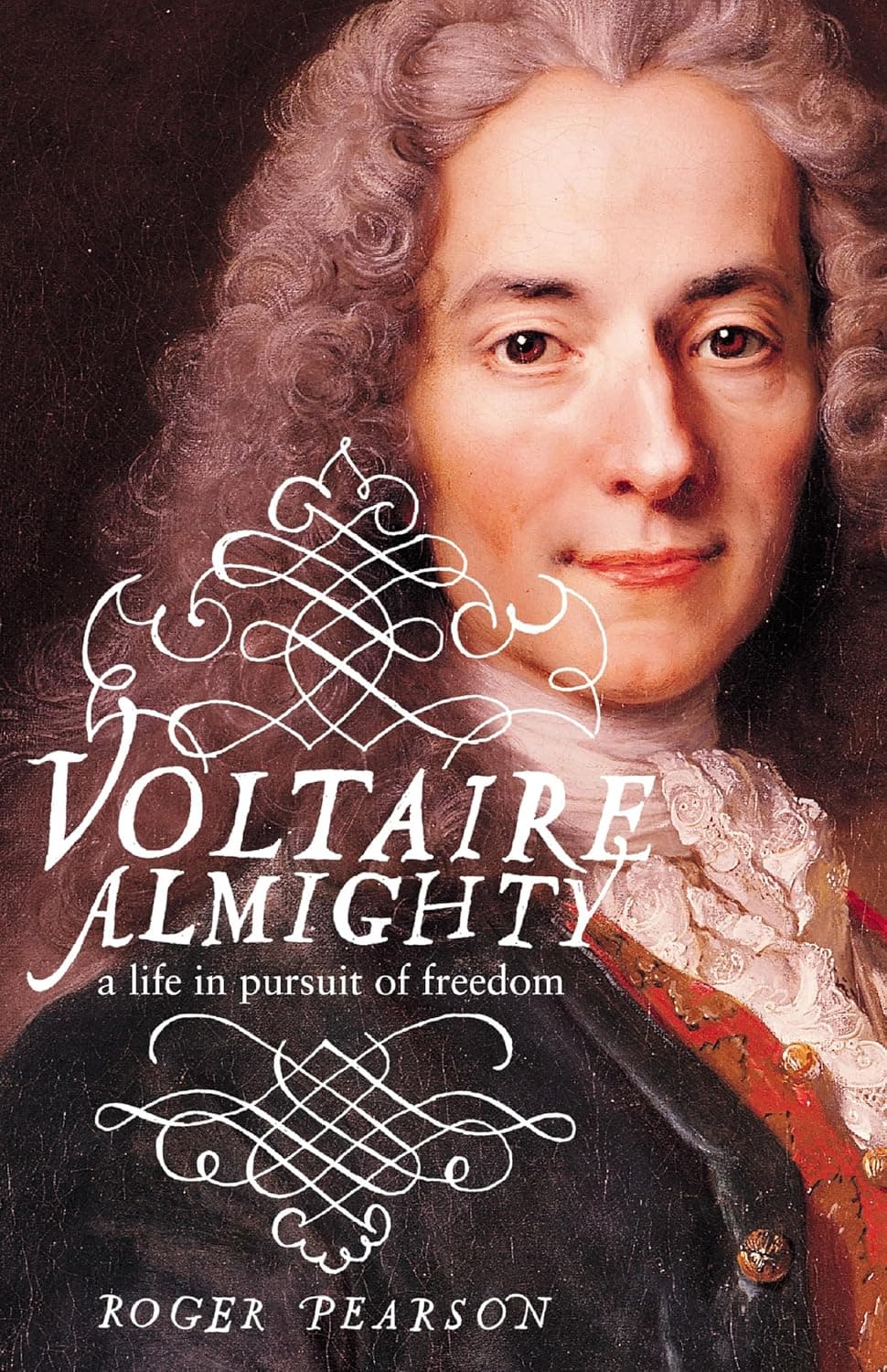
Voltaire Almighty: A Life in Pursuit of Freedom by Roger Pearson

Voltaire Almighty: A Life in Pursuit of Freedom

Roger Pearson

beginner

Pearson's warm, witty, and deeply researched biography of Voltaire. The most accessible single volume on the man and the age he dragged with him.

Get this book
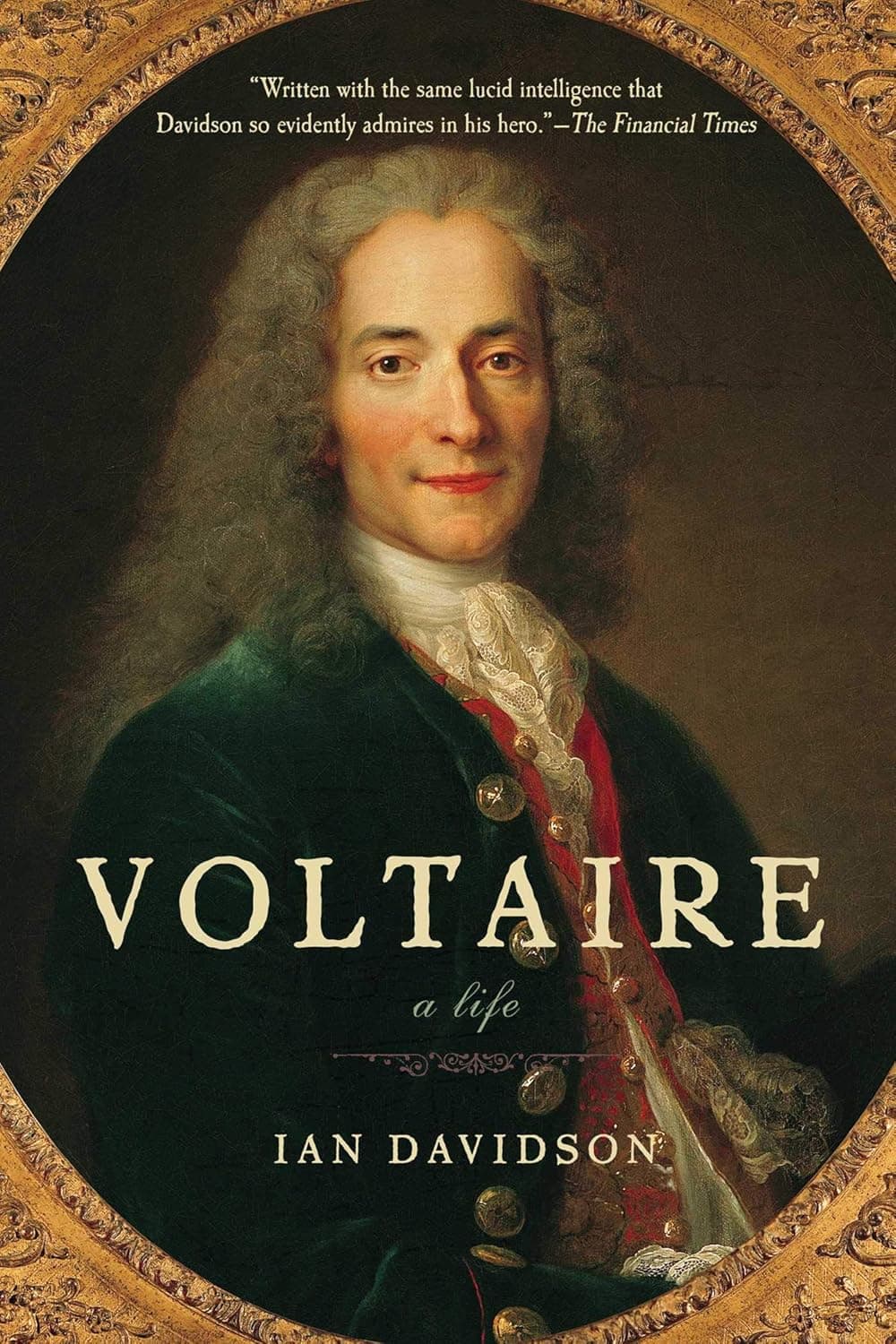
Voltaire: A Life by Ian Davidson

Voltaire: A Life

Ian Davidson

intermediate

Davidson's authoritative biography, focused on Voltaire's later years at Ferney, the Calas affair, and the campaigns that made him Europe's conscience.

Get this book
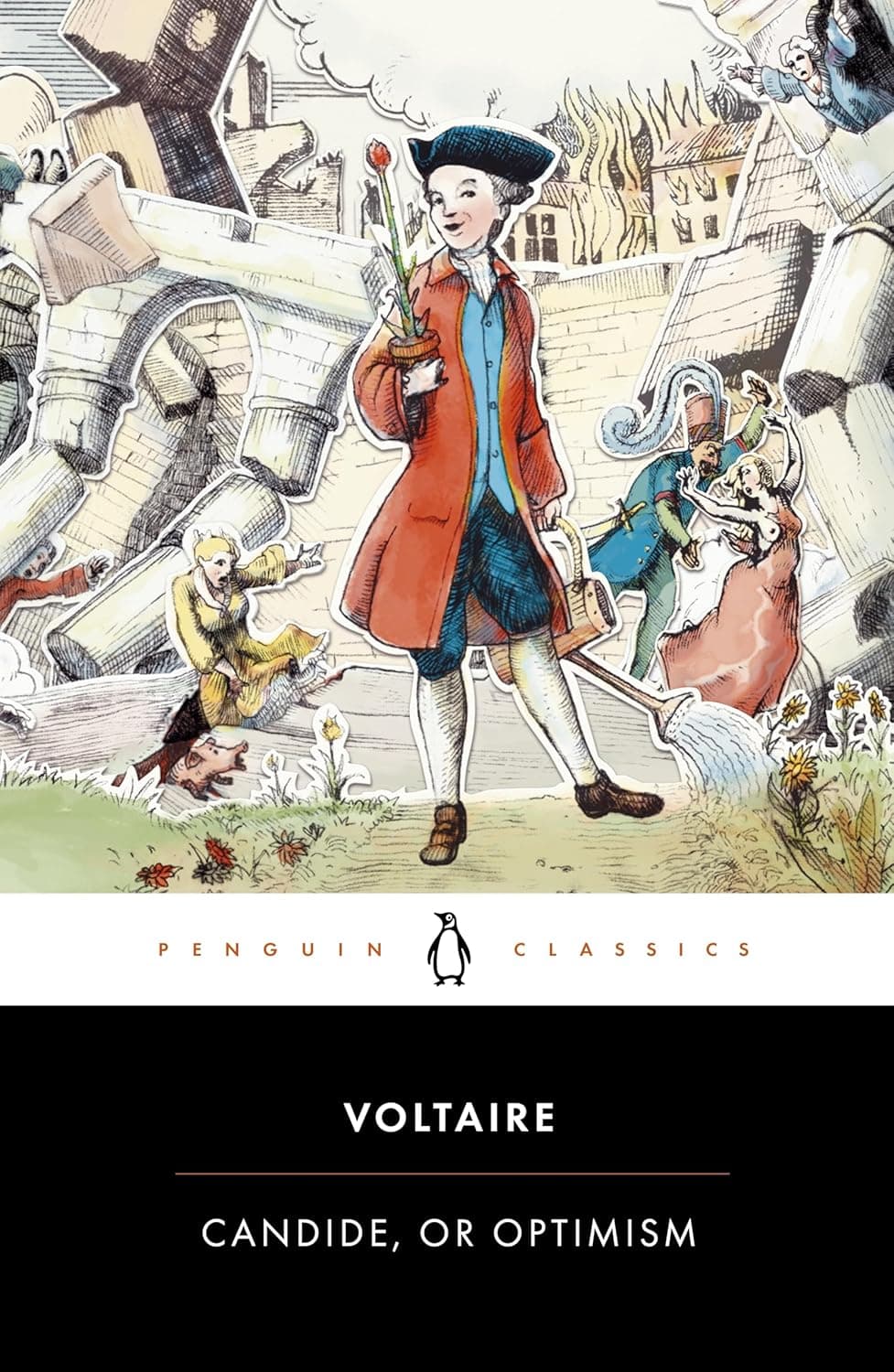
Candide, or Optimism by Voltaire (trans. Theo Cuffe)

Candide, or Optimism

Voltaire (trans. Theo Cuffe)

beginner

Voltaire's 1759 satirical masterpiece. A short, savage demolition of Leibnizian optimism that became the most-read novel of the Enlightenment. Ends in a garden with one of the most famous last lines in philosophy.

Get this book

Related Philosophers