
Pascal
When Life Suddenly Feels Meaningless | The Existential Crisis
On Kierkegaard, Nietzsche & 9 more
Why do people who have everything still wake at three in the morning certain that none of it means anything?
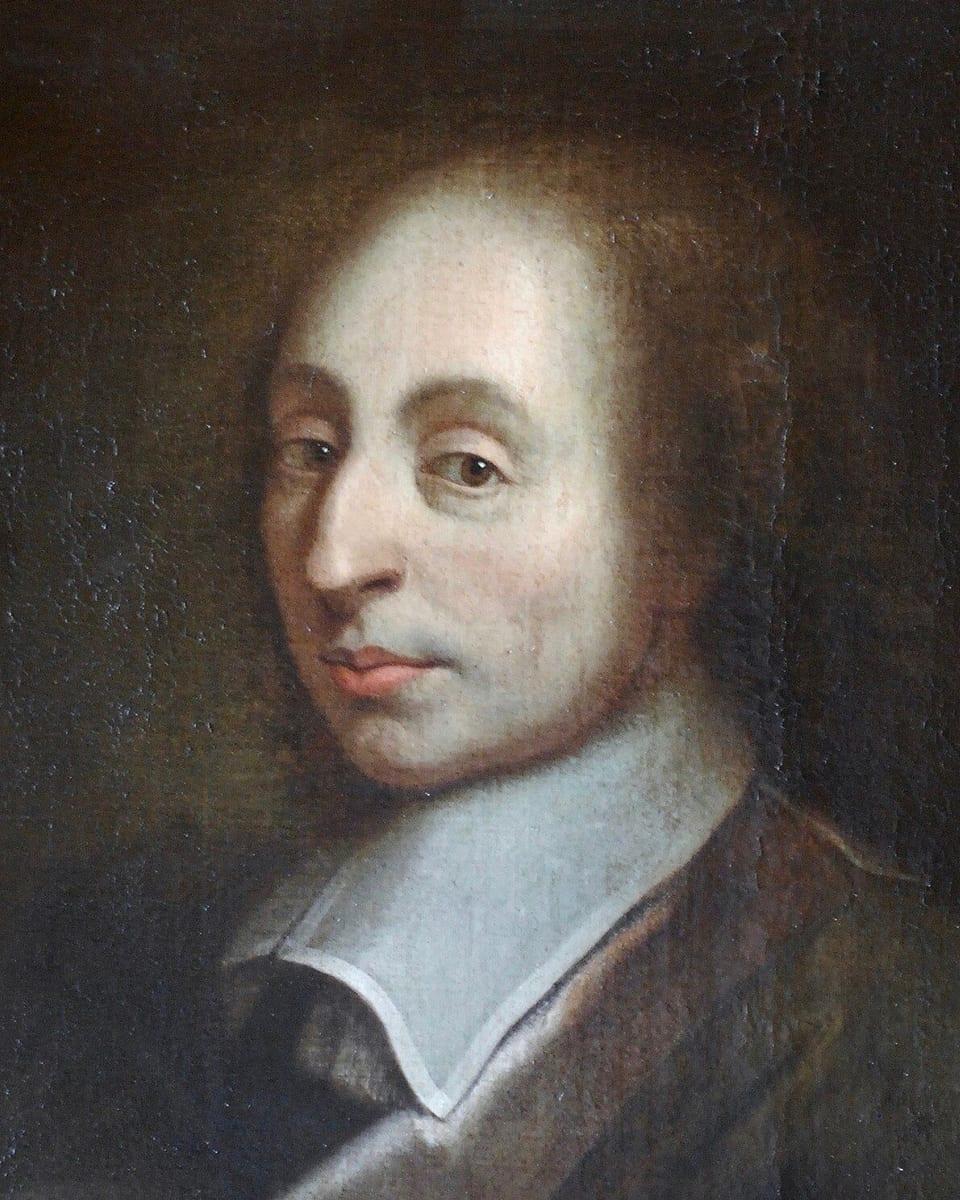
Portrait: Blaise Pascal, posthumous portrait, c. 1690. Unknown artist, after François II Quesnel, Public domain, via Wikimedia Commons.
Blaise Pascal lived only thirty-nine years and reshaped mathematics, physics, probability theory, and the history of Western prose in that time. After a night in November of 1654 that he could only remember and never describe, he turned from scientific triumph toward a book about a hidden God and a thinking reed suspended in an indifferent universe. The result is one of the most honest accounts ever given of what it feels like to be human.
2 episodes 2 books
On Kierkegaard, Nietzsche & 9 more
Why do people who have everything still wake at three in the morning certain that none of it means anything?
On Pascal
10 chapters · 5 sources
The man who proved that nature does not abhor a vacuum, and then wrote the most honest account ever given of why the universe terrifies us.
Play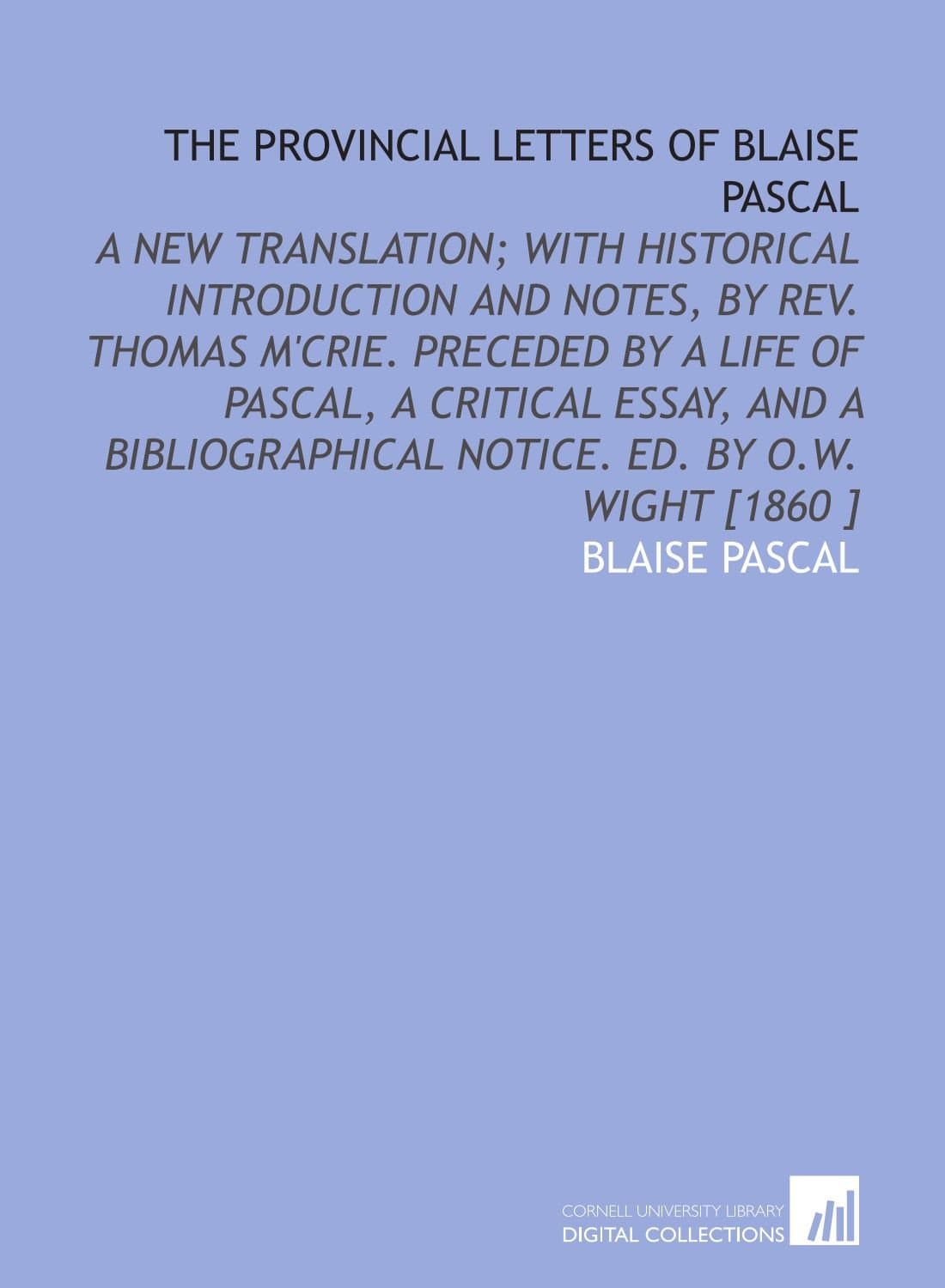
by Blaise Pascal, 1657
Polemical letters defending the Jansenists against the Jesuits. The book that effectively created modern French prose and one of the most stylistically influential polemics ever written.
Get this book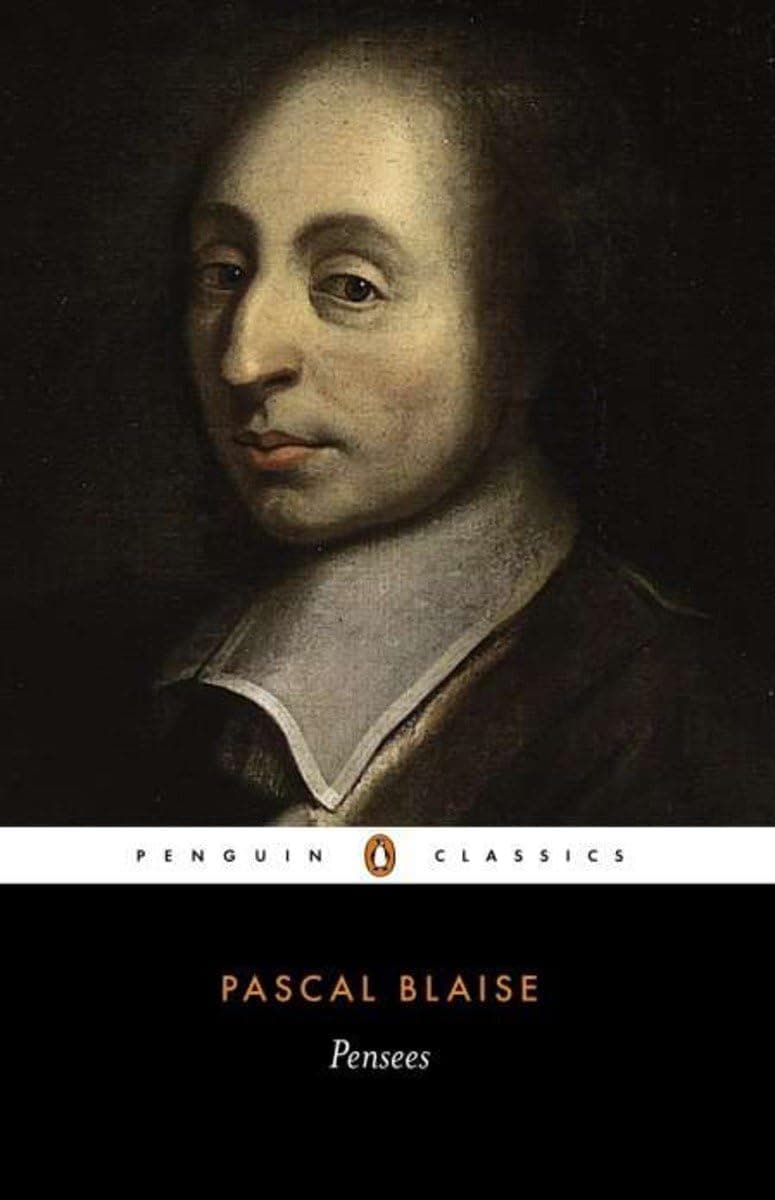
by Blaise Pascal, 1670
The unfinished masterpiece. Fragments toward a defense of Christianity that became, by accident, one of the most honest accounts ever written of what it means to be a thinking reed in an indifferent universe. Krailsheimer's translation.
Get this book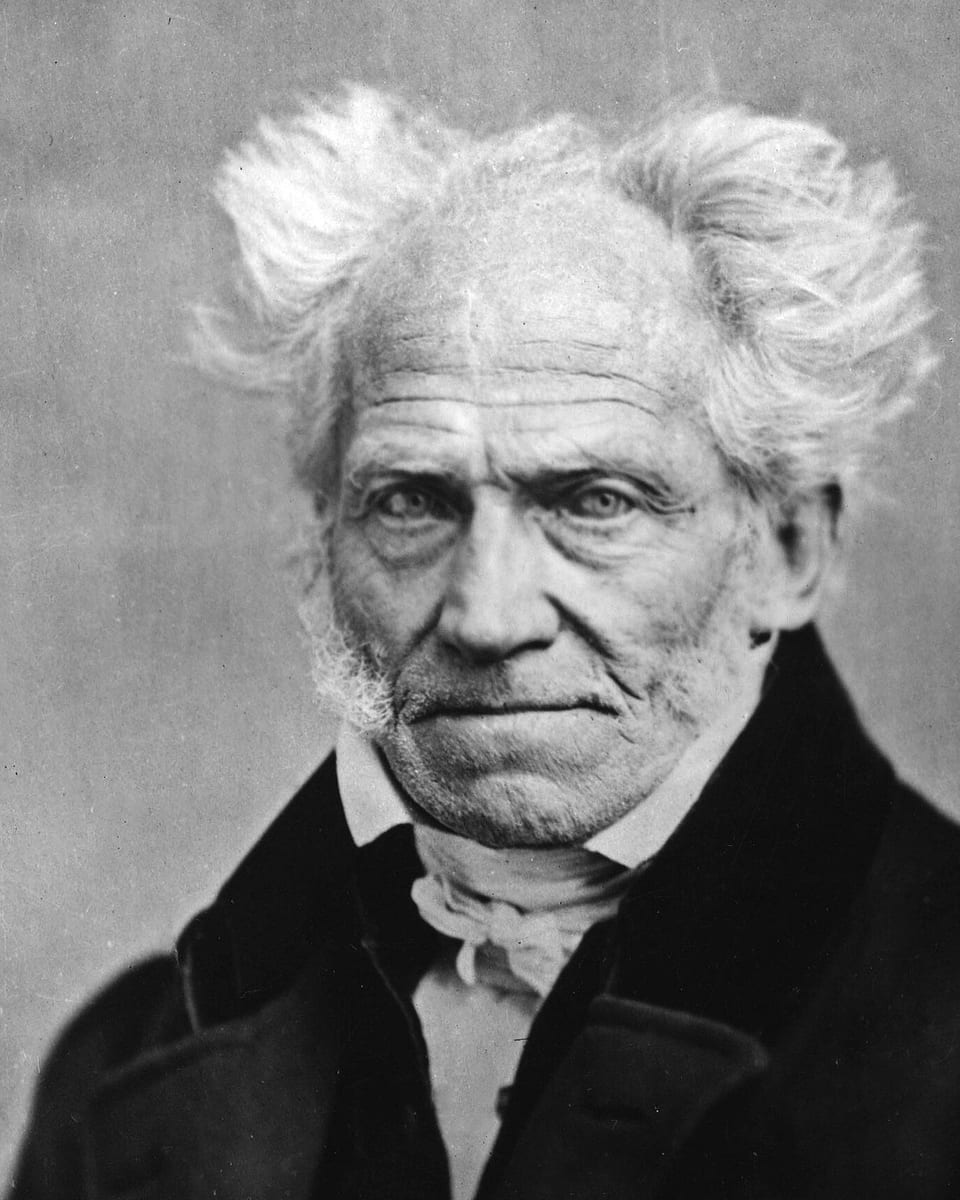
1788–1860
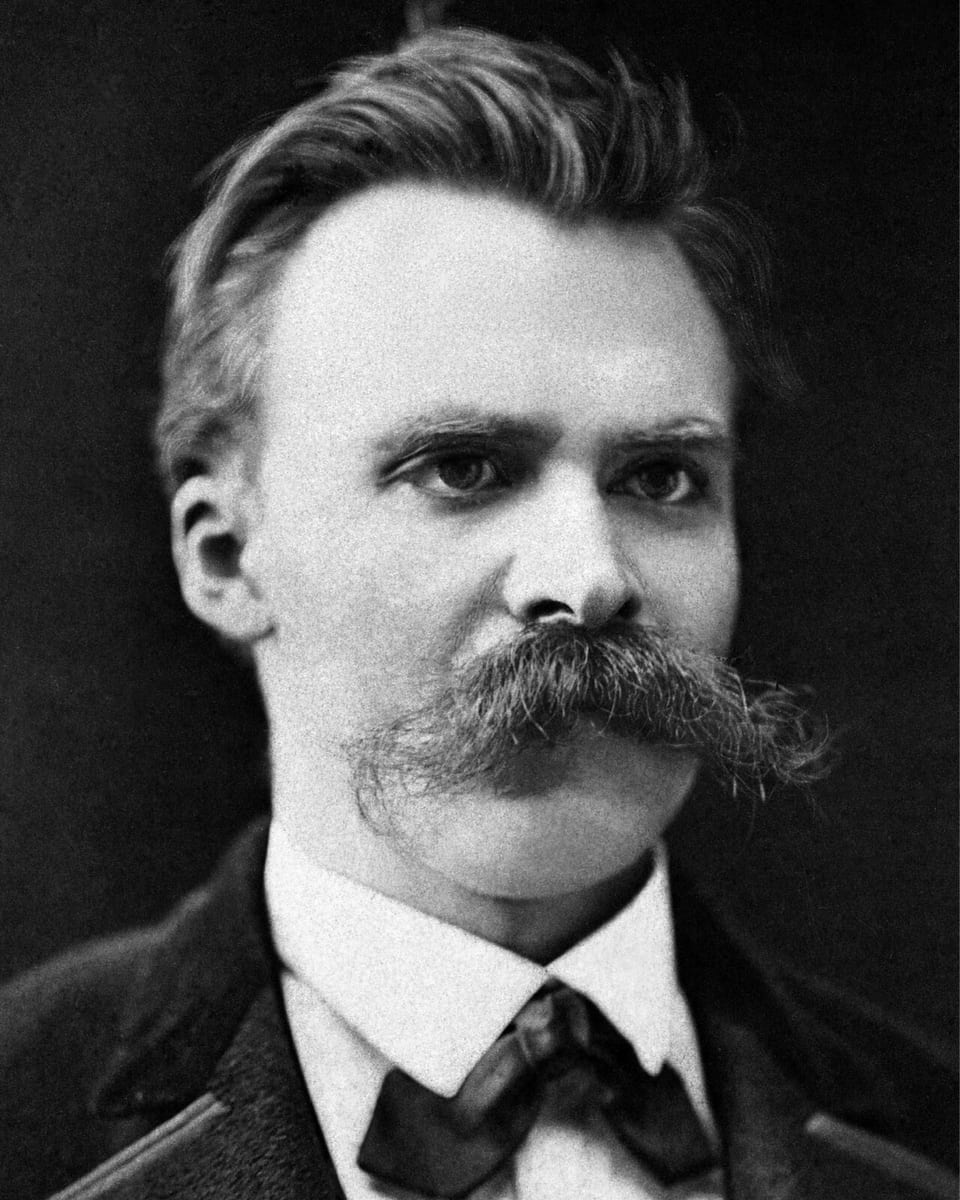
1844–1900
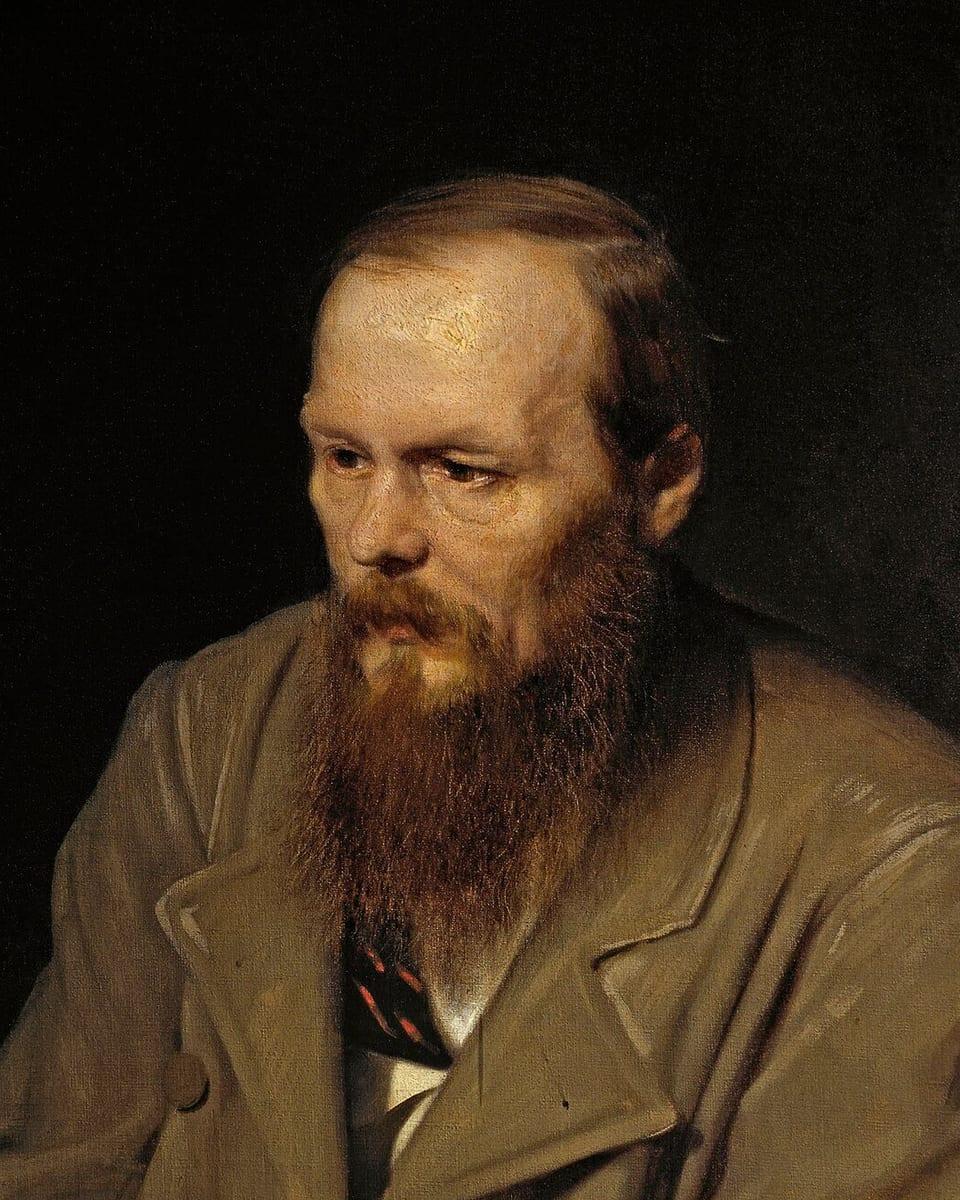
1821–1881
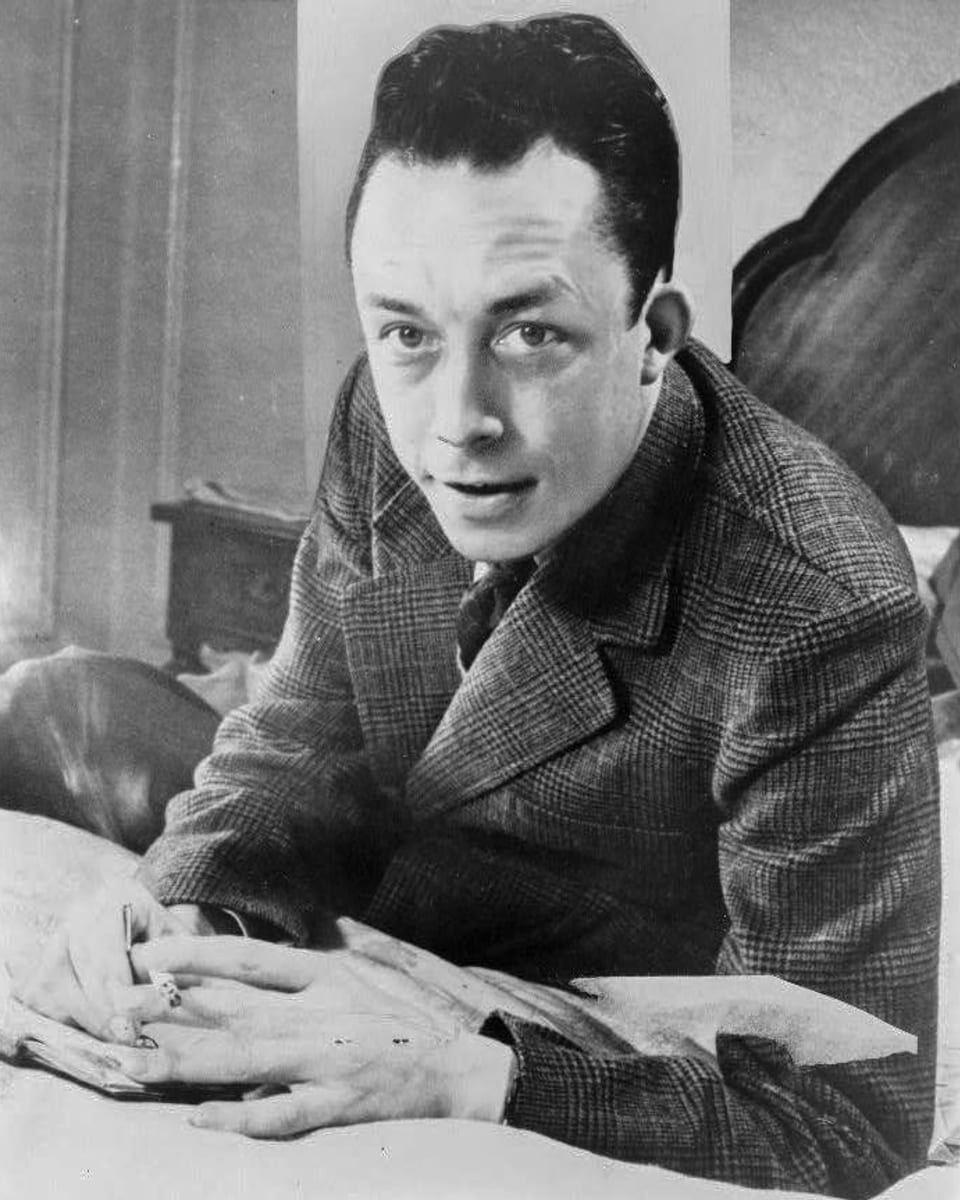
1913–1960
1905–1980
384–322 BC