Is This the Best of All Possible Worlds? | Leibniz's Theodicy
On Leibniz, Pierre Bayle & 2 more
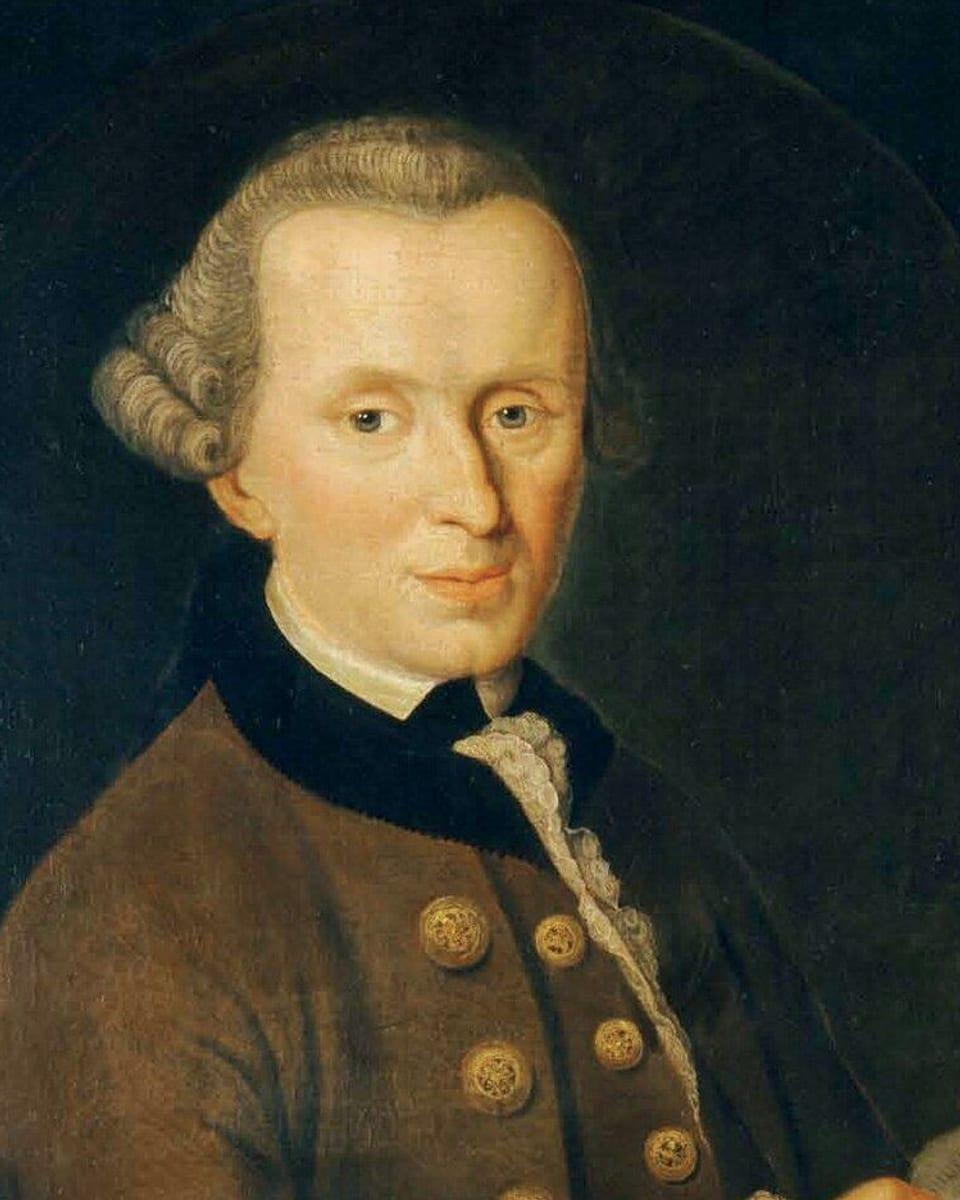
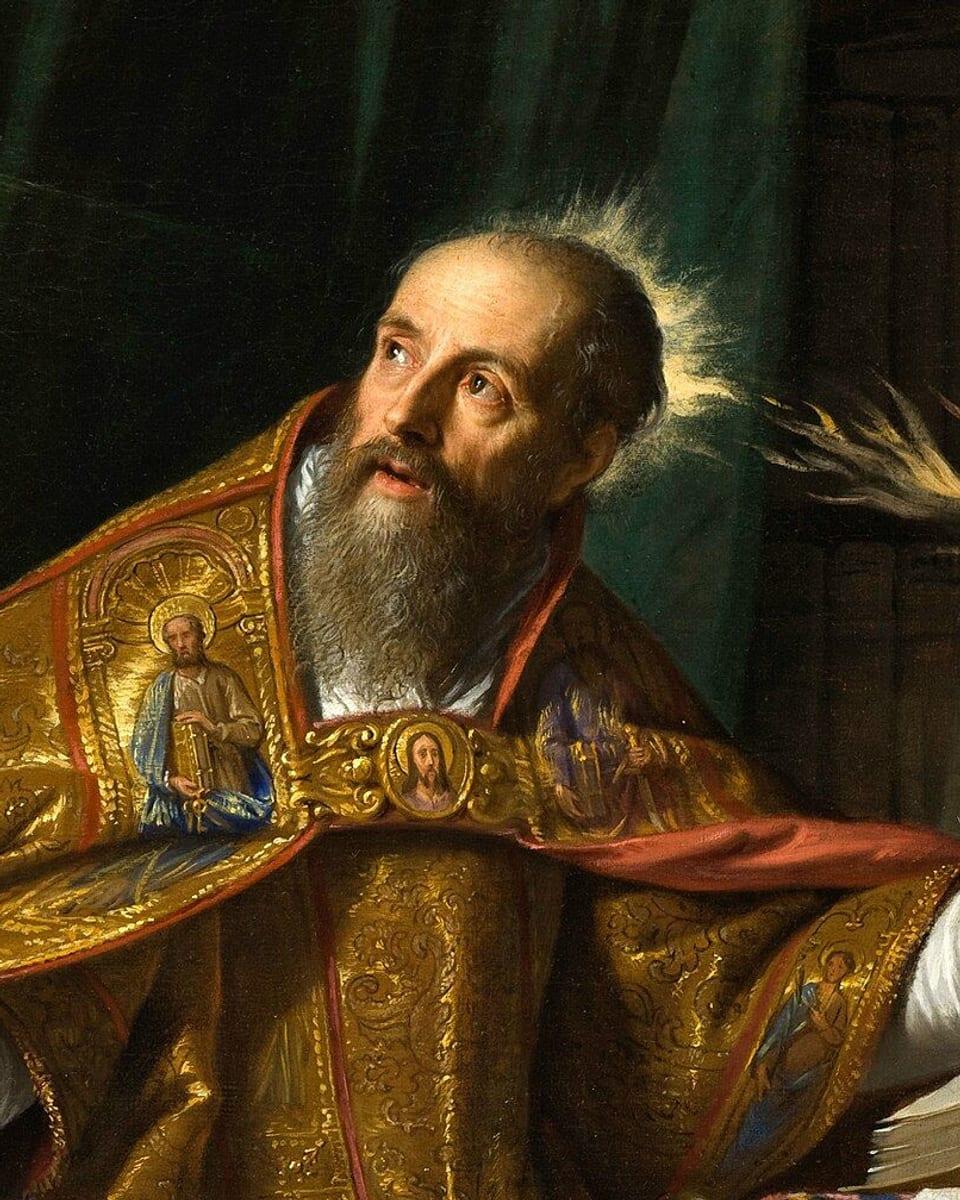
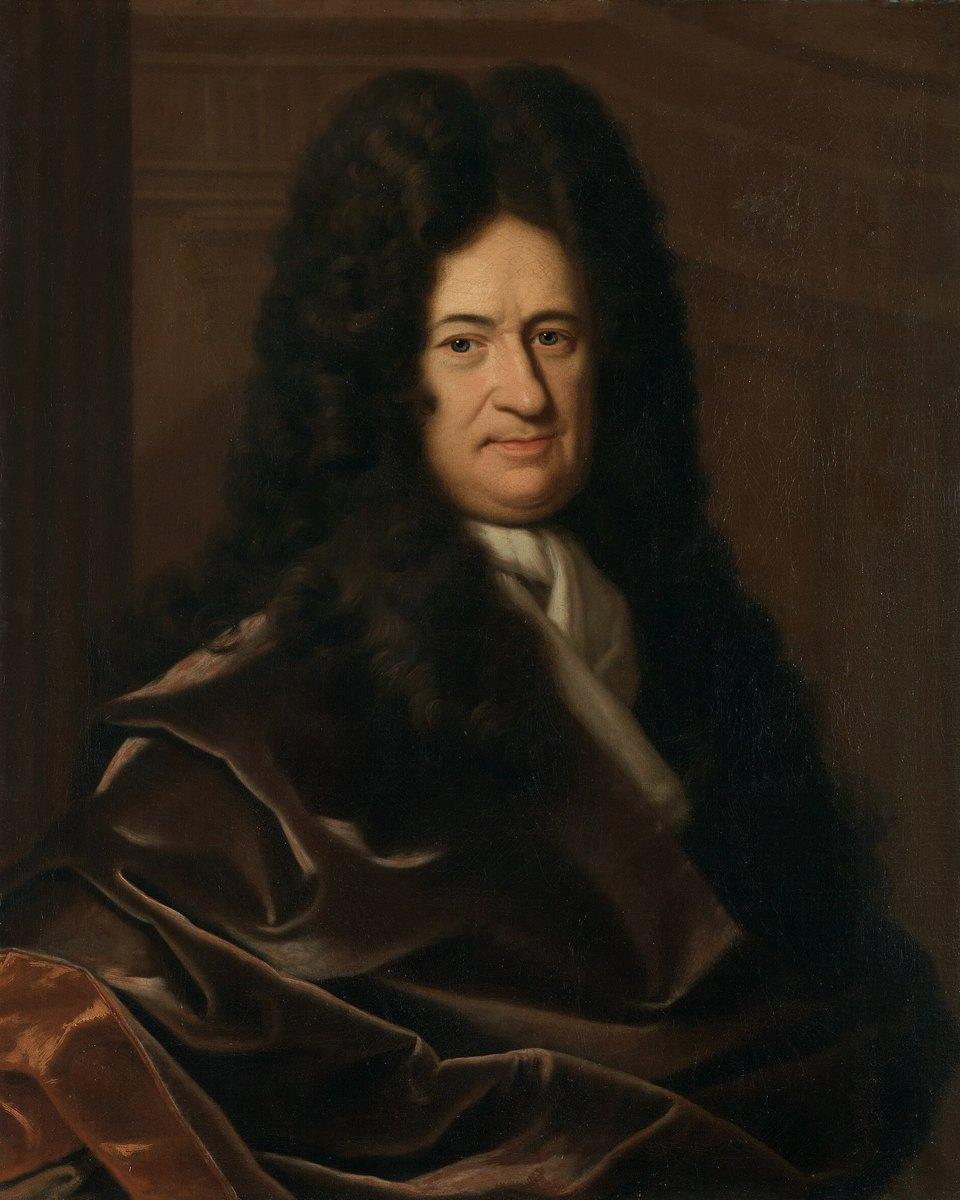
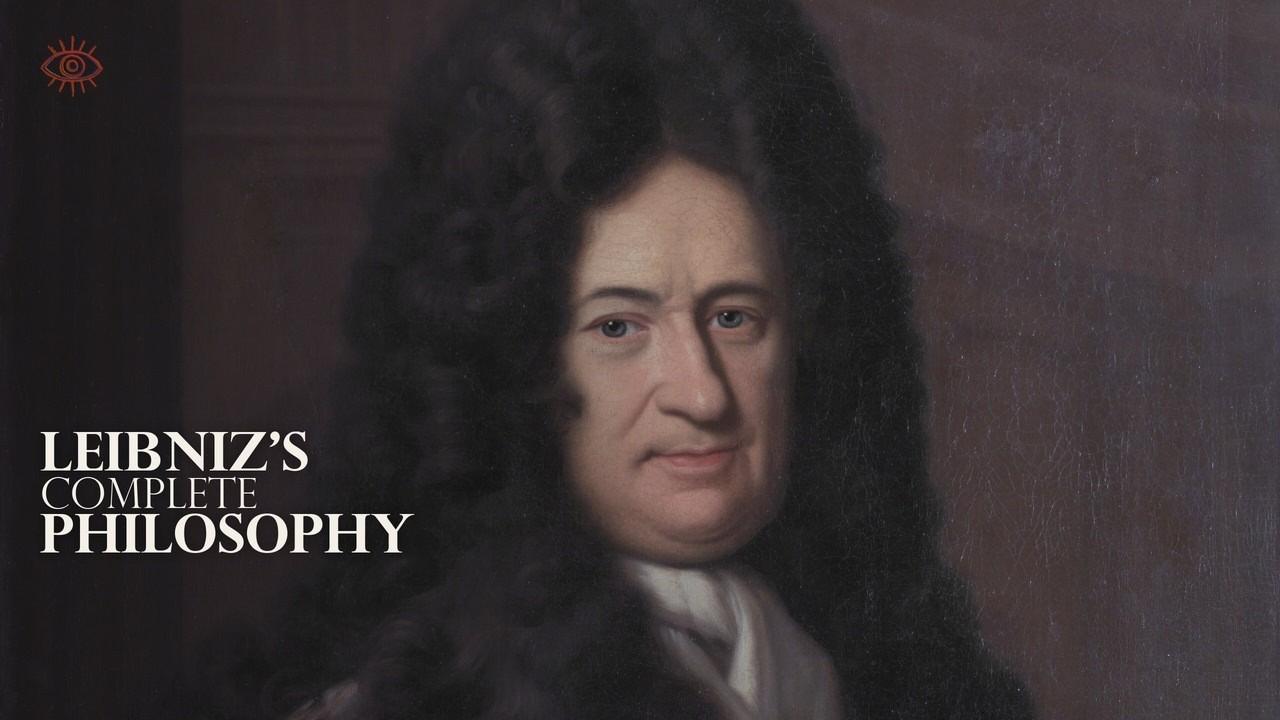
Pierre Bayle asks whether reason can defend a good creator against the evil that creation contains. Gottfried Wilhelm Leibniz answers in the Theodicy, or Essais de Théodicée, with an argument about complete possible worlds and the choice of perfect wisdom. This longform essay gives both thinkers a serious hearing, tracing Bayle's Historical and Critical Dictionary, the Dictionnaire historique et critique, alongside Leibniz's sufficient reason, freedom, permission, and three kinds of evil. Sophie Charlotte's conversations provide the book's intellectual setting. Al-Ghazali's Revival of the Religious Sciences, the Ihya ulum al-din, supplies an earlier parallel whose disputed implications concern divine power and generosity. A brief passage considers Kant's verdict on philosophical theodicy. The book's closing palace of possible worlds makes its ambition visible, while the argument keeps a distinction between imagining a justification and establishing one. The central question concerns what perfect goodness could reasonably permit, and what reasons a defence would need to show.