SleepyPhilosophyRadio
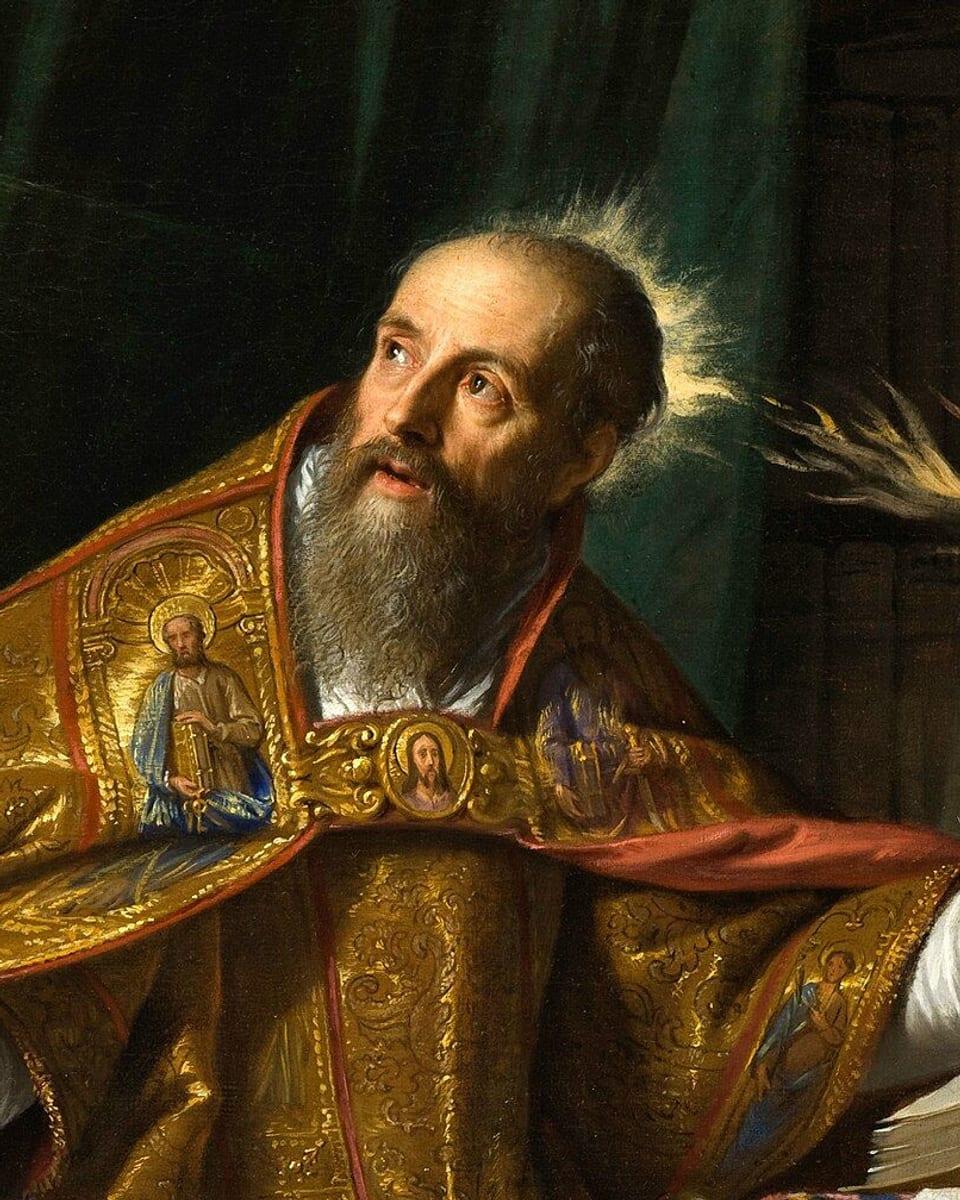
Augustine: Saint Augustine, c. 1645 to 1650 (detail)

Portrait: Saint Augustine, c. 1645 to 1650 (detail). Philippe de Champaigne, Public domain, via Wikimedia Commons.

Philosopher354–430

Augustine

Augustine of Hippo bridged ancient philosophy and Christian theology. His Confessions remains one of the most intimate spiritual autobiographies ever written, exploring memory, time, and the longing for God.

3 episodes 4 books

Episodes

Augustine

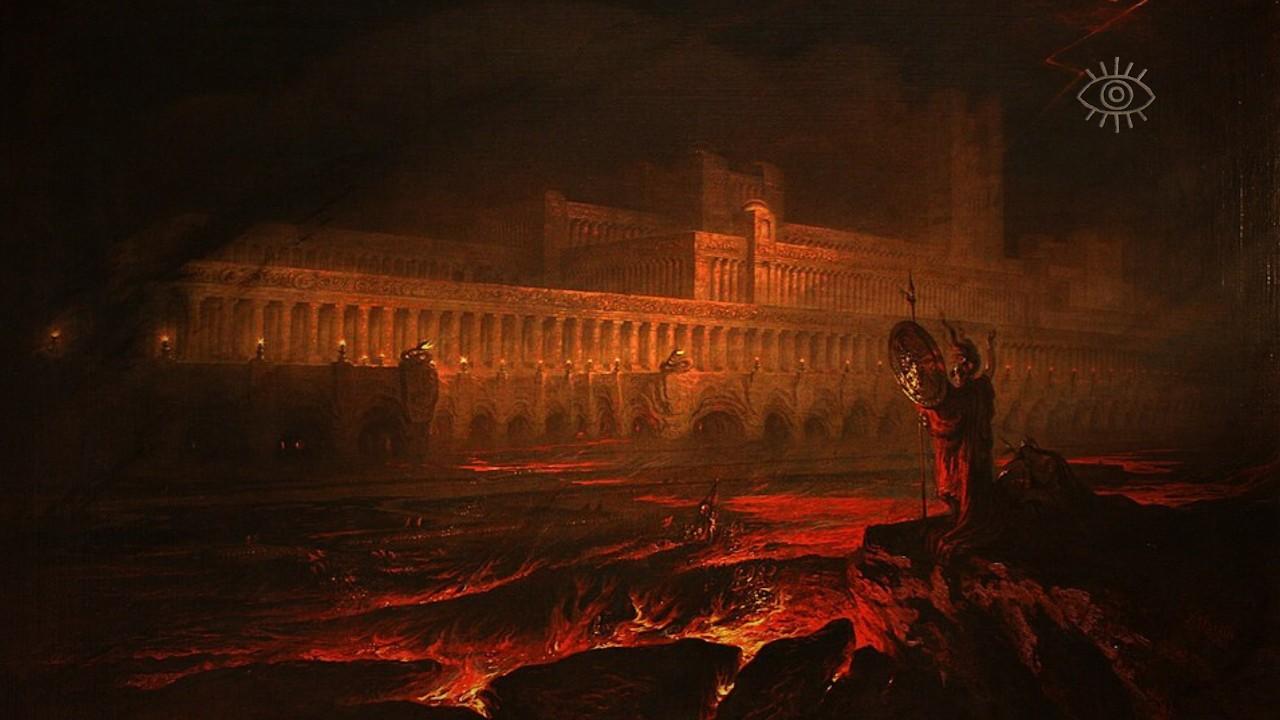
The idea of hell did not enter history in one finished form. This reading follows Egyptian judgment, Hebrew Sheol, Greek Hades, the Zoroastrian bridge, Gehenna, and arguments in early Christianity about the reach and duration of judgment. Dante gives the tradition its most enduring imaginative architecture; Milton, Swedenborg, and modern philosophers change its terms again. The focus stays on ideas about justice and the human conscience, rather than scenes of torment.
Recommended reading

The library
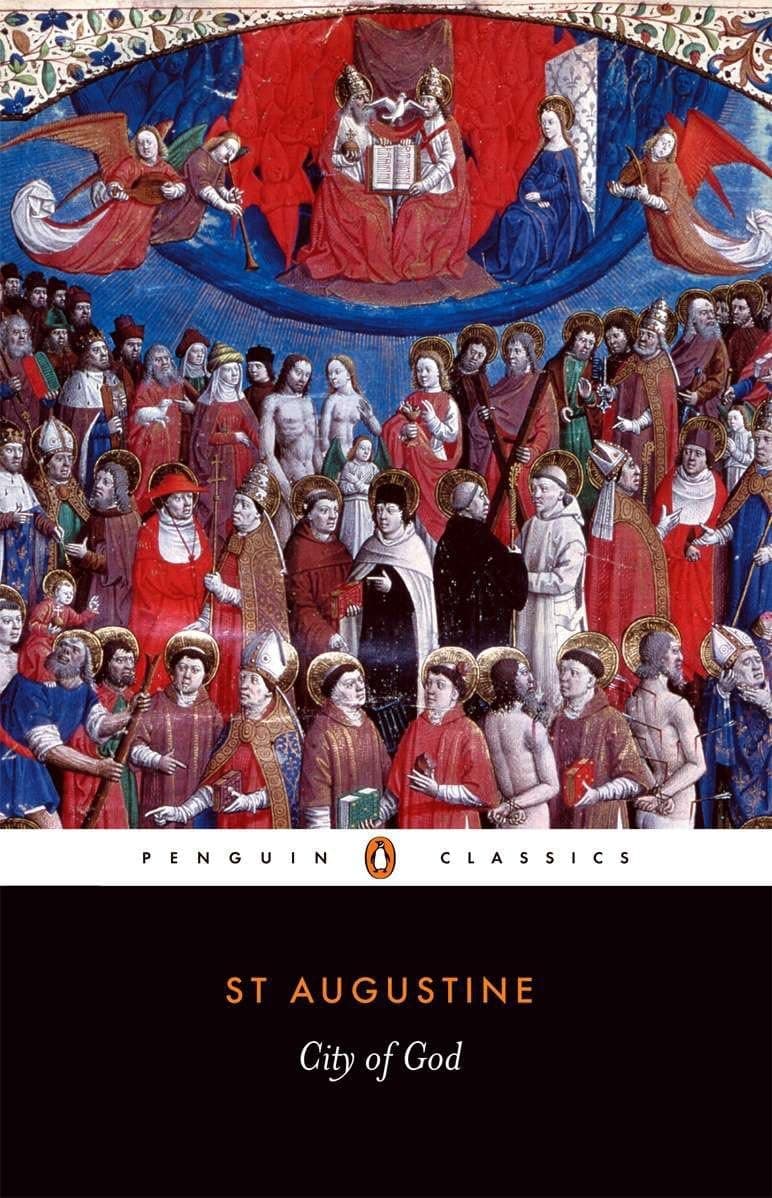
City of God by Augustine

City of God

by Augustine, 426

Augustine's monumental defense of Christianity against pagan critics, contrasting the earthly city with the heavenly city across the sweep of human history.

Get this book
AdvancedPhilosophy of Religion
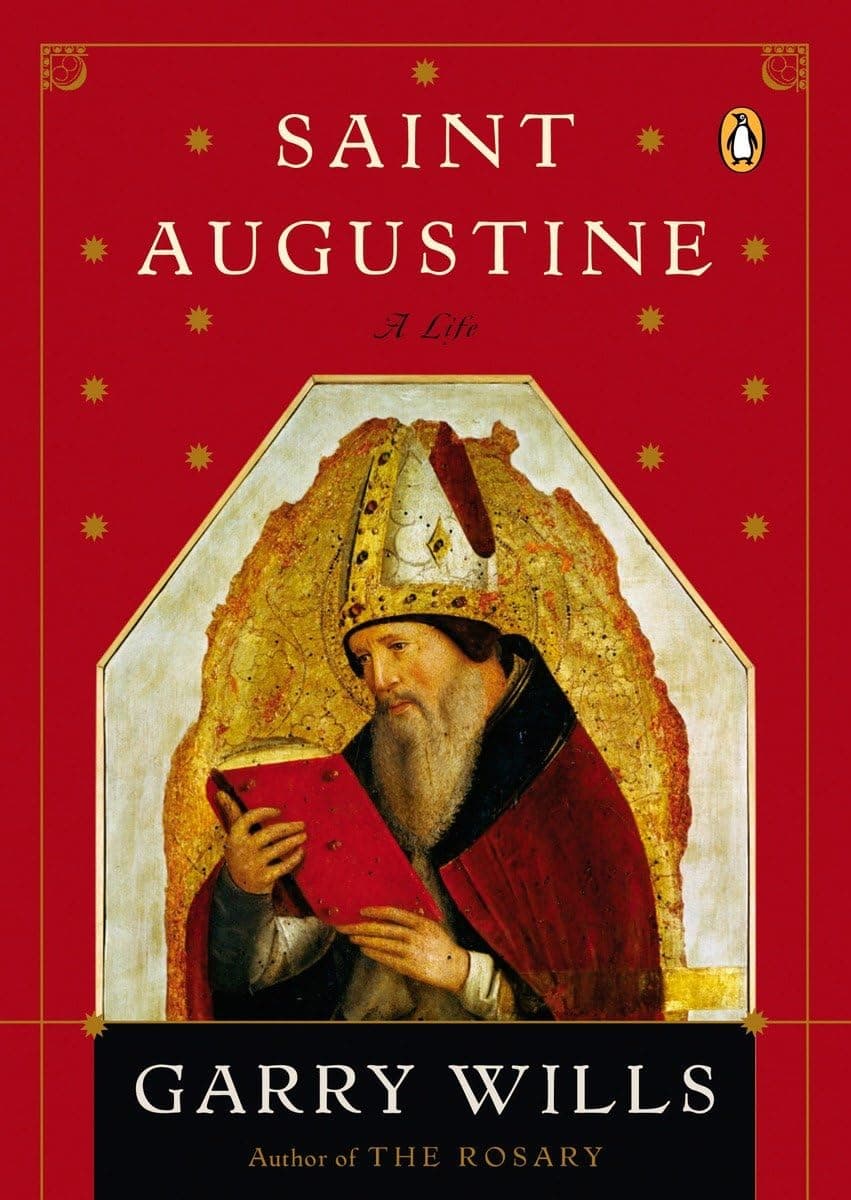
Saint Augustine by Garry Wills

Saint Augustine

by Garry Wills, 1999

A brief, elegant portrait of Augustine's life and ideas, written for general readers as part of the Penguin Lives series.

Get this book
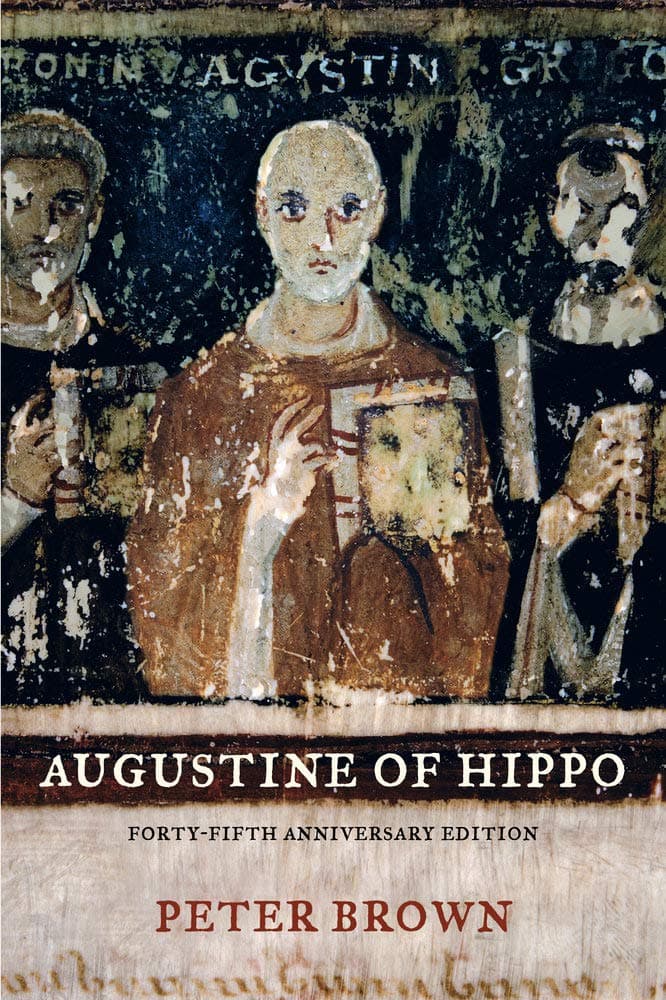
BeginnerAncient Philosophy

The classic biography of Augustine that set the standard for all subsequent studies, placing his thought within the rich context of late Roman Africa.

Get this book
IntermediateAncient Philosophy
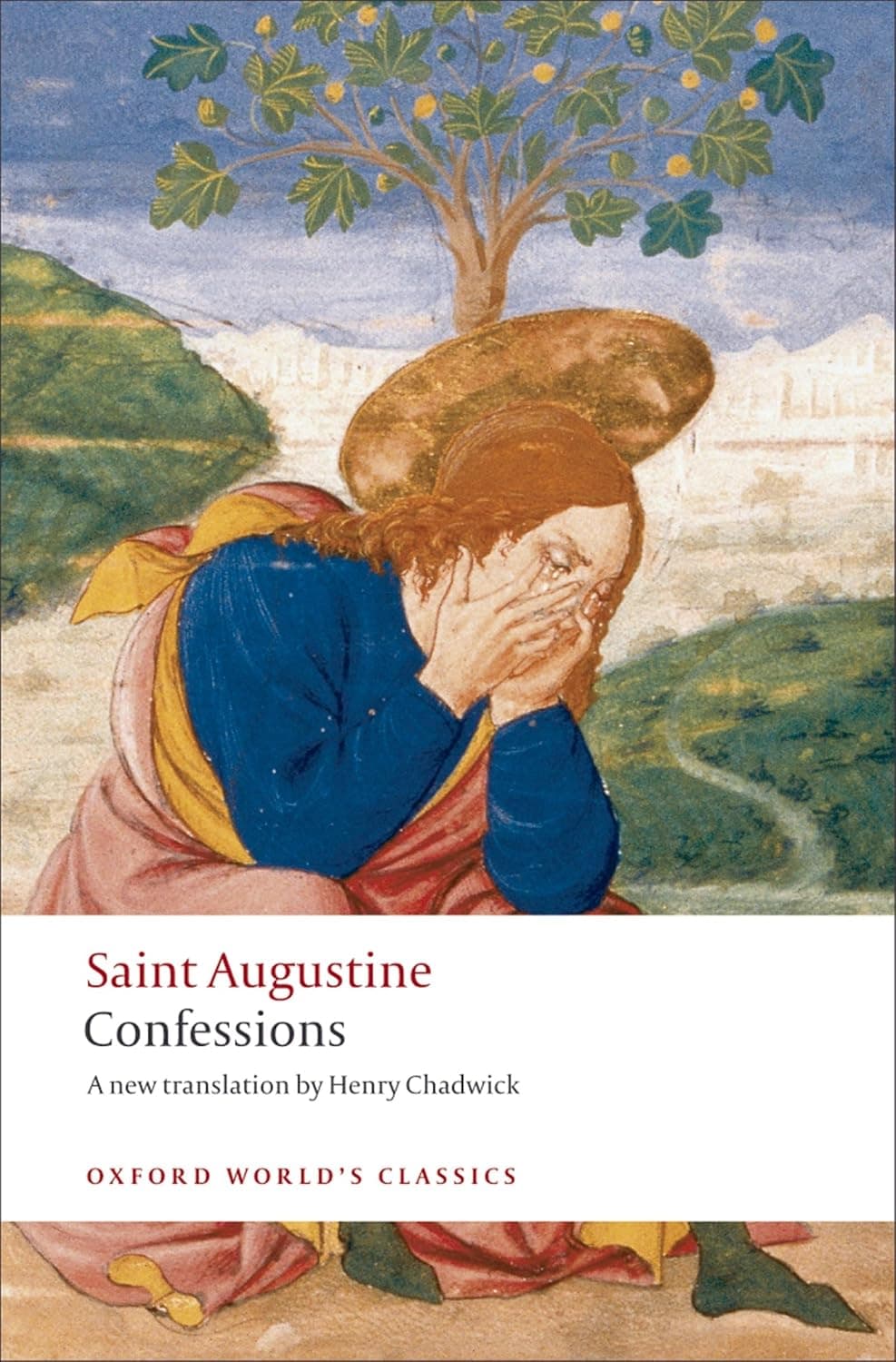
Confessions by Augustine

Confessions

by Augustine, 397

Augustine's deeply personal account of his spiritual journey from youthful excess to Christian faith, widely regarded as the first Western autobiography.

Get this book
IntermediatePhilosophy of Religion
All philosophers

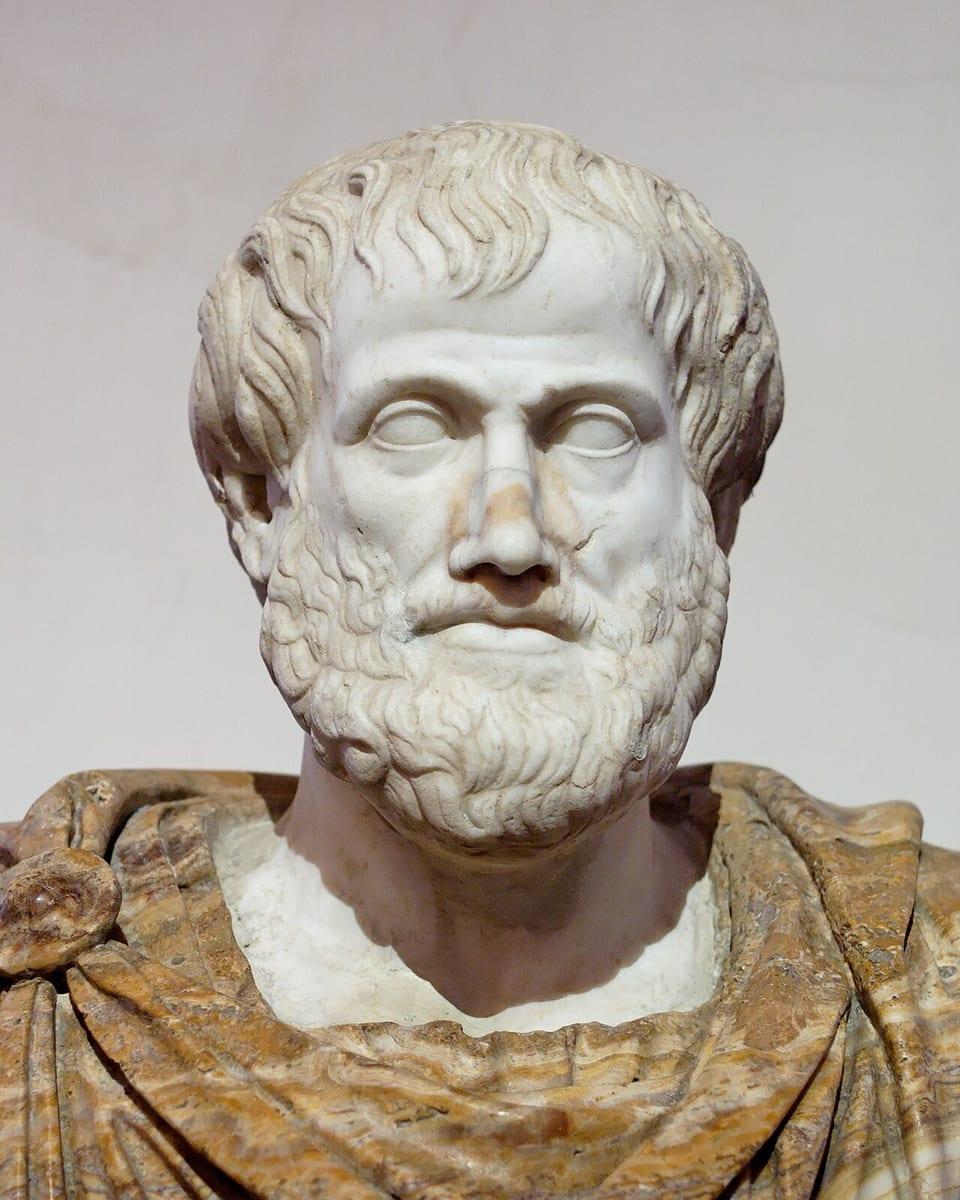
Sartre

1905–1980

4 eps.

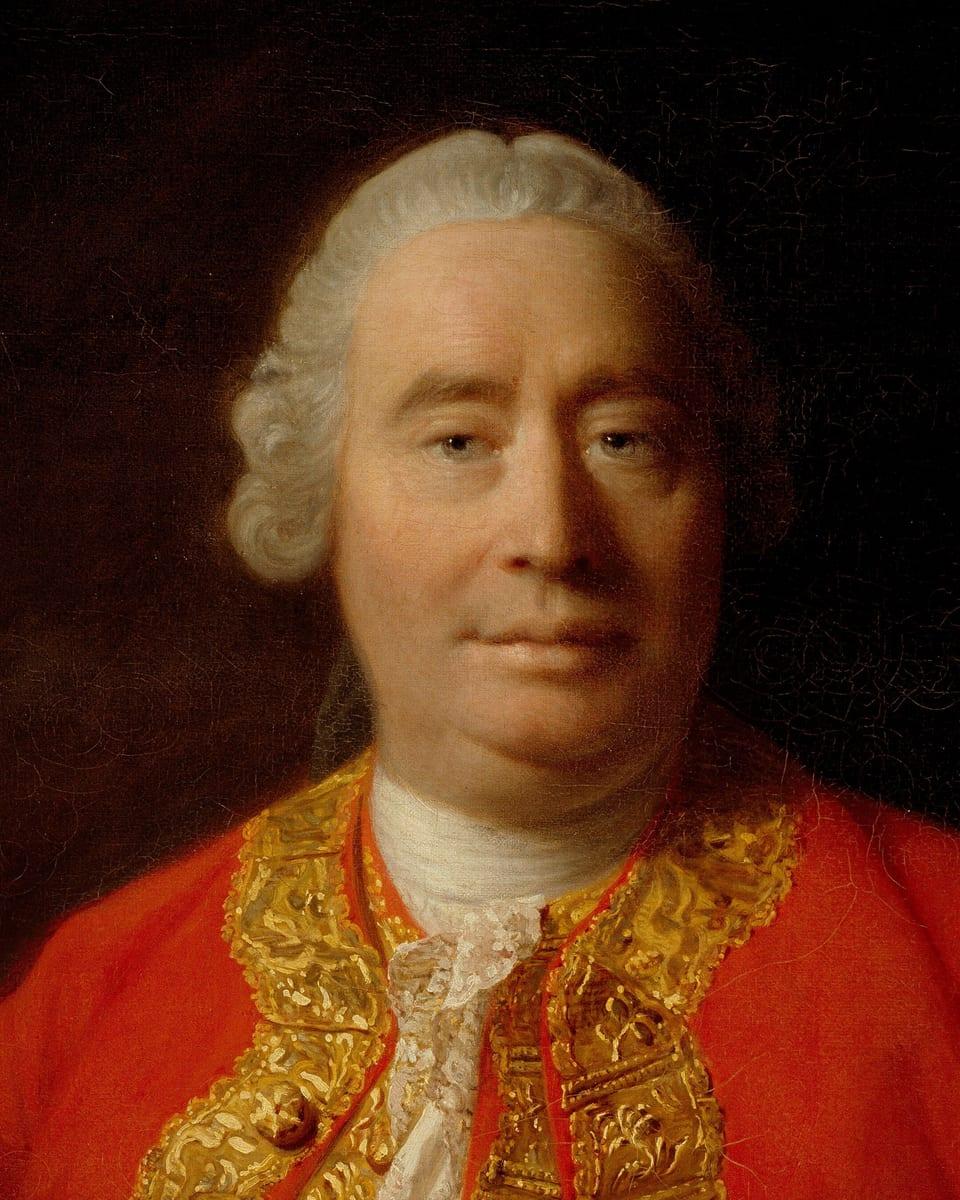
Hume

1711–1776

3 eps.

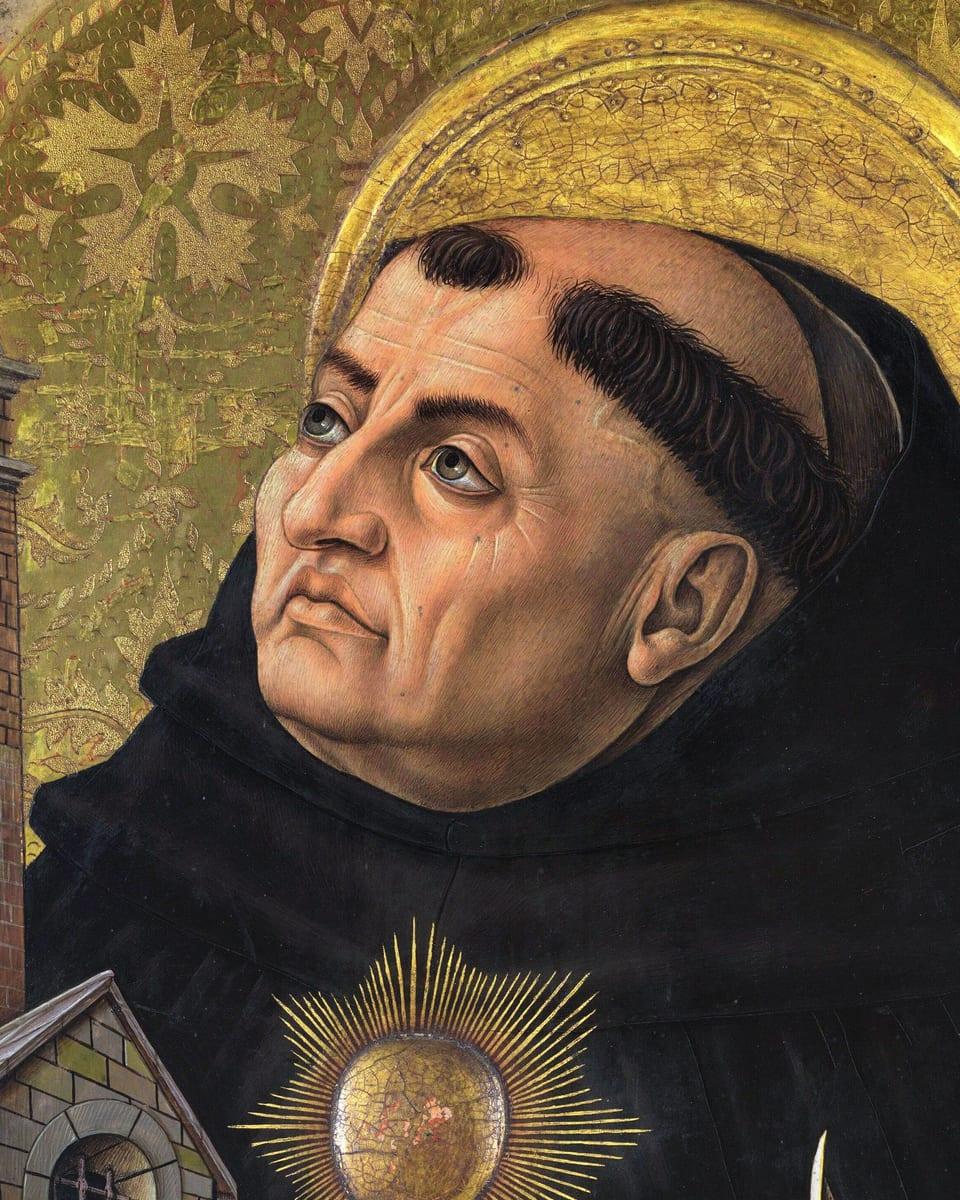
Aquinas

c. 1225–1274

3 eps.

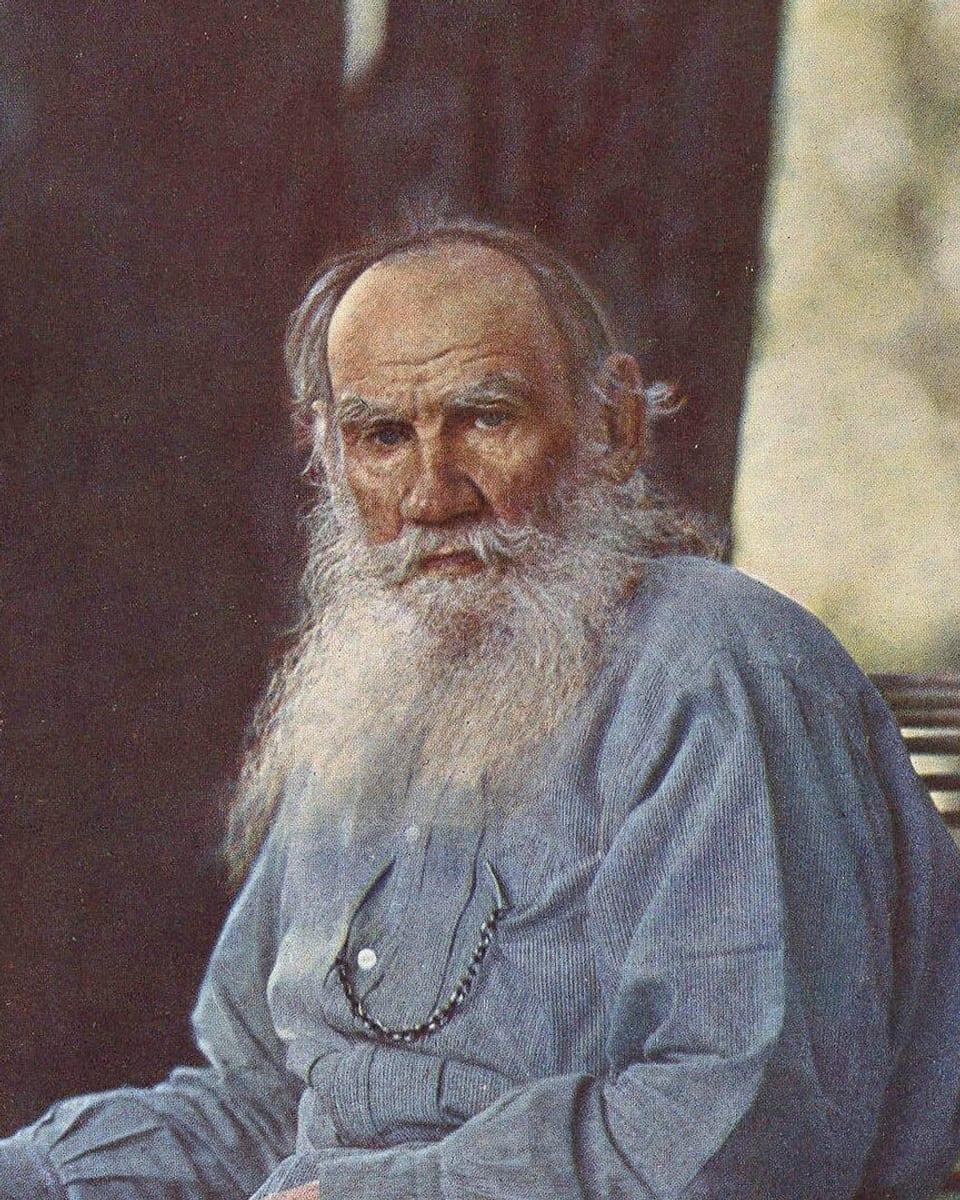
Tolstoy

1828–1910

2 eps.