Ancient Philosophy
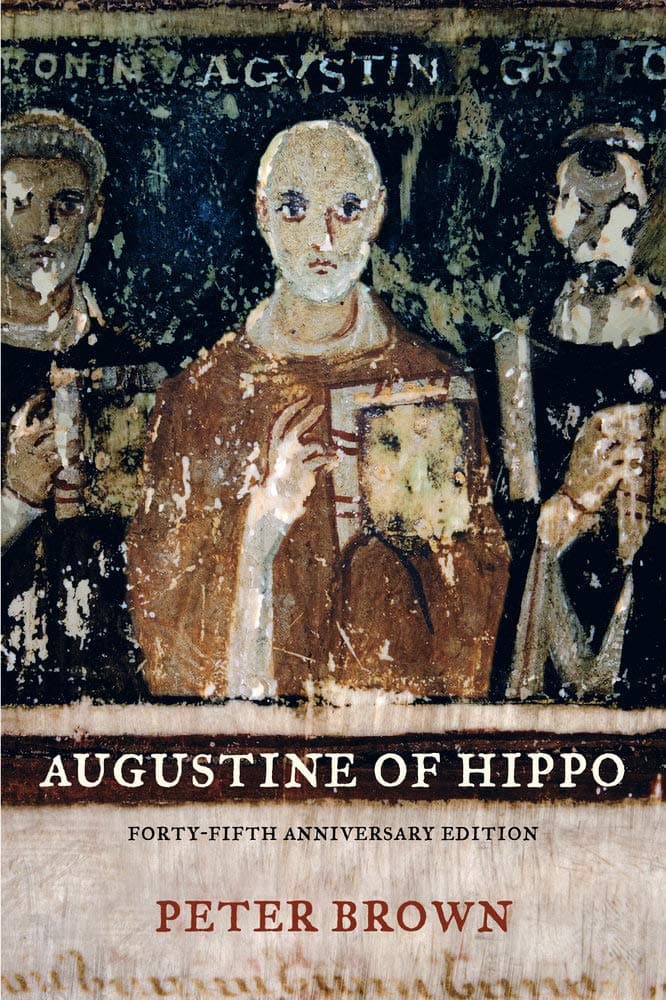
Augustine of Hippo: A Biography
by Peter Brown(1967)
The classic biography of Augustine that set the standard for all subsequent studies, placing his thought within the rich context of late Roman Africa.
Some links are affiliate links. Purchases help support the channel at no extra cost to you.
Episodes featuring this book
The Problem of Evil: Why Does God Allow Suffering? | Philosophy for Sleep
An innocent man, a burned fawn, and the hardest question ever asked of God. This episode follows the problem of evil from its oldest telling to its newest defenses. It begins with a man who loses everything in a single afternoon and refuses every easy explanation, then traces the great answers, evil as absence, the best of all possible worlds, and the earthquake and the novel that broke optimism's public standing. From there the argument sharpens into the twentieth century, a charge of outright contradiction, the celebrated defense that answered it, a theodicy of growing souls, and a dying fawn that changed the question from proof to evidence. The second half belongs to skeptical theism, the claim that human minds cannot survey the reasons a God might have, and to the objections that press it, moral paralysis, spreading doubt, horrendous evils, animal pain, and divine silence. The episode ends where the argument now stands, between a rock and a rope. The full episode is on YouTube and Spotify. Please listen only in safe, restful contexts.
23 chapters8 sources
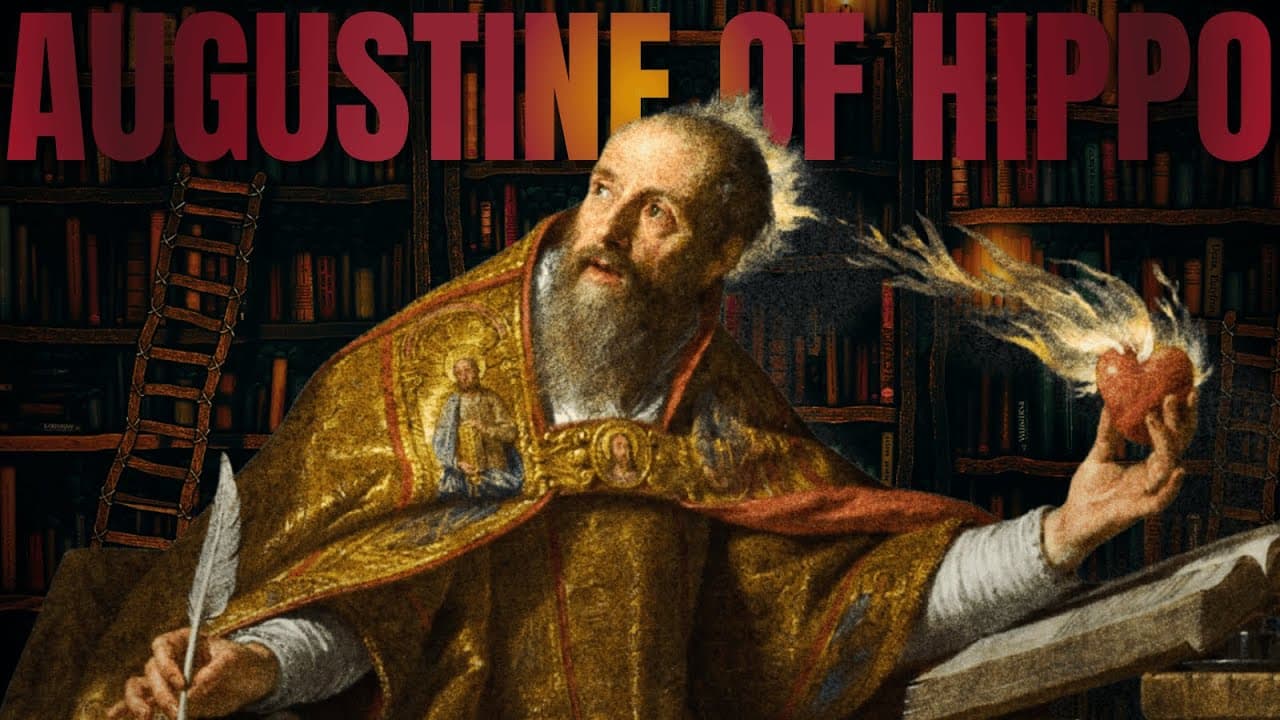
Why Does Evil Exist If God Is Good? | Augustine of Hippo | Complete Philosophy
Augustine of Hippo | Complete Philosophy
Augustine of Hippo asked why we do what we know is wrong, why nothing ever satisfies us, and where evil comes from if God is good. This episode tells the complete story of the philosopher who shaped Western thought more profoundly than almost any other figure. It follows Augustine from his African childhood to the streets of Carthage, through nine years with the Manichaeans, to the garden in Milan where everything changed. The episode explores his revolutionary ideas: evil as the absence of good, the will divided against itself, time existing only in the mind, memory as a palace larger than the world, grace that breaks chains human effort cannot loosen, and the two cities built on two loves that have been at war since the beginning of history. It also confronts the difficult dimensions of his legacy, including his teachings on predestination, original sin, and the endorsement of coercion against religious dissenters. The full episode is on YouTube and Spotify. Please listen only in safe, restful contexts.
23 chapters22 sources
All of Neoplatonism | Plotinus's Complete Philosophy
Everything pours outward from a single nameless source, and everything is quietly trying to find its way back. In the third century, in the crowded city of Rome, a gentle teacher built the last great philosophy of the ancient world. This episode follows Plotinus, the founder of what we now call Neoplatonism, from his youth in Roman Egypt and his years with a secret master in Alexandria to the circle of devoted students who gathered around him. We trace his single luminous vision of reality, a great outpouring from one source down through mind and soul to the very edge of matter, and the long road home by which a person may climb back. We stay a while with his thoughts on beauty and on time, on evil and the goodness of the world, on the self that never fell, and on the rare and wordless union he was said to have reached four times. The full episode is on YouTube and Spotify. Please listen only in safe, restful contexts.
15 chapters7 sources
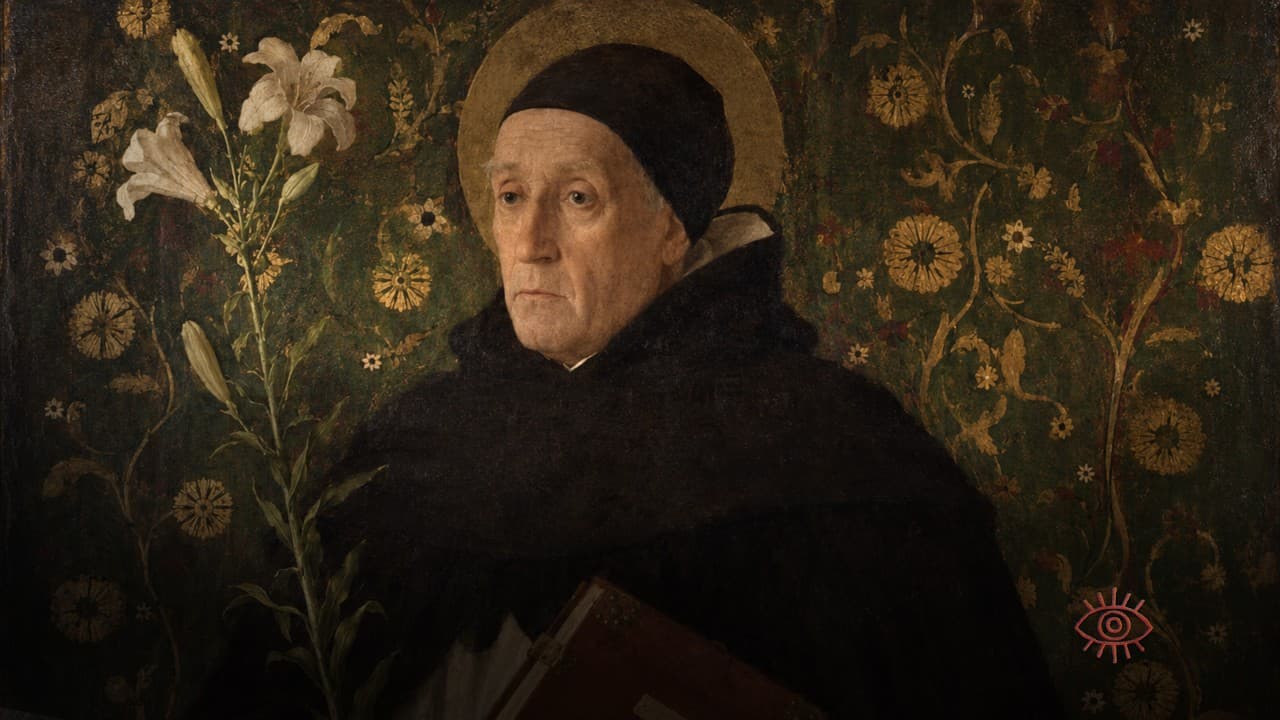
Let Go of God to Find God | Meister Eckhart's Complete Philosophy
He told nuns and weavers and widows that they should pray to be rid of God, and meant it as the deepest compliment his theology could pay. At the summit of the medieval Church, a Dominican master who governed dozens of religious houses did something no one of his rank had dared. He carried the deepest theology out of the Latin schools and preached it, in plain German, to ordinary working people. We follow him from an uncertain village in Germany to the heights of the University of Paris, and into the heart of what he taught: a God beyond all names, an uncreated spark at the bottom of the soul, a birth of the divine within us, and a path that runs not by adding but by letting everything go. We trace his tender words to the grieving, his surprising defense of the working life, and the trial that broke over him at the very end, then the long silence after his death and the strange, luminous return that made him a voice for our own restless age. The full episode is on YouTube and Spotify. Please listen only in safe, restful contexts.
15 chapters6 sources
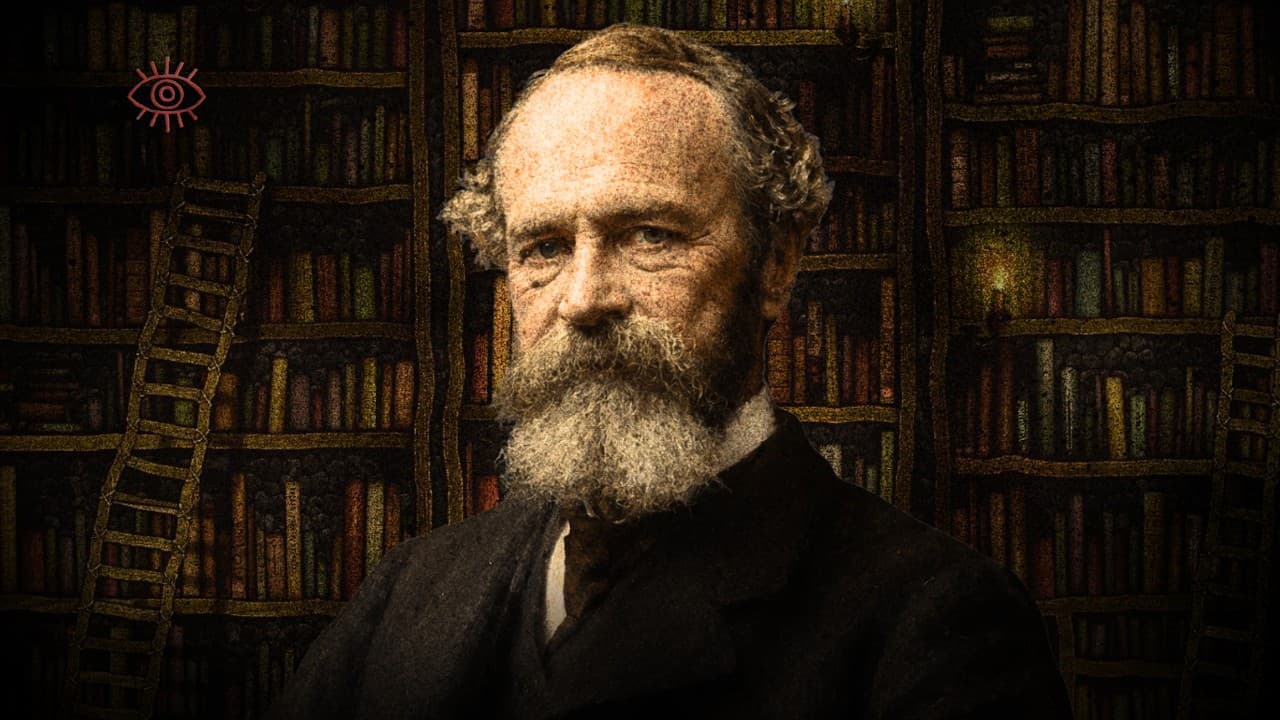
Life Is Worth Living | William James and the Sick Soul
He insisted to his last breath that the universe is unfinished, and that our own small efforts help decide how it turns out. As a young man William James was so ill in body and mind that he could barely leave his room, and one spring evening he made a private decision that would shape everything after it. This episode follows the whole arc of his life and thought, from a wandering childhood in the most gifted family in America, through the collapse that nearly ended him, to the years when he founded a new science of the mind and taught the world to picture consciousness as a flowing stream. We move with him from psychology into philosophy, through his defense of the right to believe, his tender study of the religious experience of ordinary people, and the practical theory of truth that made him famous and infamous at once. And we follow him to the end, a public conscience in a warring age. The full episode is on YouTube and Spotify. Please listen only in safe, restful contexts.
15 chapters8 sources
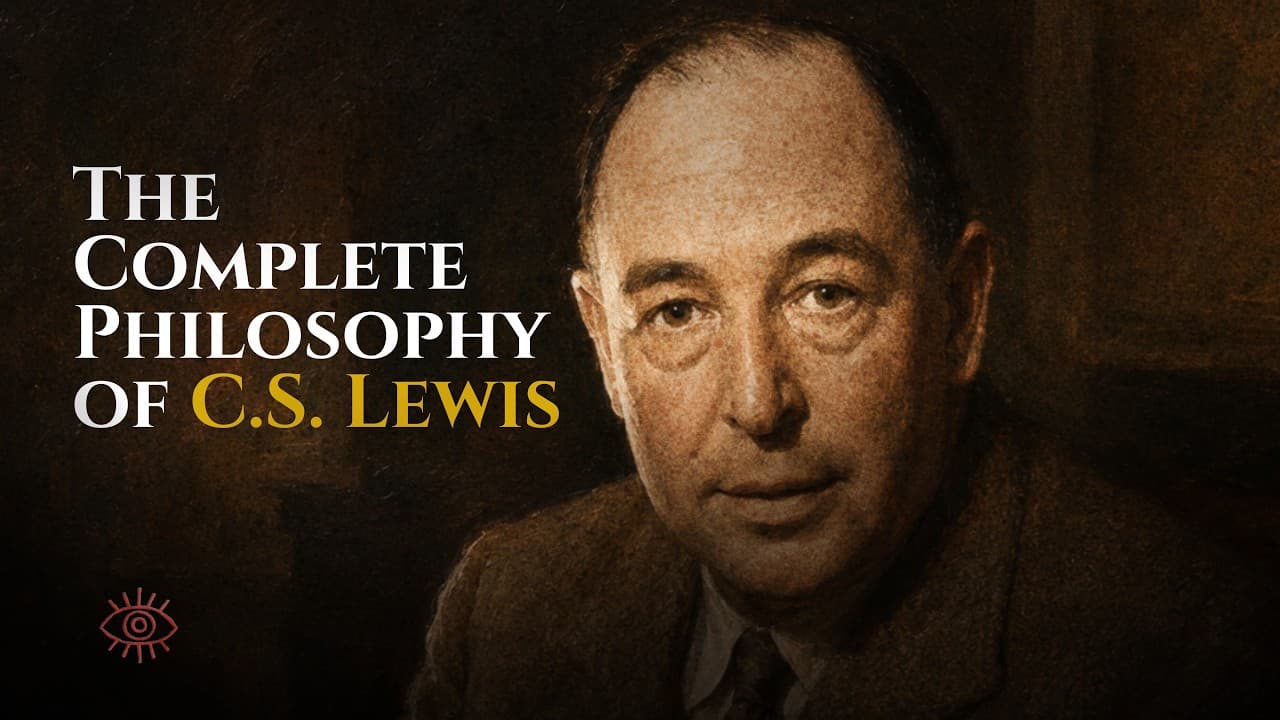
The Most Reluctant Convert | C.S. Lewis for Sleep
The most reluctant convert in England wrote children's books, letters from a devil, and one of the coldest, clearest arguments of the last century. This episode traces the whole arc of a remarkable life and mind. We begin in a cold Belfast childhood and a wartime trench, follow a brilliant young atheist through the long, reluctant argument that led him back to belief, and settle in among the Oxford friendships that shaped him. From there we move slowly through the great works: the stab of longing he called Joy, the plain wartime broadcasts that made him famous, the fierce little book on objective value that secular readers still admire, the letters of a tempting devil, the bus ride to the edge of heaven, the lion in the snowy wood, and the pagan myth he retold as his masterpiece. And we end where his own life ended, in a late and unexpected love, a shattering grief, and a quiet death. The full episode is on YouTube and Spotify. Please listen only in safe, restful contexts.
16 chapters8 sources