Epicurus

Epicurus appears across 2 episodes on Sleepy Philosophy Radio, in long-form readings touching on Philosophy of Religion, Ancient Greek. Explore the episodes and recommended reading below.

Episodes

The Problem of Evil: Why Does God Allow Suffering? | Philosophy for Sleep
Philosophy of Religion3:41:16

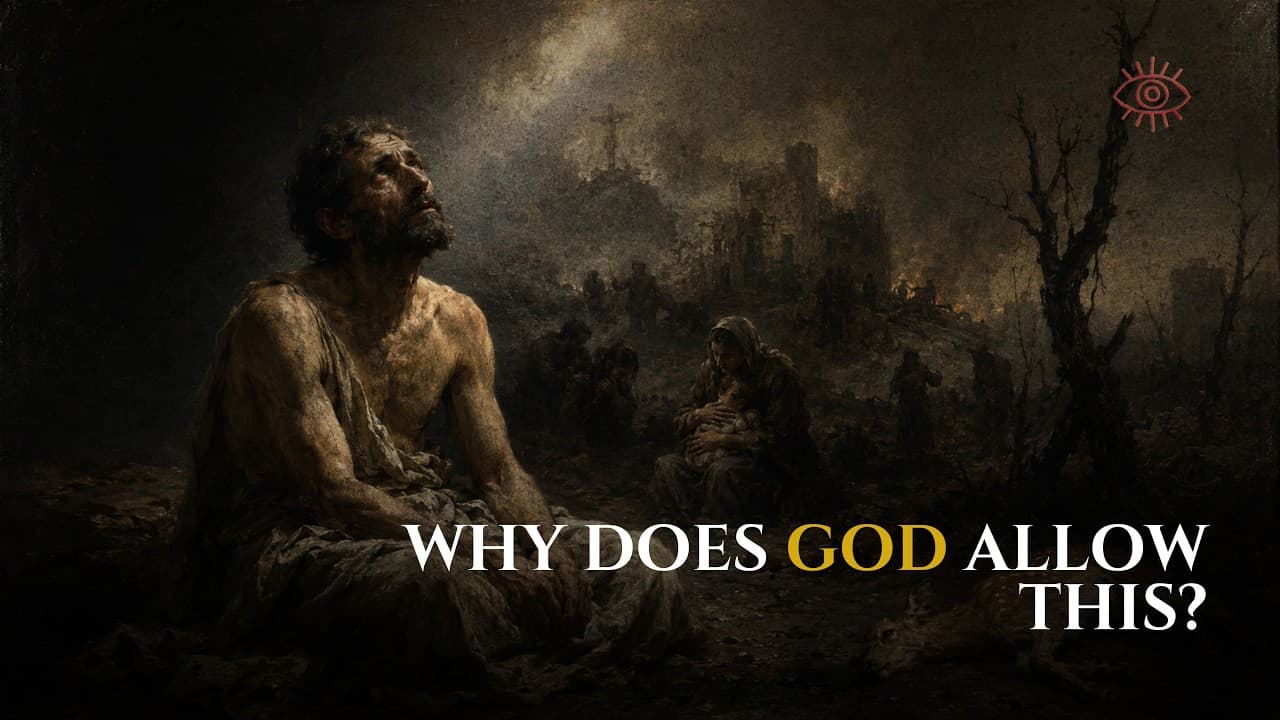
The Problem of Evil: Why Does God Allow Suffering? | Philosophy for Sleep

An innocent man, a burned fawn, and the hardest question ever asked of God. This episode follows the problem of evil from its oldest telling to its newest defenses. It begins with a man who loses everything in a single afternoon and refuses every easy explanation, then traces the great answers, evil as absence, the best of all possible worlds, and the earthquake and the novel that broke optimism's public standing. From there the argument sharpens into the twentieth century, a charge of outright contradiction, the celebrated defense that answered it, a theodicy of growing souls, and a dying fawn that changed the question from proof to evidence. The second half belongs to skeptical theism, the claim that human minds cannot survey the reasons a God might have, and to the objections that press it, moral paralysis, spreading doubt, horrendous evils, animal pain, and divine silence. The episode ends where the argument now stands, between a rock and a rope. The full episode is on YouTube and Spotify. Please listen only in safe, restful contexts.
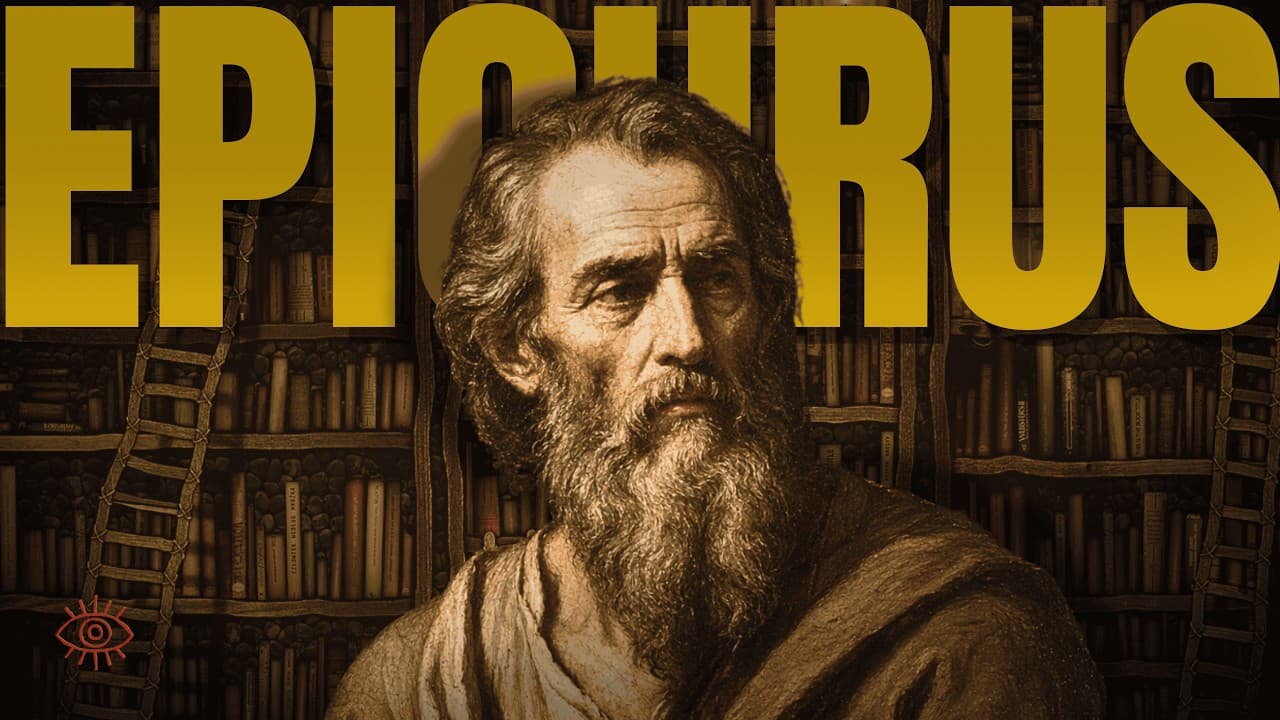
Epicurus Was Not a Hedonist | Pleasure, Death and Fear for Sleep
Ancient Greek2:41:57

Epicurus Was Not a Hedonist | Pleasure, Death and Fear for Sleep

The Real Philosophy of Pleasure, Death, and Fear for Sleep

Almost everyone has Epicurus wrong. The word "epicurean" has come to mean indulgence, luxury, and fine dining, but the real philosophy is almost the opposite: a quiet life, simple food, trusted friends, and freedom from fear. It begins with a displaced young man on the island of Samos and ends with a philosophy that twenty-three centuries of persecution could not destroy. We explore his radical atomism, his argument that the gods do not care about human affairs, his claim that death is nothing to us, the most misunderstood concept in the history of philosophy (Epicurean pleasure as tranquility, ataraxia), the tetrapharmakos, the Garden as a community that admitted women and slaves as philosophical equals, and the survival of his ideas through Lucretius. We ask the question Epicurus leaves behind: what would it actually look like to live without fear? The full episode is on YouTube and Spotify. Please listen only in safe, restful contexts.
Recommended Reading

How to Be an Epicurean: The Ancient Art of Living Well by Catherine Wilson

How to Be an Epicurean: The Ancient Art of Living Well

Catherine Wilson

intermediate

Catherine Wilson recovers Epicureanism as a serious modern philosophy, covering science, ethics, politics, and the good life, with rigour and clarity.

Get this book
Lives of the Eminent Philosophers by Diogenes Laertius (trans. Pamela Mensch)

Lives of the Eminent Philosophers

Diogenes Laertius (trans. Pamela Mensch)

advanced

The single most important ancient source for the lives, doctrines, and sayings of Greek philosophers, including the only complete surviving works of Epicurus, preserved in Book X.

Get this book
The Swerve: How the World Became Modern by Stephen Greenblatt

The Swerve: How the World Became Modern

Stephen Greenblatt

beginner

Pulitzer- and National Book Award-winning account of how a 15th-century book hunter rediscovered Lucretius' On the Nature of Things and quietly reshaped the modern mind.

Get this book
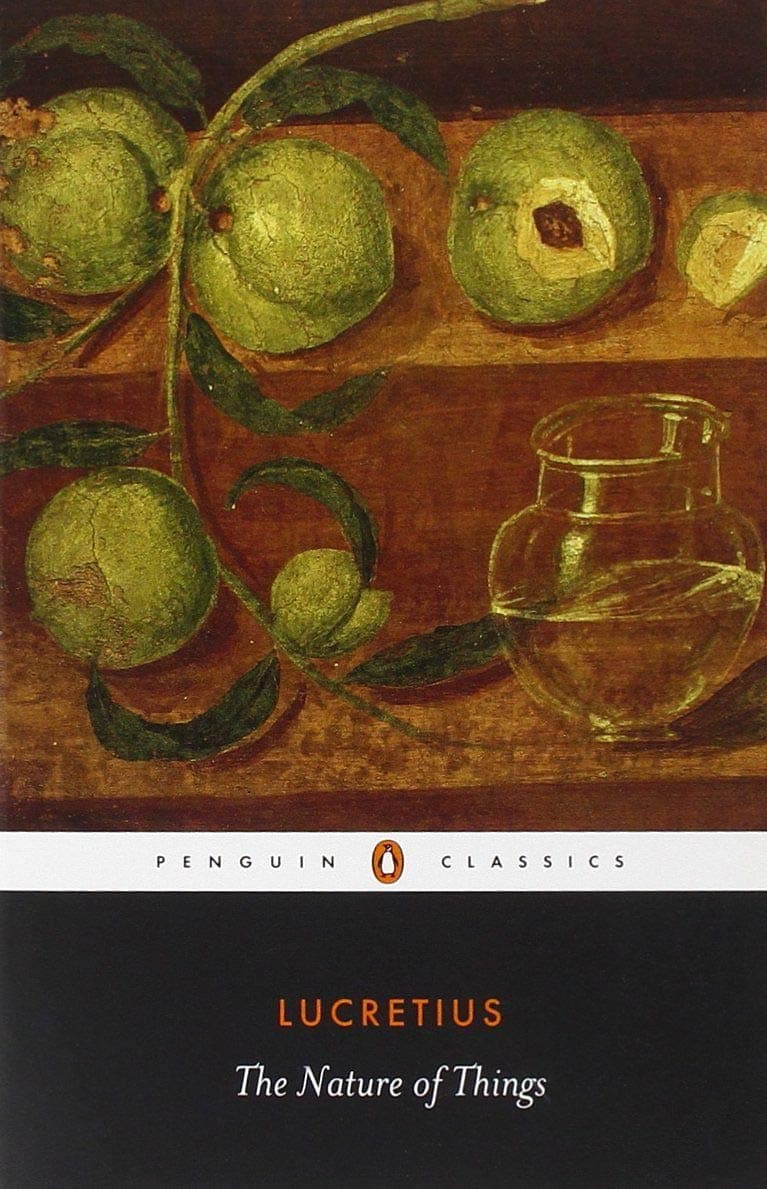
The Nature of Things by Lucretius (trans. A. E. Stallings)

The Nature of Things

Lucretius (trans. A. E. Stallings)

advanced

Lucretius' epic poem De Rerum Natura: the great Roman exposition of Epicurean physics, atomism, and ethics. Stallings' verse translation preserves the music of the original.

Get this book
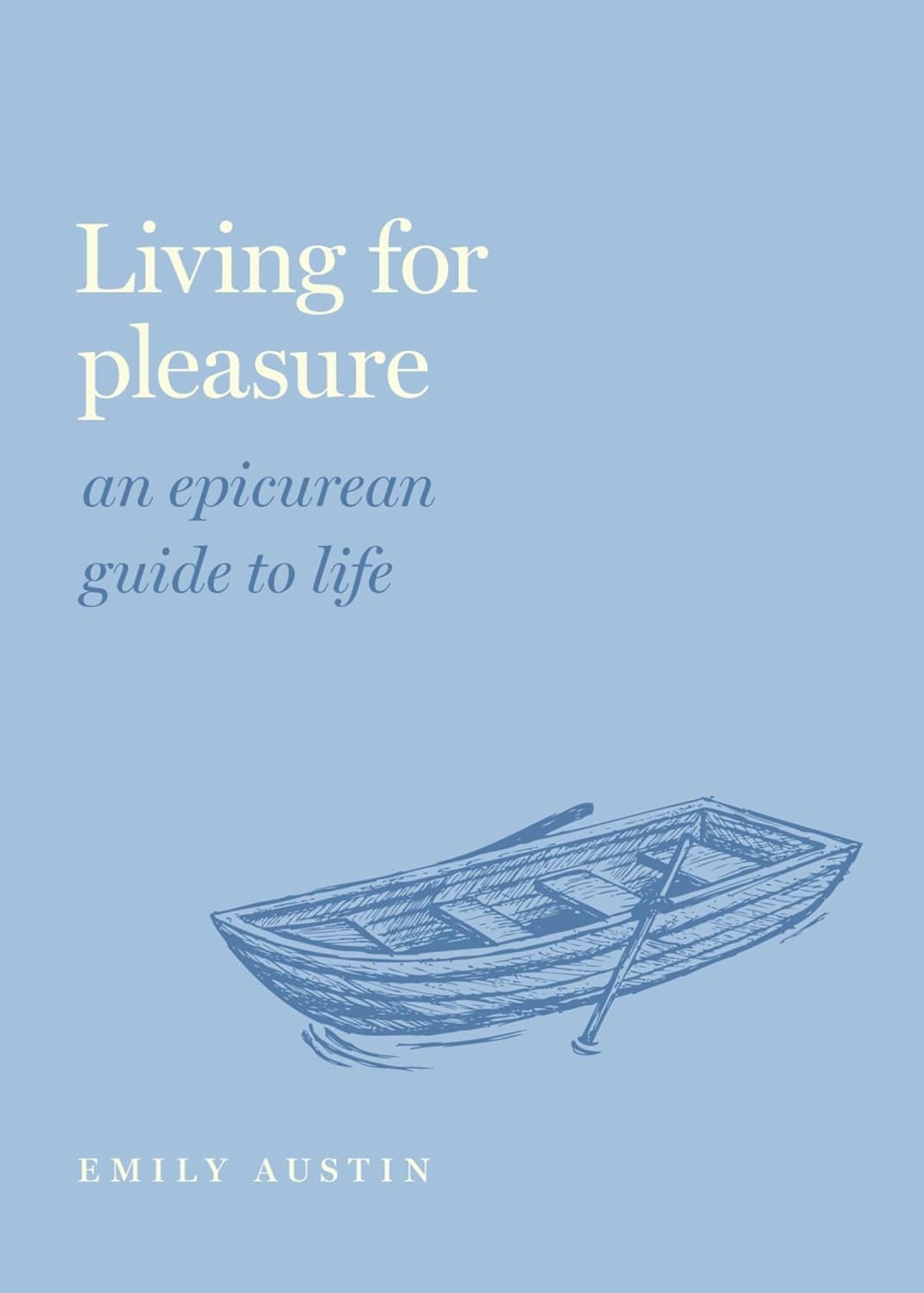
Living for Pleasure: An Epicurean Guide to Life by Emily A. Austin

Living for Pleasure: An Epicurean Guide to Life

Emily A. Austin

beginner

A warm, accessible introduction to Epicurean ethics for modern readers: friendship, freedom from anxiety, and a pleasure that has nothing to do with consumerism.

Get this book
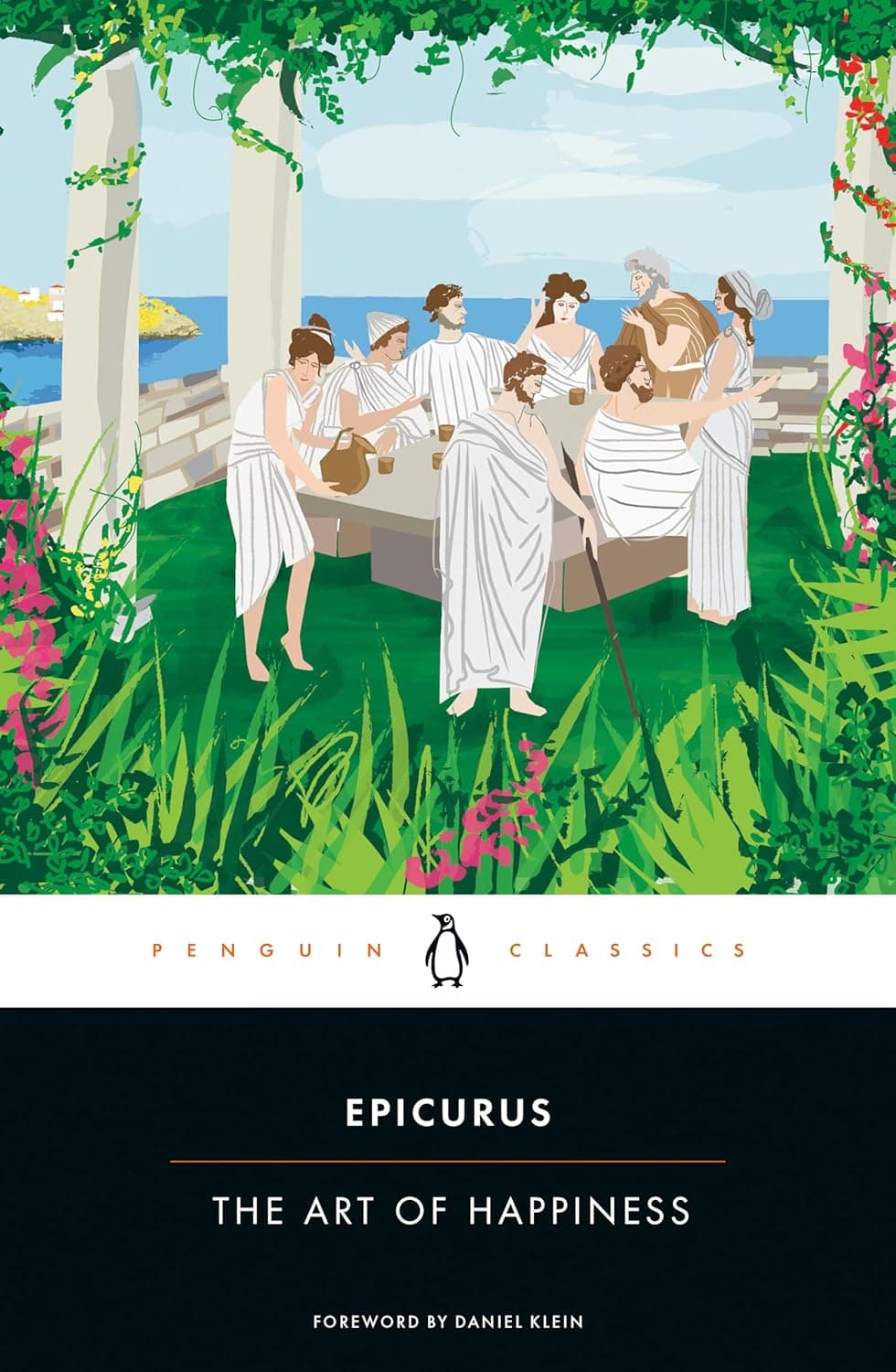
The Art of Happiness by Epicurus (trans. George K. Strodach)

The Art of Happiness

Epicurus (trans. George K. Strodach)

intermediate

A modern Penguin Classics translation of all that survives of Epicurus' writings: the Letters, Principal Doctrines, and Vatican Sayings. The most direct way to encounter the philosopher in his own words.

Get this book

Related Philosophers