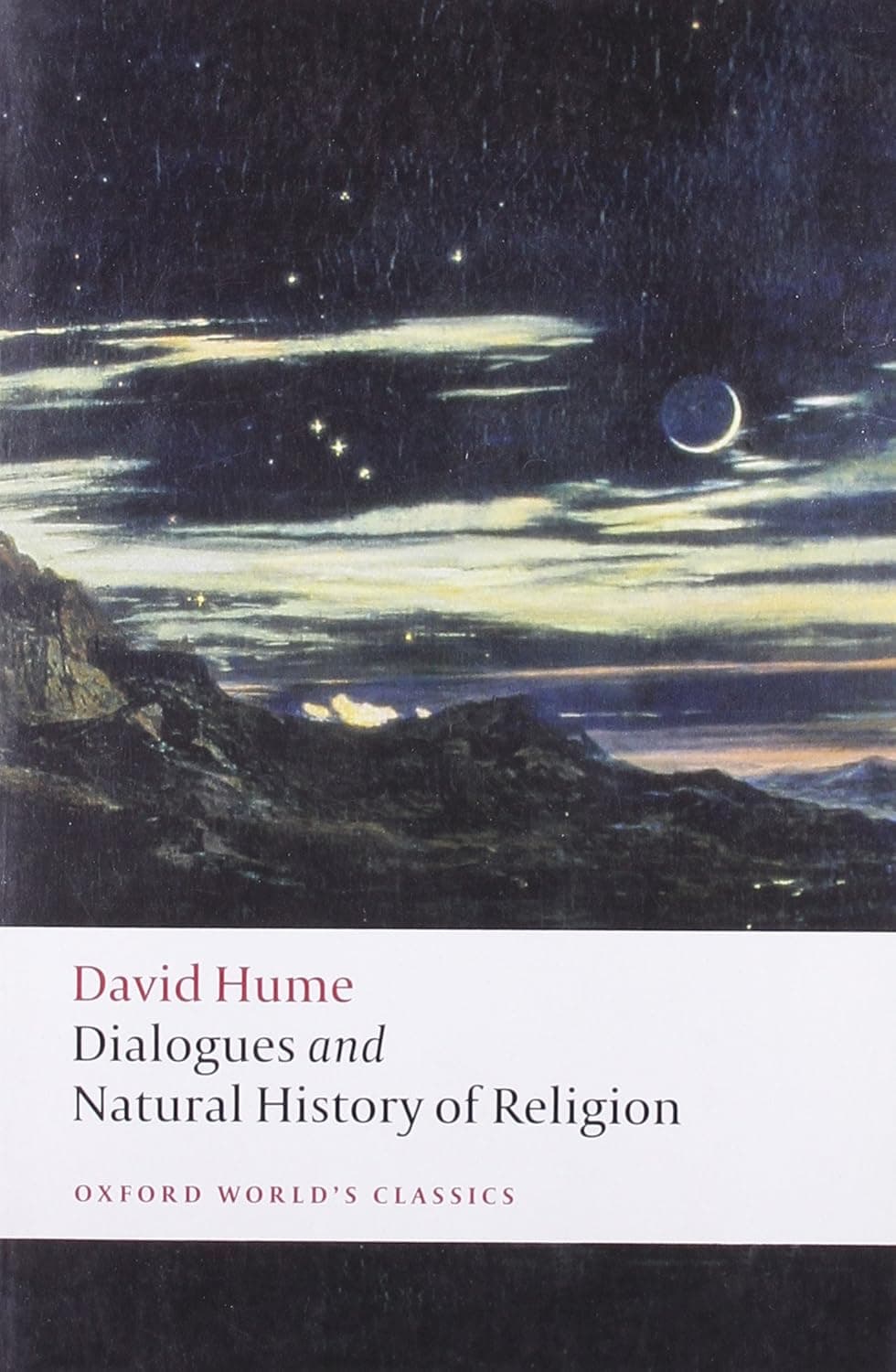
Philosophy of Religion
Dialogues Concerning Natural Religion
by David Hume
Hume's devastating examination of the arguments for God's existence, published posthumously. A masterpiece of philosophical dialogue.
Some links are affiliate links. Purchases help support the channel at no extra cost to you.
Episodes featuring this book
How Do You Know Anything Is Real? | David Hume for Sleep
David Hume's Complete Philosophy
Reason is not the master. It never was. This three-hour episode traces the life and philosophy of David Hume, the thinker who followed the evidence of the senses wherever it led, even when it overturned the deepest assumptions of Western thought. What he found shook the foundations of philosophy so thoroughly that Kant said Hume woke him from his dogmatic slumber. We explore his empiricist theory of knowledge, his denial of the self, his revolutionary analysis of causation, the is-ought problem, his moral philosophy of sentiment and sympathy, his critique of miracles and natural religion, and the problem of induction that still haunts philosophy and science today. Hume emerges not as a destroyer of knowledge but as one of the most honest and courageous thinkers in the Western tradition. The full episode is on YouTube and Spotify. Please listen only in safe, restful contexts.
10 chapters7 sources
On Divine Hiddenness and the Silence of God
The Problem of God's Silence
When someone prays and hears nothing back, when a sincere seeker finds only silence, what does that tell us about whether God exists? Divine hiddenness is one of philosophy's most emotionally charged problems. If a loving God exists and wants relationship with us, why does he not make himself known to those who genuinely seek him? This exploration examines the problem from every angle, beginning with the raw experience of unanswered prayer and tracing it through scripture, the mystics, and contemporary analytic philosophy. John of the Cross described the dark night of the soul; Mother Teresa endured fifty years of spiritual darkness documented in her private letters. J.L. Schellenberg's argument from reasonable nonbelief gives the ancient cry rigorous philosophical form, claiming that the very existence of sincere seekers who find nothing is incompatible with a perfectly loving God. The full episode is on YouTube and Spotify. Please listen only in safe, restful contexts.
15 chapters17 sources
The Problem of Evil: Why Does God Allow Suffering? | Philosophy for Sleep
An innocent man, a burned fawn, and the hardest question ever asked of God. This episode follows the problem of evil from its oldest telling to its newest defenses. It begins with a man who loses everything in a single afternoon and refuses every easy explanation, then traces the great answers, evil as absence, the best of all possible worlds, and the earthquake and the novel that broke optimism's public standing. From there the argument sharpens into the twentieth century, a charge of outright contradiction, the celebrated defense that answered it, a theodicy of growing souls, and a dying fawn that changed the question from proof to evidence. The second half belongs to skeptical theism, the claim that human minds cannot survey the reasons a God might have, and to the objections that press it, moral paralysis, spreading doubt, horrendous evils, animal pain, and divine silence. The episode ends where the argument now stands, between a rock and a rope. The full episode is on YouTube and Spotify. Please listen only in safe, restful contexts.
23 chapters8 sources
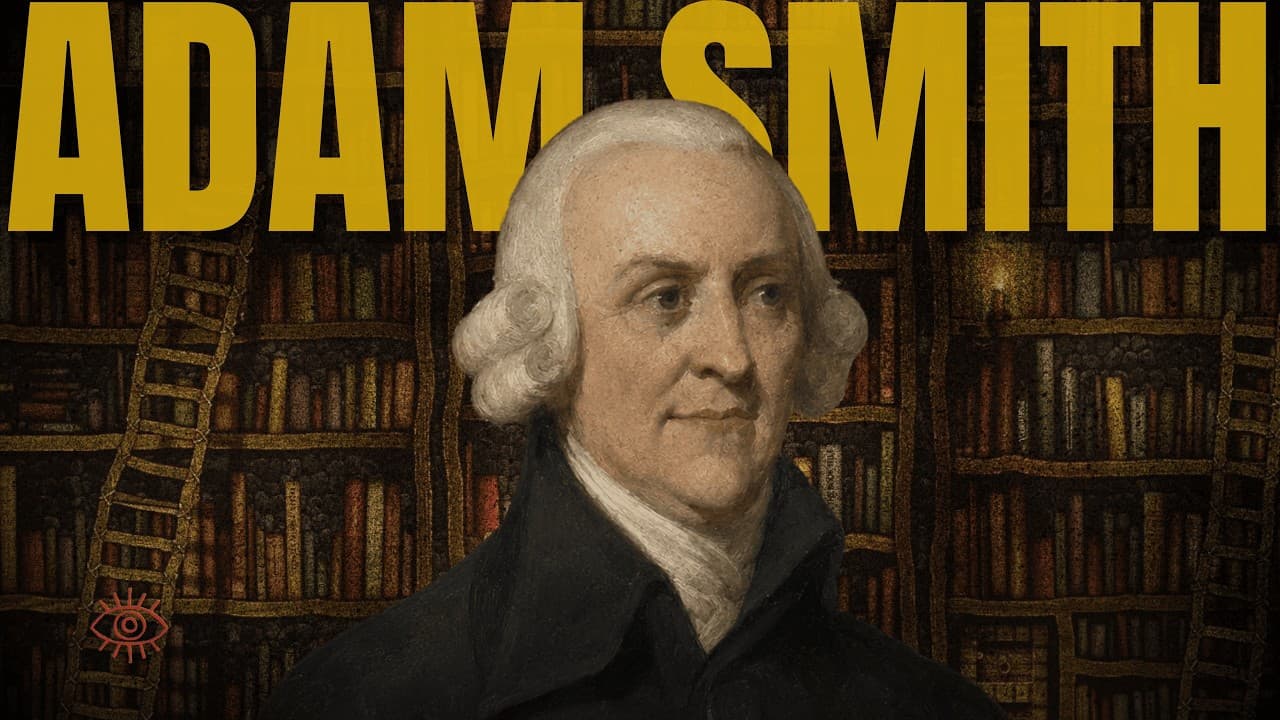
"Led by an Invisible Hand" | Adam Smith Complete Philosophy For Sleep
He wrote the book that built the modern world, then ordered everything else burned. Adam Smith spent his last days making sure most of his life's work went into the fire. What survived was enough to change the world. This episode follows the quiet son of a Scottish port town through the lecture halls of Glasgow, the salons of Paris, and the long silent decade in which he wrote the Wealth of Nations. Along the way it restores the half of Smith the modern world forgot, the moral philosopher of sympathy and conscience, the inventor of the impartial spectator, the friend who risked his reputation to defend a dying unbeliever, and the fierce critic of merchants, empires, and slavery. The invisible hand is here too, all three times Smith ever used it, read slowly and in context. Two great books, one unhurried story, told as a serious essay and paced for rest. The full episode is on YouTube and Spotify. Please listen only in safe, restful contexts.
22 chapters8 sources
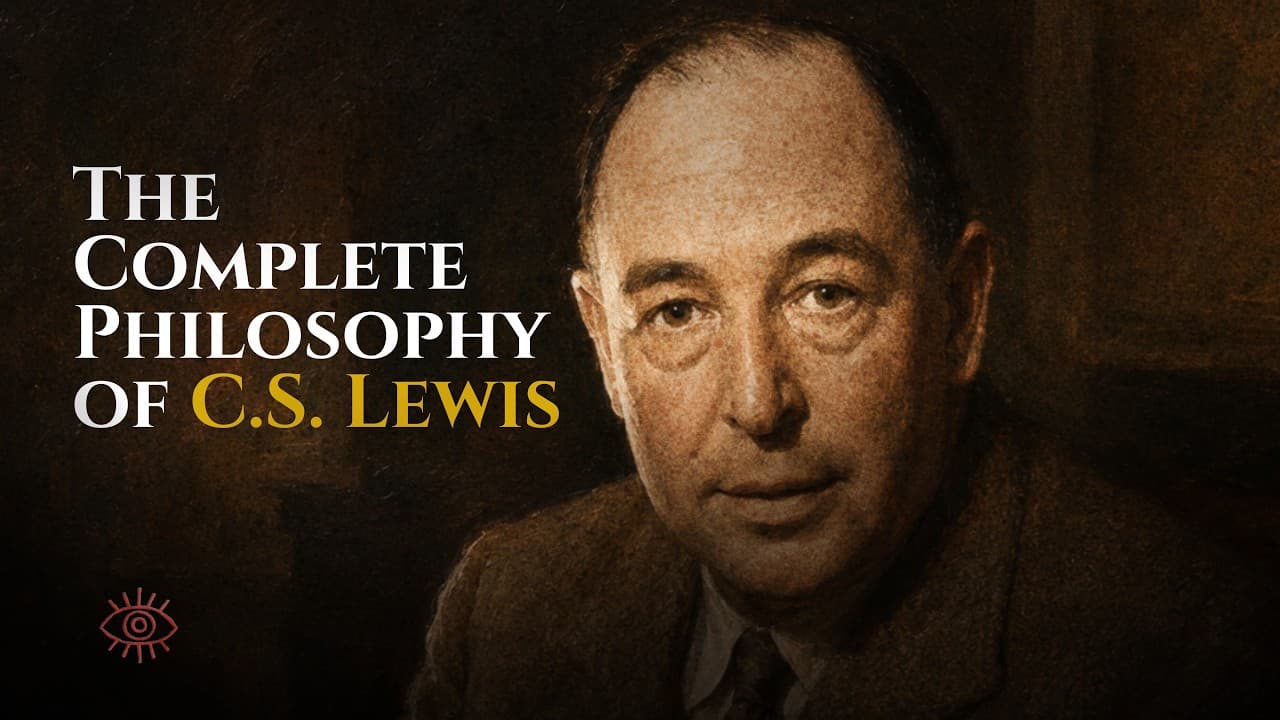
The Most Reluctant Convert | C.S. Lewis for Sleep
The most reluctant convert in England wrote children's books, letters from a devil, and one of the coldest, clearest arguments of the last century. This episode traces the whole arc of a remarkable life and mind. We begin in a cold Belfast childhood and a wartime trench, follow a brilliant young atheist through the long, reluctant argument that led him back to belief, and settle in among the Oxford friendships that shaped him. From there we move slowly through the great works: the stab of longing he called Joy, the plain wartime broadcasts that made him famous, the fierce little book on objective value that secular readers still admire, the letters of a tempting devil, the bus ride to the edge of heaven, the lion in the snowy wood, and the pagan myth he retold as his masterpiece. And we end where his own life ended, in a late and unexpected love, a shattering grief, and a quiet death. The full episode is on YouTube and Spotify. Please listen only in safe, restful contexts.
16 chapters8 sources
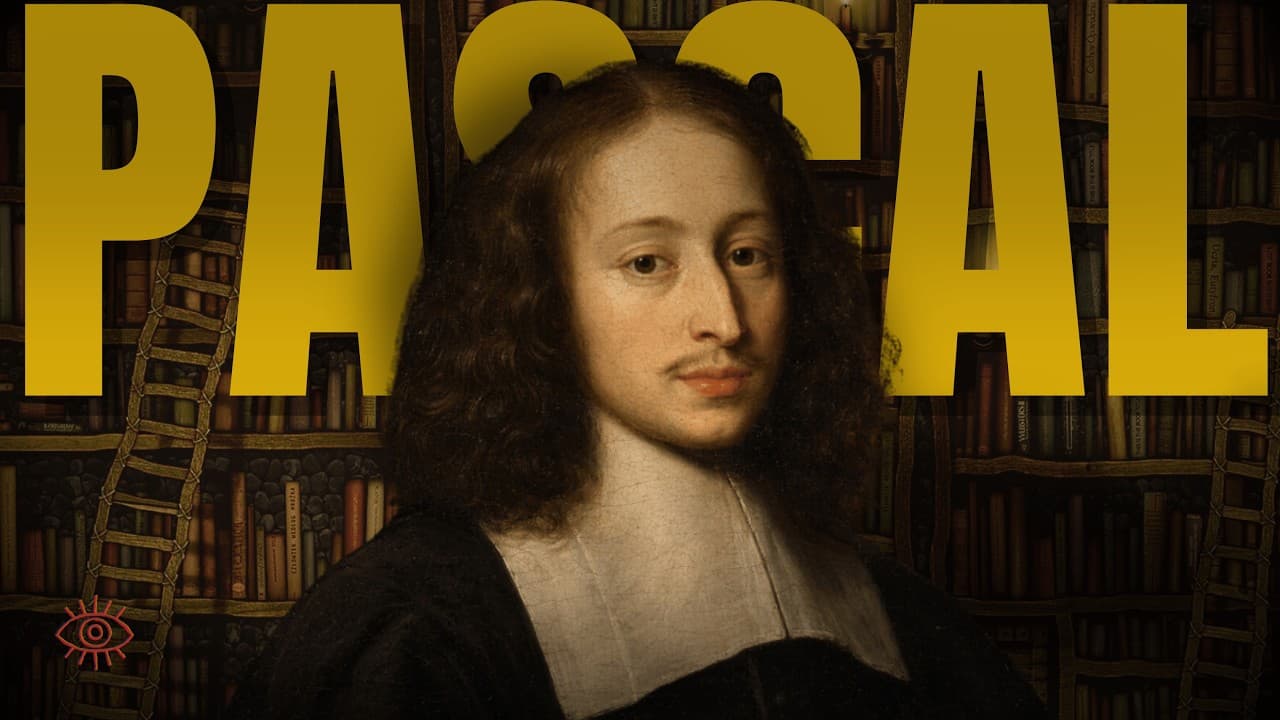
Blaise Pascal | The Mathematician Who Found God
Pascal's Complete Philosophy
The man who proved that nature does not abhor a vacuum, and then wrote the most honest account ever given of why the universe terrifies us. Blaise Pascal lived only thirty-nine years, and in those years he changed mathematics, physics, probability theory, and the history of Western prose. But at the center of his life was a night in November of 1654 that he could never describe, only remember. After that night he turned from the world of scientific triumph toward a book he would never finish, a book about what it means to be a human being suspended between two infinites, looking for a God who chooses to remain hidden. This episode follows Pascal from the Paris household where he taught himself geometry in secret as a child to the small room in which he died, with the record of his conversion sewn into the lining of his coat. The full episode is on YouTube and Spotify. Please listen only in safe, restful contexts.
10 chapters5 sources