Philosophy of Religion
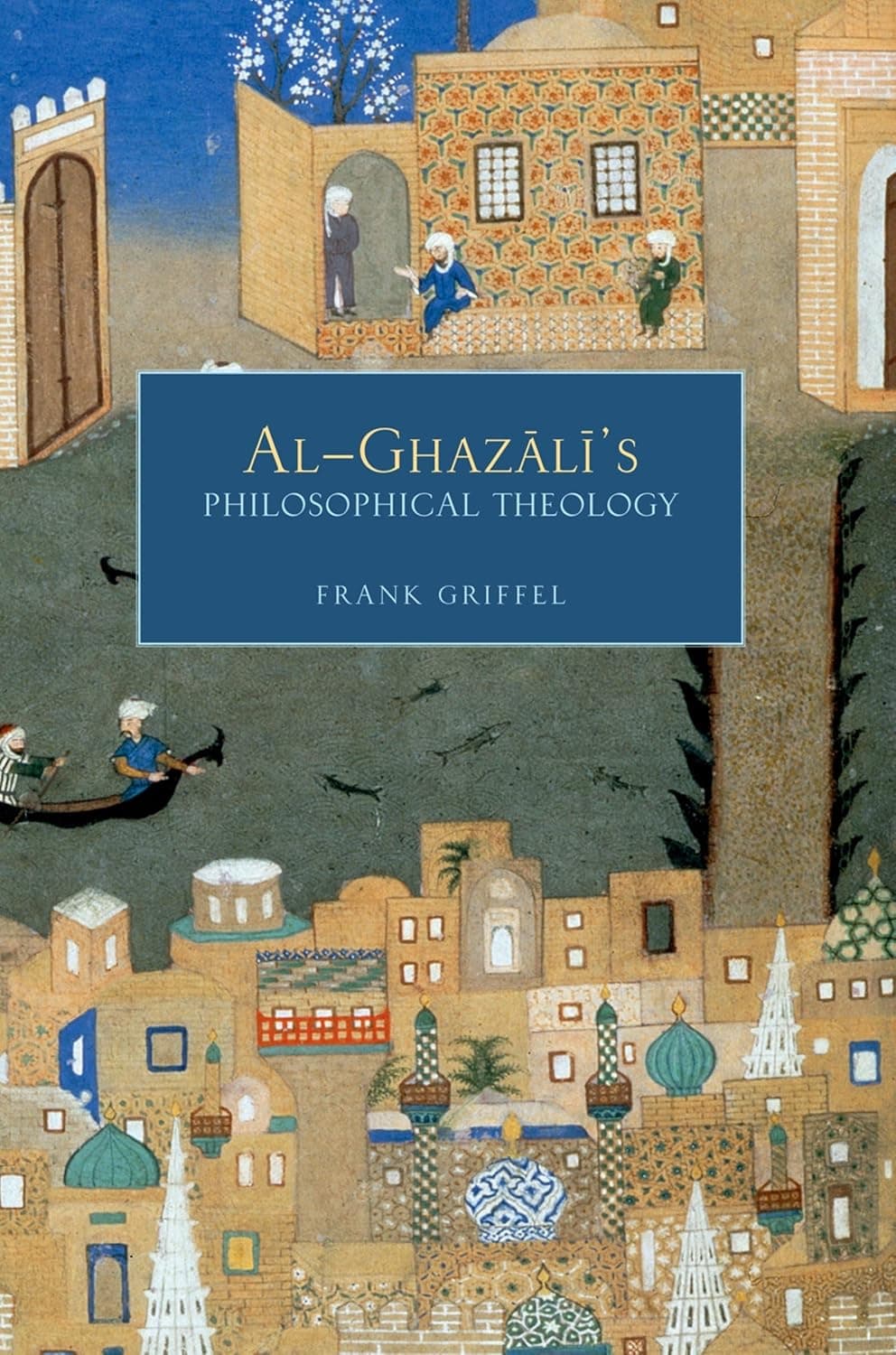
Al-Ghazali's Philosophical Theology
by Frank Griffel(2009)
A rigorous academic study that reexamines Al-Ghazali's relationship with philosophy, challenging the common view that he rejected reason entirely.
Some links are affiliate links. Purchases help support the channel at no extra cost to you.
Episodes featuring this book
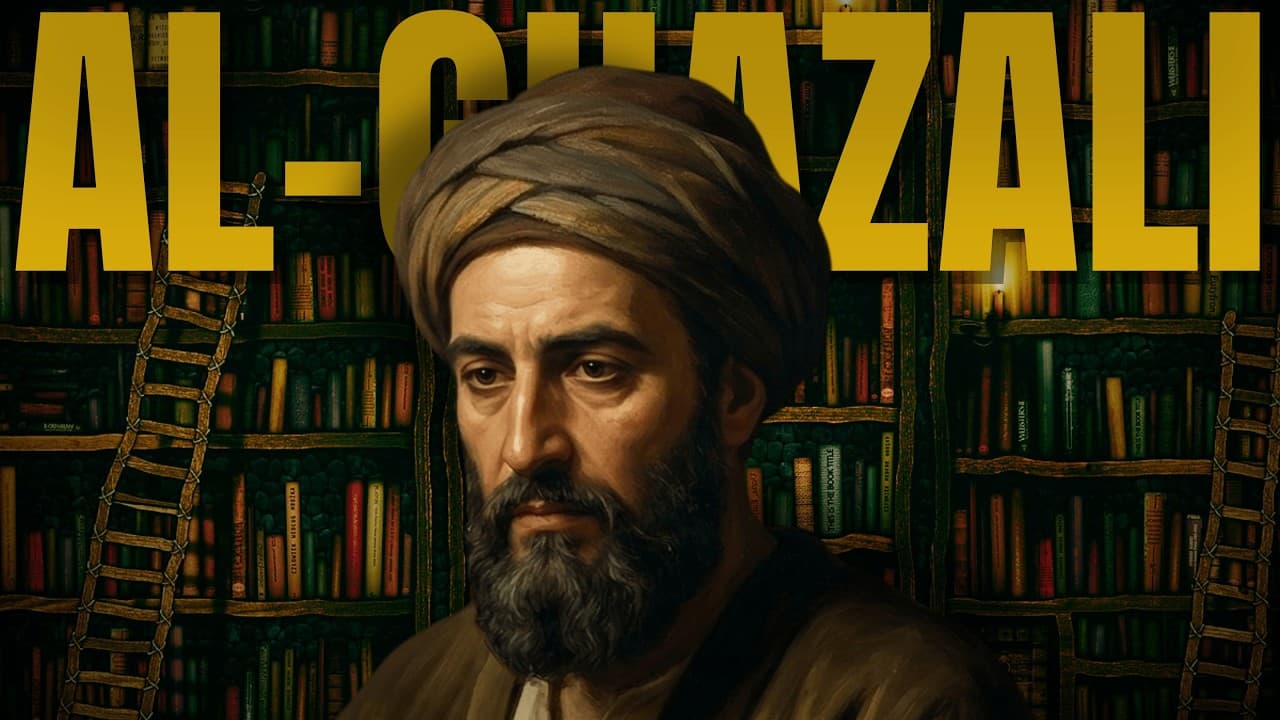
Can Reason Lead Us to God? | Al-Ghazali for Sleep
Al-Ghazali's Search for Certainty
Al-Ghazali held the most prestigious teaching position in the Islamic world when, in 1095, his voice failed him and his body rejected food. Having mastered theology, law, and philosophy, he confronted a devastating question: did he actually know anything, or had he spent his life performing knowledge for the sake of fame? This three-hour exploration follows his journey from orphan in Persia to the summit of medieval Baghdad, through his systematic dismantling of the rationalist tradition in The Incoherence of the Philosophers, his complete psychological collapse, and eleven years of wandering through Damascus, Jerusalem, and Mecca as a humble seeker. His critique of causality anticipated David Hume by six centuries, and his Revival of the Religious Sciences transformed how millions practice their faith. Al-Ghazali asked whether reason alone could lead to truth, and his answer changed two civilizations. The full episode is on YouTube and Spotify. Please listen only in safe, restful contexts.
13 chapters12 sources
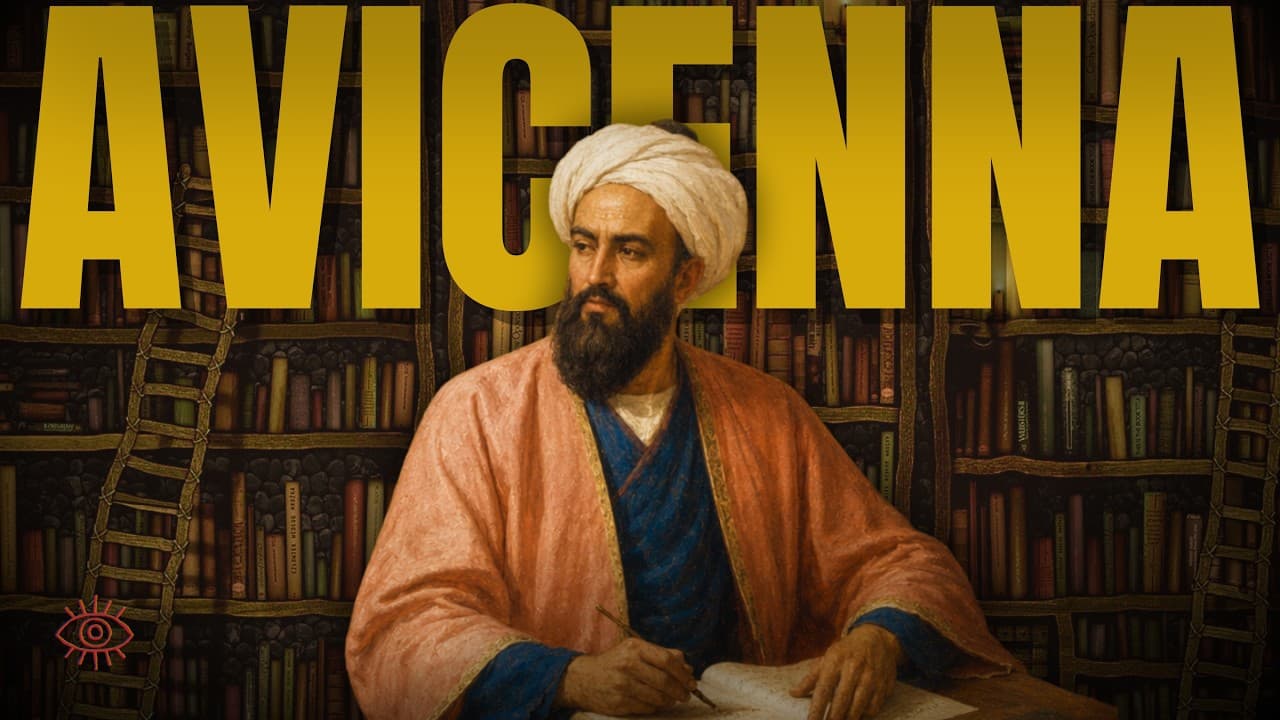
The Philosopher Who United Greek Thought and Islam | Avicenna for Sleep
Avicenna's Complete Philosophy
How did a physician writing by lamplight in a mountain fortress come to shape five centuries of world philosophy? The philosopher who called himself Avicenna was born in nine hundred and eighty near Bukhara, memorized the Quran at ten, read Aristotle's Metaphysics forty times, and then built a philosophical system so comprehensive that it became, in two separate civilizations, the foundation on which later thought was constructed. This episode traces his life from the Samanid libraries of his childhood through the courts and prisons of his middle years to the final synthesis he achieved in Isfahan. We work through his great philosophical encyclopedia, his proof that a necessary being must exist, his famous thought experiment about a soul floating in empty space with no sensory contact of any kind, his account of the inner faculties of the mind, his theory of how prophetic knowledge works, and the three allegorical works that say what the philosophy cannot quite say in argument. We follow his ideas into the Latin West, where Thomas Aquinas read and transformed them, and through the Islamic tradition, where Suhrawardi and Mulla Sadra built new philosophies on his foundations. One of the great minds of any civilization, examined at full length. The full episode is on YouTube and Spotify. Please listen only in safe, restful contexts.
25 chapters3 sources
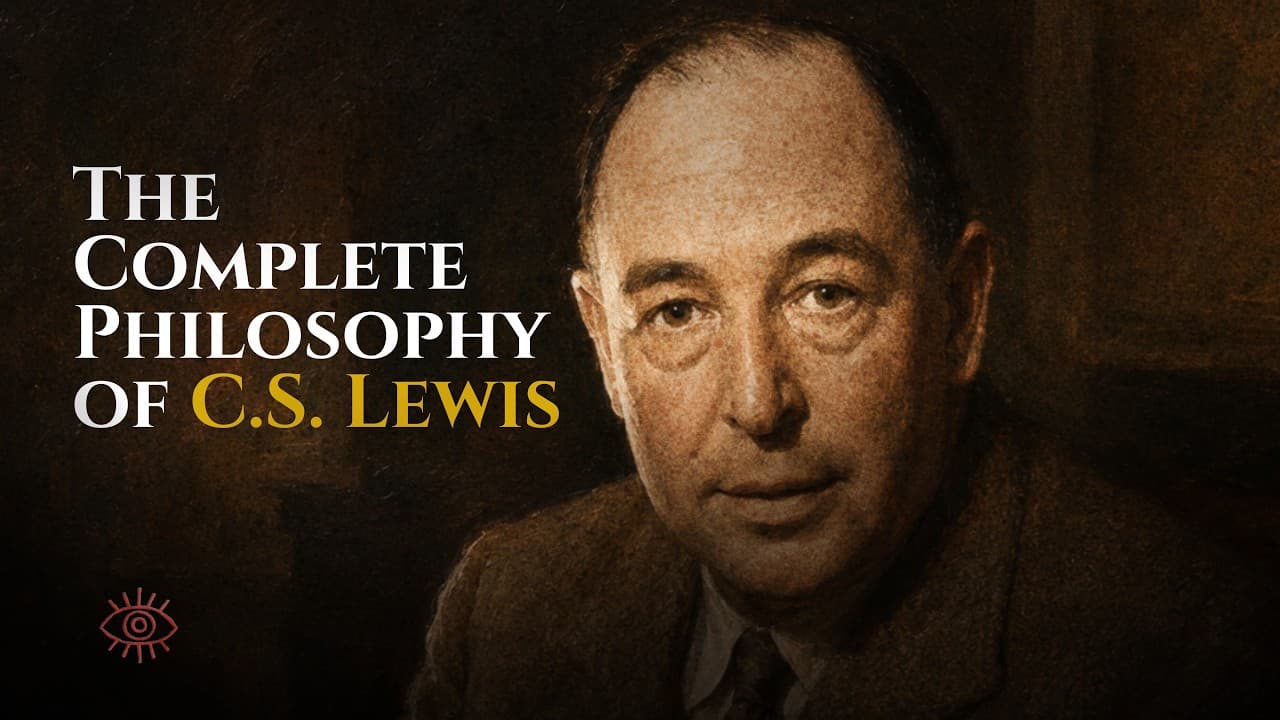
The Most Reluctant Convert | C.S. Lewis for Sleep
The most reluctant convert in England wrote children's books, letters from a devil, and one of the coldest, clearest arguments of the last century. This episode traces the whole arc of a remarkable life and mind. We begin in a cold Belfast childhood and a wartime trench, follow a brilliant young atheist through the long, reluctant argument that led him back to belief, and settle in among the Oxford friendships that shaped him. From there we move slowly through the great works: the stab of longing he called Joy, the plain wartime broadcasts that made him famous, the fierce little book on objective value that secular readers still admire, the letters of a tempting devil, the bus ride to the edge of heaven, the lion in the snowy wood, and the pagan myth he retold as his masterpiece. And we end where his own life ended, in a late and unexpected love, a shattering grief, and a quiet death. The full episode is on YouTube and Spotify. Please listen only in safe, restful contexts.
16 chapters8 sources
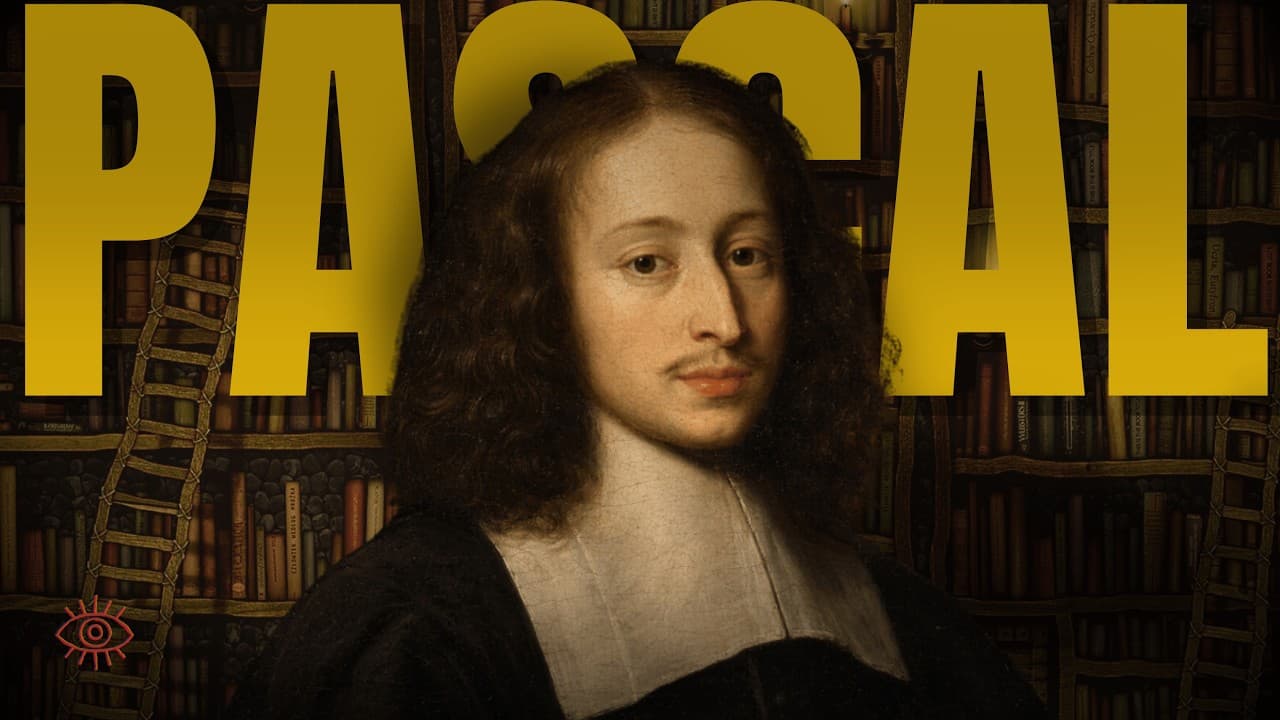
Blaise Pascal | The Mathematician Who Found God
Pascal's Complete Philosophy
The man who proved that nature does not abhor a vacuum, and then wrote the most honest account ever given of why the universe terrifies us. Blaise Pascal lived only thirty-nine years, and in those years he changed mathematics, physics, probability theory, and the history of Western prose. But at the center of his life was a night in November of 1654 that he could never describe, only remember. After that night he turned from the world of scientific triumph toward a book he would never finish, a book about what it means to be a human being suspended between two infinites, looking for a God who chooses to remain hidden. This episode follows Pascal from the Paris household where he taught himself geometry in secret as a child to the small room in which he died, with the record of his conversion sewn into the lining of his coat. The full episode is on YouTube and Spotify. Please listen only in safe, restful contexts.
10 chapters5 sources
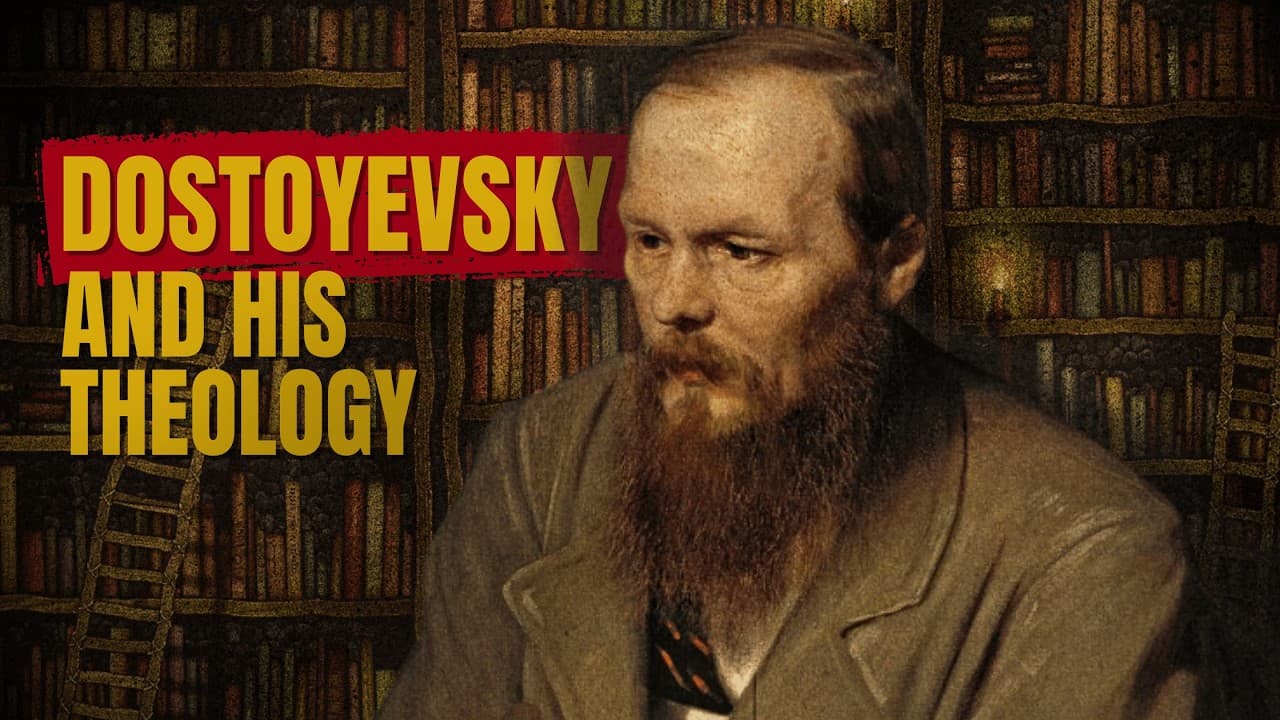
If There Is No God, Everything Is Permitted | Dostoevsky's Hidden Theology For Sleep
Orthodox Theology, the Church Fathers & the Novels
Hell is not punishment from God. It is the inability to love. This three-hour episode traces the Orthodox Christian tradition that shaped everything Dostoevsky ever wrote, from Isaac the Syrian and Maximus the Confessor to Gregory of Nyssa and the hesychast monks. What does it mean that sin is not a crime requiring penalty but a sickness requiring healing? That salvation is not a transaction but a transformation of the whole person? These are the questions buried inside The Brothers Karamazov, The Idiot, and Crime and Punishment. This episode is a companion to our earlier Dostoevsky exploration. Where that episode examined his ideas through a philosophical and psychological lens, this one traces them to their source: kenosis, theosis, apophatic theology, prelest, and sobornost. The full episode is on YouTube and Spotify. Please listen only in safe, restful contexts.
5 chapters7 sources
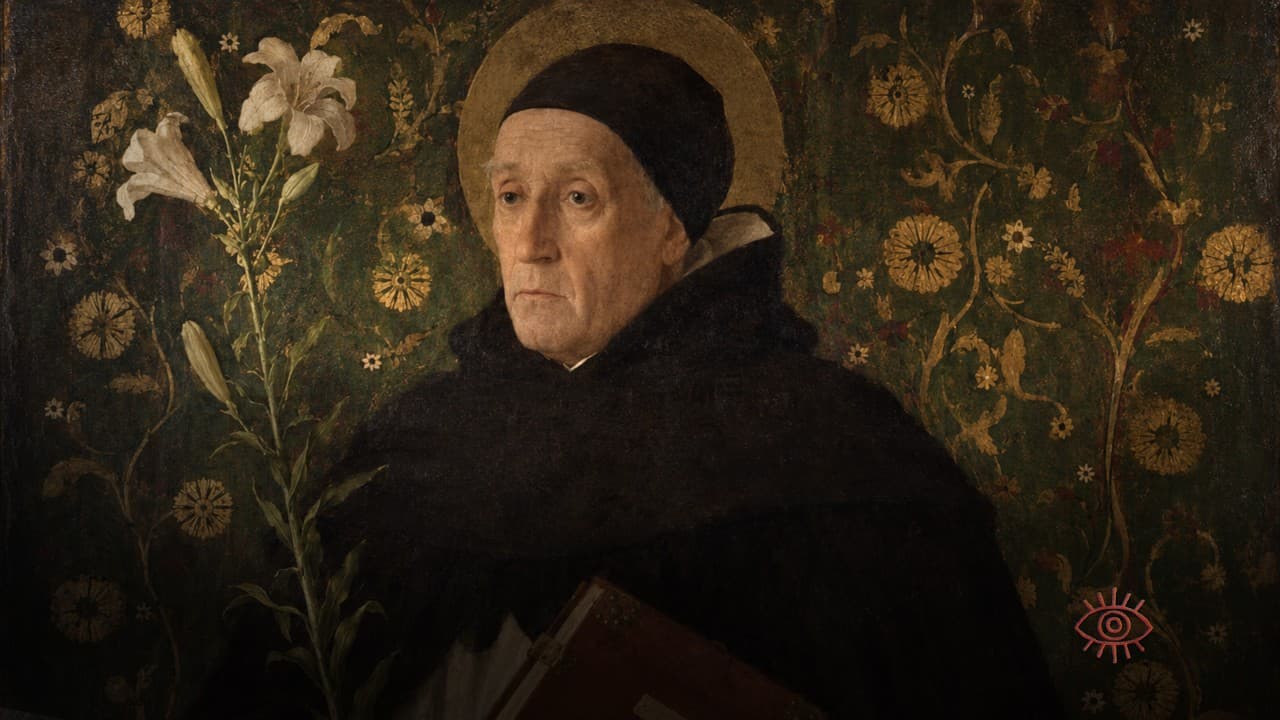
Let Go of God to Find God | Meister Eckhart's Complete Philosophy
He told nuns and weavers and widows that they should pray to be rid of God, and meant it as the deepest compliment his theology could pay. At the summit of the medieval Church, a Dominican master who governed dozens of religious houses did something no one of his rank had dared. He carried the deepest theology out of the Latin schools and preached it, in plain German, to ordinary working people. We follow him from an uncertain village in Germany to the heights of the University of Paris, and into the heart of what he taught: a God beyond all names, an uncreated spark at the bottom of the soul, a birth of the divine within us, and a path that runs not by adding but by letting everything go. We trace his tender words to the grieving, his surprising defense of the working life, and the trial that broke over him at the very end, then the long silence after his death and the strange, luminous return that made him a voice for our own restless age. The full episode is on YouTube and Spotify. Please listen only in safe, restful contexts.
15 chapters6 sources