Existentialism
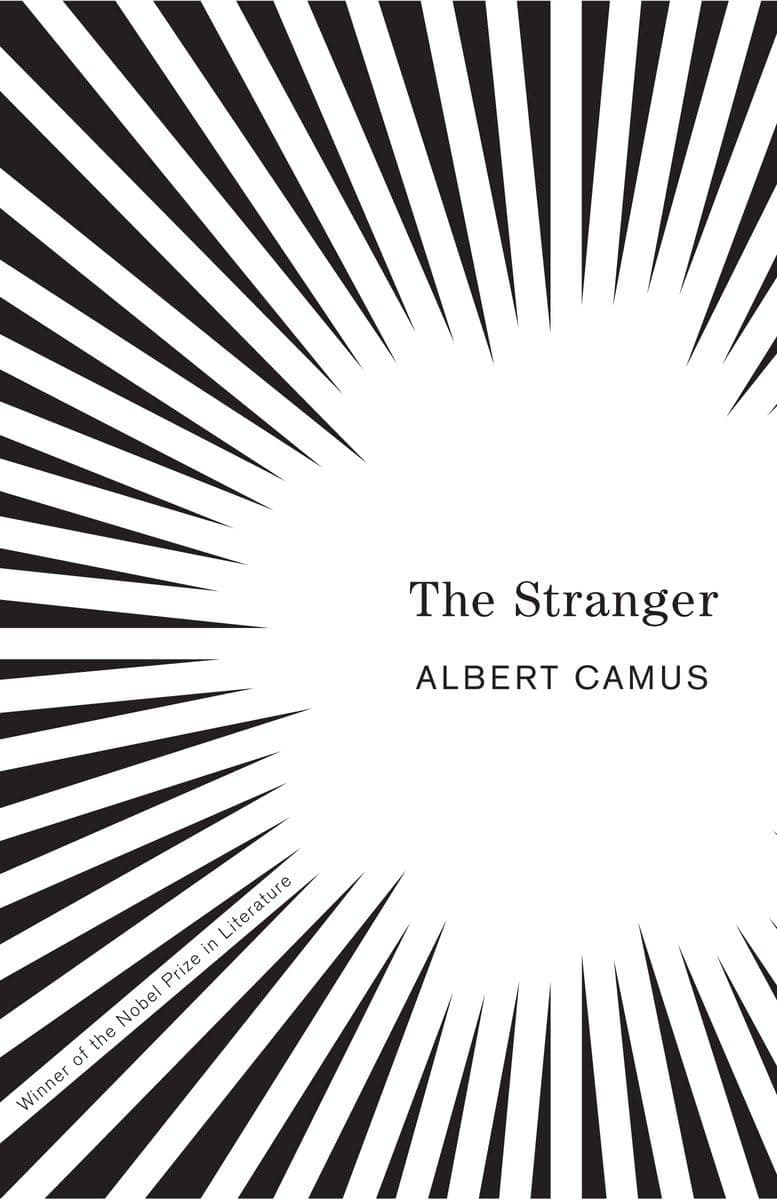
The Stranger
by Albert Camus(1942)
Camus's iconic novel about Meursault, a man indifferent to the world around him, which crystallizes the philosophy of the absurd in narrative form.
Some links are affiliate links. Purchases help support the channel at no extra cost to you.
Episodes featuring this book
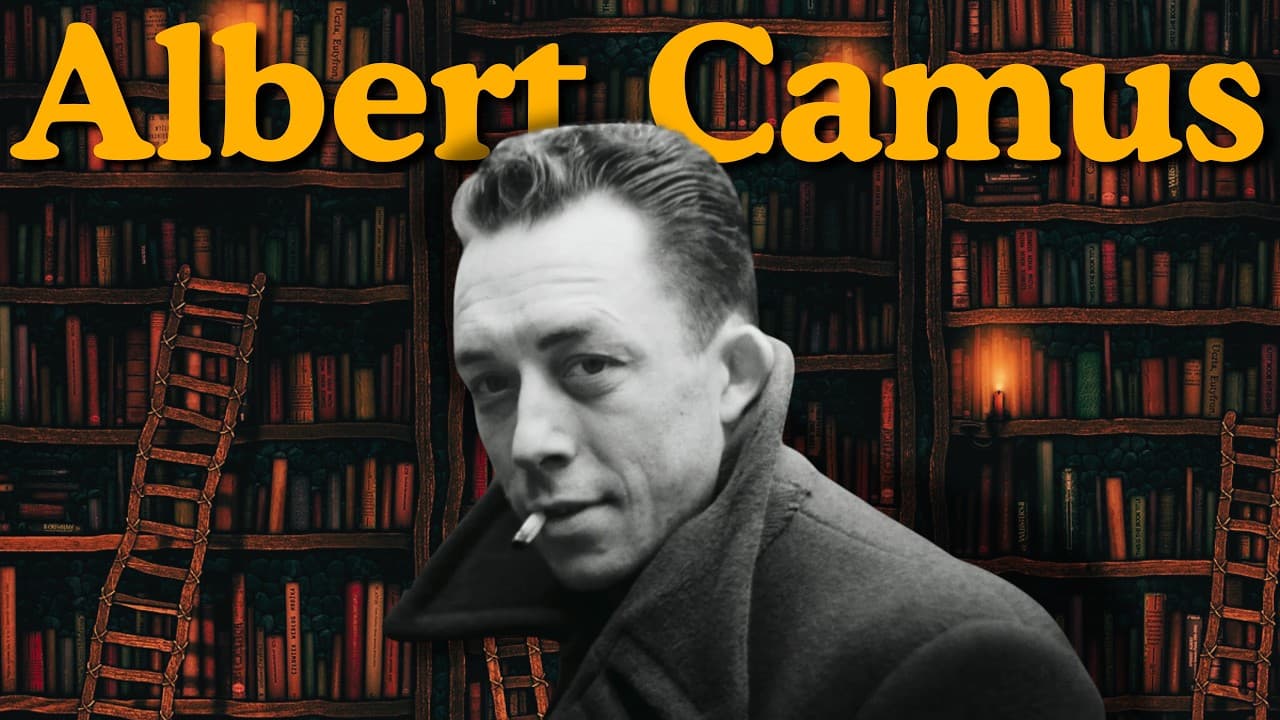
The Myth of Sisyphus | Albert Camus's Complete Philosophy for Sleep
Albert Camus's Complete Philosophy
What if a man condemned to push a boulder up a mountain for eternity is actually happy? This question opens Albert Camus's philosophy of the Absurd, the confrontation between our need for meaning and the universe's profound silence. Over four hours, we follow Camus from sun-drenched Algeria through wartime France, through The Stranger and The Plague, through his philosophical essays and his break with Sartre. We distinguish absurdism from both nihilism and existentialism, and discover why accepting meaninglessness might liberate us to live more fully than we ever imagined. The full episode is on YouTube and Spotify. Please listen only in safe, restful contexts.
22 chapters12 sources
When Life Suddenly Feels Meaningless | The Existential Crisis
Why do people who have everything still wake at three in the morning certain that none of it means anything? This is a long, unhurried history of the moment the floor of ordinary life gives way. It begins with a celebrated novelist who, at the height of his fame and fortune, quietly hid a rope from himself, and from that single human crisis it opens outward across the centuries. We follow the confrontation with meaninglessness through the oldest scriptures and the calm arguments of antiquity, through a believer terrified by an infinite and silent cosmos, through the philosopher of endless striving, and into the thinkers who made this dread the very center of their work. We sit with the death of God, with radical freedom, with the absurd, with a survivor who found a reason to endure the unendurable, and with a tradition that meets the void by loosening its grip on the self. The episode closes not with a tidy answer but with the quiet question of how a person comes back to life. The full episode is on YouTube and Spotify. Please listen only in safe, restful contexts.
22 chapters8 sources

The Stranger by Albert Camus | Book Summary
A quiet, sentence-by-sentence reading of Albert Camus's short novel of a killing, a trial, and a final night. The episode opens in a Paris hotel room in May of nineteen forty, as a young Algerian journalist named Albert Camus finishes the first draft of a very short novel while the German army crosses into France. From there the narration walks through The Stranger itself, chapter by chapter. A telegram from a nursing home. A funeral under a hard sun. A harbor, a woman, a comedy at a movie house. A neighbor with a revolver and a letter to write. A beach, a spring, four extra shots. An examining magistrate with a silver crucifix. A condemned cell. A priest who will not go away. A final page that has been argued over for more than eighty years. The reading closes on the book's long life after publication. The full episode is on YouTube and Spotify. Please listen only in safe, restful contexts.
8 chapters
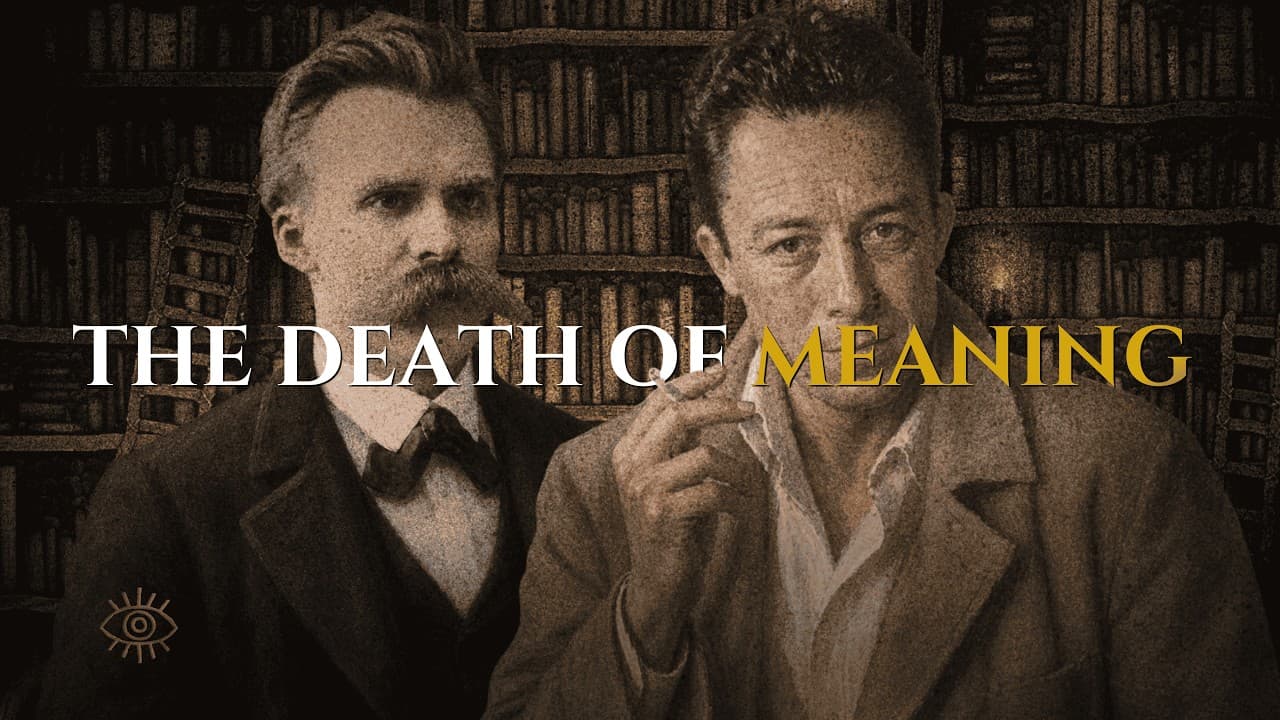
The Philosophy of Existential Nihilism
From Nietzsche to Camus
Nothing matters. These two words have haunted Western philosophy since the nineteenth century, when the foundations of meaning began to crack and the greatest minds were forced to confront a terrifying possibility: that the universe has no purpose and human life has no cosmic significance. This episode traces the complete history of existential nihilism, from Schopenhauer's suffocating pessimism through Dostoevsky's feverish challenges in the Grand Inquisitor, to Nietzsche's shattering diagnosis of the death of God. It then explores the existentialist responses: Heidegger's confrontation with the nothing, Sartre's radical freedom, and Camus's philosophy of the absurd. The journey concludes with Viktor Frankl's will to meaning forged in Auschwitz, Thomas Nagel's analytical treatment of absurdity, and the question as it remains for us today. The full episode is on YouTube and Spotify. Please listen only in safe, restful contexts.
15 chapters12 sources
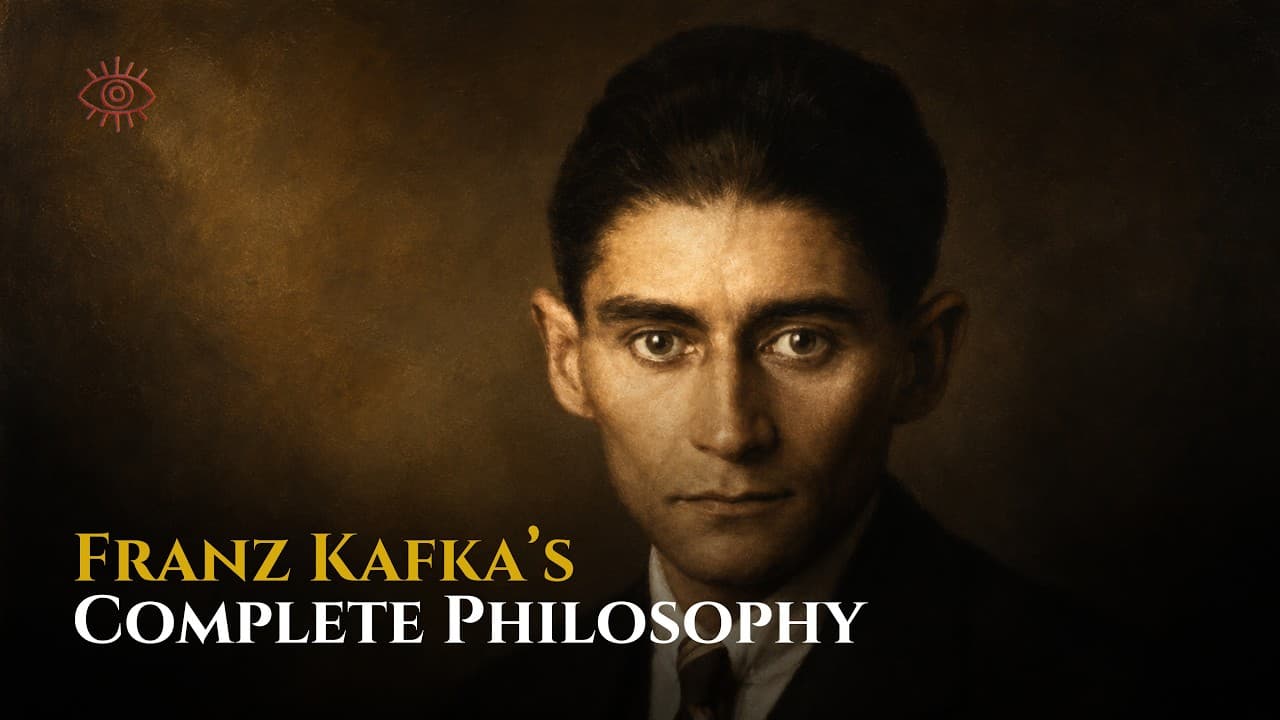
"What If I Slept A Little More?" | Kafka's Complete Philosophy For Sleep
Kafka's Complete Philosophy for Sleep
Franz Kafka was born in Prague in 1883 into three overlapping circles of exclusion: Czech majority, German minority, and Jewish community within that minority. This episode traces his life under the overwhelming shadow of his father Hermann, his night writing alongside exhausting insurance work, and the tuberculosis that killed him at forty. It explores his major works in detail, including The Metamorphosis, The Trial, and The Castle, alongside the letters to Felice and Milena and the devastating Letter to His Father that was never sent. The episode examines Kafka's central themes of waking into strangeness, guilt without crime, authority that cannot be reached, and the body that fails and hungers. It closes with Max Brod's refusal to burn the manuscripts and the emergence of the word Kafkaesque as a name for our modern condition. The full episode is on YouTube and Spotify. Please listen only in safe, restful contexts.
23 chapters22 sources
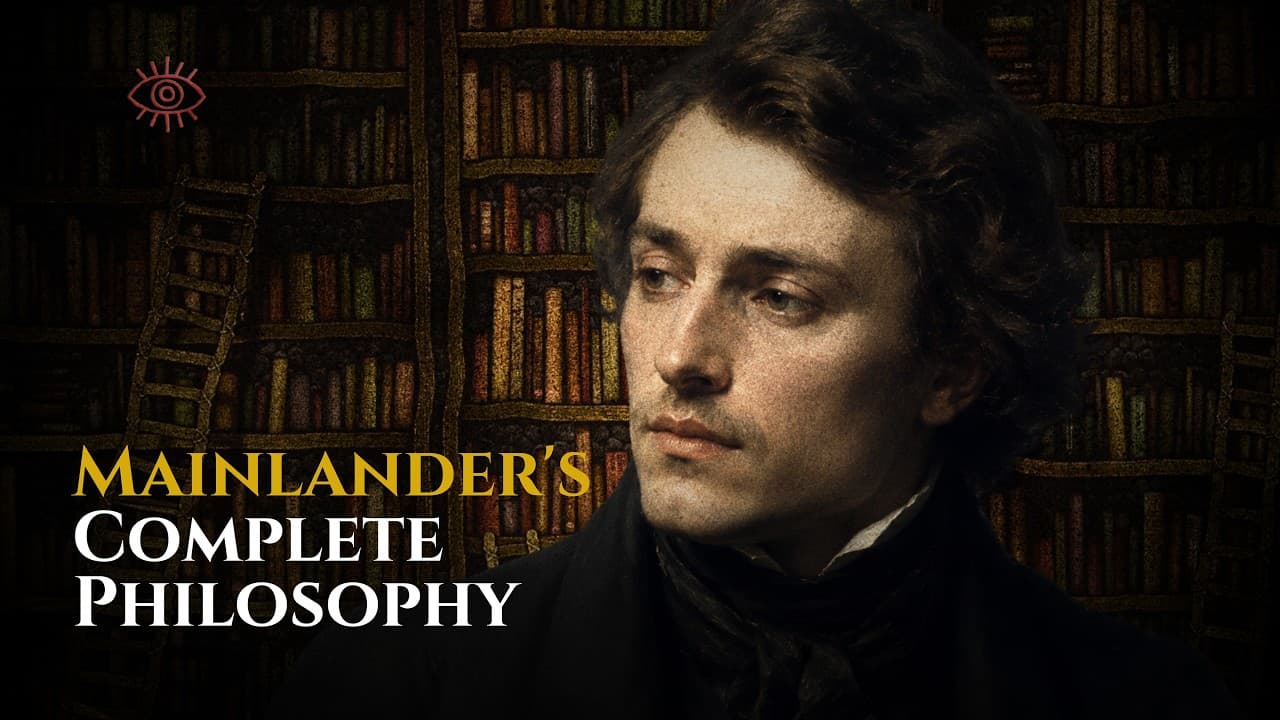
The Darkest Philosopher Who Ever Lived | Philipp Mainländer
Before the world began, he argued, God chose not to exist, and shattered into the universe in order to die. In a rented room by a German river, a mild and dutiful bank clerk finished the strangest book of his century, and then quietly ended his own life. This episode follows Philipp Mainländer, the poet and philosopher who took Schopenhauer's darkness further than anyone had dared. We trace his single great work, The Philosophy of Redemption, the strange drive he found beneath all life, the calm he took from a running-down cosmos, and the rescue he promised, which is simply rest and nothing more. Along the way we meet his gentle serenity, his quarrel across time with Nietzsche, and the uncanny way modern science has come to echo his cooling universe. It is a patient walk to the far edge of pessimism, and gently back. The full episode is on YouTube and Spotify. Please listen only in safe, restful contexts.
14 chapters6 sources