Existentialism
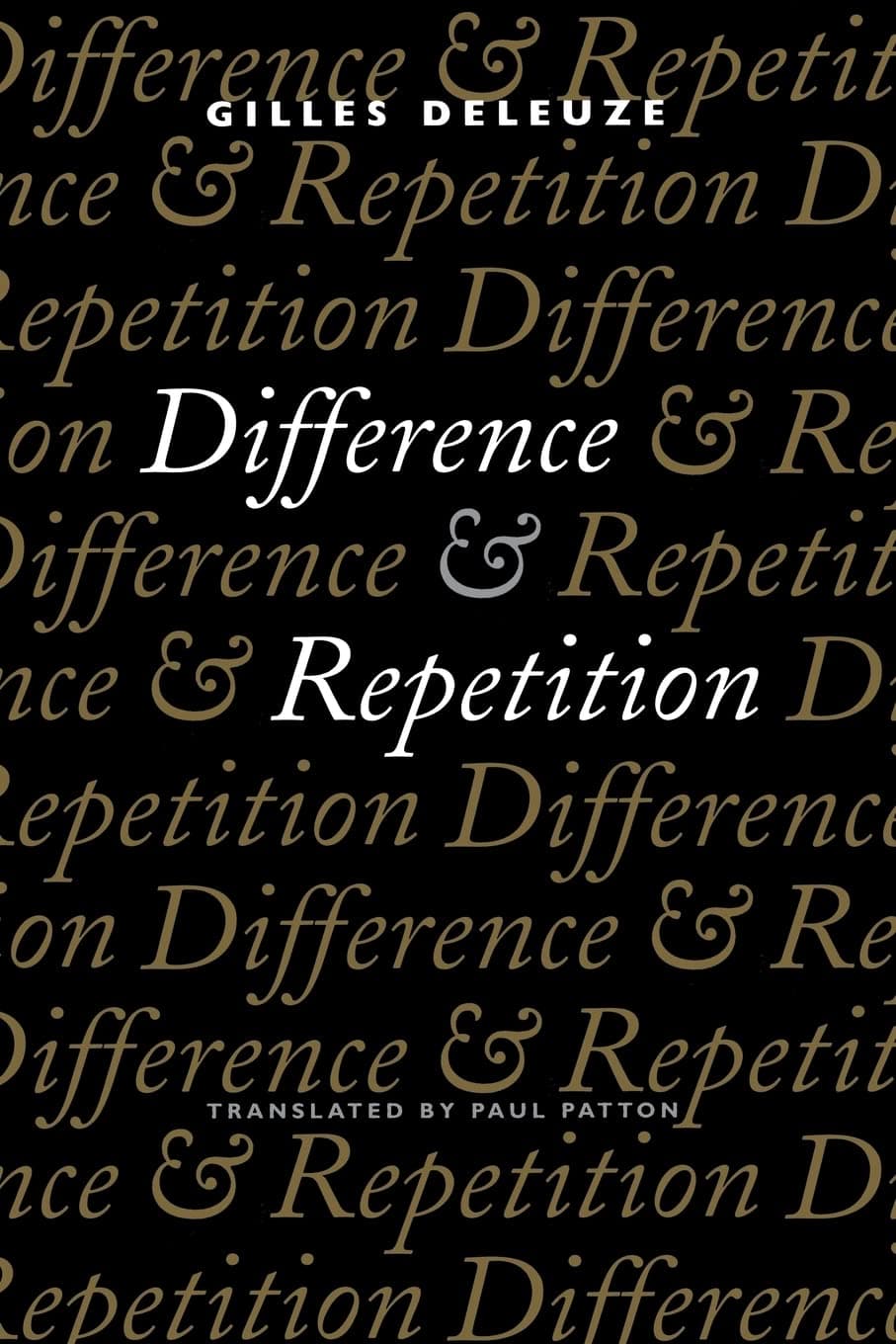
Difference and Repetition
by Gilles Deleuze(1968)
Deleuze's most important work, challenging Western philosophy's privileging of identity over difference and proposing a radical new ontology.
Some links are affiliate links. Purchases help support the channel at no extra cost to you.
Episodes featuring this book
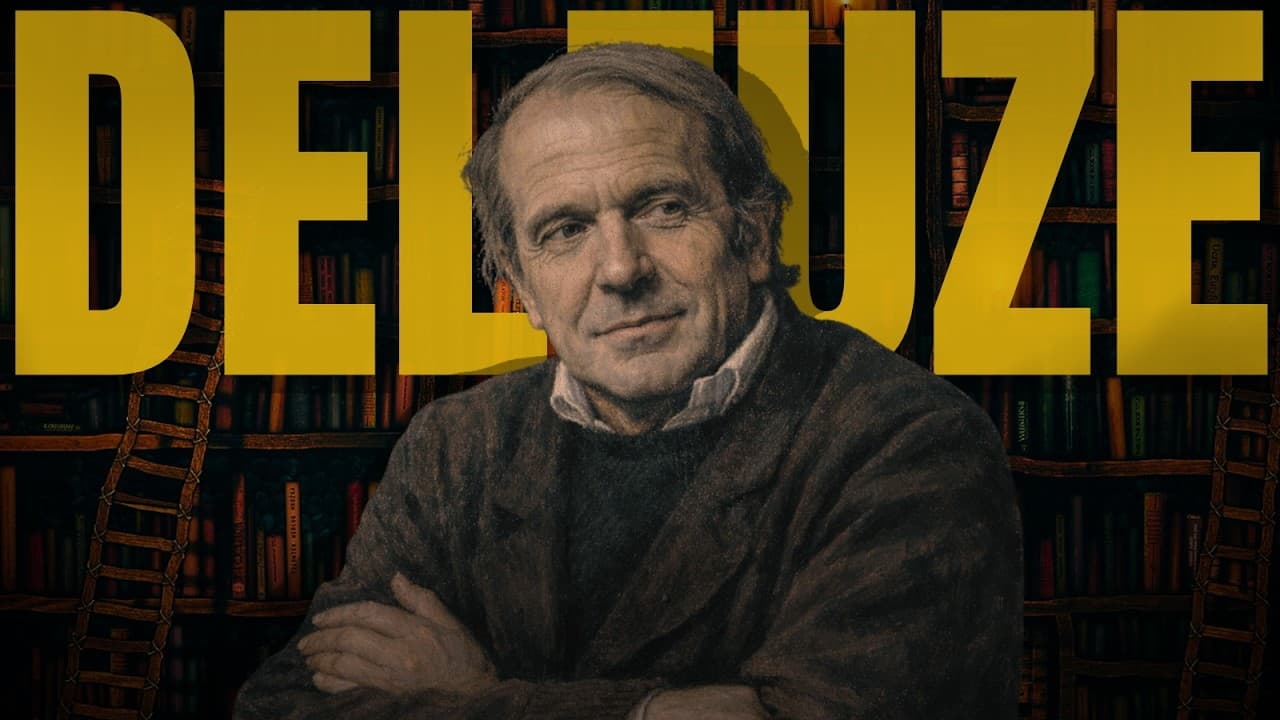
Why We Are Forced to Think | Deleuze's Complete Philosophy for Sleep
Deleuze's Complete Philosophy for Sleep
Gilles Deleuze reimagined what philosophy could do. Where most philosophers tried to represent the world, Deleuze wanted to create something new: concepts that make thought move differently. The rhizome, the body without organs, the virtual and the actual, deterritorialization, becoming. These are not descriptions of how things are but tools for thinking in ways that escape identity, hierarchy, and transcendence. Over three hours, this episode traces his entire philosophical project, from his radical readings of Nietzsche, Bergson, and Spinoza, through his collaboration with Felix Guattari on two of the most provocative books of the twentieth century, to his philosophy of cinema and his final reflections on what philosophy actually is. Beneath the difficulty of his writing lies one of the most consistent and ambitious philosophical visions of the last century, pointing always toward a single horizon: immanence, a world with no outside and no transcendent ground. The full episode is on YouTube and Spotify. Please listen only in safe, restful contexts.
15 chapters10 sources
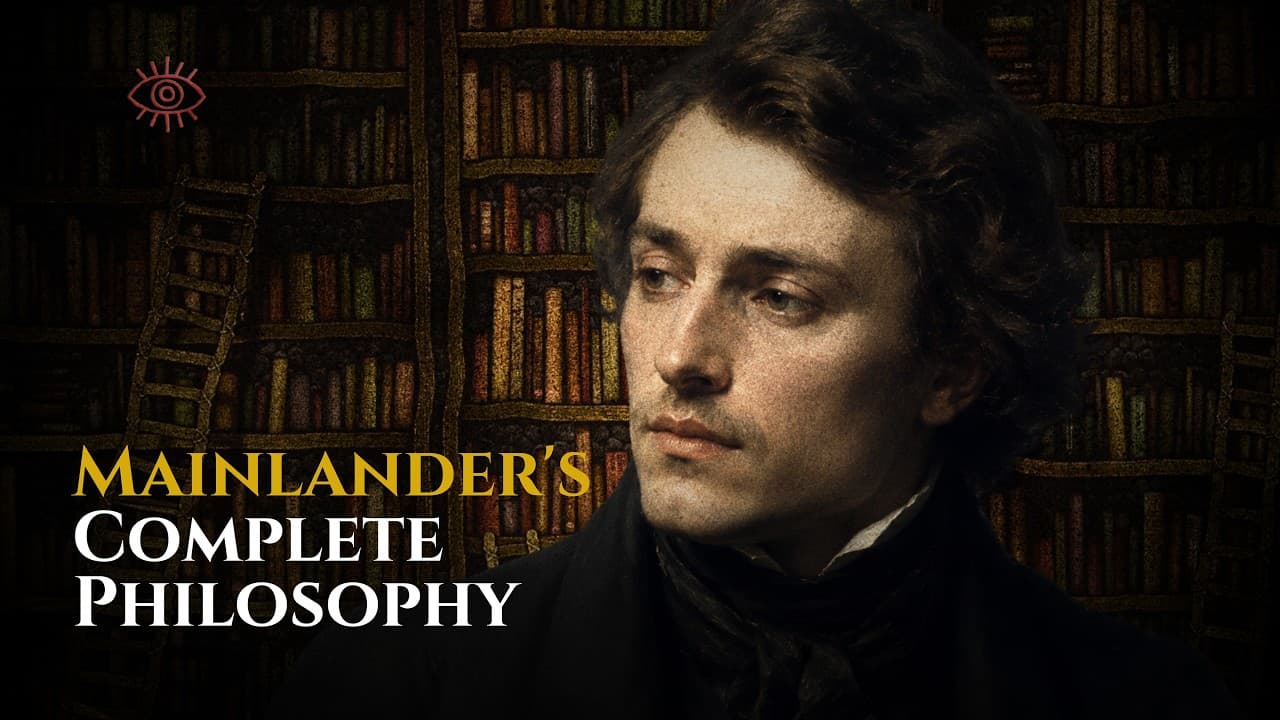
The Darkest Philosopher Who Ever Lived | Philipp Mainländer
Before the world began, he argued, God chose not to exist, and shattered into the universe in order to die. In a rented room by a German river, a mild and dutiful bank clerk finished the strangest book of his century, and then quietly ended his own life. This episode follows Philipp Mainländer, the poet and philosopher who took Schopenhauer's darkness further than anyone had dared. We trace his single great work, The Philosophy of Redemption, the strange drive he found beneath all life, the calm he took from a running-down cosmos, and the rescue he promised, which is simply rest and nothing more. Along the way we meet his gentle serenity, his quarrel across time with Nietzsche, and the uncanny way modern science has come to echo his cooling universe. It is a patient walk to the far edge of pessimism, and gently back. The full episode is on YouTube and Spotify. Please listen only in safe, restful contexts.
14 chapters6 sources
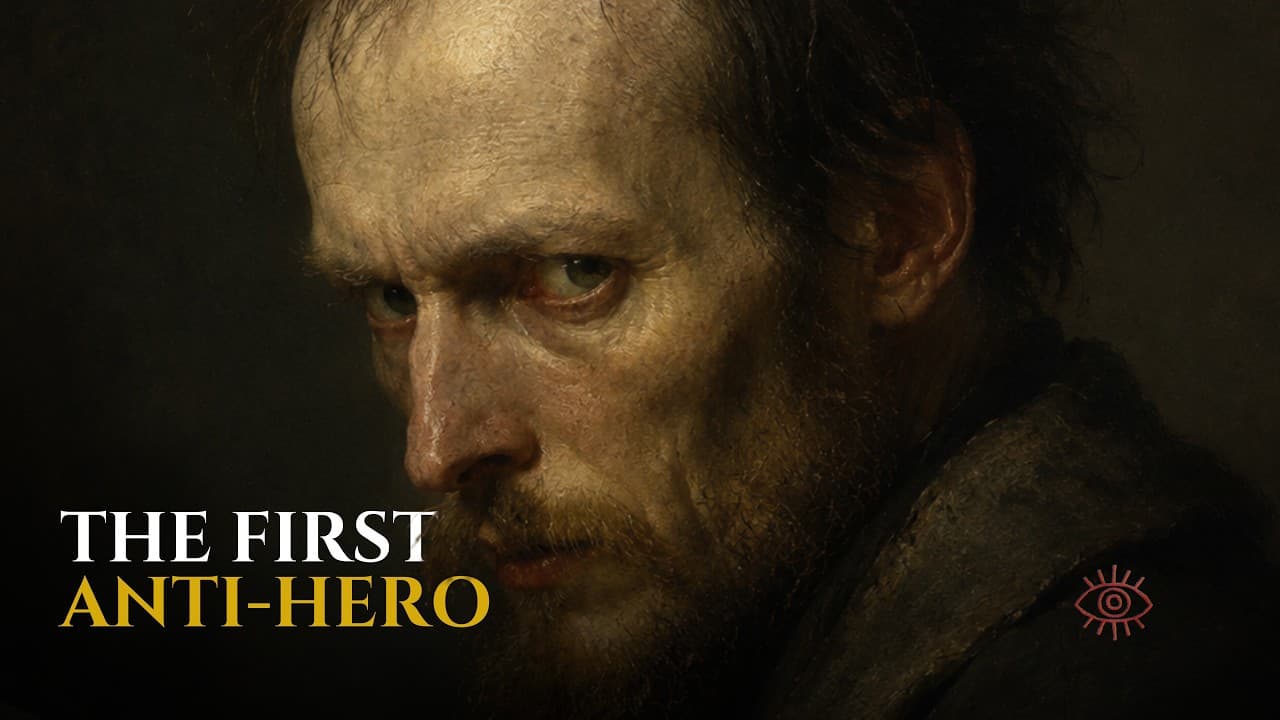
Man Is Not a Piano Key | Dostoevsky's Notes from Underground
Literature's first anti-hero opens by telling us that he is sick, that he is spiteful, and that he will see no doctor out of pure defiance. In the winter of a year that would take almost everyone he loved, a broke and grieving writer set loose the strangest voice in Russian literature. This episode stays inside that single short book, Notes from Underground, and follows its narrator all the way down. We begin at the desk where it was written, then enter his war on reason, on the science of happiness, and on the gleaming palace of the perfect future. We follow him out of his head and into the world, to a humiliating dinner, a snowbound street, and an encounter with a young woman that becomes the truest and cruelest scene he ever lived. Along the way we uncover the chapter a censor quietly cut, and the buried answer it removed. What remains is the first modern confession, and a mind we still recognize as our own. The full episode is on YouTube and Spotify. Please listen only in safe, restful contexts.
15 chapters6 sources
No Man Can Save Himself Alone | Beauvoir's Ethics of Ambiguity
Simone de Beauvoir asks what freedom can mean after alibis, idols, and innocence have fallen. This episode walks slowly through The Ethics of Ambiguity as Beauvoir builds an existentialist ethics out of finitude, failure, and action. It begins in postwar Paris, where the language of responsibility had become historically urgent, then follows the book's own structure from ambiguity and freedom into the moral attitudes that flee freedom, including seriousness, nihilism, adventure, and passion. The reading then turns with Beauvoir toward art, political detachment, oppression, liberation, violence, and the dangerous appeal to the future. It closes with the book's most difficult wisdom, that moral life does not escape ambiguity but assumes it through concrete decisions among other freedoms. The full episode is on YouTube and Spotify. Please listen only in safe, restful contexts.
7 chapters6 sources
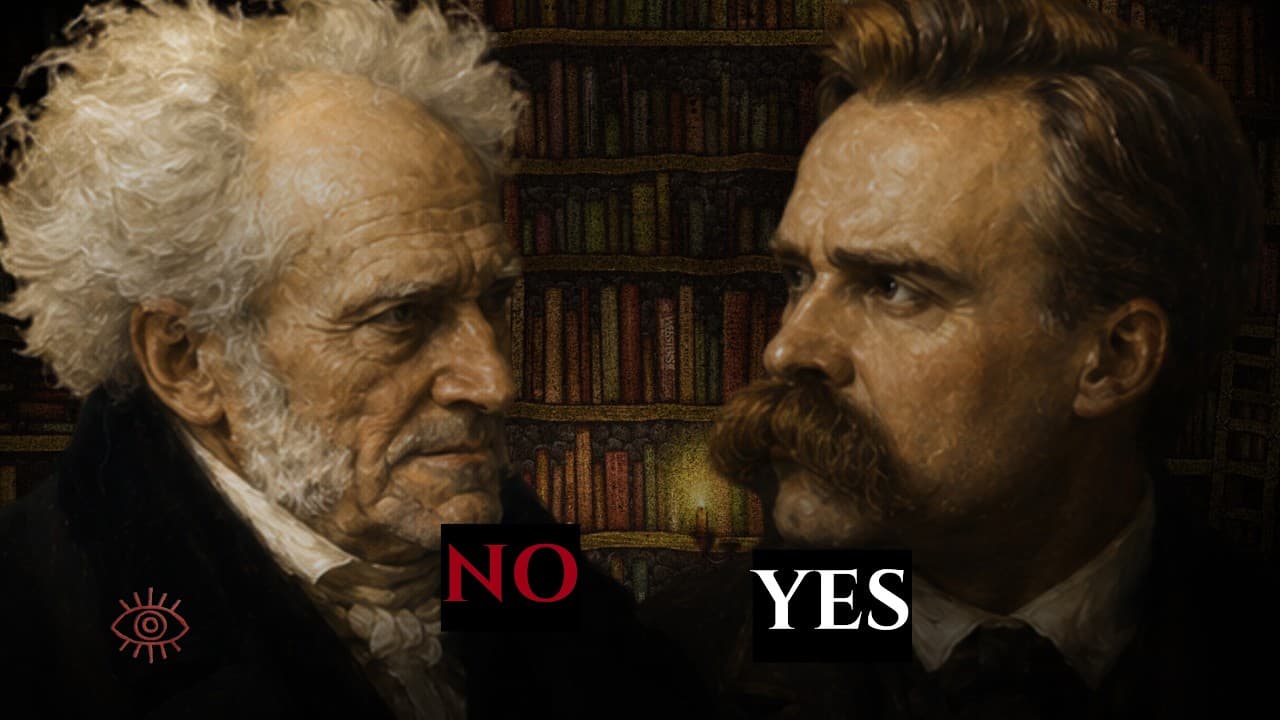
Is Life Worth Living? | Nietzsche vs Schopenhauer | Philosophy for Sleep
One of them concluded that the only wise response to life is to want less of it. The other spent his life arguing for wanting all of it back, forever, exactly as it was. As a lonely student, Friedrich Nietzsche found a dead philosopher's book on a bookshop table and fell under a spell that would shape everything he became. This episode follows the long, strange bond between Nietzsche and his first master, Arthur Schopenhauer, from devotion to open war. We meet the bitter, solitary Schopenhauer and his vision of a blind striving world where life is suffering. We watch the young Nietzsche pour that vision into his first book, then slowly turn against it, until he answers the darkest case ever made against existence with the wildest possible affirmation of it. Along the way we trace the will, pity, the death of the hidden true world, and the thought that measures whether a life could be loved enough to live again. The full episode is on YouTube and Spotify. Please listen only in safe, restful contexts.
16 chapters8 sources
When Life Suddenly Feels Meaningless | The Existential Crisis
Why do people who have everything still wake at three in the morning certain that none of it means anything? This is a long, unhurried history of the moment the floor of ordinary life gives way. It begins with a celebrated novelist who, at the height of his fame and fortune, quietly hid a rope from himself, and from that single human crisis it opens outward across the centuries. We follow the confrontation with meaninglessness through the oldest scriptures and the calm arguments of antiquity, through a believer terrified by an infinite and silent cosmos, through the philosopher of endless striving, and into the thinkers who made this dread the very center of their work. We sit with the death of God, with radical freedom, with the absurd, with a survivor who found a reason to endure the unendurable, and with a tradition that meets the void by loosening its grip on the self. The episode closes not with a tidy answer but with the quiet question of how a person comes back to life. The full episode is on YouTube and Spotify. Please listen only in safe, restful contexts.
22 chapters8 sources