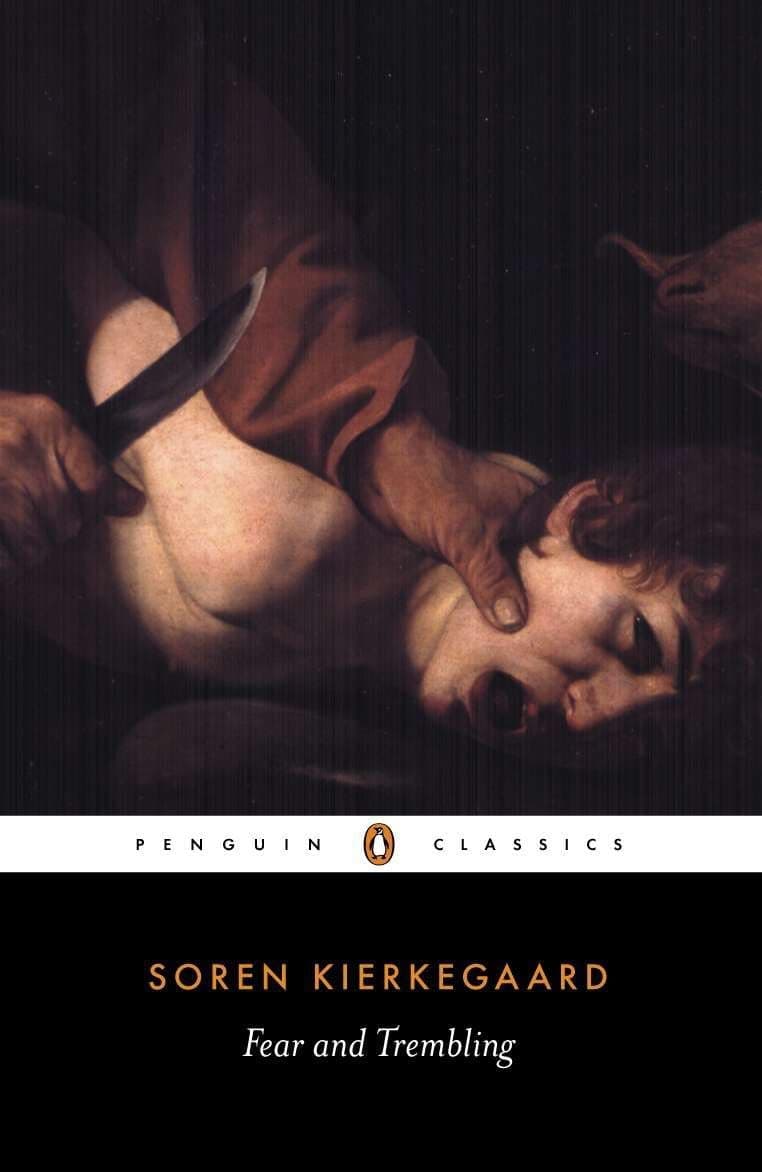
Episodes featuring this book
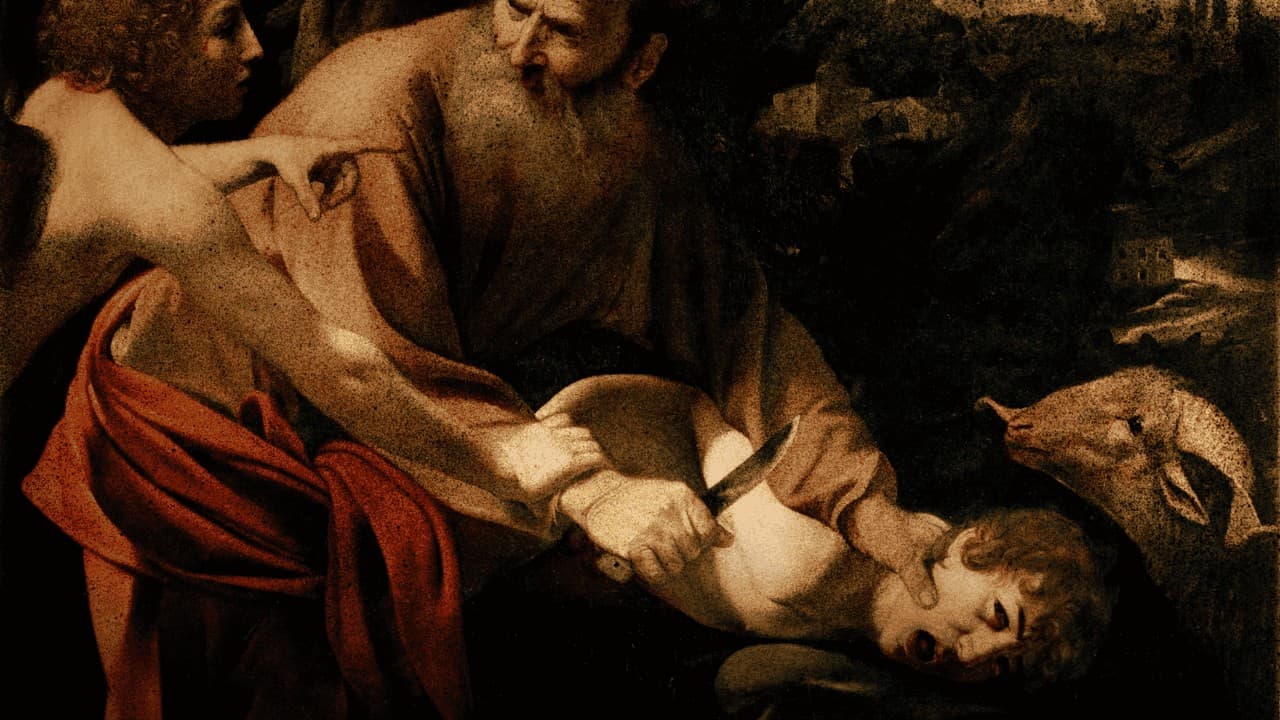
The Knight of Faith | A Slow Reading of Kierkegaard's Fear and Trembling
A father is commanded to kill the son he loves, and is told by no one why. Fear and Trembling is Soren Kierkegaard's strange and beautiful meditation on the binding of Isaac, written under the borrowed name Johannes de Silentio against an age that believed it had outgrown faith. This reading walks through the whole of it, the preface that quarrels with its own century, the four imagined retellings of the journey to Moriah, the eulogy that praises a man it cannot understand, the knight of faith who is impossible to tell apart from an ordinary shopkeeper, and the three problems that ask whether a single individual can ever stand higher than the moral law. It follows the argument to its quiet and unsettling close, where faith turns out to be not a stage one passes through but the task of an entire life. A complete, calm reading of one of philosophy's most demanding small books. The full episode is on YouTube and Spotify. Please listen only in safe, restful contexts.
6 sources

Life Is Not A Problem To Be Solved | Kierkegaard's Philosophy To Sleep To
Kierkegaard's Philosophy to Sleep To
This episode is a long, gentle walk through the thought of Soren Kierkegaard, the Danish philosopher who believed existence is not a puzzle to be solved but something lived inwardly, one anxious choice at a time. Writing under a constellation of pseudonyms, each embodying a different mode of life, Kierkegaard staged philosophical dramas rather than building systems. We explore his three stages of existence, the concept of anxiety as the dizziness of freedom, despair as the sickness unto death, and the radical leap of faith. From his broken engagement to Regine Olsen to his fierce attack on institutional Christianity, and from the indirect communication of Either/Or to the raw devotion of Works of Love, Kierkegaard's ideas resonate with striking force for anyone lying awake wondering what it all means. The full episode is on YouTube and Spotify. Please listen only in safe, restful contexts.
22 chapters11 sources

When Life Suddenly Feels Meaningless | The Existential Crisis
Why do people who have everything still wake at three in the morning certain that none of it means anything? This is a long, unhurried history of the moment the floor of ordinary life gives way. It begins with a celebrated novelist who, at the height of his fame and fortune, quietly hid a rope from himself, and from that single human crisis it opens outward across the centuries. We follow the confrontation with meaninglessness through the oldest scriptures and the calm arguments of antiquity, through a believer terrified by an infinite and silent cosmos, through the philosopher of endless striving, and into the thinkers who made this dread the very center of their work. We sit with the death of God, with radical freedom, with the absurd, with a survivor who found a reason to endure the unendurable, and with a tradition that meets the void by loosening its grip on the self. The episode closes not with a tidy answer but with the quiet question of how a person comes back to life. The full episode is on YouTube and Spotify. Please listen only in safe, restful contexts.
22 chapters8 sources
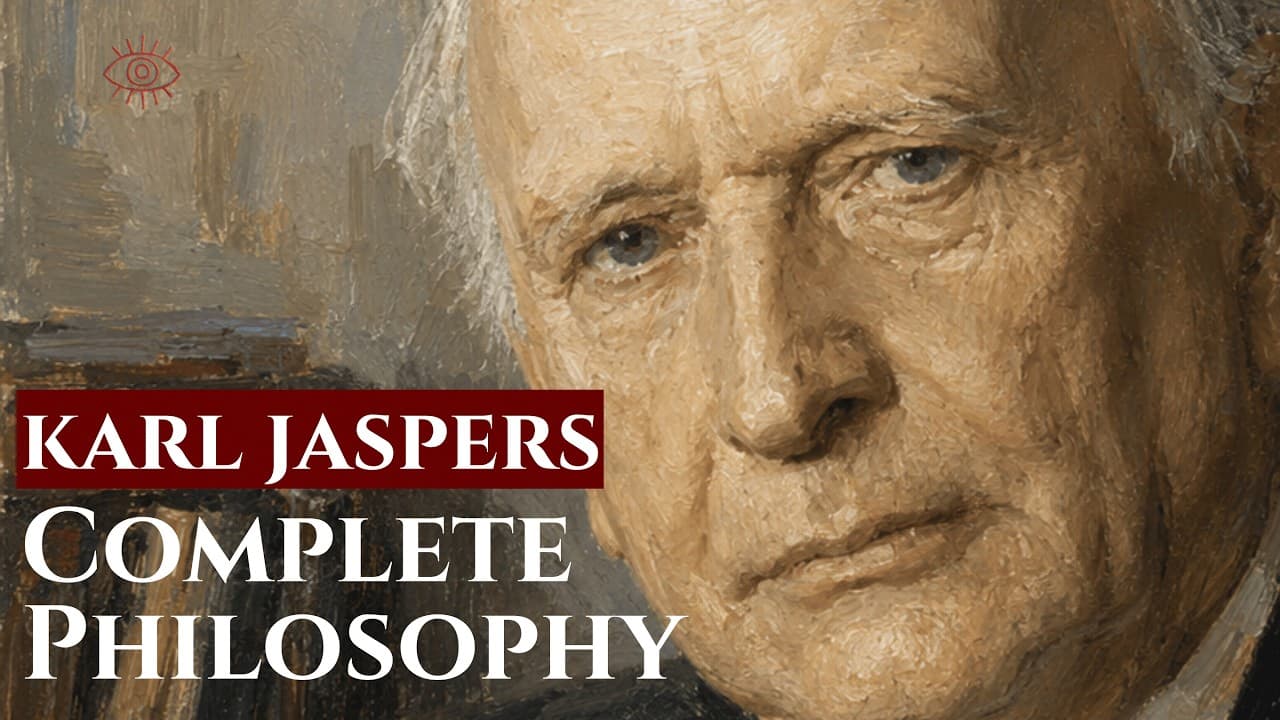
Told He Would Die by Thirty, He Outlived the Reich | Karl Jaspers Complete Philosophy for Sleep
A boy told he would die by thirty built a philosophy of openness that outlived two death sentences. Karl Jaspers trained as a doctor under the shadow of an early death, reinvented the study of the troubled mind, and then crossed quietly into philosophy to ask the largest questions a person can face. This episode follows his whole arc, from the cold northern coast where he was born, through the Heidelberg years and the marriage that shaped everything, to the ideas that made him one of the deepest thinkers of his century. We trace the situations no one escapes, the self that is never finished, the truth that lives only between two people, and the signs of something beyond all knowing. We walk through his shattered friendship with another great philosopher, the years he and his wife lived under threat, and his emergence after the war as a moral conscience who asked a ruined nation to think clearly about its guilt. It is the story of a mind that refused, against everything, to close. The full episode is on YouTube and Spotify. Please listen only in safe, restful contexts.
20 chapters8 sources

No Man Can Save Himself Alone | Beauvoir's Ethics of Ambiguity
Simone de Beauvoir asks what freedom can mean after alibis, idols, and innocence have fallen. This episode walks slowly through The Ethics of Ambiguity as Beauvoir builds an existentialist ethics out of finitude, failure, and action. It begins in postwar Paris, where the language of responsibility had become historically urgent, then follows the book's own structure from ambiguity and freedom into the moral attitudes that flee freedom, including seriousness, nihilism, adventure, and passion. The reading then turns with Beauvoir toward art, political detachment, oppression, liberation, violence, and the dangerous appeal to the future. It closes with the book's most difficult wisdom, that moral life does not escape ambiguity but assumes it through concrete decisions among other freedoms. The full episode is on YouTube and Spotify. Please listen only in safe, restful contexts.
7 chapters6 sources
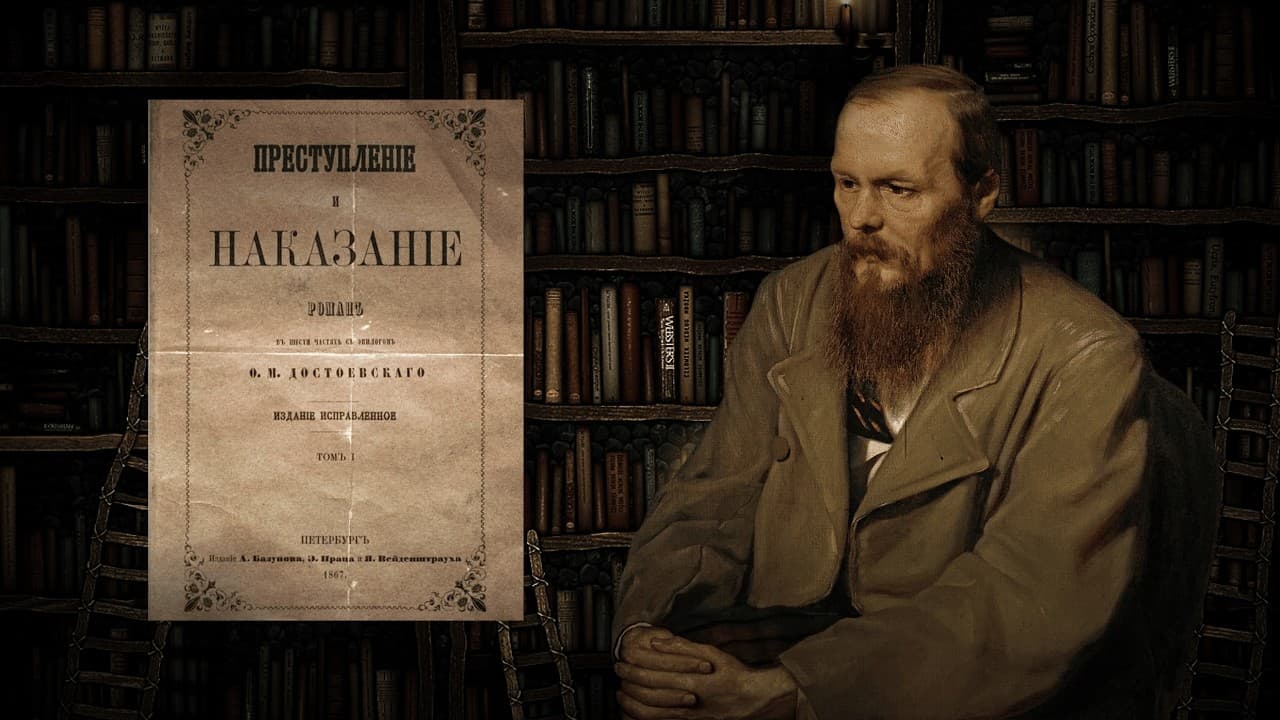
Fyodor Dostoevsky's Crime and Punishment | Book Summary
A slow walk through the novel in which a theory is put to the test with an axe. This episode traces Fyodor Dostoevsky's Crime and Punishment from the Wiesbaden hotel room where it was drafted in the summer of 1865 to the Siberian riverbank where it ends. We follow Rodion Raskolnikov from the rehearsal in the pawnbroker's apartment, through the murder and the long delirium that follows, into the cat and mouse interviews with the investigator Porfiry Petrovich, into the narrow room where Sonya reads from the Gospel of John, and finally into the Haymarket and the voluntary confession. Along the way we sit with Marmeladov in the tavern, read the mother's letter, meet Svidrigailov in his long bored afternoon, and walk with Raskolnikov through one of the longest and strangest interior arguments in the nineteenth century novel. The full episode is on YouTube and Spotify. Please listen only in safe, restful contexts.
8 chapters6 sources