Buddha

c. 5th century BC

Twenty-five centuries ago, a prince walked away from three palaces and spent six years searching for the cause of suffering. What he found became the diagnosis at the root of one of the most rigorous philosophical systems any civilization has produced: that suffering is inevitable, attachment is its cause, and a careful path of practice can lead beyond it.

Episodes

Best of All Is Never to Be Born | Antinatalism for Sleep
Existentialism3:09:19

Best of All Is Never to Be Born | Antinatalism for Sleep

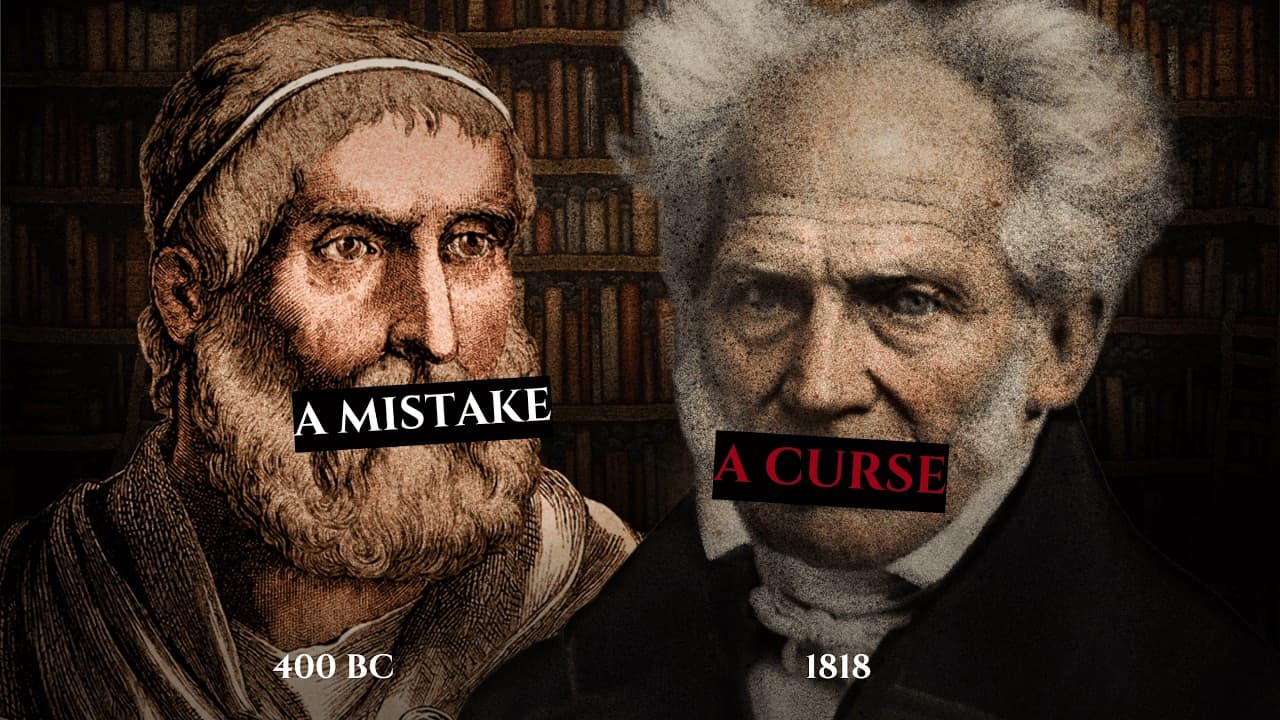
The oldest, strangest verdict in philosophy, that it might be better never to have been born. Long before the word existed, the wisest voices of the ancient world kept arriving at the same strange verdict, that it might be better never to have been born at all. This episode follows that thought across the centuries, from a captured satyr and the chorus of a Greek tragedy to the systematic pessimism of Schopenhauer, who made suffering the ground note of existence. From there it moves through the strangest corners of the tradition, a philosopher who imagined a God who chose to die, a Norwegian who called consciousness an evolutionary mistake, and a sleepless Romanian who turned despair into aphorism. At its center stands the modern argument that made the idea respectable again, David Benatar's claim that coming into existence is always a harm, with the questions of consent, suffering, and the harm we do woven around it. Along the way it gives the other side a full hearing, including its greatest adversary, the thinker who answered the ancient verdict by daring to love his fate. The full episode is on YouTube and Spotify. Please listen only in safe, restful contexts.

22 chapters8 sources
Why Desire Causes Suffering | Buddhist Philosophy for Sleep
Ancient Philosophy2:36:00

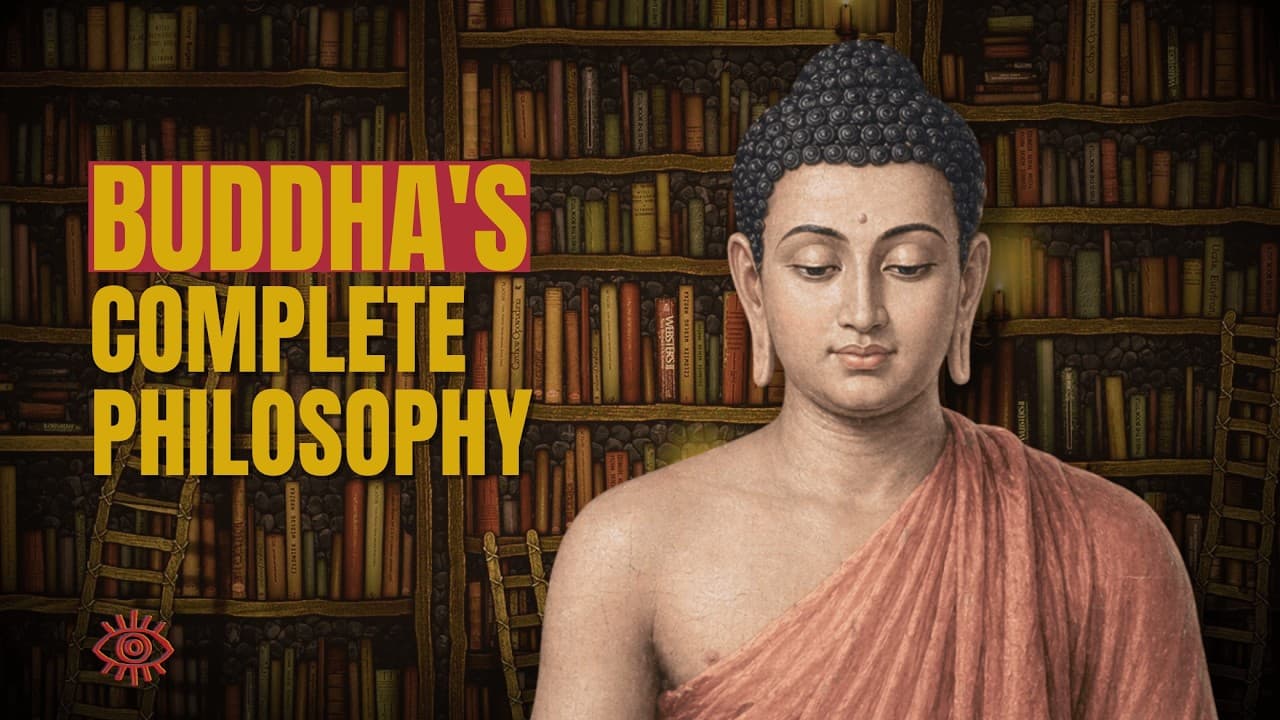
Why Desire Causes Suffering | Buddhist Philosophy for Sleep

There is a story that begins with a man who had everything, and who walked away from all of it on a single night. Twenty-five centuries ago, a prince in the foothills of the Himalayas left three palaces, a wife, and a newborn son because he had seen three things on a road that made the comfort of his life intolerable. Six years later, sitting under a fig tree in what is now northern India, he claimed to have understood something that no accumulation of pleasure could reach, and he spent the next forty-five years explaining it to anyone who would listen. We walk through ten chapters of his life and his thought, from the diagnosis that life is suffering, through the Four Noble Truths and the Eightfold Path, into the radical doctrines of no-self and impermanence, through the twelve links of dependent origination, and out into a comparison with Heraclitus, Hume, and Schopenhauer. This is not a devotional piece. It is a careful, philosophical reading of the Buddha as one of the great systematic thinkers of any civilization, a physician of the mind whose prescription can still be tested today. The full episode is on YouTube and Spotify. Please listen only in safe, restful contexts.

10 chapters13 sources

Recommended Reading

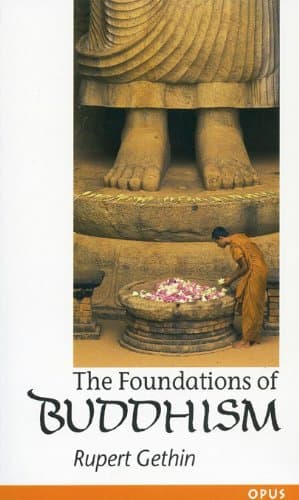
The Foundations of Buddhism by Rupert Gethin

The Foundations of Buddhism

Rupert Gethin

intermediate

The standard Oxford introduction. Gethin balances historical scholarship with philosophical clarity, covering the Buddha's life, the core doctrines, and the major traditions.

Get this book
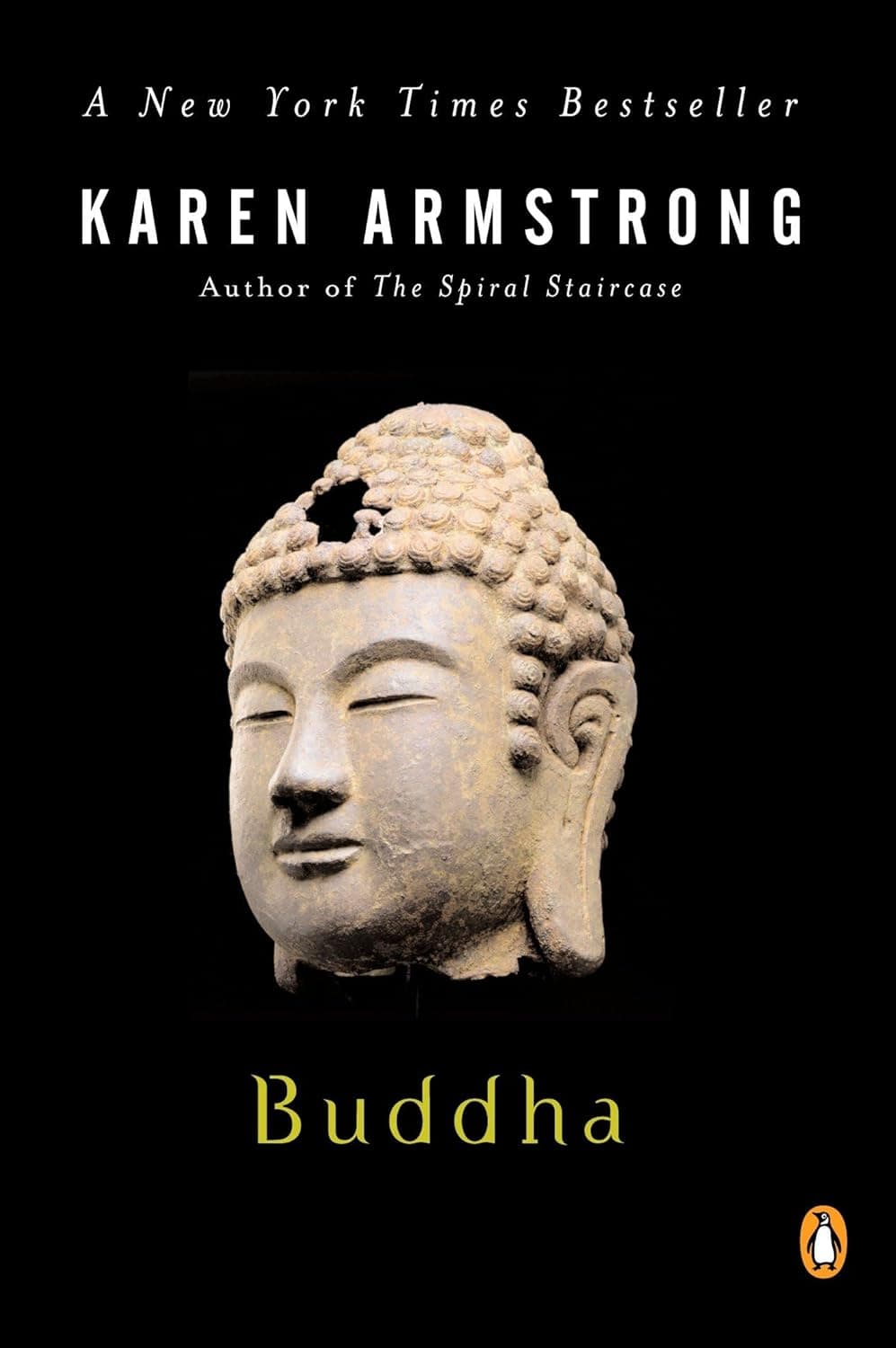
Buddha by Karen Armstrong

Buddha

Karen Armstrong

beginner

A short, narrative biography from the Penguin Lives series. Armstrong is sympathetic and direct, treating the Buddha as a historical figure in dialogue with the religious crisis of his age.

Get this book
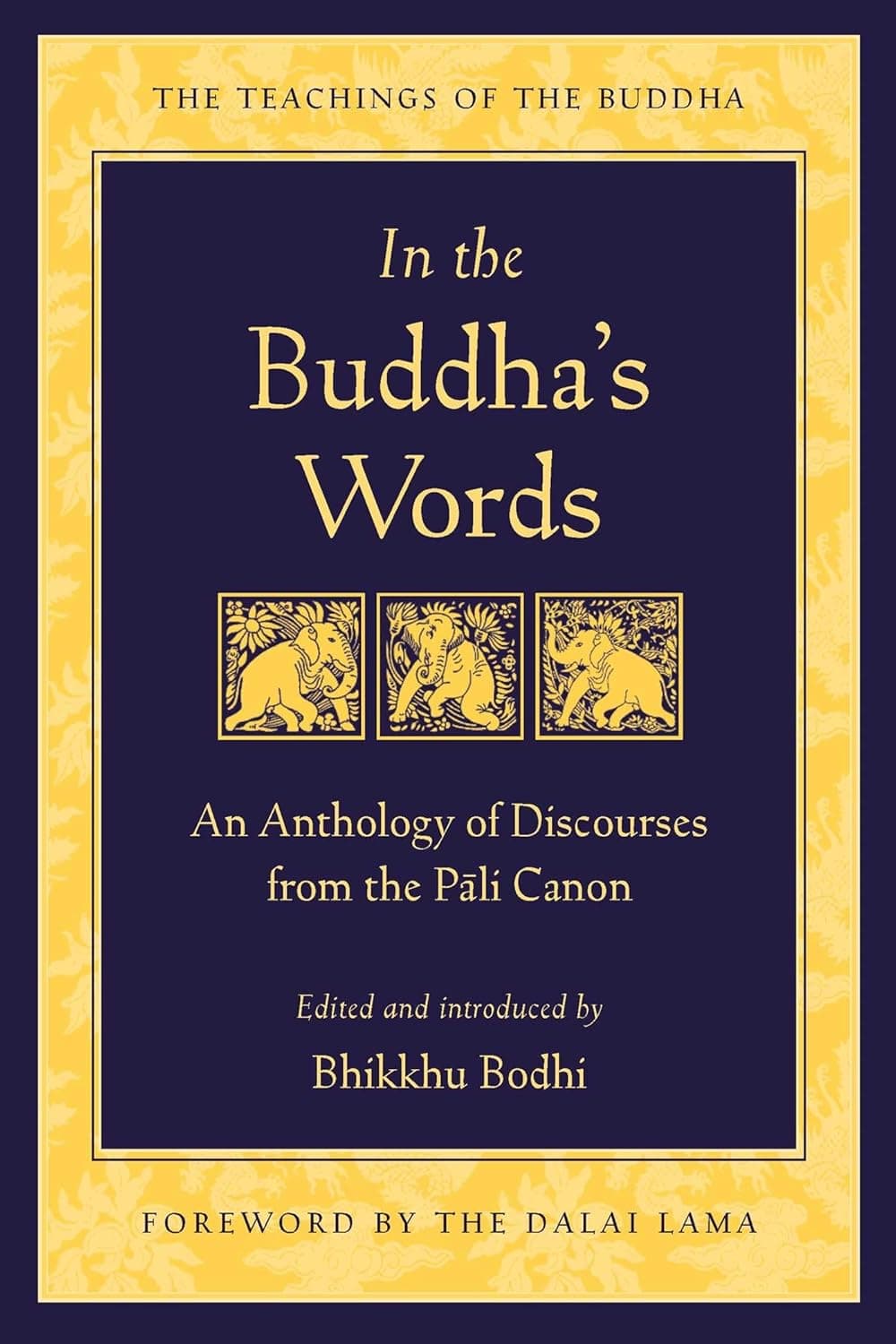
In the Buddha's Words by ed. Bhikkhu Bodhi

In the Buddha's Words

ed. Bhikkhu Bodhi

intermediate

A thematically organized anthology of discourses from the Pali Canon, with introductions explaining the context of each. The most useful single-volume access to early Buddhist scripture for the philosophical reader.

Get this book
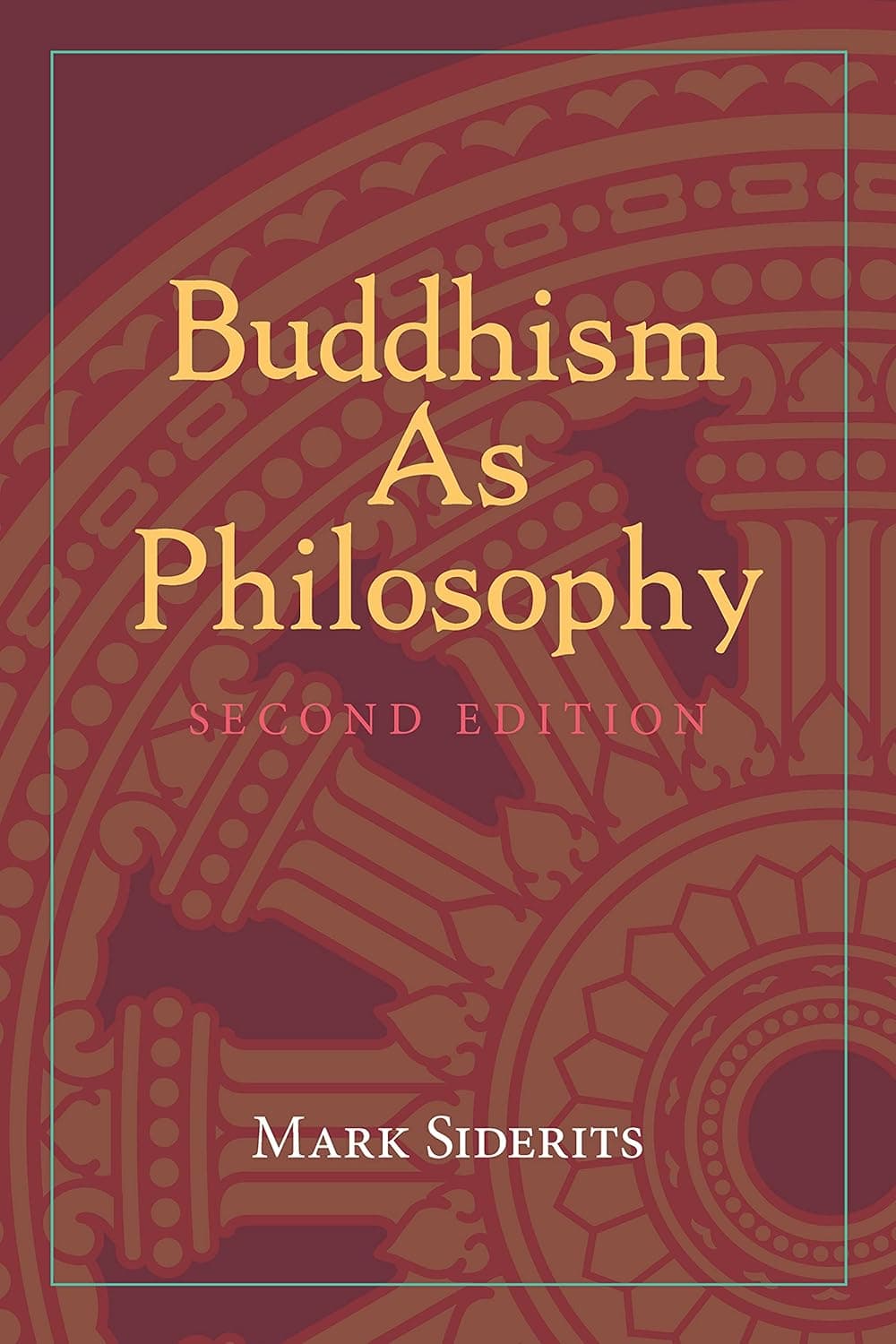
Buddhism as Philosophy by Mark Siderits

Buddhism as Philosophy

Mark Siderits

advanced

The strongest single-volume case for treating Buddhism as a serious philosophical system. Siderits engages the doctrines as arguments and tests them against contemporary analytic philosophy.

Get this book
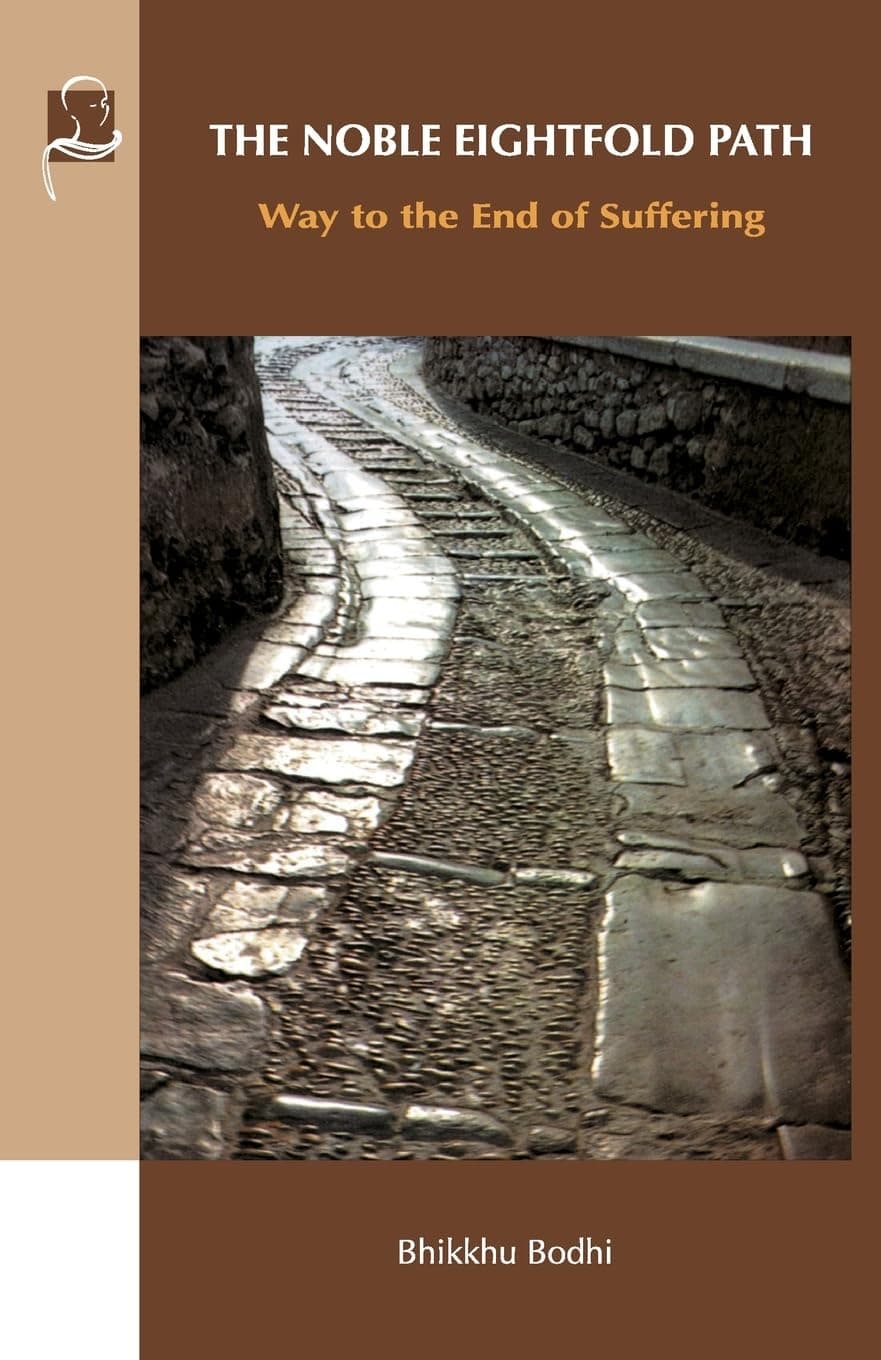
The Noble Eightfold Path by Bhikkhu Bodhi

The Noble Eightfold Path

Bhikkhu Bodhi

beginner

A short and clear exposition of the Buddha's path of practice. Bodhi explains each of the eight factors with the precision of a scholar and the directness of a practitioner.

Get this book
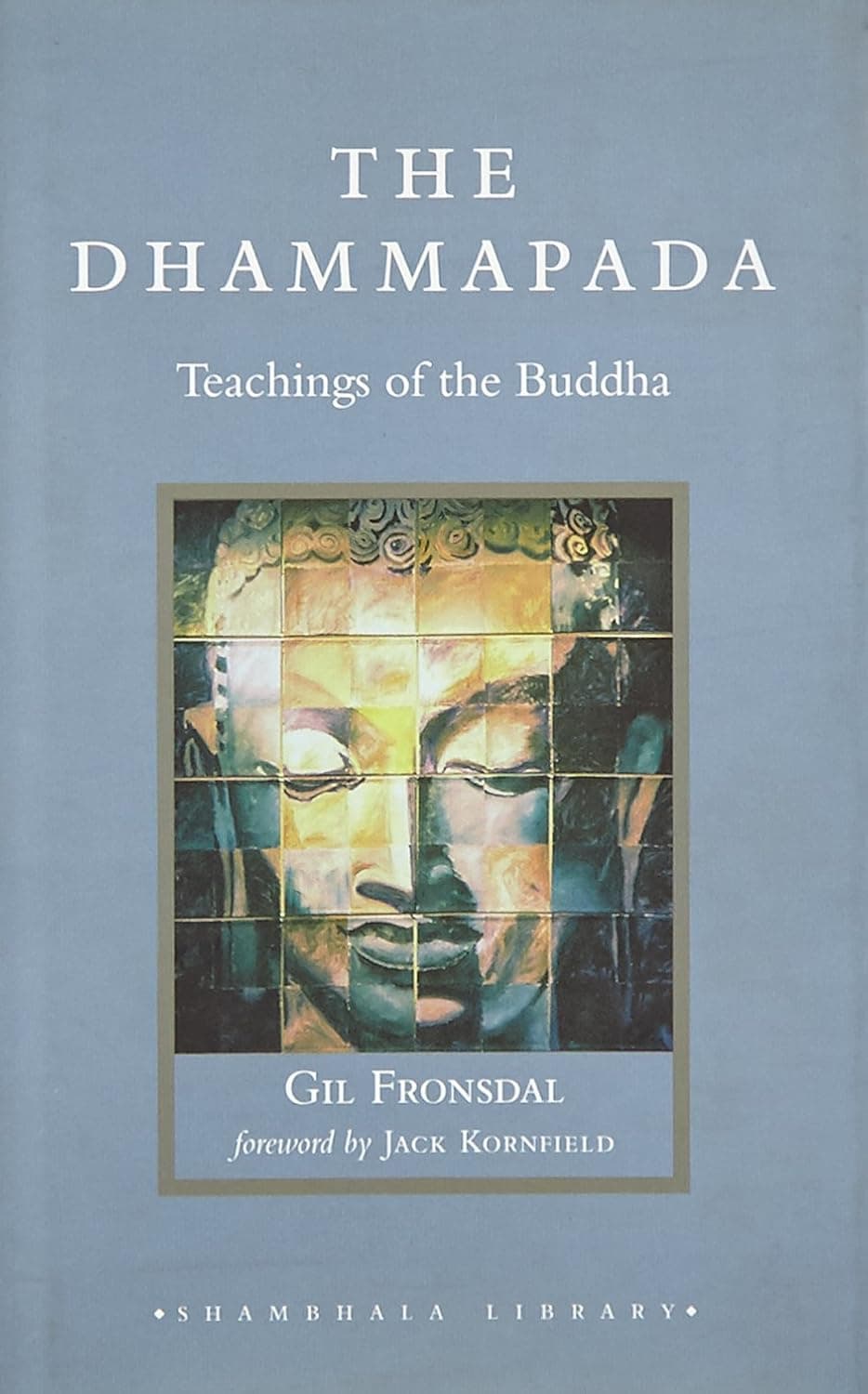
The Dhammapada by trans. Gil Fronsdal

The Dhammapada

trans. Gil Fronsdal

beginner

The most accessible entry point to Buddhist thought. A collection of short verses attributed to the Buddha, arranged thematically. Fronsdal's translation is praised for its directness and clarity.

Get this book

Related Philosophers