Ancient Philosophy
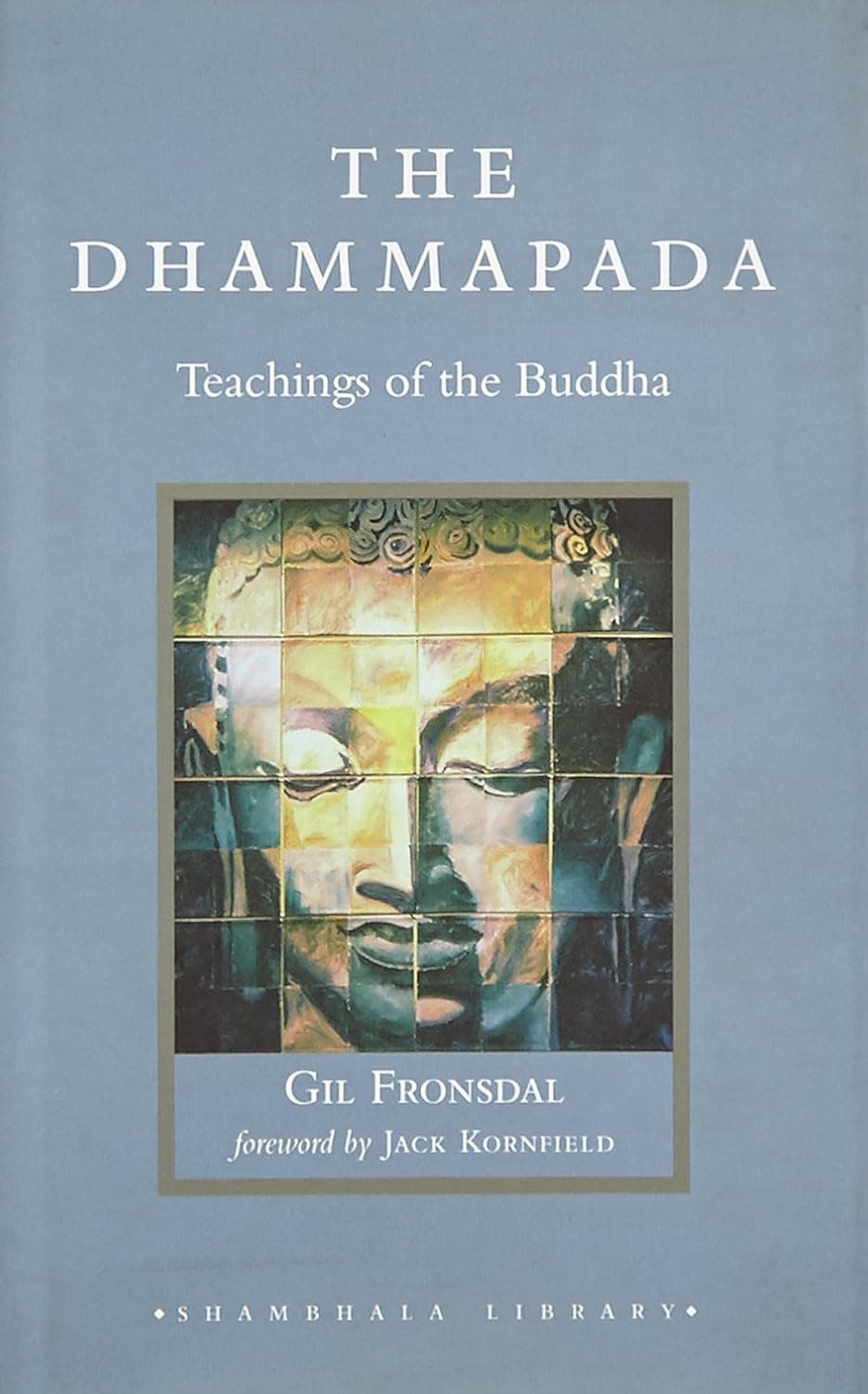
The Dhammapada
by trans. Gil Fronsdal(2005)
The most accessible entry point to Buddhist thought. A collection of short verses attributed to the Buddha, arranged thematically. Fronsdal's translation is praised for its directness and clarity.
Some links are affiliate links. Purchases help support the channel at no extra cost to you.
Episodes featuring this book
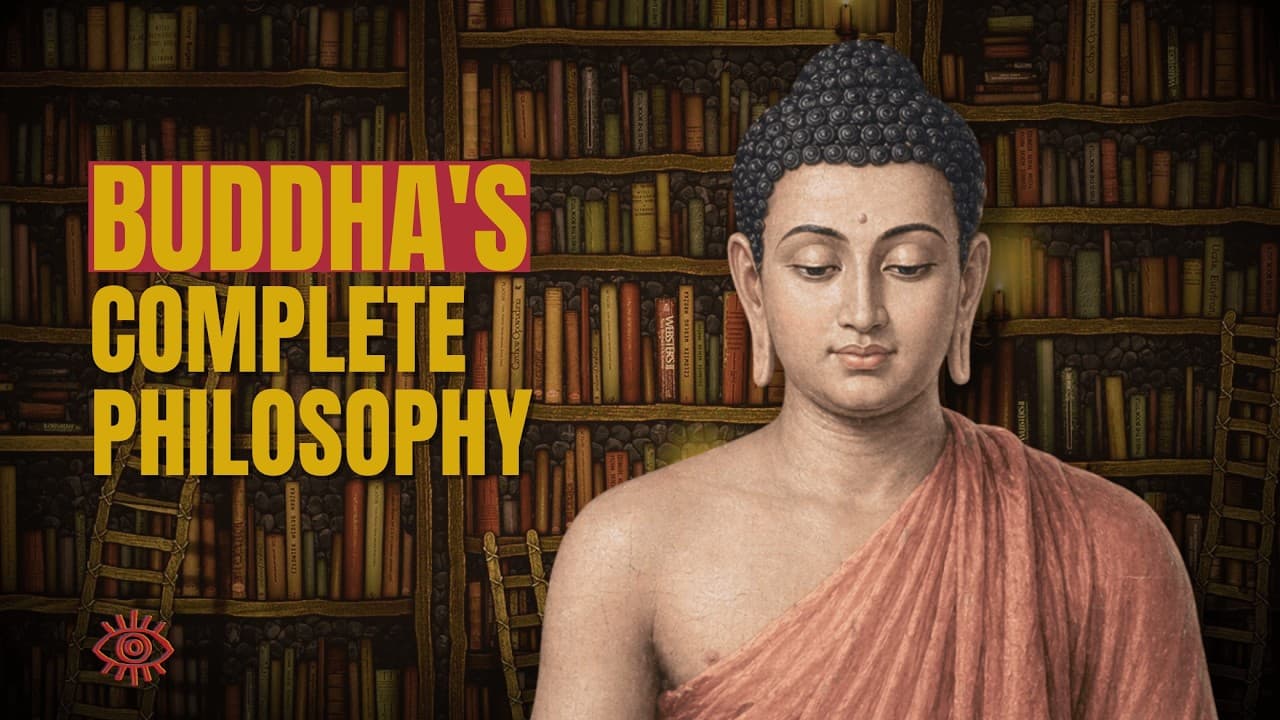
Why Desire Causes Suffering | Buddhist Philosophy for Sleep
There is a story that begins with a man who had everything, and who walked away from all of it on a single night. Twenty-five centuries ago, a prince in the foothills of the Himalayas left three palaces, a wife, and a newborn son because he had seen three things on a road that made the comfort of his life intolerable. Six years later, sitting under a fig tree in what is now northern India, he claimed to have understood something that no accumulation of pleasure could reach, and he spent the next forty-five years explaining it to anyone who would listen. We walk through ten chapters of his life and his thought, from the diagnosis that life is suffering, through the Four Noble Truths and the Eightfold Path, into the radical doctrines of no-self and impermanence, through the twelve links of dependent origination, and out into a comparison with Heraclitus, Hume, and Schopenhauer. This is not a devotional piece. It is a careful, philosophical reading of the Buddha as one of the great systematic thinkers of any civilization, a physician of the mind whose prescription can still be tested today. The full episode is on YouTube and Spotify. Please listen only in safe, restful contexts.
10 chapters13 sources
All of Neoplatonism | Plotinus's Complete Philosophy
Everything pours outward from a single nameless source, and everything is quietly trying to find its way back. In the third century, in the crowded city of Rome, a gentle teacher built the last great philosophy of the ancient world. This episode follows Plotinus, the founder of what we now call Neoplatonism, from his youth in Roman Egypt and his years with a secret master in Alexandria to the circle of devoted students who gathered around him. We trace his single luminous vision of reality, a great outpouring from one source down through mind and soul to the very edge of matter, and the long road home by which a person may climb back. We stay a while with his thoughts on beauty and on time, on evil and the goodness of the world, on the self that never fell, and on the rare and wordless union he was said to have reached four times. The full episode is on YouTube and Spotify. Please listen only in safe, restful contexts.
15 chapters7 sources
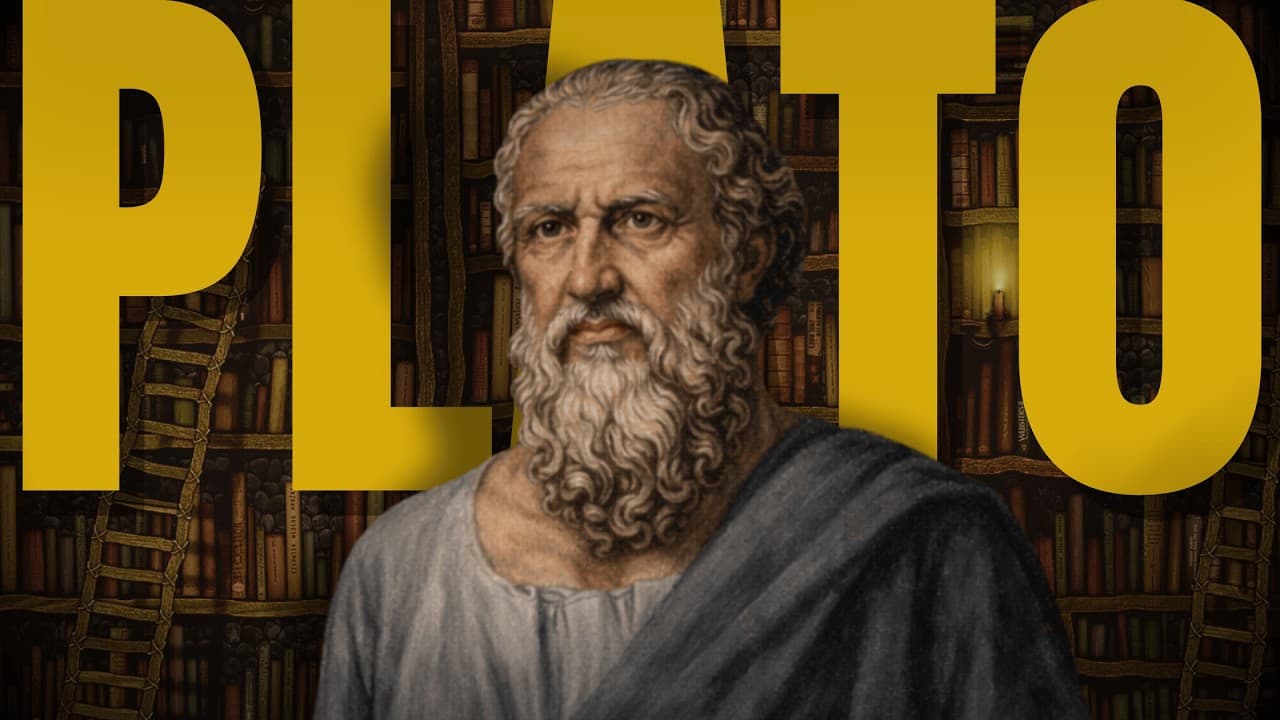
On Plato and the Cave You Never Left | Complete Philosophy For Sleep
Forms, the Cave, the Republic & the Soul | 3 Hours
What if everything you have ever seen, touched, or believed was just a shadow on a wall? Plato shaped Western civilization for more than two thousand five hundred years. This episode traces his thought from its origins in the death of Socrates through the Theory of Forms, the Allegory of the Cave, the vision of the philosopher king in The Republic, the epistemology of recollection, Diotima's ladder of love in the Symposium, and the arguments for the immortality of the soul in the Phaedo. It also examines the political philosophy of The Republic, its controversial vision of a just society governed by those who have seen the Good, and the late dialogues where Plato turned a critical eye on his own theory of Forms. The full episode is on YouTube and Spotify. Please listen only in safe, restful contexts.
10 chapters7 sources
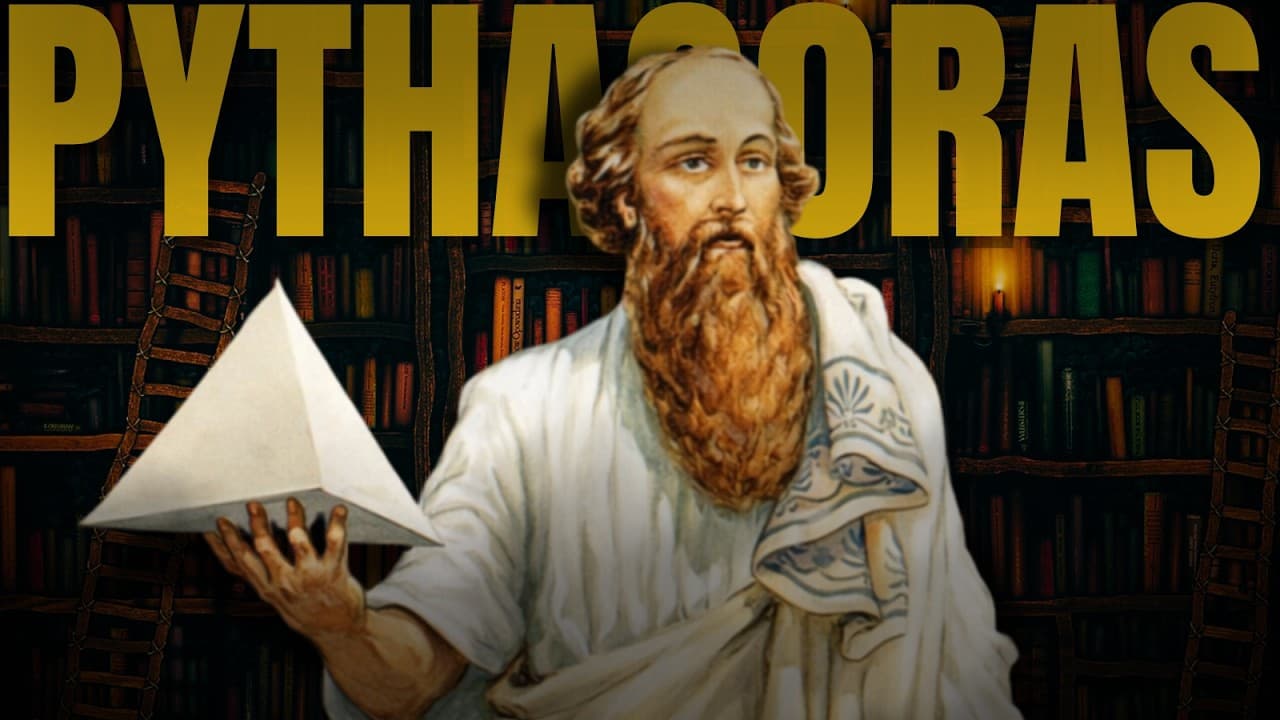
Why Pythagoras Believed Everything Was a Number | Philosophy for Sleep
The Ancient Wisdom of Pythagoras
Around 600 BCE, on the island of Samos, a man was born whose ideas would echo through mathematics, music, and mysticism for over two thousand years. Pythagoras left almost nothing in writing, and the boundary between the historical figure and the legend built around him remains impossible to draw with certainty. This episode traces what we can reconstruct: his travels through Egypt and Babylon, the secretive community he founded at Croton, the discovery that musical harmony follows mathematical ratios, and the doctrine of the transmigration of souls. We examine the Pythagorean way of life, the famous theorem and its deeper significance, the concept of cosmic harmony, and the violent end of the brotherhood. Pythagoras believed the universe was built on number, and that understanding its structure was a path to the divine. The full episode is on YouTube and Spotify. Please listen only in safe, restful contexts.
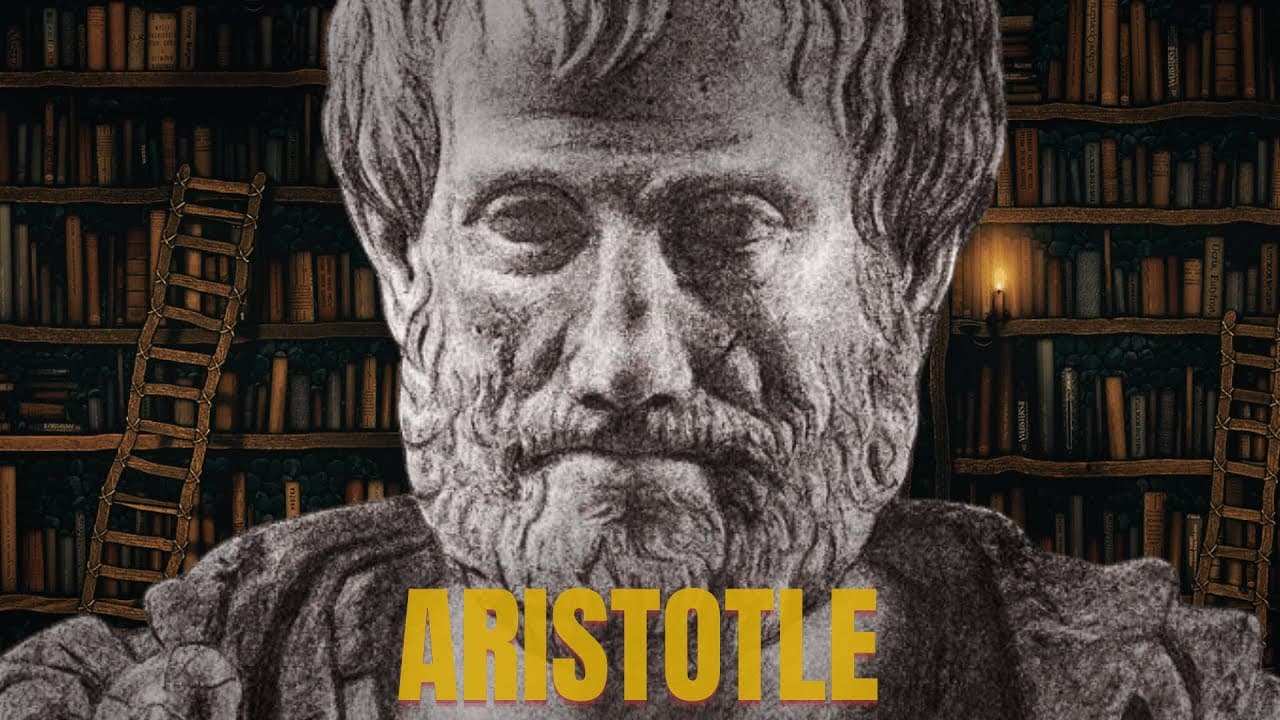
From Logic to Ethics | Aristotle's Complete Philosophy
Aristotle's Complete Philosophy
Aristotle spent twenty years studying under Plato, then walked away and built a rival system that would dominate Western thought for two millennia. This episode traces his life from the court physician's son in Stagira, through the Academy, his years tutoring Alexander the Great, and the founding of the Lyceum in Athens. It examines his major contributions across logic, metaphysics, ethics, politics, and poetics: the categories of being, hylomorphism, the four causes, the unmoved mover, the function argument, eudaimonia as the highest good, the doctrine of the mean, practical wisdom, and the vision of the good life laid out in the Nicomachean Ethics. Dante called him the Master of Those Who Know, and for centuries no one in the Western or Islamic world could think seriously about the world without first thinking through Aristotle. The full episode is on YouTube and Spotify. Please listen only in safe, restful contexts.
17 chapters10 sources