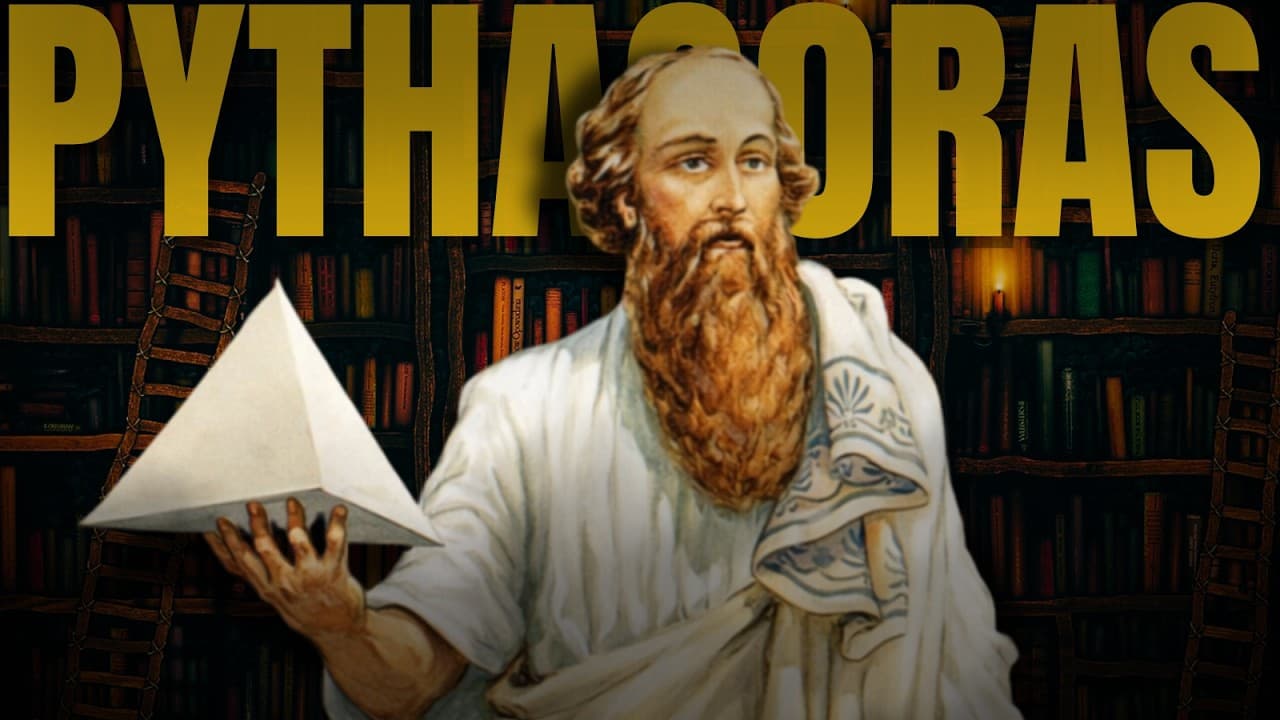
Why Pythagoras Believed Everything Was a Number | Philosophy for Sleep
The Ancient Wisdom of Pythagoras
Around 600 BCE, on the island of Samos, a man was born whose ideas would echo through mathematics, music, and mysticism for over two thousand years. Pythagoras left almost nothing in writing, and the boundary between the historical figure and the legend built around him remains impossible to draw with certainty.
This episode traces what we can reconstruct: his travels through Egypt and Babylon, the secretive community he founded at Croton, the discovery that musical harmony follows mathematical ratios, and the doctrine of the transmigration of souls. We examine the Pythagorean way of life, the famous theorem and its deeper significance, the concept of cosmic harmony, and the violent end of the brotherhood. Pythagoras believed the universe was built on number, and that understanding its structure was a path to the divine.
The full episode is on YouTube and Spotify. Please listen only in safe, restful contexts.
Enjoying the episode?
Occasional letters on philosophy, reading, and the examined life. No spam, ever.
By subscribing you consent to receiving occasional emails. Unsubscribe any time via the link in every email or at /unsubscribe.
Related Episodes
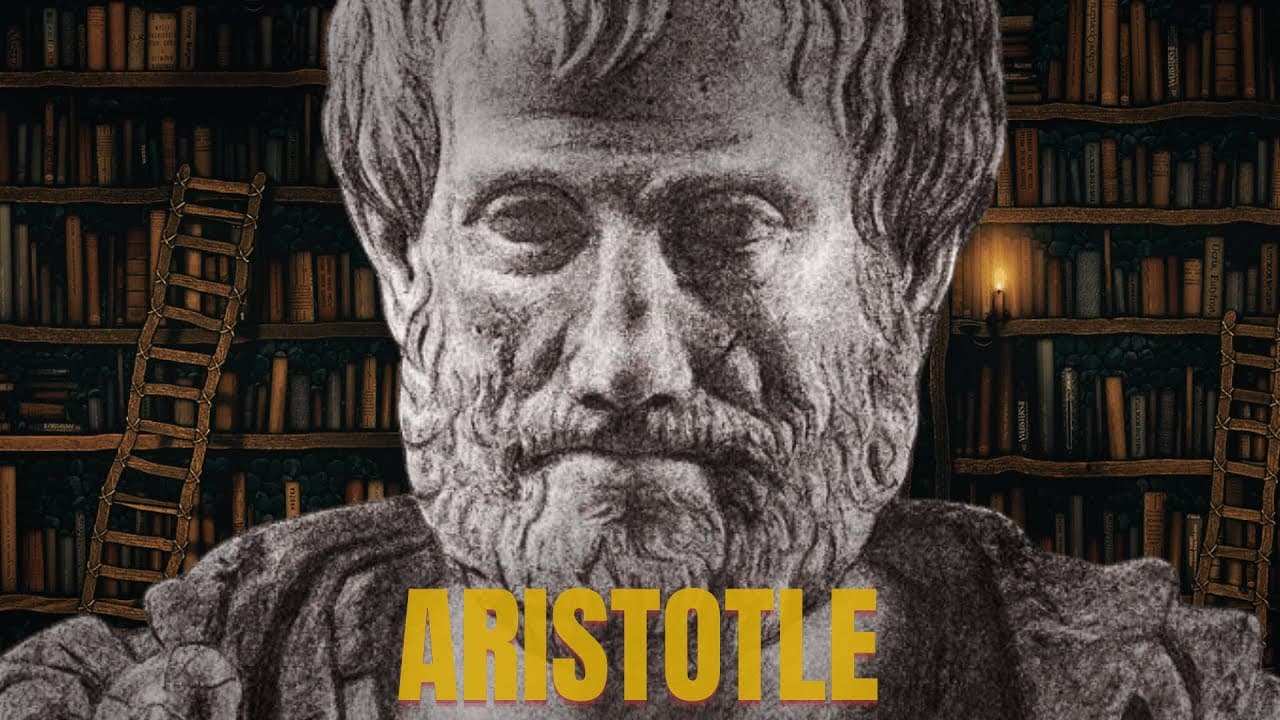
From Logic to Ethics | Aristotle's Complete Philosophy
Aristotle's Complete Philosophy
Aristotle spent twenty years studying under Plato, then walked away and built a rival system that would dominate Western thought for two millennia. This episode traces his life from the court physician's son in Stagira, through the Academy, his years tutoring Alexander the Great, and the founding of the Lyceum in Athens. It examines his major contributions across logic, metaphysics, ethics, politics, and poetics: the categories of being, hylomorphism, the four causes, the unmoved mover, the function argument, eudaimonia as the highest good, the doctrine of the mean, practical wisdom, and the vision of the good life laid out in the Nicomachean Ethics. Dante called him the Master of Those Who Know, and for centuries no one in the Western or Islamic world could think seriously about the world without first thinking through Aristotle. The full episode is on YouTube and Spotify. Please listen only in safe, restful contexts.
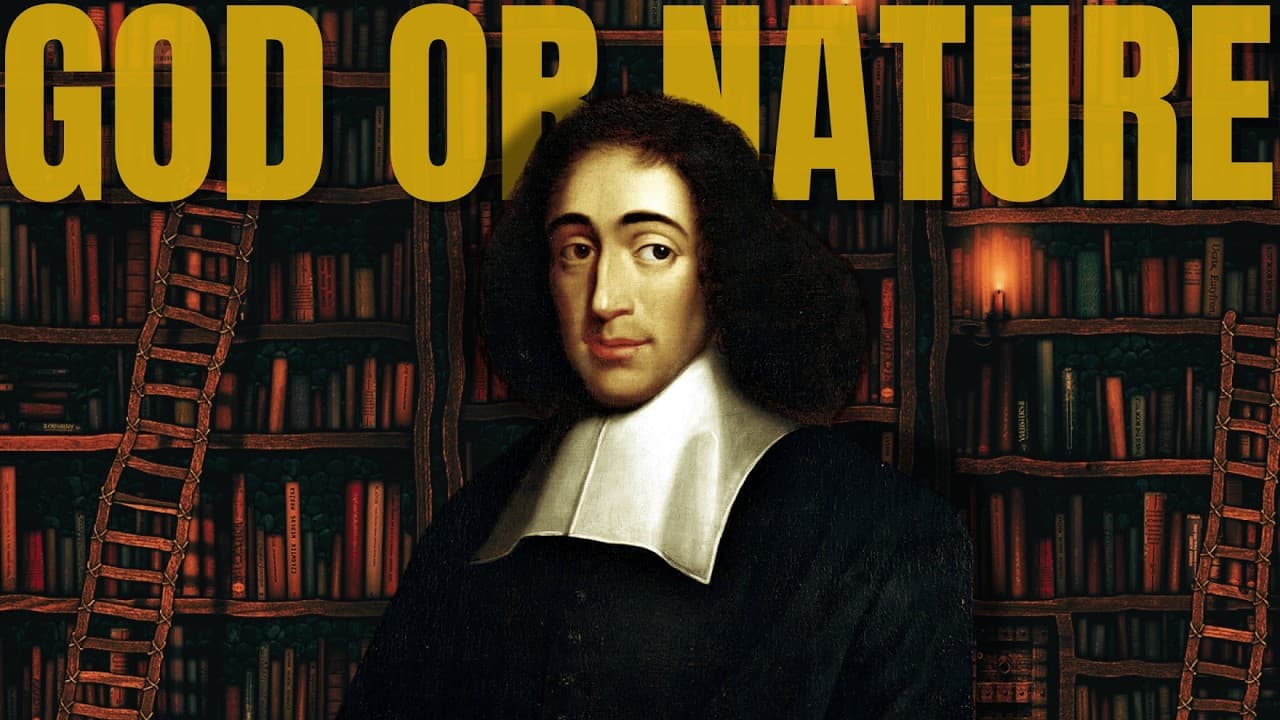
God or Nature | Spinoza's Complete Philosophy
Spinoza's Complete Philosophy
Deus sive Natura. God or Nature. With these three Latin words, Baruch Spinoza announced the most dangerous idea of the seventeenth century: that God and Nature are one and the same infinite reality. This episode follows Spinoza from Amsterdam's Portuguese-Jewish community through his excommunication at age twenty-three, his quiet years as a lens grinder, to his posthumous influence on Einstein and the Romantics. We trace the geometric arguments of the Ethics through substance monism, mind-body parallelism, the affects, human bondage, and the path to freedom through understanding. The full episode is on YouTube and Spotify. Please listen only in safe, restful contexts.