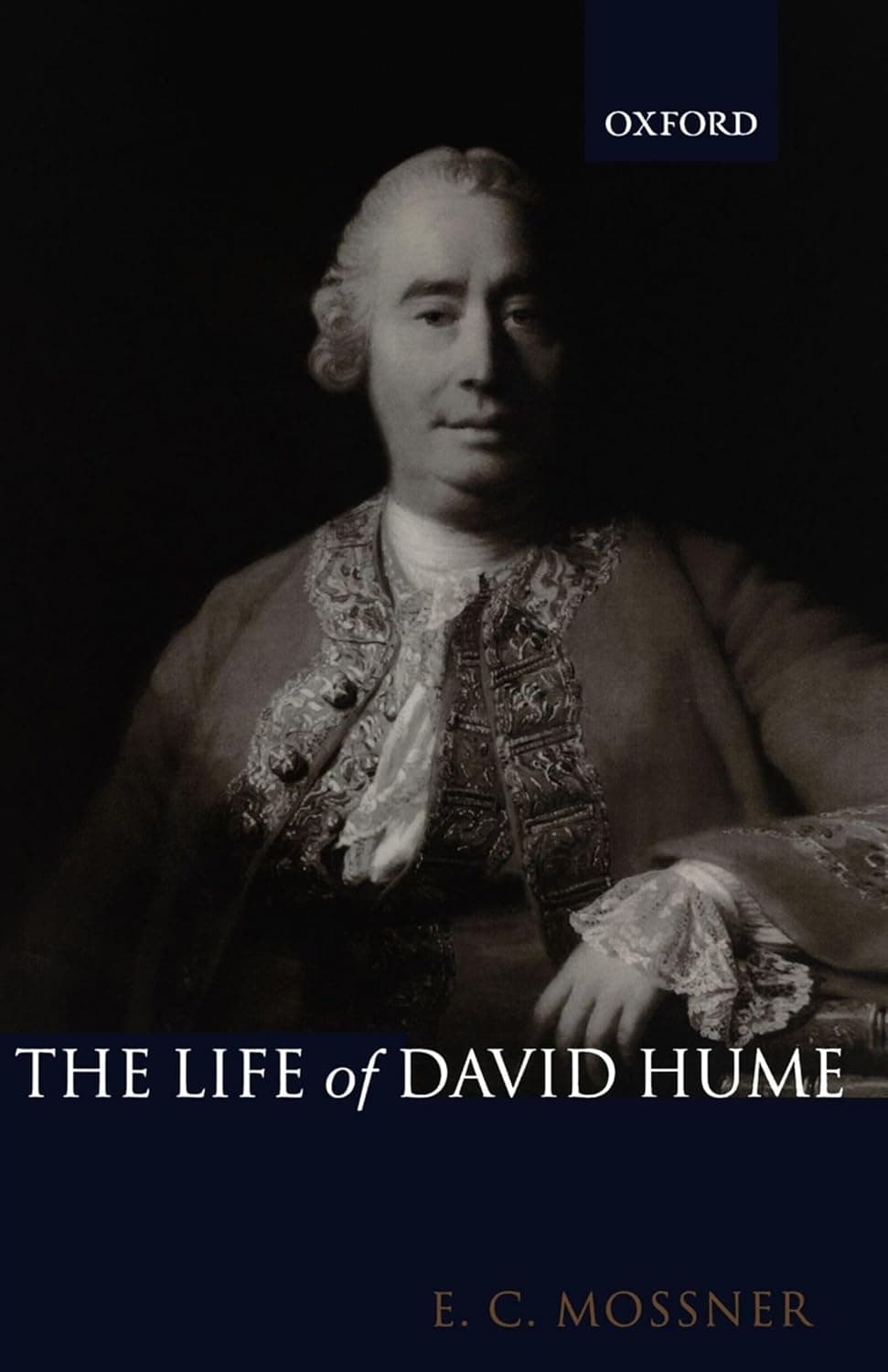
Episodes featuring this book
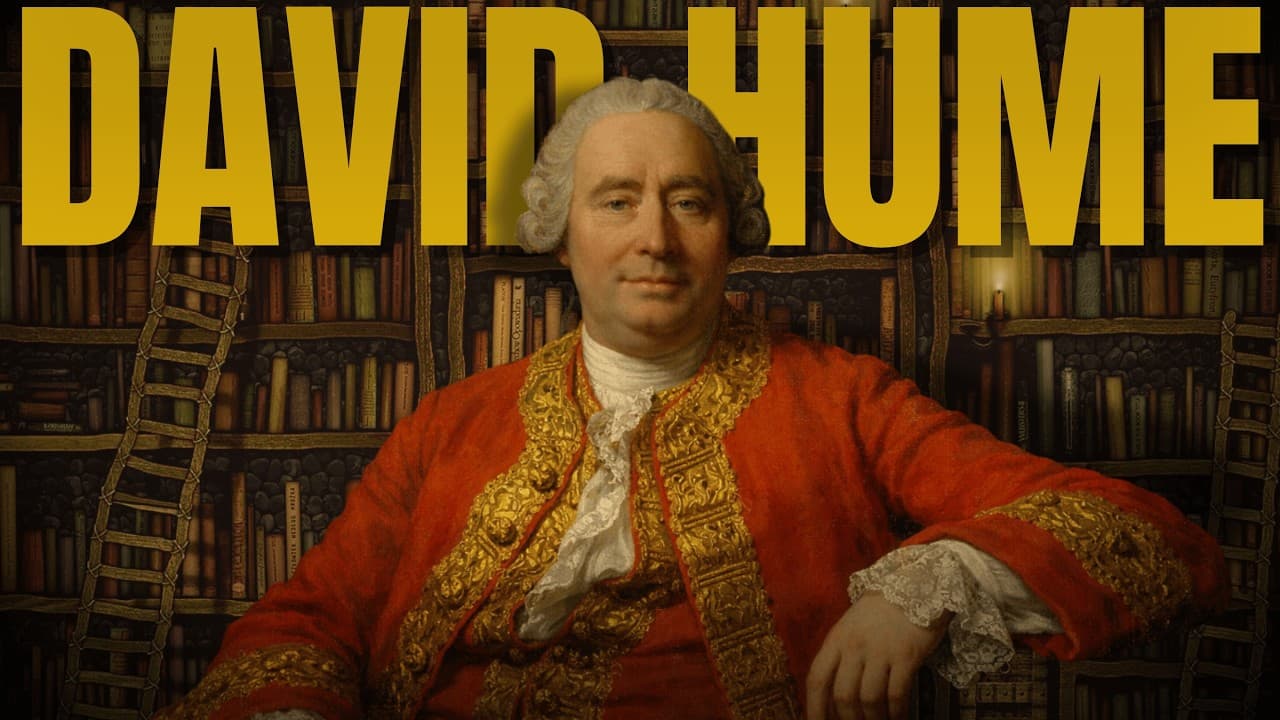
How Do You Know Anything Is Real? | David Hume for Sleep
David Hume's Complete Philosophy
Reason is not the master. It never was. This three-hour episode traces the life and philosophy of David Hume, the thinker who followed the evidence of the senses wherever it led, even when it overturned the deepest assumptions of Western thought. What he found shook the foundations of philosophy so thoroughly that Kant said Hume woke him from his dogmatic slumber. We explore his empiricist theory of knowledge, his denial of the self, his revolutionary analysis of causation, the is-ought problem, his moral philosophy of sentiment and sympathy, his critique of miracles and natural religion, and the problem of induction that still haunts philosophy and science today. Hume emerges not as a destroyer of knowledge but as one of the most honest and courageous thinkers in the Western tradition. The full episode is on YouTube and Spotify. Please listen only in safe, restful contexts.
10 chapters7 sources
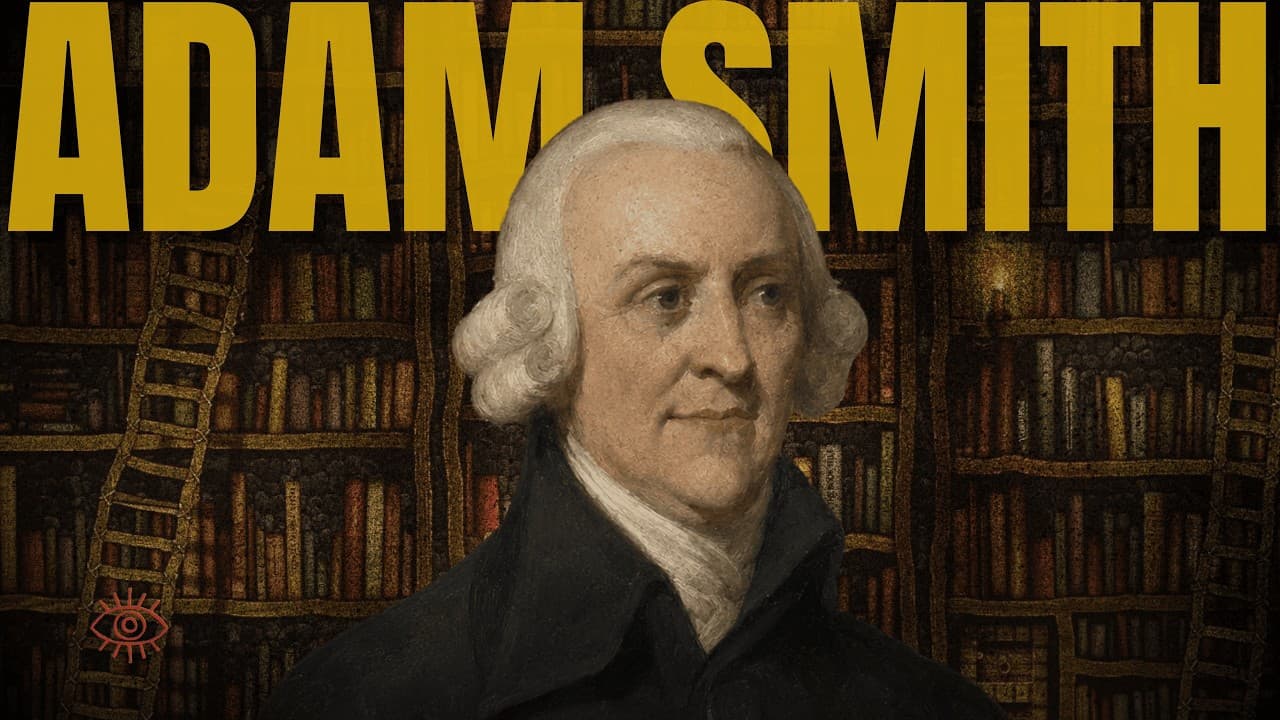
"Led by an Invisible Hand" | Adam Smith Complete Philosophy For Sleep
He wrote the book that built the modern world, then ordered everything else burned. Adam Smith spent his last days making sure most of his life's work went into the fire. What survived was enough to change the world. This episode follows the quiet son of a Scottish port town through the lecture halls of Glasgow, the salons of Paris, and the long silent decade in which he wrote the Wealth of Nations. Along the way it restores the half of Smith the modern world forgot, the moral philosopher of sympathy and conscience, the inventor of the impartial spectator, the friend who risked his reputation to defend a dying unbeliever, and the fierce critic of merchants, empires, and slavery. The invisible hand is here too, all three times Smith ever used it, read slowly and in context. Two great books, one unhurried story, told as a serious essay and paced for rest. The full episode is on YouTube and Spotify. Please listen only in safe, restful contexts.
22 chapters8 sources
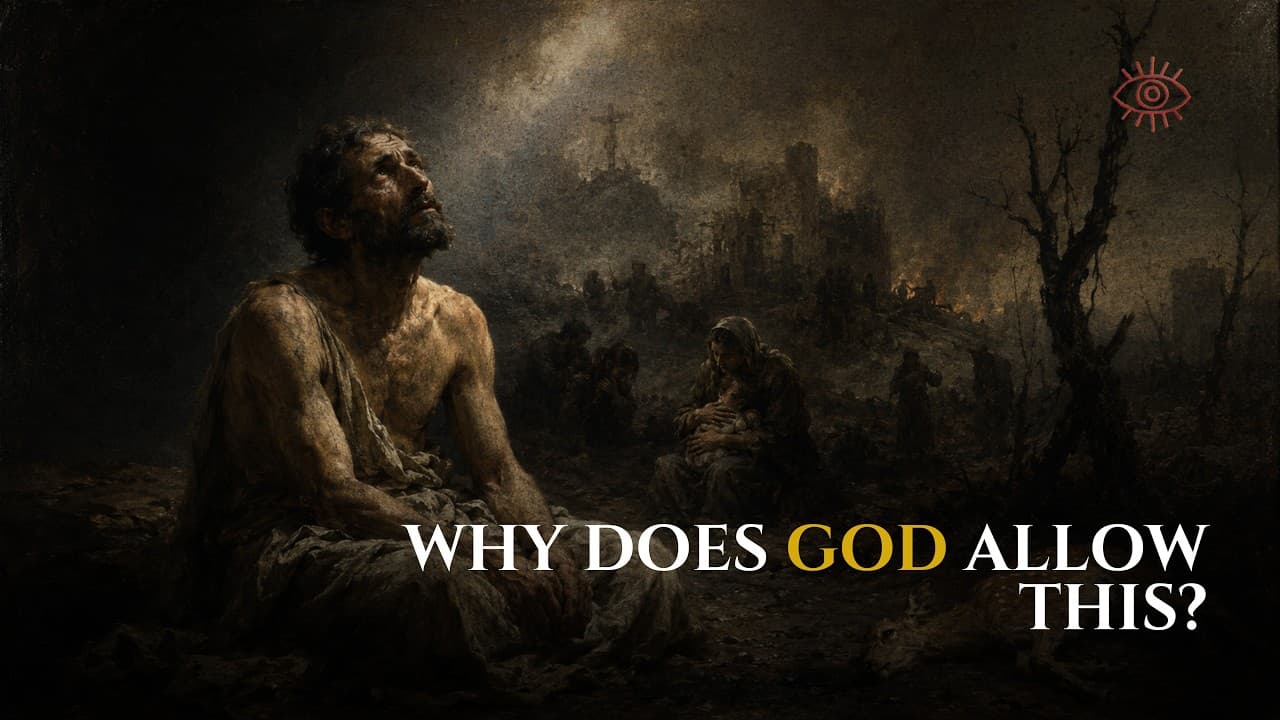
The Problem of Evil: Why Does God Allow Suffering? | Philosophy for Sleep
An innocent man, a burned fawn, and the hardest question ever asked of God. This episode follows the problem of evil from its oldest telling to its newest defenses. It begins with a man who loses everything in a single afternoon and refuses every easy explanation, then traces the great answers, evil as absence, the best of all possible worlds, and the earthquake and the novel that broke optimism's public standing. From there the argument sharpens into the twentieth century, a charge of outright contradiction, the celebrated defense that answered it, a theodicy of growing souls, and a dying fawn that changed the question from proof to evidence. The second half belongs to skeptical theism, the claim that human minds cannot survey the reasons a God might have, and to the objections that press it, moral paralysis, spreading doubt, horrendous evils, animal pain, and divine silence. The episode ends where the argument now stands, between a rock and a rope. The full episode is on YouTube and Spotify. Please listen only in safe, restful contexts.
23 chapters8 sources
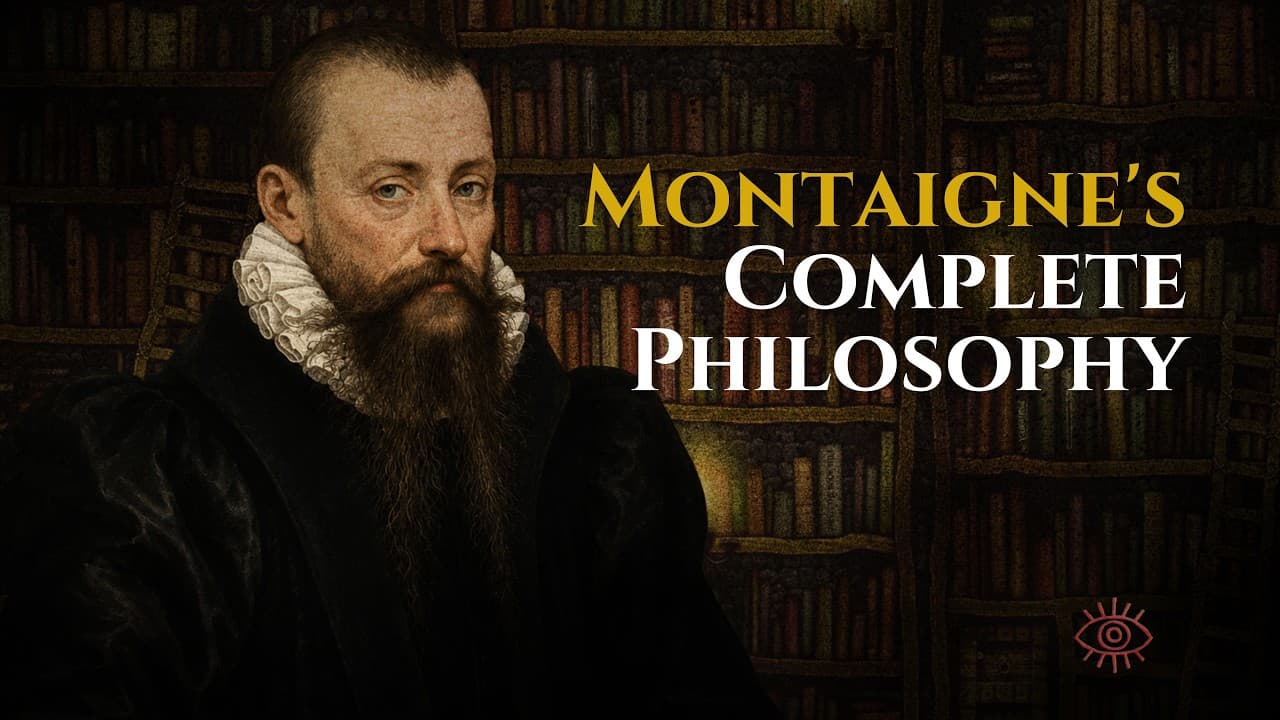
He Wrote About Himself for 20 Years and Described Us All | Montaigne
He locked himself in a tower to study one ordinary man, and ended up describing everyone who would ever read him. In fifteen seventy-one a French nobleman withdrew from public life to a round library at the top of a stone tower, and there, to tame his own restless mind, he began the strangest and most intimate book of its age. This is the story of Michel de Montaigne and the work he modestly called his attempts, the essays that invented a whole way of writing. We begin with his unusual life, the strange education, the one friendship that shaped everything, and the loss that turned him inward. From there the great themes of the book: his bottomless doubt and its gentle motto, his study of the ever-changing self, his hatred of cruelty in a country torn apart by religious war, his acceptance of the body and its pains, and the serene wisdom of his final years. Along the way we meet a mind that set out to know one person and ended by knowing everyone. The full episode is on YouTube and Spotify. Please listen only in safe, restful contexts.
15 chapters7 sources
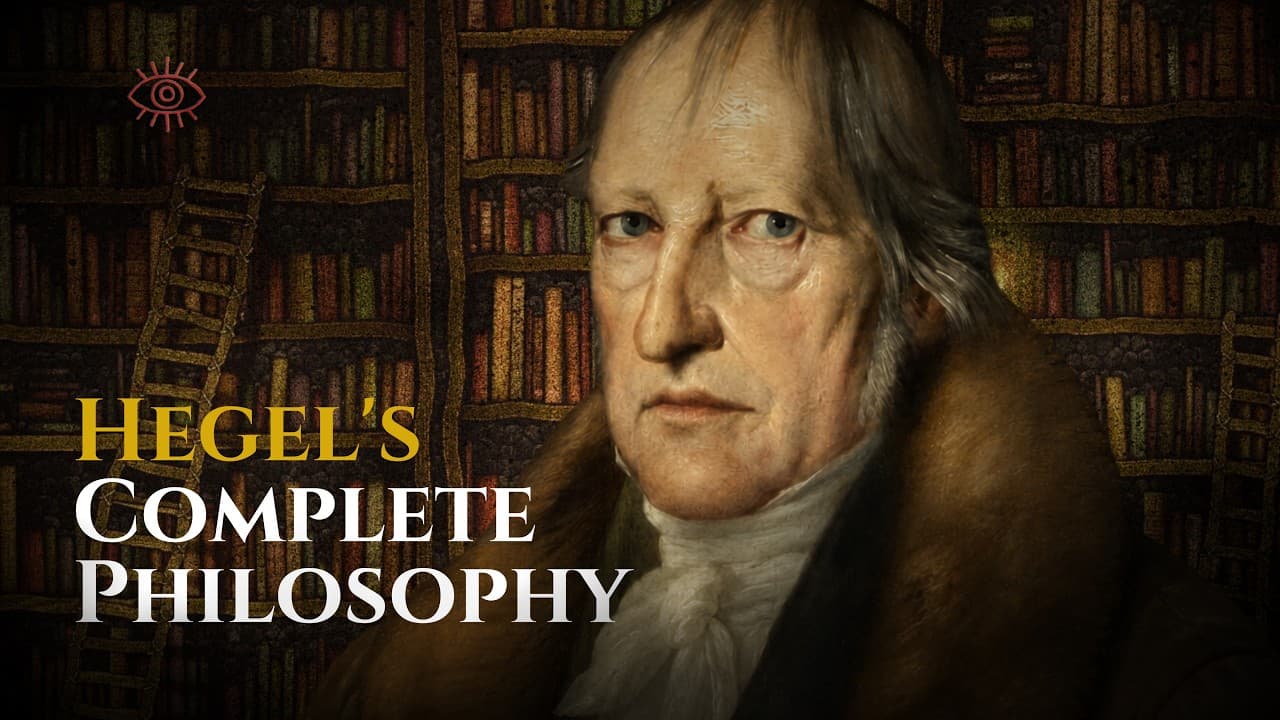
No One Is Free Alone | Hegel and the Need to Be Seen
He lived through revolution, war, and the collapse of everything that had looked permanent, and insisted that reason was moving through all of it. Georg Wilhelm Friedrich Hegel was born into a modest world and rose, against long odds, to become the most commanding philosopher of his age, the last great thinker who dared to explain nearly everything as a single unfolding whole. We follow his diagnosis of a broken modern world and his lifelong search to make it whole again. We watch his ladder of consciousness rise rung by rung, the meeting of master and servant that would echo for two centuries, his forbidding logic, his vision of history as the slow growth of freedom, and his readings of art, of religion, and of the state. And we end with the storm that broke over his grave, and with the strange, patient wisdom of an owl that takes flight only at dusk. The full episode is on YouTube and Spotify. Please listen only in safe, restful contexts.
15 chapters7 sources
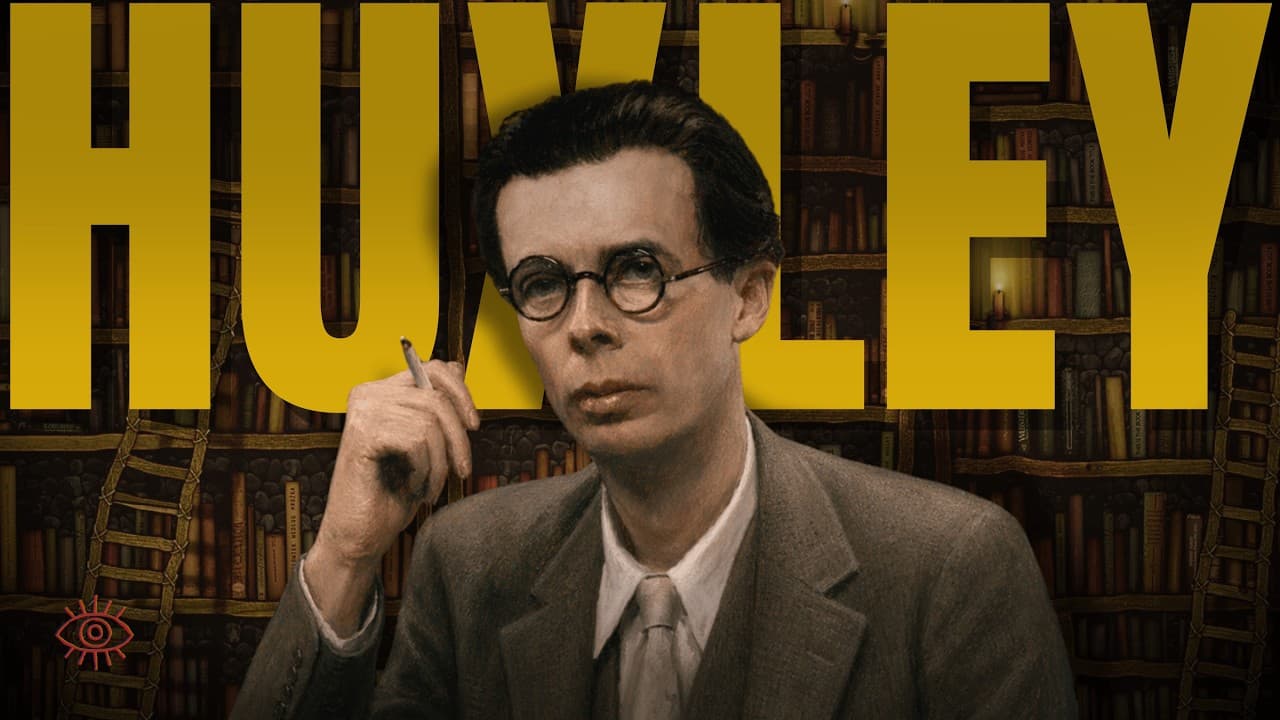
Aldous Huxley | The Prophet Who Predicted Our Modern World
Aldous Huxley's Complete Philosophy
The real danger was never the boot on the face. The episode runs from the prophecy he delivered in Brave New World to the afternoon of his death in Los Angeles, on the day John F. Kennedy was shot. We follow him from Godalming to Eton, from the eye infection that nearly blinded him at sixteen to the satirical novels of the 1920s that made him the cleverest young writer in England. We enter Brave New World not as a plot to be summarized but as a philosophical argument about what humanity would sacrifice for comfort. We address, honestly, the famous comparison with Orwell, and ask which of the two prophets has turned out to be more accurate for the liberal democracies of the twenty-first century. We follow Huxley through his turn toward pacifism in the 1930s, his move to California, his long engagement with the mystical traditions of East and West in The Perennial Philosophy, his mescaline experience of 1953 and the argument of The Doors of Perception, and his strange, ambitious last novel Island. We close with the question he leaves behind: in a world that offers infinite comfort and infinite distraction, what happens to the human capacity for meaning? The full episode is on YouTube and Spotify. Please listen only in safe, restful contexts.
10 chapters7 sources