
Thomas Nagel
Why Are We Conscious at All? | The Hard Problem for Sleep
On Thomas Nagel, David Chalmers & 2 more
The Hard Problem of Consciousness
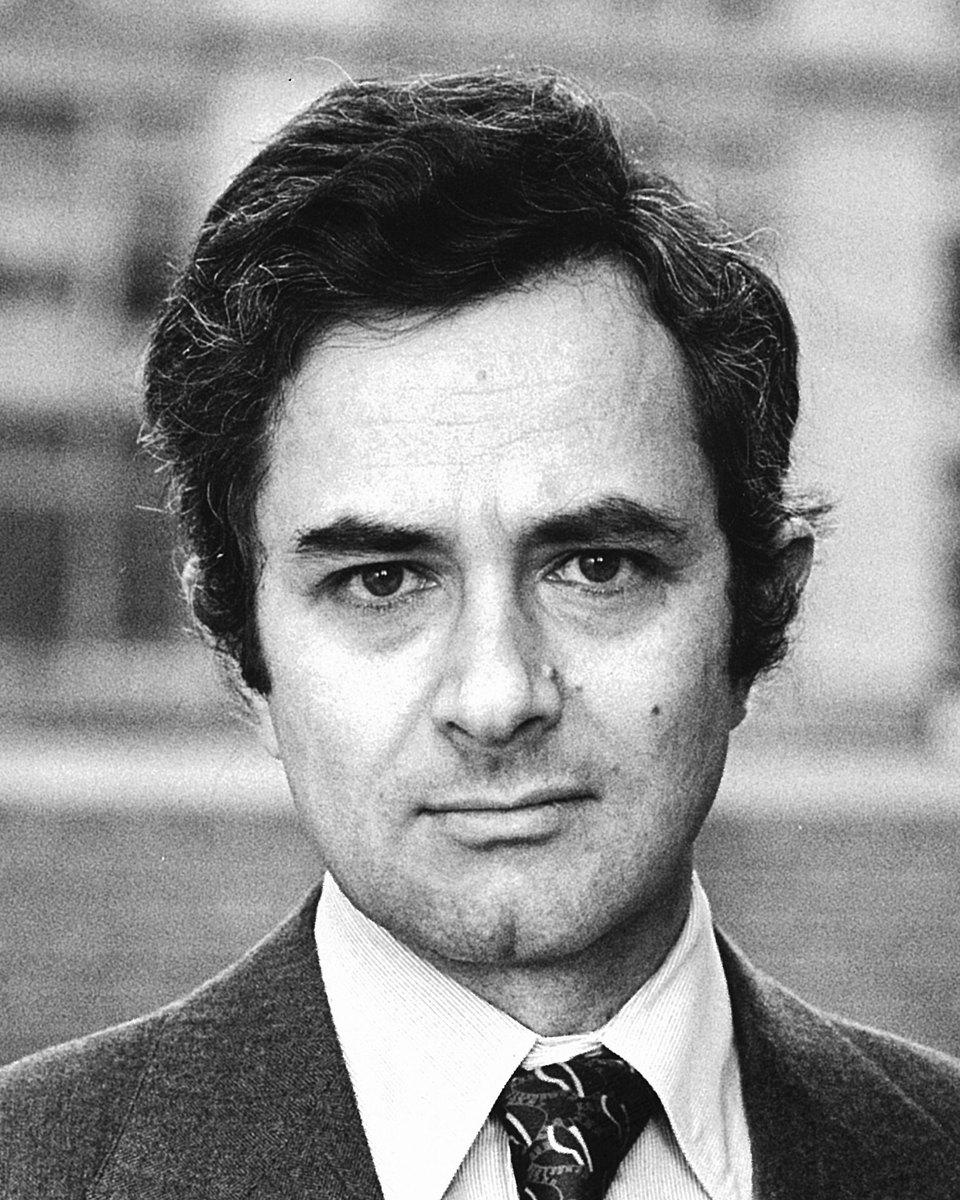
Portrait: Thomas Nagel, 1978. Nagelt, CC BY-SA 4.0, cropped, via Wikimedia Commons.
Thomas Nagel is an American philosopher whose essay What Is It Like to Be a Bat? became one of the most famous arguments in the philosophy of mind. However much we learn about a bat's brain, he argued, we will never know what it is like to be one, and any account of the mind that leaves out the subjective point of view leaves out the very thing it set out to explain.
1 episode 8 books
On Thomas Nagel, David Chalmers & 2 more
The Hard Problem of Consciousness
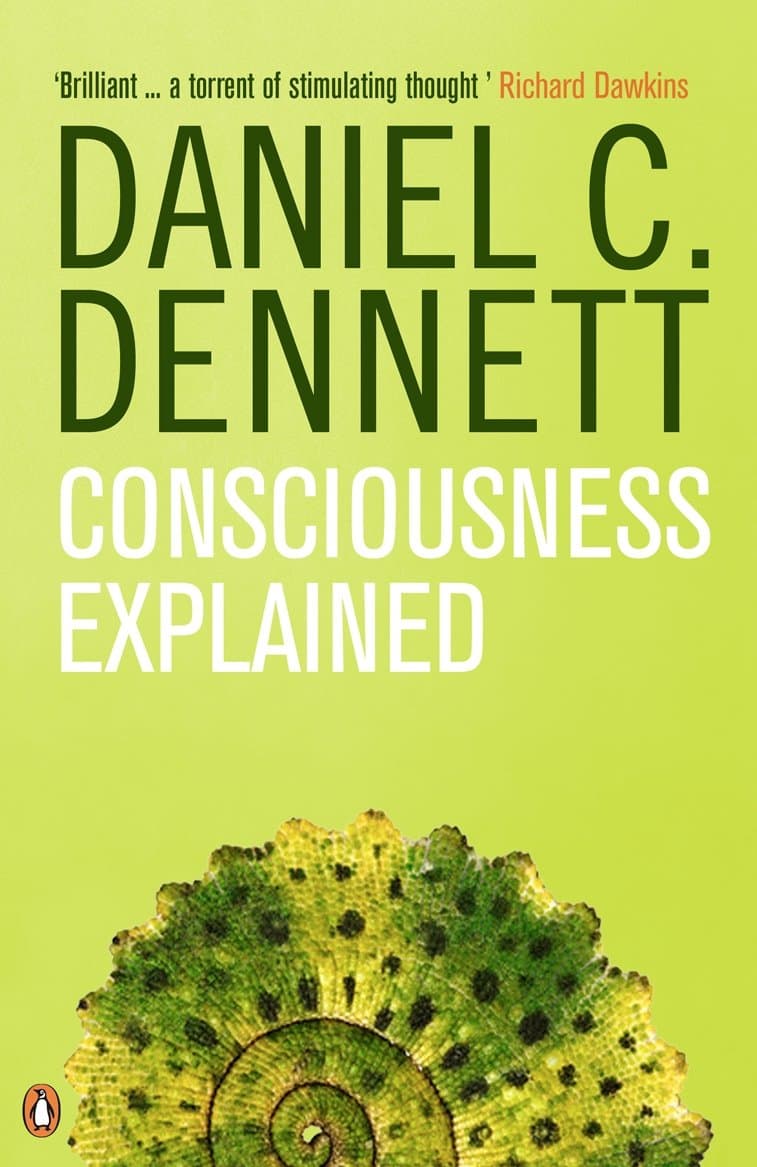
by Daniel Dennett
Dennett's provocative argument that consciousness is not what we think it is, and that the hard problem is a conceptual confusion rather than a genuine mystery.
Get this book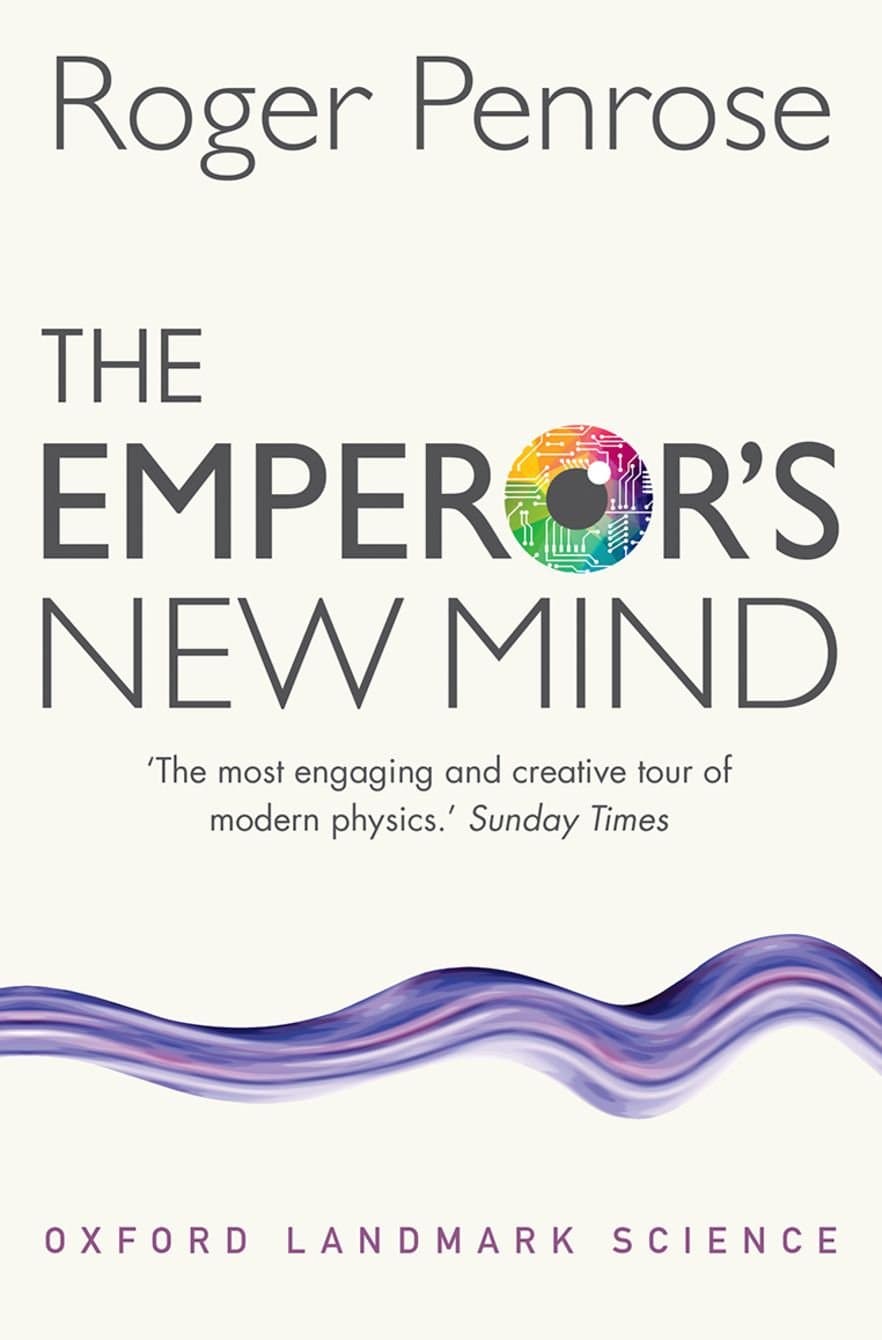
by Roger Penrose
A physicist's argument that consciousness involves non-computable quantum processes, challenging the assumption that artificial intelligence could ever be truly conscious.
Get this book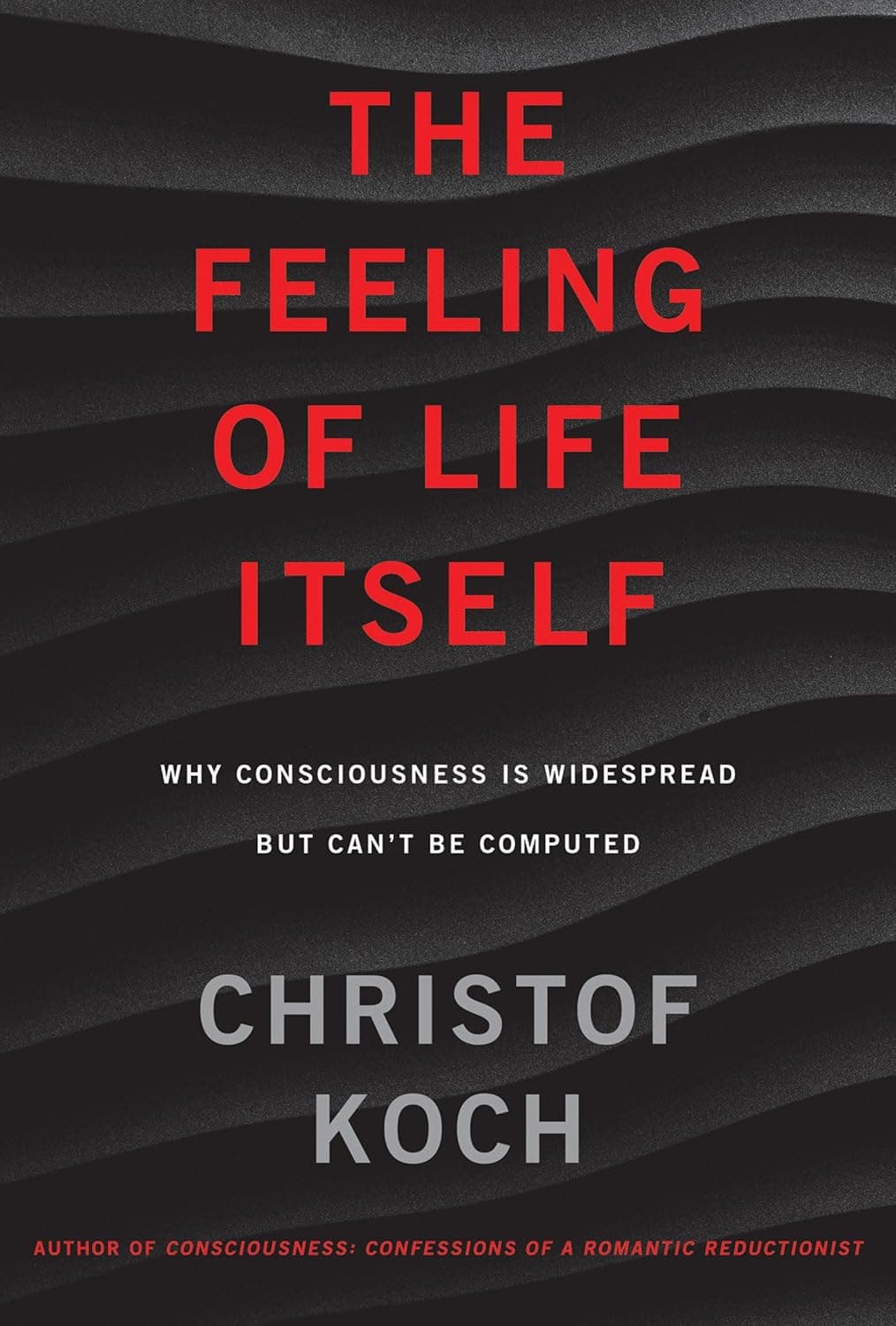
by Christof Koch
A neuroscientist's account of Integrated Information Theory, the most ambitious scientific attempt to measure consciousness mathematically.
Get this book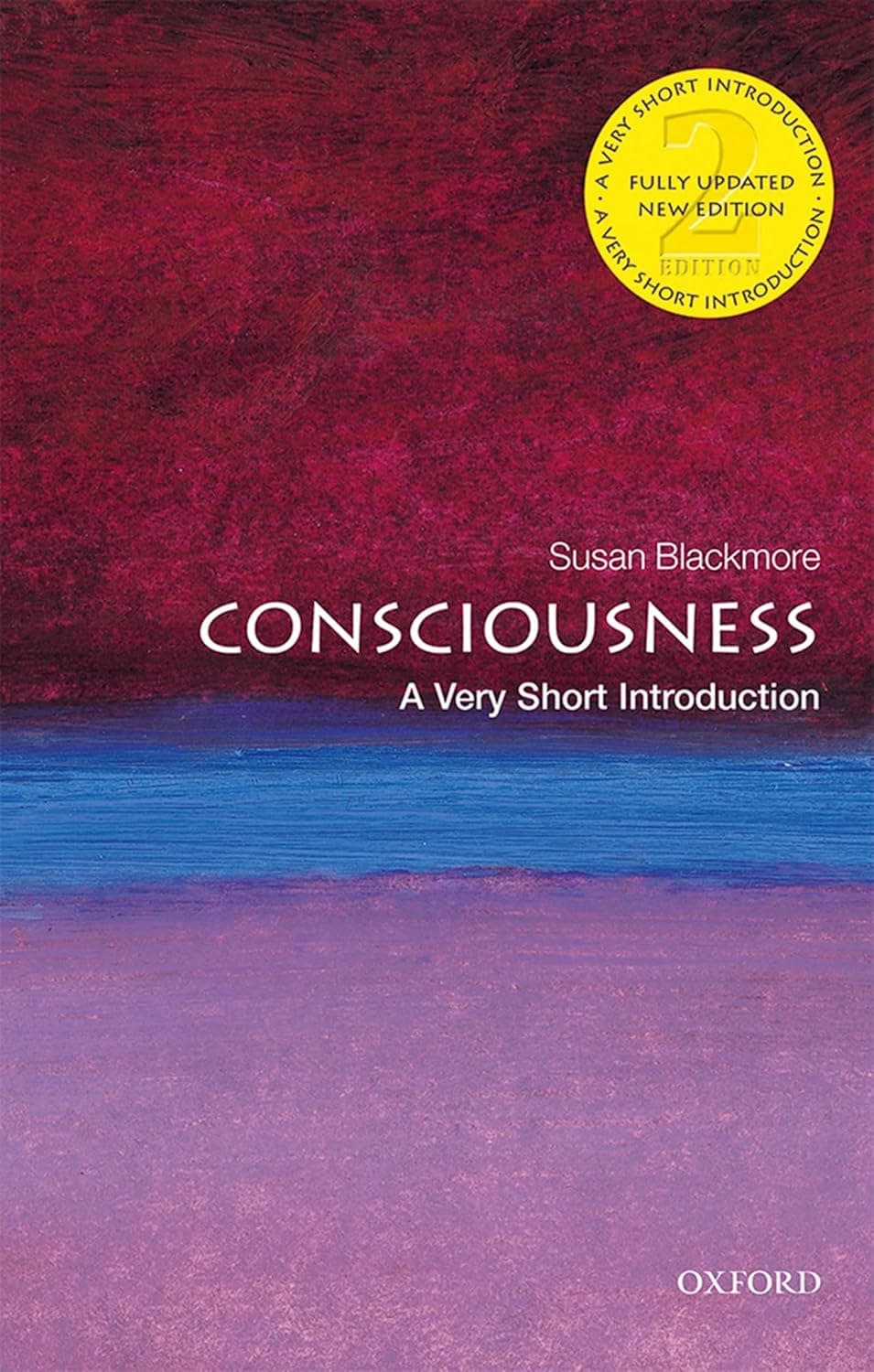
by Susan Blackmore
The standard textbook on consciousness studies, covering philosophy, neuroscience, and psychology in an accessible survey.
Get this book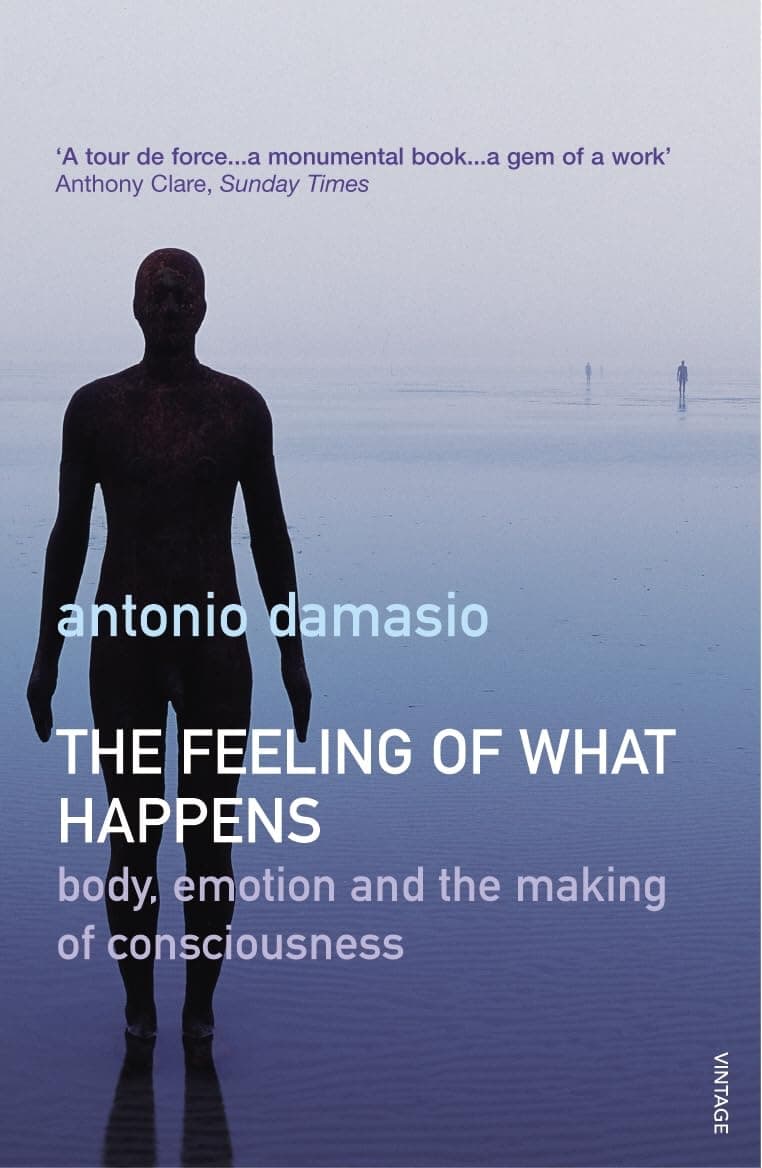
by Antonio Damasio
Damasio's groundbreaking work on how the body and emotions are inseparable from consciousness and the sense of self.
Get this book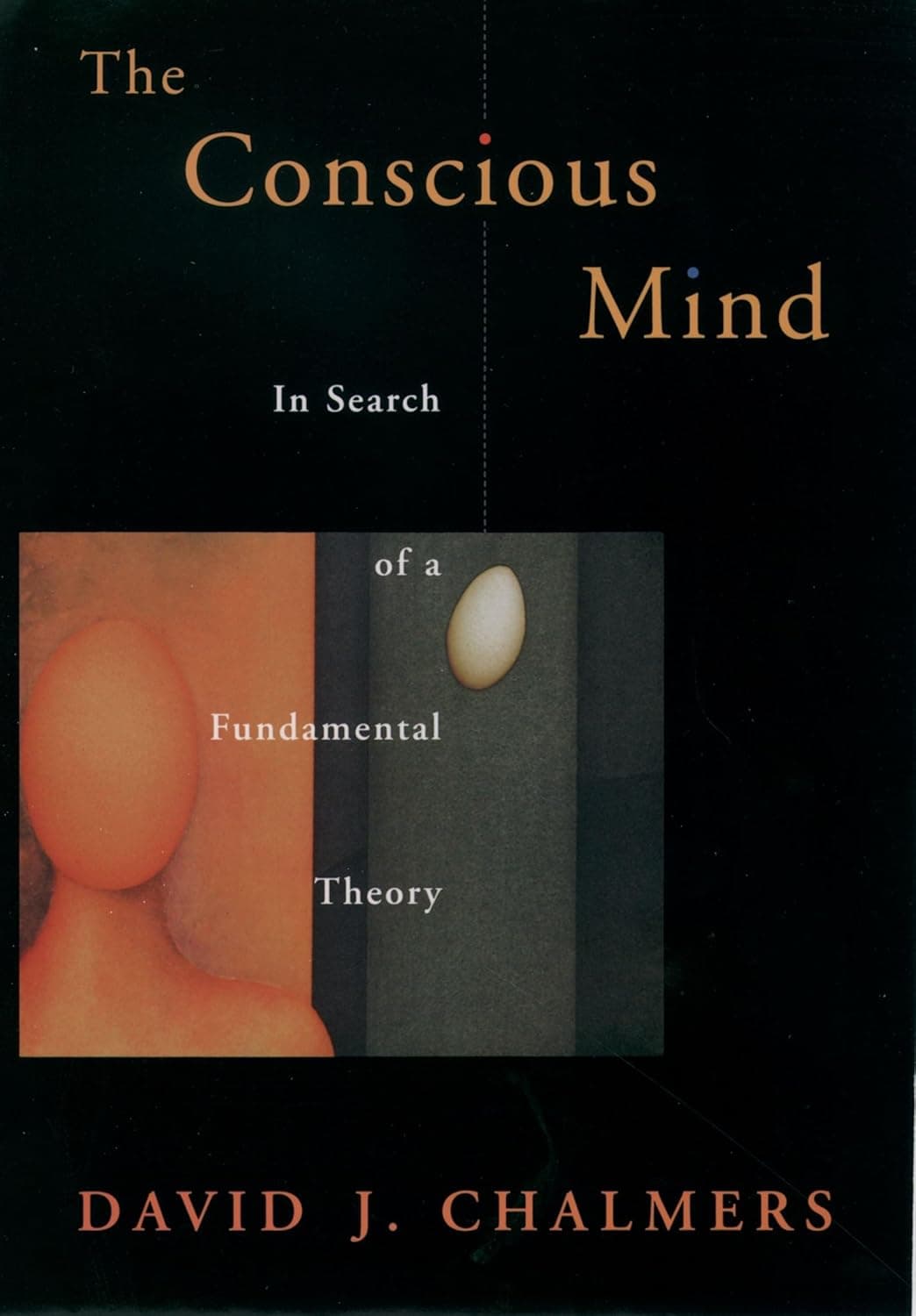
by David Chalmers
The book that defined the hard problem of consciousness. Chalmers argues that no purely physical explanation can account for subjective experience.
Get this book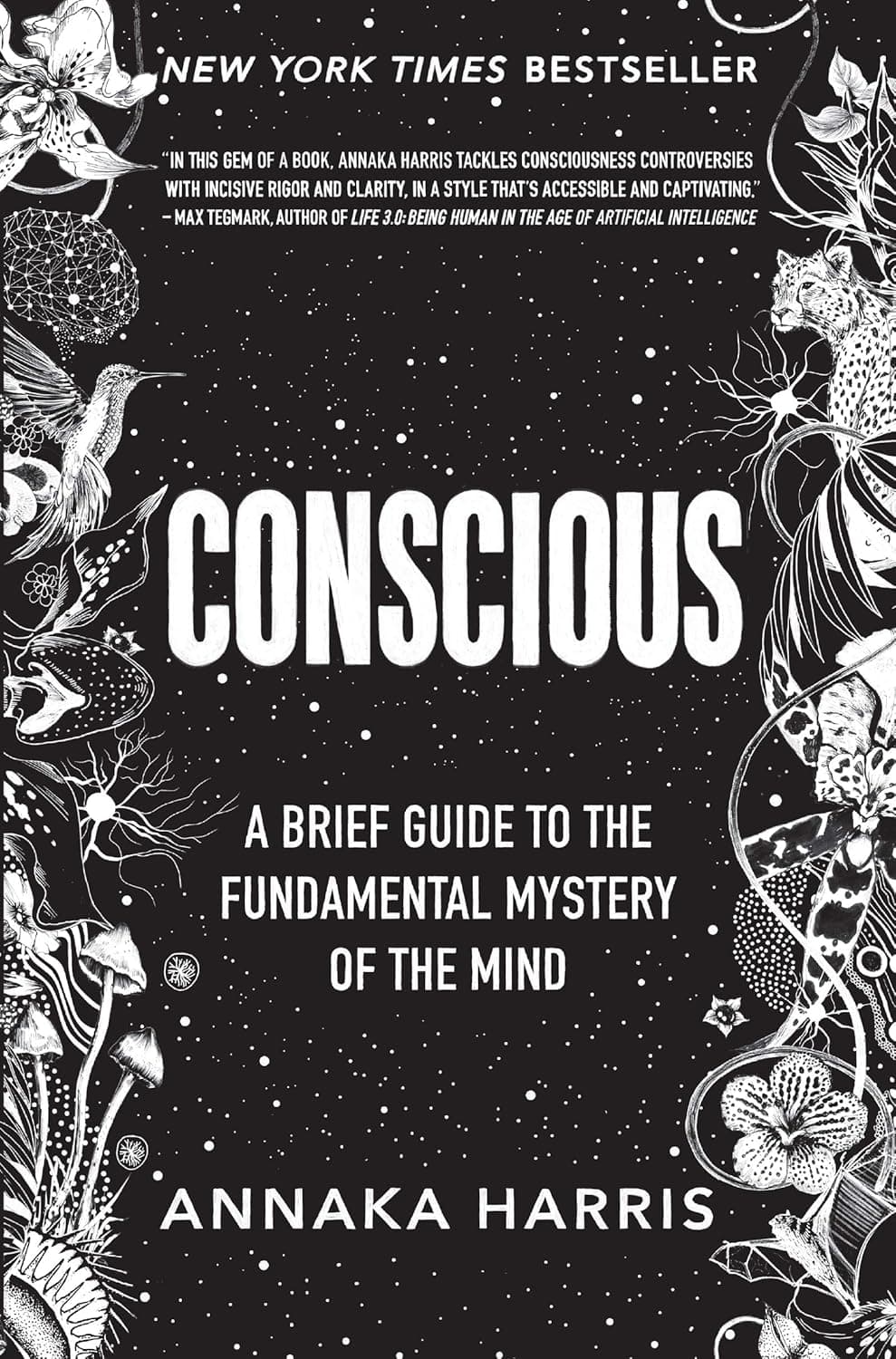
by Annaka Harris
A short, lucid introduction to the mystery of consciousness that makes the philosophical puzzles accessible to any reader.
Get this book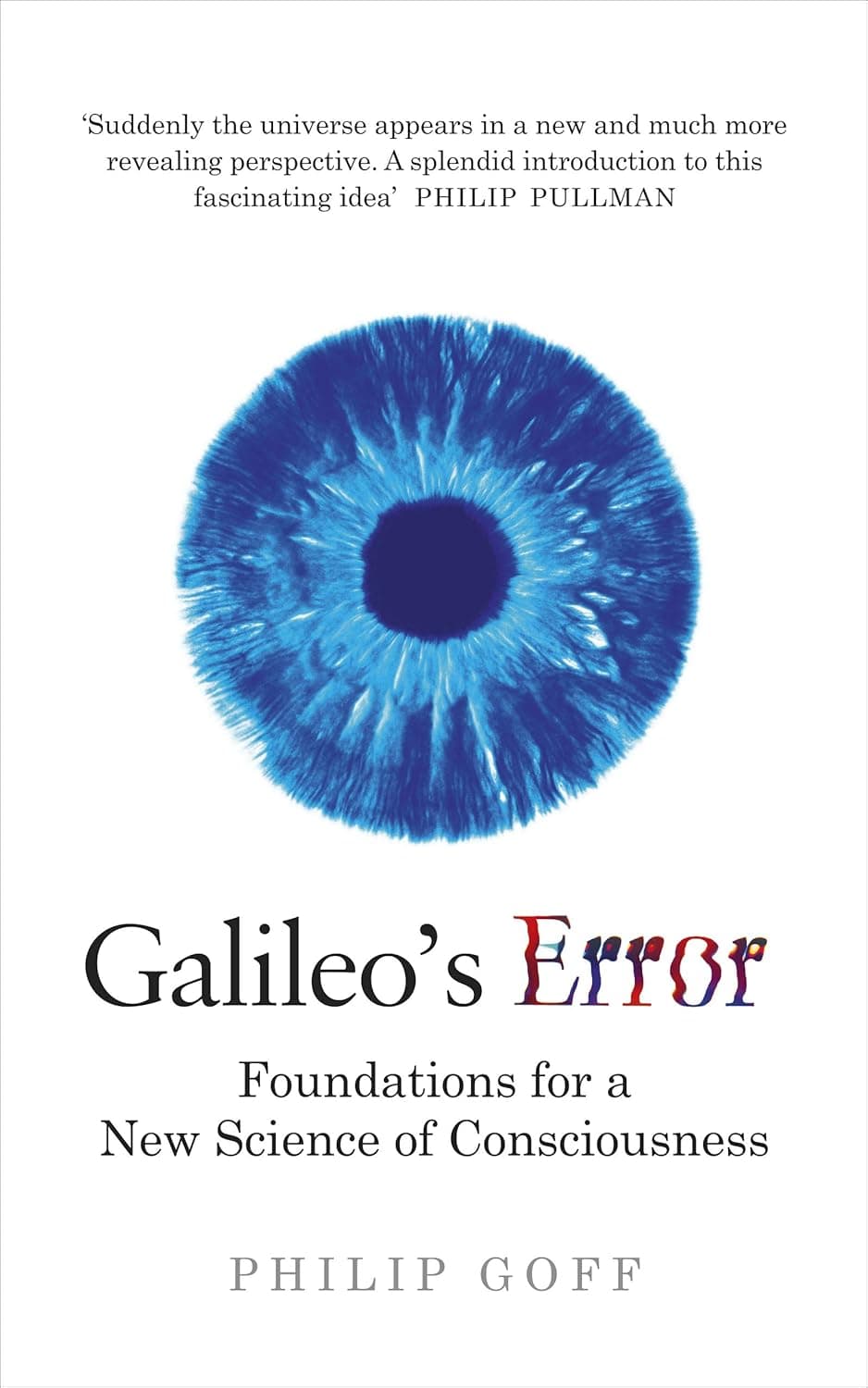
by Philip Goff
A clear and accessible case for panpsychism: the view that consciousness is a fundamental feature of reality, present even in the simplest forms of matter.
Get this book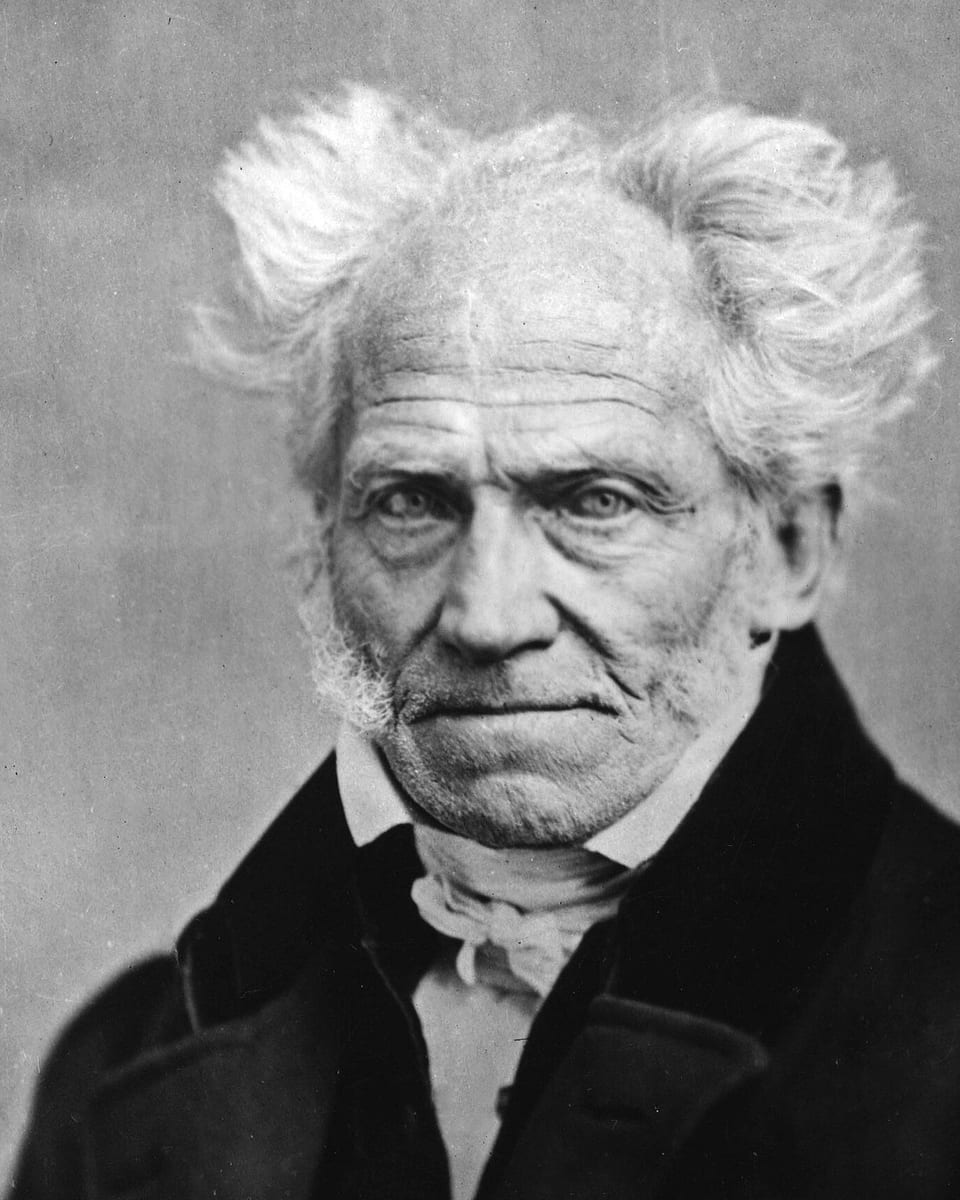
1788–1860

born 1953
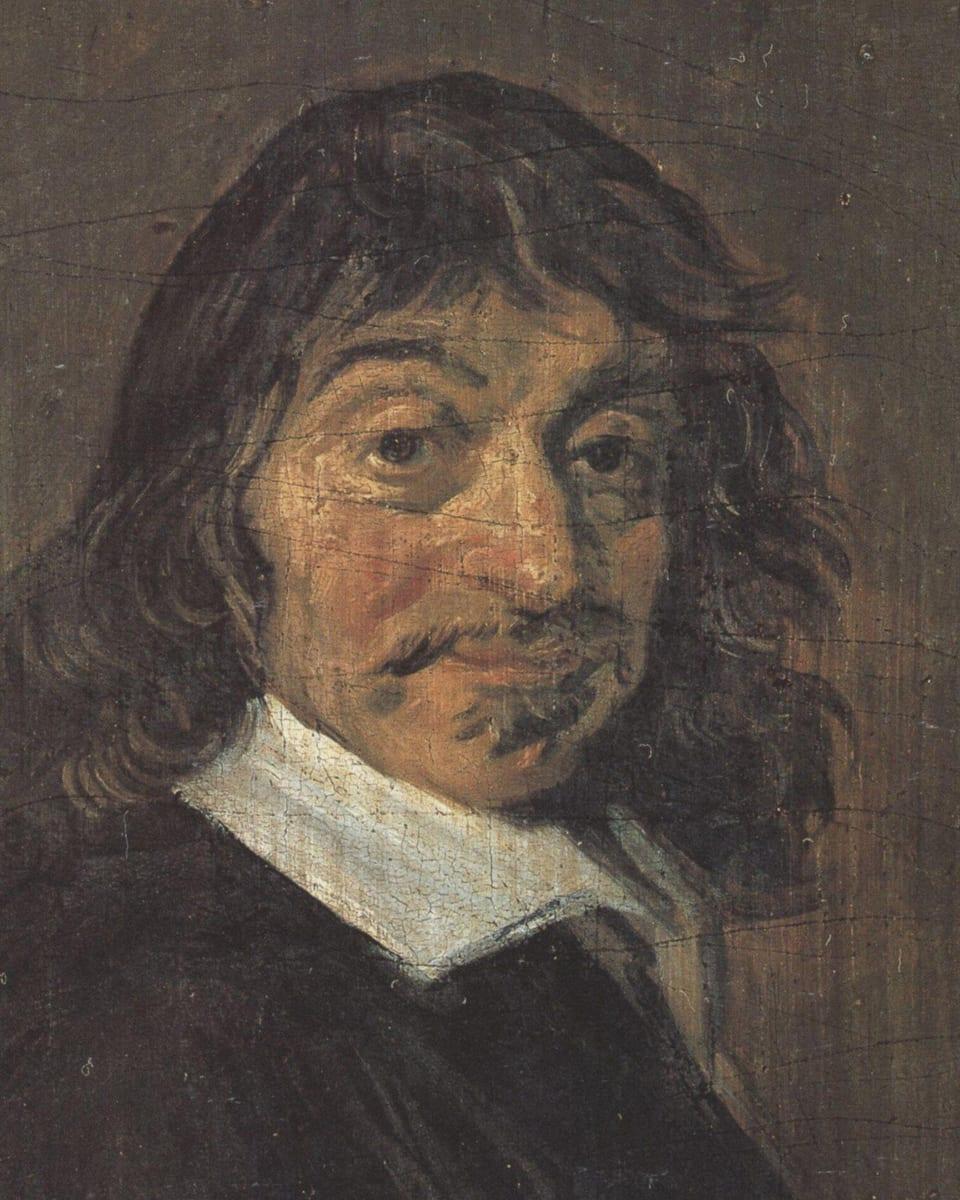
1596–1650
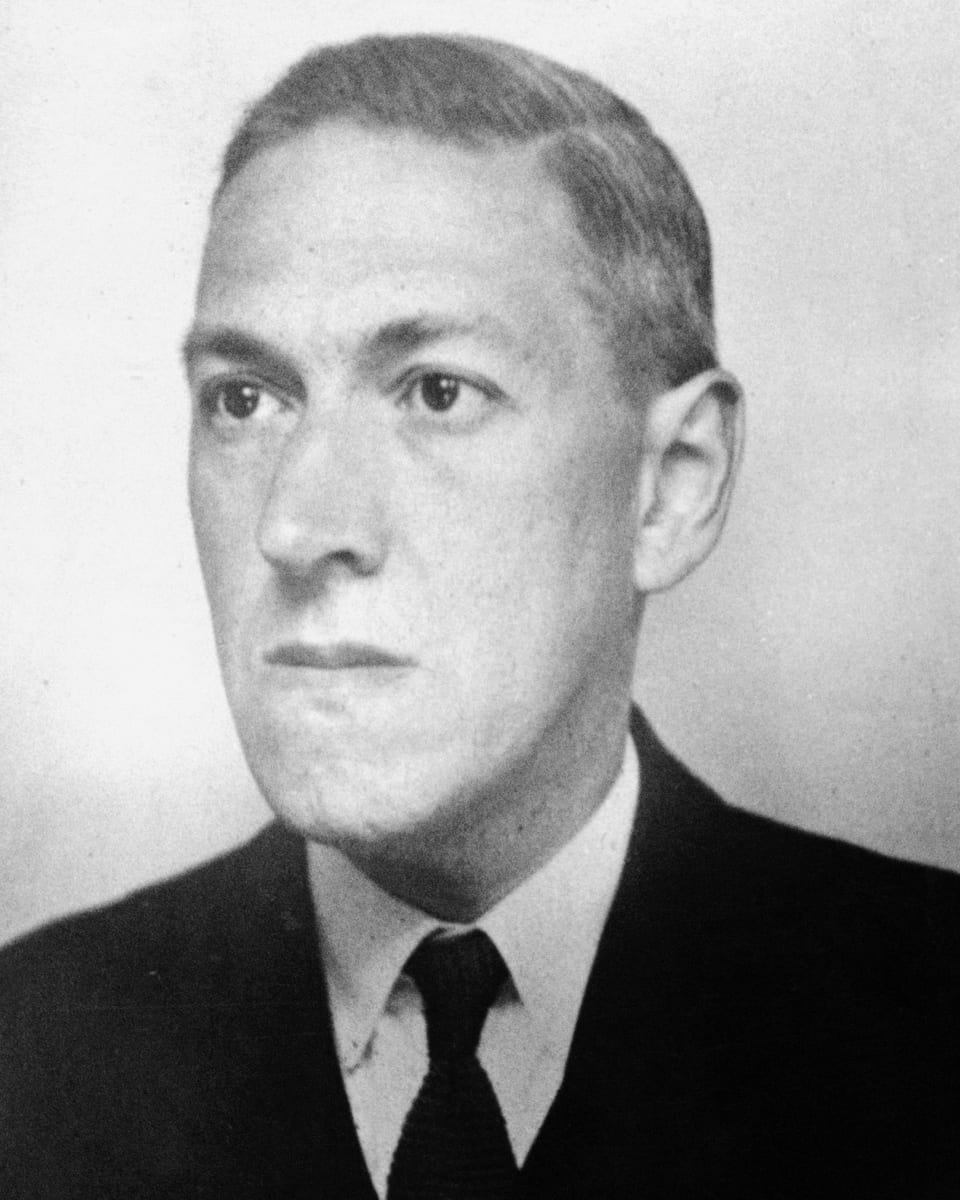
1890–1937
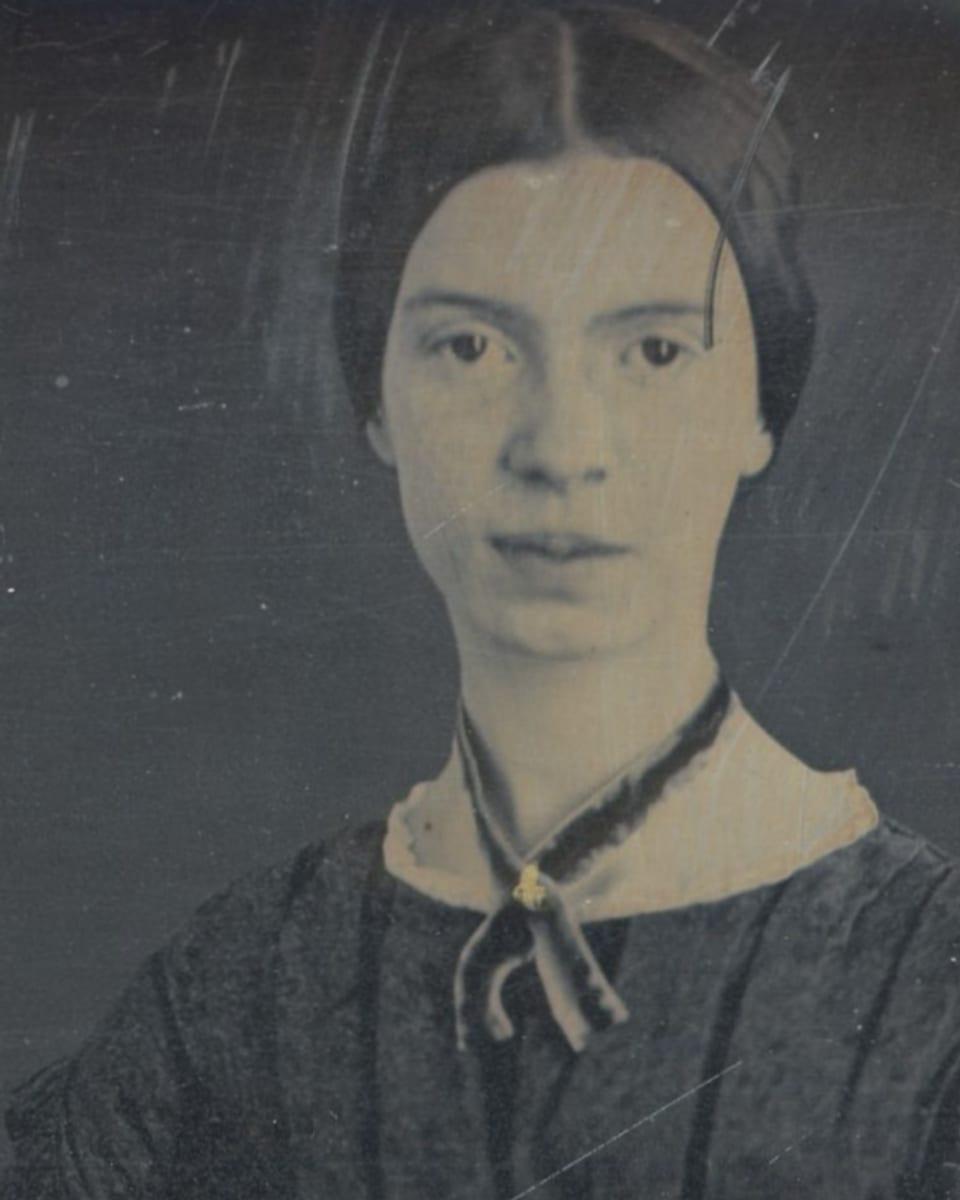
1830–1886
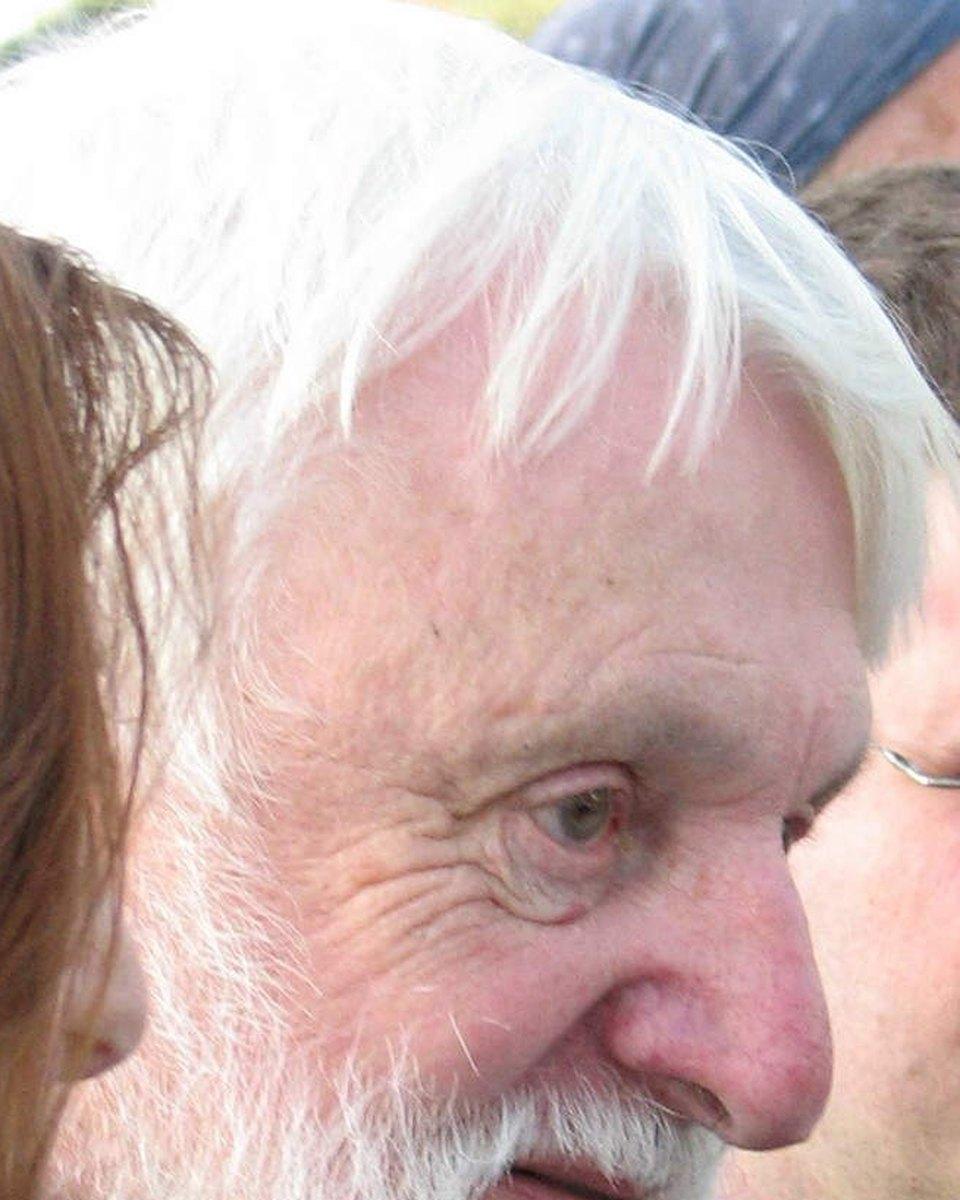
1928–2017