
Rousseau
Rousseau's Complete Philosophy
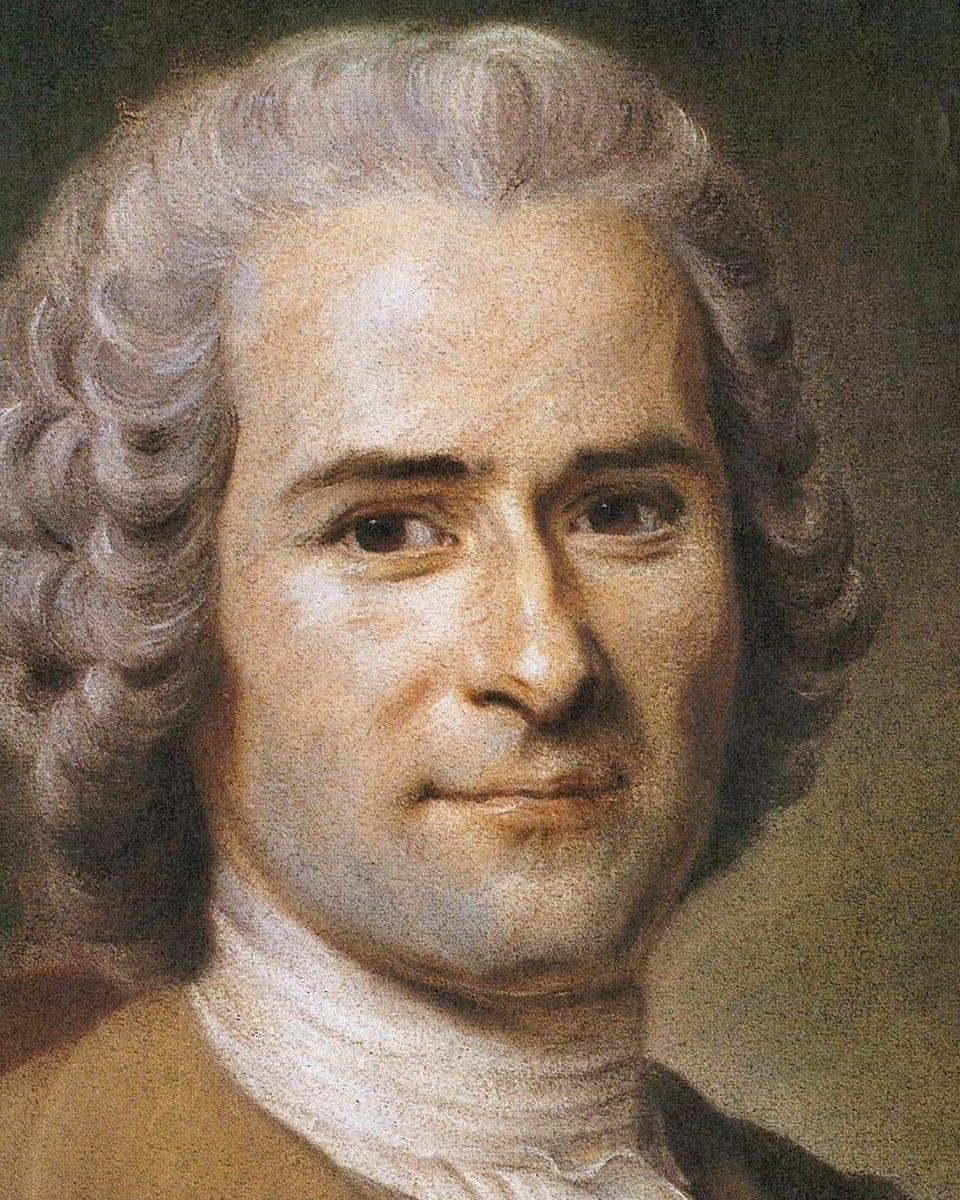
Portrait: Jean-Jacques Rousseau, pastel portrait. Maurice Quentin de La Tour, Public domain, via Wikimedia Commons.
Jean-Jacques Rousseau challenged civilization itself, arguing that society corrupts our natural goodness. His ideas on education, politics, and human nature sparked revolutions in thought and action.
1 episode 7 books
Rousseau's Complete Philosophy
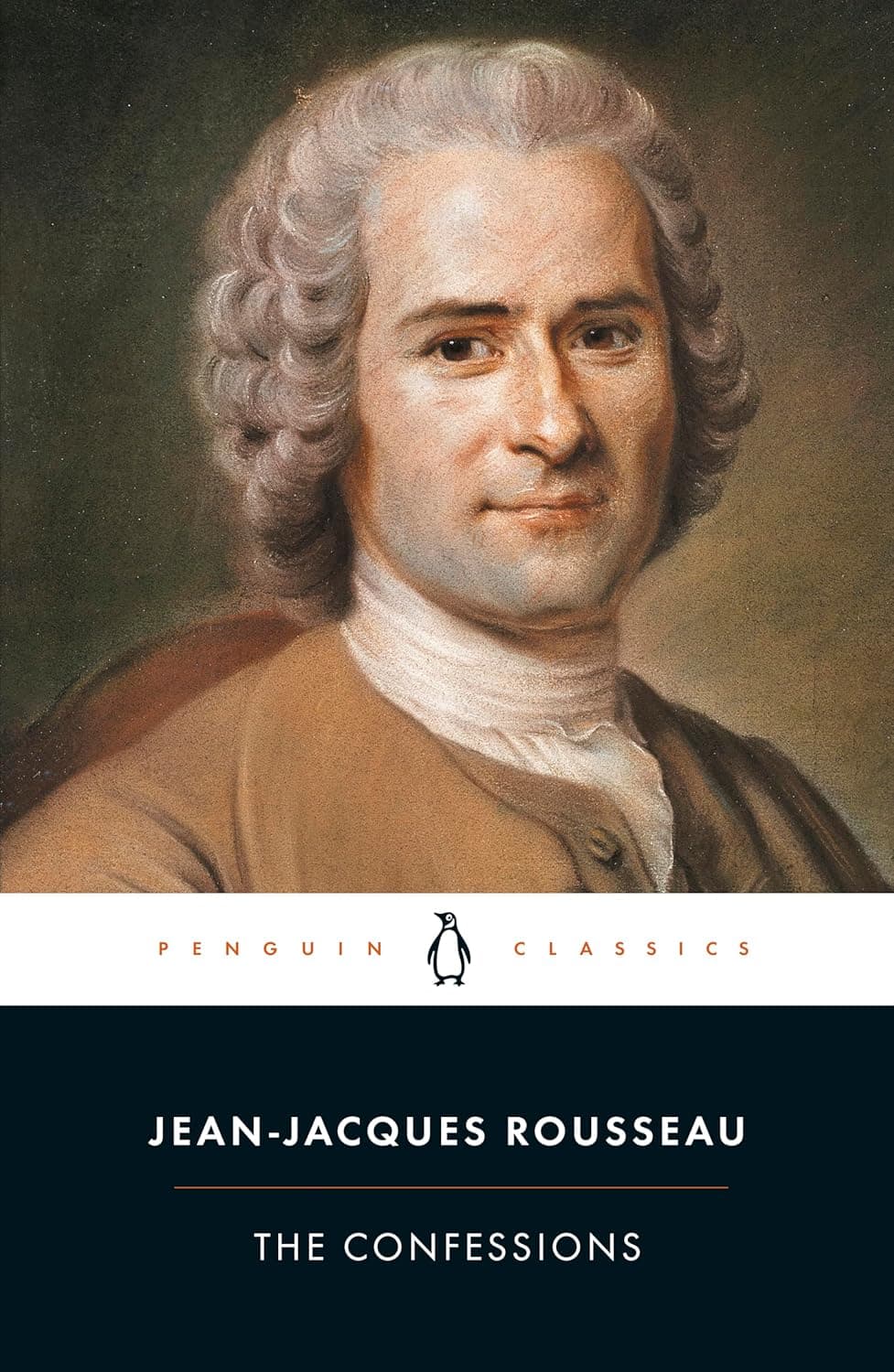
by Jean-Jacques Rousseau
Rousseau's pioneering autobiography, widely regarded as the invention of the modern confessional genre. Brutally honest about his flaws and contradictions.
Get this book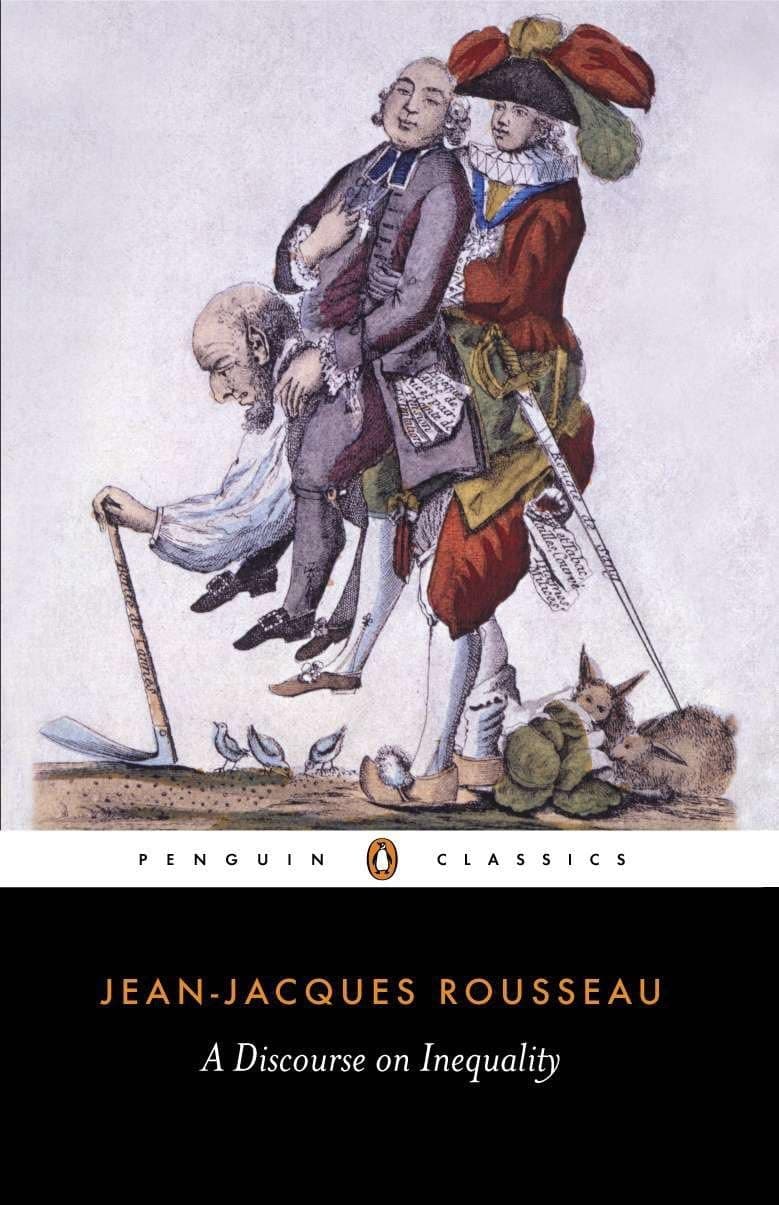
by Jean-Jacques Rousseau
Rousseau's account of how natural human goodness was corrupted by the development of society, property, and inequality.
Get this book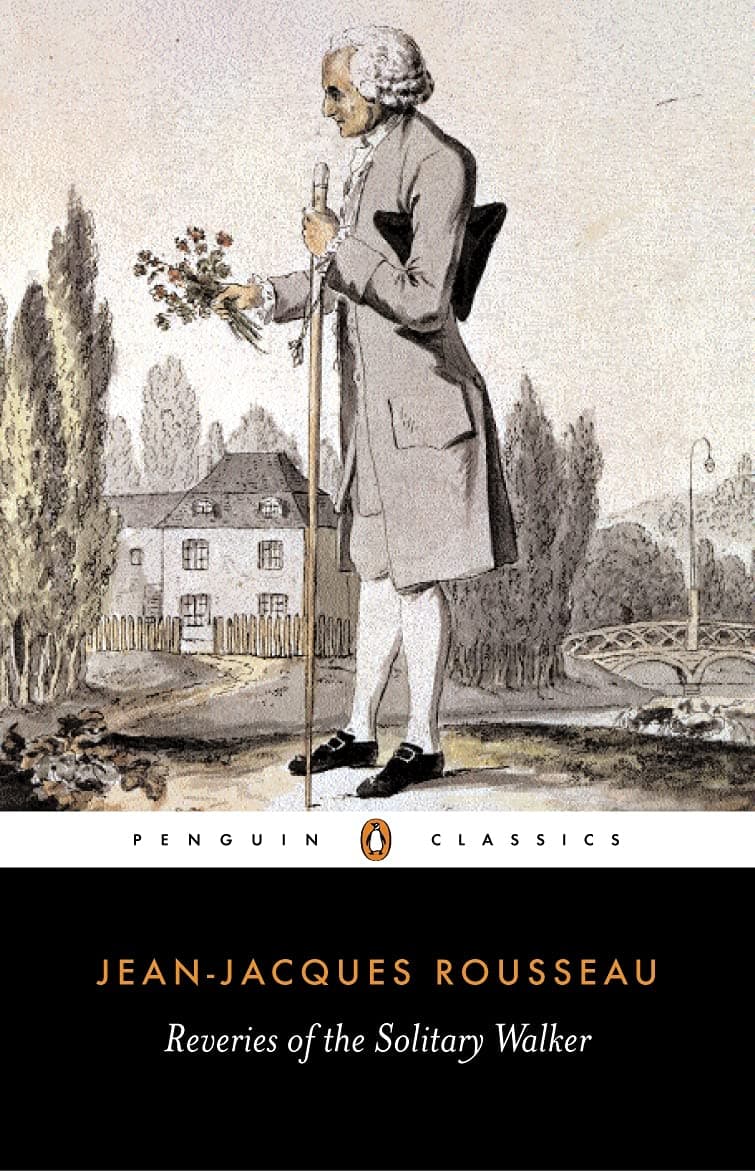
by Jean-Jacques Rousseau
Rousseau's final, unfinished work, written during his last years of solitude. Meditative walks through nature become occasions for philosophical reflection.
Get this book
by Robert Wokler
A concise guide to Rousseau's thought, covering the key works and their lasting influence on politics, education, and philosophy.
Get this book
by Jean-Jacques Rousseau
Rousseau's revolutionary treatise on education, arguing that children should learn through experience and natural development rather than rote instruction.
Get this book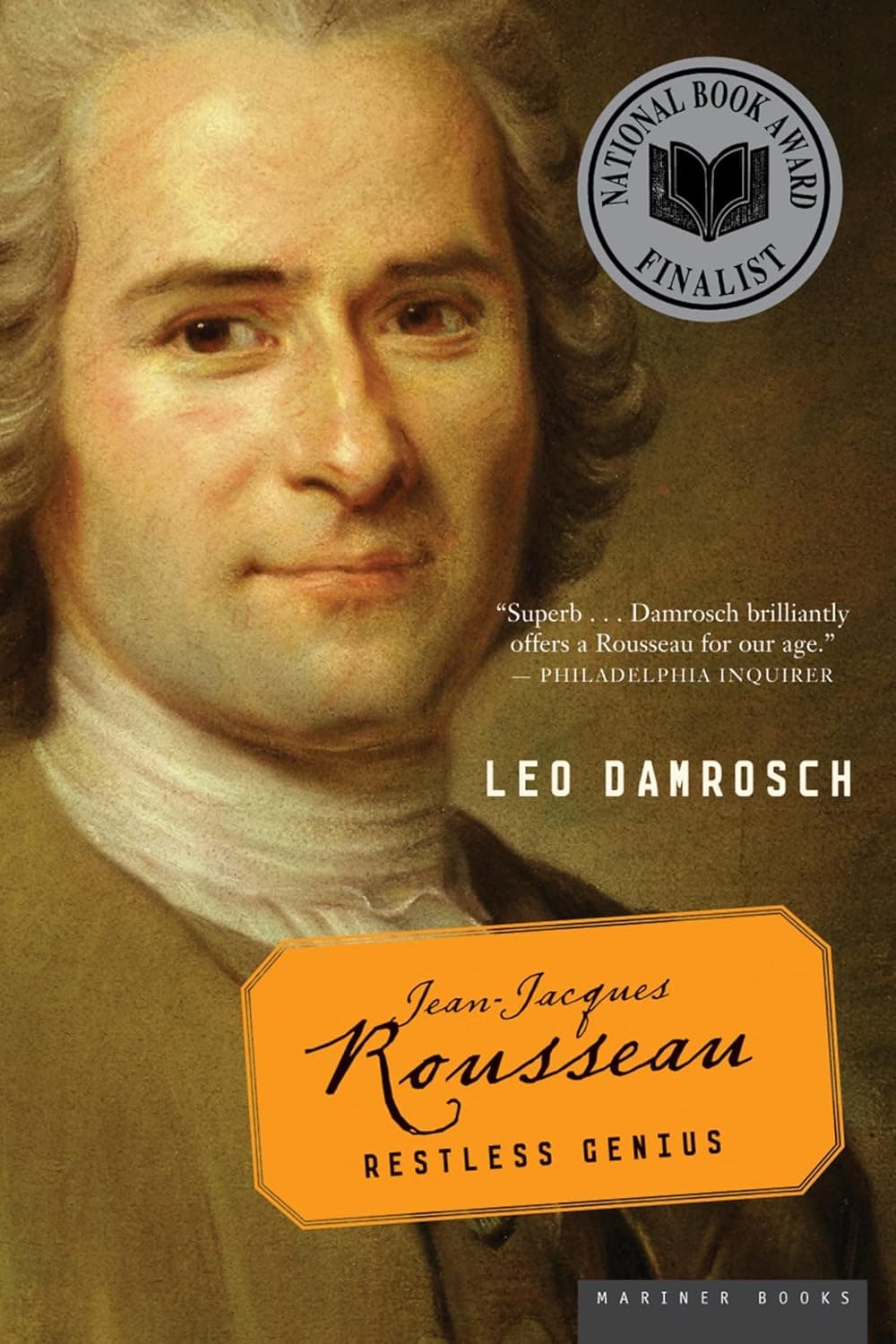
by Leo Damrosch
A vivid, sympathetic biography that traces Rousseau's turbulent life alongside the development of his revolutionary ideas.
Get this book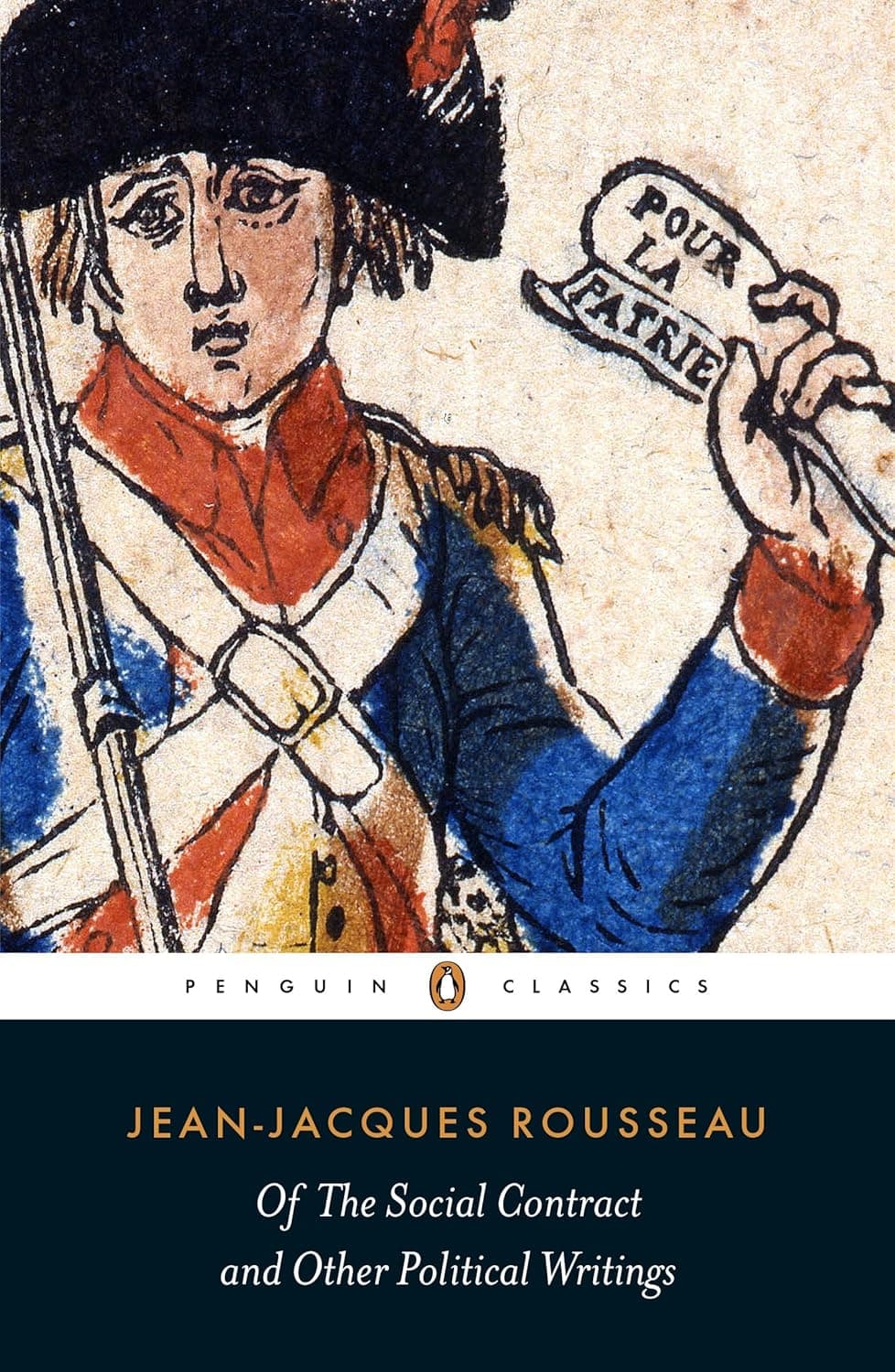
by Jean-Jacques Rousseau
Rousseau's most influential political work, arguing that legitimate authority rests on a social contract reflecting the general will of the people.
Get this book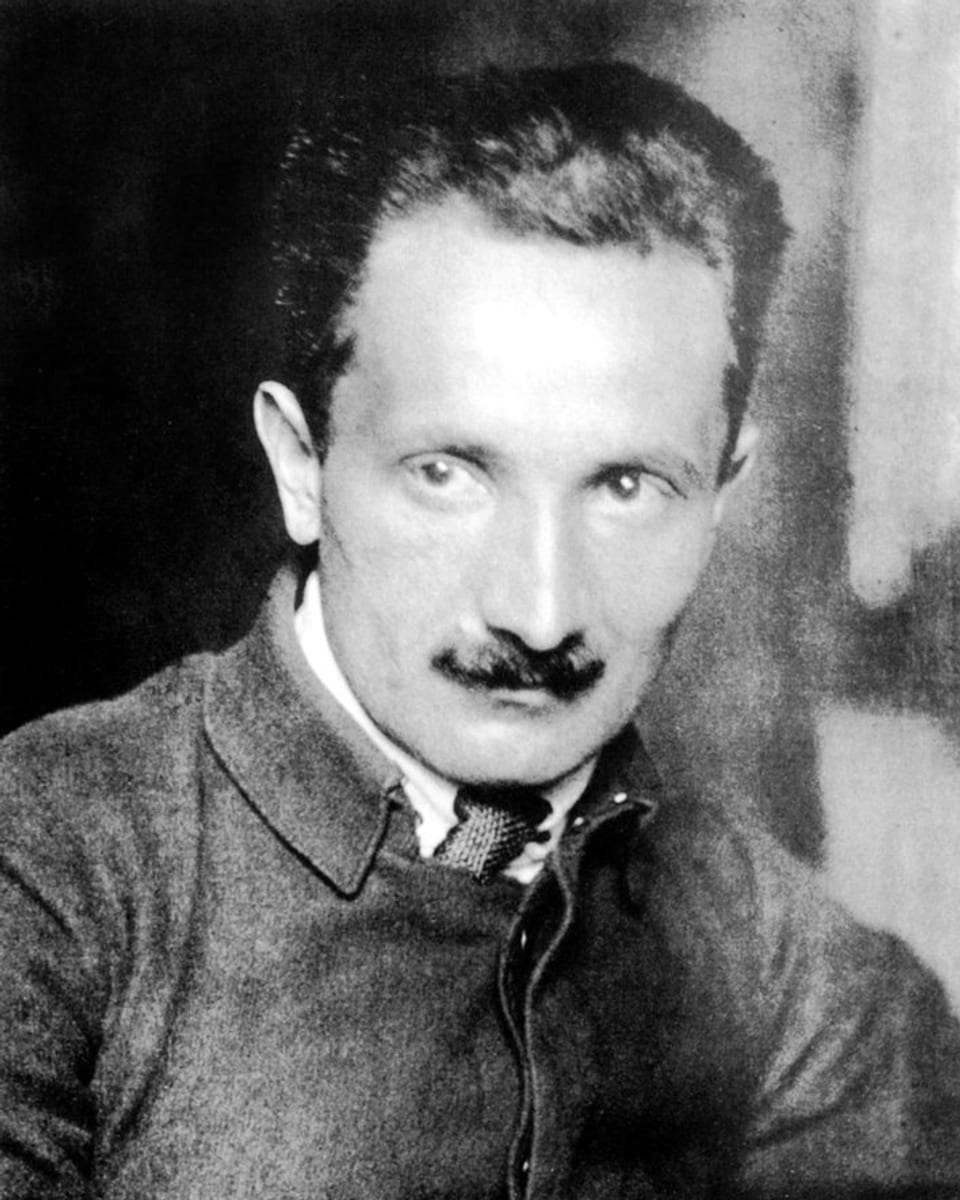
1889–1976
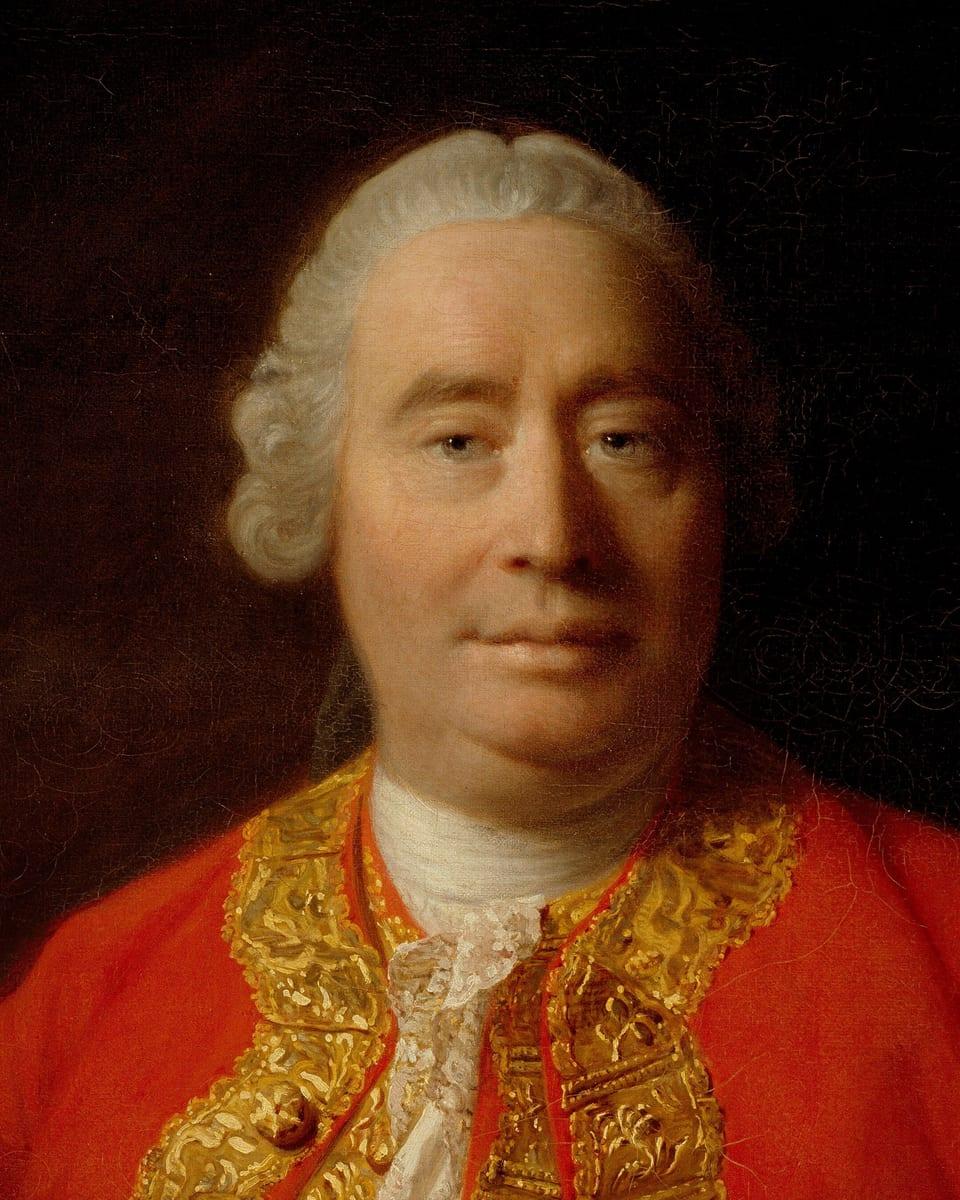
1711–1776
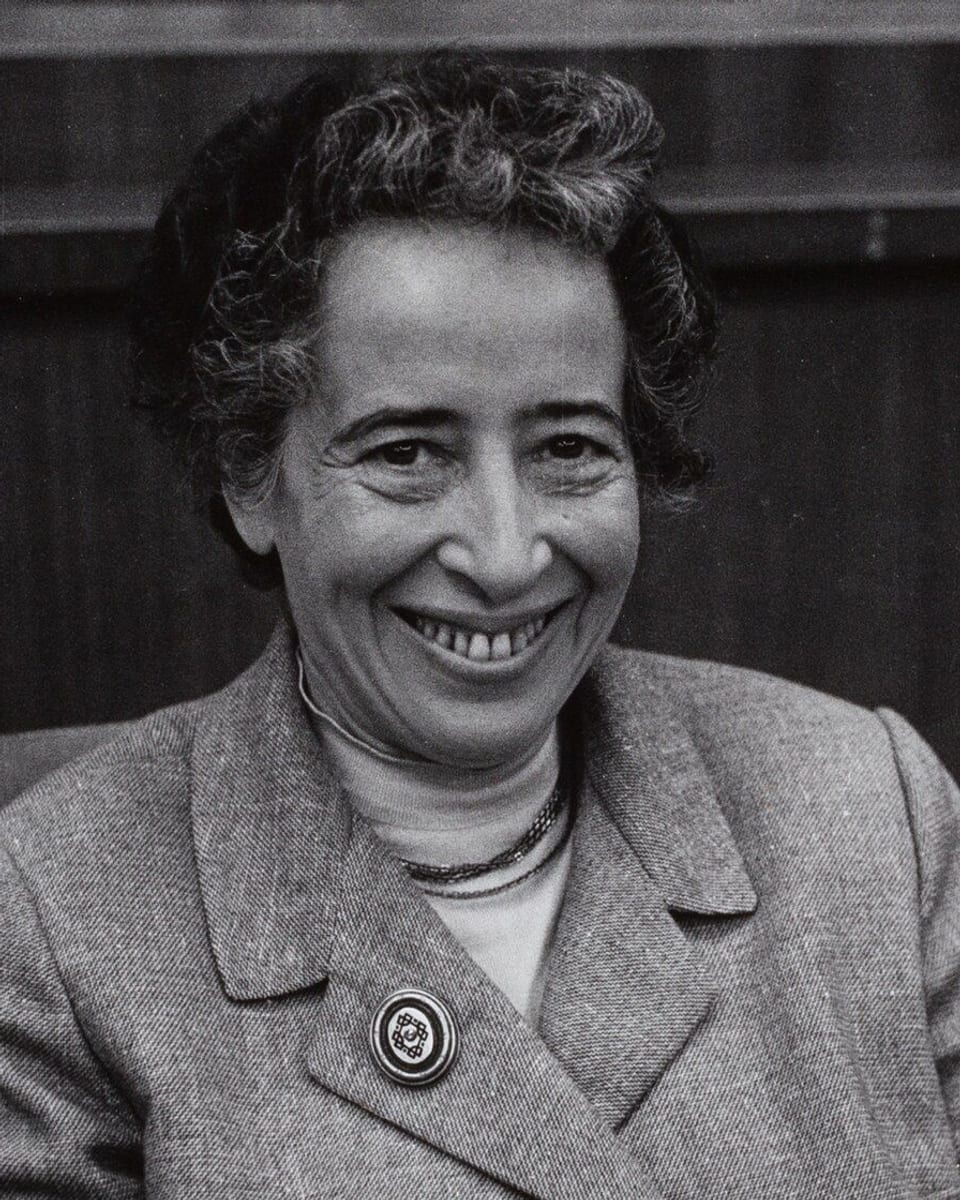
1906–1975
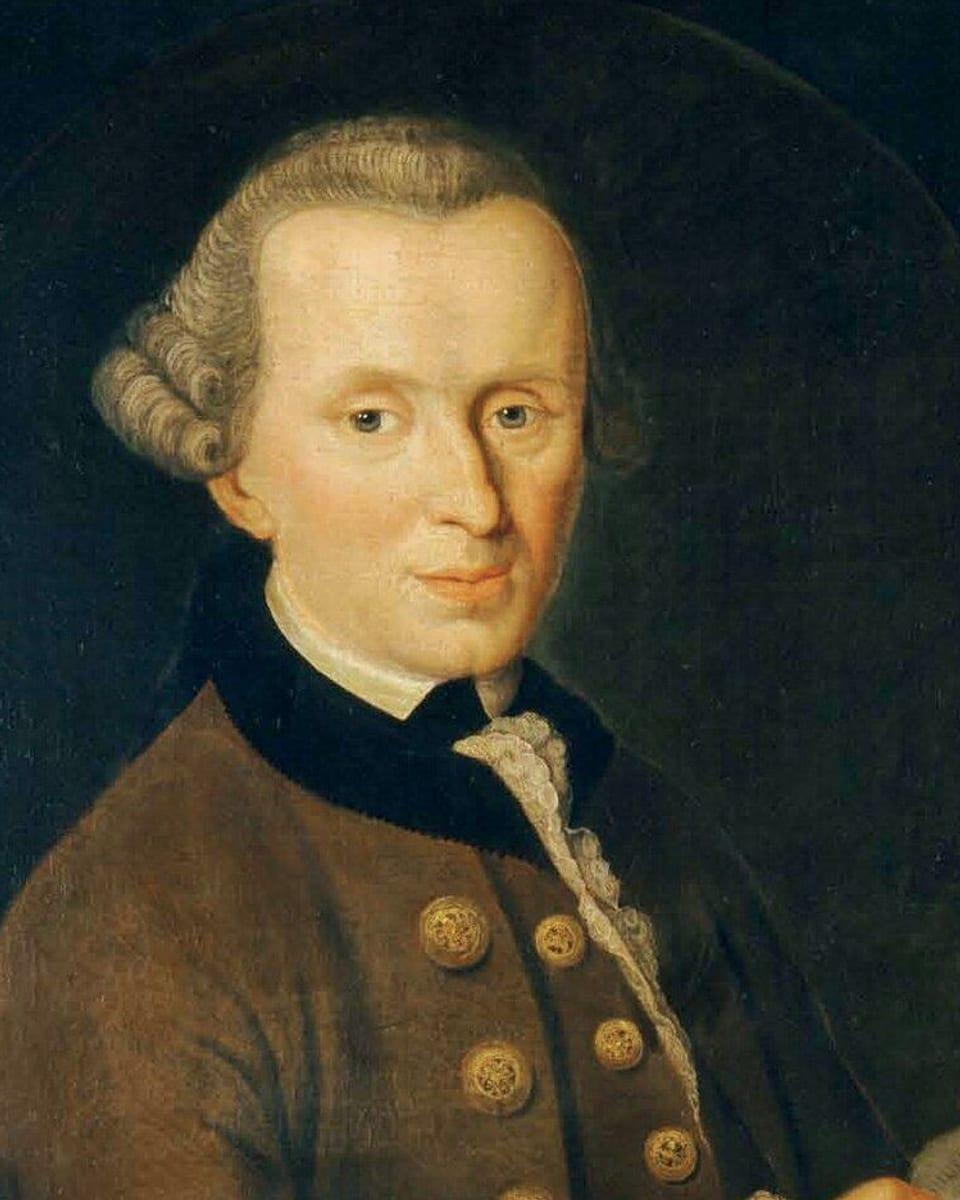
1724–1804
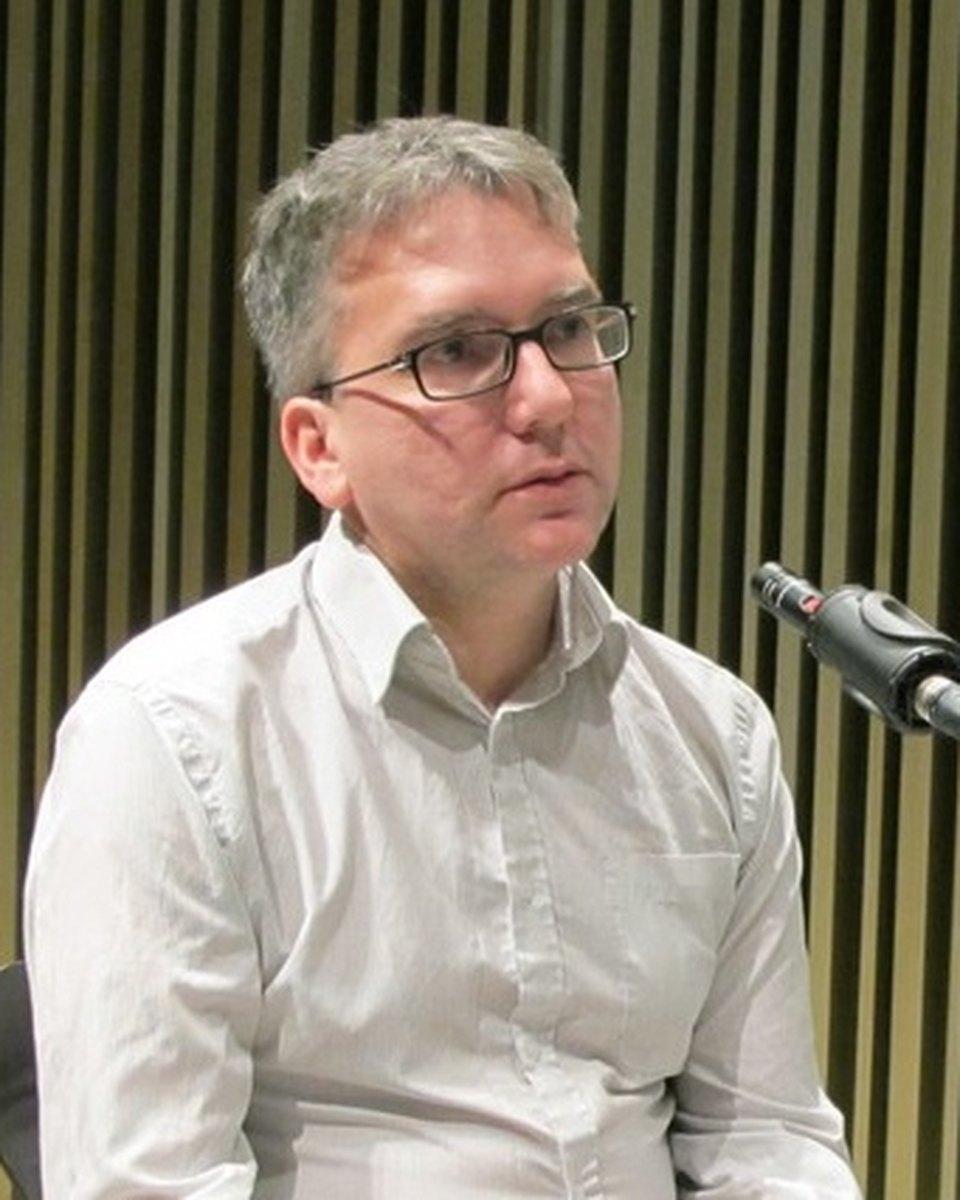
1968–2017
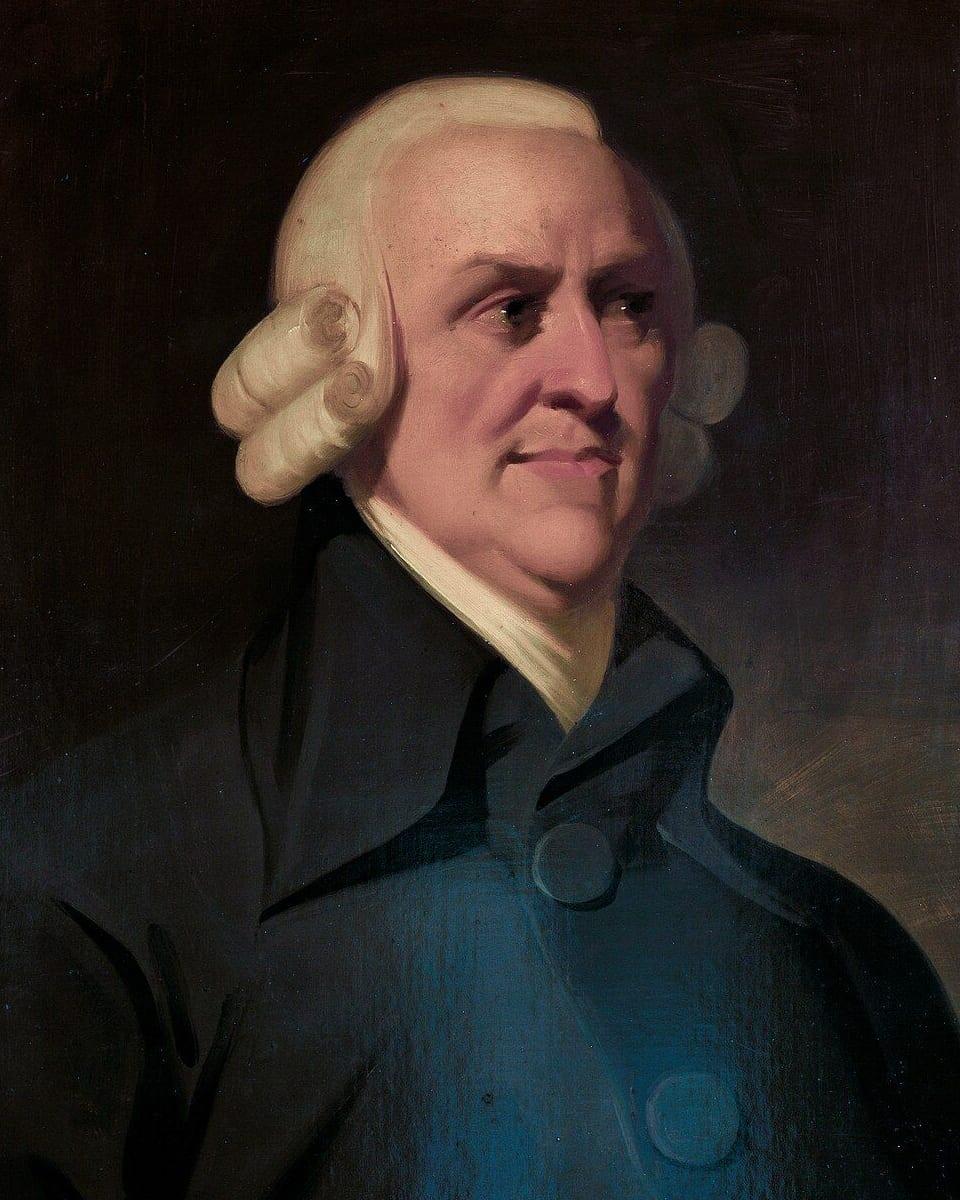
1723–1790