Political Philosophy
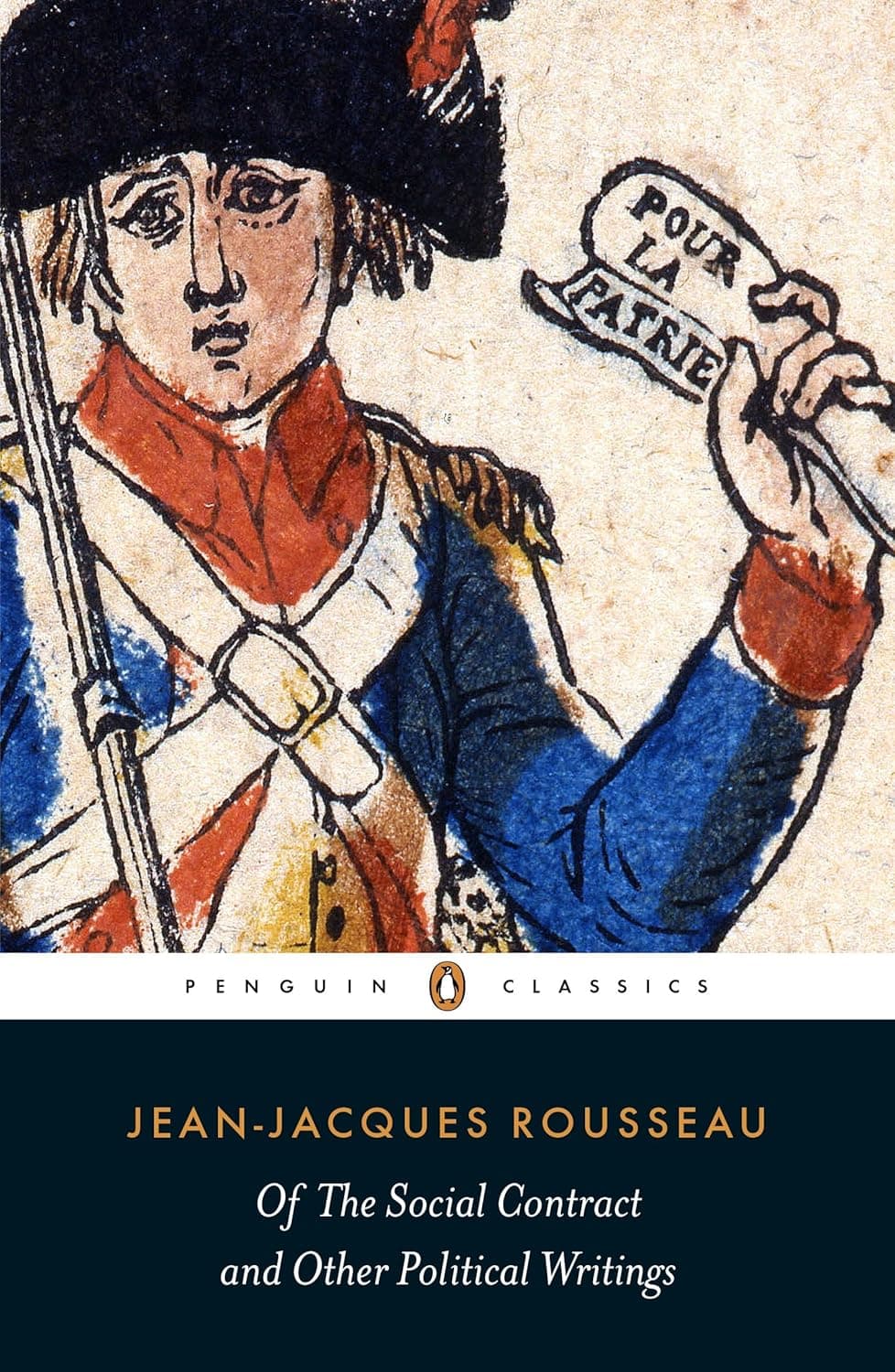
The Social Contract
by Jean-Jacques Rousseau
Rousseau's most influential political work, arguing that legitimate authority rests on a social contract reflecting the general will of the people.
Some links are affiliate links. Purchases help support the channel at no extra cost to you.
Episodes featuring this book
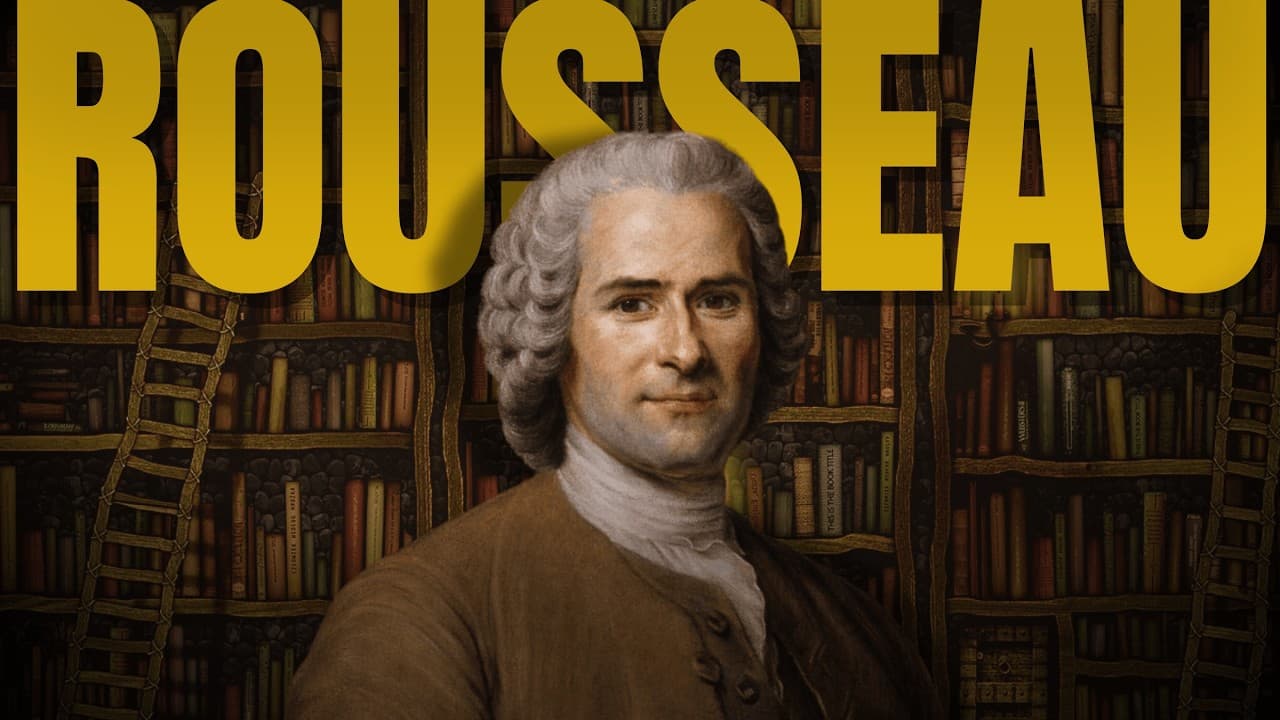
Society Made You Miserable | Rousseau's Complete Philosophy For Sleep
Rousseau's Complete Philosophy
What happens when a man looks at civilization and sees not progress, but a catastrophe? Jean-Jacques Rousseau believed that human beings were born free, compassionate, and whole, and that society had made them vain, competitive, and miserable. This three-hour episode traces Rousseau's life and philosophy from his youth as a wanderer through Savoy and Turin to his explosive arrival in Parisian intellectual life. We explore his first great provocation, that the arts and sciences had corrupted rather than improved us, and follow his thought through the Discourse on Inequality, The Social Contract, Emile, and the Confessions. Along the way, we examine his account of human nature, the psychology of amour-propre, his revolutionary ideas about education, his quarrels with Voltaire and the philosophes, his invention of modern autobiography, and his lasting influence on the French Revolution, Romanticism, and democratic theory. The full episode is on YouTube and Spotify. Please listen only in safe, restful contexts.
10 chapters7 sources
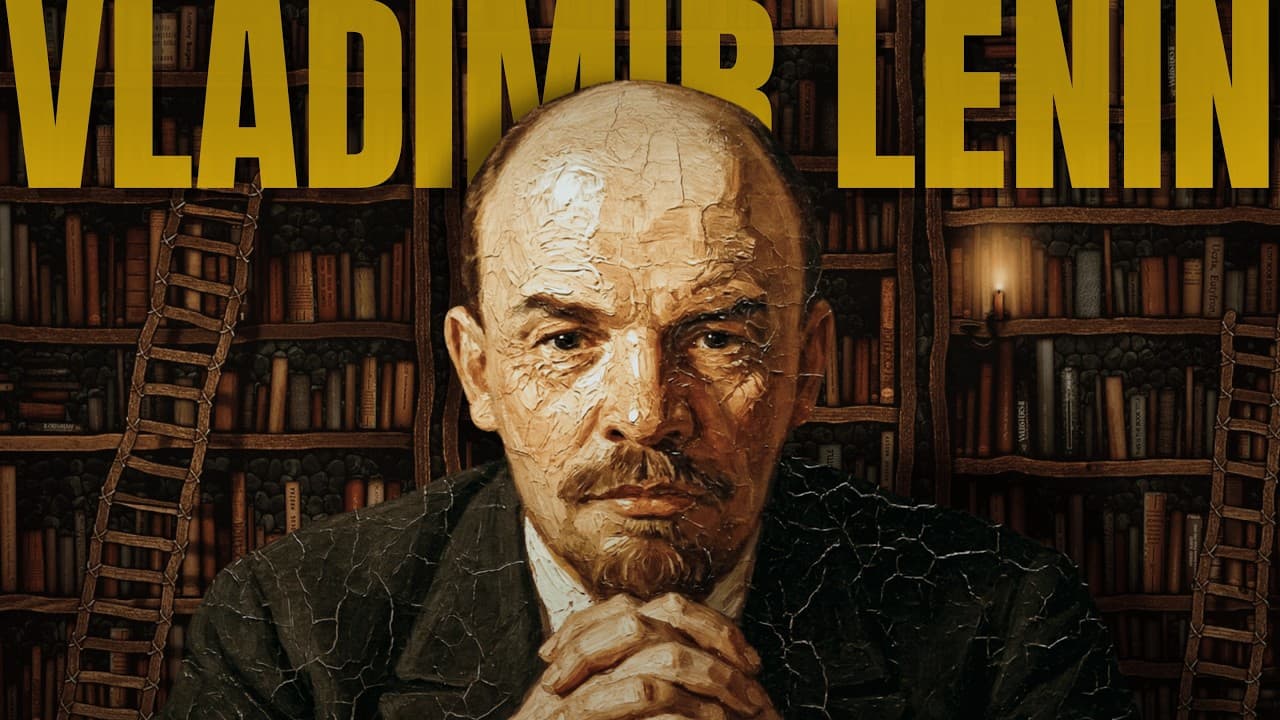
Why Revolution Needs a Vanguard | Lenin's Philosophy for Sleep
Complete Philosophy
Vladimir Lenin transformed Marxism from a theory of historical inevitability into a theory of revolutionary action, and in doing so reshaped the twentieth century. This episode traces his intellectual development from his provincial childhood in Simbirsk through the trauma of his brother's execution, his radicalization, and his years of exile and organizing. It covers his major works including What Is to Be Done?, Imperialism: The Highest Stage of Capitalism, and State and Revolution, examining key concepts such as the vanguard party, democratic centralism, and the dictatorship of the proletariat. The narrative follows the events of 1917 from the February Revolution through the October seizure of power, the Civil War, War Communism, the Red Terror, the Kronstadt rebellion, and the New Economic Policy. It concludes with Lenin's final struggle, his Testament warning against Stalin, and the long debate over his contested legacy. The full episode is on YouTube and Spotify. Please listen only in safe, restful contexts.
15 chapters19 sources
Capitalist Realism for Sleep
Why does capitalism feel inevitable even when its crises reveal how fragile it is? Mark Fisher's Capitalist Realism is a short, restless book about the strange feeling that capitalism is not merely dominant, but unavoidable. This episode follows Fisher's own sequence, from the futureless world of Children of Men and the performance of anti capitalism in Wall E, through the classroom where students experience reflexive impotence, the post Fordist demand for no long term, and the office where bureaucracy becomes a form of anti production. We then enter the book's dreamwork of changing realities, its Kafkaesque encounter with a centerless system, and its final proposal for a Marxist Supernanny who might restore public culture without restoring the old father. A quiet reading of one of the most vivid political books of the early twenty first century. The full episode is on YouTube and Spotify. Please listen only in safe, restful contexts.
7 chapters6 sources
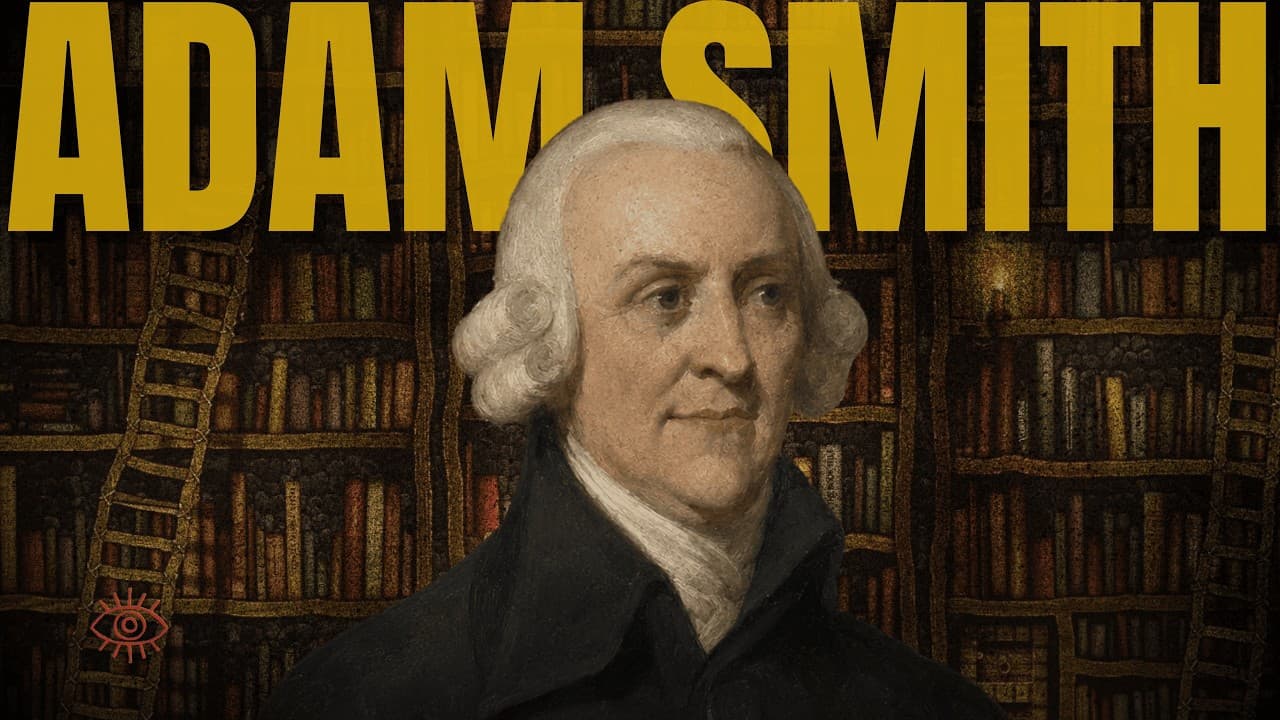
"Led by an Invisible Hand" | Adam Smith Complete Philosophy For Sleep
He wrote the book that built the modern world, then ordered everything else burned. Adam Smith spent his last days making sure most of his life's work went into the fire. What survived was enough to change the world. This episode follows the quiet son of a Scottish port town through the lecture halls of Glasgow, the salons of Paris, and the long silent decade in which he wrote the Wealth of Nations. Along the way it restores the half of Smith the modern world forgot, the moral philosopher of sympathy and conscience, the inventor of the impartial spectator, the friend who risked his reputation to defend a dying unbeliever, and the fierce critic of merchants, empires, and slavery. The invisible hand is here too, all three times Smith ever used it, read slowly and in context. Two great books, one unhurried story, told as a serious essay and paced for rest. The full episode is on YouTube and Spotify. Please listen only in safe, restful contexts.
22 chapters8 sources
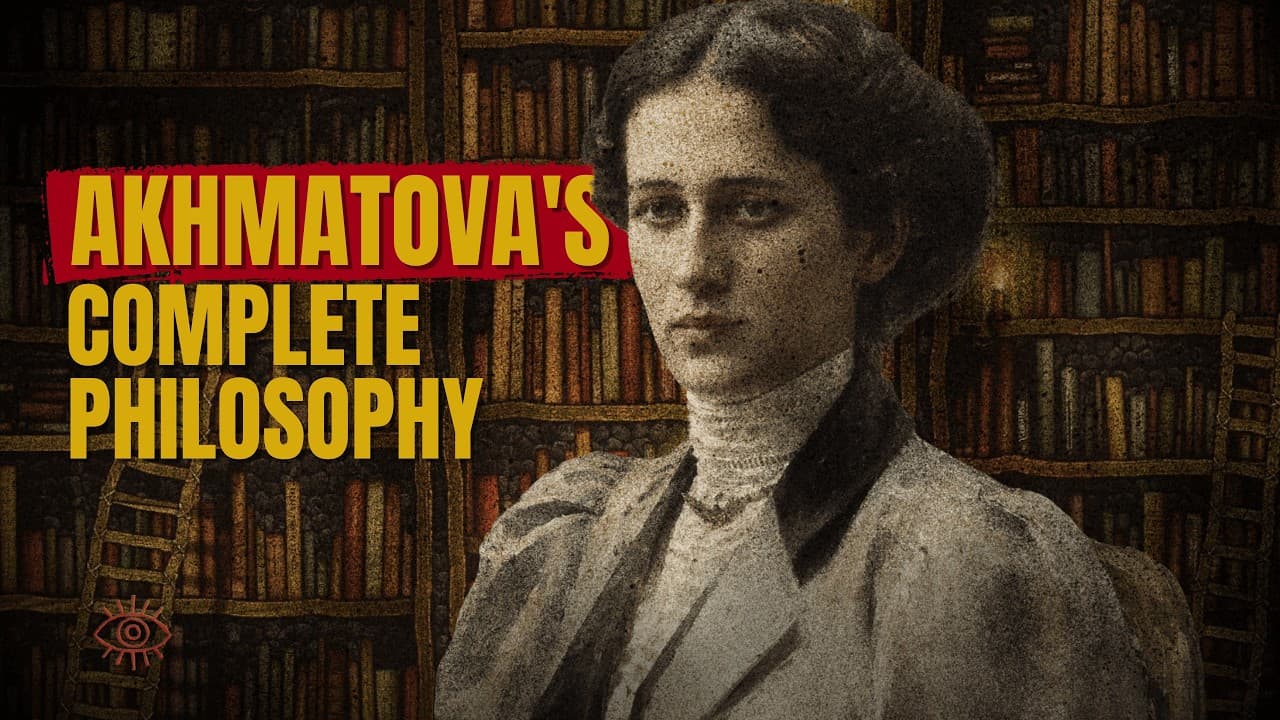
Anna Akhmatova on Poetry, Suffering and Survival | For Sleep
She answered terror with a poem too dangerous to write down, and the poem outlived the state that banned it. This episode follows Anna Akhmatova from a childhood in Pushkin's town outside Petersburg, through the cellar cabarets where a new Russian poetry was made, to the love lyrics that made her the most famous woman in Russian literature before she was thirty. Then the century turns. A husband is executed, a son is taken, and an unofficial ban erases her name from print for fifteen years. We trace how a banned poet composed her greatest work without ever writing it down, how a cycle of short poems became the memorial for a generation of the disappeared, and what it means to treat memory itself as a form of resistance. The episode ends among honors that arrived forty years late, a difficult masterpiece three decades in the making, and a bronze figure standing by a river, looking at a prison. The full episode is on YouTube and Spotify. Please listen only in safe, restful contexts.
23 chapters8 sources
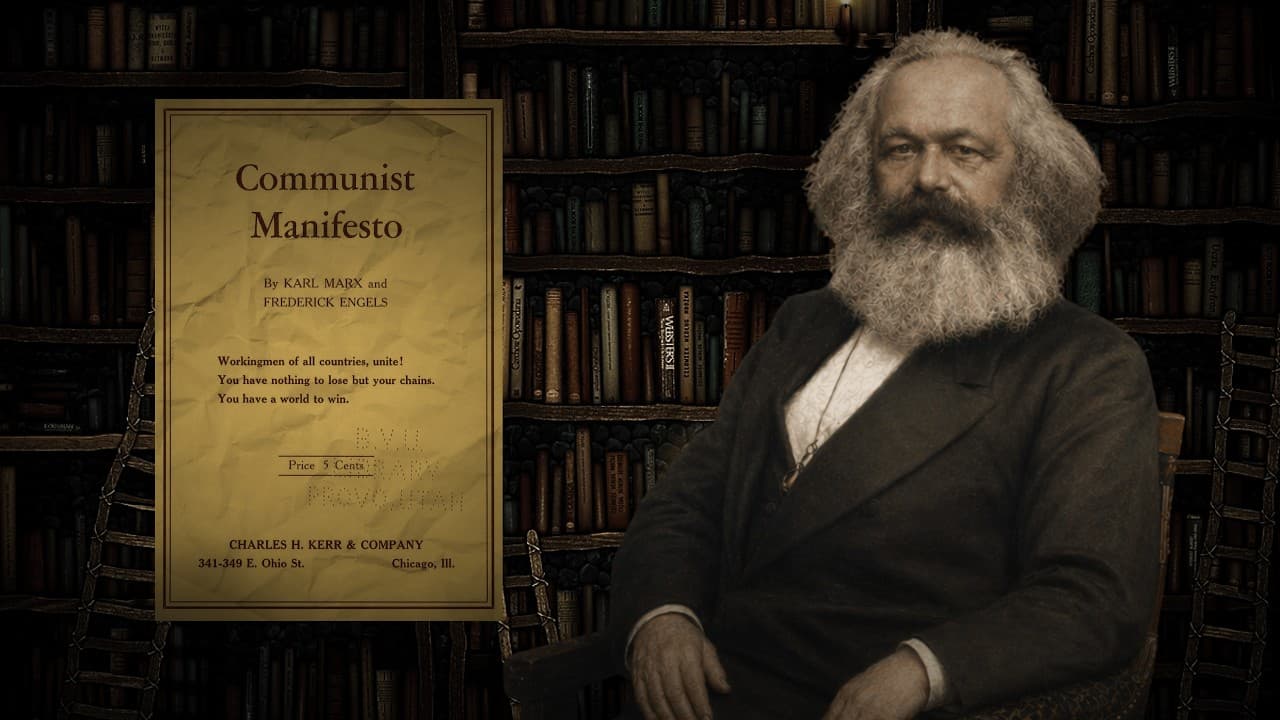
The Communist Manifesto by Marx and Engels | Book Summary
A note before we begin. This episode is from our Book Summary series, which is normally released weekly for channel members. We have unlocked this one for everyone. In the winter of eighteen forty-seven, Karl Marx and Friedrich Engels were commissioned by a small revolutionary organization to write a statement of communist principles. What they produced in a matter of weeks was something different and more ambitious: a compressed analysis of how capitalism works, why it produces the inequalities it does, and where the logic of its own development was leading. This episode moves through the Manifesto in full. We begin with Marx and Engels themselves, the world they came from and the intellectual formation that brought them together. We follow their argument through the history of class conflict, the extraordinary and self-defeating power of the bourgeoisie, the condition of the industrial working class, the communist program and the replies to its critics, and the sustained polemic against other socialisms of the era. We end with the life the Manifesto has lived since eighteen forty-eight, the movements it inspired, the states that claimed it, and the questions it posed that the world it described has not yet answered. The full episode is on YouTube and Spotify. Please listen only in safe, restful contexts.
7 chapters