Modern Philosophy
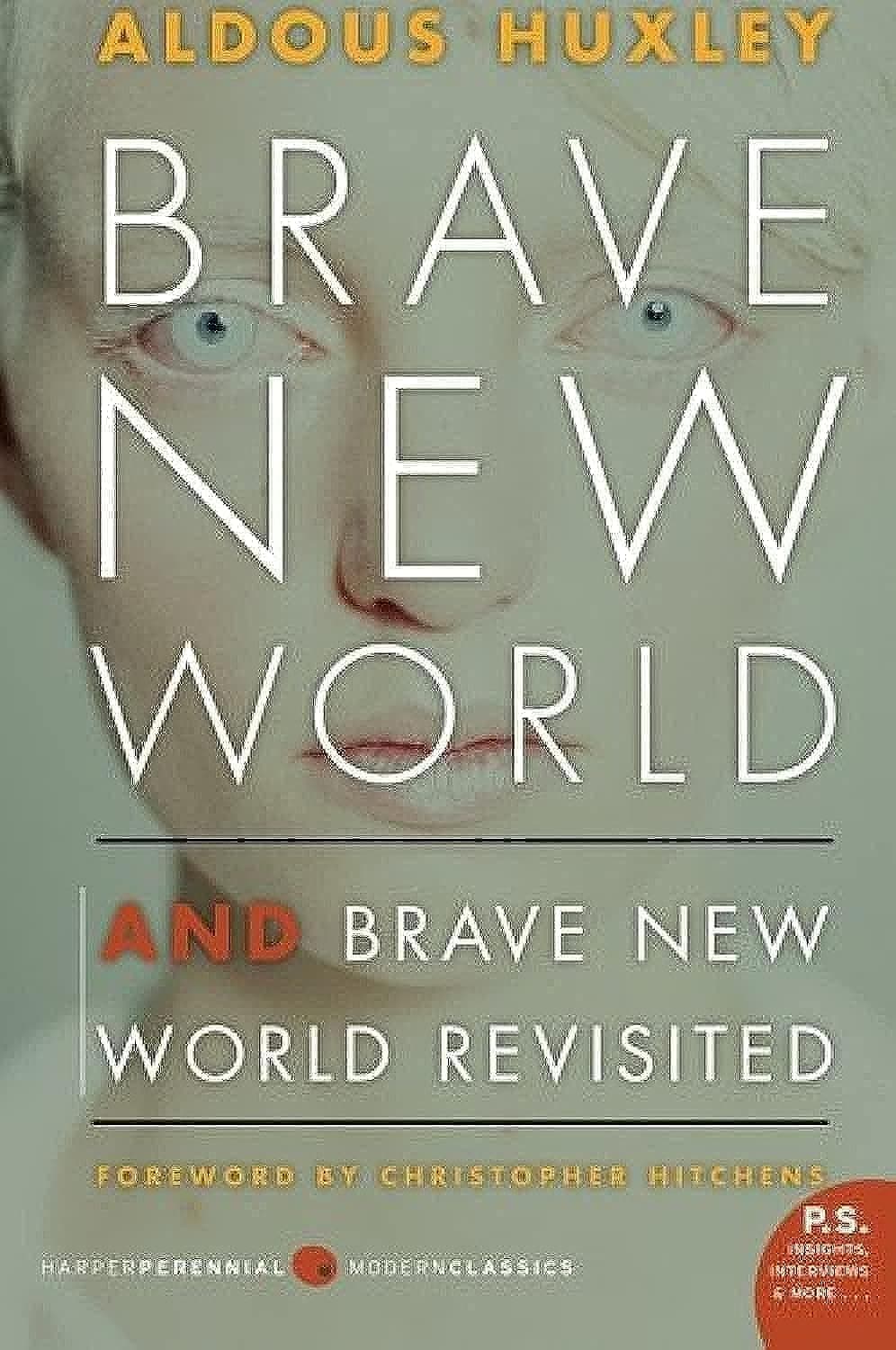
Brave New World
by Aldous Huxley(1932)
A novel about a future in which humanity has been engineered into permanent contentment. Huxley's argument is that the deepest threat to freedom is not coercion but comfort.
Some links are affiliate links. Purchases help support the channel at no extra cost to you.
Episodes featuring this book
Aldous Huxley | The Prophet Who Predicted Our Modern World
Aldous Huxley's Complete Philosophy
The real danger was never the boot on the face. The episode runs from the prophecy he delivered in Brave New World to the afternoon of his death in Los Angeles, on the day John F. Kennedy was shot. We follow him from Godalming to Eton, from the eye infection that nearly blinded him at sixteen to the satirical novels of the 1920s that made him the cleverest young writer in England. We enter Brave New World not as a plot to be summarized but as a philosophical argument about what humanity would sacrifice for comfort. We address, honestly, the famous comparison with Orwell, and ask which of the two prophets has turned out to be more accurate for the liberal democracies of the twenty-first century. We follow Huxley through his turn toward pacifism in the 1930s, his move to California, his long engagement with the mystical traditions of East and West in The Perennial Philosophy, his mescaline experience of 1953 and the argument of The Doors of Perception, and his strange, ambitious last novel Island. We close with the question he leaves behind: in a world that offers infinite comfort and infinite distraction, what happens to the human capacity for meaning? The full episode is on YouTube and Spotify. Please listen only in safe, restful contexts.
10 chapters7 sources
He Wrote About Himself for 20 Years and Described Us All | Montaigne
He locked himself in a tower to study one ordinary man, and ended up describing everyone who would ever read him. In fifteen seventy-one a French nobleman withdrew from public life to a round library at the top of a stone tower, and there, to tame his own restless mind, he began the strangest and most intimate book of its age. This is the story of Michel de Montaigne and the work he modestly called his attempts, the essays that invented a whole way of writing. We begin with his unusual life, the strange education, the one friendship that shaped everything, and the loss that turned him inward. From there the great themes of the book: his bottomless doubt and its gentle motto, his study of the ever-changing self, his hatred of cruelty in a country torn apart by religious war, his acceptance of the body and its pains, and the serene wisdom of his final years. Along the way we meet a mind that set out to know one person and ended by knowing everyone. The full episode is on YouTube and Spotify. Please listen only in safe, restful contexts.
15 chapters7 sources
No One Is Free Alone | Hegel and the Need to Be Seen
He lived through revolution, war, and the collapse of everything that had looked permanent, and insisted that reason was moving through all of it. Georg Wilhelm Friedrich Hegel was born into a modest world and rose, against long odds, to become the most commanding philosopher of his age, the last great thinker who dared to explain nearly everything as a single unfolding whole. We follow his diagnosis of a broken modern world and his lifelong search to make it whole again. We watch his ladder of consciousness rise rung by rung, the meeting of master and servant that would echo for two centuries, his forbidding logic, his vision of history as the slow growth of freedom, and his readings of art, of religion, and of the state. And we end with the storm that broke over his grave, and with the strange, patient wisdom of an owl that takes flight only at dusk. The full episode is on YouTube and Spotify. Please listen only in safe, restful contexts.
15 chapters7 sources
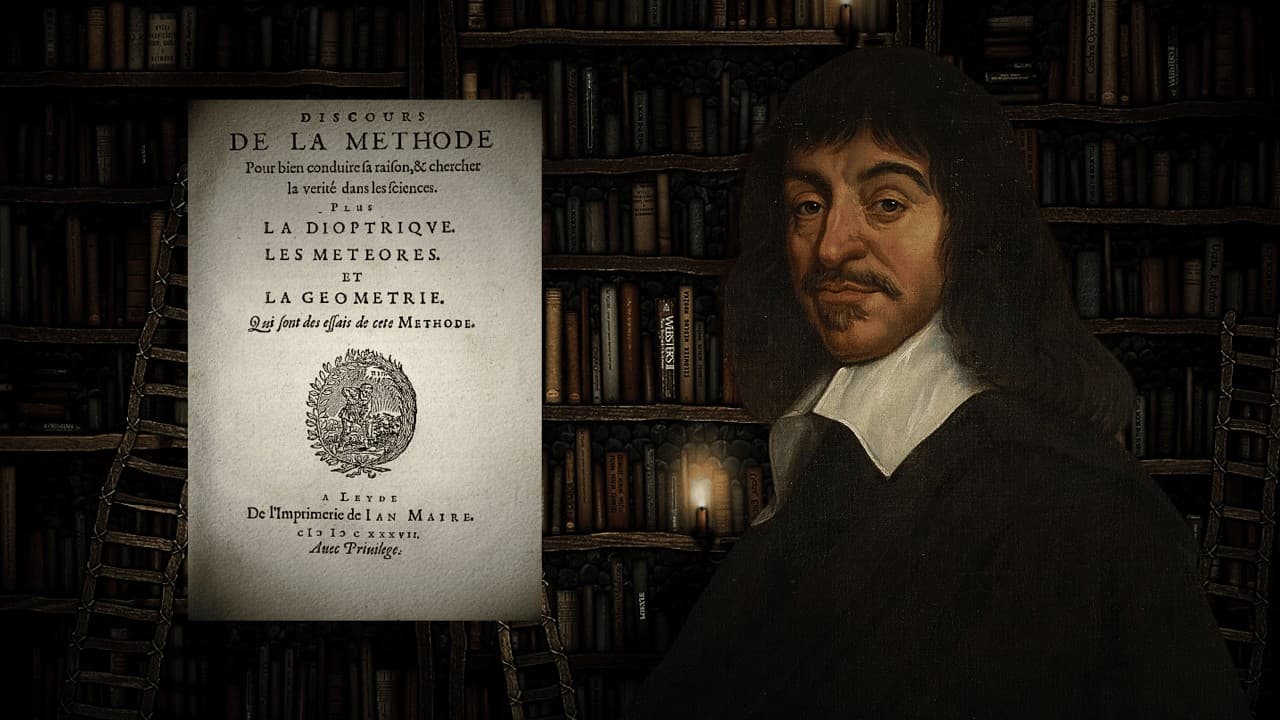
Rene Descartes's Discourse on the Method | Book Summary
A French philosopher in the Dutch Republic once wrote, in his own language, how he rebuilt knowledge from doubt. This episode walks listeners through the six parts of René Descartes's Discourse on the Method, published in sixteen thirty-seven. It opens with the Dutch years in which the book was composed and the decision to withhold the larger physics Descartes had prepared. It then follows him through his disappointment with the learning of the schools, into the winter room where he framed his four rules of method, past the provisional morality that let him keep living while he doubted, into the short philosophical chapter that contains I think therefore I am, and out into the treatment of the body as a machine. The episode closes with his appeal to readers and his quiet hope for the long collaborative work of science. The full episode is on YouTube and Spotify. Please listen only in safe, restful contexts.
7 chapters6 sources
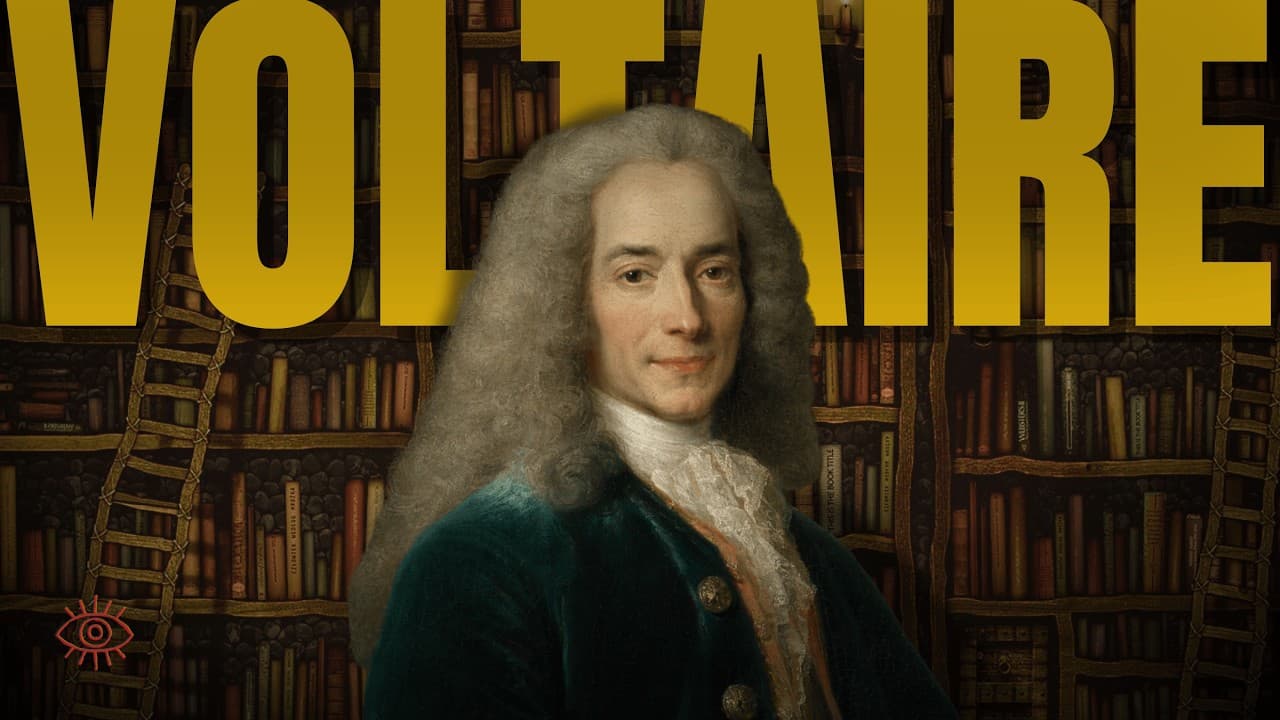
The Writer Who Helped Start a Revolution | Voltaire for Sleep
Enlightenment, Candide, and the War on Fanaticism for Deep Sleep
He wrote twenty thousand letters and made half of Europe afraid of him. Francois Marie Arouet, known as Voltaire, was the most famous writer in eighteenth century Europe and the most devastating enemy of fanaticism, superstition, and cruelty that the French language has ever produced. We follow him from his birth in Paris in 1694, through two imprisonments in the Bastille, through his three year exile in England and his discovery of Newton and Locke, through the Lisbon earthquake that destroyed his patience with Leibnizian optimism, through the writing of Candide, through the Calas affair, through the founding of the town of Ferney, through the Philosophical Dictionary, and finally through his triumphant return to Paris in 1778, where he died surrounded by the city that had once exiled him. The full episode is on YouTube and Spotify. Please listen only in safe, restful contexts.
10 chapters5 sources
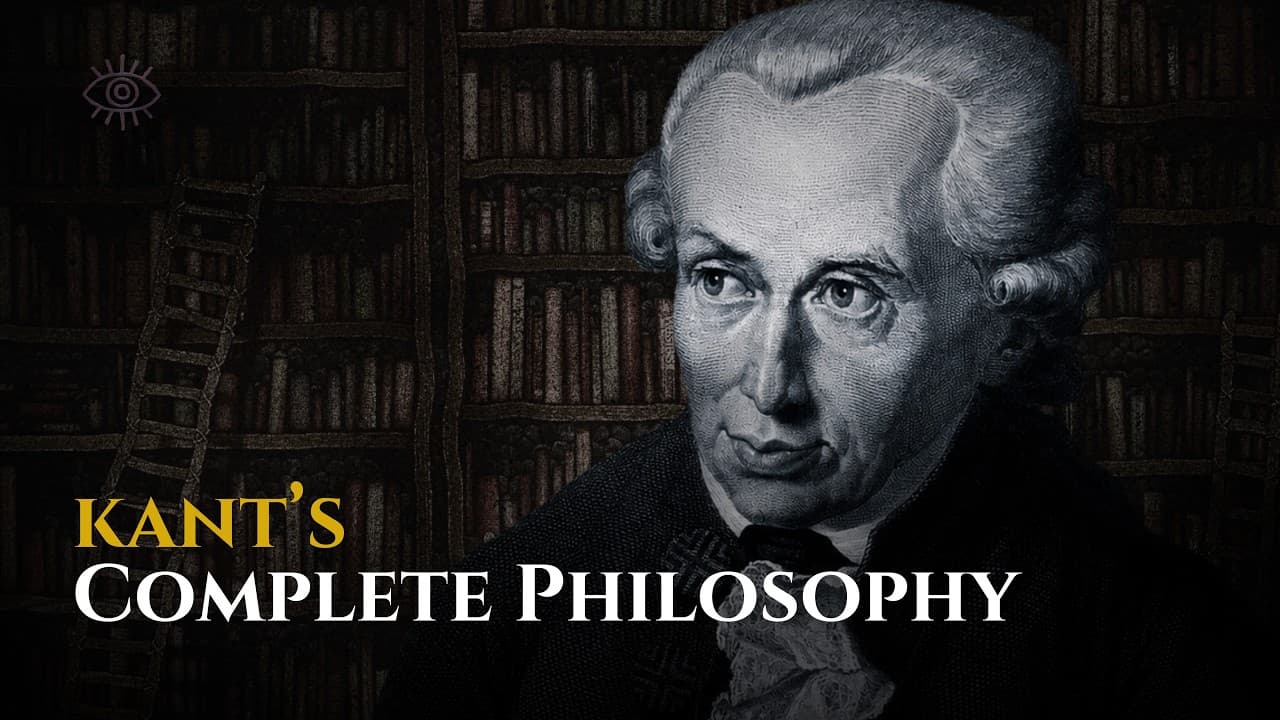
You Can Never See Reality as It Is | Kant's Philosophy for Sleep
Kant's Complete Philosophy
There is a wall between you and reality. You did not build it. You cannot remove it. It is the structure of your own mind. We follow Kant from his daily walk through the streets of Konigsberg, where neighbors set their clocks by his passing, to a body of work that reshaped every discipline it touched. We explore the crisis that shattered his faith in rationalist metaphysics and the decade of silence that followed. We unpack his Copernican revolution in thought, the claim that the mind does not passively receive the world but actively constructs it. We follow him through the Critique of Pure Reason and the architecture of transcendental idealism, through the thing in itself and the boundaries of human knowledge, through the categorical imperative and his account of morality as rational self-legislation, through the demolition of every classical proof of God's existence and the construction of a moral faith to take their place. We examine his philosophy of beauty and the sublime. And we end where Kant ended, with the starry heavens above and the moral law within. The full episode is on YouTube and Spotify. Please listen only in safe, restful contexts.
10 chapters13 sources