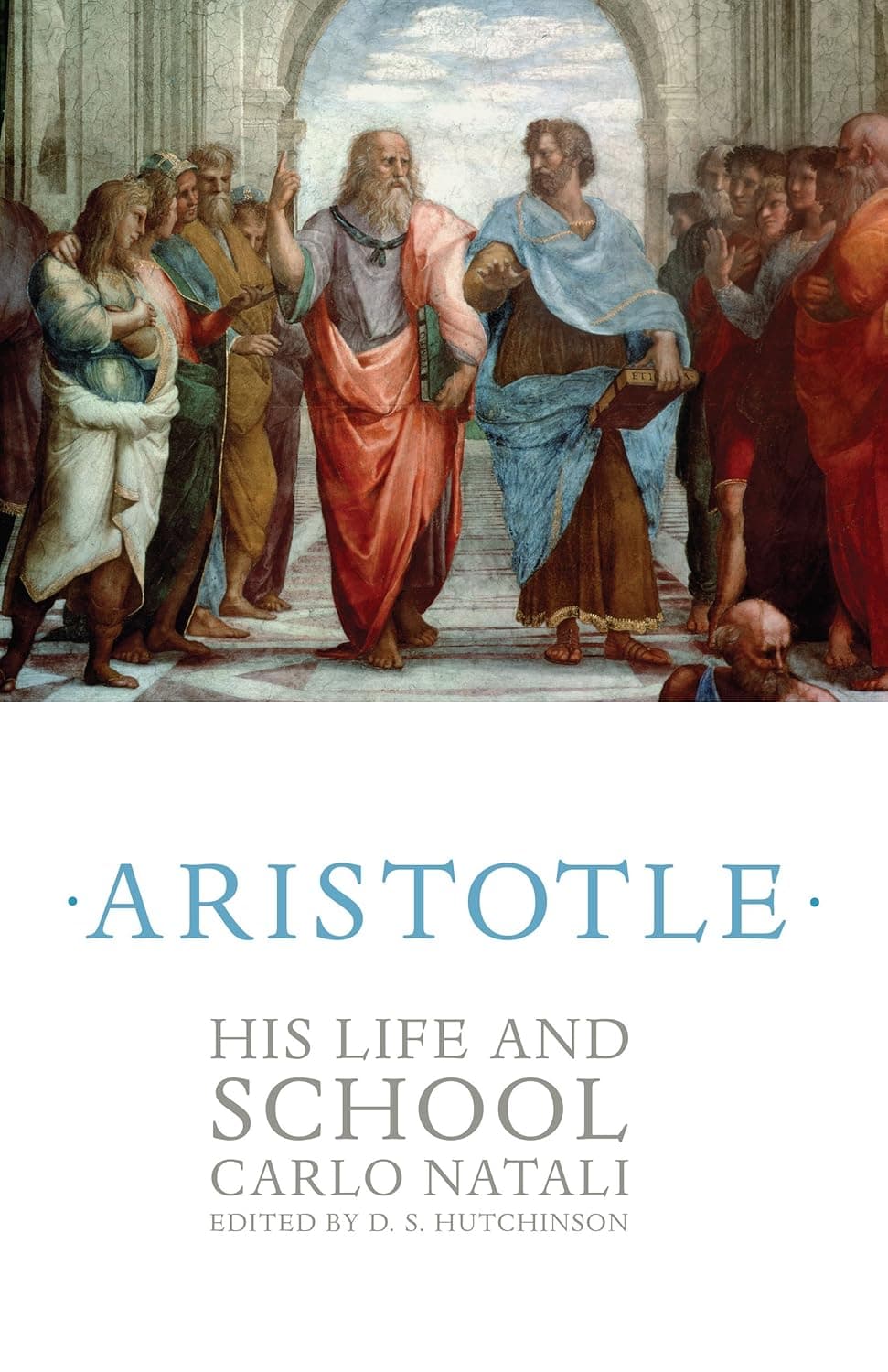
Episodes featuring this book
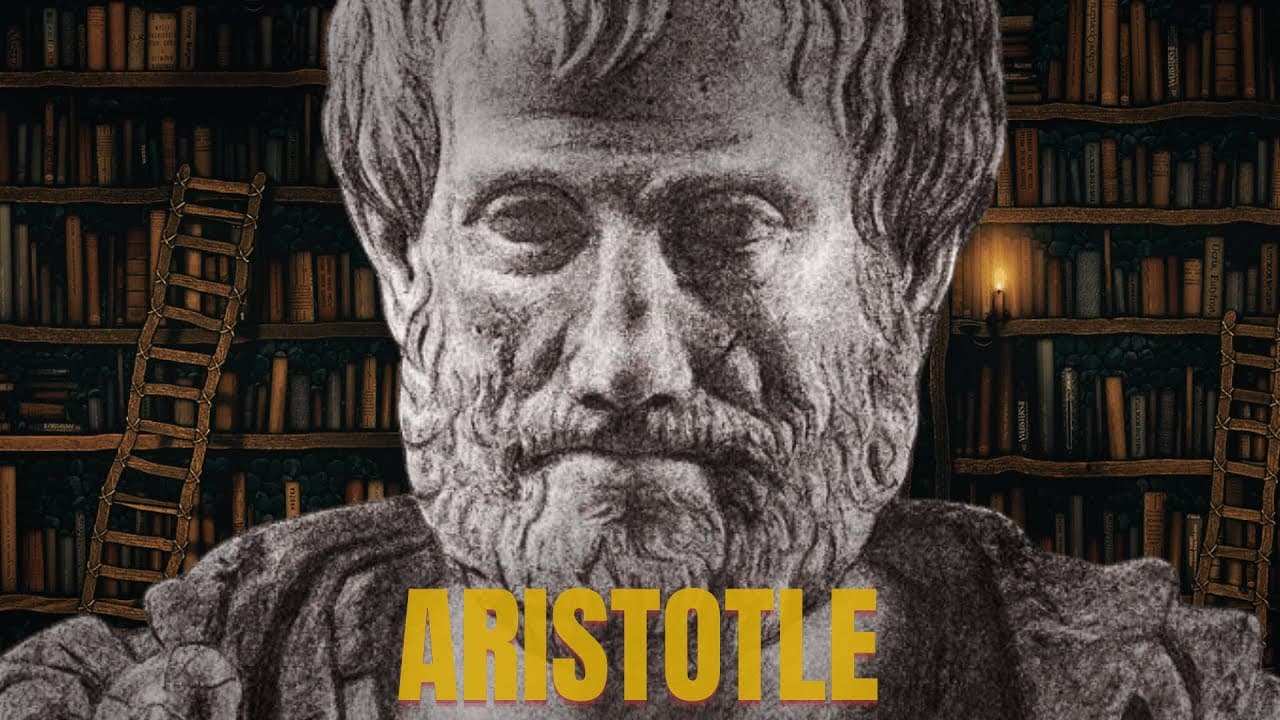
From Logic to Ethics | Aristotle's Complete Philosophy
Aristotle's Complete Philosophy
Aristotle spent twenty years studying under Plato, then walked away and built a rival system that would dominate Western thought for two millennia. This episode traces his life from the court physician's son in Stagira, through the Academy, his years tutoring Alexander the Great, and the founding of the Lyceum in Athens. It examines his major contributions across logic, metaphysics, ethics, politics, and poetics: the categories of being, hylomorphism, the four causes, the unmoved mover, the function argument, eudaimonia as the highest good, the doctrine of the mean, practical wisdom, and the vision of the good life laid out in the Nicomachean Ethics. Dante called him the Master of Those Who Know, and for centuries no one in the Western or Islamic world could think seriously about the world without first thinking through Aristotle. The full episode is on YouTube and Spotify. Please listen only in safe, restful contexts.
17 chapters10 sources
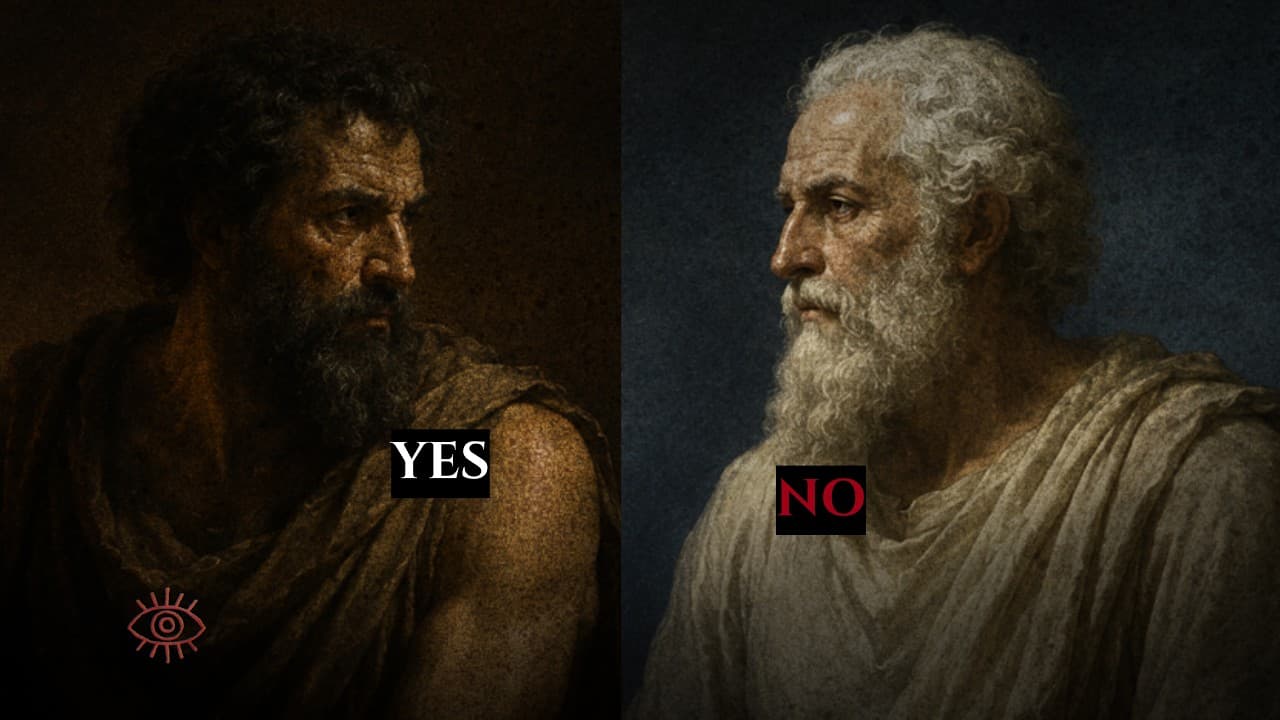
Is Change Real? | Heraclitus vs Parmenides | Philosophy for Sleep
Two Greeks at opposite edges of the ancient world gave opposite answers to the same question, and nearly every philosopher since has stood somewhere between them. This episode follows the quarrel from its beginning. We meet Heraclitus, the lonely riddler of Ephesus who hid his one book in a temple and taught that everything flows, that the world is a river and a living fire held in tune by a hidden measure. We cross the sea to meet Parmenides, the calm lawgiver of the Greek west who used pure reason to argue that change is impossible, and that whatever truly is must stand motionless and one. We follow their collision through the famous paradoxes of Zeno, through Plato's daring attempt to give each thinker a world of his own, through Aristotle's quieter answer, and into our own age, where the same argument lives on in physics and in the felt passing of time. It is a walk through the two deepest things we feel: that everything changes, and that nothing is ever truly lost. The full episode is on YouTube and Spotify. Please listen only in safe, restful contexts.
15 chapters7 sources
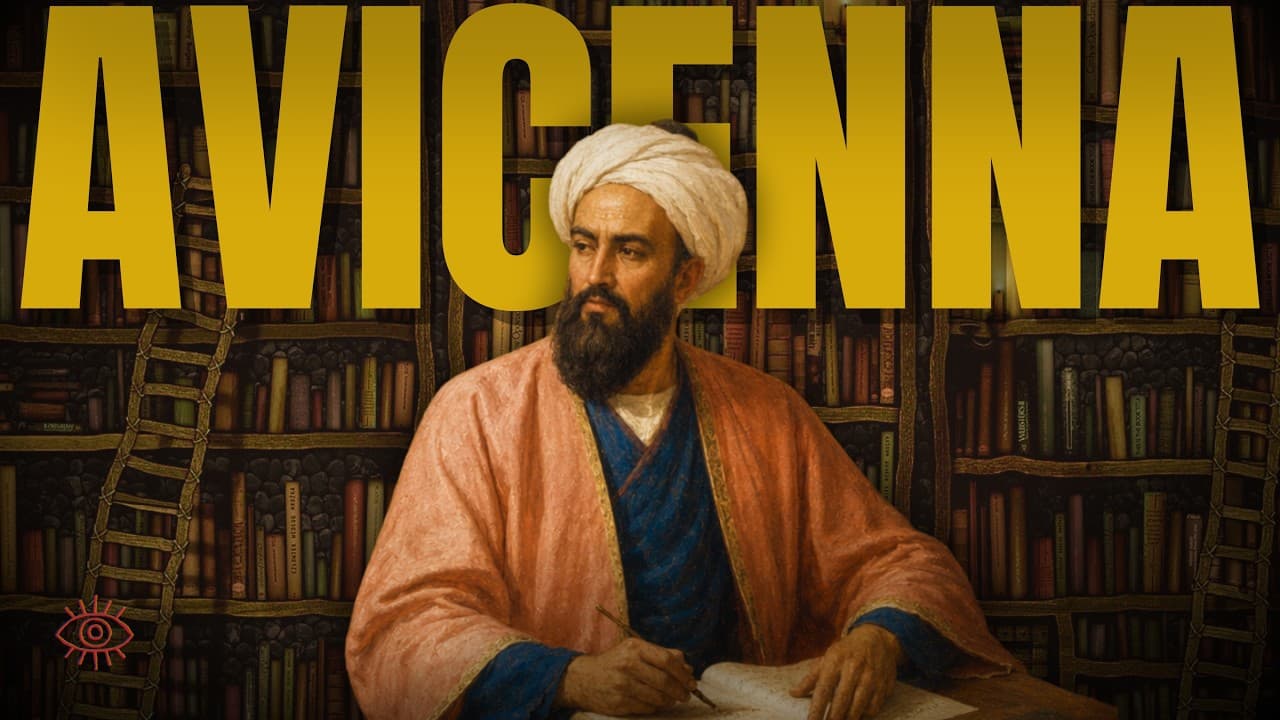
The Philosopher Who United Greek Thought and Islam | Avicenna for Sleep
Avicenna's Complete Philosophy
How did a physician writing by lamplight in a mountain fortress come to shape five centuries of world philosophy? The philosopher who called himself Avicenna was born in nine hundred and eighty near Bukhara, memorized the Quran at ten, read Aristotle's Metaphysics forty times, and then built a philosophical system so comprehensive that it became, in two separate civilizations, the foundation on which later thought was constructed. This episode traces his life from the Samanid libraries of his childhood through the courts and prisons of his middle years to the final synthesis he achieved in Isfahan. We work through his great philosophical encyclopedia, his proof that a necessary being must exist, his famous thought experiment about a soul floating in empty space with no sensory contact of any kind, his account of the inner faculties of the mind, his theory of how prophetic knowledge works, and the three allegorical works that say what the philosophy cannot quite say in argument. We follow his ideas into the Latin West, where Thomas Aquinas read and transformed them, and through the Islamic tradition, where Suhrawardi and Mulla Sadra built new philosophies on his foundations. One of the great minds of any civilization, examined at full length. The full episode is on YouTube and Spotify. Please listen only in safe, restful contexts.
25 chapters3 sources
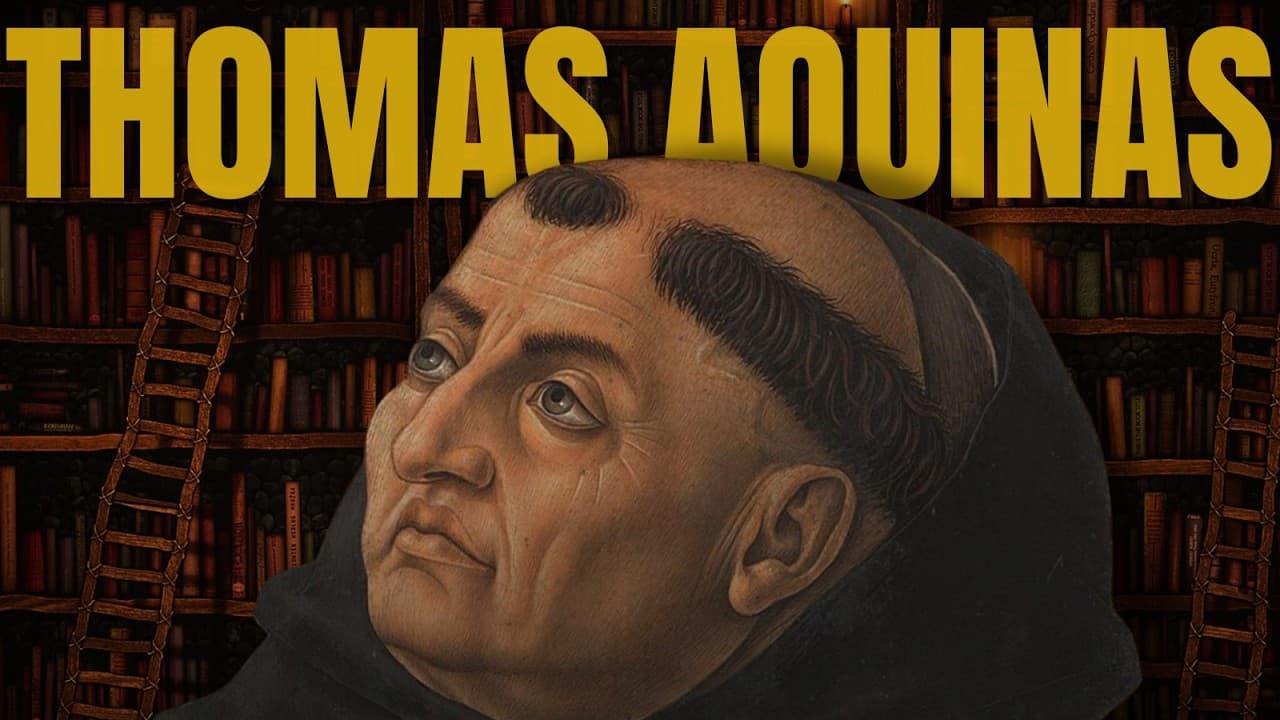
The Saint Who Made Aristotle Christian | All of Thomas Aquinas's Philosophy Explained
All of Thomas Aquinas's Philosophy Explained
Thomas Aquinas synthesized Aristotelian philosophy with Christian theology to build one of the most comprehensive intellectual systems in Western history. This episode follows his life from his childhood at Roccasecca through his defiance of family opposition to join the Dominican order, his studies under Albertus Magnus, and his career at the University of Paris. It examines his masterwork the Summa Theologica in depth, including the Five Ways of proving God's existence, his metaphysics of being and existence, divine simplicity, natural law ethics, the theory of virtue, and his understanding of grace. The story concludes with his mystical vision of December 1273, when he declared all his writings to be straw, and the long arc of his legacy from condemnation to canonization to the modern Thomistic revival. The full episode is on YouTube and Spotify. Please listen only in safe, restful contexts.
20 chapters4 sources
The Odyssey Explained: The Full Story and What It Really Means | For Sleep
A man is offered immortality by a goddess, and turns it down in order to go home. Beginning with that refusal, then entering the mystery of Homer and the firelit halls where singers carried the poem in memory, this longform episode follows Odysseus through the great trials of his return. It explores the dangerous power of names, the guest law, the cost of knowledge, the voices of the dead, and the fragile line between justice and revenge. Along the way, Penelope emerges as the wanderer's intellectual equal, while the scar, the bow, the orchard, and the bed rooted in a living olive tree reveal how recognition survives disguise and time. The oldest questions remain unchanged. What makes a finite life worth choosing, what do we owe a stranger, and can anyone return to a home altered by absence. The closing movement follows the Odyssey through Dante, Tennyson, and Joyce, showing how every age remakes the wanderer in its own image. The full episode is on YouTube and Spotify. Please listen only in safe, restful contexts.
16 chapters8 sources
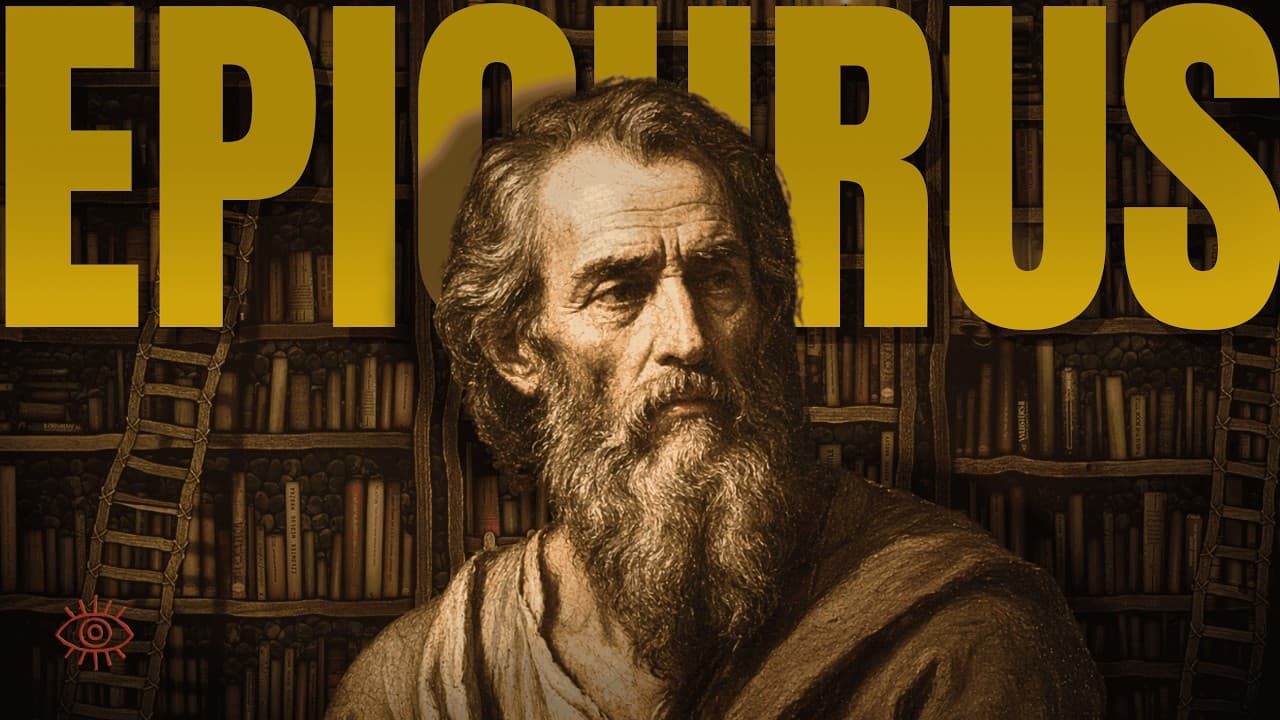
Epicurus Was Not a Hedonist | Pleasure, Death and Fear for Sleep
The Real Philosophy of Pleasure, Death, and Fear for Sleep
Almost everyone has Epicurus wrong. The word "epicurean" has come to mean indulgence, luxury, and fine dining, but the real philosophy is almost the opposite: a quiet life, simple food, trusted friends, and freedom from fear. It begins with a displaced young man on the island of Samos and ends with a philosophy that twenty-three centuries of persecution could not destroy. We explore his radical atomism, his argument that the gods do not care about human affairs, his claim that death is nothing to us, the most misunderstood concept in the history of philosophy (Epicurean pleasure as tranquility, ataraxia), the tetrapharmakos, the Garden as a community that admitted women and slaves as philosophical equals, and the survival of his ideas through Lucretius. We ask the question Epicurus leaves behind: what would it actually look like to live without fear? The full episode is on YouTube and Spotify. Please listen only in safe, restful contexts.
10 chapters6 sources