Ethics
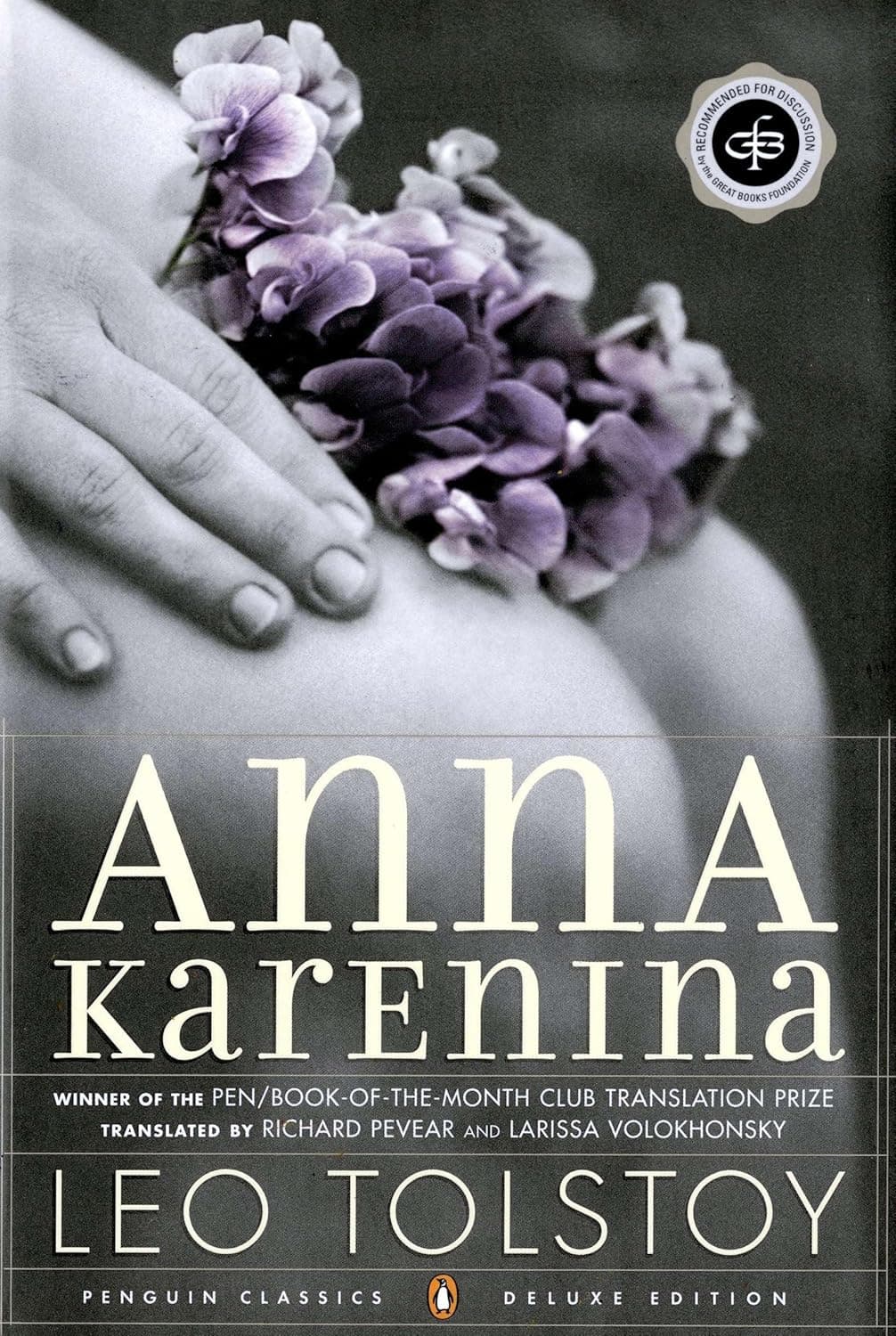
Anna Karenina
by Leo Tolstoy(1877)
Tolstoy's epic novel of love, family, and society in imperial Russia, exploring the tension between passion and moral duty with unmatched psychological depth.
Some links are affiliate links. Purchases help support the channel at no extra cost to you.
Episodes featuring this book
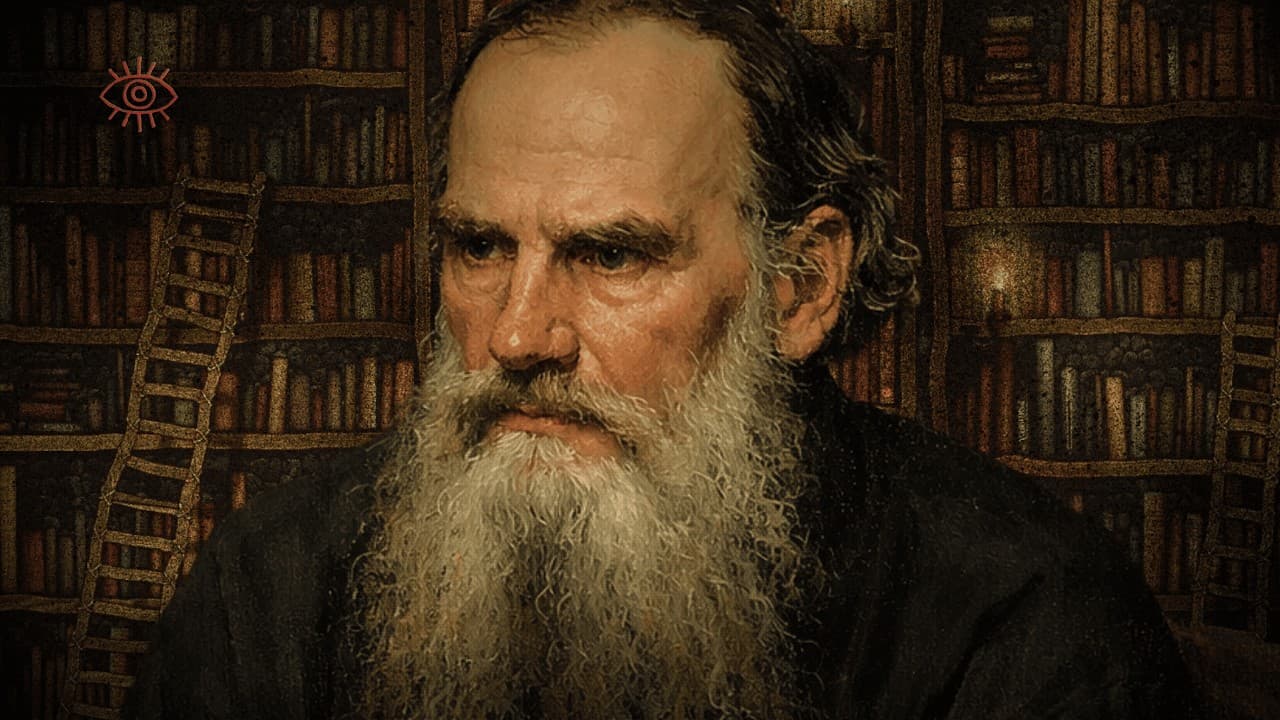
When Philosophy Failed Him, Tolstoy Found the Answer in the Gospels
Leo Tolstoy's Complete Philosophy for Sleep
Leo Tolstoy was born on a vast Russian estate in 1828, a place of quiet and privilege that would shape everything he became and everything he later sought to destroy. He wrote two of the greatest novels in any language: War and Peace, which dismantled the myth of great men by showing that history is made by the countless small decisions of ordinary people, and Anna Karenina, which asked whether passion alone could ever carry a life. But his novels were only the beginning. In his fifties, the foundations of meaning collapsed beneath him entirely, and he turned to the Gospels with genuine seriousness for the first time. What he found there was not a theology but a practice: nonresistance to evil, love without exception, simplicity, and labor. These teachings cost him his marriage, his comfort, and his standing in the Orthodox Church, which excommunicated him in 1901. They also inspired Gandhi and Martin Luther King Jr., who built movements on the same tradition Tolstoy began. The full episode is on YouTube and Spotify. Please listen only in safe, restful contexts.
10 chapters8 sources
When Life Suddenly Feels Meaningless | The Existential Crisis
Why do people who have everything still wake at three in the morning certain that none of it means anything? This is a long, unhurried history of the moment the floor of ordinary life gives way. It begins with a celebrated novelist who, at the height of his fame and fortune, quietly hid a rope from himself, and from that single human crisis it opens outward across the centuries. We follow the confrontation with meaninglessness through the oldest scriptures and the calm arguments of antiquity, through a believer terrified by an infinite and silent cosmos, through the philosopher of endless striving, and into the thinkers who made this dread the very center of their work. We sit with the death of God, with radical freedom, with the absurd, with a survivor who found a reason to endure the unendurable, and with a tradition that meets the void by loosening its grip on the self. The episode closes not with a tidy answer but with the quiet question of how a person comes back to life. The full episode is on YouTube and Spotify. Please listen only in safe, restful contexts.
22 chapters8 sources
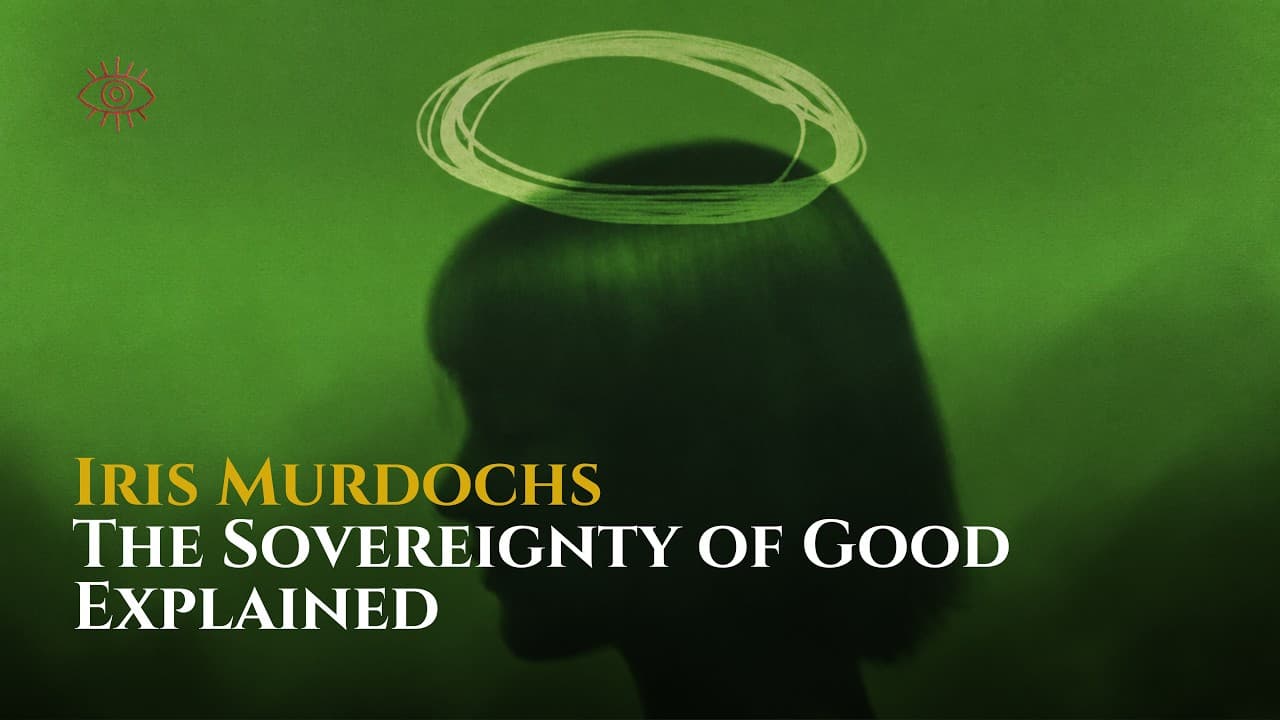
Beyond the Empty Will | Murdoch and Moral Vision
Iris Murdoch finds moral freedom in the patient work of seeing reality beyond the self. This episode follows The Sovereignty of Good as a triptych of moral inquiry. It begins with the inner change that occurs when a person learns to see another more justly, even without any outward action. It then follows Murdoch's account of prayer, Freud, grace, and the possibility of retaining moral transcendence after the traditional idea of God has faded. The final movement enters Plato's images of the sun and the cave, before turning to beauty, art, love, death, chance, and humility. Throughout, Murdoch challenges the picture of morality as a series of isolated choices and proposes attention as the patient activity through which consciousness becomes more truthful, less selfish, and more responsive to the real world. The full episode is on YouTube and Spotify. Please listen only in safe, restful contexts.
7 chapters6 sources
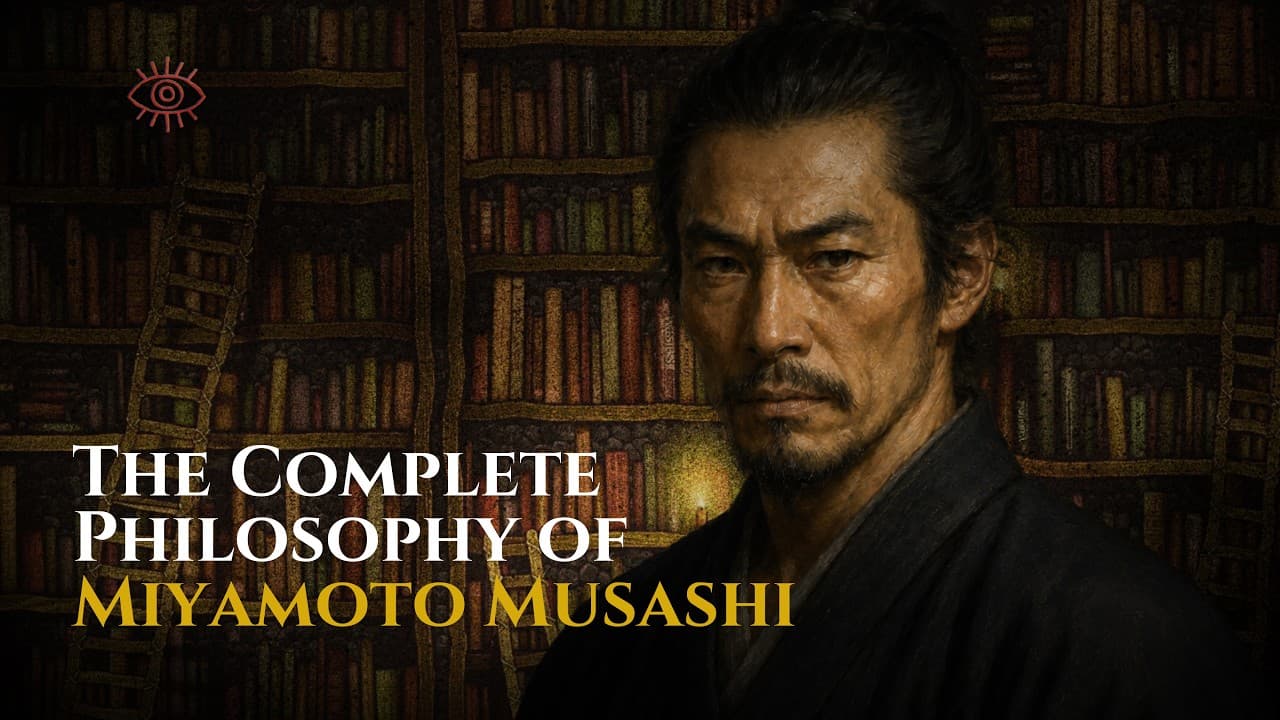
The Sword Was Never the Point | Miyamoto Musashi for Deep Sleep
He won everything his world had to offer with a sword, then spent thirty years turning away from it, toward painting, teaching, and one short and difficult book. Born into the last years of Japan's long civil wars, a rough, motherless boy killed his first opponent at thirteen and walked out onto the open road to test himself against the finest swordsmen in the land. This is the story of what he was really looking for. We follow him through the two duels that made him a legend, a broken dynasty of sword teachers in the old capital and a single stroke on a windswept island, and then through the stranger second half of his life. In a cave at the end of his days he gathered all of it into one austere book about strategy, mastery, and the clear, empty mind that waits on the far side of any discipline pursued to its depth. The full episode is on YouTube and Spotify. Please listen only in safe, restful contexts.
15 chapters6 sources